Artwork
Le gitan
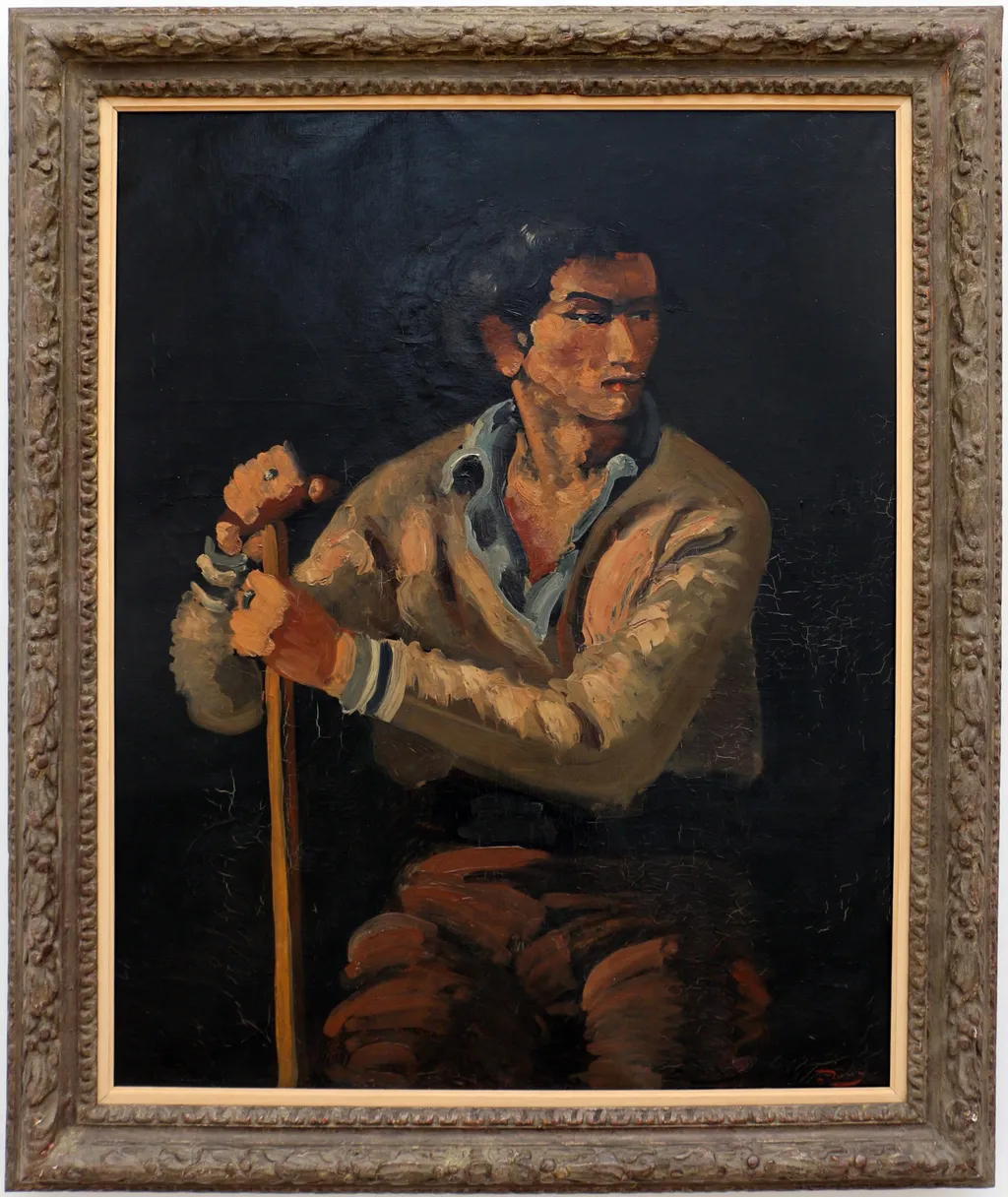
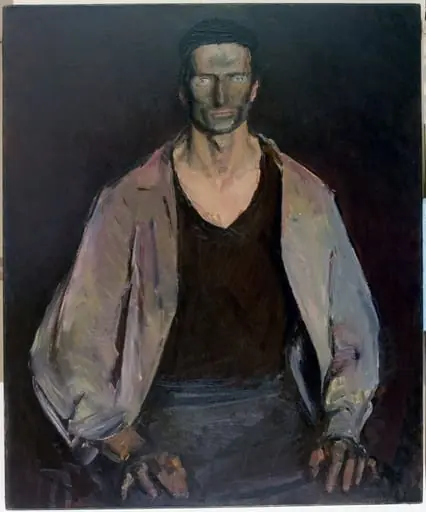
Le gitan is an oil painting by the Post-Impressionist artist André Derain. It dates from 1926 and is held in the collection of the Musée d'art moderne de Paris.
About this work
Overview
Unlike his earlier Fauvist works, this piece emphasizes muted tones and controlled composition, signaling a departure from vibrant color experimentation.
Painted in 1926 by André Derain, this oil work portrays a solitary male figure against a deep black background. The painting resides in the Musée d'art moderne de Paris and reflects Derain’s shift toward a more restrained, introspective style in his later career. Unlike his earlier Fauvist works, this piece emphasizes muted tones and controlled composition, signaling a departure from vibrant color experimentation.
Subject & Meaning
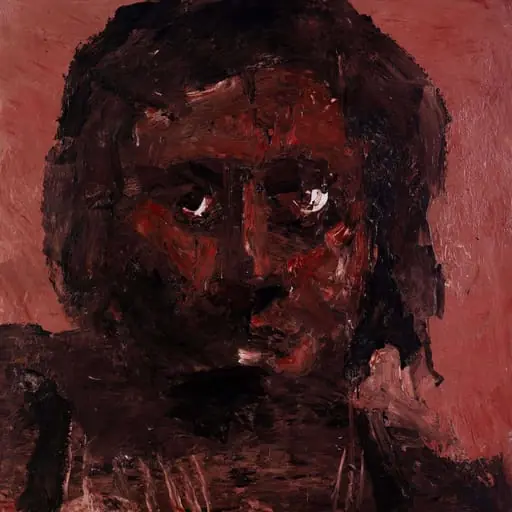
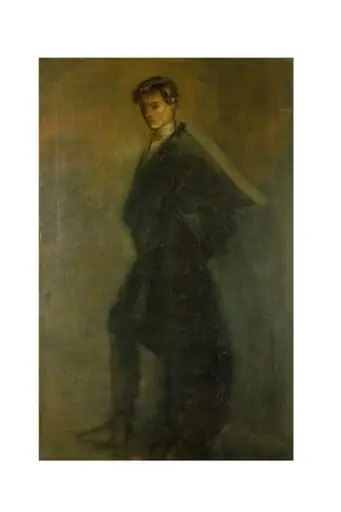
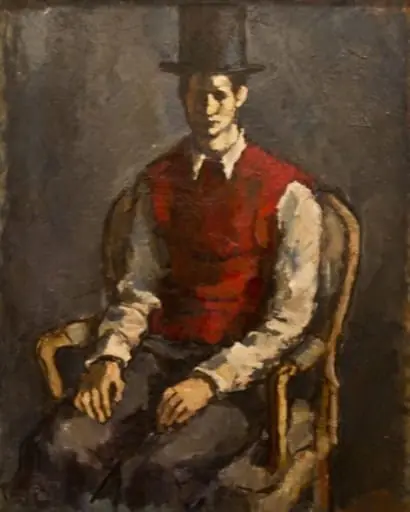
The subject is a man dressed in earth-toned clothing, holding a cane with both hands, his posture still and contemplative. His dark hair and serious expression suggest a figure withdrawn into private thought. The absence of context or narrative detail invites interpretation as a study of solitude or inner reflection, possibly evoking the marginal status of Romani individuals in early 20th-century Europe, though Derain offers no explicit commentary.
Technique & Style
Derain employs chiaroscuro to model the figure with subtle gradations of light and shadow, enhancing volume without overt realism. The palette is dominated by browns, blues, and blacks, with minimal contrast to preserve a somber tone. Brushwork is deliberate and smooth, avoiding the expressive strokes of his earlier years. The flat, black background isolates the figure, focusing attention on form and mood rather than environment.
History & Provenance
The painting entered the collection of the Musée d'art moderne de Paris in the mid-20th century, following Derain’s established reputation as a key modernist. Its acquisition reflects institutional interest in his post-Fauvist output. No significant exhibition or ownership history outside the museum is documented, suggesting it remained a personal or studio work rather than a public commission.
Context
Created during Derain’s mature phase, the painting aligns with a broader trend among European artists of the 1920s to revisit classical themes and psychological depth after the upheavals of war. While still rooted in modernism, the work rejects abstraction in favor of figurative restraint, echoing influences from Renaissance portraiture and the quiet intensity of Spanish painting.
Legacy
Though less known than Derain’s Fauvist paintings, this work contributes to understanding his artistic evolution. It demonstrates his capacity for emotional nuance and formal discipline in later years. Scholars cite it as an example of how modernist painters reengaged with traditional techniques to convey psychological complexity outside the avant-garde mainstream.
Artist & collection

Artist
André Derain was a French artist, painter, sculptor and co-founder, with Henri Matisse, of Fauvism.