Artwork
König Philipp III. von Spanien (1578-1621), Bildnis im Harnisch
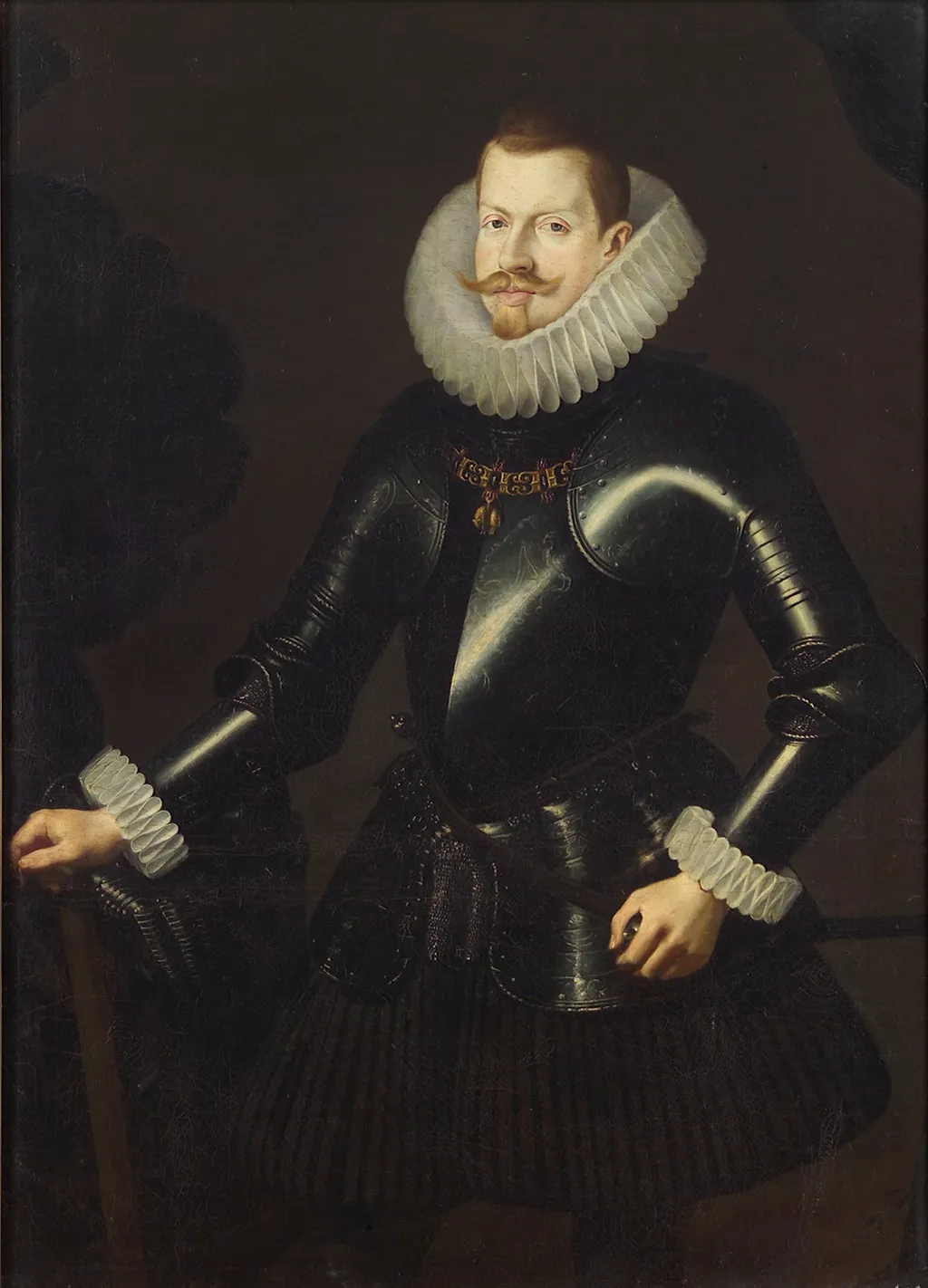
König Philipp III. von Spanien (1578-1621), Bildnis im Harnisch is an oil painting by the Early Baroque Italian artist Andrés López Polanco. It dates from 1617 and is held in the collection of the Kunsthistorisches Museum.
About this work
Overview
This oil painting, created in 1617 by Andrés López Polanco, portrays Philip III of Spain, King from 1598 to 1621. The work is now part of the collection at the Kunsthistorisches Museum.
Subject & Meaning
The subject, Philip III, is depicted in formal, ornate attire indicative of high nobility: a black leather jerkin with gold accents, pleated skirt, white ruffled collar and cuffs. His right hand on a sword and left on a cane convey authority and dignity. His serious expression, characterized by a distinctive mustache and short brown hair, reflects the solemnity of royal portraiture.
Technique & Style
The painting exemplifies 17th-century European portraiture techniques, marked by realism and meticulous attention to detail. The dark background, with a subtle shadow, enhances the subject's prominence, while the interplay of textures (leather, fabric, metal) showcases the artist's craftsmanship.
History & Provenance
Created in 1617, the portrait is attributed to Andrés López Polanco. It is currently housed at the Kunsthistorisches Museum, though the full provenance history prior to its museum acquisition is not detailed here.
Context
Commissioned during Philip III's reign, the painting likely served to project the king's power and status. It aligns with the artistic trends of the time, where royal portraits were used as tools of political and social assertion.
Legacy
While specific influences or direct artistic descendants of this work are not highlighted, it contributes to the broader legacy of 17th-century royal portraiture, offering insights into the era's political and artistic practices.
Artist & collection

Artist
Andrés López Polanco, was a Spanish Baroque painter specializing in portraits. Documented in Madrid between 1608 and 1641, he worked for the court of King Philip III of Spain and King Philip IV of Spain. His exact date of birth is unknown.

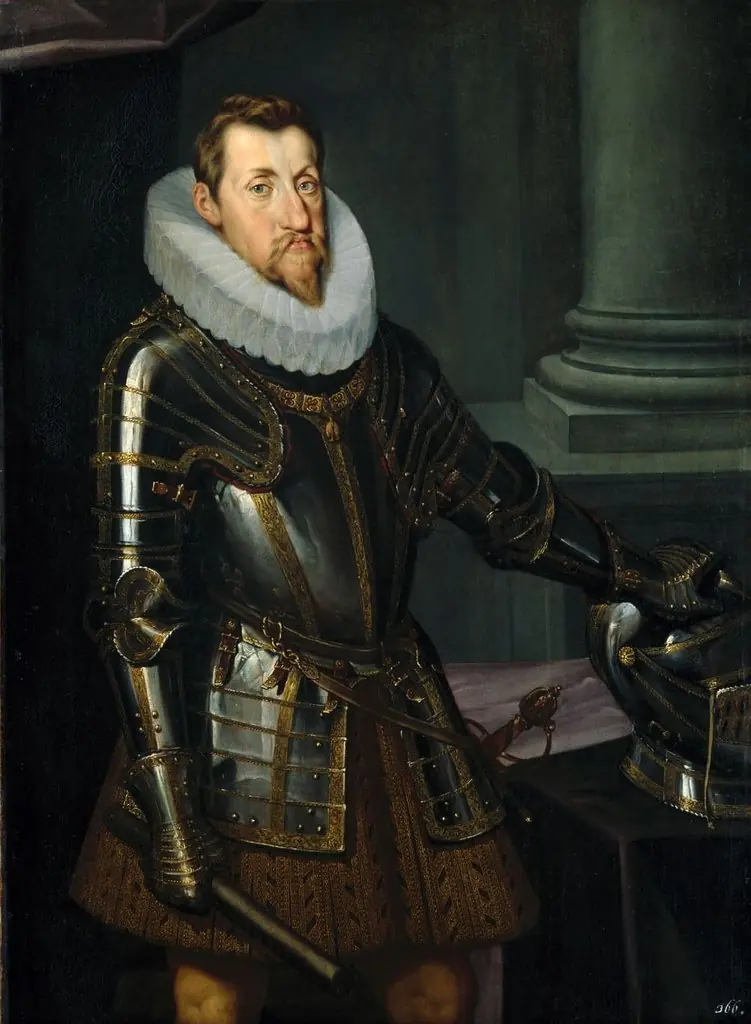 Portrait of Ferdinand II, Holy Roman Emperor (1578-1637)
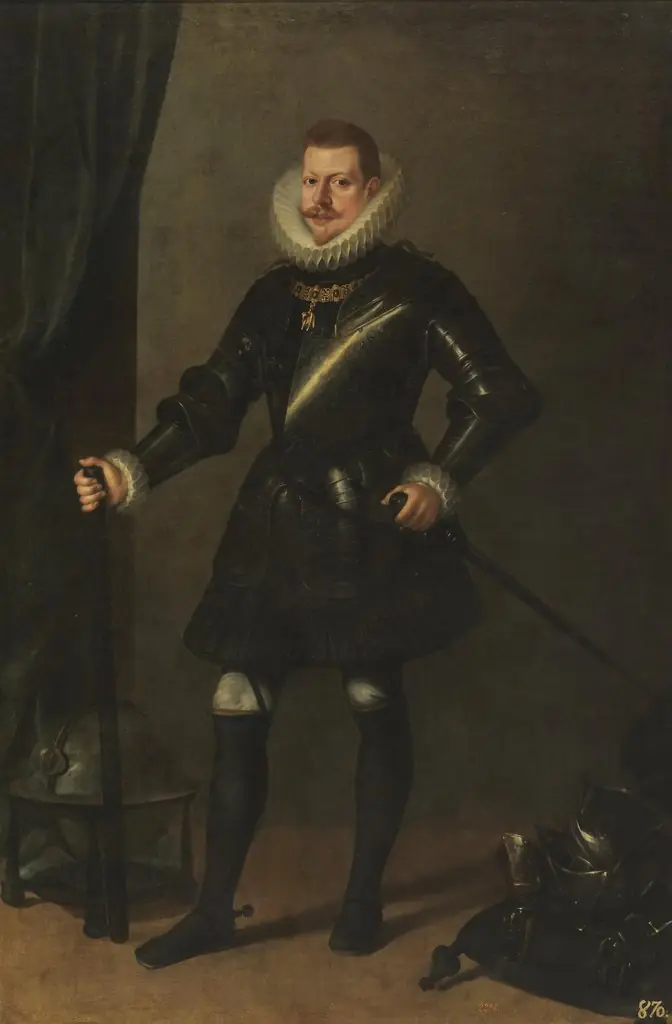 Philip III in Armour
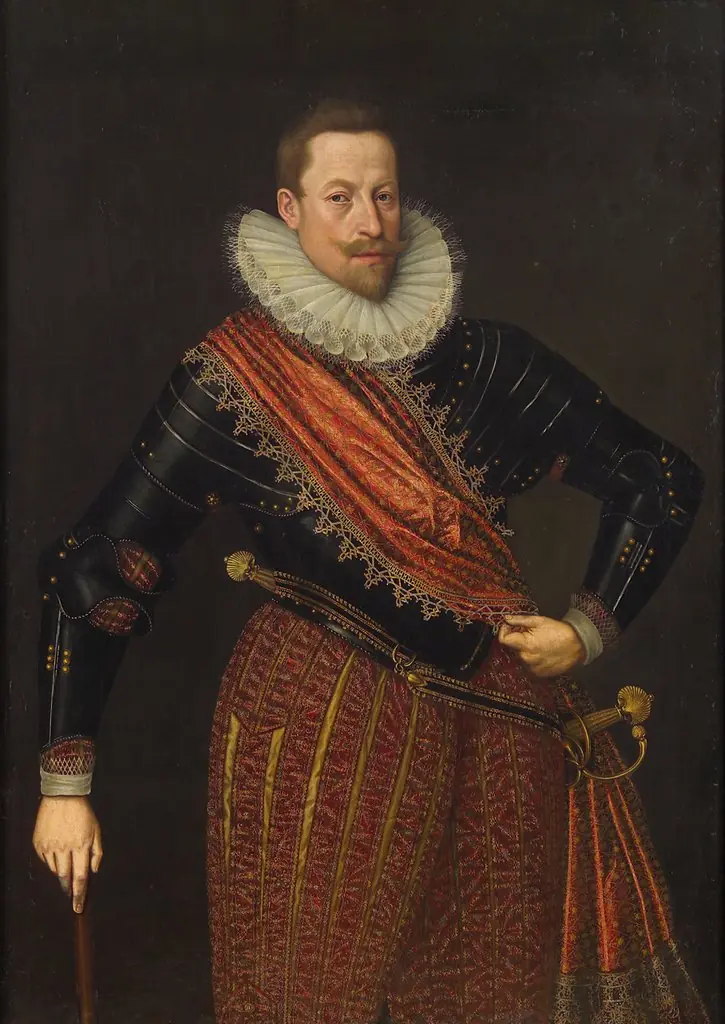 Portrait of Matthias II of Habsburg (1557-1619), the future Holy Roman Emperor
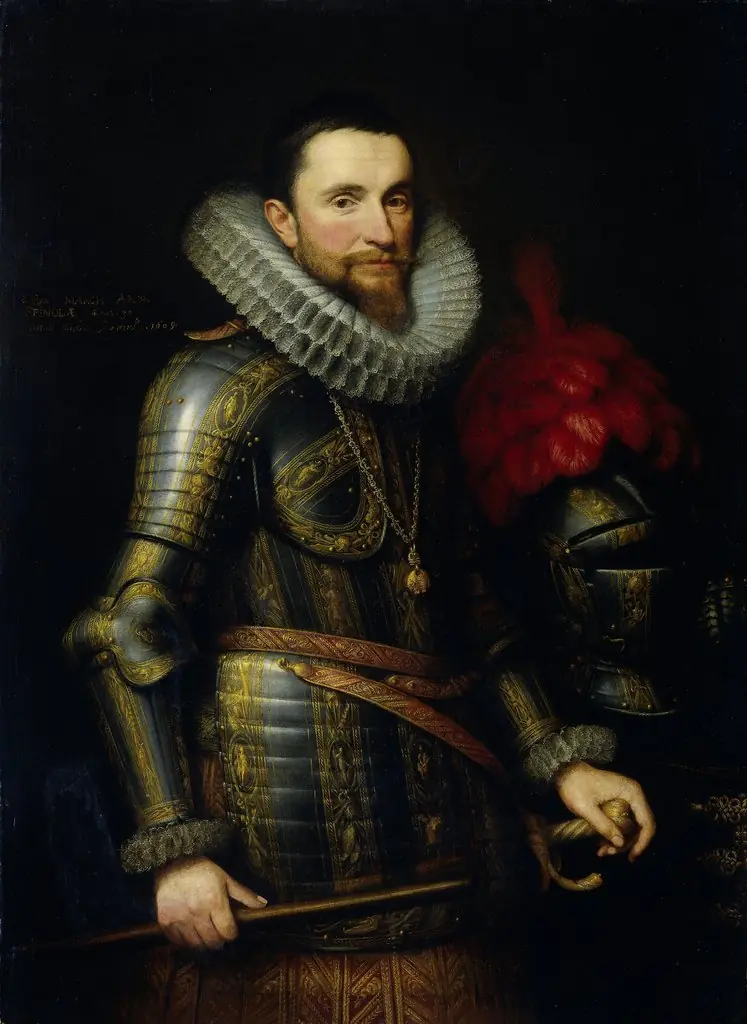 Portrait of Ambrogio Spinola (1569-1630)
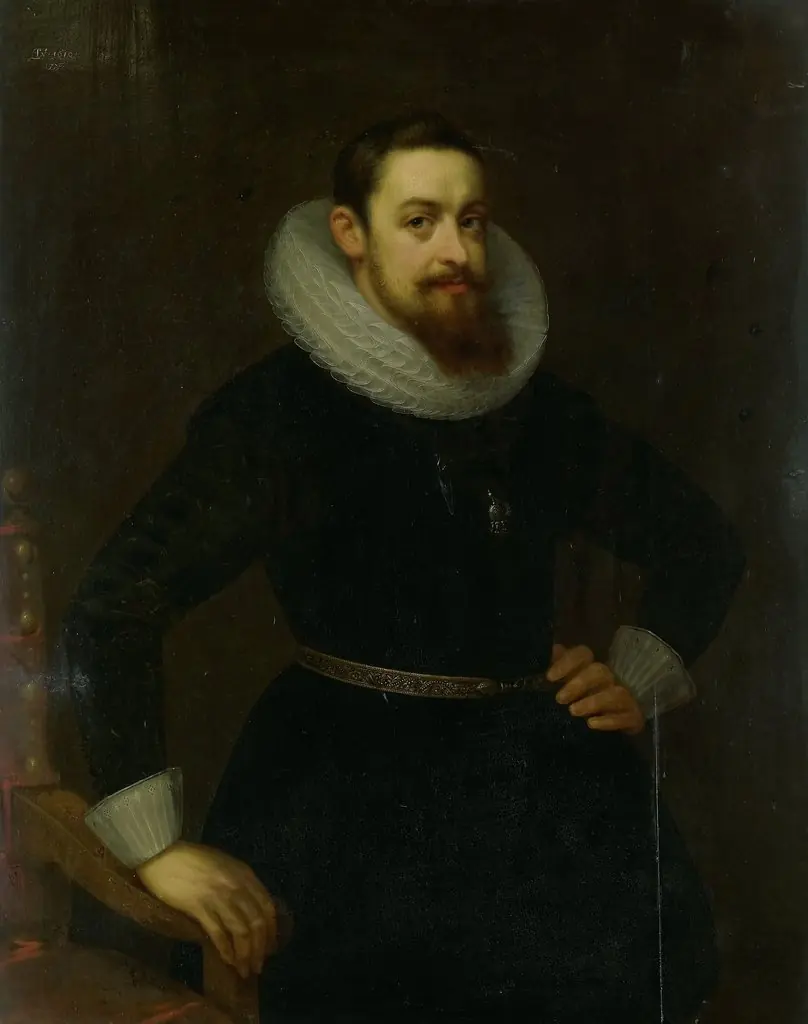 Portrait of Jeremias Boudinois
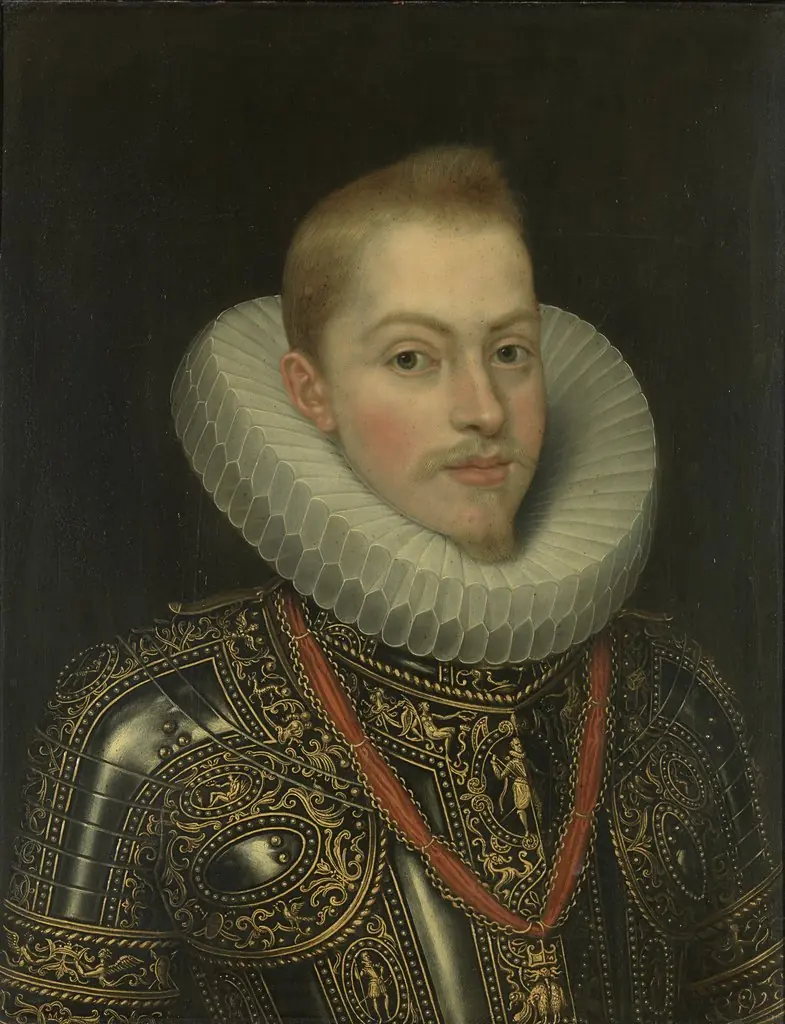 Portrait of Philip III, King of Spain
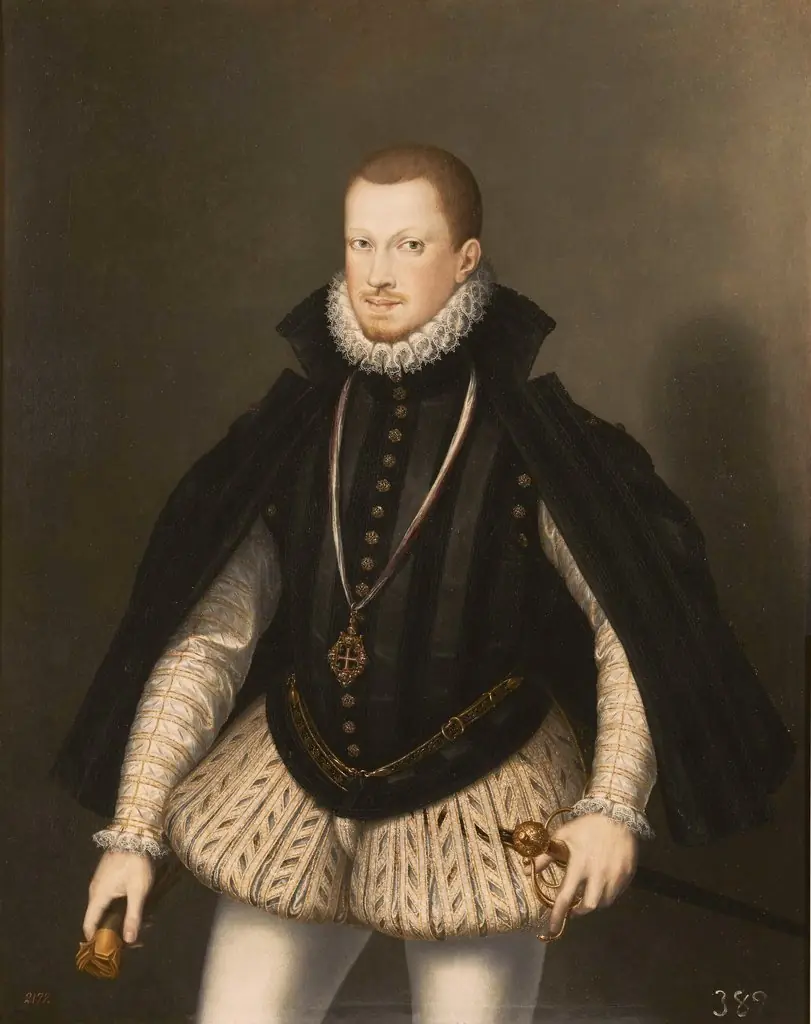 Don Sebastián rey de Portugal
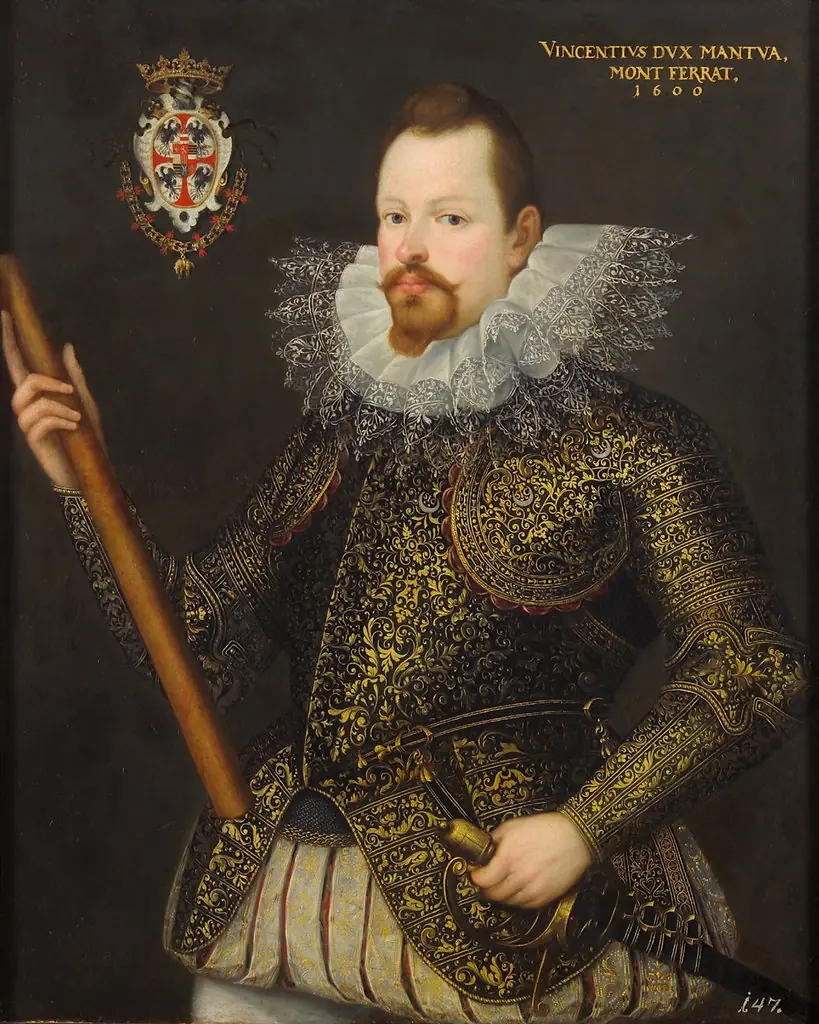 Portrait of Vicenzo Gonzaga, Duke of Mantua
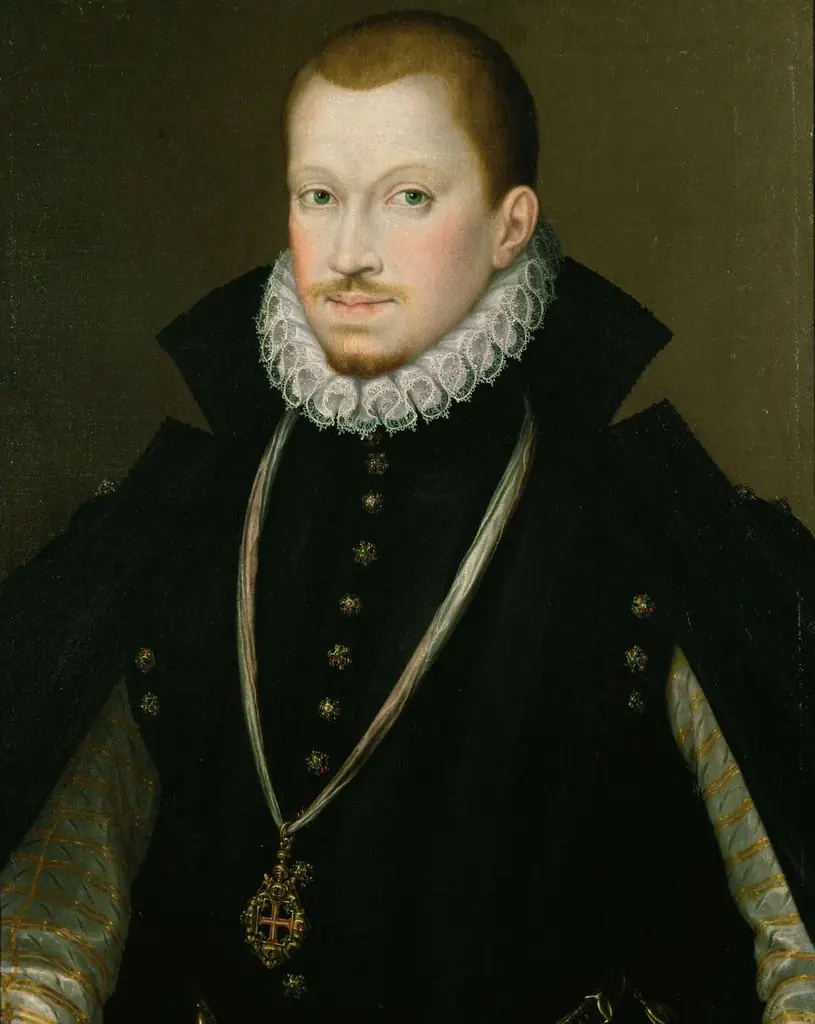 Don Sebastian (1554-nach 1578), König von Portugal, mit dem Kreuz des Christusordens, Halbfigur (beschnitten)
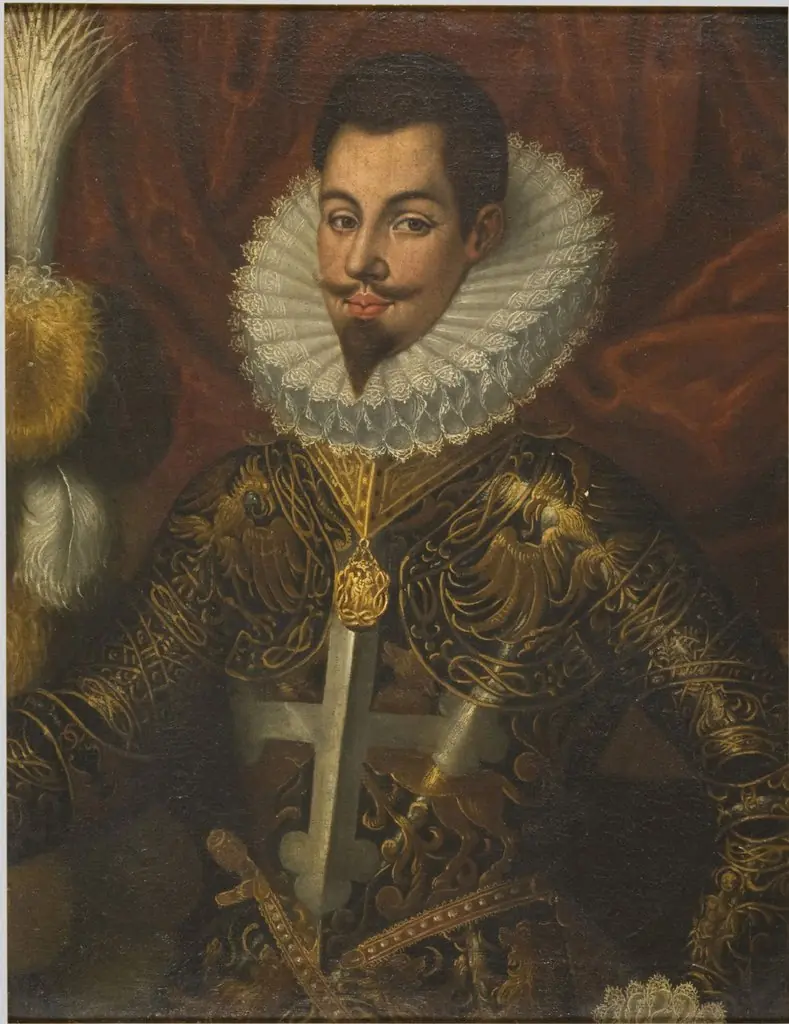 Portrait of a Man in Armor
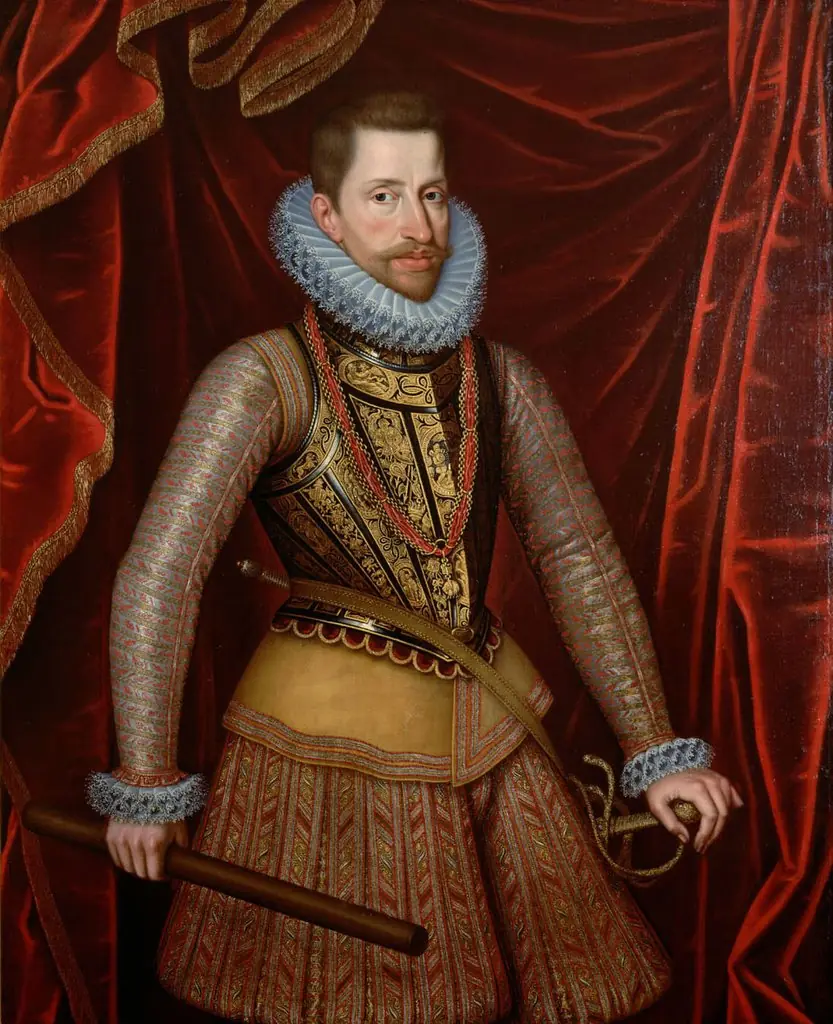 Portrait of Albrecht VII, Archduke of Austria (1559-1621)
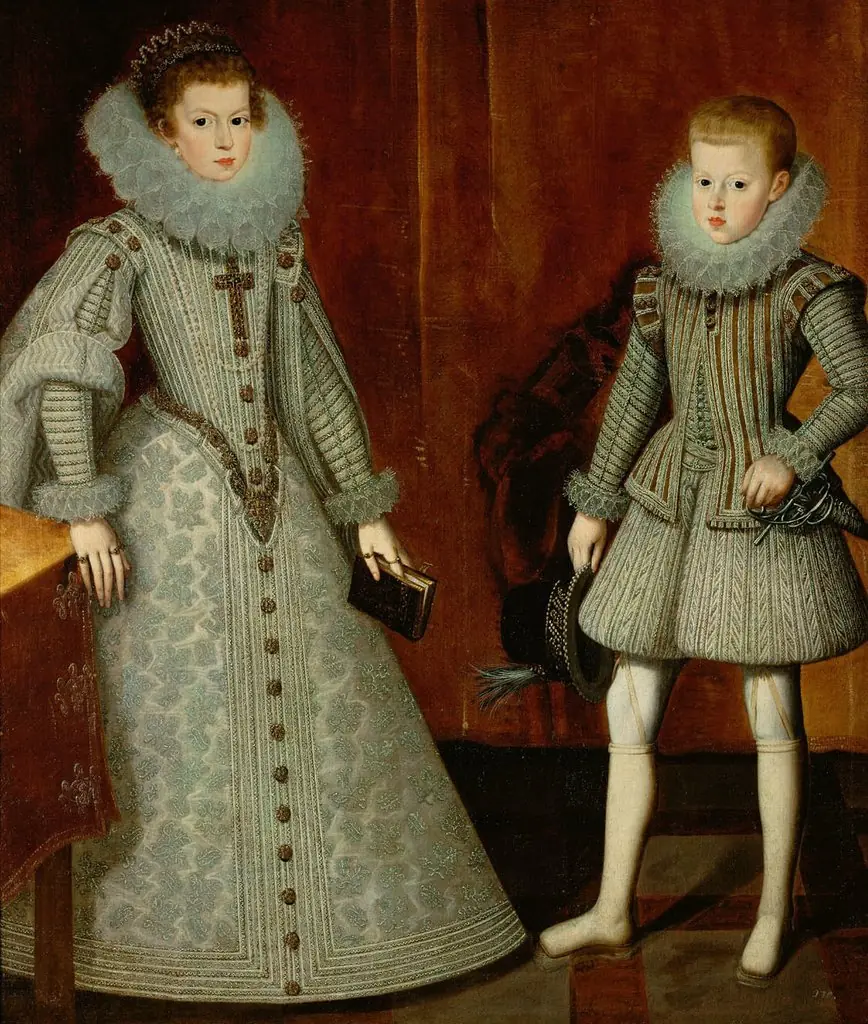 König Philipp IV. von Spanien (1605-1665) mit seiner Schwester, der Infantin Anna (1601-1666), Bildnis in ganzer Figur