Artwork
König Philipp IV. von Spanien (1605-1665) mit seiner Schwester, der Infantin Anna (1601-1666), Bildnis in ganzer Figur
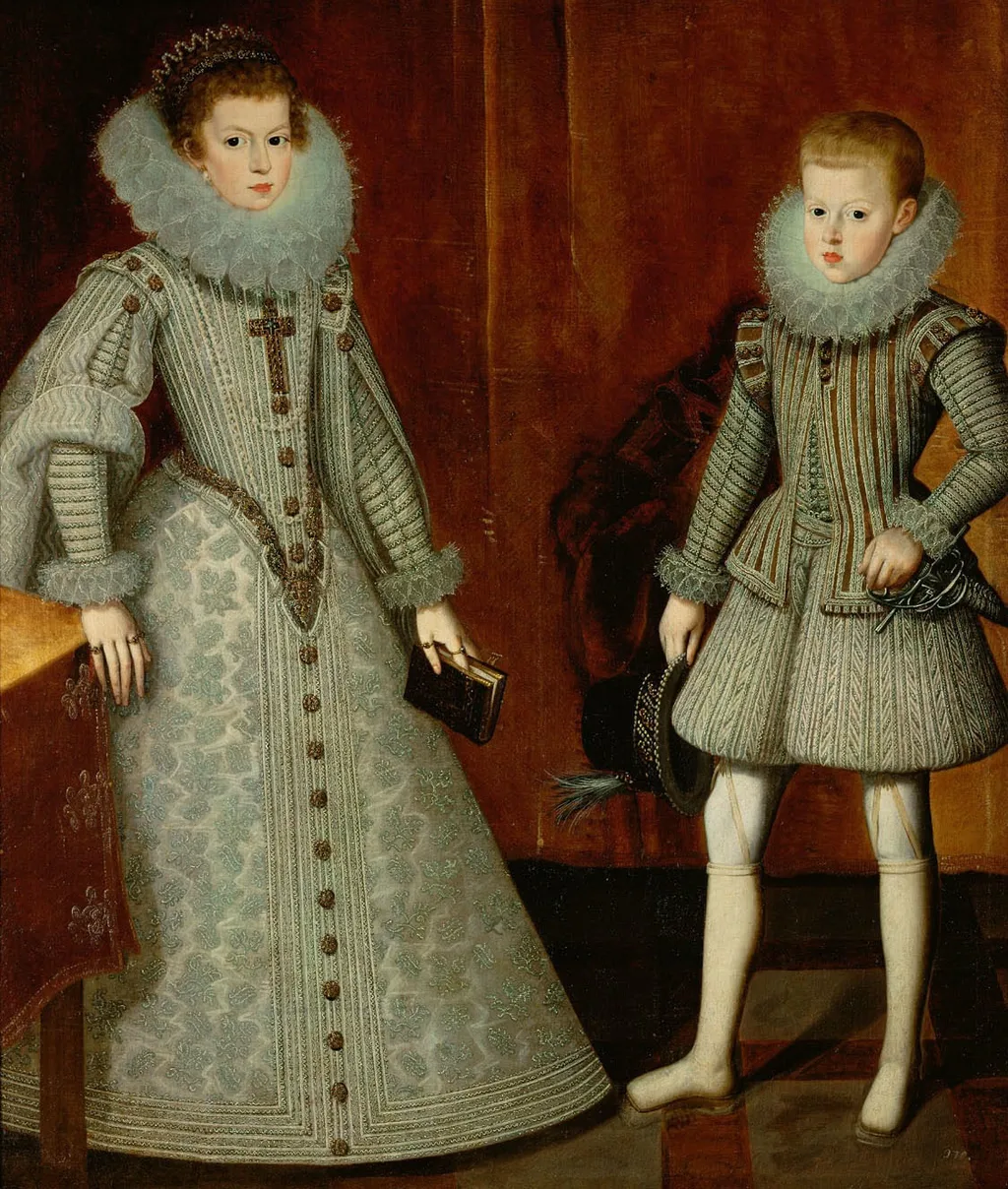
König Philipp IV. von Spanien (1605-1665) mit seiner Schwester, der Infantin Anna (1601-1666), Bildnis in ganzer Figur is an unspecified painting by the Early Baroque Italian artist Bartolomé González y Serrano. It dates from 1612 and is held in the collection of the Kunsthistorisches Museum.
About this work
Overview
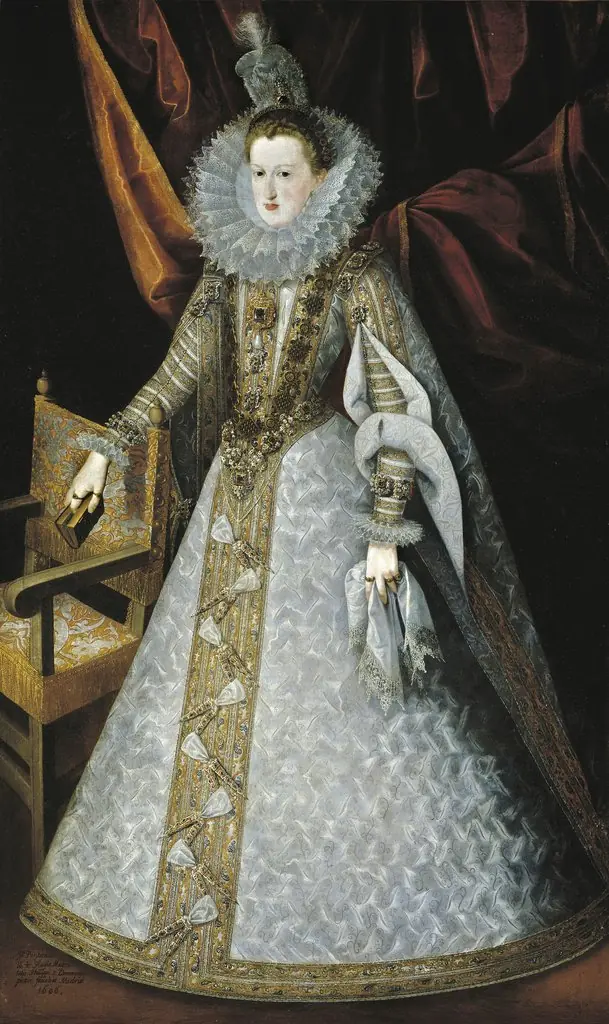
Bartolomé González y Serrano’s full‑length canvas, dated 1612, portrays the Spanish monarch Philip IV alongside his sister, the Infanta Anna. Executed in the early Baroque idiom, the work follows the courtly portrait tradition of the Spanish Habsburgs and is now part of the collection of the Kunsthistorisches Museum in Vienna.
Subject & Meaning
The two figures stand side by side in regal attire; the Infanta holds a book, a conventional symbol of education and piety, while Philip is presented in comparable dress, emphasizing dynastic unity. The composition underscores the familial bond and the political legitimacy of the ruling family.
Technique & Style
González y Serrano, a pupil of Juan Pantoja de la Cruz, employs a restrained palette and careful modelling of fabrics. The dark red drapery behind the sitters creates a deep spatial backdrop, while the meticulous rendering of lace, ruffles, and jewelry reflects the Italian‑influenced Baroque aesthetic prevalent in early‑17th‑century Spain.
History & Provenance
Commissioned during Philip IV’s early reign, the portrait remained in the Spanish royal collection before entering the Viennese museum’s holdings in the 19th century. Its transfer reflects the broader movement of Habsburg artworks across European courts.
Context
The painting belongs to a series of dynastic portraits that reinforced the authority of the Spanish monarchy during a period of political consolidation. By depicting the king with his sister, the work also highlights the role of the Infanta as a diplomatic asset within European marriage alliances.
Artist & collection
Artist
Bartolomé González y Serrano (1564–1627) was a Spanish Baroque painter specializing in portraits that represent a continuation of Renaissance court portrait types practiced by Alonso Sánchez Coello and especially by Juan Pantoja de la Cruz.

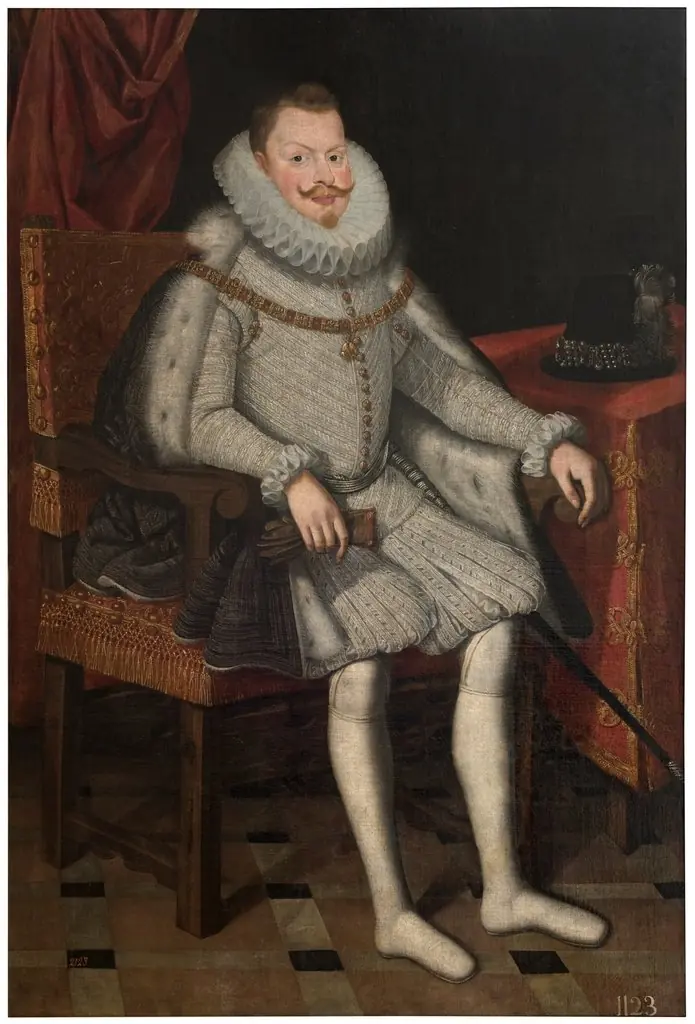 Felipe III rey de España sedente
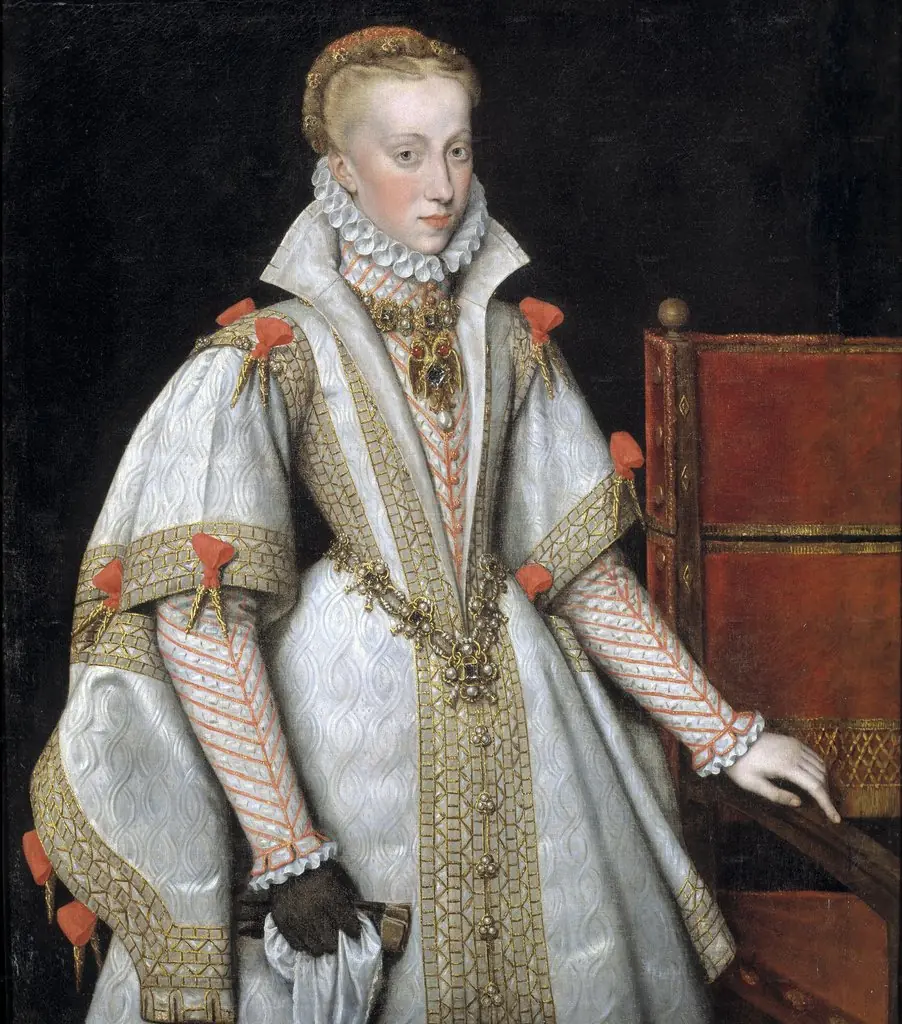 Queen Anne of Austria, fourth Wife of Philip II
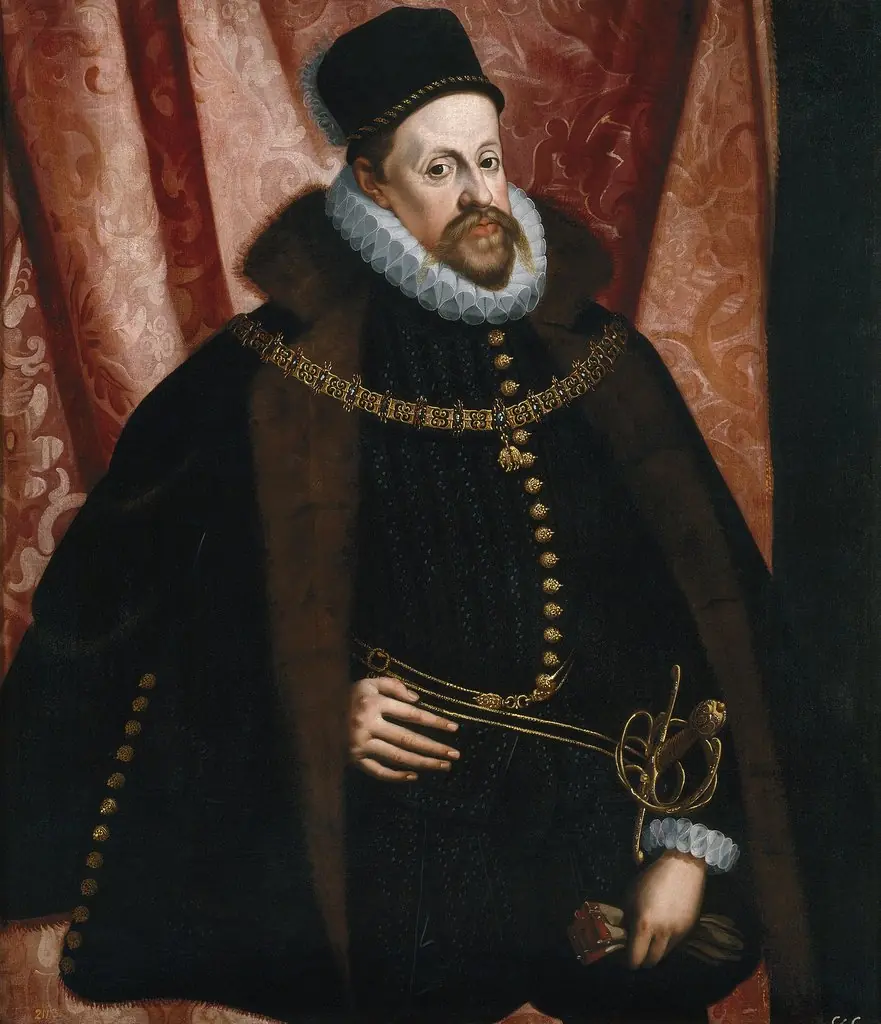 El archiduque Carlos de Austria, duque de Stiria
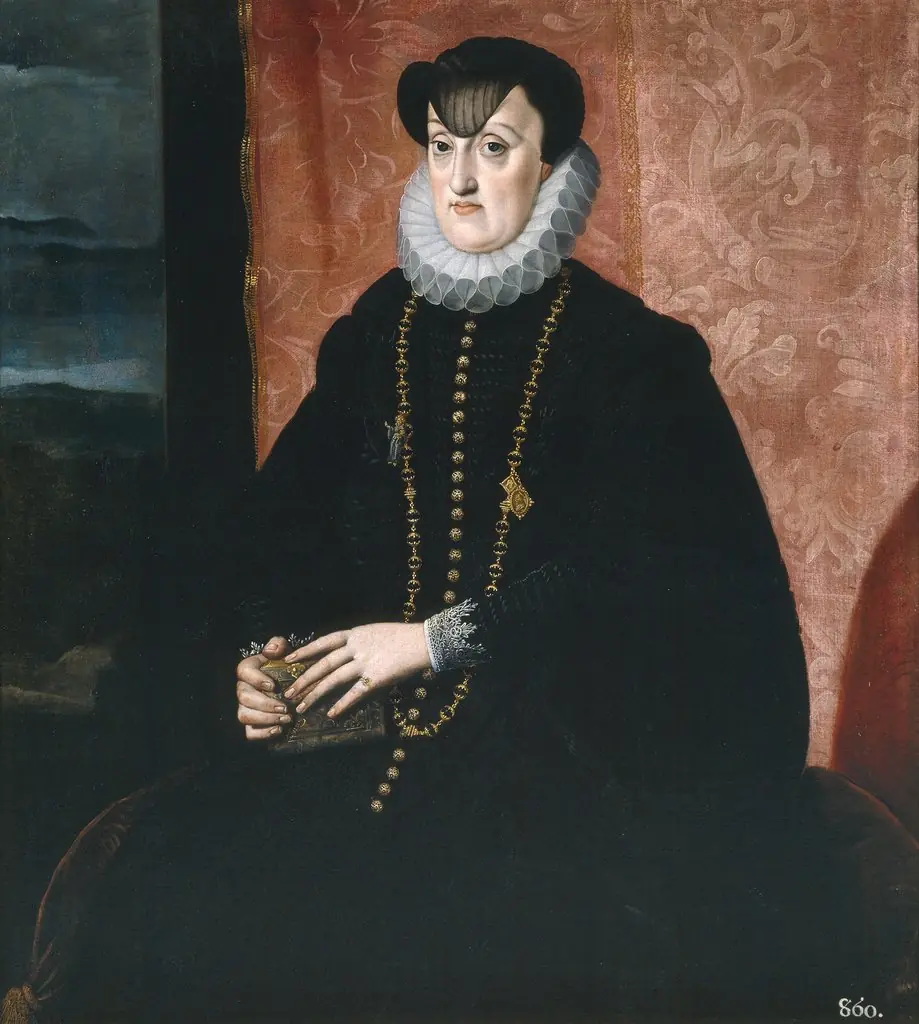 La archiduquesa María de Baviera duquesa de Stiria
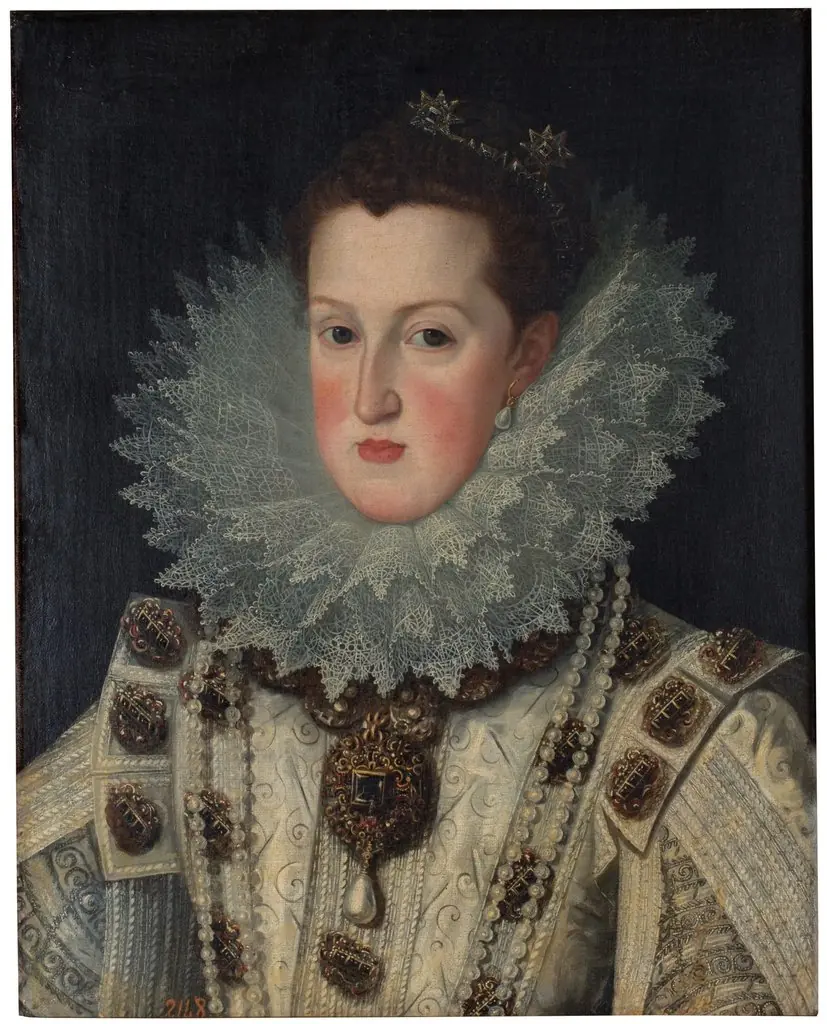 Margarita de Austria, reina de España
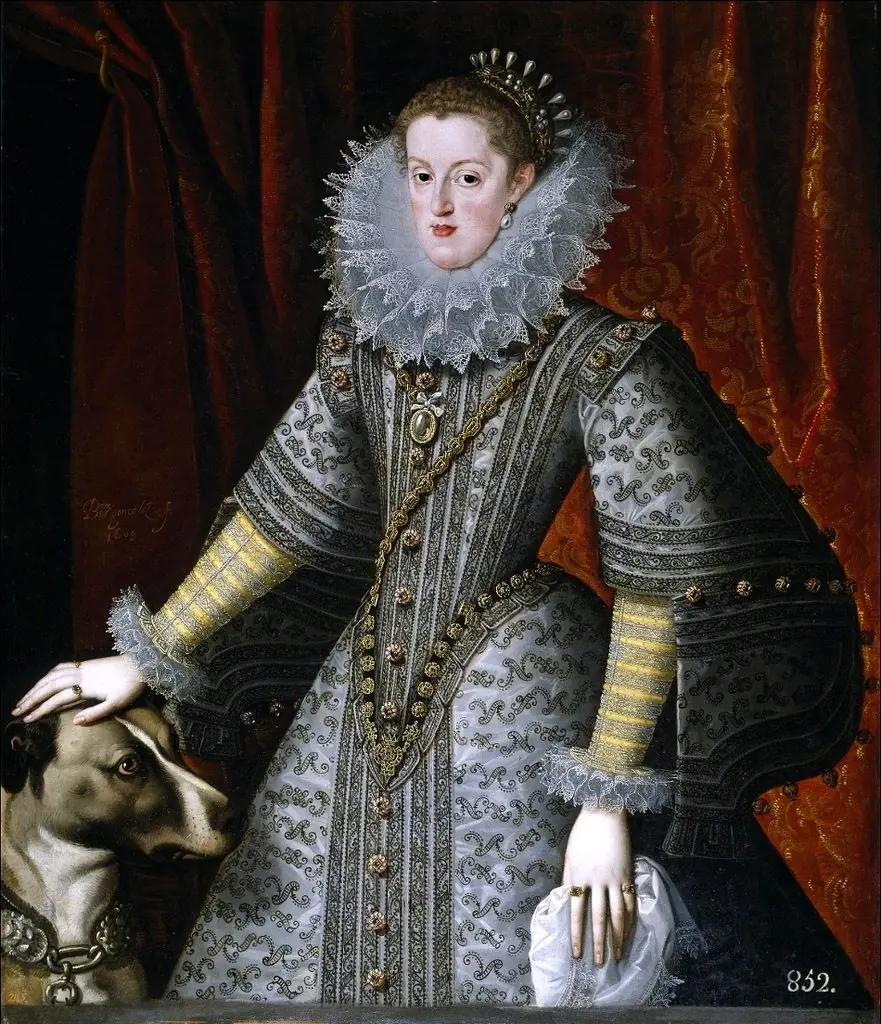 Queen Margaret of Austria
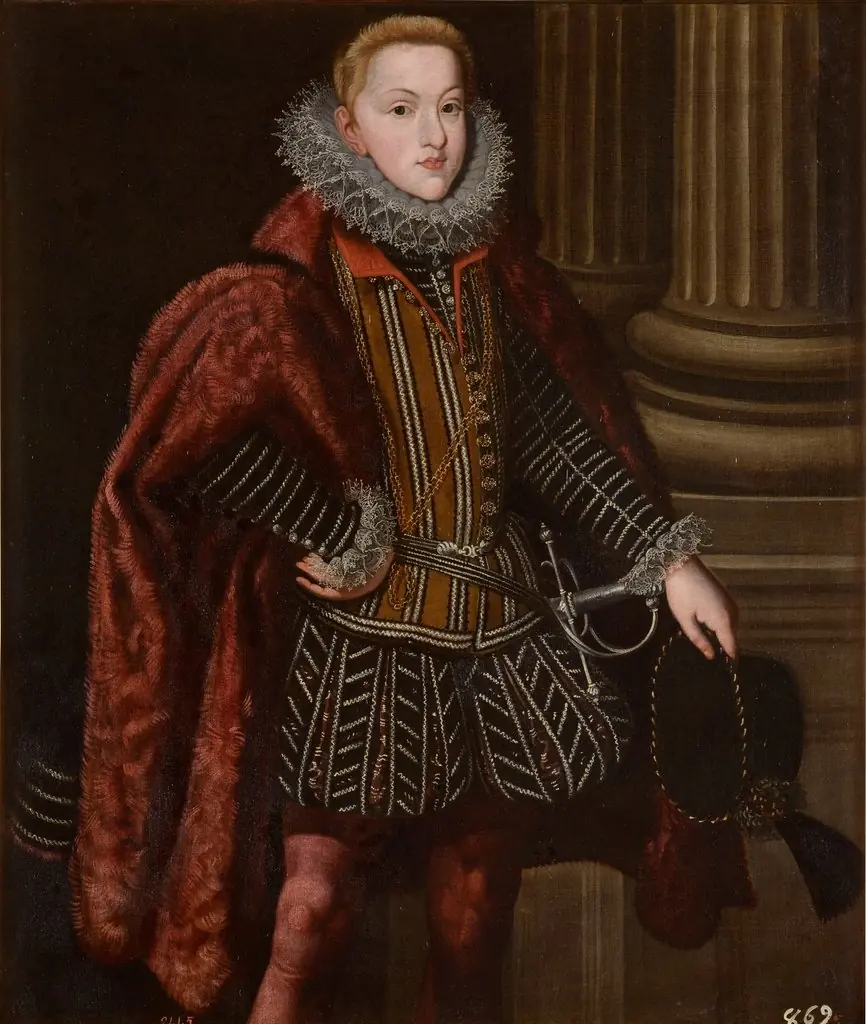 El archiduque Leopoldo cuñado de Felipe III
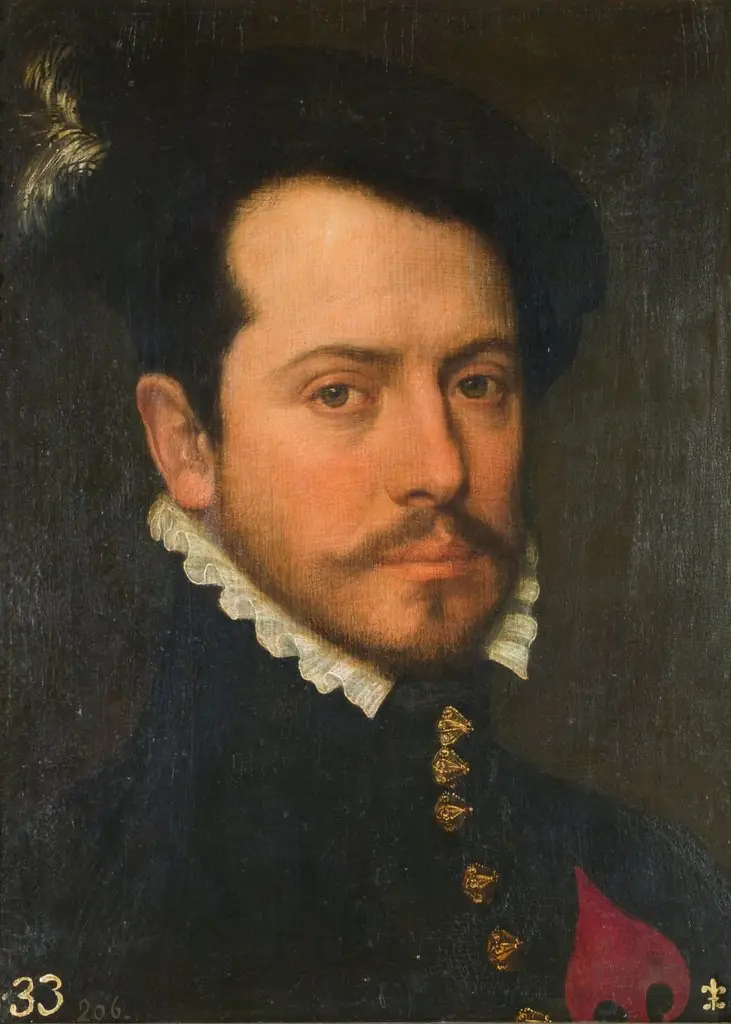 Portrait of a Knight of the Order of Santiago
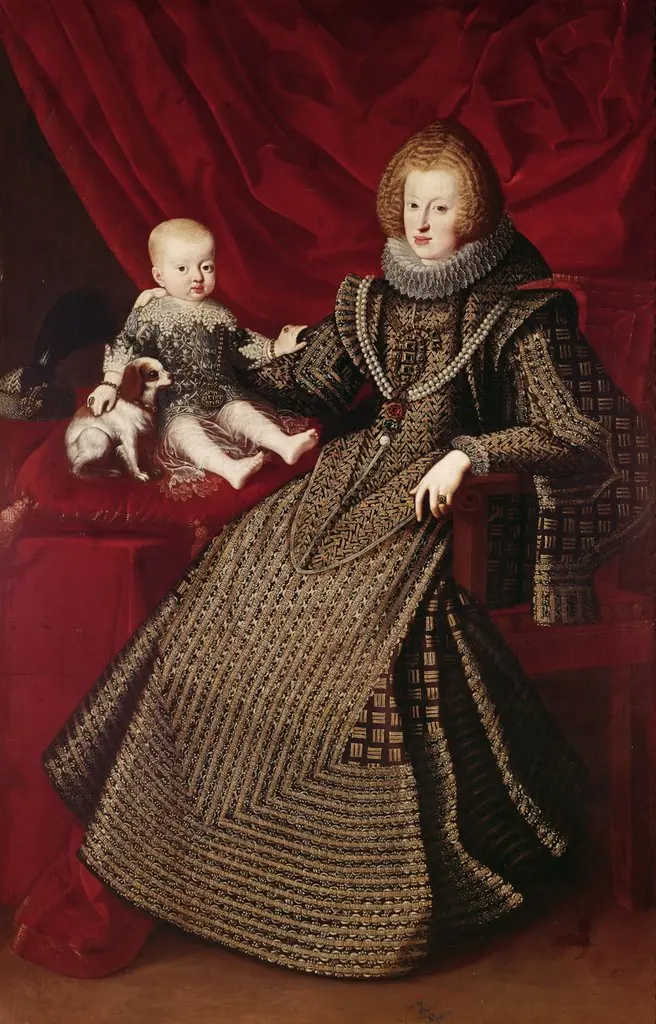 Infantin Maria Anna (1606-1646), Kaiserin, in ganzer Figur mit ihrem erstgeborenen Sohn Ferdinand (1633-1654)
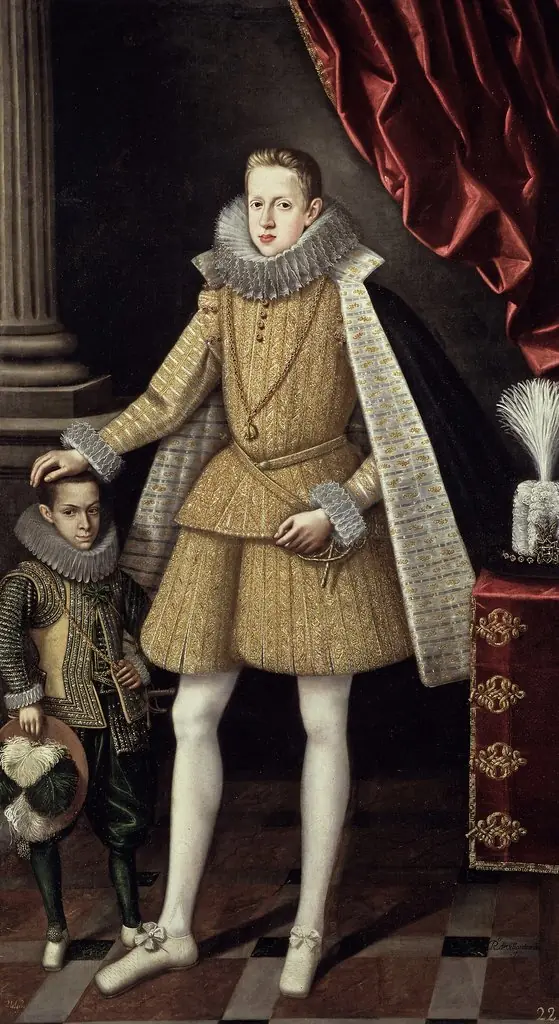 Prince Philip and the Dwarf, Miguel Soplillo
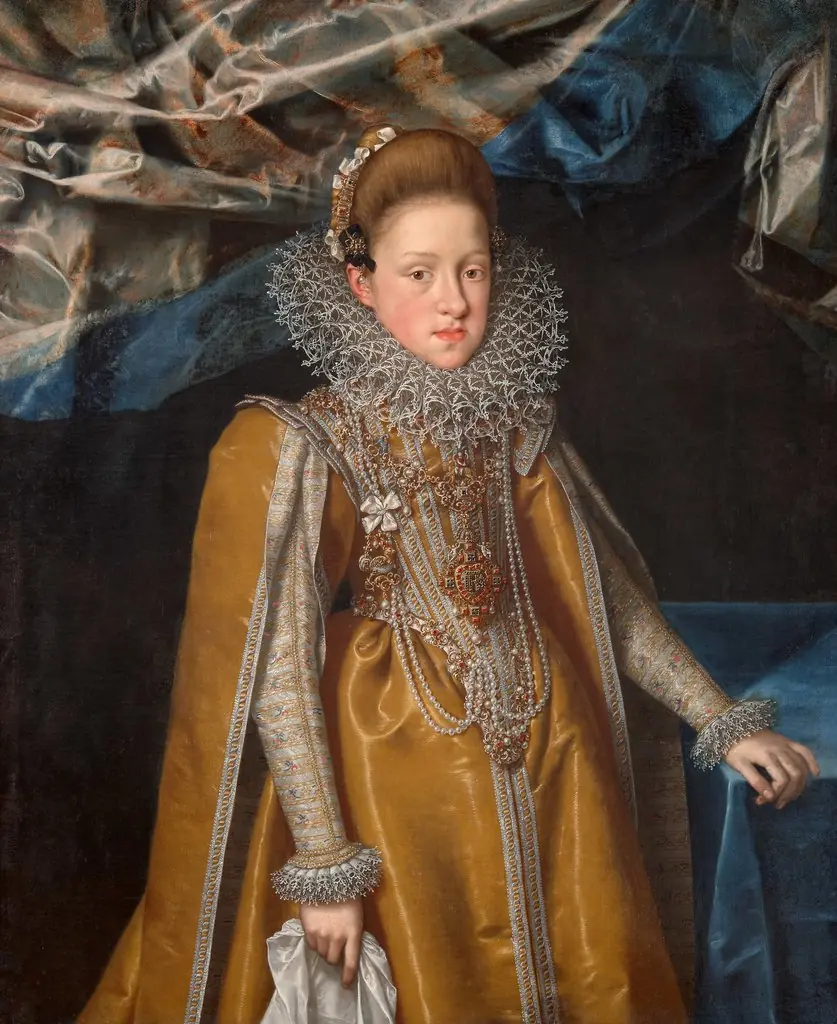 Archduchess Maria Magdalena of Austria
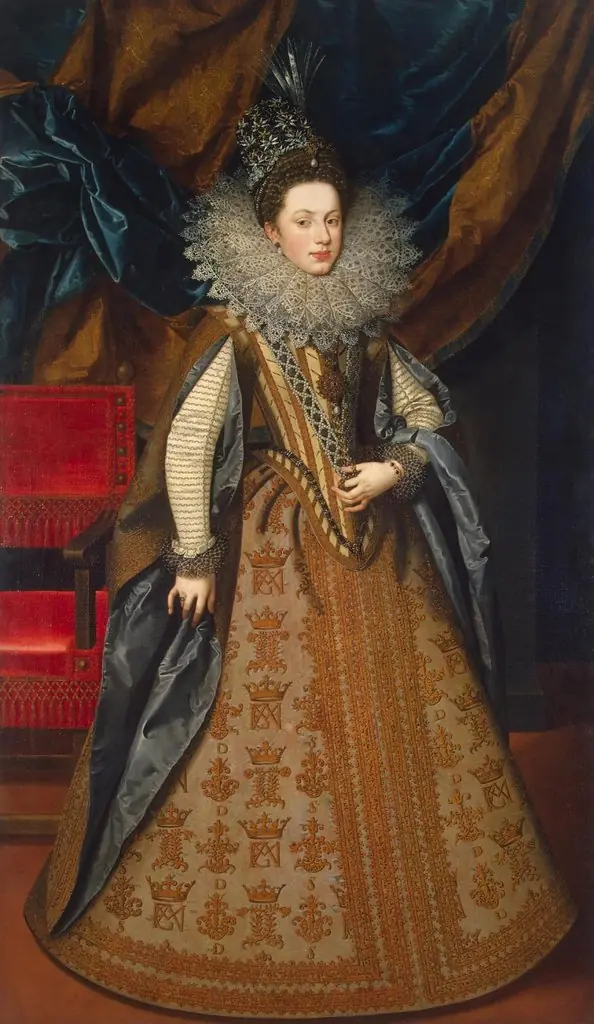 Portrait of Margaret of Savoy, Duchess of Mantua
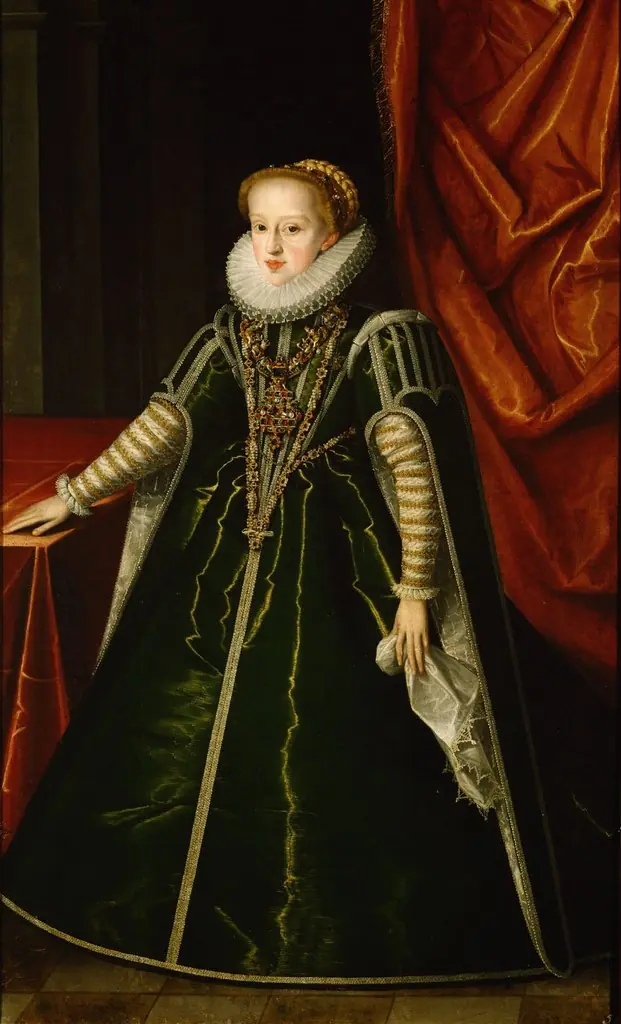 Erzherzogin Gregoria Maximiliane (1581-1597), Tochter von Karl II. von Innerösterreich, im Alter von 11 bis 12 Jahren in ganzer Figur
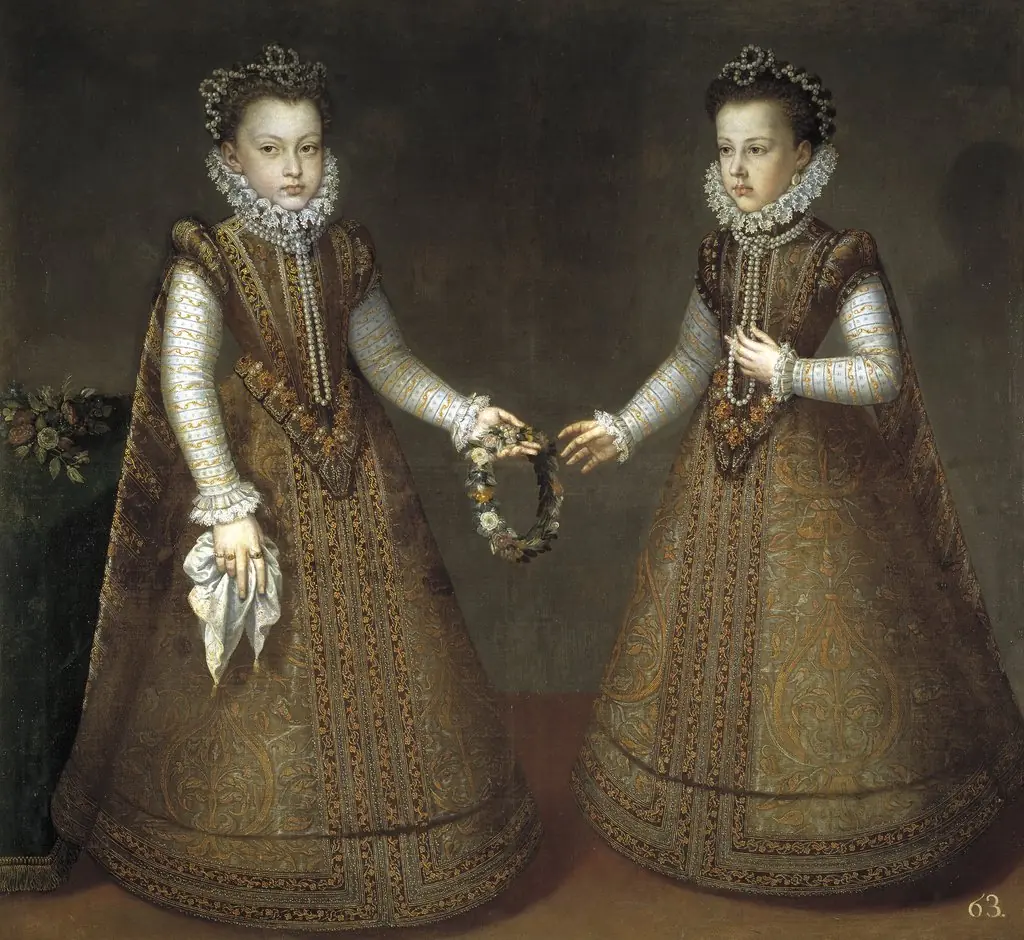 The Infantas Isabel Clara Eugenia and Catalina Micaela
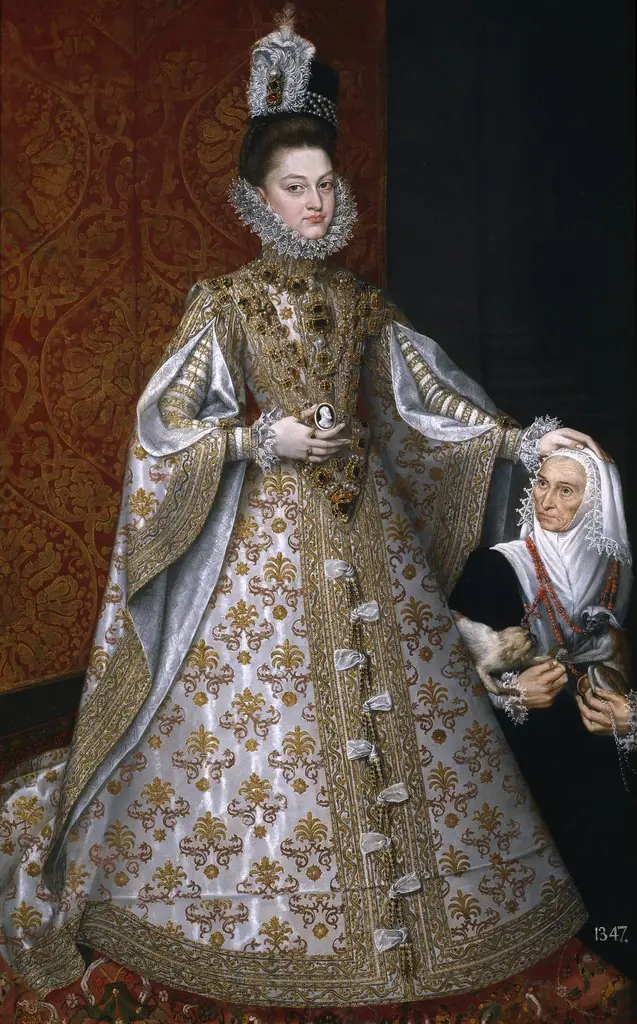 The Infanta Isabel Clara Eugenia and Magdalena Ruiz
 Margaret of Austria