Artwork
Flowerpiece
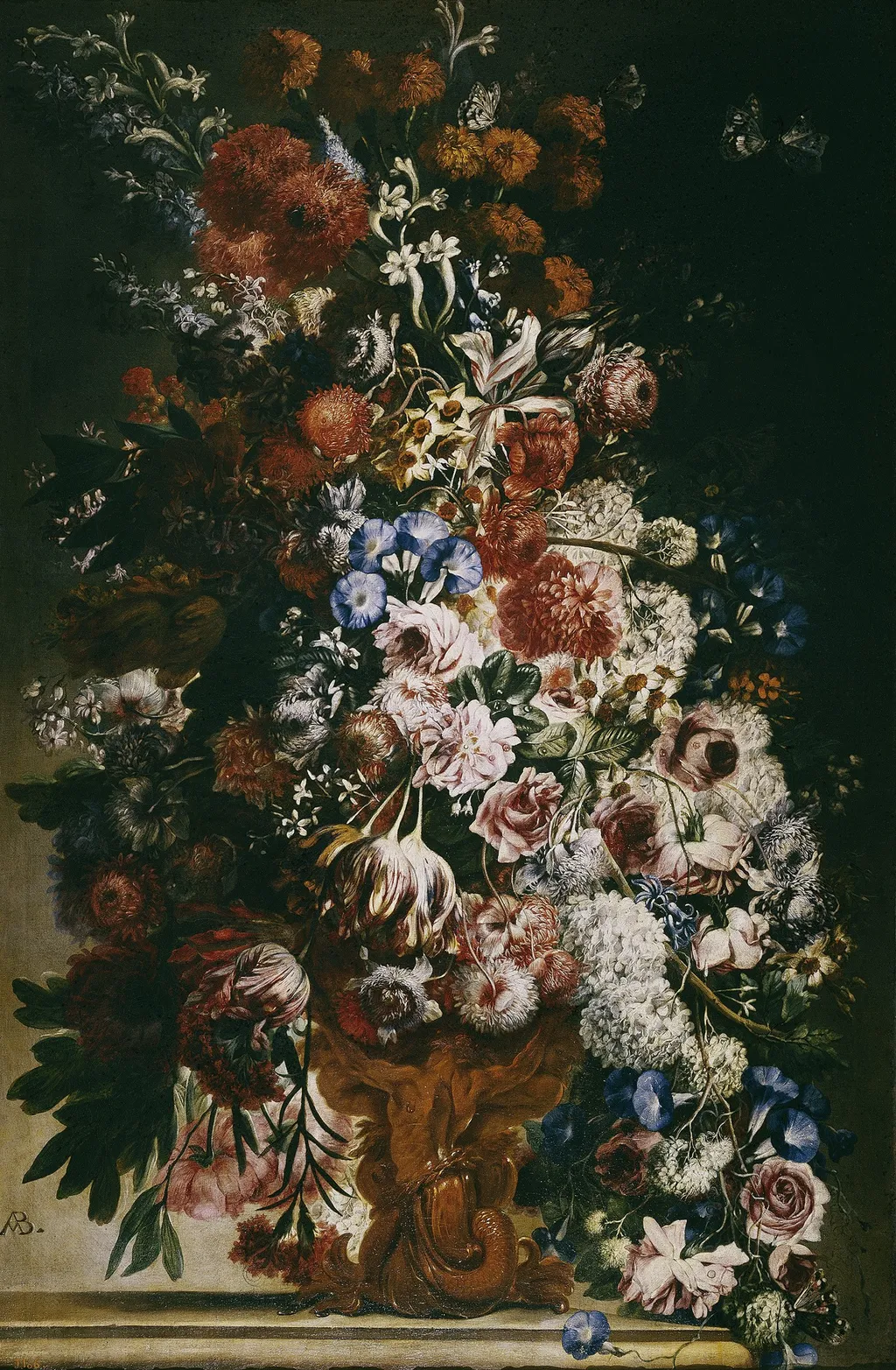
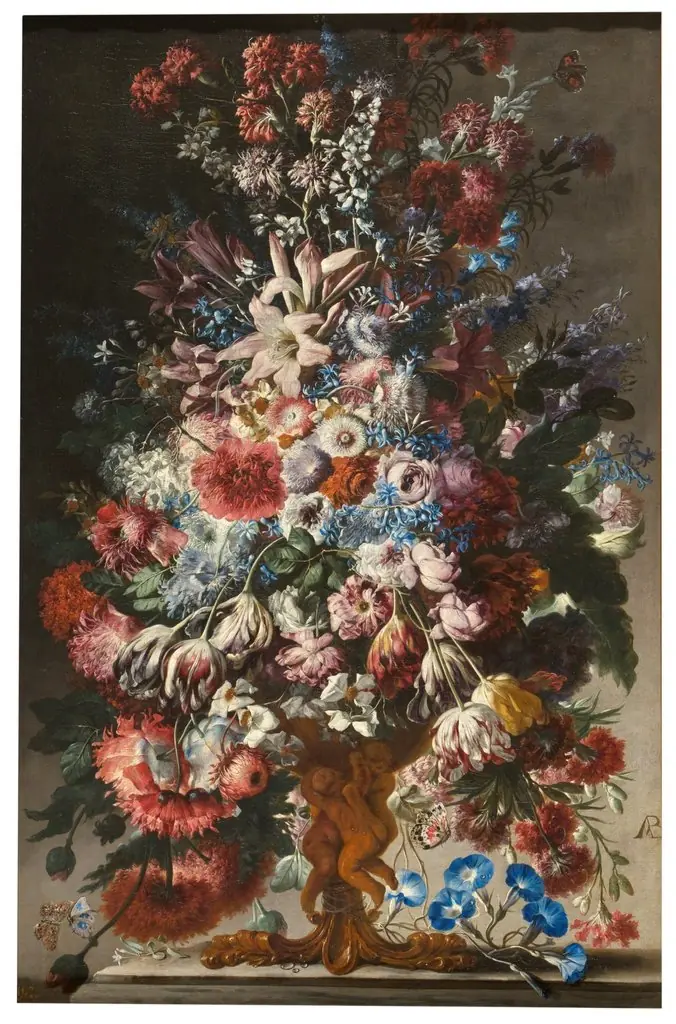
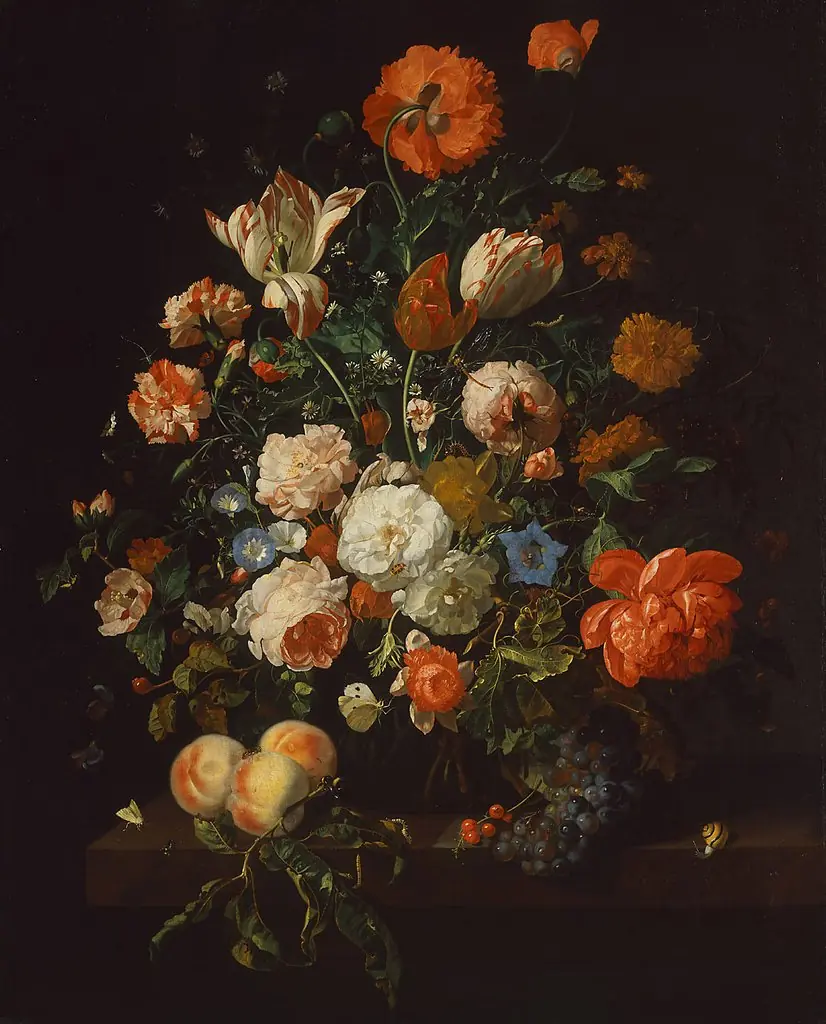
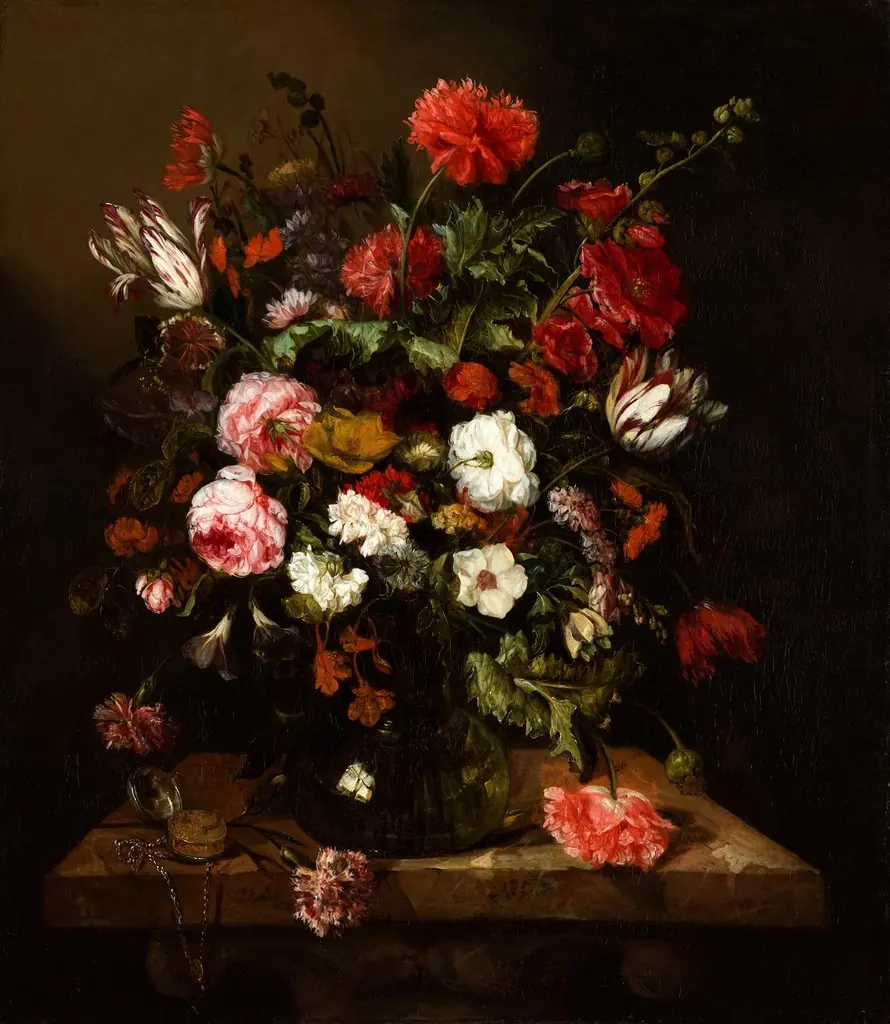
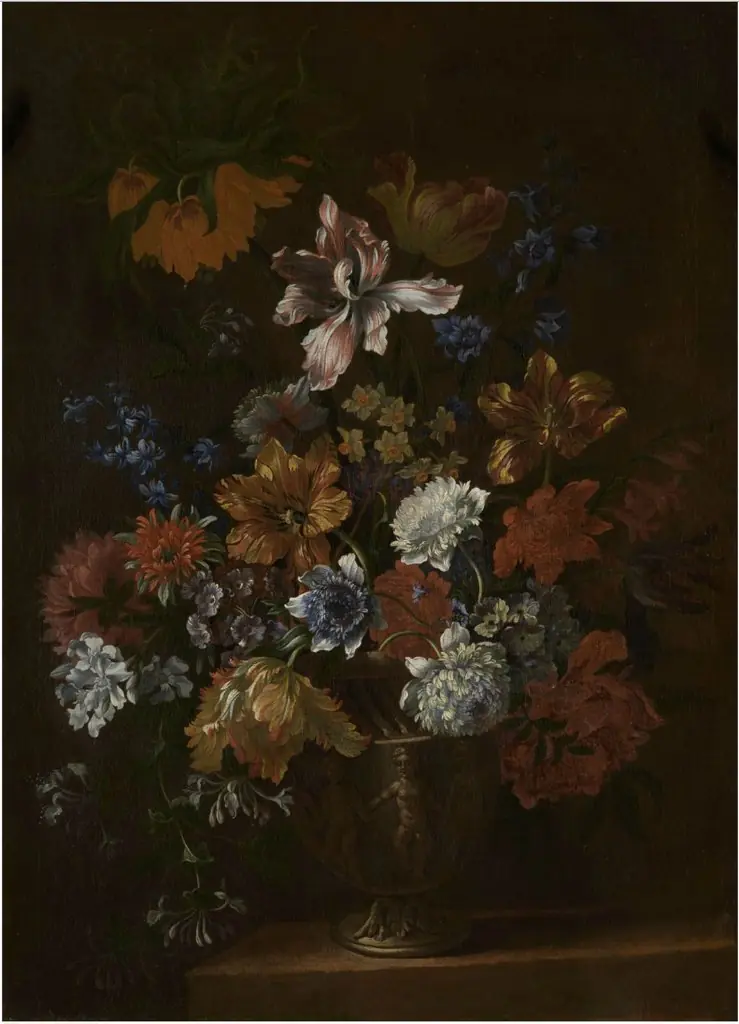
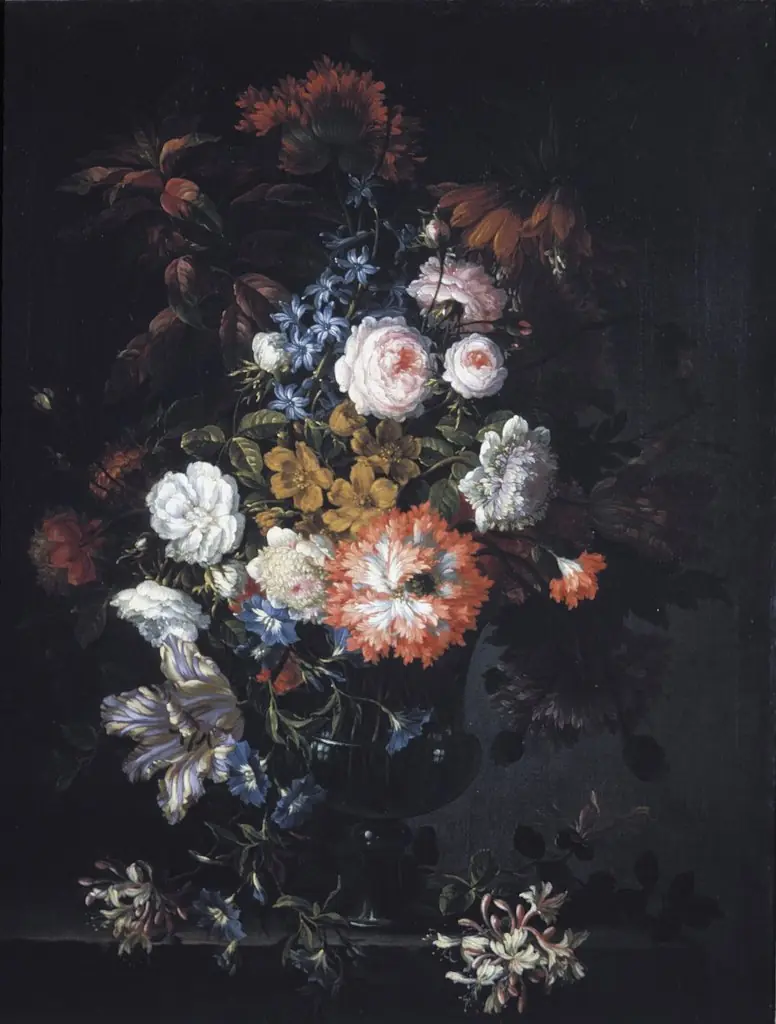
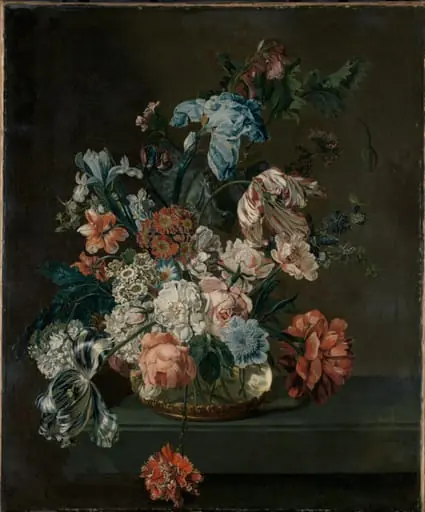
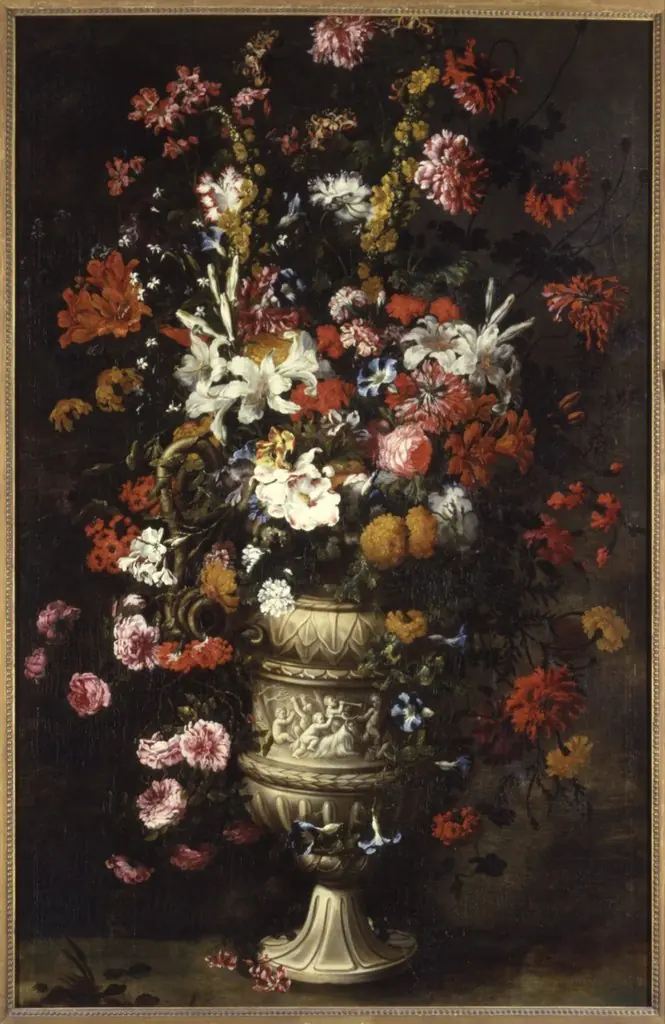
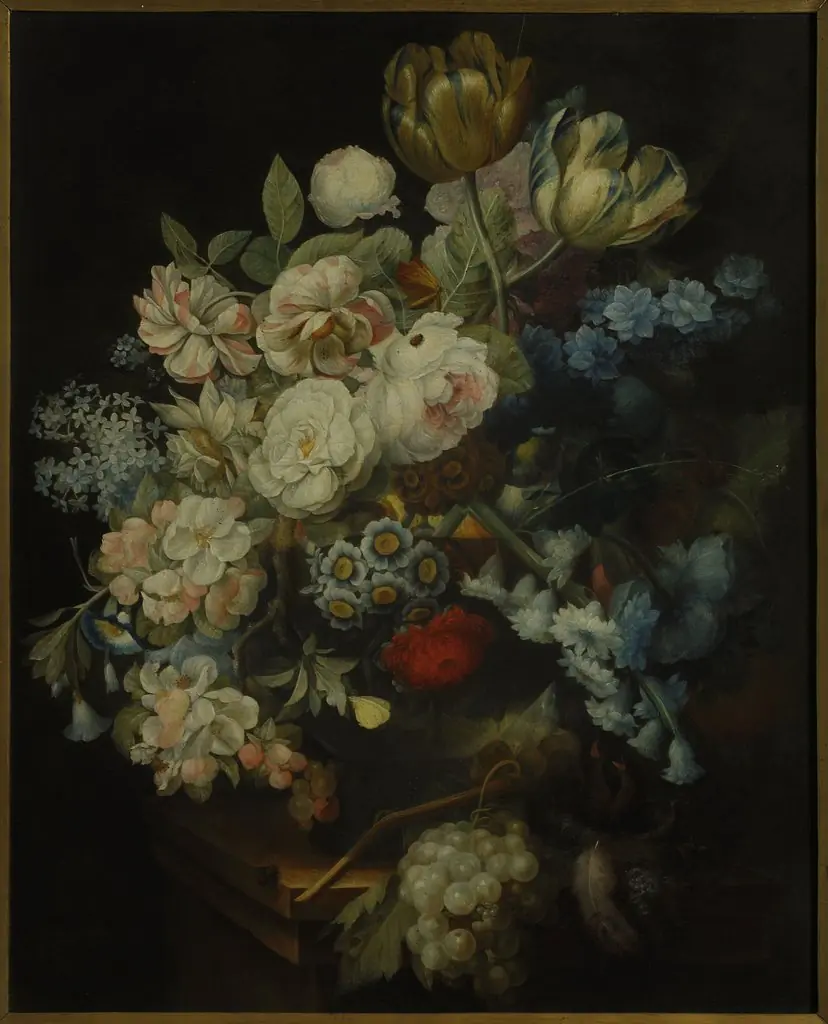
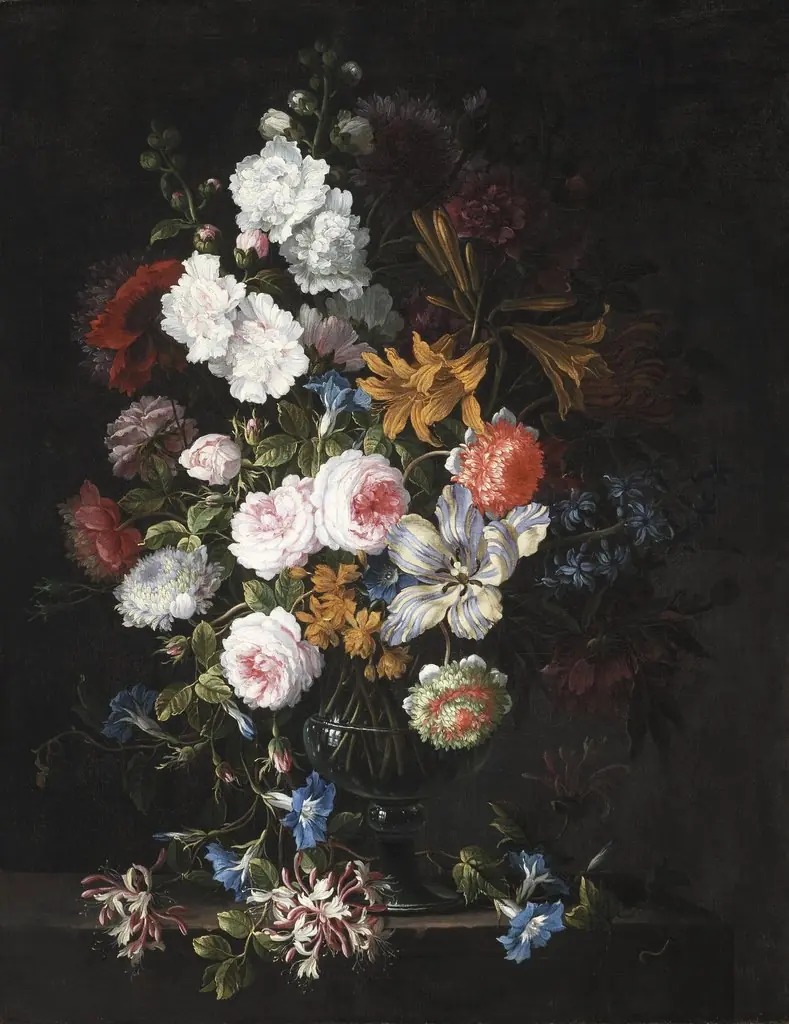
Flowerpiece is an oil painting by the Flemish Baroque painting artist Andrea Belvedere. It dates from 1698 and is held in the collection of the Museo del Prado.
About this work
Overview
Painted in 1698, Flowerpiece is an oil on canvas work by Andrea Belvedere, currently in the collection of the Museo del Prado in Madrid.
Painted in 1698, Flowerpiece is an oil on canvas work by Andrea Belvedere, currently in the collection of the Museo del Prado in Madrid. It presents a carefully composed still life of cut flowers in an ornate ceramic vessel, rendered with quiet precision. The arrangement avoids theatricality, favoring a restrained harmony of form and color that reflects late 17th-century Flemish and Italian traditions of floral painting.
Subject & Meaning
The painting features a diverse bouquet of seasonal blooms, including roses, tulips, and irises, arranged with naturalistic asymmetry. No single flower dominates; instead, the composition emphasizes transience through the varied states of bloom and wilting. The absence of insects or decay suggests a contemplative tone, inviting observation rather than moral allegory, aligning with the period’s shift toward aesthetic appreciation over symbolic instruction.
Technique & Style
Belvedere employed fine brushwork to capture the delicate textures of petals, stems, and the glazed surface of the vase. Colors are subdued—soft pinks, pale blues, and muted yellows—creating a calm visual rhythm. Light falls evenly, avoiding dramatic contrasts, which enhances the sense of stillness. The rendering of the ceramic vessel shows attention to reflective surfaces and subtle cracks, grounding the floral elements in tangible reality.
History & Provenance
The painting entered the Museo del Prado’s collection in the 19th century, likely through royal Spanish acquisitions or transfers from earlier collections. Its attribution to Belvedere, a Neapolitan painter known for floral studies, is supported by stylistic parallels with his other documented works. No early documentation of its commission or original owner survives, but its presence in Madrid suggests it was valued as a refined decorative object.
Context
Flowerpiece emerged during a period when still-life painting flourished across Europe, particularly in the Low Countries and southern Italy. While Dutch artists often emphasized abundance and wealth, Belvedere’s approach was more intimate, reflecting southern European sensibilities that favored elegance over spectacle. His work bridges Italian naturalism with Flemish attention to detail, characteristic of cross-regional artistic exchange in the late Baroque era.
Legacy
Belvedere’s Flowerpiece remains a representative example of late 17th-century floral painting in Spain’s royal collections. Though not widely exhibited, it contributes to scholarly understanding of how Italian-trained artists adapted northern European genres within Mediterranean contexts. Its quiet composition continues to inform studies on the evolution of still-life aesthetics beyond symbolic traditions toward pure visual contemplation.
Artist & collection