Artwork
Holy Family with St. Elizabeth and St. John the Baptist as a Child
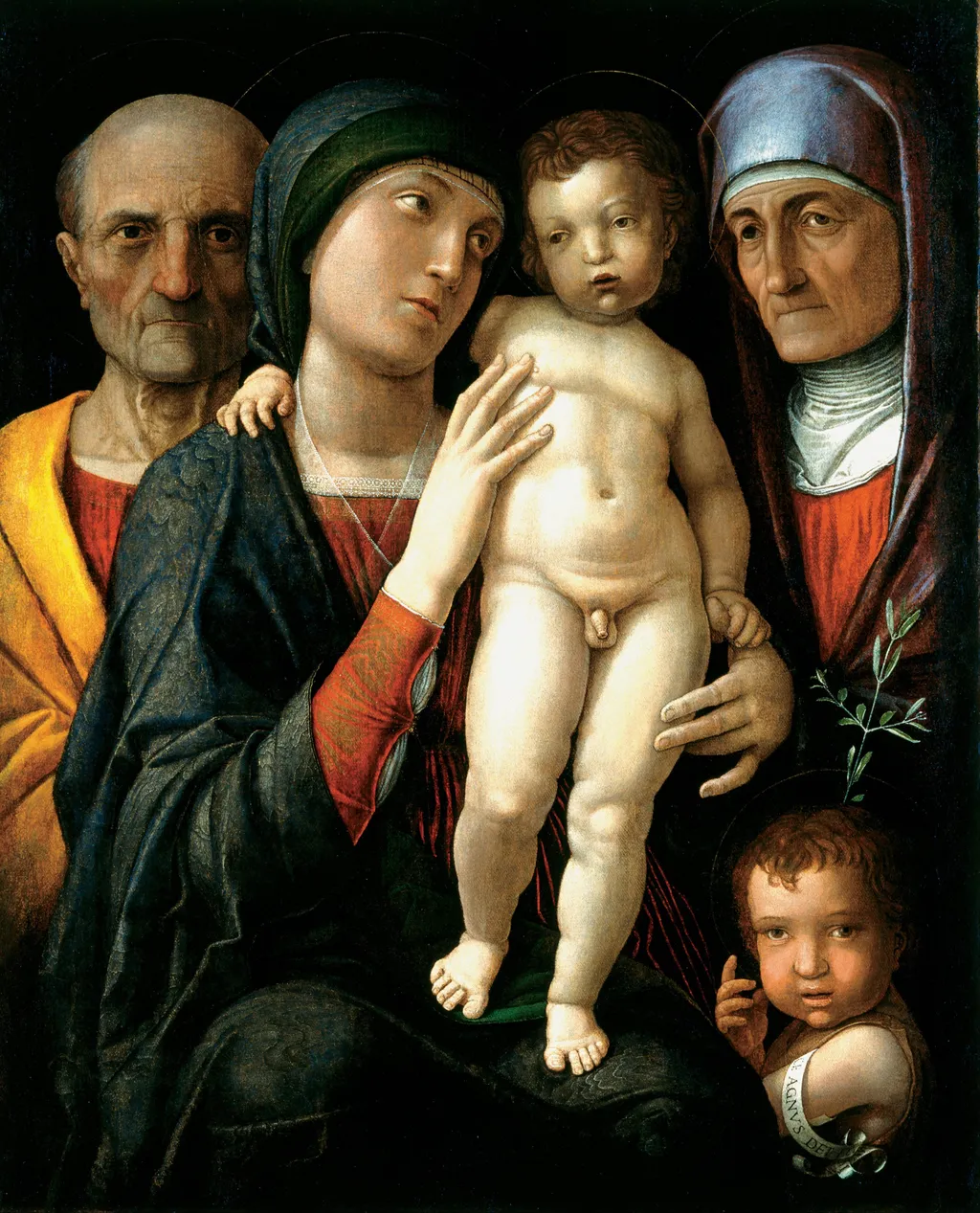
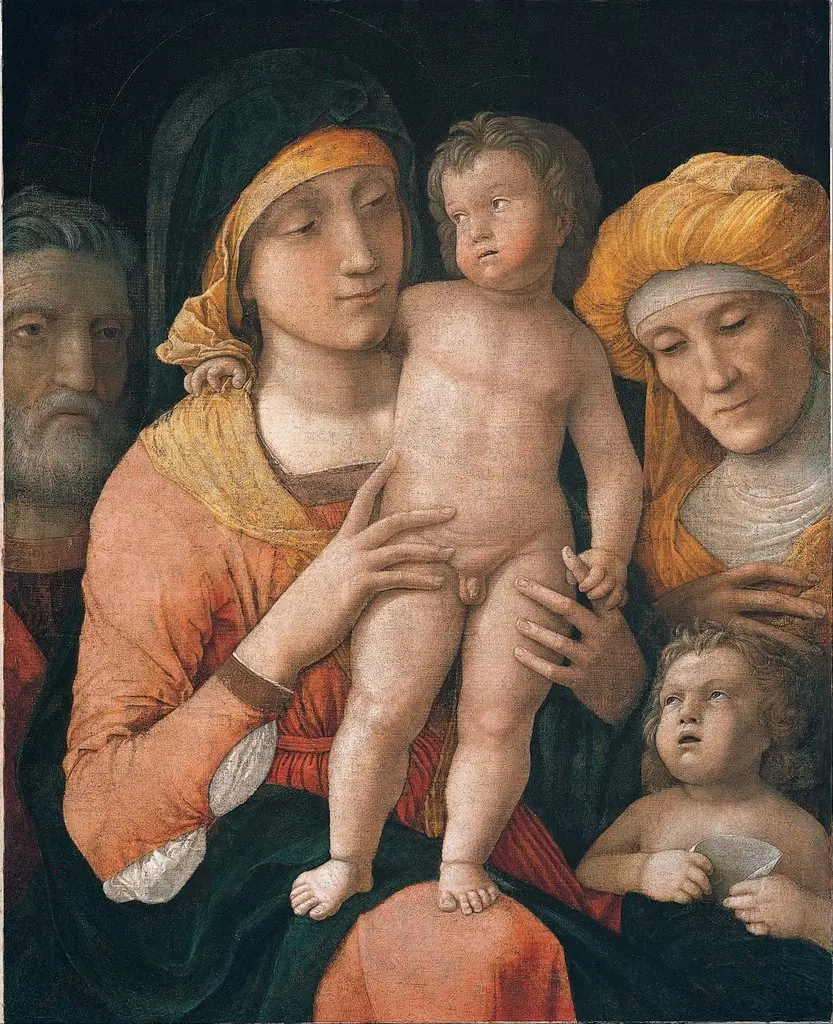
Holy Family with St. Elizabeth and St. John the Baptist as a Child is an oil painting by the High Renaissance artist Andrea Mantegna. It dates from 1498 and is held in the collection of the Staatliche Kunstsammlungen Dresden. This oil painting, created between 1495 and 1500, depicts the Holy Family alongside Saint Elizabeth and the young John the Baptist.
About this work
Overview
The composition centers on a tightly grouped assembly of five figures, rendered with careful attention to spatial proximity and emotional stillness.
This oil painting, created between 1495 and 1500, depicts the Holy Family alongside Saint Elizabeth and the young John the Baptist. Measuring 75.5 by 61.5 centimeters, it is housed in the Gemäldegalerie in Dresden. The composition centers on a tightly grouped assembly of five figures, rendered with careful attention to spatial proximity and emotional stillness. The medium, oil on canvas, allows for subtle transitions in tone and texture uncommon in earlier tempera works.
Subject & Meaning
The scene presents a quiet moment of familial connection between Mary, Joseph, Elizabeth, and the infant John the Baptist. Elizabeth, identified by her aged features and green headscarf, holds the Christ child, while Mary, in red and white, stands behind, with John peeking from her side. The grouping reflects theological themes of kinship and divine preparation, as John, the forerunner, is already present among the sacred family, foreshadowing his future role.
Technique & Style
Mantegna employs oil paint to achieve refined modeling of flesh and fabric, with sharp contrasts between light and shadow enhancing the three-dimensionality of the figures. The older man’s robe, rendered in vivid red and gold, draws the eye against the dark, undefined background. Facial details are meticulously rendered, while the infants’ skin appears smooth and luminous, emphasizing their innocence and divine status through controlled chiaroscuro.
History & Provenance
The painting entered the collection of the Gemäldegalerie in Dresden in the 18th century, likely through the acquisition of German royal collections. Its attribution to Andrea Mantegna has been consistently supported by stylistic analysis and documentary records from the late 15th century. No significant alterations or restorations are known to have altered its original composition or surface.
Context
Created during Mantegna’s later years in Mantua, this work reflects his continued engagement with religious themes and classical composition. The intimate grouping of figures aligns with northern Italian devotional practices of the time, where personal piety was expressed through close, humanized depictions of sacred figures. The dark background and focused lighting echo contemporary trends in Venetian and Paduan painting.
Legacy
Though not among Mantegna’s most widely reproduced works, this painting exemplifies his mastery of psychological presence and spatial economy. Its restrained emotion and precise draftsmanship influenced later Renaissance artists seeking to convey sacred intimacy without theatricality. It remains a key example of how devotional imagery evolved toward naturalism in late 15th-century Italy.
Own this work as a print
Artist & collection
Artist
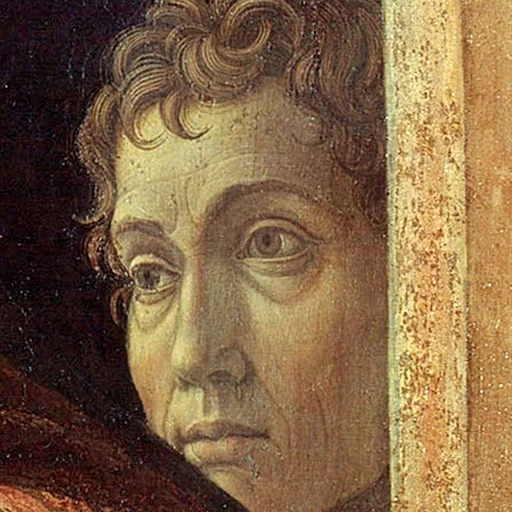
Andrea Mantegna (UK: , US: ; Italian: ; c. 1431 – September 13, 1506) was an Italian Renaissance painter, a student of Roman archaeology, and the son-in-law of Jacopo Bellini. Like other artists of the time, Mantegna…

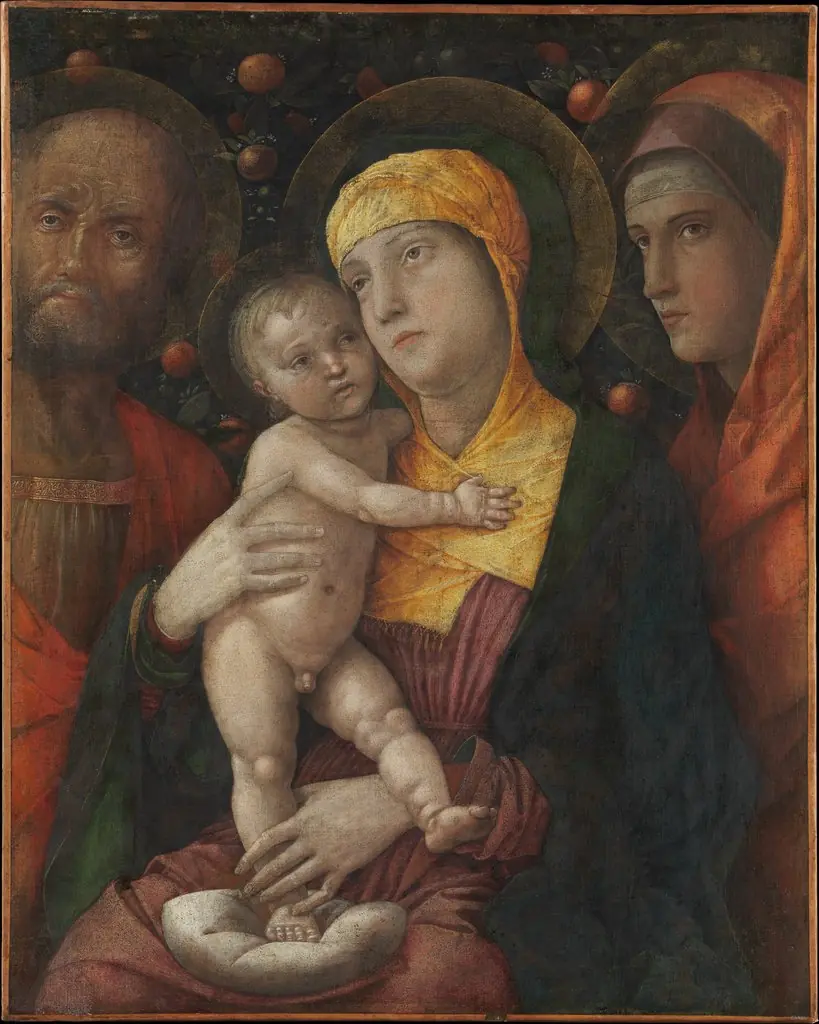
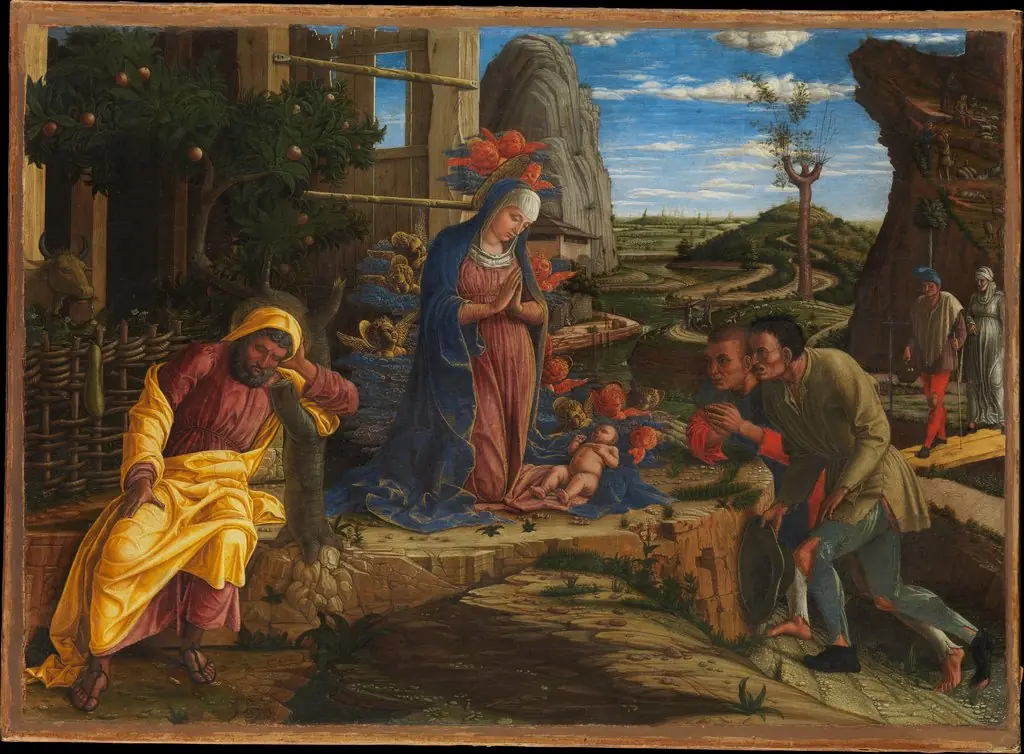
 The Madonna and Child with Saints Joseph, Elizabeth, and John the Baptist
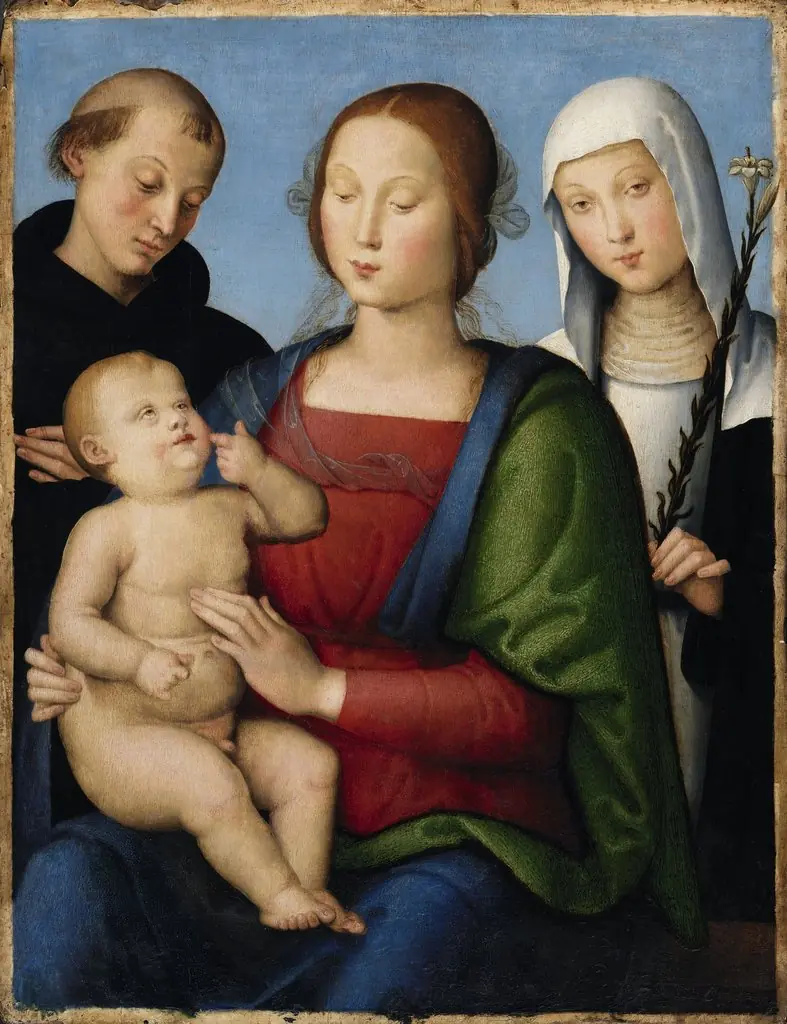 The Virgin and Child with Saints Nicholas of Tolentino and Catherine of Siena
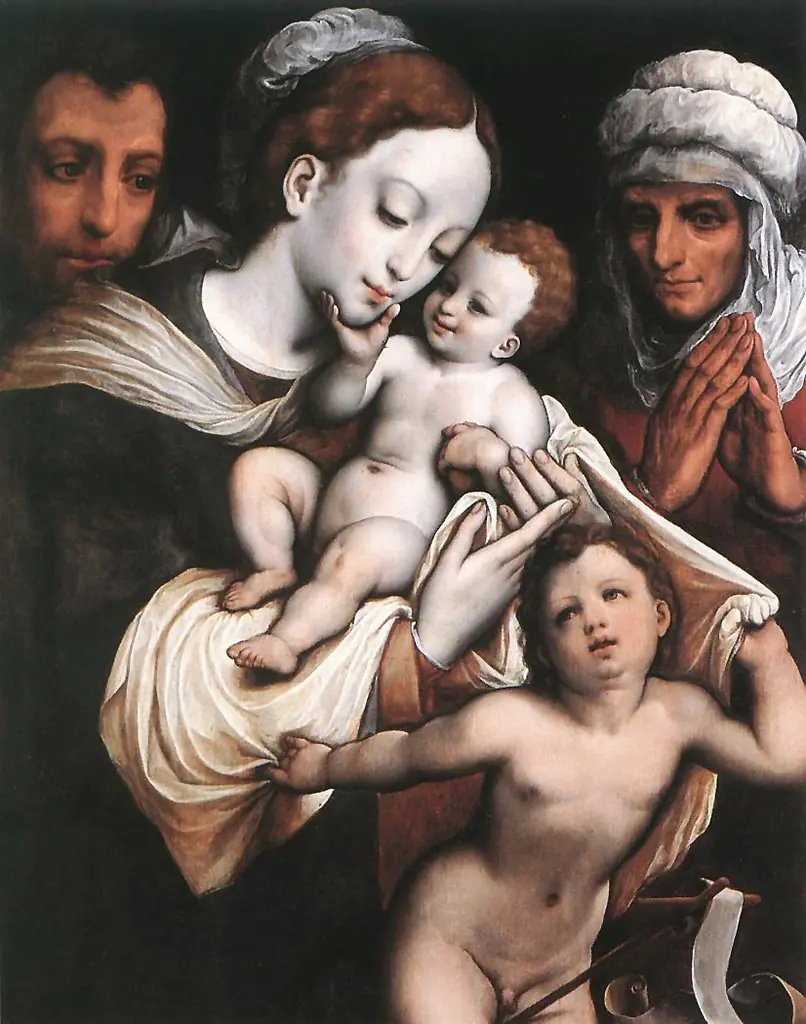 Holy Family with Elisabeth and John the Baptist
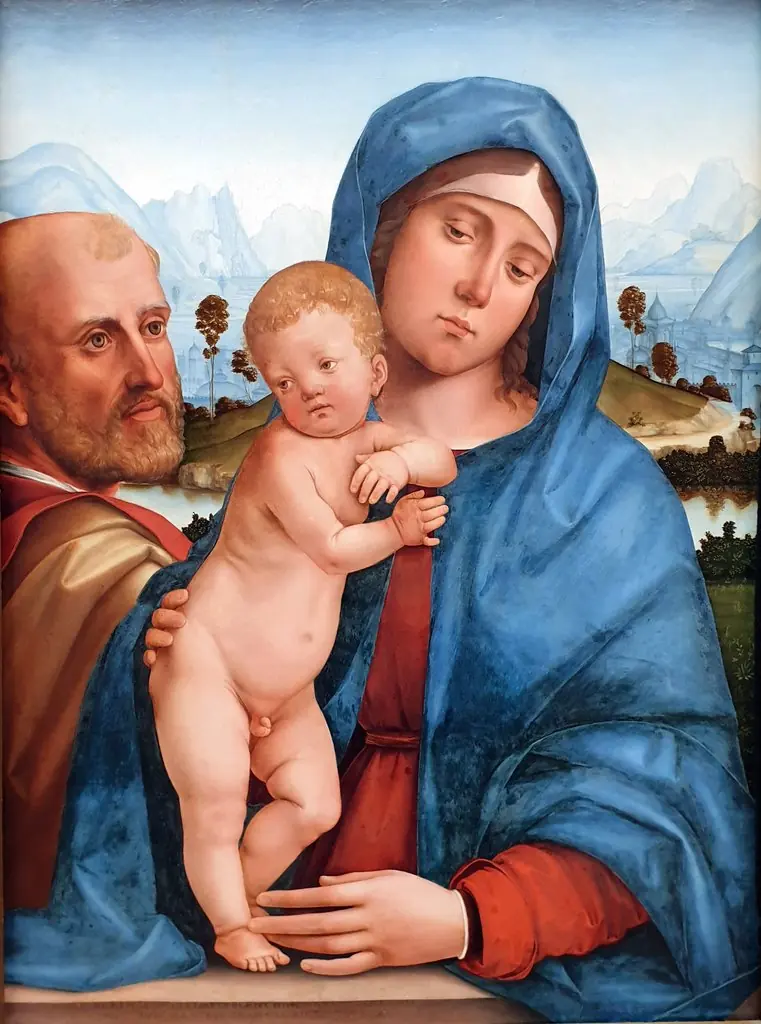 Holy Family
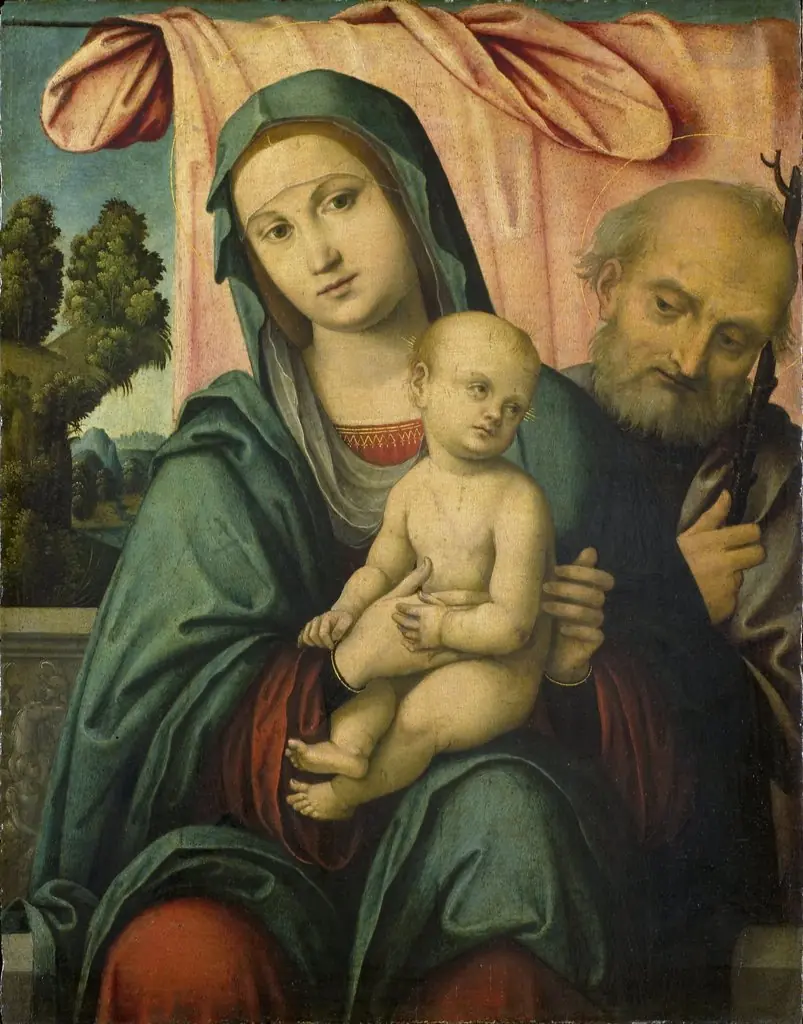 Holy Family
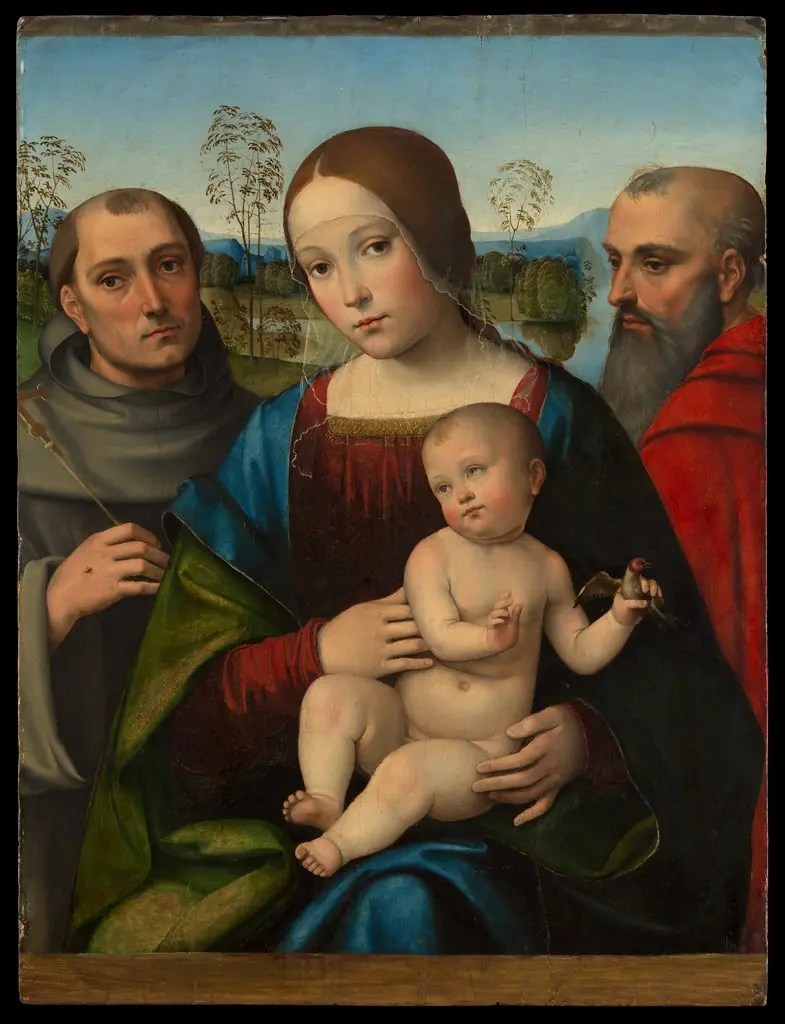 Madonna and Child with Saints Francis and Jerome
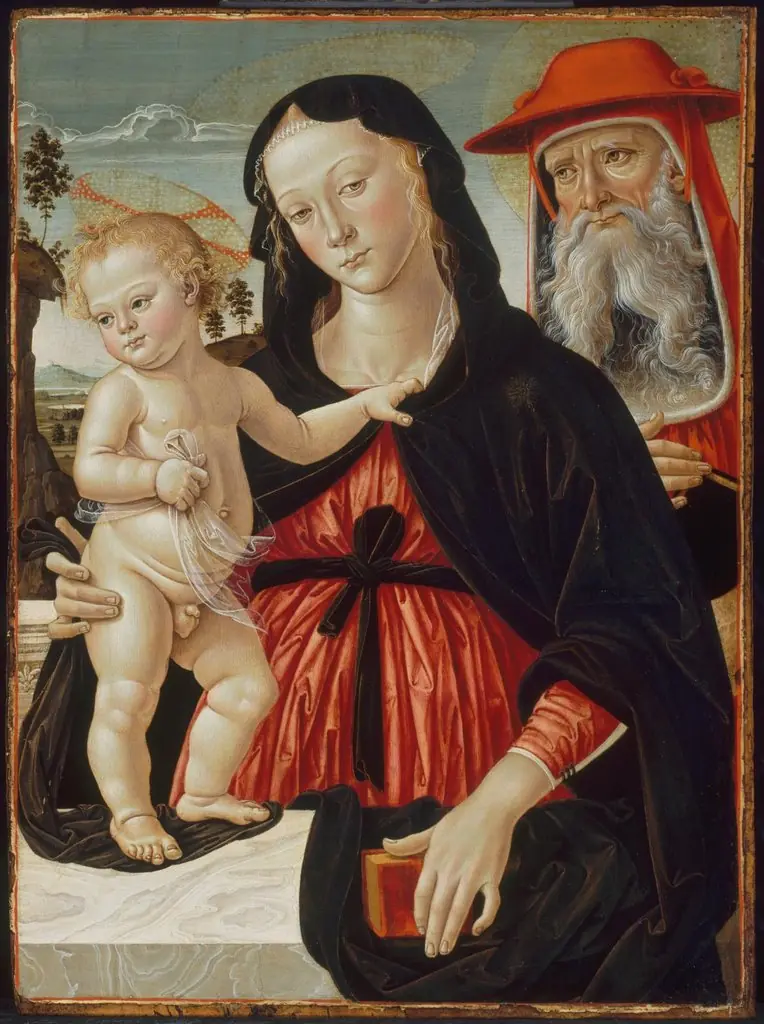 Virgin and Child with Saint Jerome
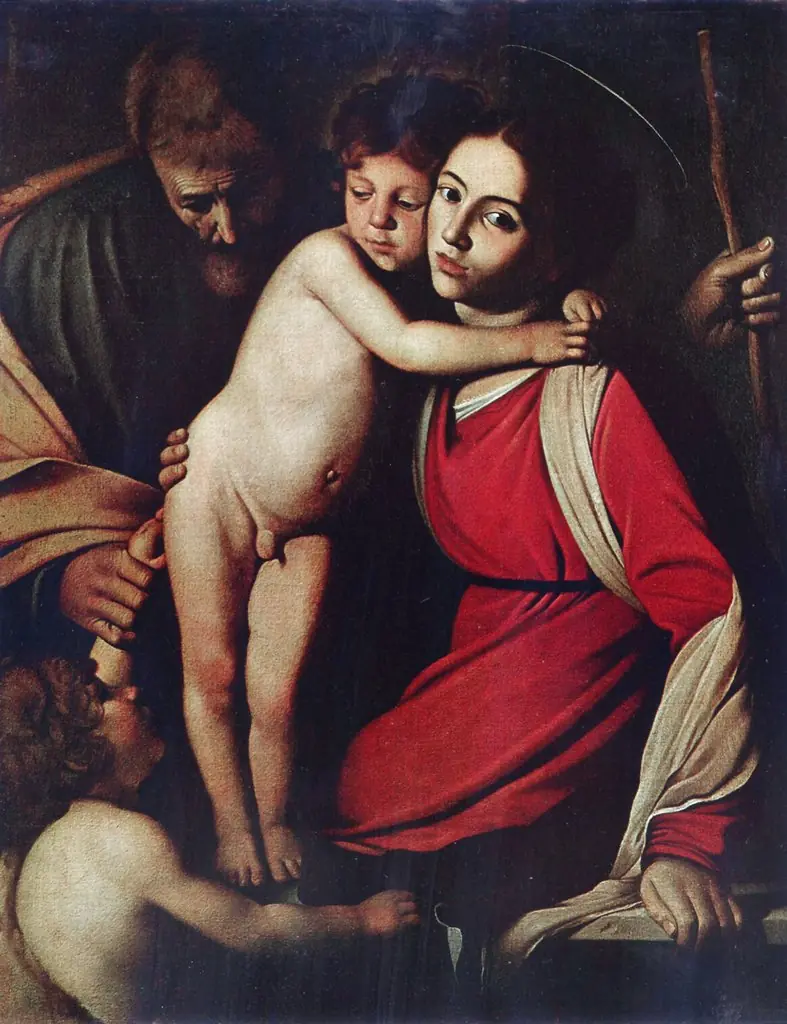 The Holy Family with Child Saint John
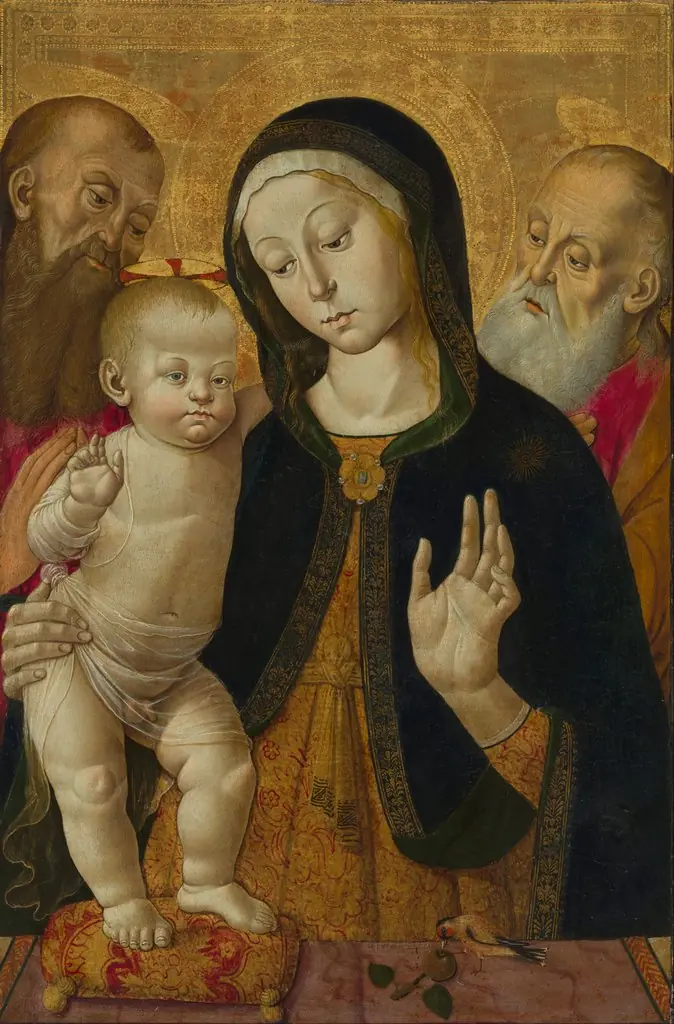 Madonna and Child with Two Hermit Saints