Artwork
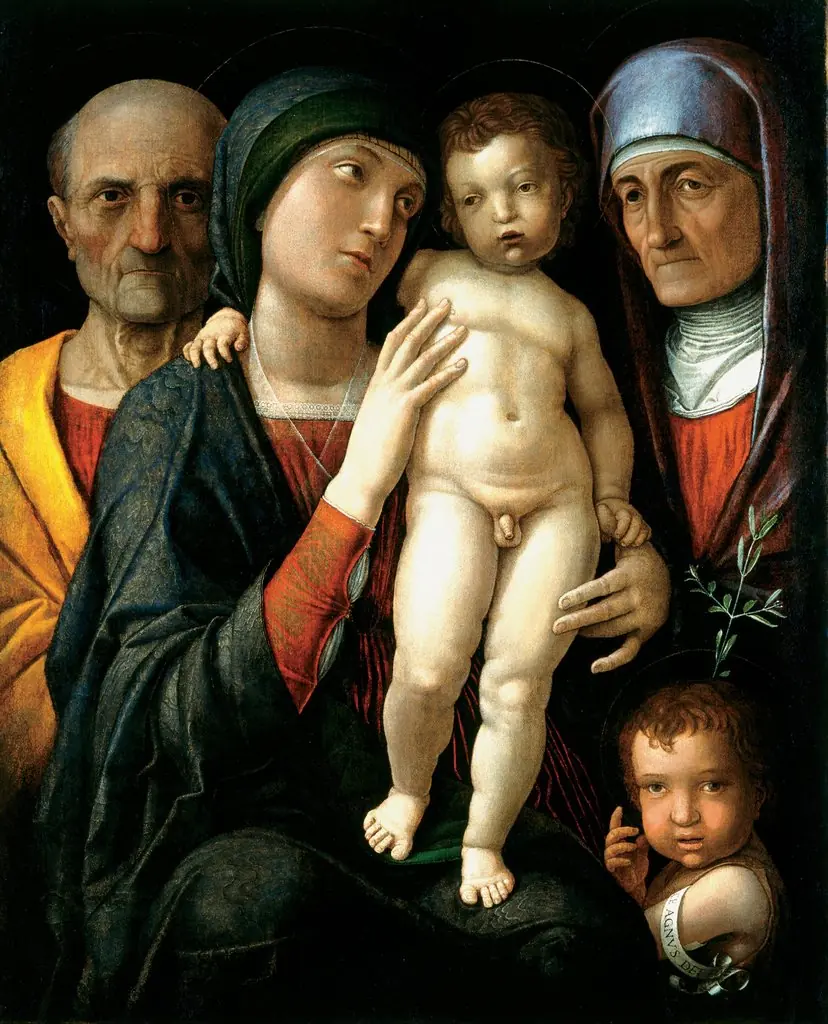
The Madonna and Child with Saints Joseph, Elizabeth, and John the Baptist
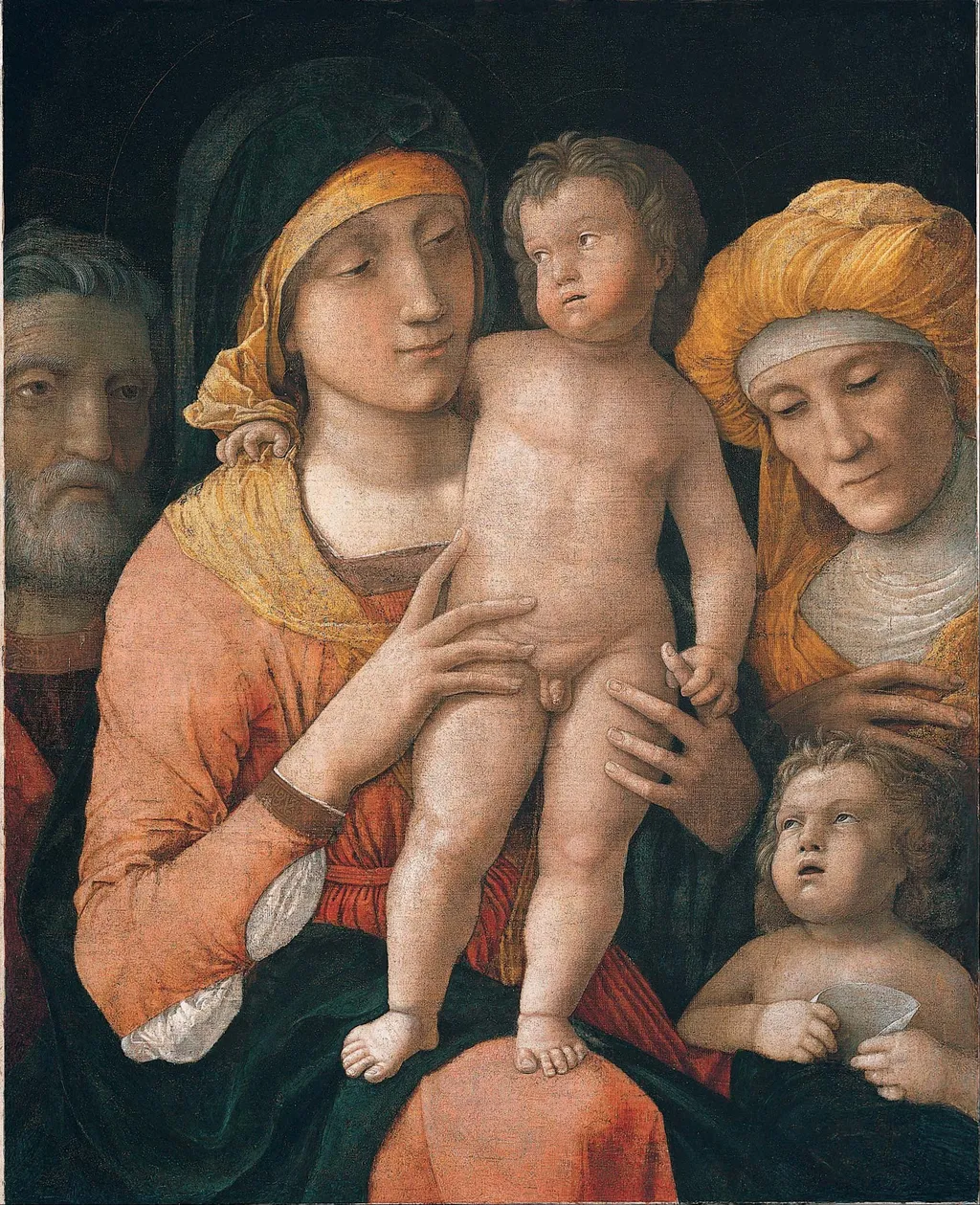
The Madonna and Child with Saints Joseph, Elizabeth, and John the Baptist is an oil painting by the Early Renaissance artist Andrea Mantegna. It dates from 1493 and is held in the collection of the Kimbell Art Museum.
About this work
Overview
It has been held by the Kimbell Art Museum in Fort Worth since the 20th century, following earlier ownership by Italian noble families.
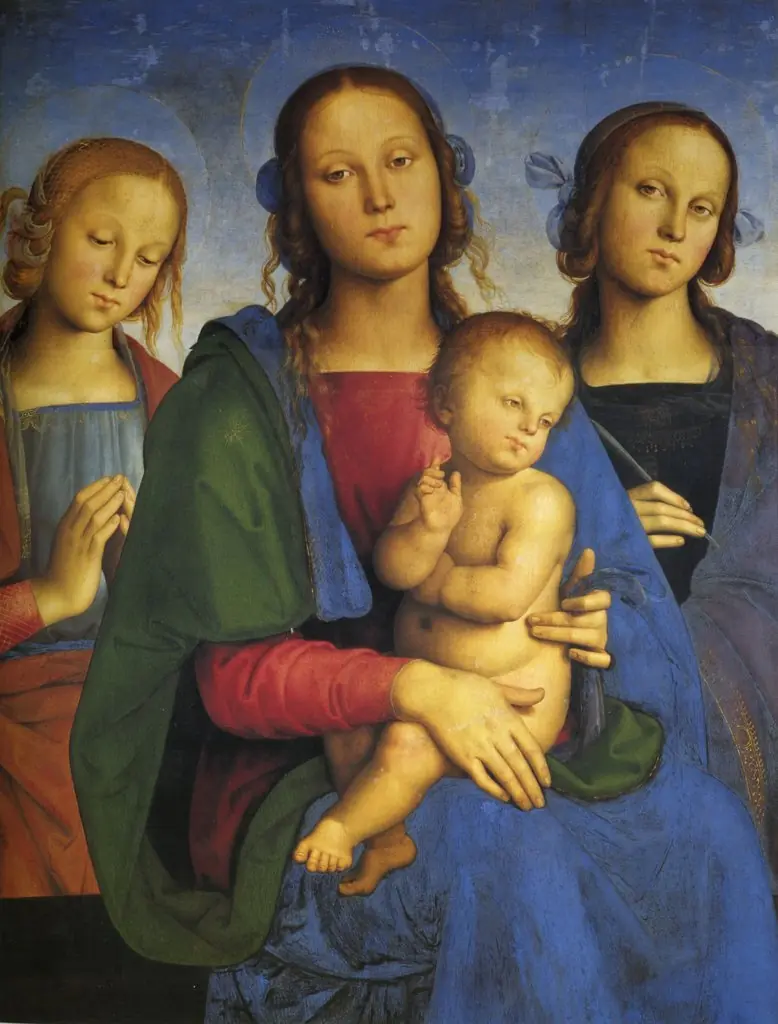
Painted circa 1490 by Andrea Mantegna, this small devotional panel depicts the Virgin Mary with the Christ Child, flanked by Saint Joseph, Saint Elizabeth, and the young John the Baptist. Executed in oil on canvas, the work measures 62.9 by 51.3 centimeters and features subtle gilded accents. It has been held by the Kimbell Art Museum in Fort Worth since the 20th century, following earlier ownership by Italian noble families.
Subject & Meaning
The composition centers on the Virgin and Child, their intimate posture suggesting quiet devotion. Saint Joseph stands to her left, while Saint Elizabeth, mother of John the Baptist, holds her son on the right. The grouping reflects familial bonds within sacred narrative, emphasizing continuity between the Old and New Testaments. The presence of all four figures underscores themes of divine lineage and maternal care, suited for private meditation.
Technique & Style
Mantegna employed oil paint with precision, rendering textures in fabric and skin with restrained realism. The figures are arranged in a stable, pyramidal structure, their poses drawn from classical sculpture, particularly the contrapposto of the Christ Child, likely inspired by Hellenistic models in the Gonzaga collection. Gilded highlights on halos and garments add luminosity without overwhelming the subdued palette of reds, ochres, and soft blues.
History & Provenance
The painting likely originated in northern Italy, commissioned for domestic worship. It entered the Gonzaga collection in Mantua, where Mantegna worked as court painter, before passing through private hands in the 18th and 19th centuries. Acquired by the Kimbell Art Museum in 1982, it remains one of the few surviving Mantegna panels in the United States with documented early provenance.
Context
Created during Mantegna’s mature period, the work reflects his enduring interest in antiquity and his role as a court artist for the Gonzaga family. While religious imagery dominated private devotion in late 15th-century Italy, this composition stands out for its restrained emotional tone and spatial clarity. The inclusion of Elizabeth and John the Baptist, uncommon in Marian panels, suggests a personal or regional devotional preference.
Legacy
Though not widely reproduced, the painting exemplifies Mantegna’s synthesis of classical form and Christian narrative. Its intimate scale and quiet dignity influenced later devotional works in northern Italy. Scholars note its role in demonstrating how Renaissance artists adapted ancient aesthetics to sacred themes, bridging humanist ideals with spiritual contemplation.
Own this work as a print
Artist & collection
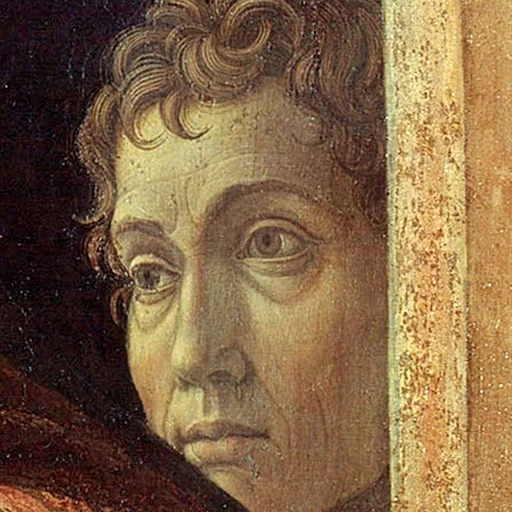
Artist
Andrea Mantegna (UK: , US: ; Italian: ; c. 1431 – September 13, 1506) was an Italian Renaissance painter, a student of Roman archaeology, and the son-in-law of Jacopo Bellini. Like other artists of the time, Mantegna…


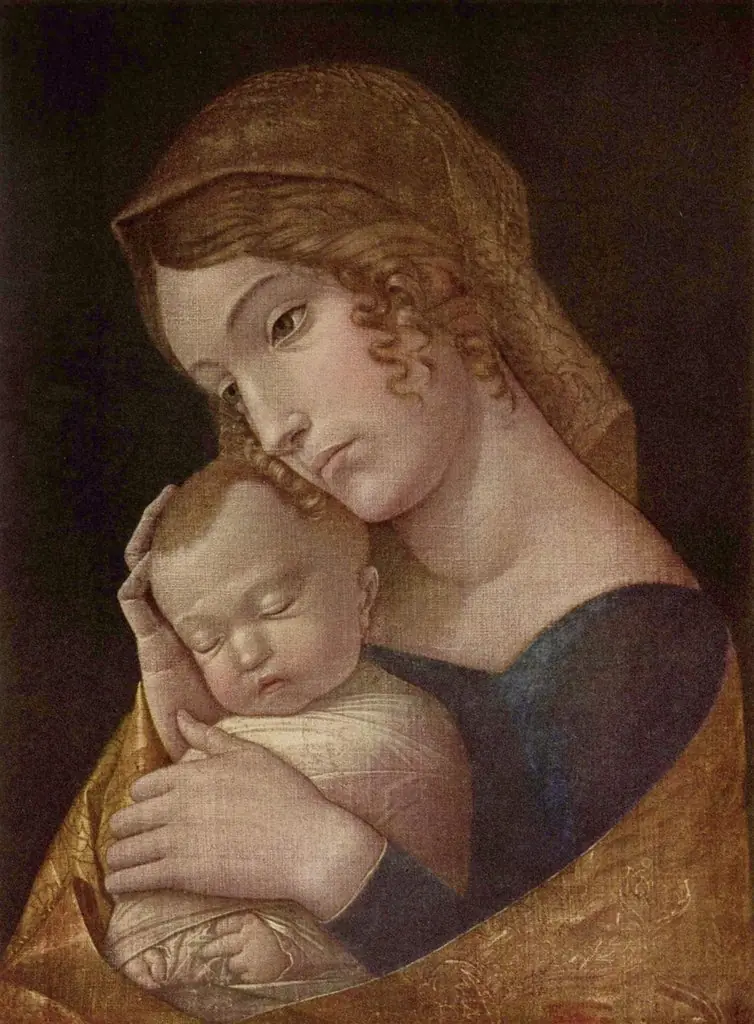
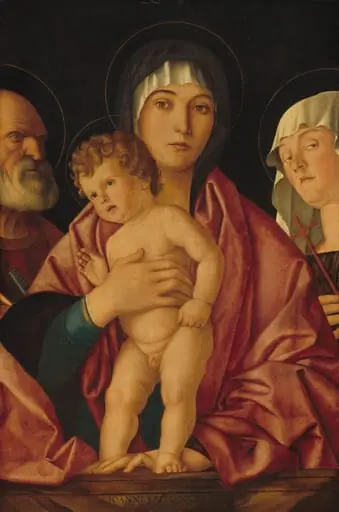 Madonna and Child with Saints
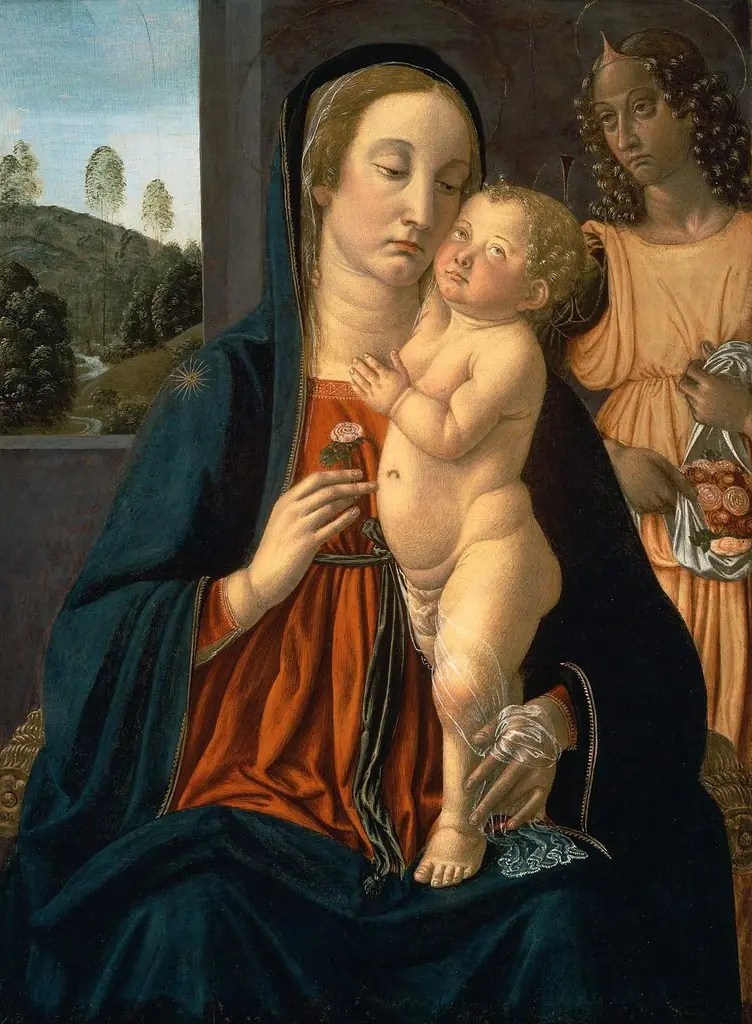 Virgin and Child with an Angel
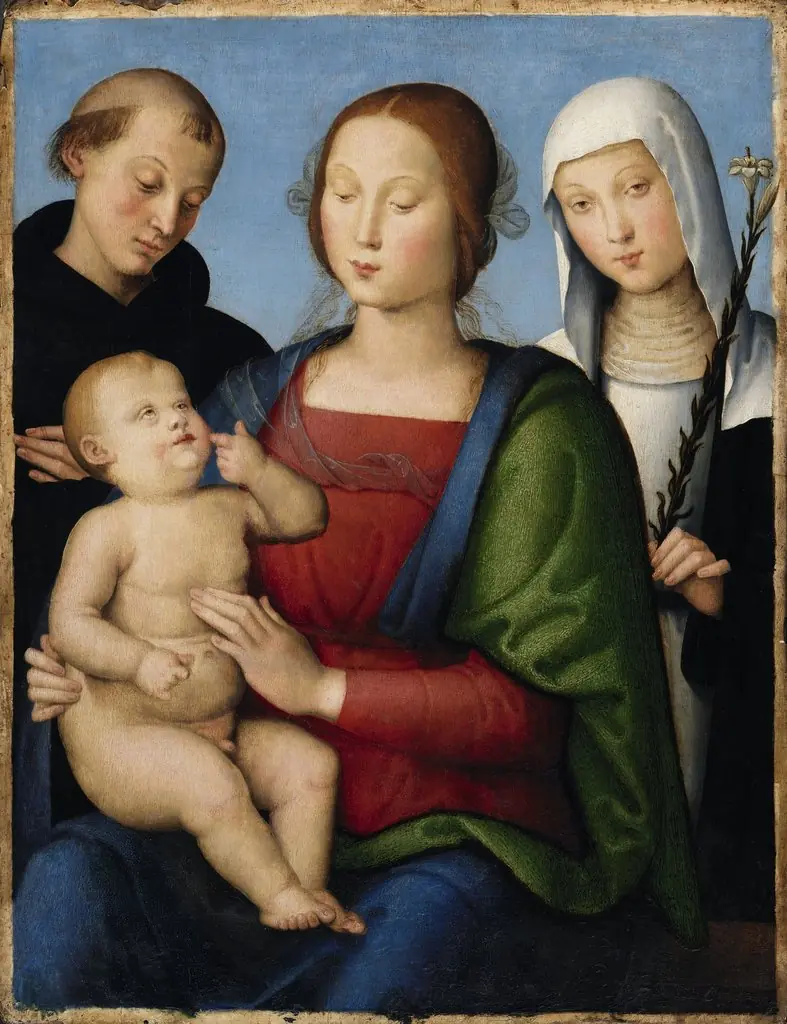 The Virgin and Child with Saints Nicholas of Tolentino and Catherine of Siena
 Holy Family with St. Elizabeth and St. John the Baptist as a Child
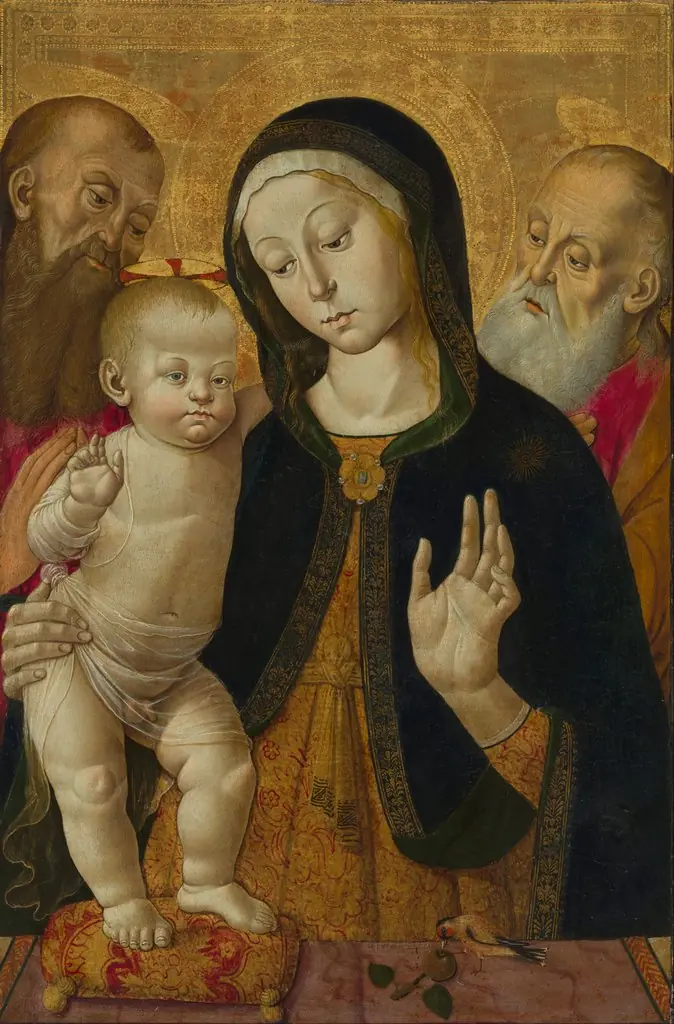 Madonna and Child with Two Hermit Saints
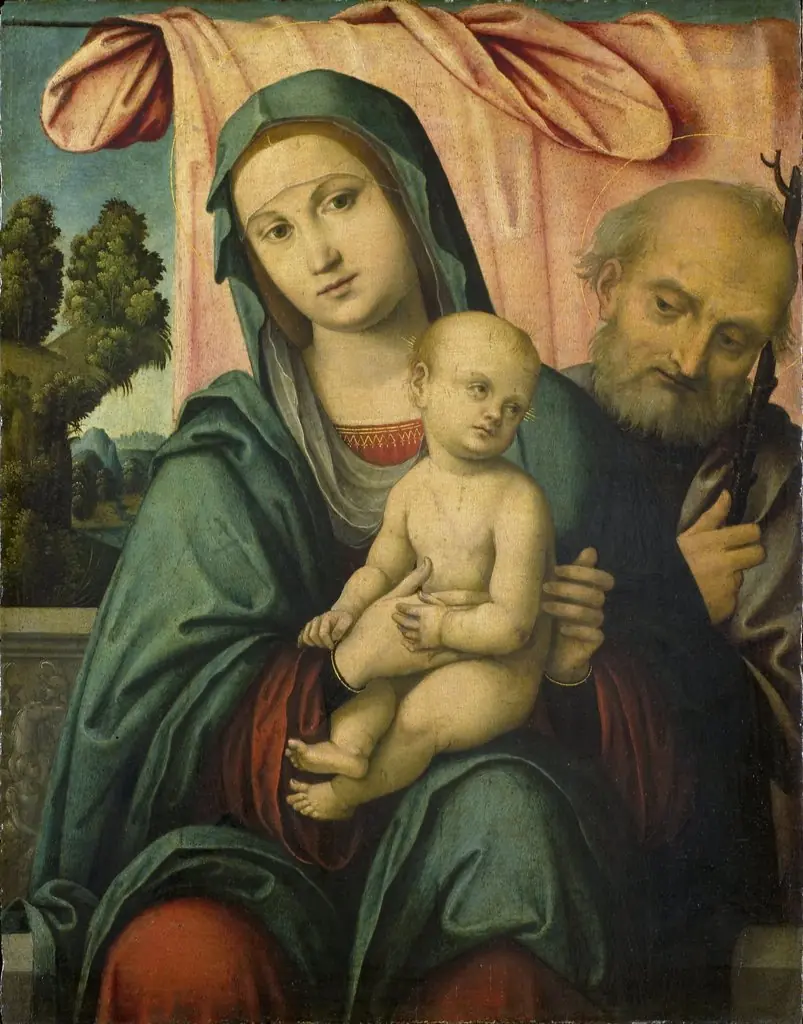 Holy Family
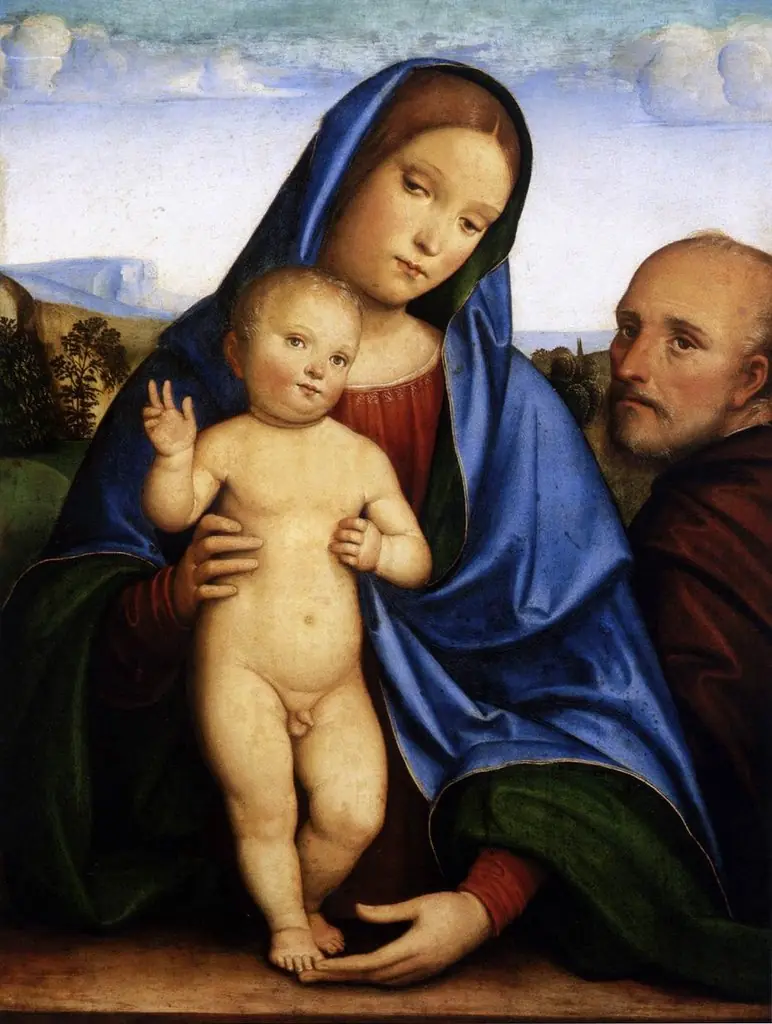 The Holy Family
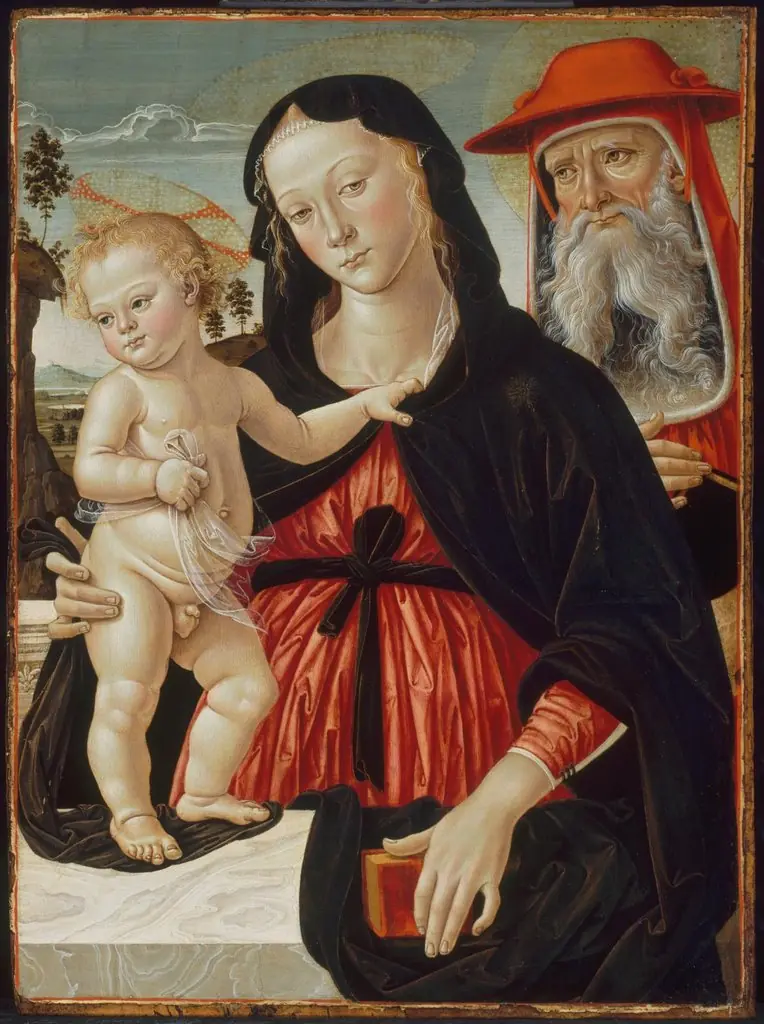 Virgin and Child with Saint Jerome
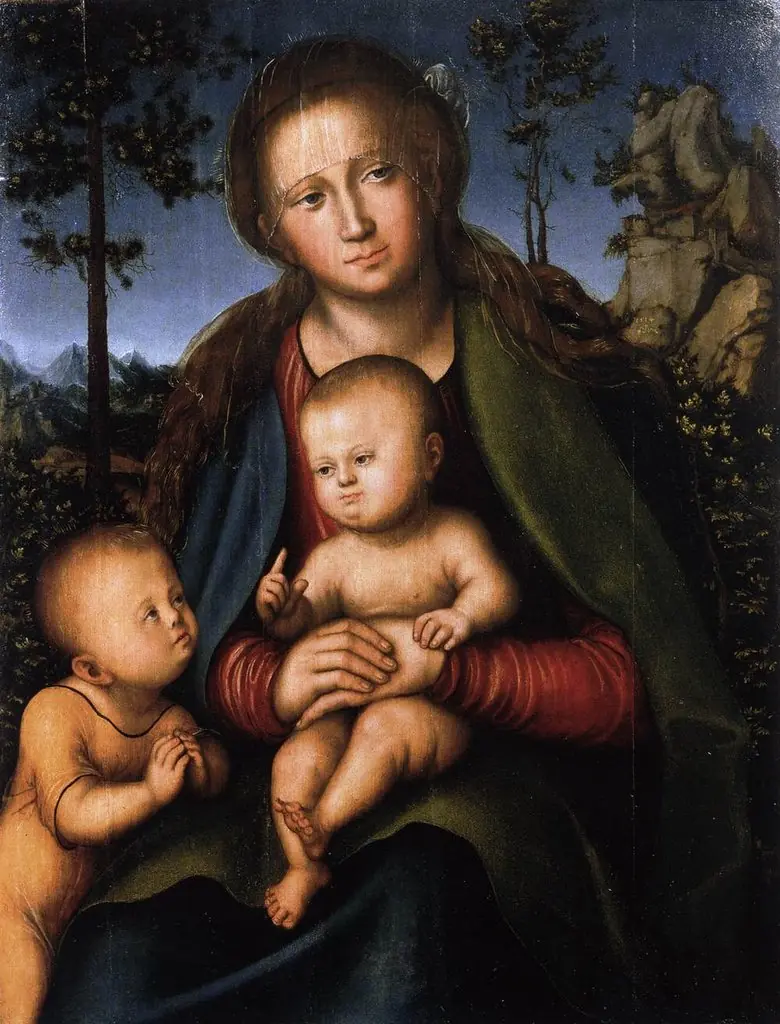 Madonna with Child with Young John the Baptist
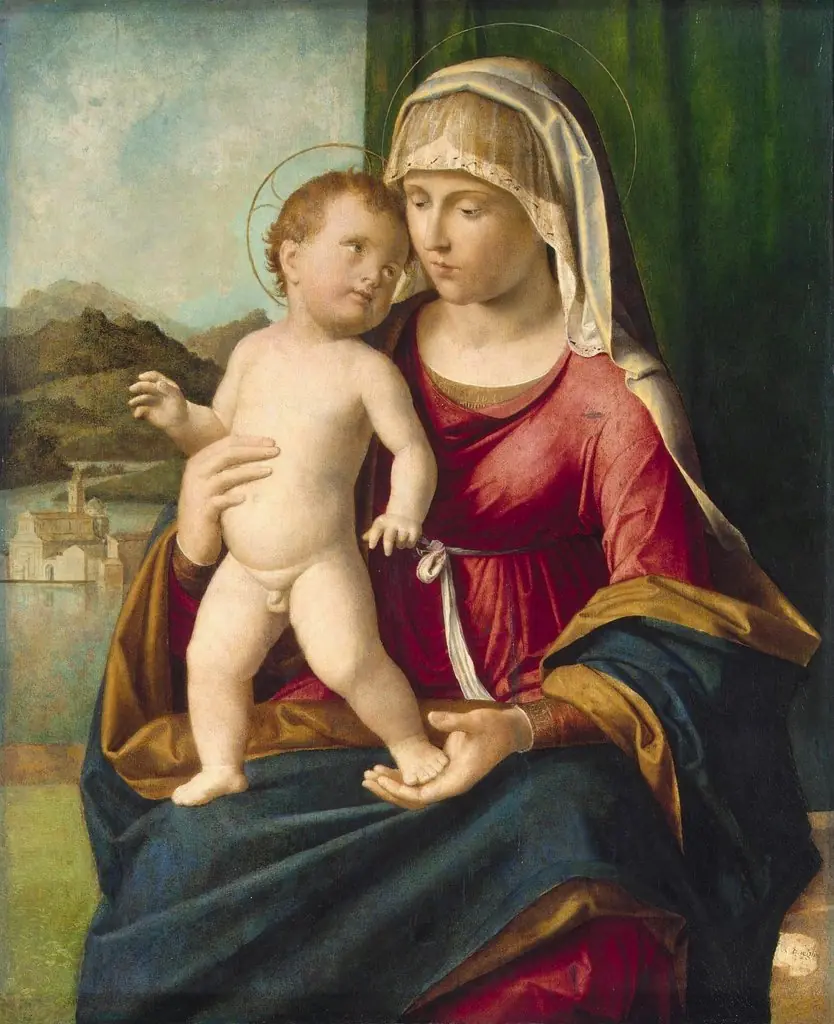 Madonna and Child
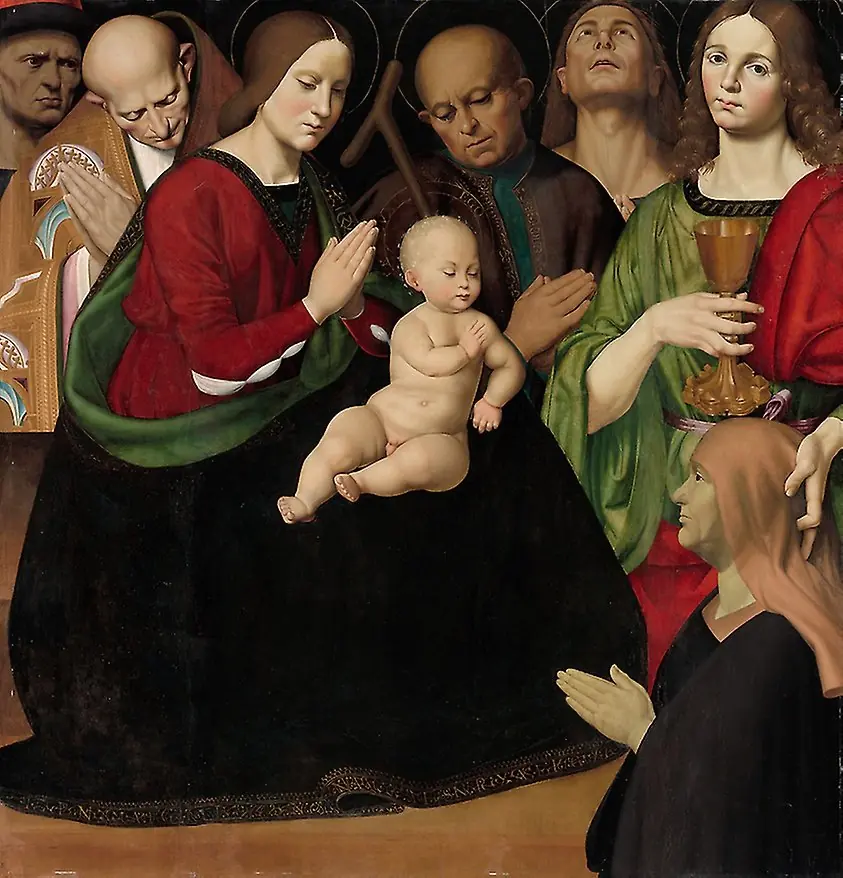 The Holy Family with Four Saints and a Female Donor
 Madonna with child and two female saints