Artwork
Mountain Landscape
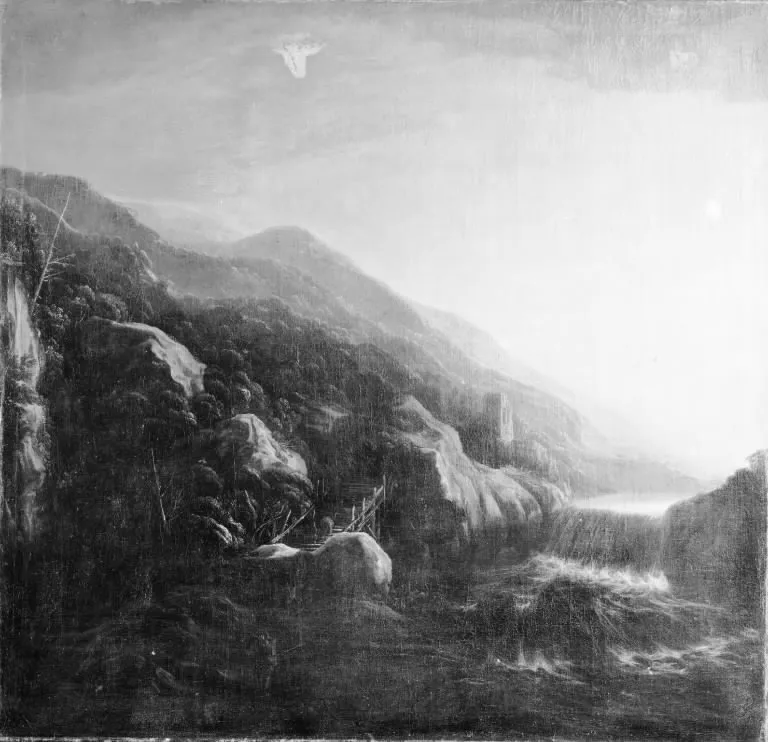
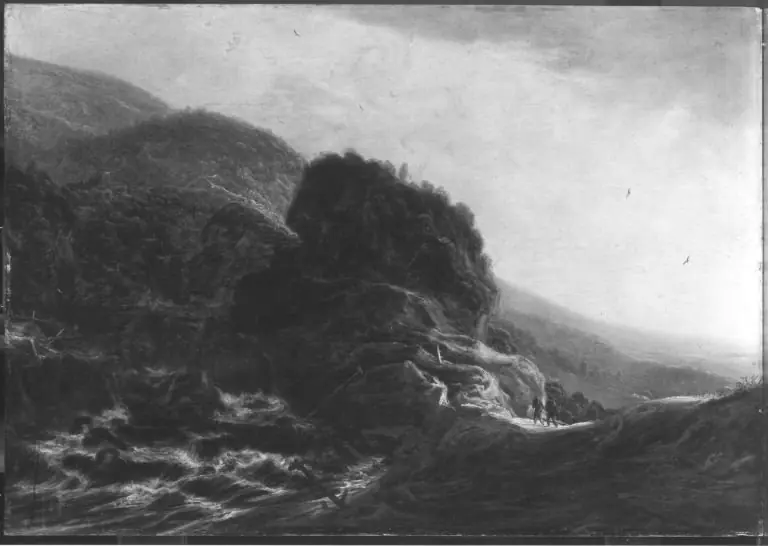
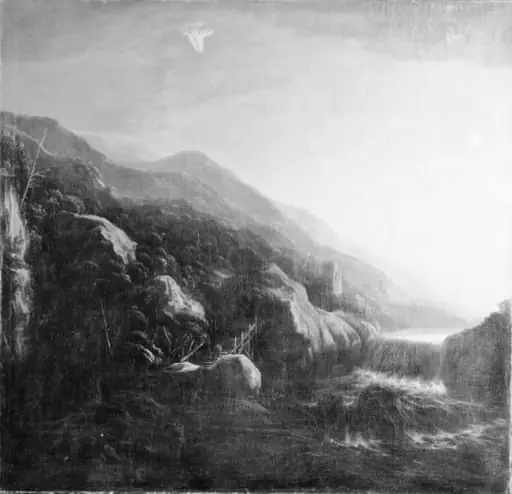
Mountain Landscape is an oil painting by the Barbizon school artist Andreas Faistenberger I. It dates from 1627 and is held in the collection of the Statens Museum for Kunst.
About this work
Overview
A solitary boat navigating turbulent waters introduces a modest human presence within an otherwise desolate vista.
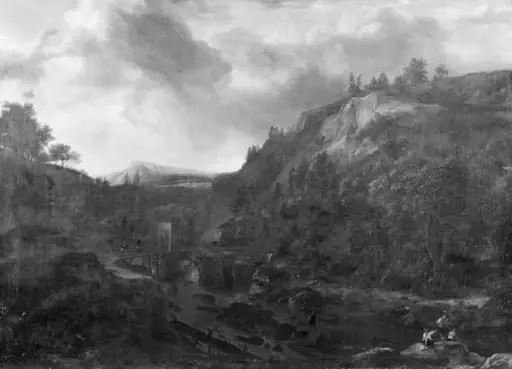
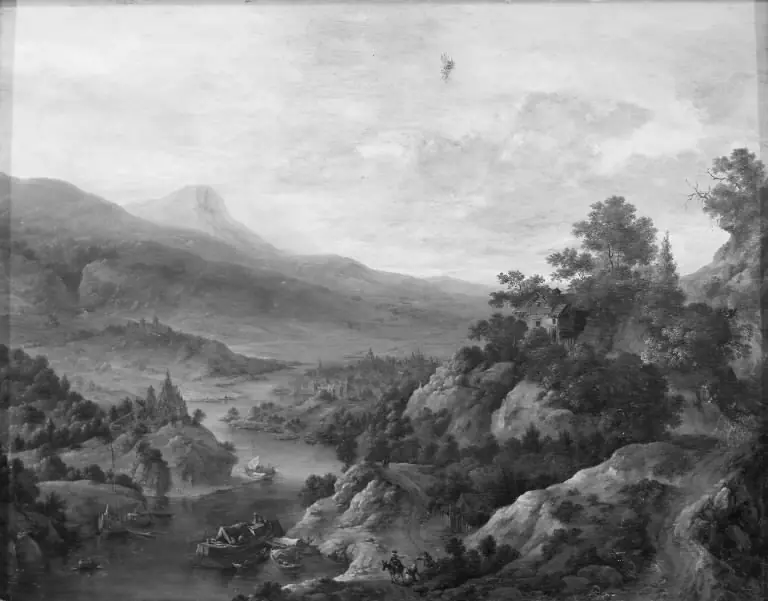
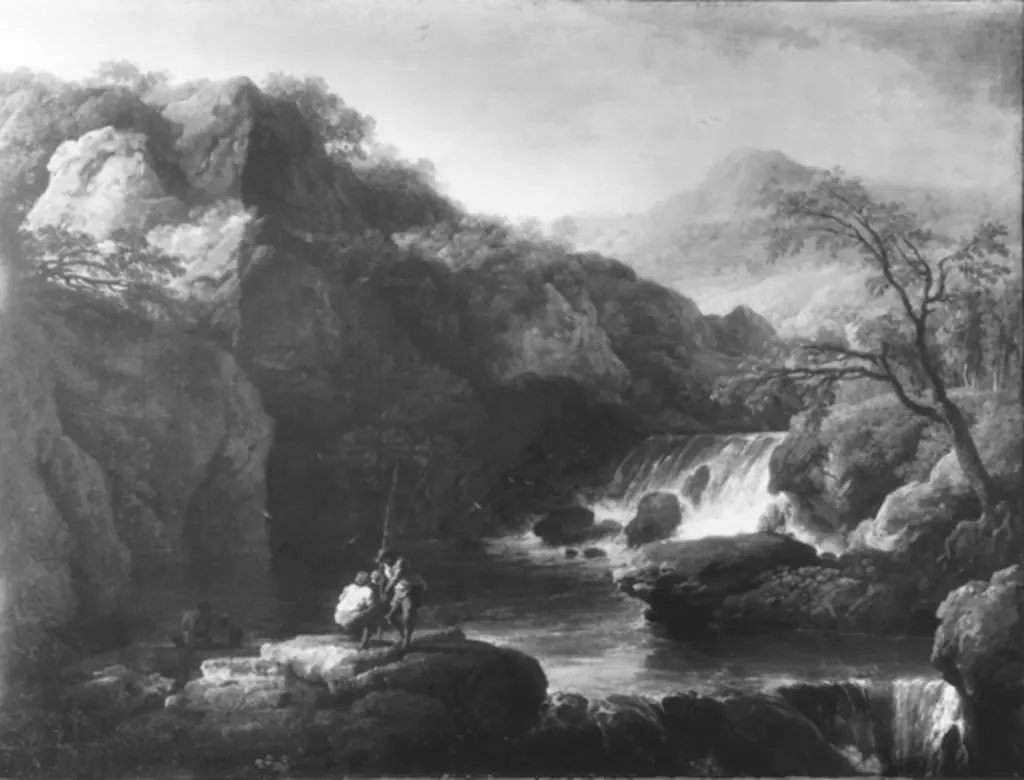
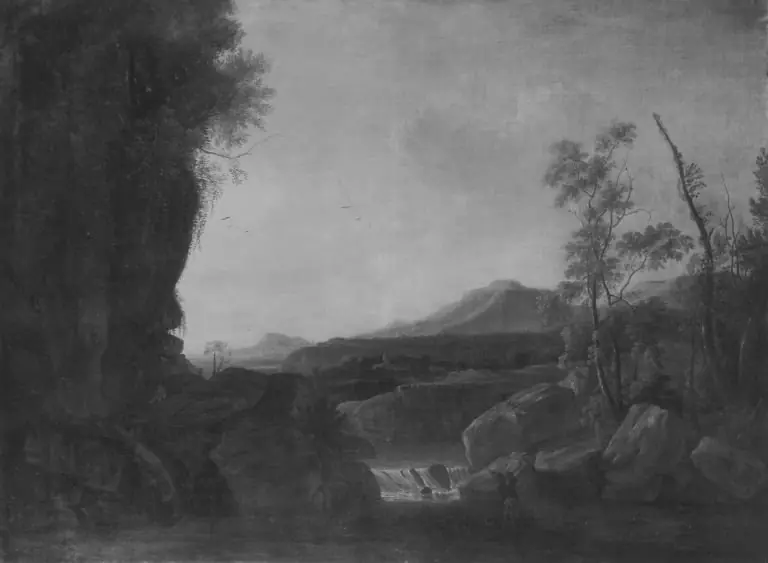
Andreas Faistenberger I executed this oil painting in 1627. The work depicts a rugged mountain formation ascending abruptly from a rocky coastline. Executed in a restrained palette dominated by deep shadows and luminous highlights, the composition emphasizes the stark, almost sculptural contours of the terrain. A solitary boat navigating turbulent waters introduces a modest human presence within an otherwise desolate vista.
Subject & Meaning
The painting presents a desolate natural scene, where the imposing mass of the mountain dwarfs the small vessel below. The contrast between the monumental, inert rock and the fragile, animate boat suggests themes of human vulnerability in the face of nature’s grandeur. The absence of figures or human activity reinforces a sense of isolation, while the muted sky and choppy waters evoke transience and the sublime.
Technique & Style
Faistenberger employs chiaroscuro to dramatic effect, juxtaposing dense, inky shadows with stark, pale highlights. This technique accentuates the three-dimensionality of the cliffs, lending them a tactile, almost sculpted quality. Brushwork is precise yet fluid, particularly in the rendering of water and sky, where subtle gradations of tone convey mist and movement. The restrained color scheme heightens the composition’s austere mood.
History & Provenance
Created in 1627, the painting has been part of the collection of the Statens Museum for Kunst. Its early history remains undocumented, though its stylistic traits align with seventeenth-century European landscape traditions. The work’s preservation suggests it was valued sufficiently to survive the intervening centuries, though specific ownership records prior to its museum acquisition are sparse.
Context
The painting emerges from a period in which landscape art was gaining recognition as an independent genre, rather than merely a backdrop for narrative scenes. Faistenberger’s focus on raw, untamed nature reflects broader artistic interests in the sublime and the awe-inspiring power of the natural world. The work’s somber tone and dramatic contrasts also align with the Baroque emphasis on emotional intensity and visual immediacy.
Artist & collection
Artist
Andreas Faistenberger I (1588–1652) was an artist, born in Hall in Tirol.