Artwork
Portrait of Cornelis Theodorus Elout
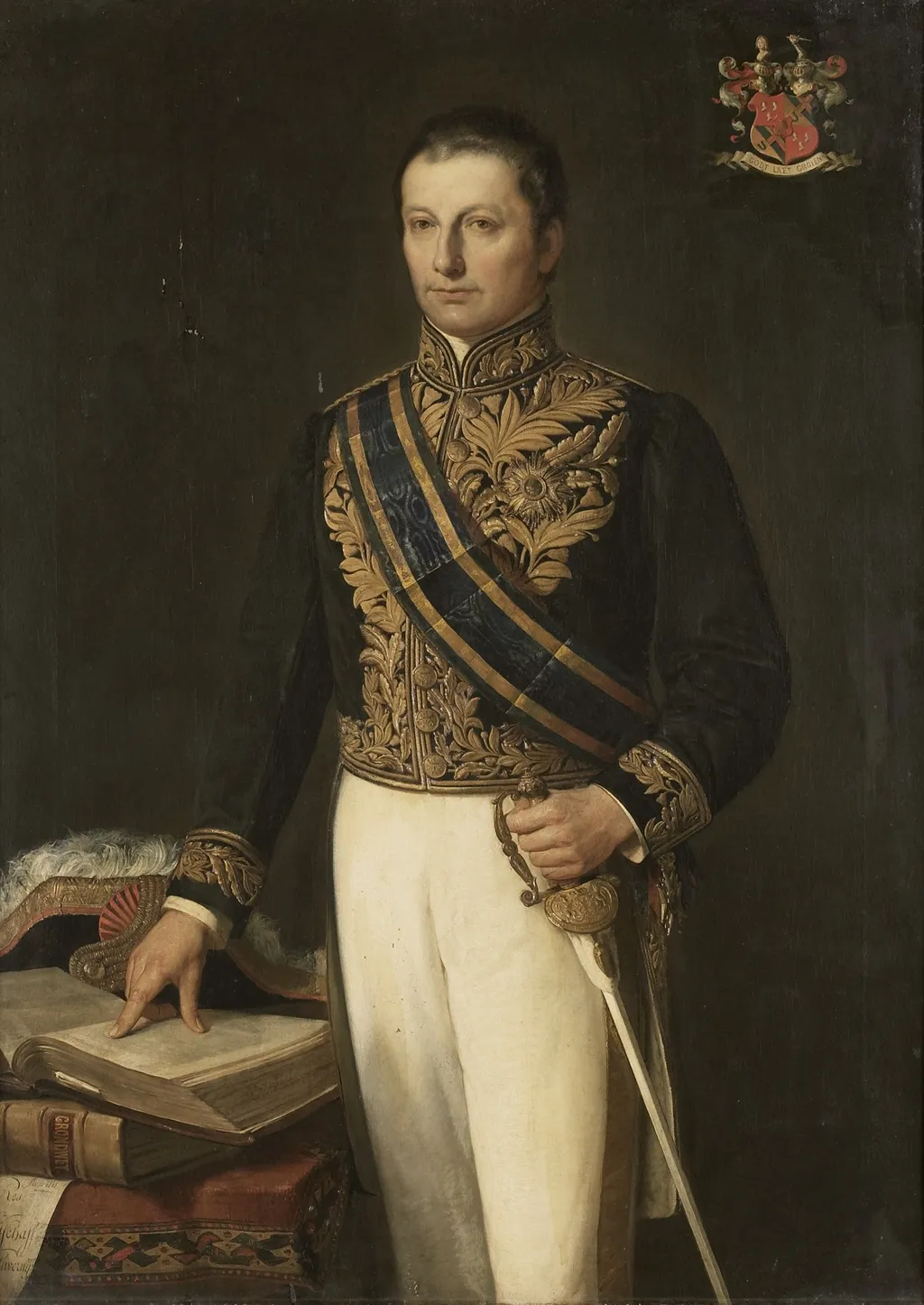
Portrait of Cornelis Theodorus Elout is an oil painting by the Impressionist artist Andries van den Berg. It dates from 1892 and is held in the collection of the Rijksmuseum.
About this work
Overview
Andries van den Berg's Portrait of Cornelis Theodorus Elout is an 1892 oil painting depicting its eponymous subject in formal attire, conveying authority and refinement.
Subject & Meaning
Cornelis Theodorus Elout is portrayed as a figure of distinction, possibly a military officer, given his black jacket with gold embroidery, blue sash, and sword. The book under his left hand suggests an additional aspect of his personality, indicating a literary or scholarly inclination.
Technique & Style
While specific technical details of the painting's execution are not highlighted, the use of a dark background serves to emphasize Elout's meticulously rendered, symbol-laden attire, characteristic of late 19th-century portrait conventions.
History & Provenance
Created in 1892, the portrait is now part of the Rijksmuseum's collection, though the circumstances of its acquisition are not specified here.
Context
The painting reflects the late 19th-century European tradition of portrait painting, where sitters were often depicted with symbols of their profession or interests. The combination of military and literary elements in Elout's portrayal may suggest a balanced personality or a transitional period in societal values.
Legacy
The portrait's legacy is not extensively detailed, but as part of the Rijksmuseum's holdings, it contributes to the historical record of Dutch portraiture in the late 19th century and the oeuvre of Andries van den Berg.
Artist & collection

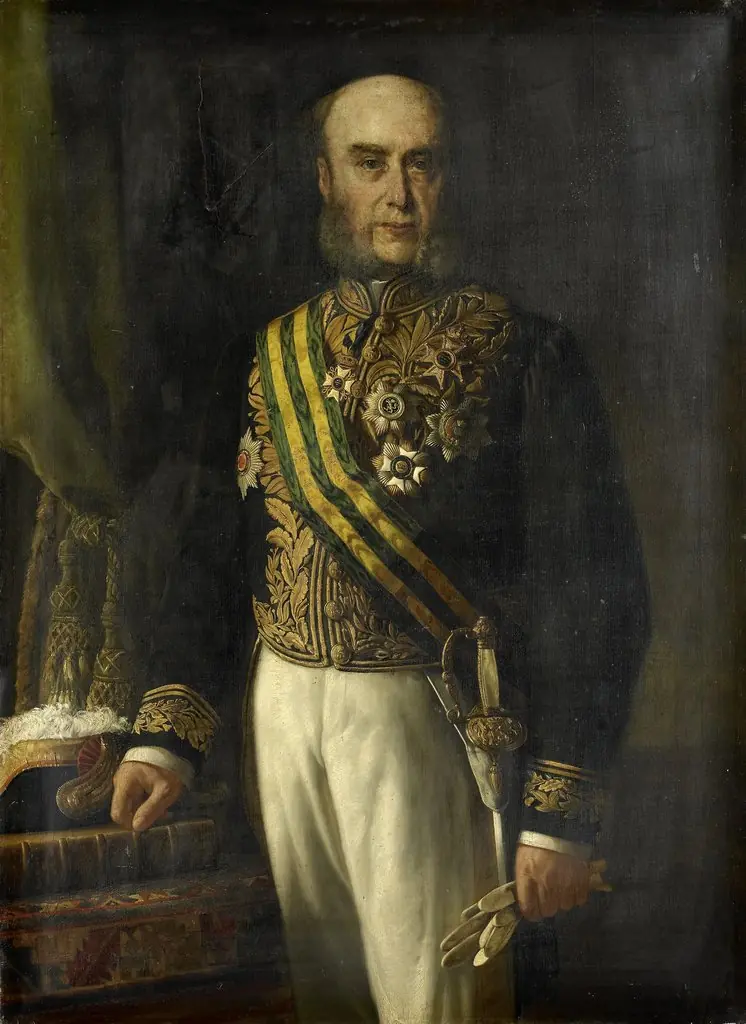
 Portrait of Jan Jacob Rochussen, Governor-General of the Dutch East Indies
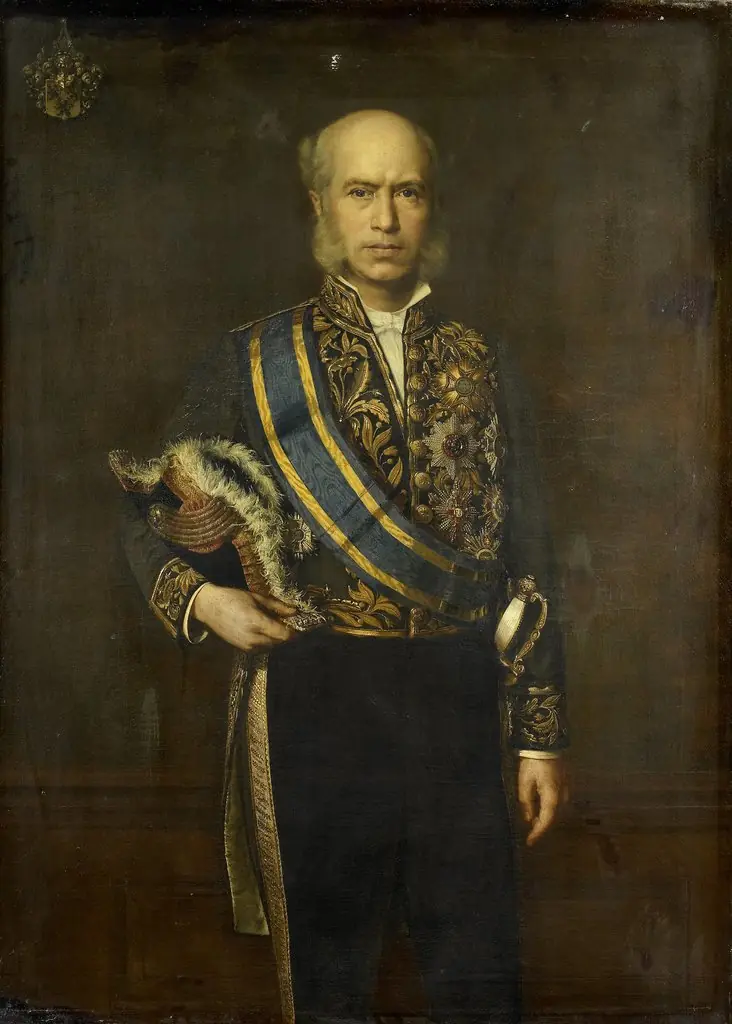
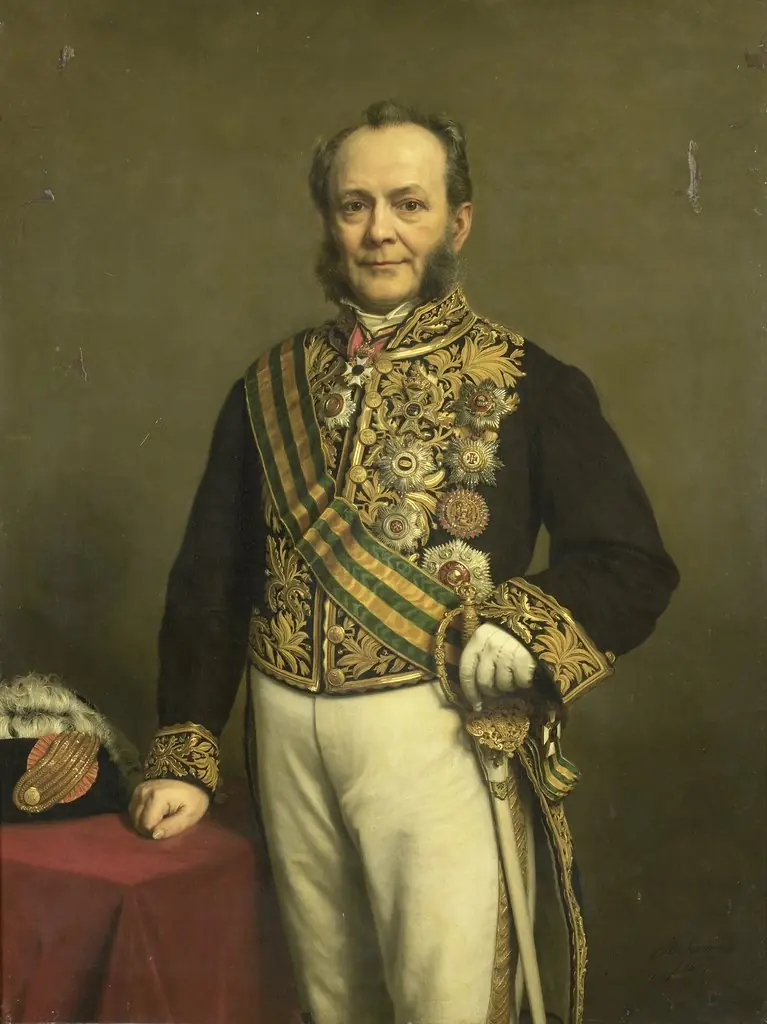 Pieter Mijer (1812-81). Gouverneur-generaal (1866-71)
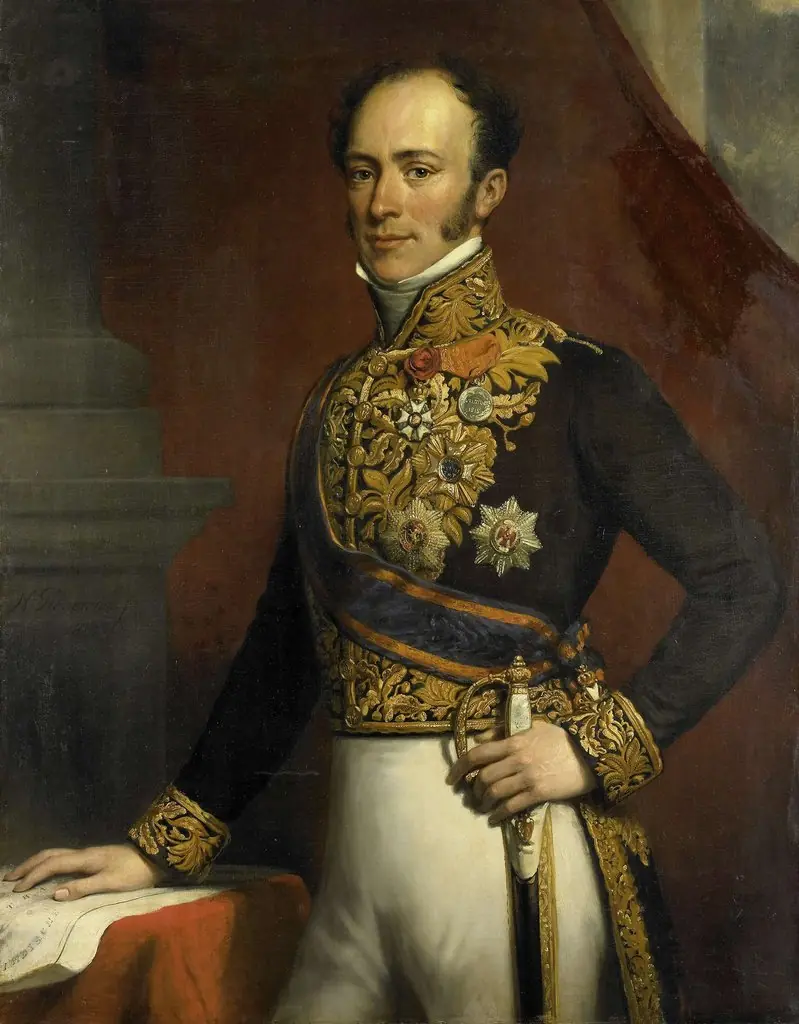
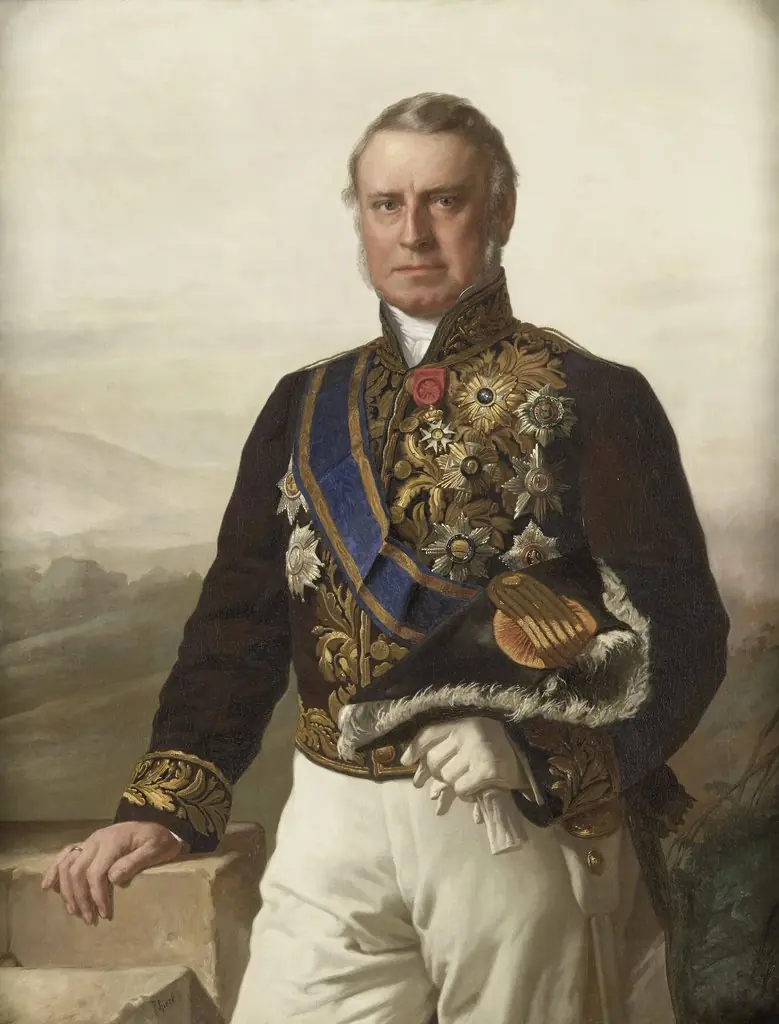 Charles Ferdinand Pahud (1803-73). Gouverneur-generaal (1855-61)
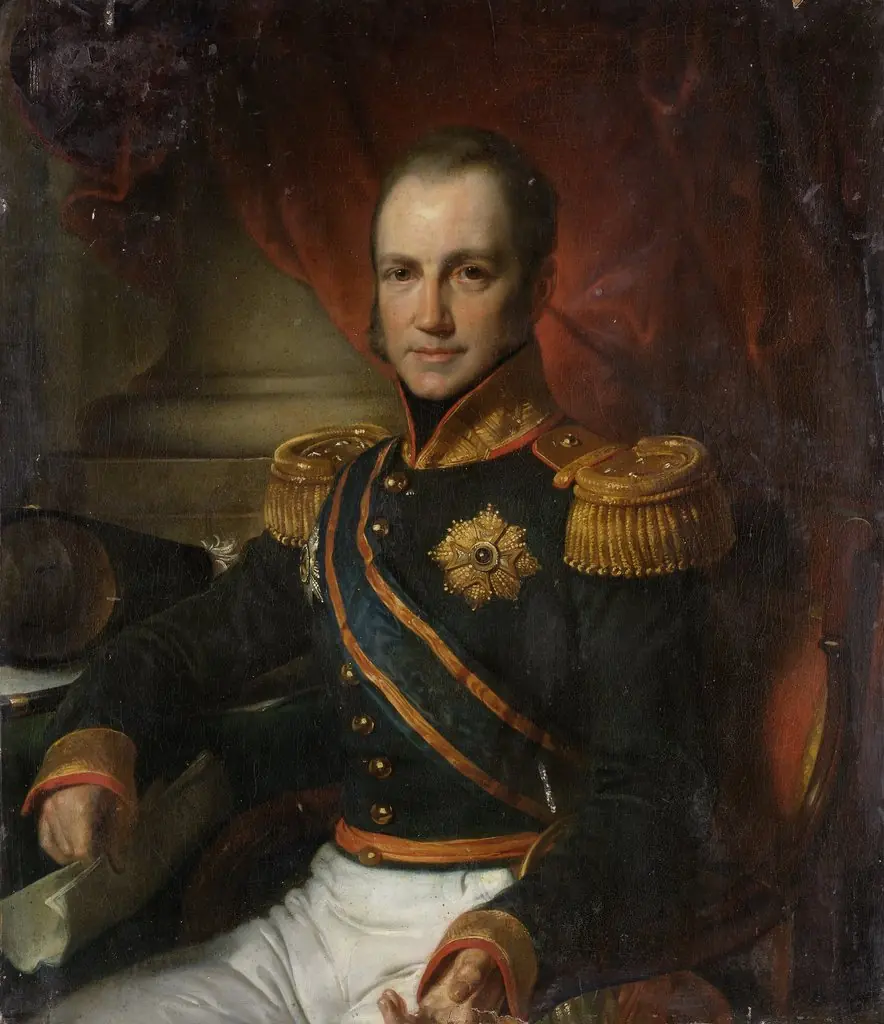 Portrait of Godart Alexander Gerard Philip, Baron van der Capellen, Governor-General of the Dutch East Indies