Artwork
Storm at Sea
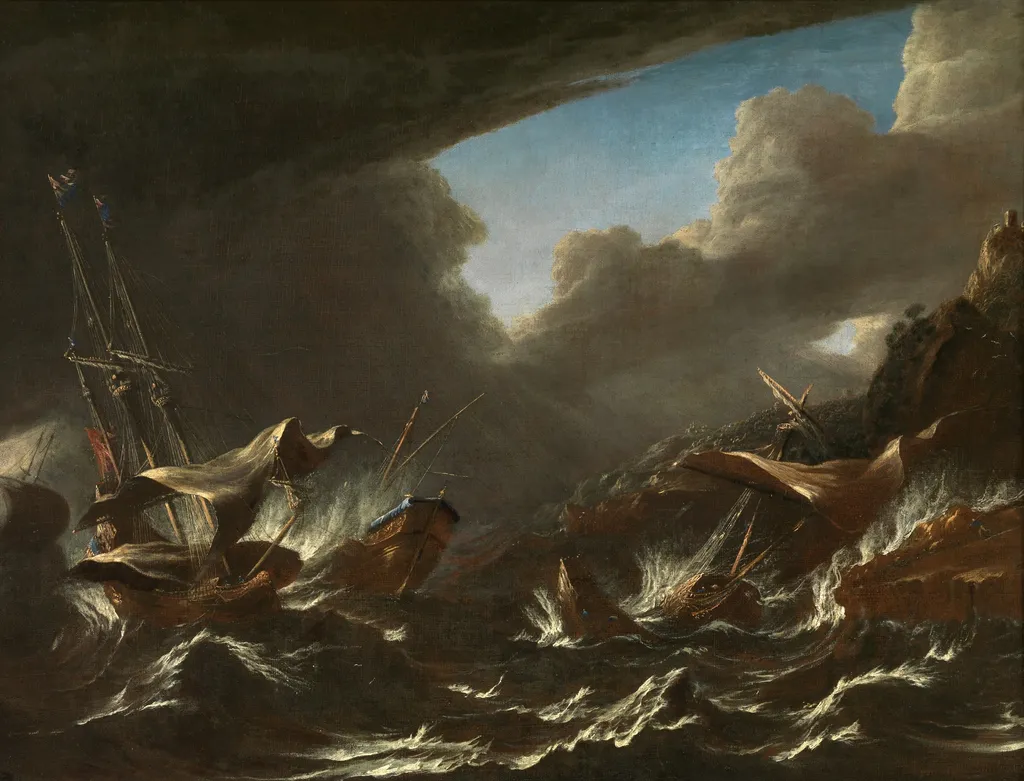
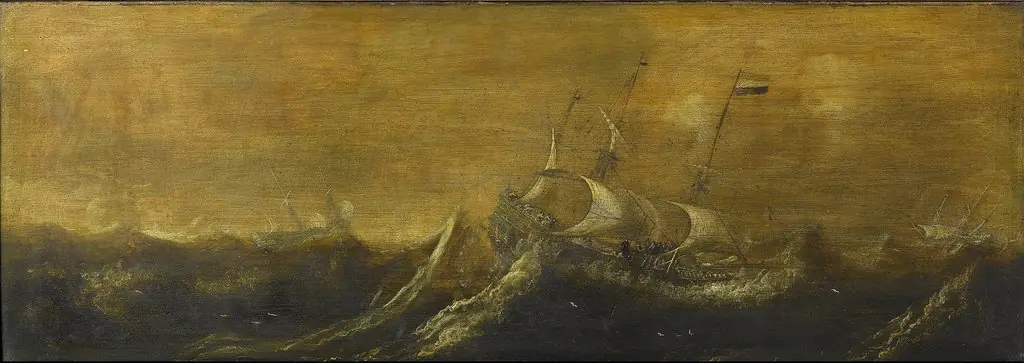
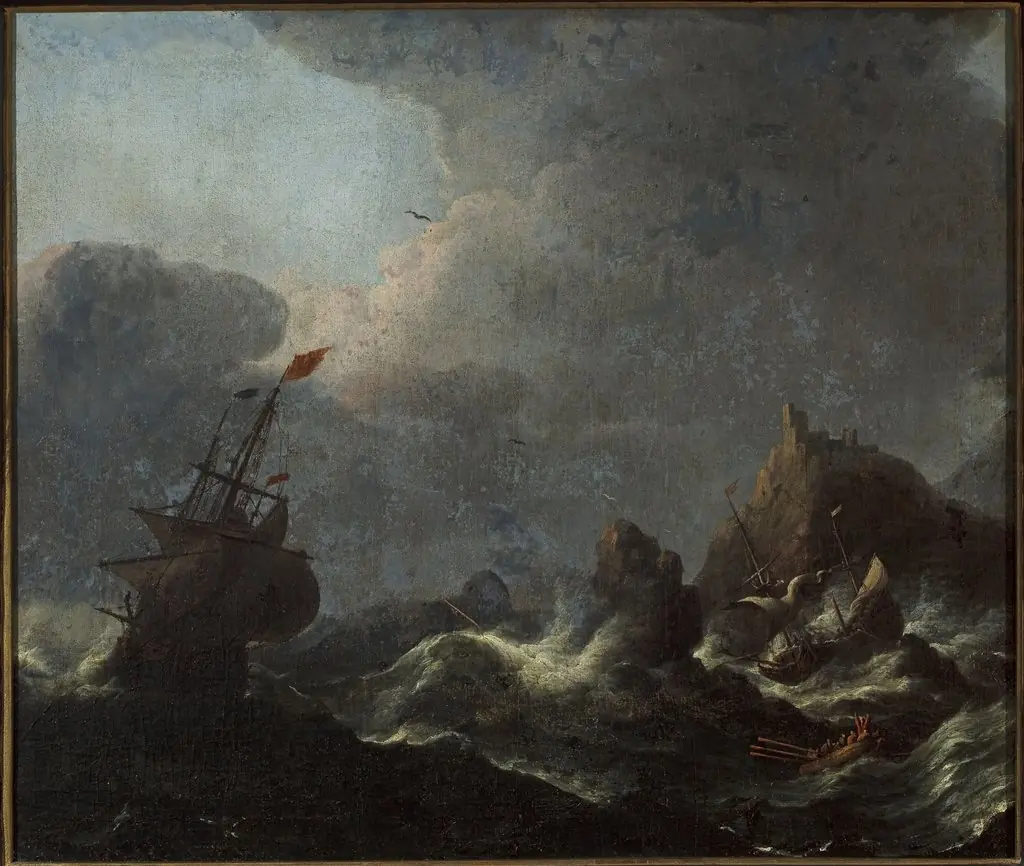
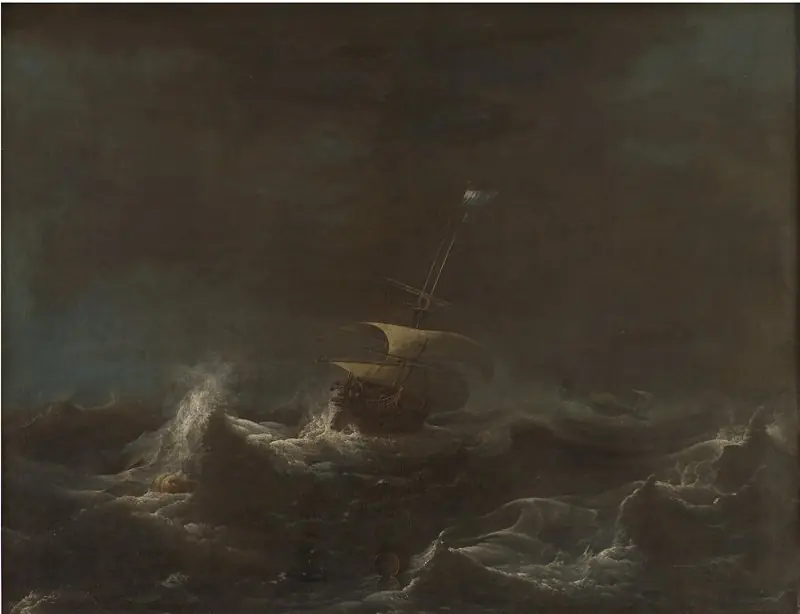
Storm at Sea is an oil painting by the Flemish Baroque painting artist Andries van Eertvelt. It dates from 1625 and is held in the collection of the Royal Museum of Fine Arts Antwerp.
About this work
Overview
The work remains part of the Royal Museum of Fine Arts Antwerp’s collection, reflecting its enduring significance in Flemish Baroque painting.
Painted in 1625 by Andries van Eertvelt, Storm at Sea is an oil painting that captures the violent power of the ocean during a tempest. As one of the earliest Flemish artists to concentrate on marine themes, van Eertvelt brought a new focus to maritime subjects within the regional artistic tradition. The work remains part of the Royal Museum of Fine Arts Antwerp’s collection, reflecting its enduring significance in Flemish Baroque painting.
Subject & Meaning
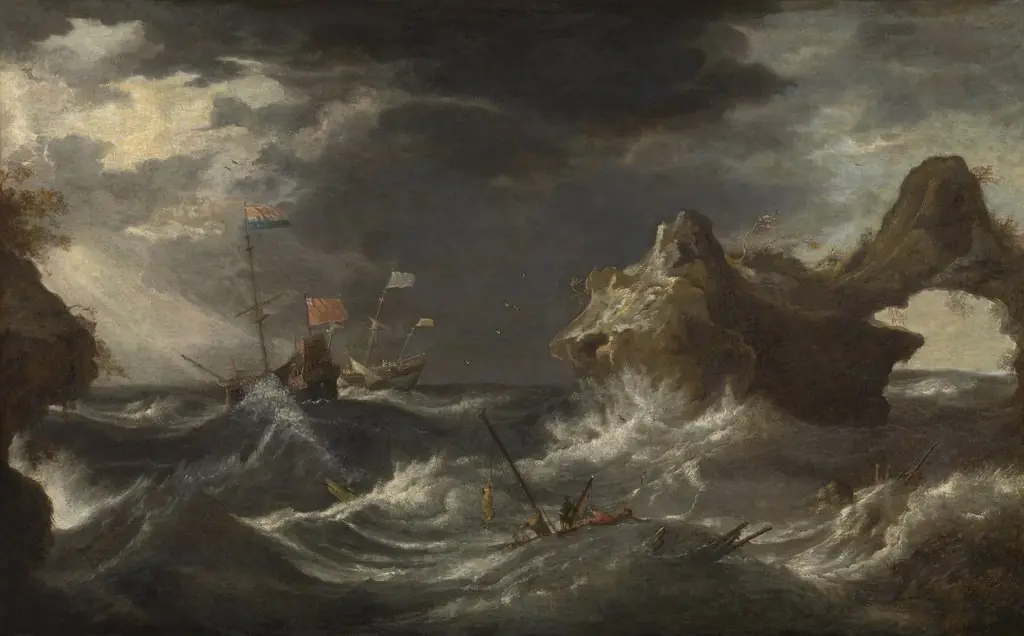
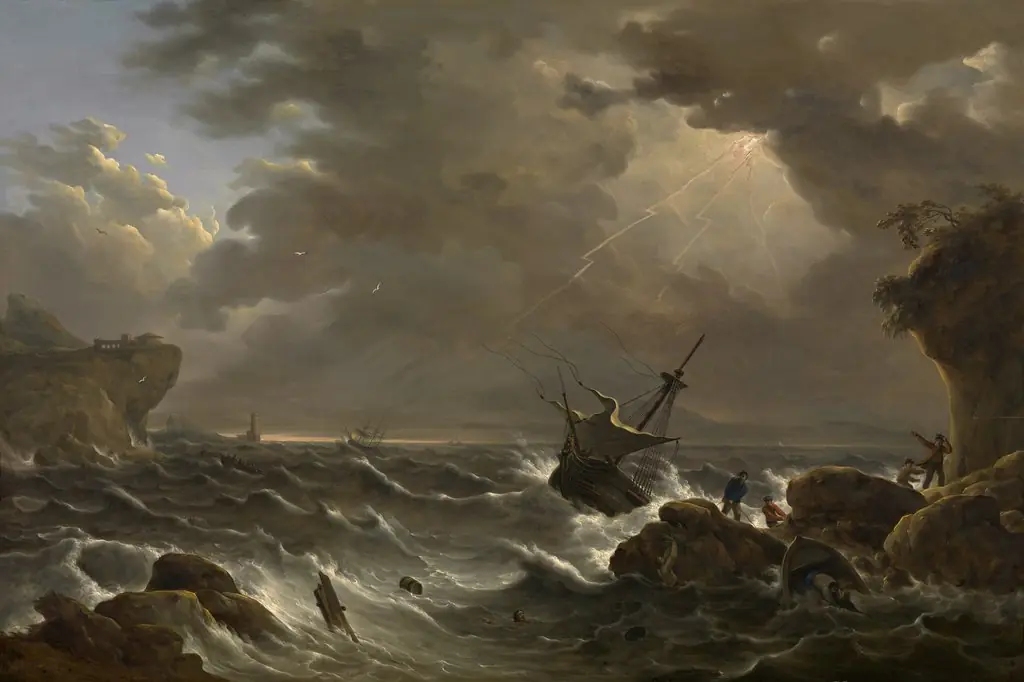
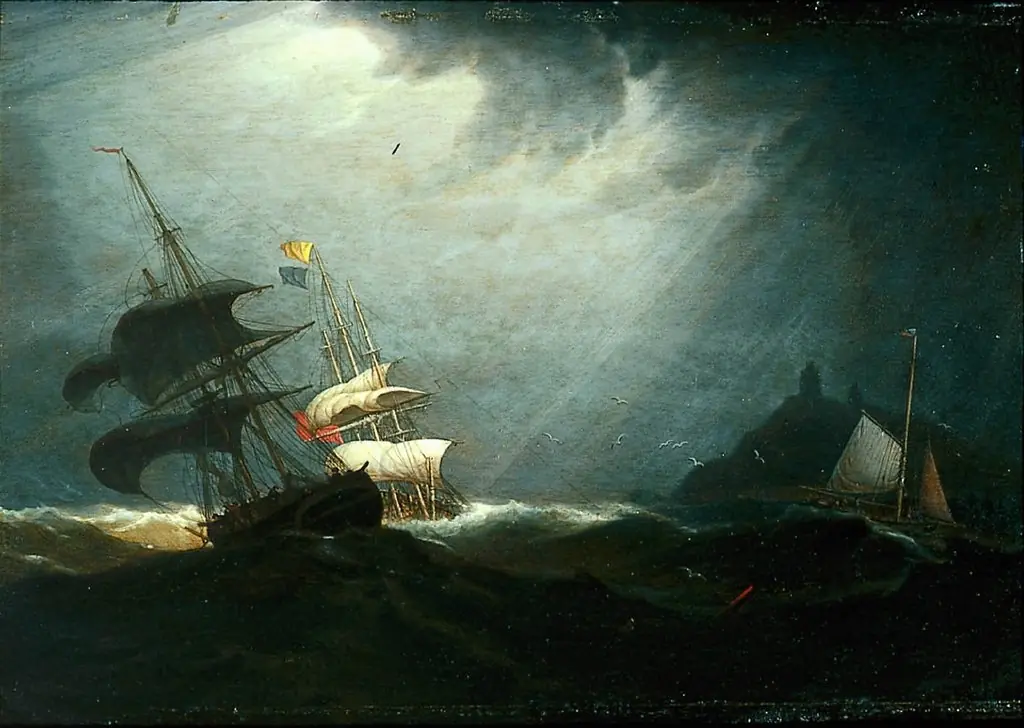
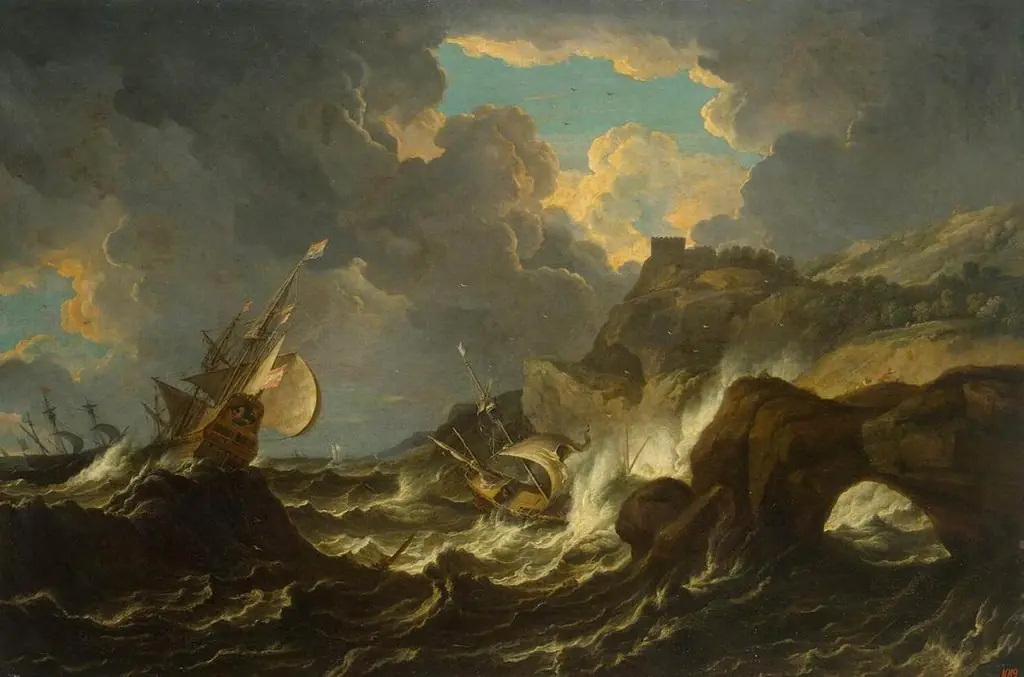
The painting portrays a large vessel in distress, its sails shredded and mast shattered, caught in the grip of towering waves. The scene conveys human vulnerability against nature’s fury, a common theme in early modern seafaring culture. Lightning fractures the dark sky, momentarily revealing the chaos below, emphasizing the unpredictability of life at sea and the peril faced by sailors in the 17th century.
Technique & Style
Van Eertvelt employed thick, expressive brushwork and a rich oil palette to render the turbulence of water and sky. Chiaroscuro is used to heighten drama, with stark contrasts between the illuminated crests of waves and the shadowed depths of the sea. The composition directs the viewer’s eye toward the stricken ship, while the swirling clouds and fractured light suggest movement and imminent danger, characteristic of Baroque dynamism.
History & Provenance
Created during van Eertvelt’s mature period, the painting entered the Royal Museum of Fine Arts Antwerp’s holdings in the 19th century, where it has remained since. It is among the few surviving works from his marine series, and its preservation offers insight into the development of Flemish maritime art. The artist’s studio trained several successors who carried forward his focus on naval subjects.
Context
In early 17th-century Flanders, maritime trade and naval conflict shaped daily life, influencing artistic interest in seascapes. Van Eertvelt’s work emerged alongside growing Flemish engagement with oceanic themes, distinct from Dutch marine painting in its emphasis on emotional intensity over topographical accuracy. His paintings responded to both commercial interests and the public’s fascination with the sea’s dangers.
Legacy
Van Eertvelt’s approach to marine subjects laid groundwork for later Flemish painters who specialized in seascapes. His use of dramatic lighting and turbulent composition influenced a generation of artists, helping establish marine painting as a respected genre in the Southern Netherlands. Though less widely known today, his contributions remain embedded in the regional artistic lineage of the Baroque era.
Own this work as a print
Artist & collection
Artist
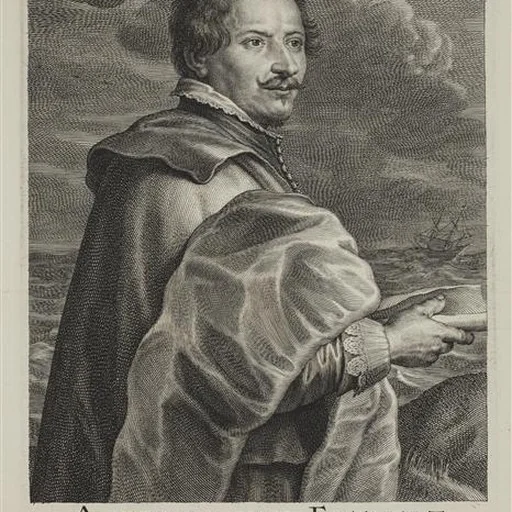
Andries van Eertvelt (1590–1652), was a Flemish painter, draughtsman and engraver who was one of the first Flemish artists to specialize in marine art. Several of his pupils also became prominent marine artists.