Artwork
Self-Portrait
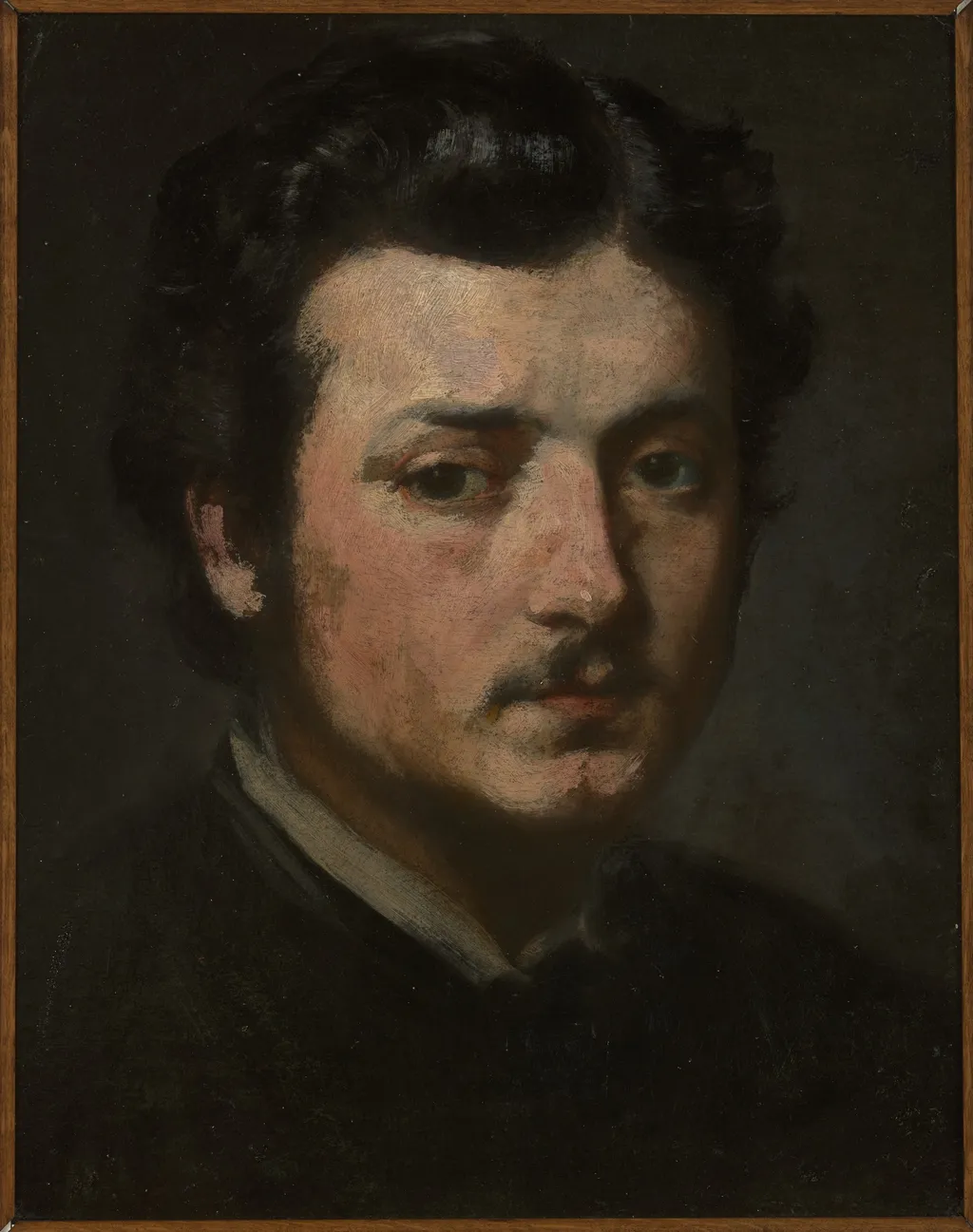
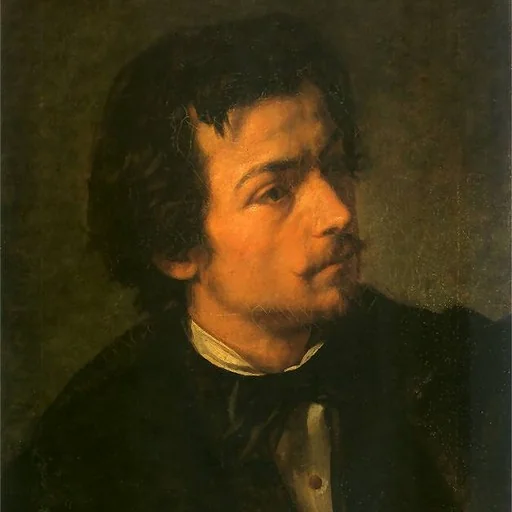
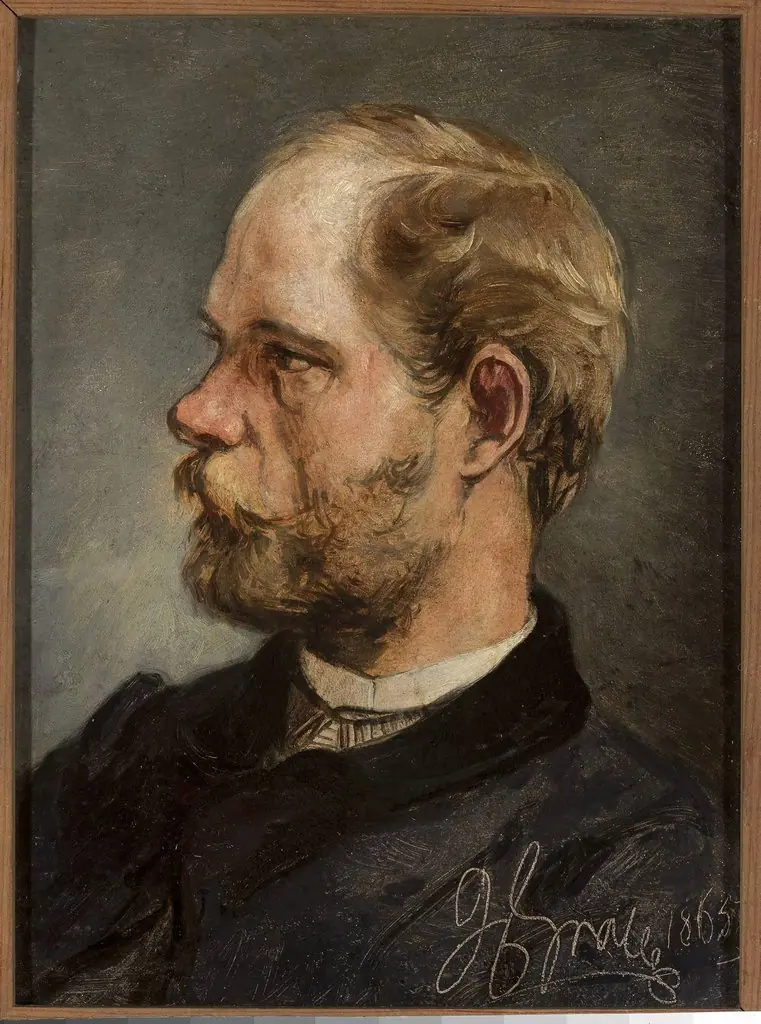
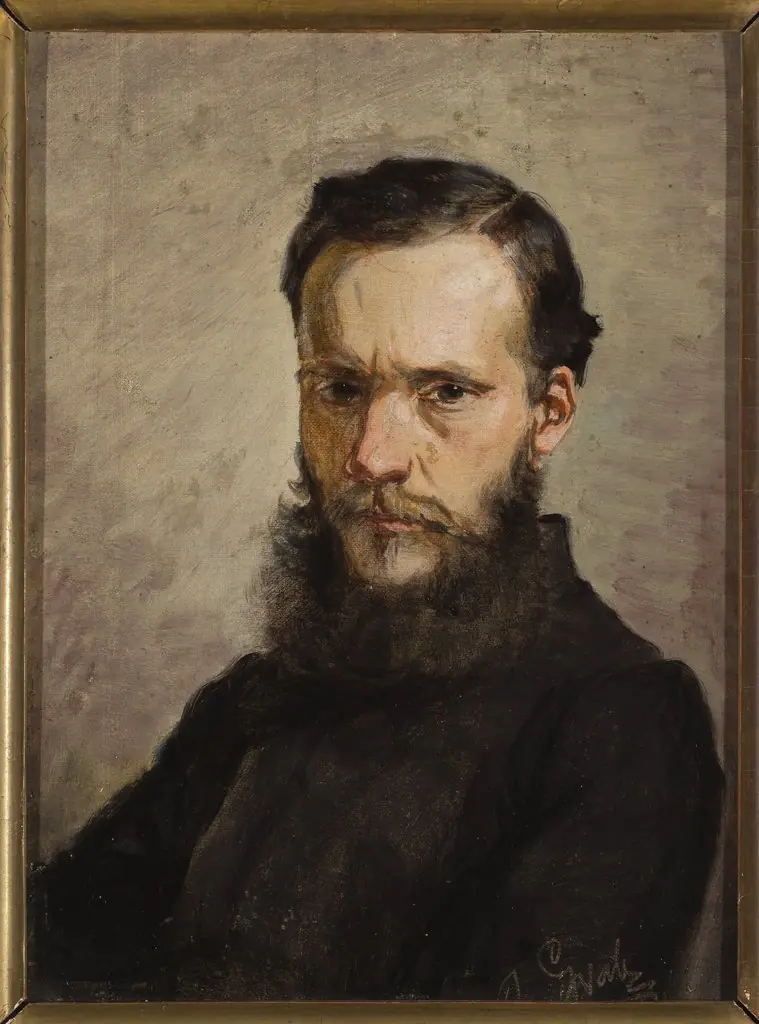
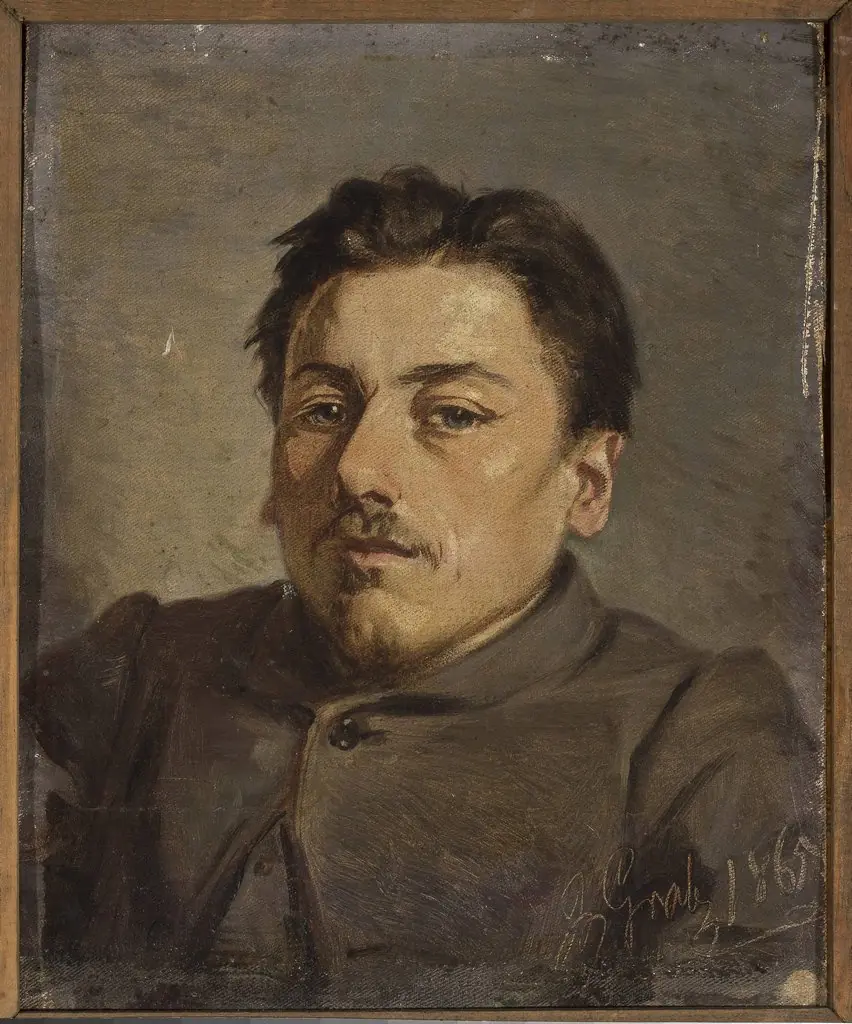
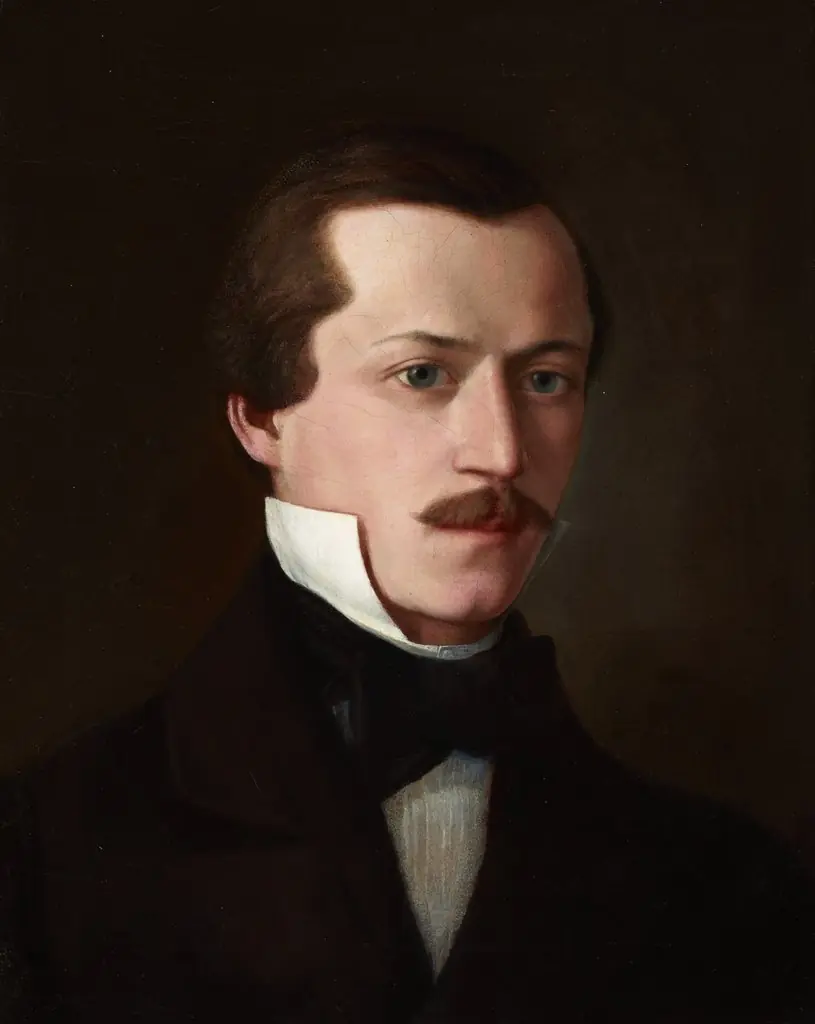
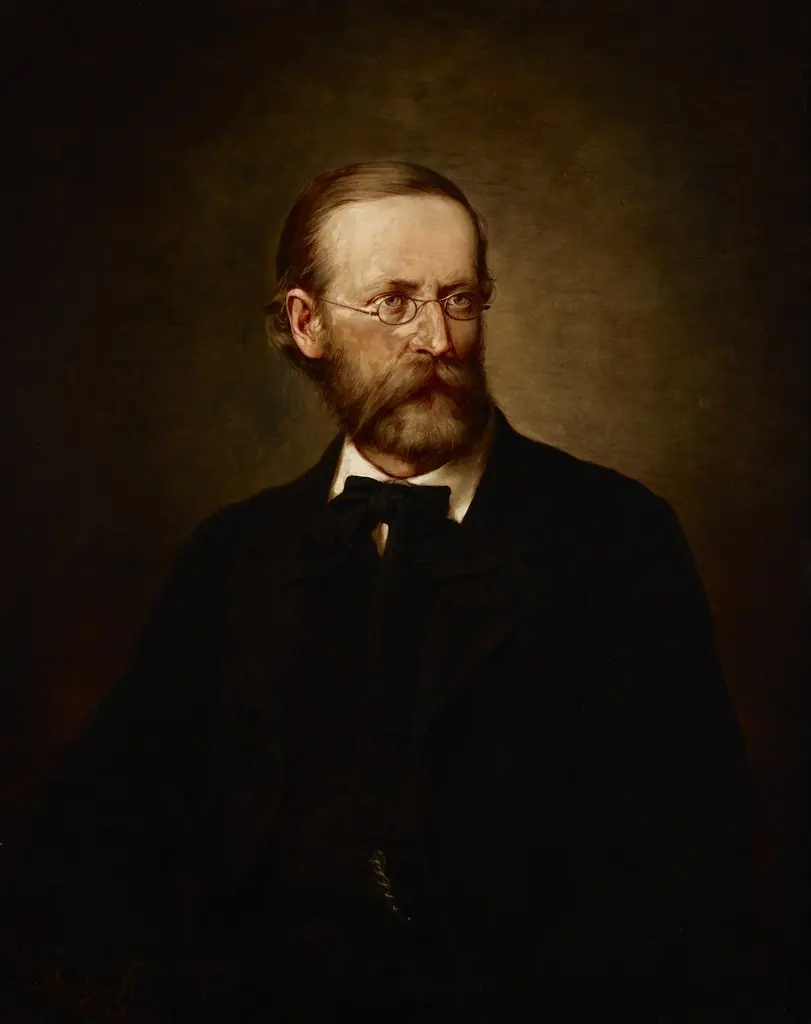
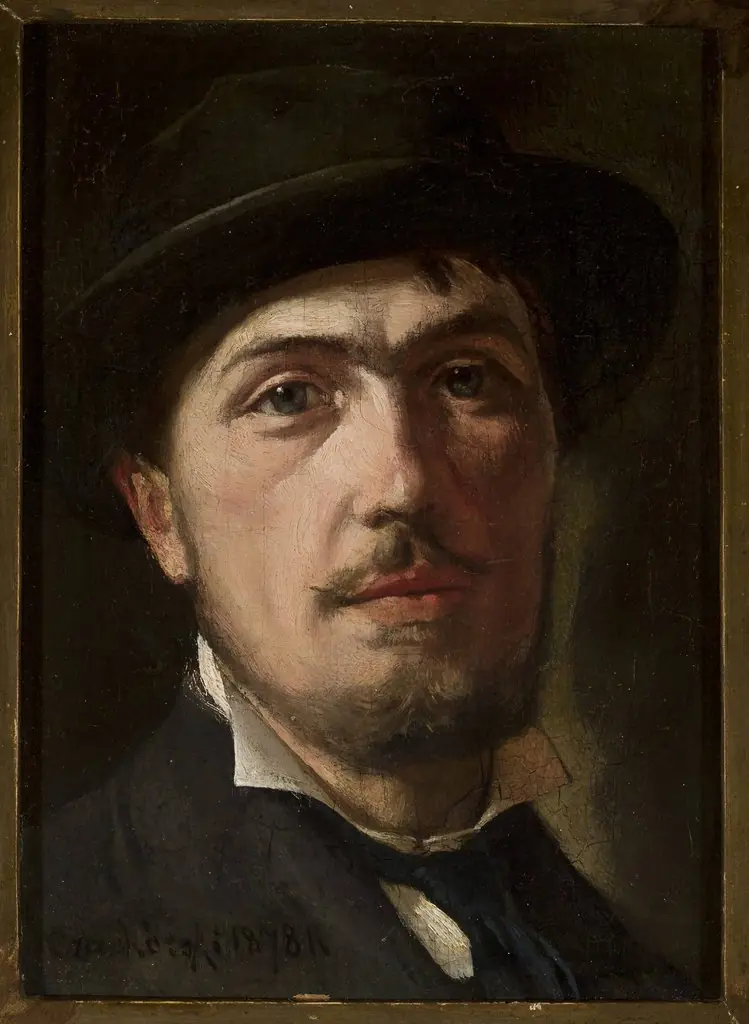
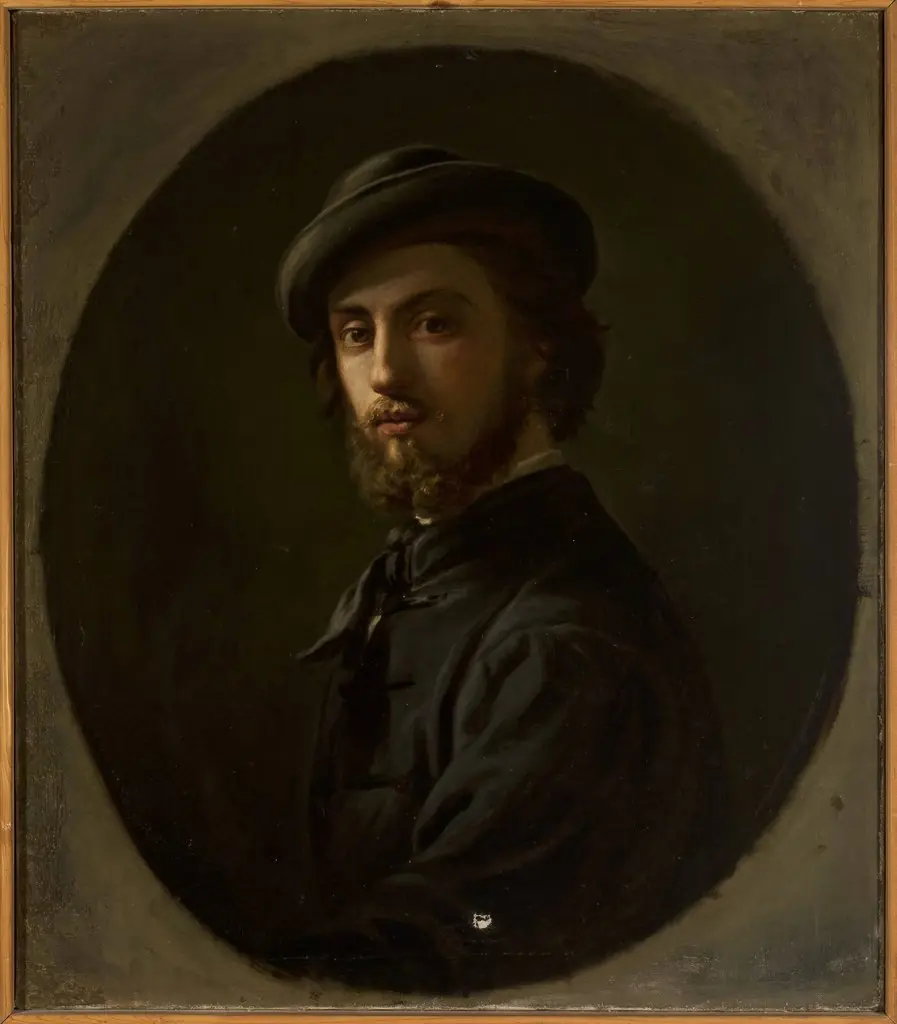
Self-Portrait is an unspecified painting by Andrzej Grabowski. It dates from 1869 and is held in the collection of the National Museum in Kraków.
About this work
If you're interested in learning more about this style of portrait painting, you might want to look into the technique of chiaroscuro.
This painting is a self-portrait of a man with dark hair and a mustache. He is wearing a dark jacket over a white collared shirt. The background is dark, which helps the subject stand out.
The man's gaze is directed at the viewer, and his expression is neutral. His hair is styled in a way that was common during the 19th century. The overall mood of the painting is somber, with the dark colors dominating the scene.
If you're interested in learning more about this style of portrait painting, you might want to look into the technique of chiaroscuro.
Overview
Painted around 1869, this self-portrait by Andrzej Grabowski presents the artist in quiet contemplation. Executed in oil on canvas, it features a straightforward composition with the figure centered against a deep, unmodulated background. The work is part of the collection at the National Museum in Kraków, where it remains a quiet example of 19th-century Polish portraiture.
Subject & Meaning
Grabowski depicts himself with a neutral expression, direct gaze, and restrained posture, suggesting introspection rather than performance. The absence of symbolic elements or elaborate setting shifts focus to the individual’s presence. His attire—a dark jacket over a white shirt—reflects middle-class dignity of the era, conveying identity through simplicity rather than status.
Technique & Style
The painting employs a muted palette dominated by dark tones, with subtle contrasts between the subject’s face and clothing to create volume. Light falls gently across the features, avoiding dramatic highlights, yet still defining form through tonal gradation. The brushwork is controlled and precise, favoring clarity over expressive flourish, aligning with academic traditions of the time.
History & Provenance
The portrait entered the National Museum in Kraków’s collection in the late 19th or early 20th century, likely through acquisition or donation following Grabowski’s death. Its documented history is limited, but its preservation suggests it was valued within Polish artistic circles. No significant alterations or restorations are recorded.
Context
Created during a period of national cultural revival in partitioned Poland, the portrait reflects a broader trend among artists to assert personal and national identity through quiet, unadorned representation. Unlike grand historical or romanticized portraits, Grabowski’s work embraces modesty, mirroring the restrained aesthetic of academic realism prevalent in Central European studios.
Legacy
Though not widely exhibited beyond regional collections, the painting endures as a representative example of Polish academic portraiture. It offers insight into how artists of the time viewed themselves—not as public figures, but as individuals engaged in quiet self-examination, contributing to a broader, understated tradition in 19th-century Eastern European art.
Artist & collection