Artwork
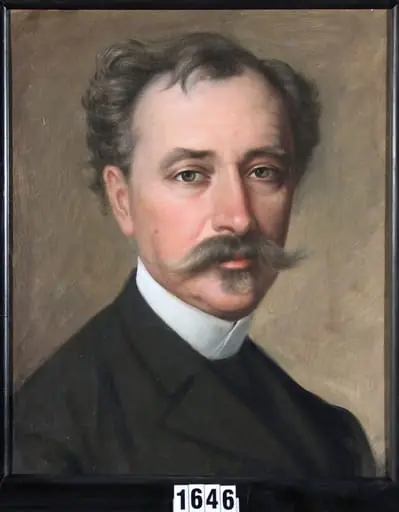
Portrait of Kornel Ujejski
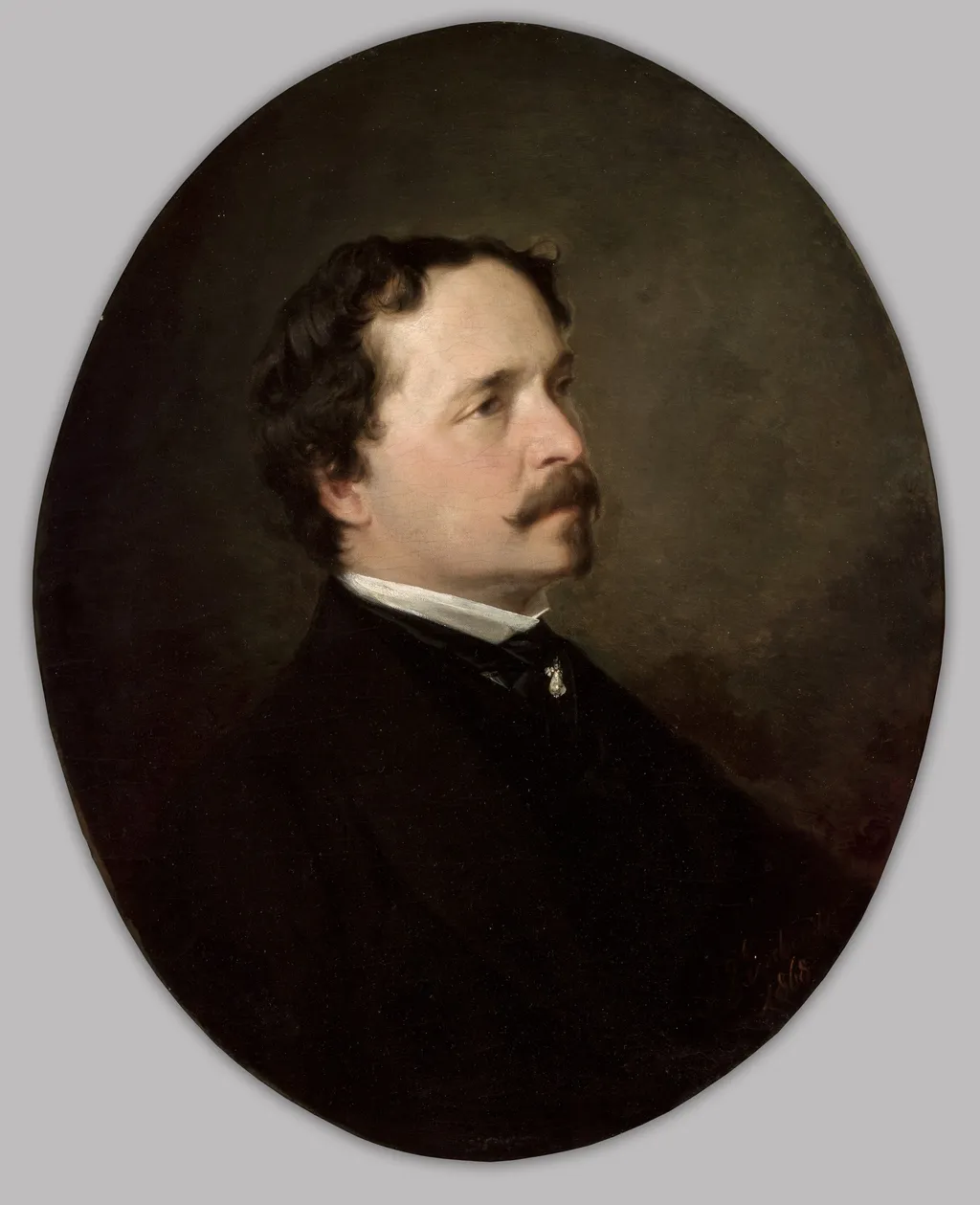
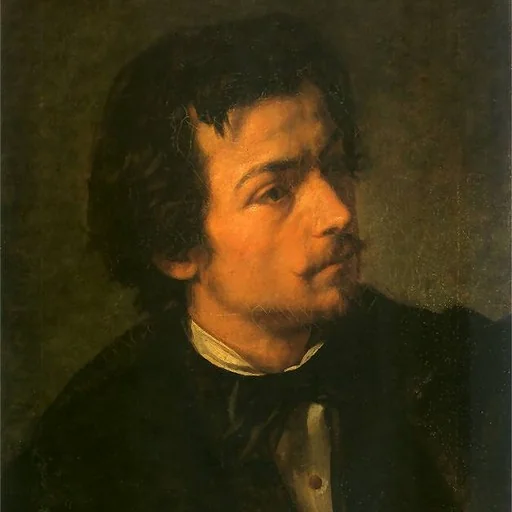
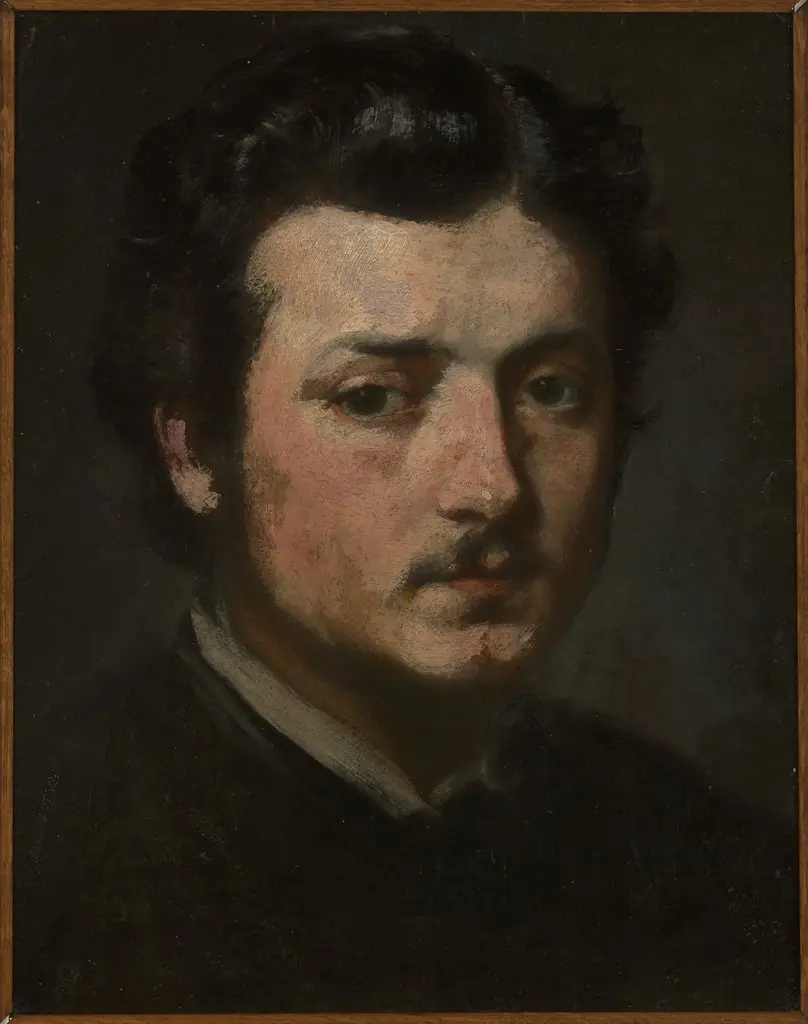
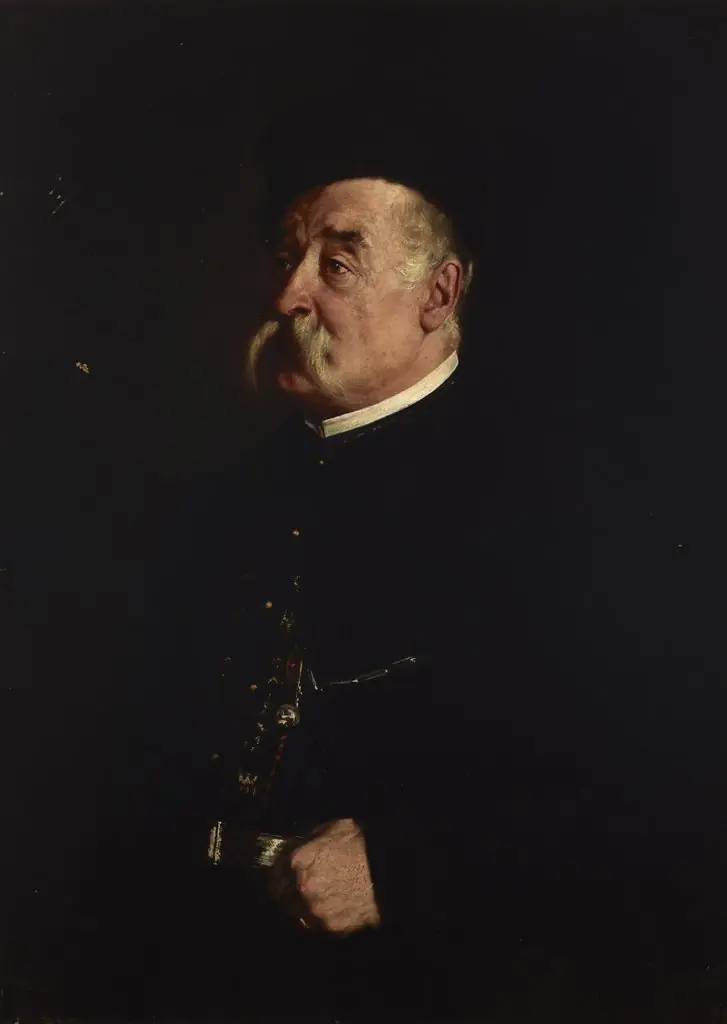
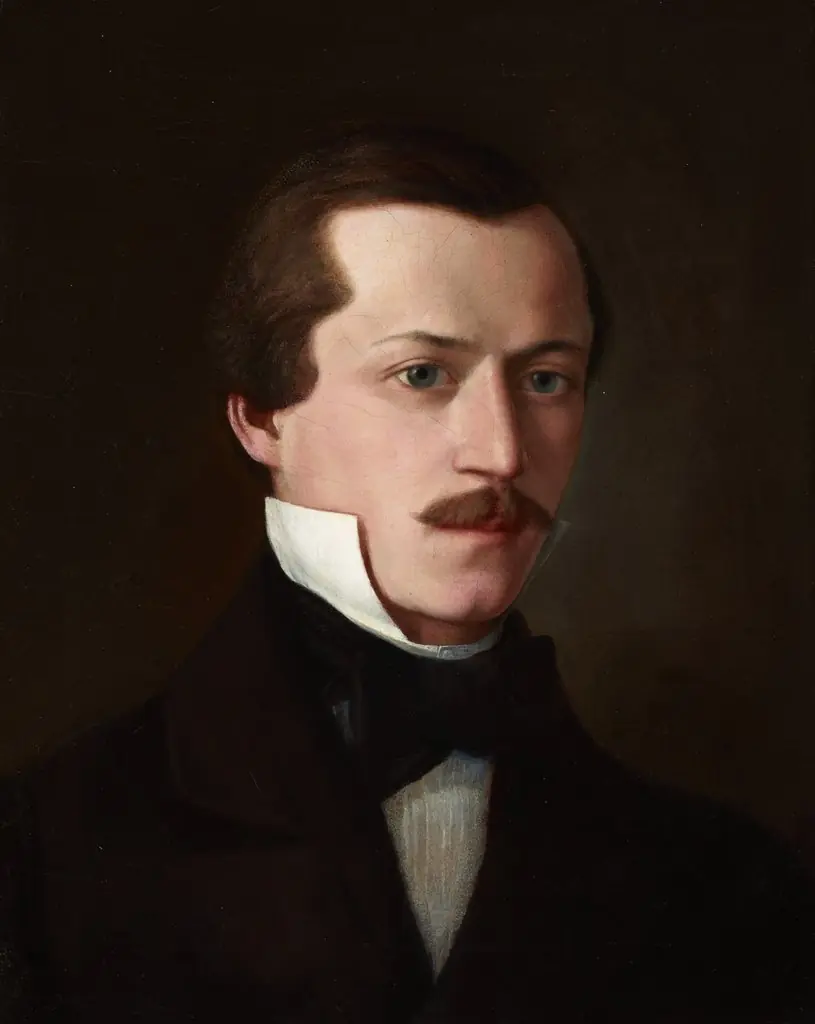
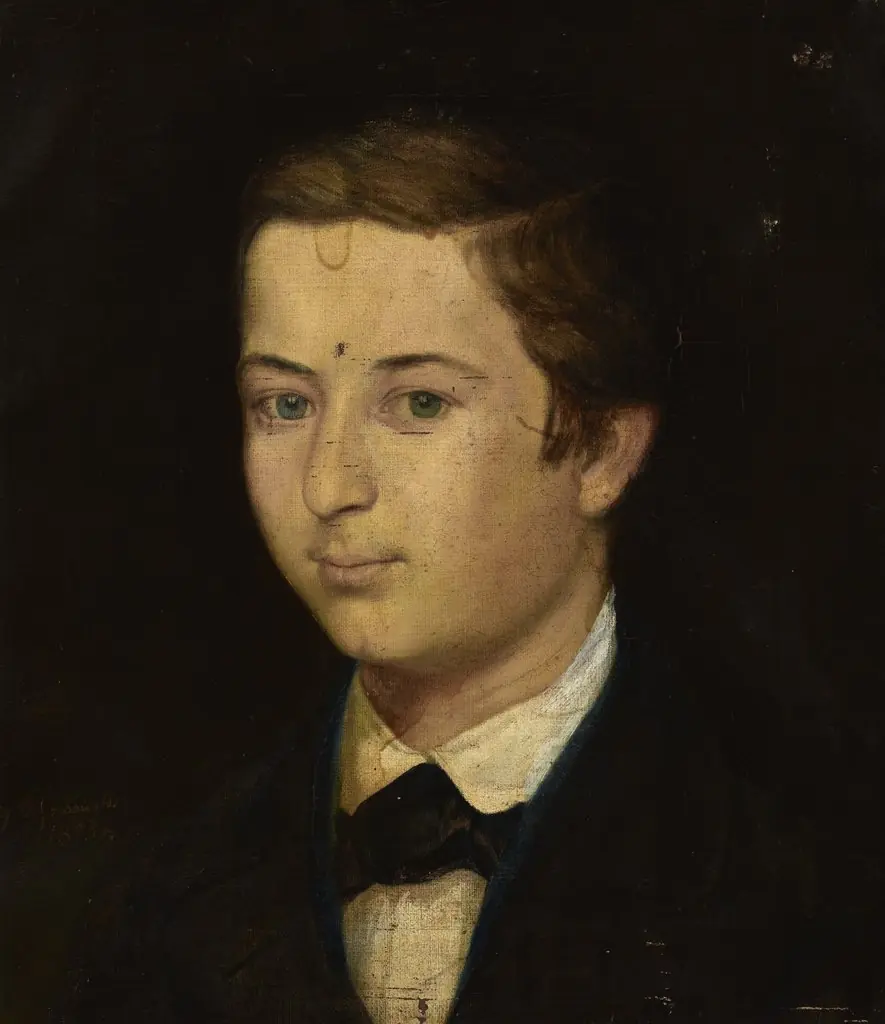
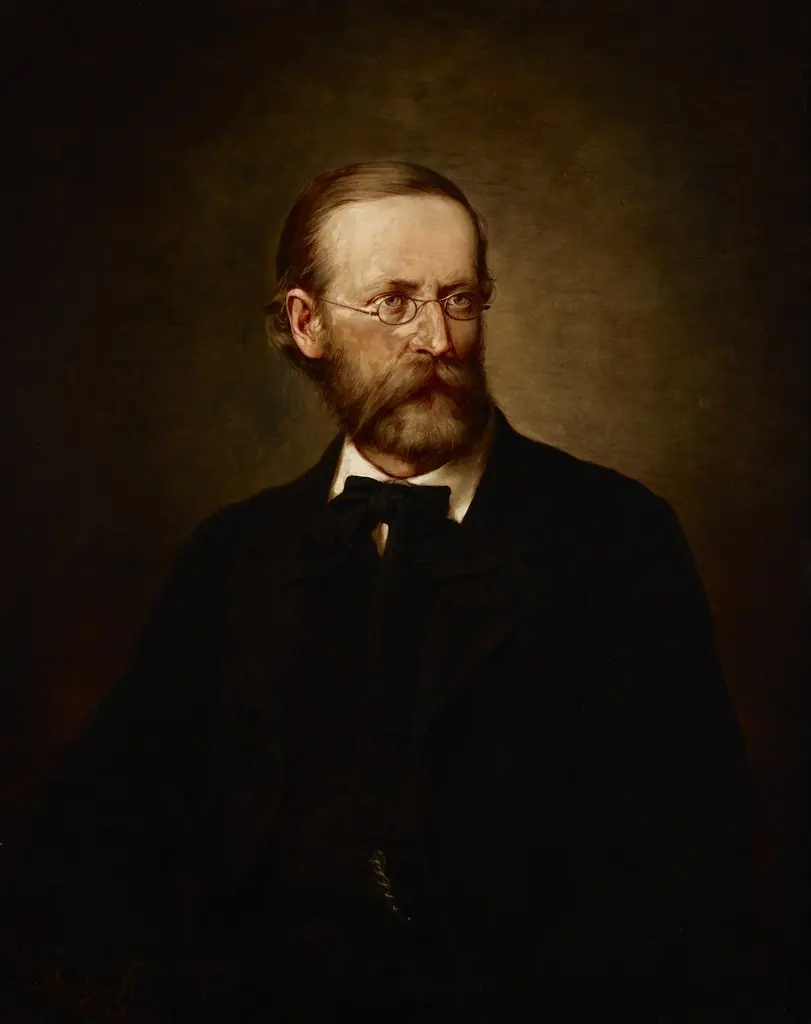
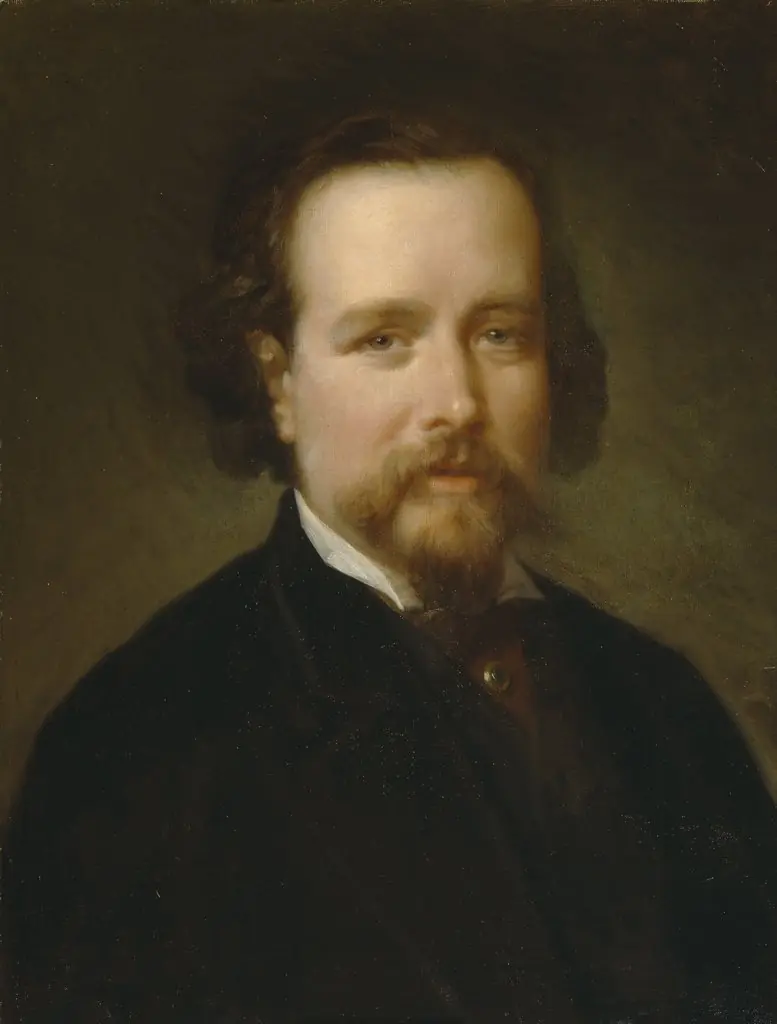
Portrait of Kornel Ujejski is an oil painting by the Realist artist Andrzej Grabowski. It dates from 1868 and is held in the collection of the National Museum in Kraków.
About this work
Overview
Painted in 1868 by Andrzej Grabowski, this oil portrait depicts the Polish poet and political figure Kornel Ujejski. The work resides in the National Museum in Kraków and exemplifies 19th-century academic portraiture. Grabowski captures his subject with restrained elegance, emphasizing composure and intellectual presence through careful lighting and subdued coloration.
Subject & Meaning
Kornel Ujejski was a prominent Polish writer and nationalist voice during the Partitions of Poland. The portrait reflects his public stature, presenting him not as a romantic ideal but as a composed, dignified intellectual. His direct gaze and formal attire suggest gravitas, aligning with his role as a cultural figure committed to national identity during a time of political fragmentation.
Technique & Style
The muted palette and controlled contrast reinforce a sense of quiet authority, typical of academic portraiture of the era.
Grabowski employs chiaroscuro to model the face and clothing, creating subtle volume against a neutral brown background. The lighting isolates the subject’s features—curly hair, trimmed mustache, and brooch—without theatricality. Brushwork is precise yet unobtrusive, favoring clarity over flourish. The muted palette and controlled contrast reinforce a sense of quiet authority, typical of academic portraiture of the era.
History & Provenance
The painting was completed in 1868 and entered the collection of the National Museum in Kraków shortly thereafter. It remained in institutional care throughout the 20th century, surviving wartime displacement and political shifts. Its consistent presence in the museum’s holdings underscores its recognition as a significant representation of a key cultural figure in Polish history.
Context
Created during a period when Polish identity was preserved through culture rather than statehood, the portrait reflects the role of intellectuals in sustaining national consciousness. Ujejski’s image, rendered with formal restraint, contrasts with more emotive Romantic depictions, aligning instead with the growing preference for dignified, realistic representation among Poland’s educated class.
Legacy
The portrait endures as a visual reference for Ujejski’s public persona and as an example of Grabowski’s skill in conveying character through understated means. It contributes to the broader archive of Polish cultural portraiture, offering insight into how intellectual figures were visually constructed during a time when national symbols were carefully cultivated beyond political borders.
Artist & collection