Artwork
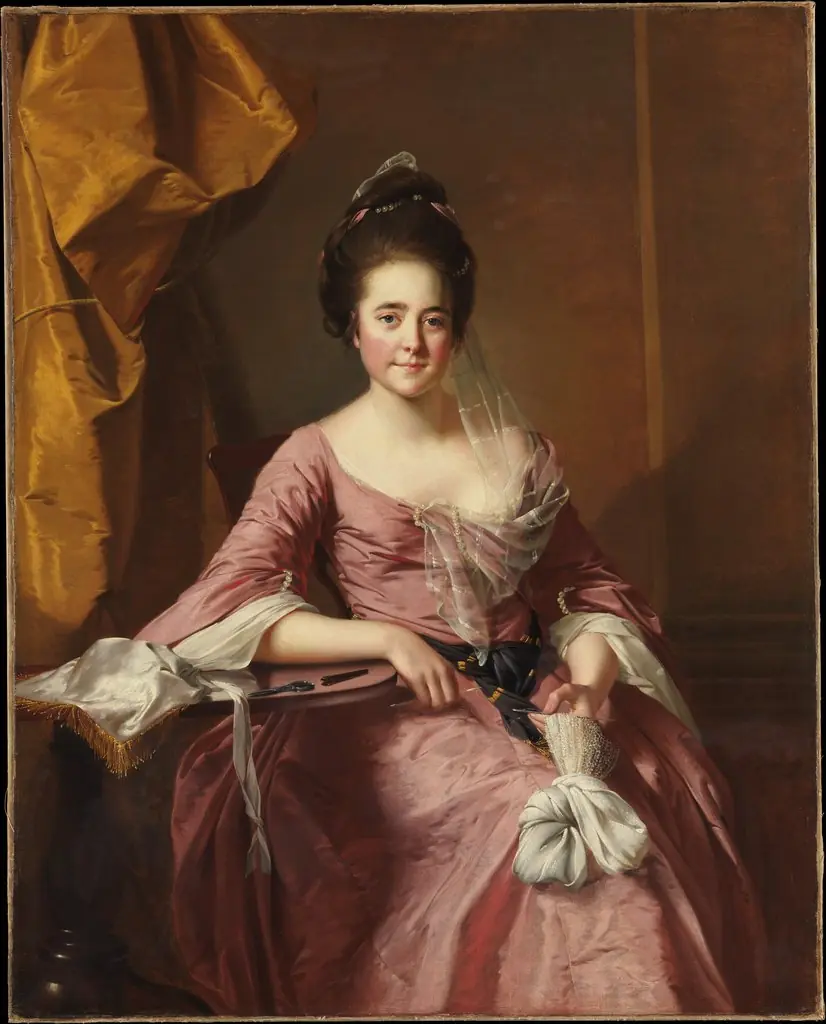
Portrait of Mrs Helen (Dorothea Daniel) (d.1806)
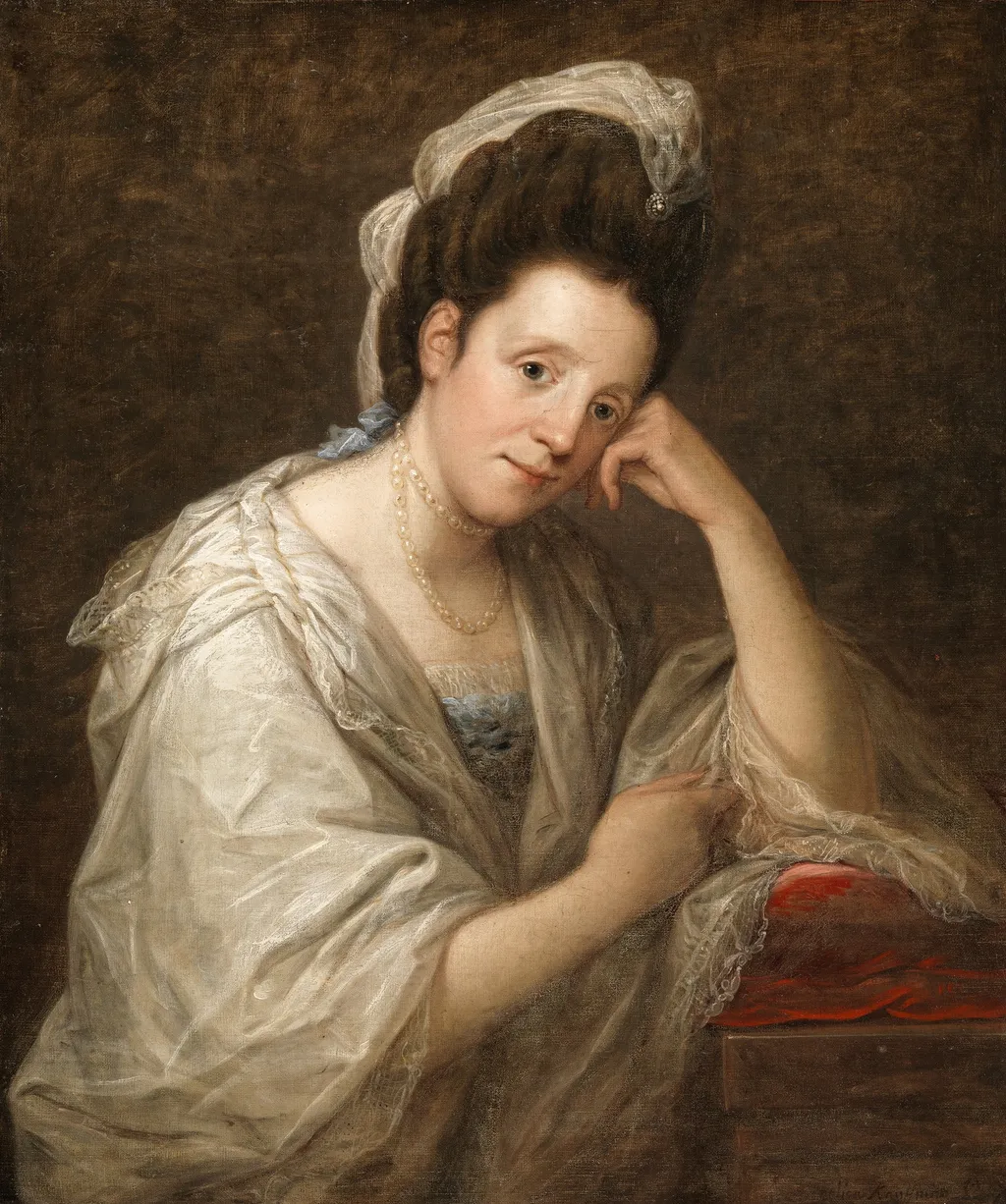
Portrait of Mrs Helen (Dorothea Daniel) (d.1806) is an oil painting by the Rococo painting artist Angelica Kauffmann. It dates from 1784 and is held in the collection of the National Gallery of Ireland.
About this work
Overview
The painting reflects the artist’s skill in rendering texture and subtle expression within a restrained palette.
Painted around 1784, this oil portrait by Angelica Kauffmann depicts Helen Dorothea Daniel, who died in 1806. The work is part of the National Gallery of Ireland’s collection. Kauffmann, known for her refined portraiture and Neoclassical sensibility, captures her subject with quiet dignity, avoiding theatricality in favor of composed elegance. The painting reflects the artist’s skill in rendering texture and subtle expression within a restrained palette.
Subject & Meaning
The sitter, Helen Dorothea Daniel, is portrayed in a contemplative pose, her head supported by one hand while resting on a red cushion. Her attire—a white gown with a blue underlayer and pearl jewelry—suggests refined taste and social standing. The white headpiece and modest adornments imply a preference for understated elegance over ostentation, aligning with late 18th-century ideals of feminine virtue and restraint.
Technique & Style
Kauffmann employs soft brushwork to render fabric and skin with delicate precision. The contrast between the white dress, blue undergarment, and rich red cushion creates subtle tonal harmony. The composition is balanced and frontal, with the sitter’s gaze directed slightly away, inviting quiet introspection. Her posture and the absence of elaborate background elements reflect Neoclassical ideals of clarity and emotional restraint.
History & Provenance
The portrait entered the National Gallery of Ireland’s collection through documented acquisition, though its earlier ownership remains unclear. It has been consistently attributed to Kauffmann since at least the 19th century. No significant alterations or restorations are recorded, preserving the original surface and tonal integrity. Its presence in the gallery underscores its importance as a representative work of female artistic achievement in the period.
Context
Painted during the height of Kauffmann’s career in London, this portrait reflects the cultural milieu of educated, aristocratic women who commissioned art to express personal and moral refinement. The Neoclassical aesthetic, favored by intellectual circles, emphasized simplicity and moral clarity. Kauffmann, one of the few successful female artists of her time, often depicted women as thoughtful, composed figures rather than decorative objects.
Legacy
This portrait stands as a quiet testament to Kauffmann’s influence in shaping the visual language of female portraiture in the late 18th century. It contributes to the broader recognition of women artists in a male-dominated field. While not widely exhibited, its presence in a major national collection ensures its continued role in scholarly study of gender, taste, and artistic identity in the Enlightenment era.
Own this work as a print
Artist & collection

Artist
Maria Anna Angelika Kauffmann, usually known in English as Angelica Kauffman, was a Swiss painter who had a successful career in London and Rome.

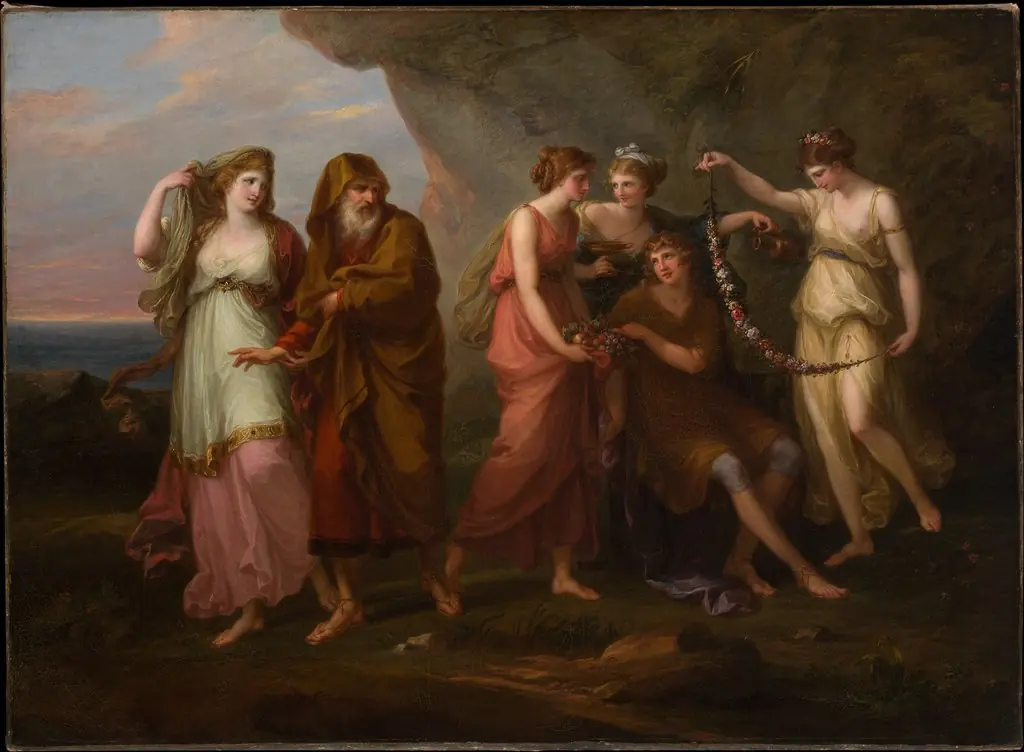 Telemachus and the Nymphs of Calypso
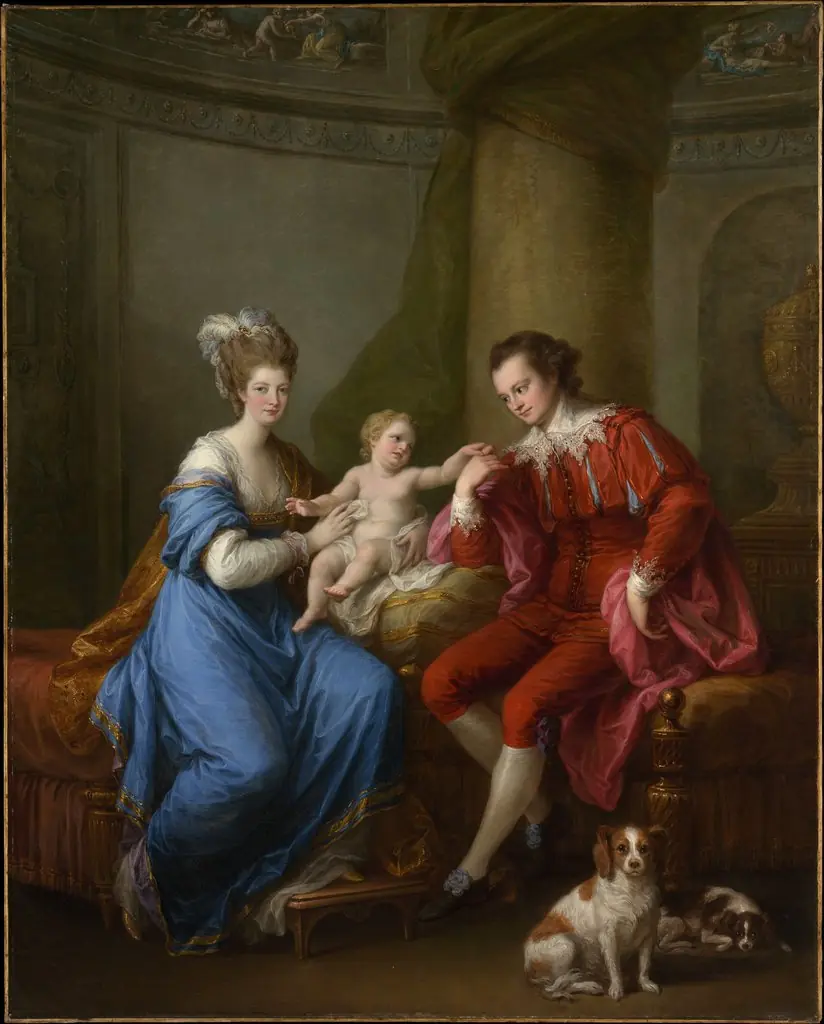 Edward Smith Stanley (1752–1834), Twelfth Earl of Derby, with His First Wife (Lady Elizabeth Hamilton, 1753–1797) and Their Son (Edward Smith Stanley, 1775–1851)
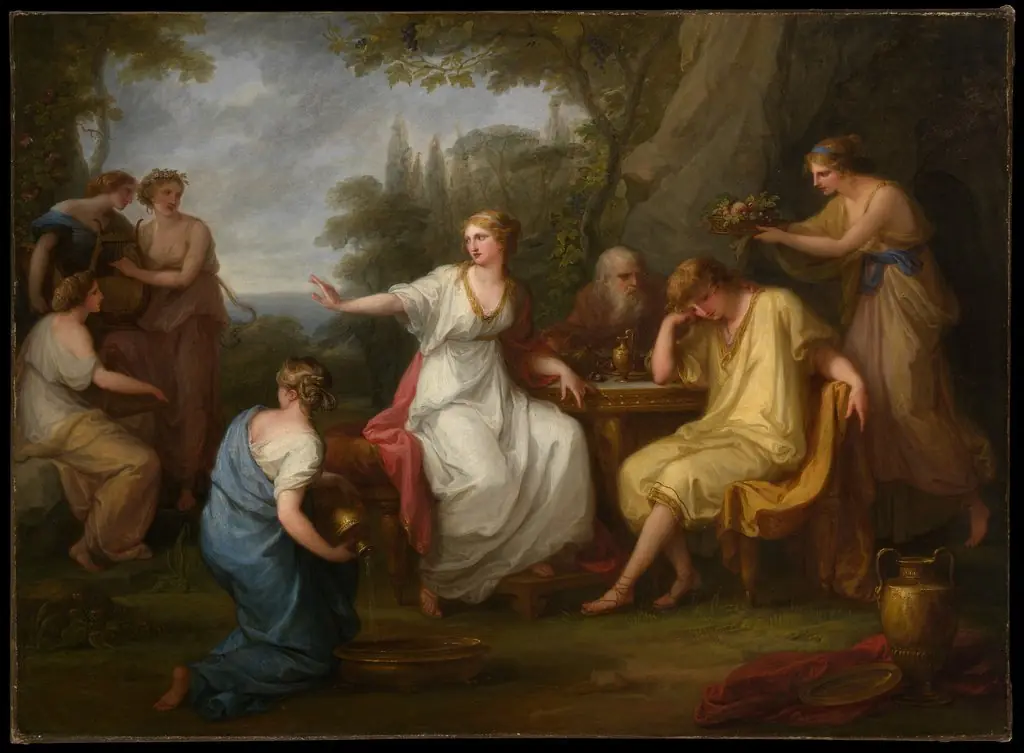 The Sorrow of Telemachus
 Monsignor Giuseppe Spina (1756–1828)
 The Victory of Eros
 Possibly Franciska Krasinska, Duchess of Courland
 The Temptation of Eros
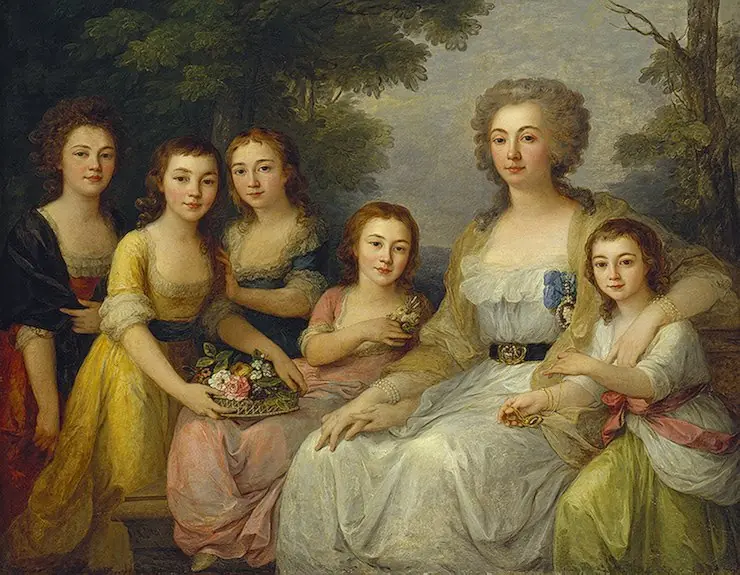 Portrait of Countess A.S. Protasova with her Nieces
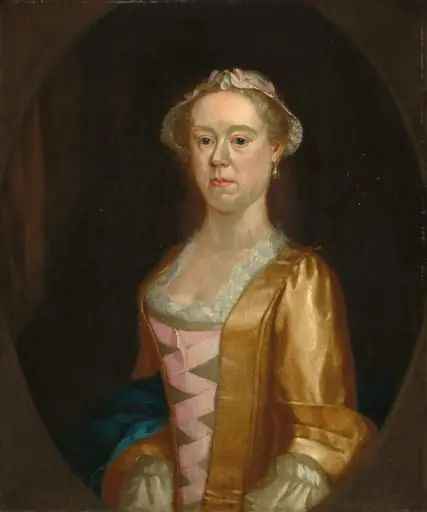 Portrait of a Lady
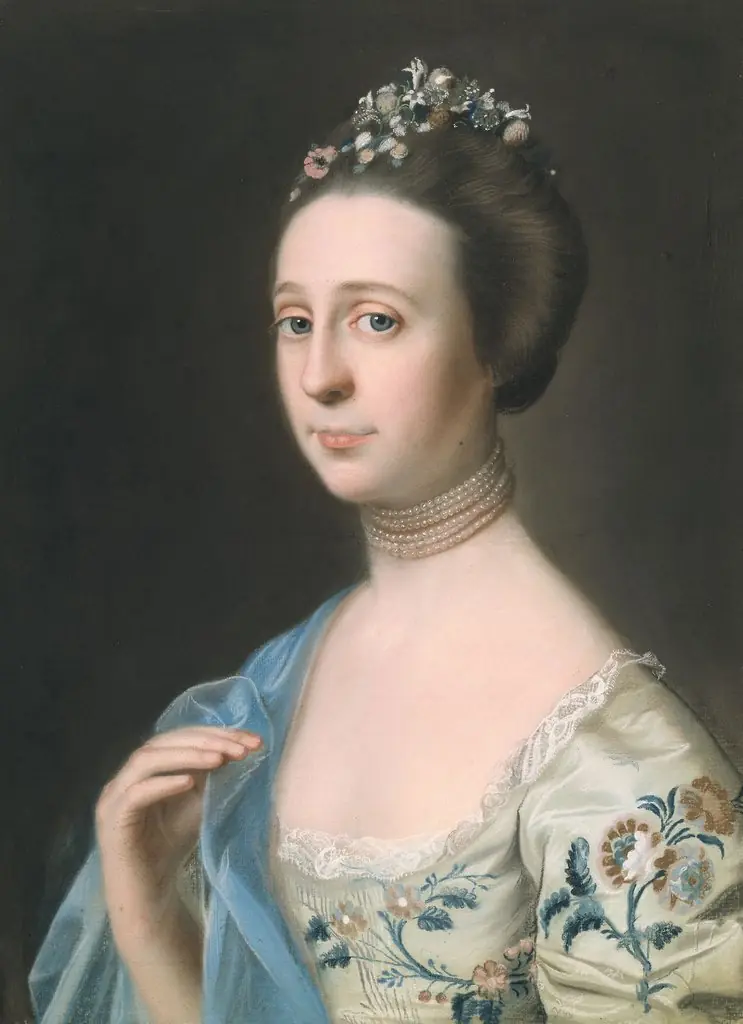 Mrs. Henry Hill (Anna Barrett)
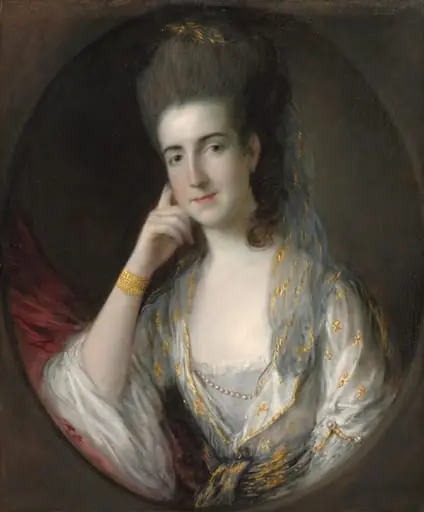 Portrait of Mary Wise
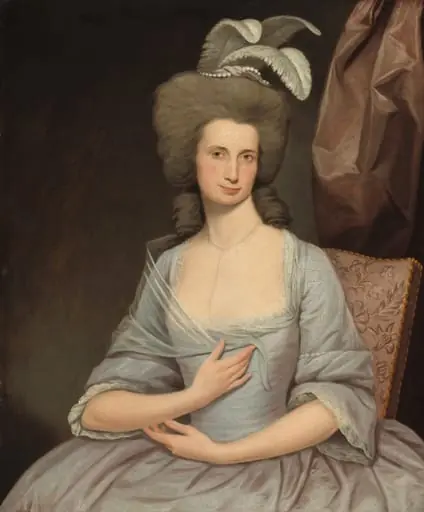 Elizabeth Stevens Carle
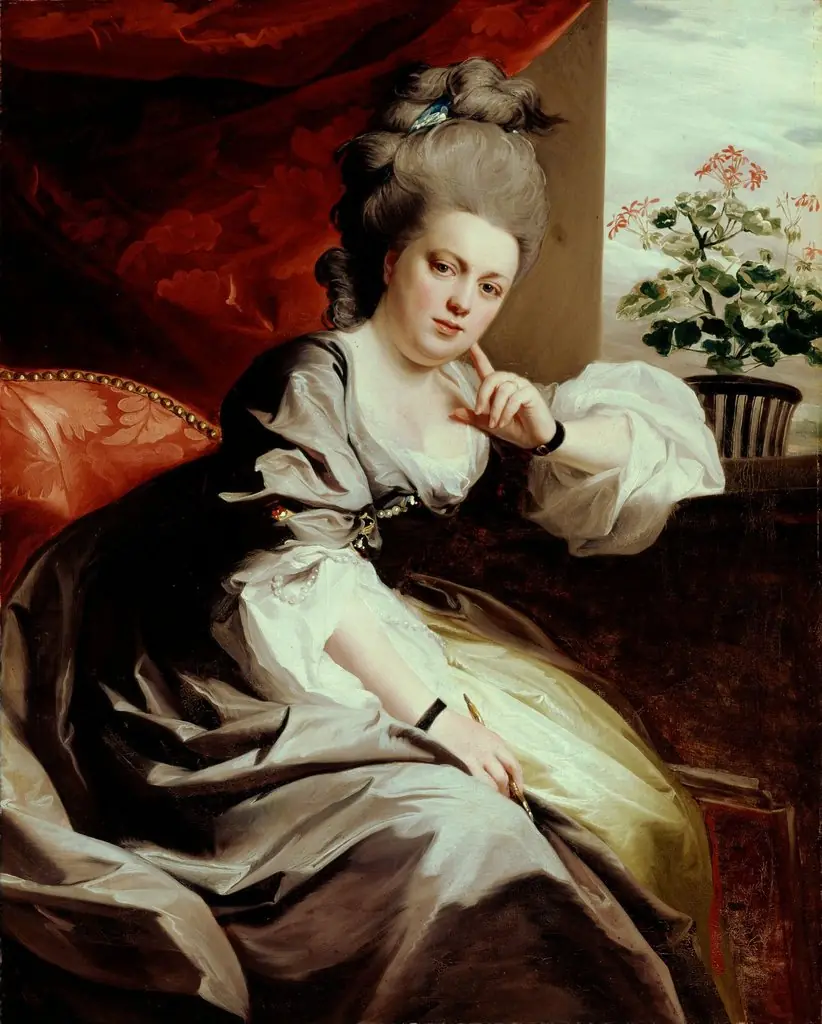 Mrs. Clark Gayton, 1779, née Elizabeth Legge
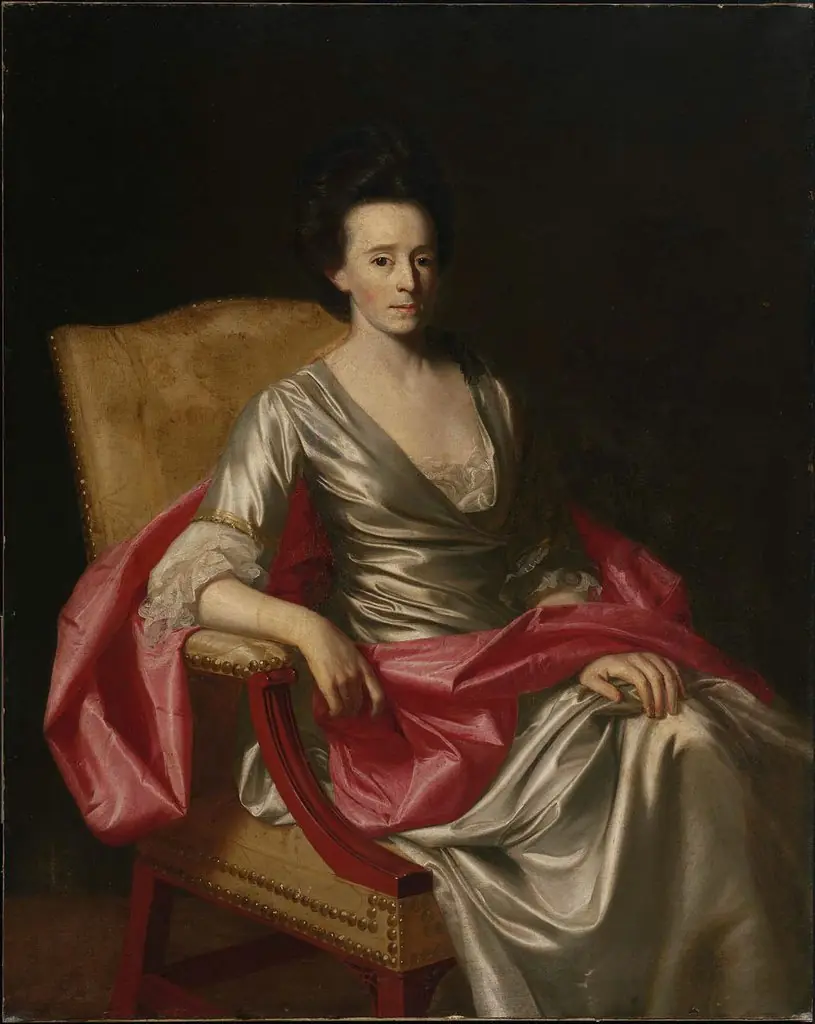 Mrs. Timothy Rogers (Lucy Boylston)
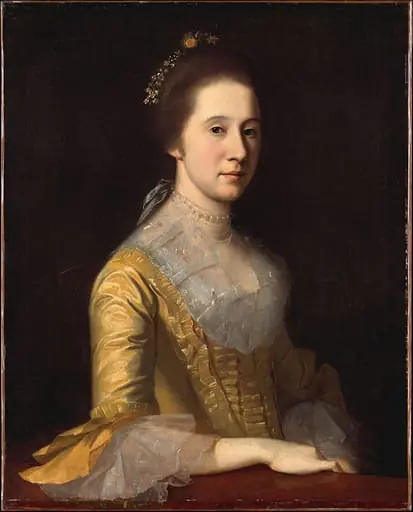 Margaret Strachan (Mrs. Thomas Harwood)
 Mrs. Samuel Cutts
 Mrs. David Chesebrough
 Portrait of Mary Wise
 Portrait of Countess Darya I. Uvarova
 Portrait of a Woman