Artwork
Mrs. Clark Gayton, 1779, née Elizabeth Legge
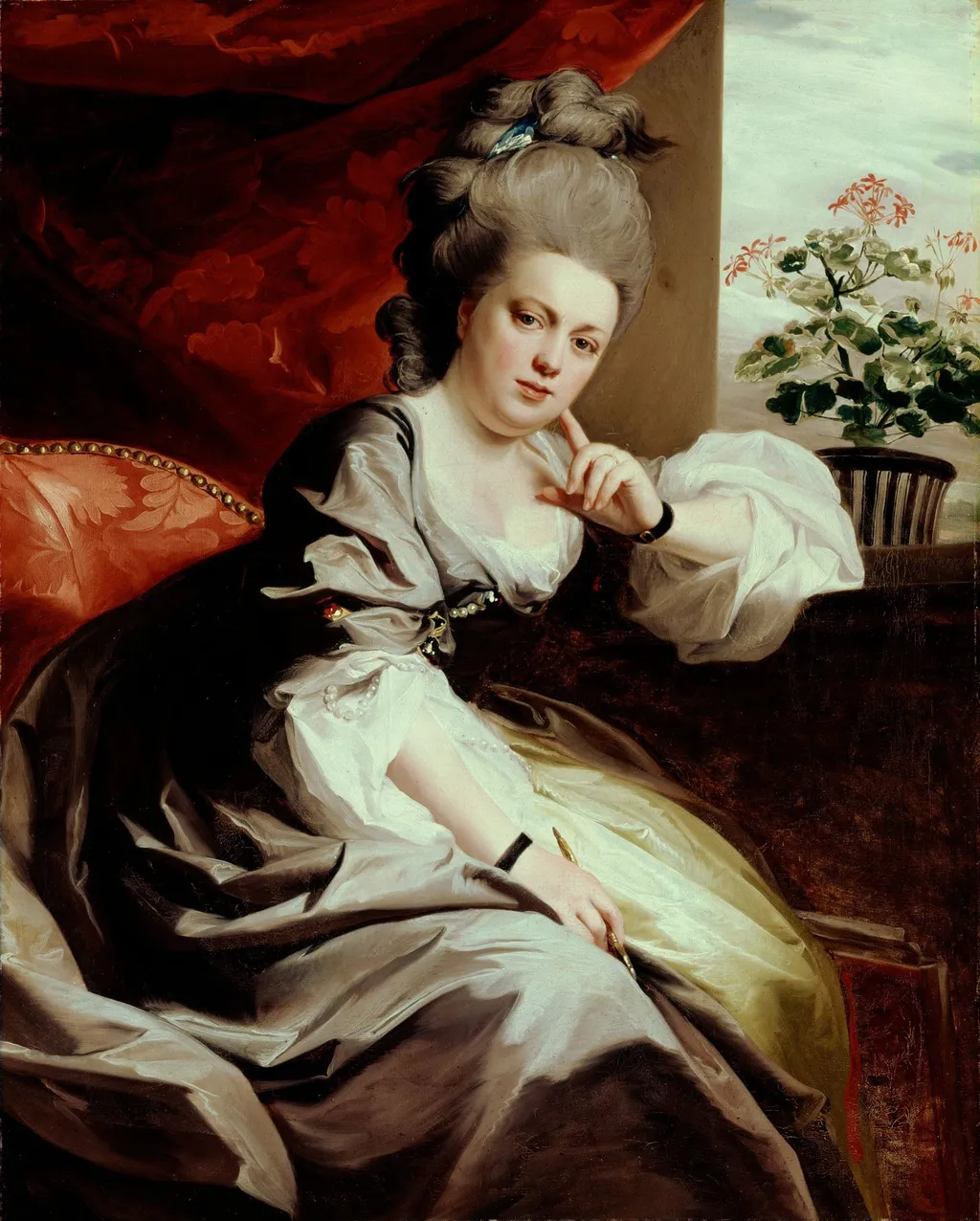
Mrs. Clark Gayton, 1779, née Elizabeth Legge is an oil painting by John Singleton Copley. It dates from 1790 and is held in the collection of the Detroit Institute of Arts. Mrs.
About this work
Overview
Mrs. Clark Gayton, 1779, née Elizabeth Legge is an oil painting created by John Singleton Copley in 1790. The portrait is part of the Detroit Institute of Arts collection.
Subject & Meaning
The painting depicts Mrs. Clark Gayton (née Elizabeth Legge) in a contemplative pose, sitting in a red chair, directly engaging the viewer. Her attire includes a white dress with puffy sleeves, a dark shawl, and a blue ribbon in her up-styled hair. One hand rests on her chin, while the other holds a pen, suggesting intellectual or literary inclinations.
Technique & Style
Copley employs a contrasting color scheme, with the subject set against a dark background, accentuated by a red curtain and a plant with red flowers. This compositional choice highlights the sitter. The overall style reflects Copley's established portrait technique, blending realism with subtle, suggestive gestures.
History & Provenance
Painted in 1790, the work was created during Copley's London period, which began in 1774 after relocating from colonial New England. The painting is now held in the collection of the Detroit Institute of Arts.
Context
This portrait exemplifies Copley's continued success as a portraitist in London, catering to the elite. The subject's portrayal, with pen in hand, may reflect the Enlightenment values of the time, emphasizing education and personal expression.
Legacy
As part of Copley's oeuvre, Mrs. Clark Gayton contributes to the artist's reputation for capturing the essence and status of his sitters, making him a pivotal figure in 18th-century portraiture on both sides of the Atlantic.
Own this work as a print
Artist & collection
Artist
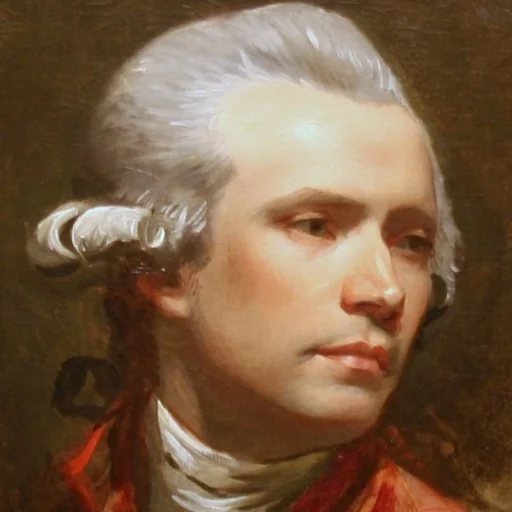
John Singleton Copley (July 3, 1738 – September 9, 1815) was an American-born British painter active in both the Thirteen Colonies and England.

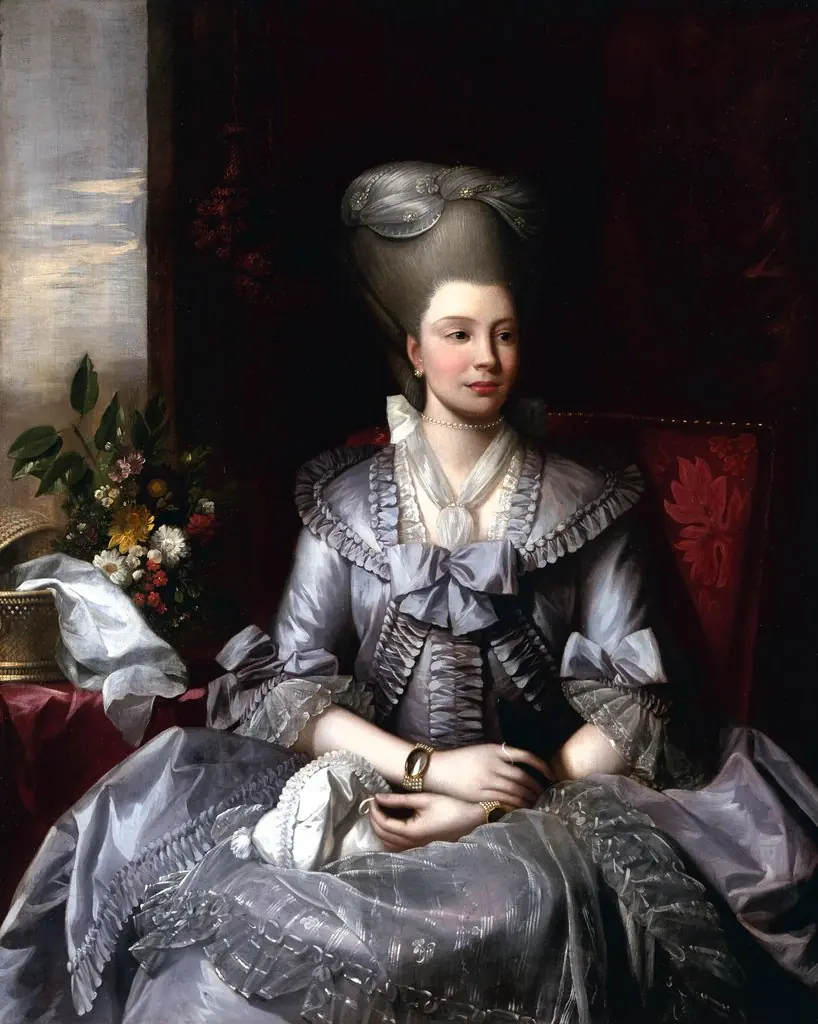 Porträt der Queen Charlotte
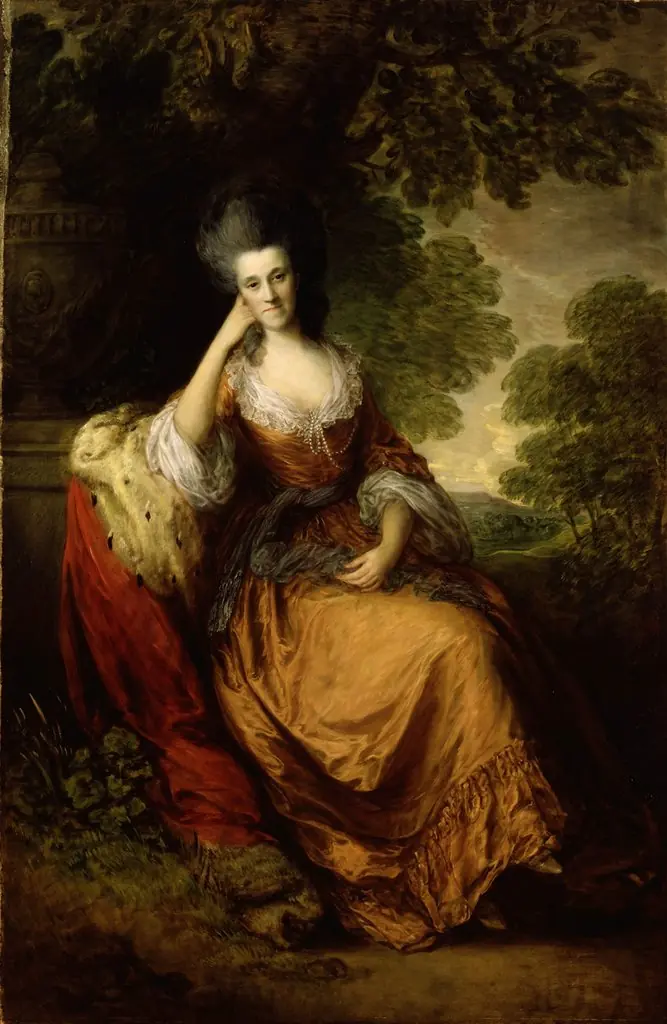 Lady Anne Hamilton
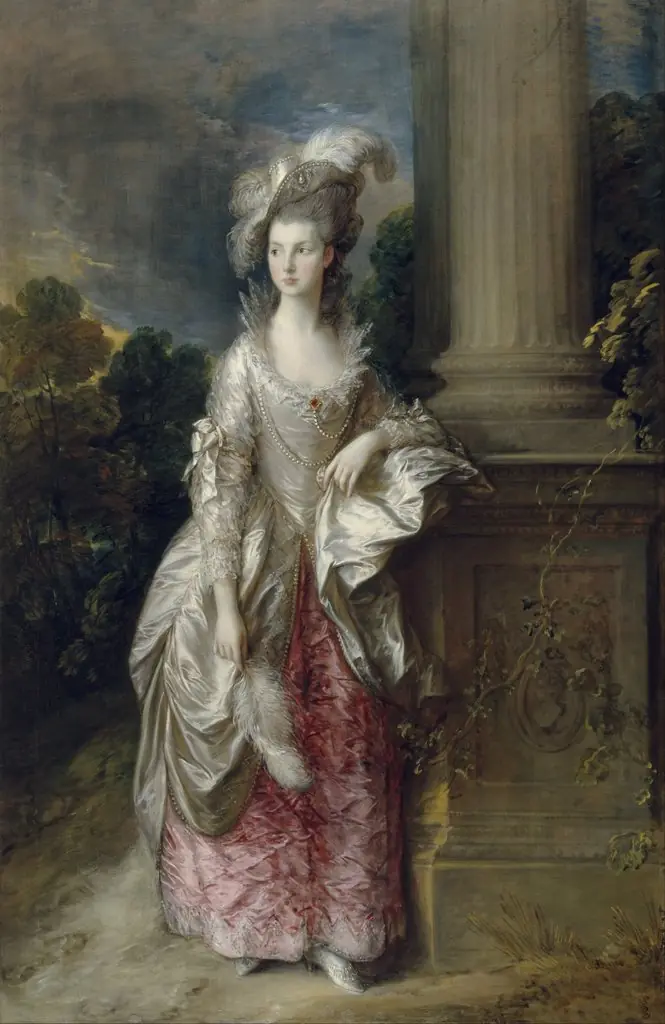 The Honourable Mrs Graham
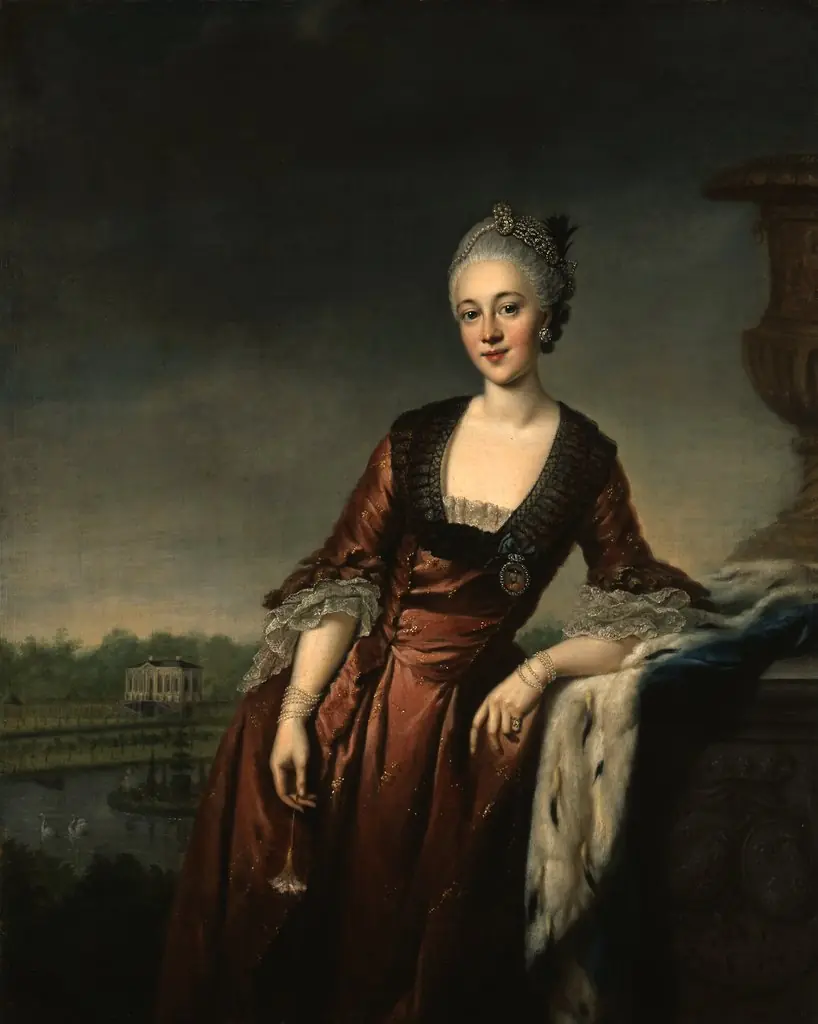 Countess Maria Barbara Eleonore (zu Lippe-Biesterfeld) Schaumburg-Lippe
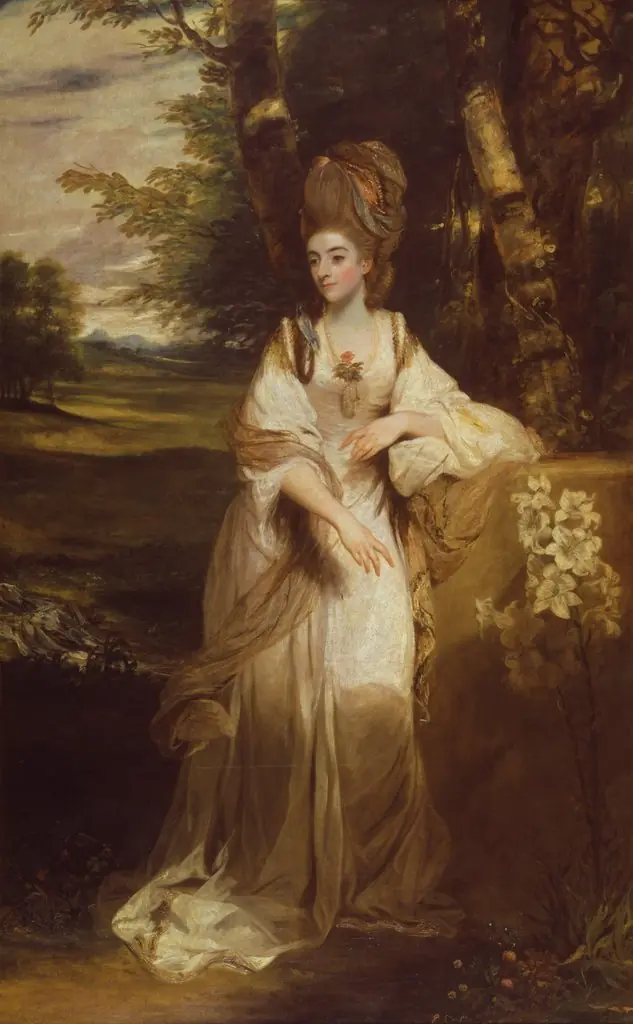 Lady Bampfylde
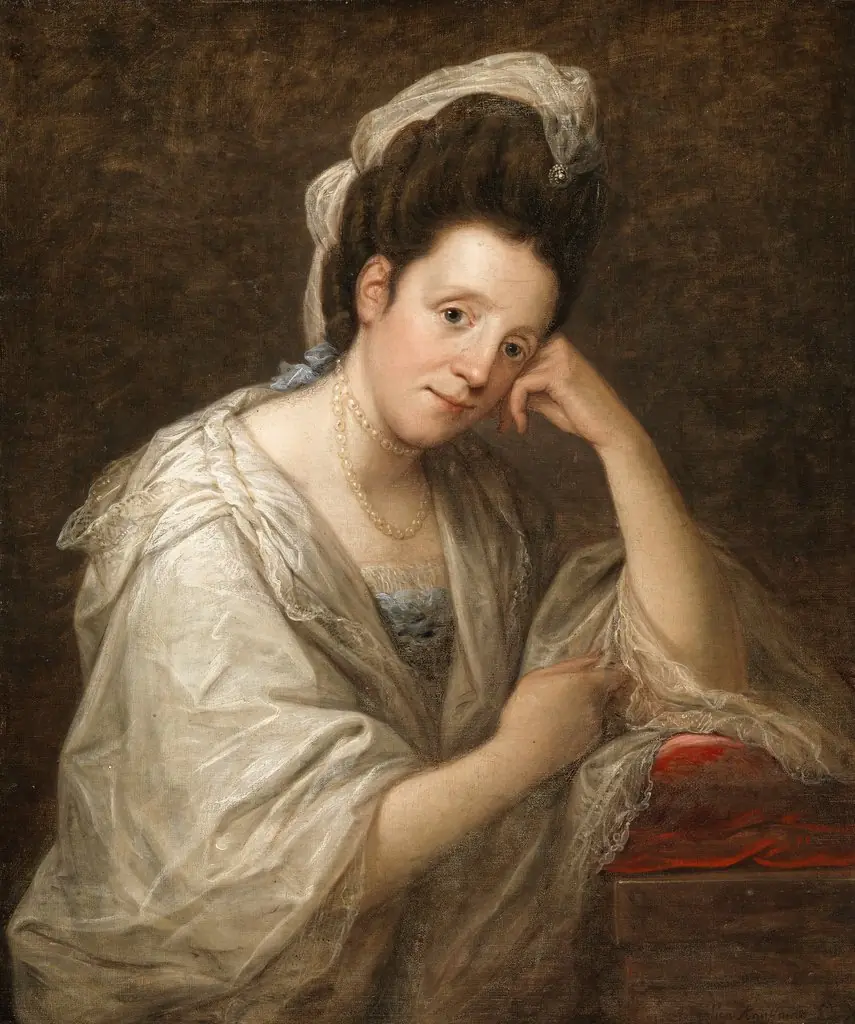 Portrait of Mrs Helen (Dorothea Daniel) (d.1806)
 Portrait of Mrs. John Pigott
 Portrait of Mary Wise
 Portrait of Mrs. Charles Lindegren
 Portrait of Françoise Marie de Bourbon (1677-1749)
 Portrait of Maria Amalia Fryderyka Mniszech née Brühl (1737–1772)
 Elizabeth Stevens Carle