Artwork
Zbor de toamnă
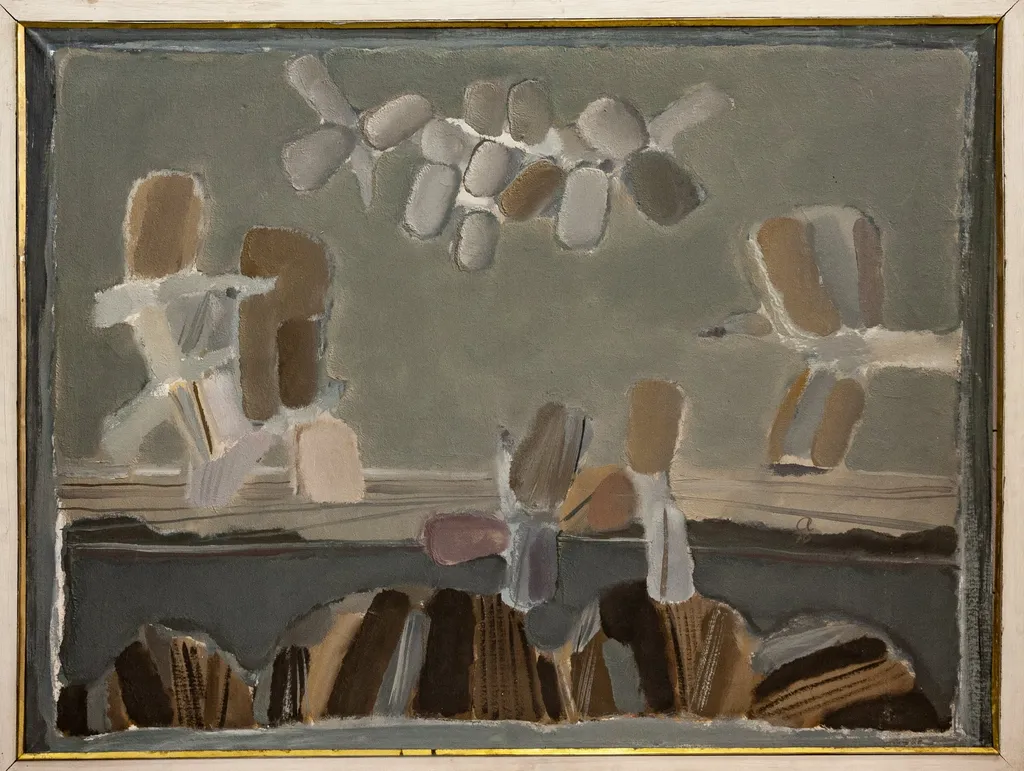
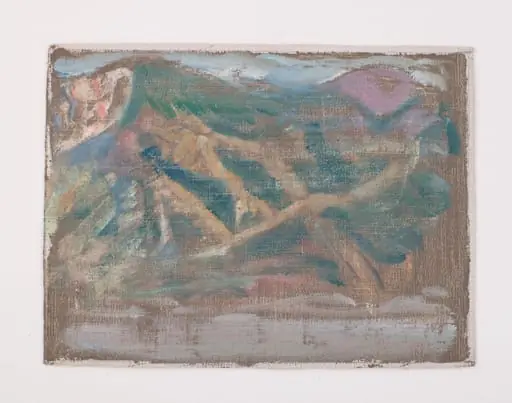
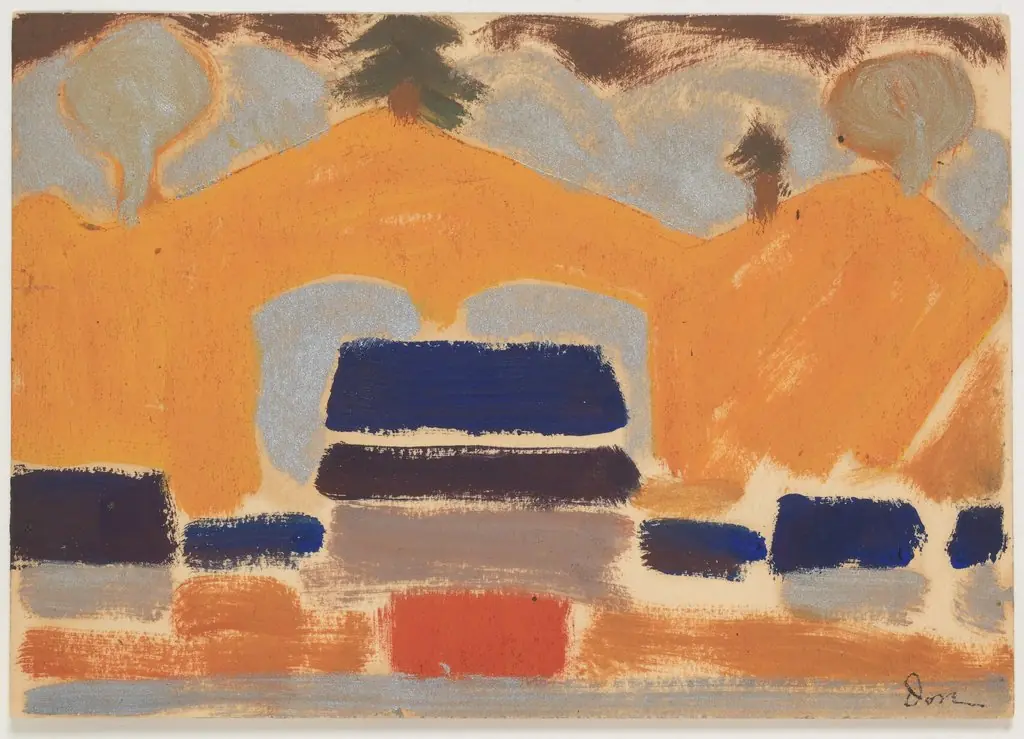
Zbor de toamnă is an unspecified painting by Gheorghe Anghel. It is held in the collection of the Gavrila Simion Eco-Museum Research Institute Tulcea.
About this work
Overview
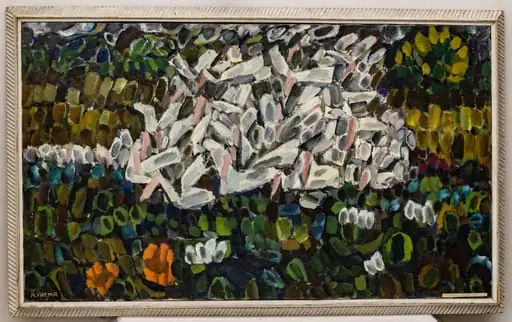
The surface is built up with thick, irregular brushwork, creating a tactile, almost sculptural quality that emphasizes the physicality of the paint itself.
This painting depicts a quiet outdoor scene with a group of figures seated on a bench, gazing toward a landscape of scattered rocks and bare trees. The palette is restrained, dominated by muted greens, browns, and grays, with subtle contrasts from white and dark accents. The surface is built up with thick, irregular brushwork, creating a tactile, almost sculptural quality that emphasizes the physicality of the paint itself.
Subject & Meaning
The figures are passive, absorbed in the stillness of the environment rather than engaging with one another. Their placement suggests contemplation, as if the landscape holds a quiet significance beyond immediate narrative. The absence of movement or clear action invites reflection on solitude, time, or the relationship between humans and the natural world.
Technique & Style
The artist employs impasto to build texture, applying paint heavily and unevenly to convey the roughness of the terrain and the weight of the atmosphere. Brushstrokes are deliberate yet unrefined, avoiding smooth blending in favor of visible, tactile marks. This method prioritizes material presence over illusion, aligning with a modernist interest in the autonomy of paint.
History & Provenance
The work’s origin is undocumented in available records, and no specific artist, date, or exhibition history is confirmed. It appears to be a standalone image, possibly from a private collection or an unpublished study. Its lack of institutional provenance suggests it may not have been widely circulated or formally cataloged.
Context
The painting’s subdued tones and textured surface echo early 20th-century regionalist or post-impressionist tendencies, where landscape became a vehicle for emotional or sensory experience over realism. Its quietude aligns with broader artistic shifts away from narrative toward mood, particularly in rural or peripheral subjects during periods of social change.
Legacy
Though not widely recognized in major art historical narratives, the work exemplifies a quiet strand of modern painting that values texture and atmosphere over spectacle. Its emphasis on materiality and stillness continues to resonate with contemporary artists exploring the emotional potential of landscape through non-narrative means.
Artist & collection
Artist
Gheorghe Anghel made prints and paintings in mid-20th-century Romania. His print Insulă shows a quiet island on the Danube, etched in fine black lines. The painting Zbor de toamnă captures a flock of birds against a red…
Museum
Gavrila Simion Eco-Museum Research Institute Tulcea
Continue through works from the same source collection.