Artwork
Portrait of Hortense de Beauharnais
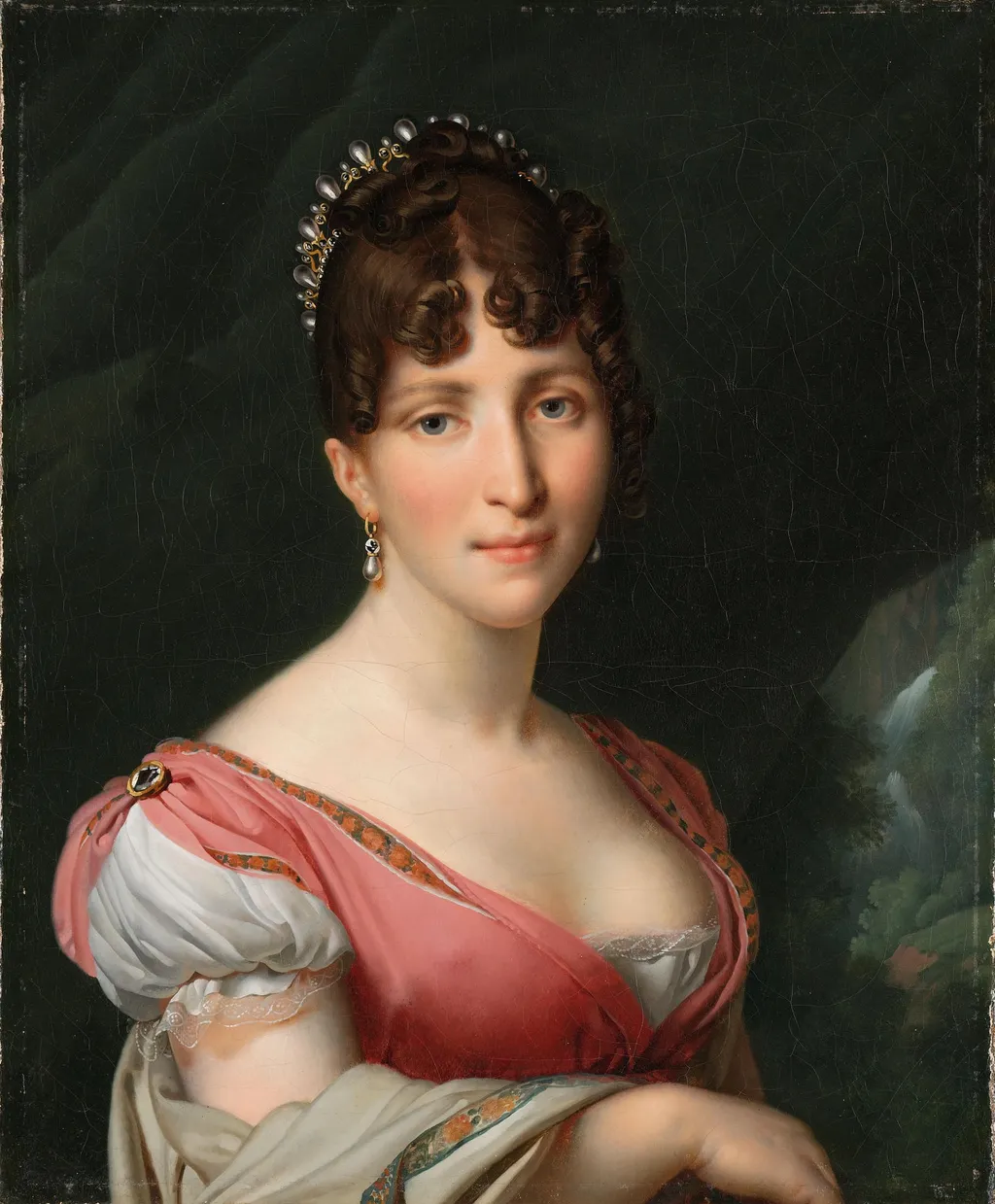
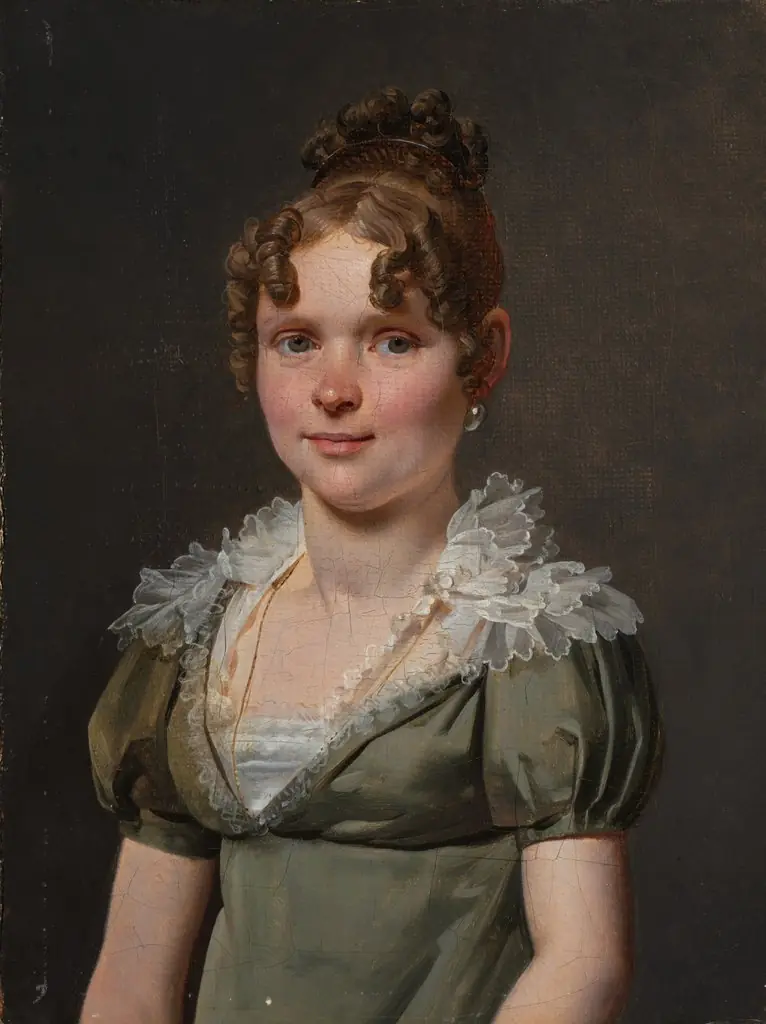
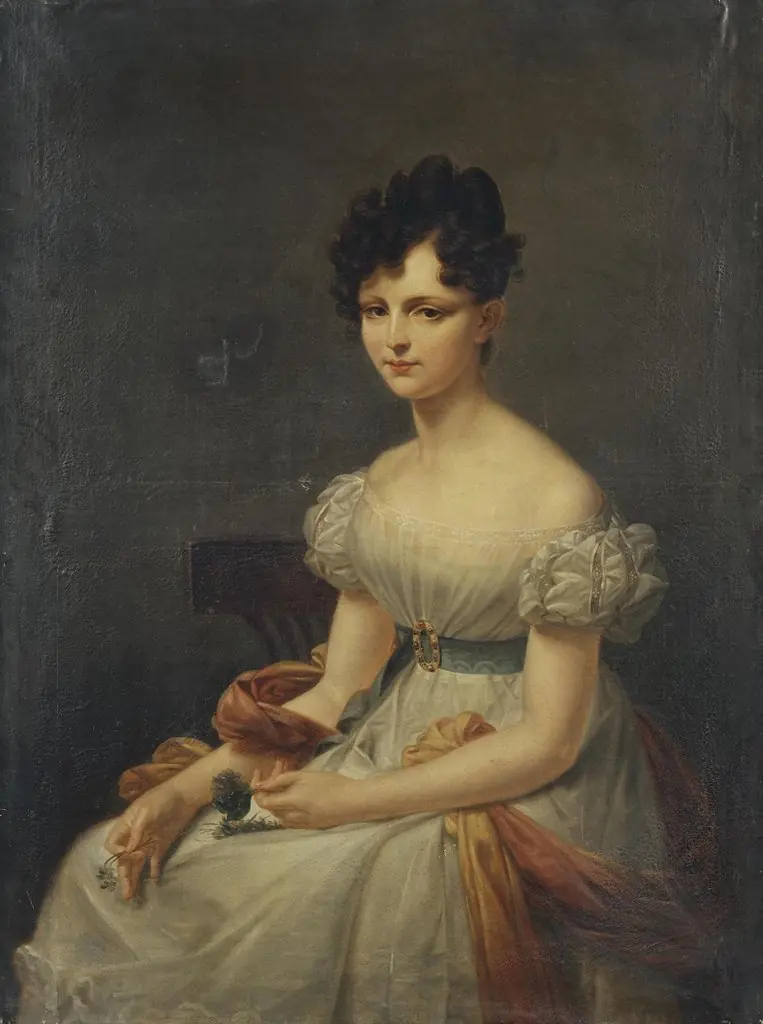
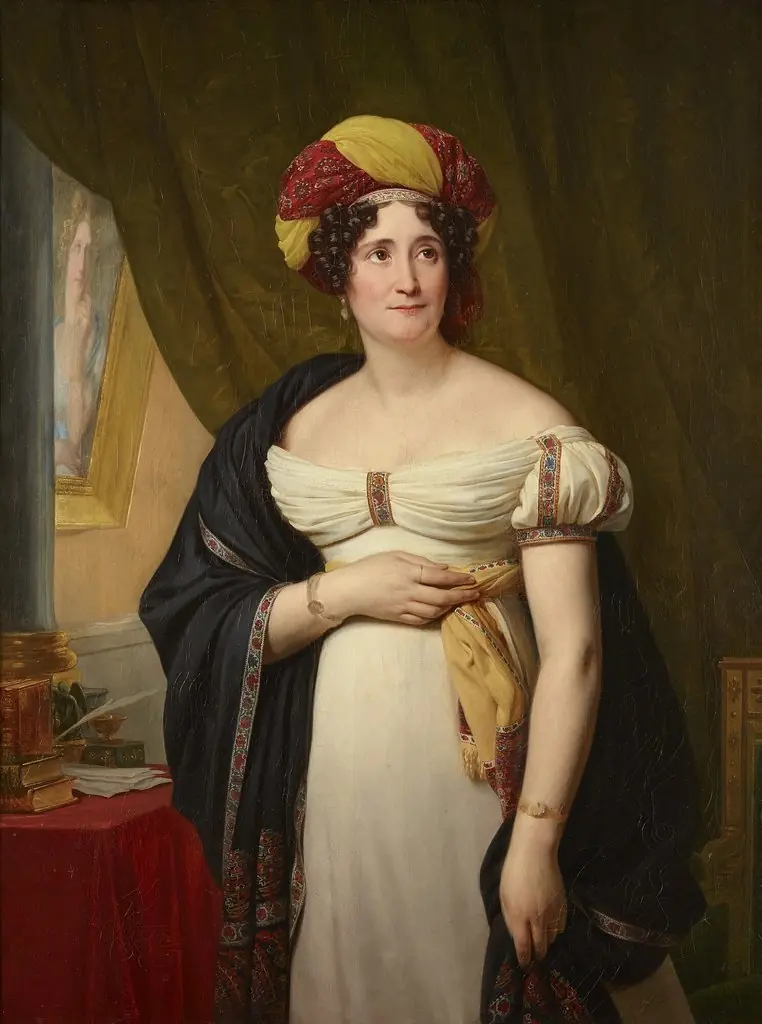
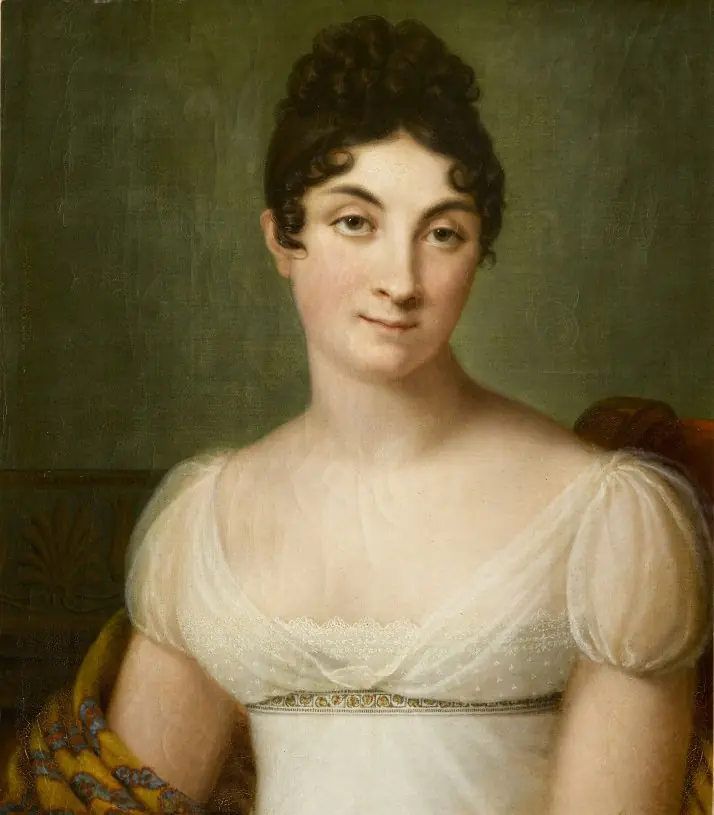
Portrait of Hortense de Beauharnais is an unspecified painting by the Neoclassicist artist Anne-Louis Girodet. It dates from 1805 and is held in the collection of the Rijksmuseum. This portrait depicts Hortense de Beauharnais, who briefly held the title of Queen of Holland following her husband’s ascension in 1806.
About this work
Overview
Painted during her time as queen, it captures her in quiet dignity, dressed in dark formal attire and wearing a pearl tiara from the royal collection.
This portrait depicts Hortense de Beauharnais, who briefly held the title of Queen of Holland following her husband’s ascension in 1806. Painted during her time as queen, it captures her in quiet dignity, dressed in dark formal attire and wearing a pearl tiara from the royal collection. Her composed expression and folded hands convey restraint, reflecting both her royal status and the transitional nature of her position.
Subject & Meaning
Hortense de Beauharnais is portrayed not as a triumphant monarch but as a figure of quiet endurance. The pearl tiara signifies her official role, yet her calm demeanor and lack of ostentation suggest a personal distance from the political theater of her reign. The image subtly hints at her later retreat from public life, emphasizing inner composure over external power.
Technique & Style
The painting employs a restrained palette dominated by dark tones, with the luminous pearls providing the only contrast. The brushwork is precise but unembellished, focusing on the clarity of form and texture rather than dramatic flair. The direct gaze and symmetrical composition reflect neoclassical ideals of order and restraint, aligning with the period’s preference for dignified portraiture over romanticized grandeur.
History & Provenance
Commissioned during Louis Napoleon’s short reign as King of Holland, the portrait was likely intended to legitimize the new monarchy. After the kingdom’s dissolution in 1810, Hortense withdrew from public life and settled in Switzerland. The painting remained in her possession and later passed through private collections, eventually entering a public collection where it is now held.
Context
Hortense’s reign occurred amid the turbulent expansion and contraction of Napoleonic influence in Europe. Her position as queen was tied to political alliances rather than popular mandate. While her husband’s rule ended abruptly, her cultural influence endured through her patronage of music and the salons she hosted in exile, where artistic expression replaced political ambition.
Legacy
Though her time as queen was brief, Hortense de Beauharnais is remembered more for her cultural contributions than her political role. The portrait stands as a record of a transient royal identity, while her later life as a composer and host of musical gatherings in Switzerland cemented her legacy as a patron of the arts beyond the reach of state power.
Own this work as a print
Artist & collection
Artist
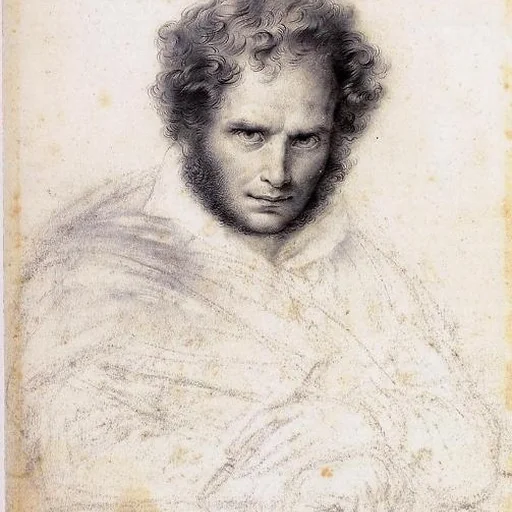
Anne-Louis Girodet de Roussy-Trioson (French pronunciation: ; or de Roucy), also known as Anne-Louis Girodet-Trioson or simply Girodet (29 January 1767 – 9 December 1824), was a French painter and pupil of Jacques-Louis…

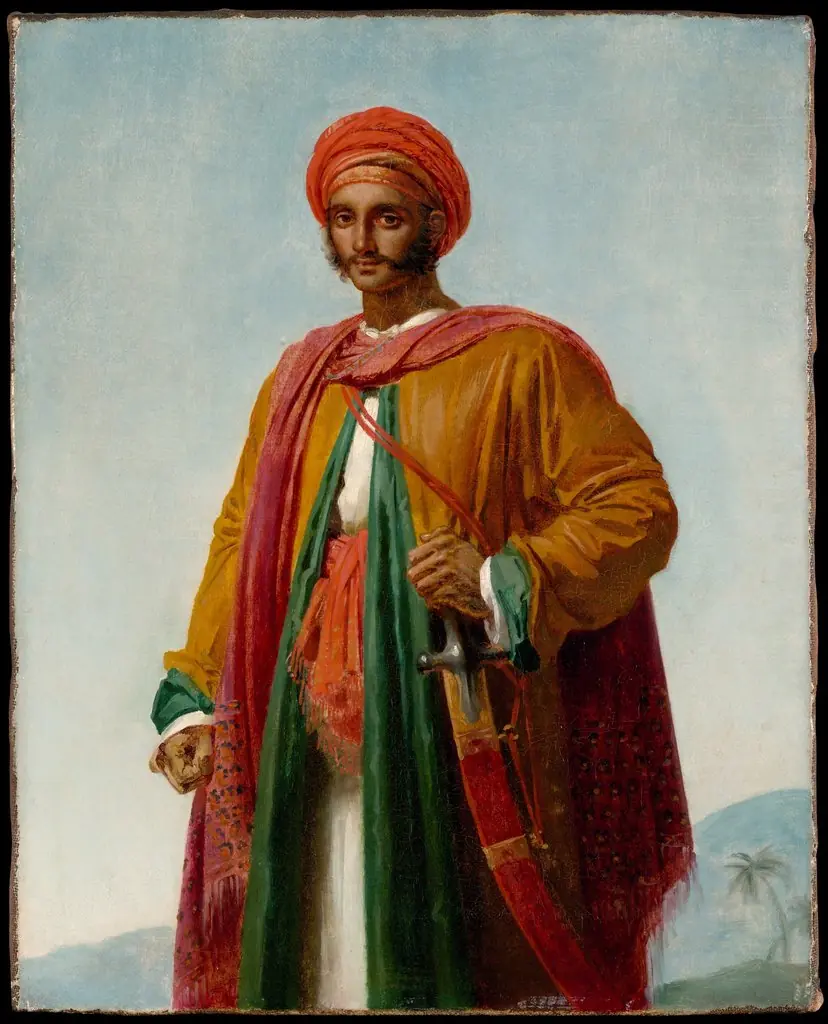 Study for "Portrait of an Indian"
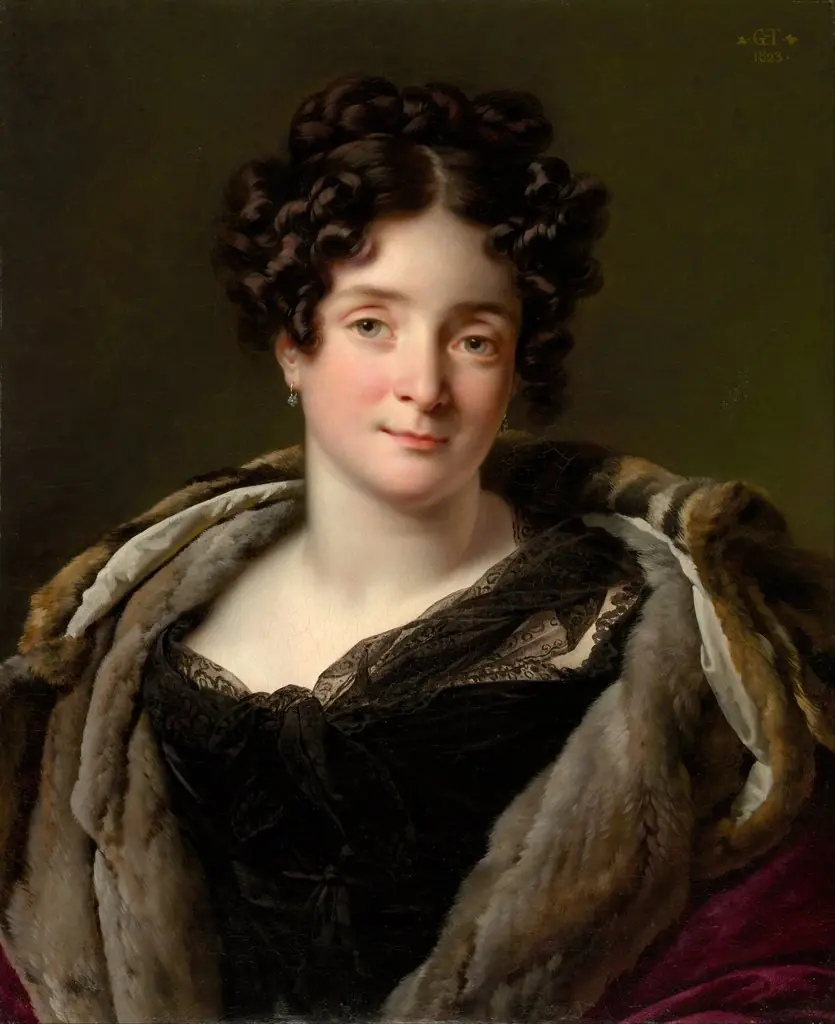 Madame Jacques-Louis-Étienne Reizet (Colette-Désirée-Thérèse Godefroy, 1782–1850)
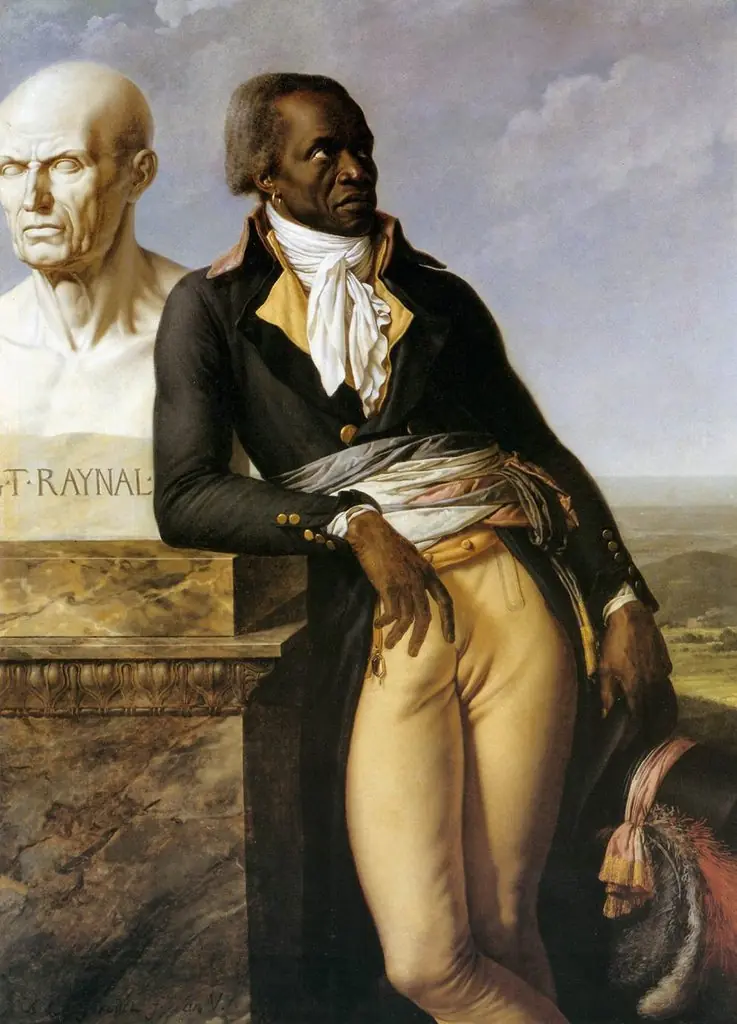 Jean-Baptiste Belley, member of the National Convention
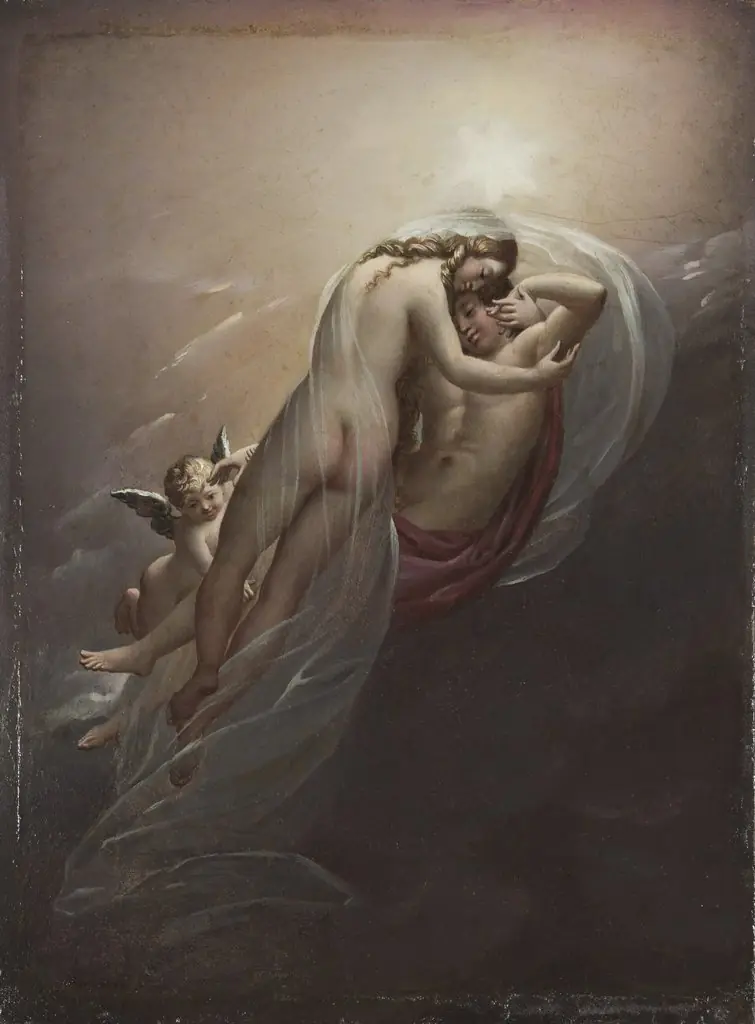 Aurora and Cephalus
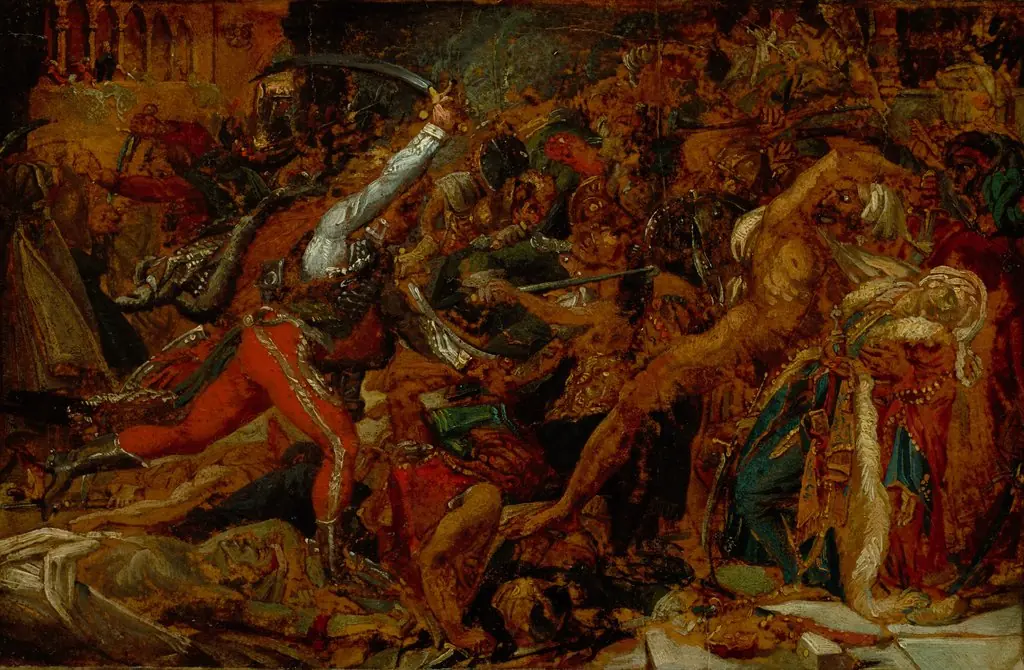 Sketch for "The Revolt at Cairo"
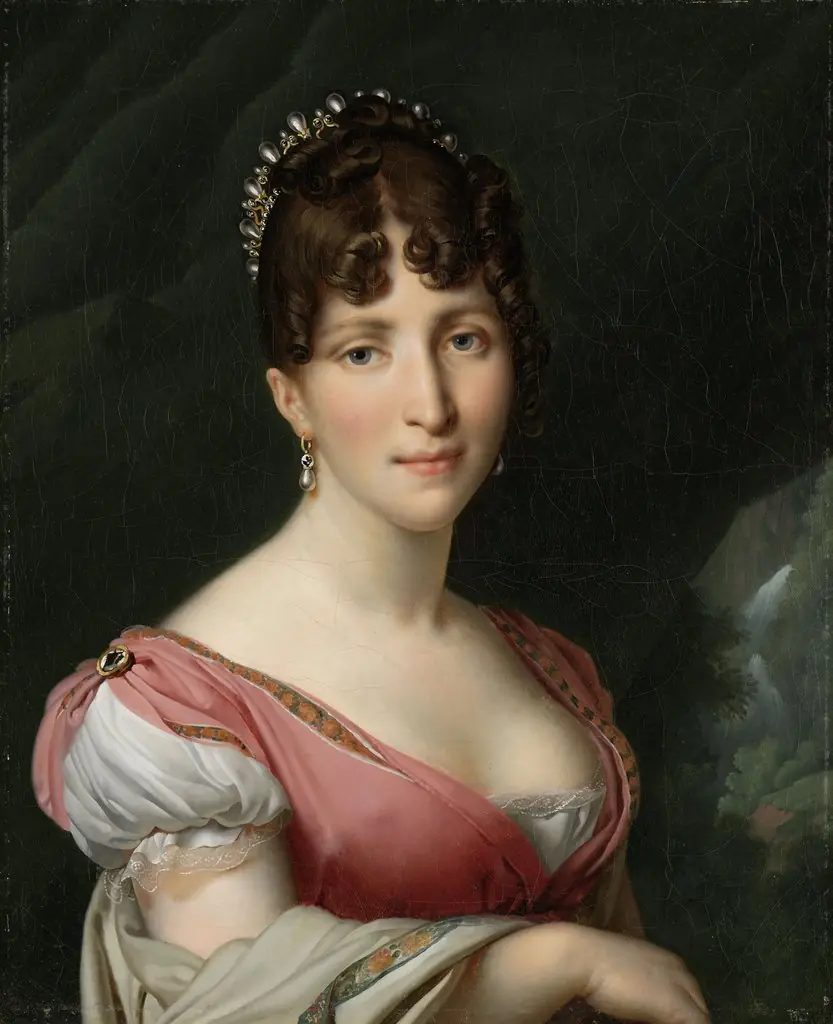 Portrait of Hortense de Beauharnais, Queen of Holland
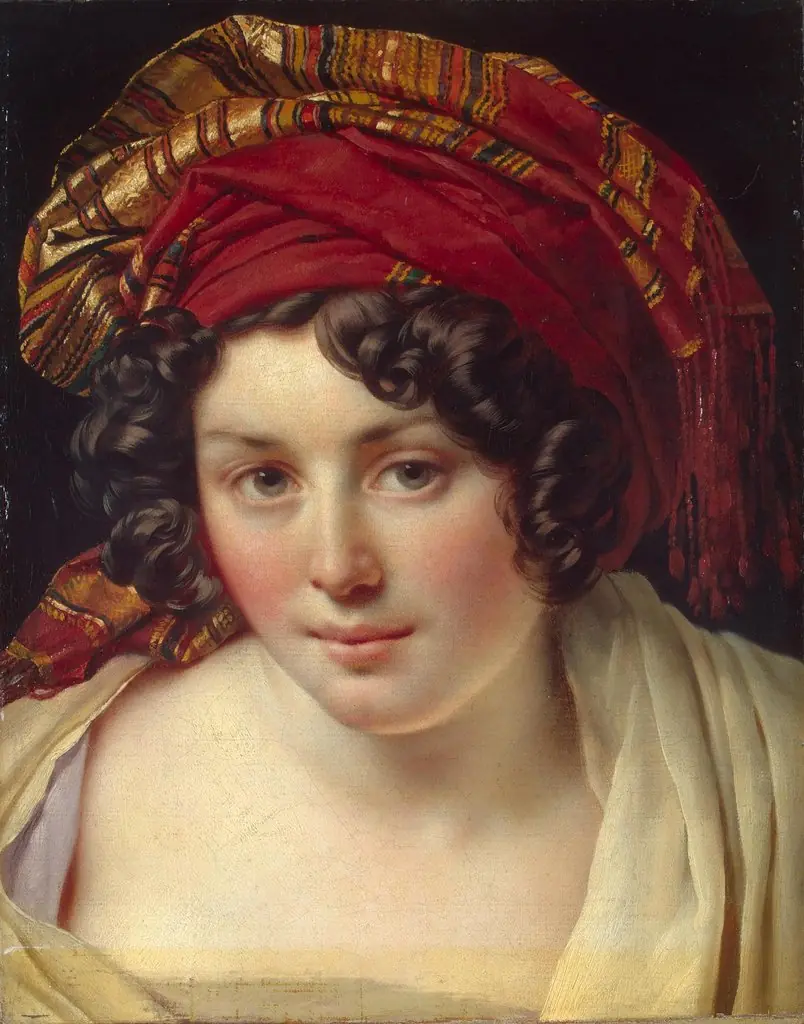 Head of a Woman in a Turban
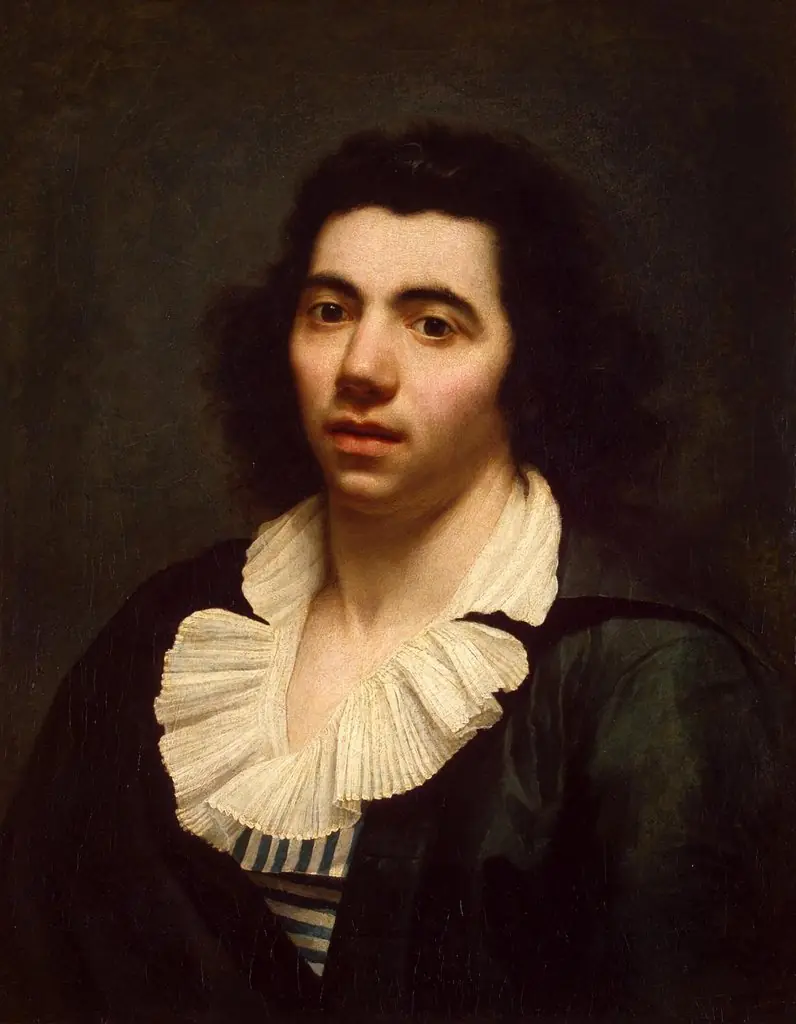 Self-Portrait