Artwork
Portrait de Claire Élisabeth de Vergennes, Comtesse de Rémusat
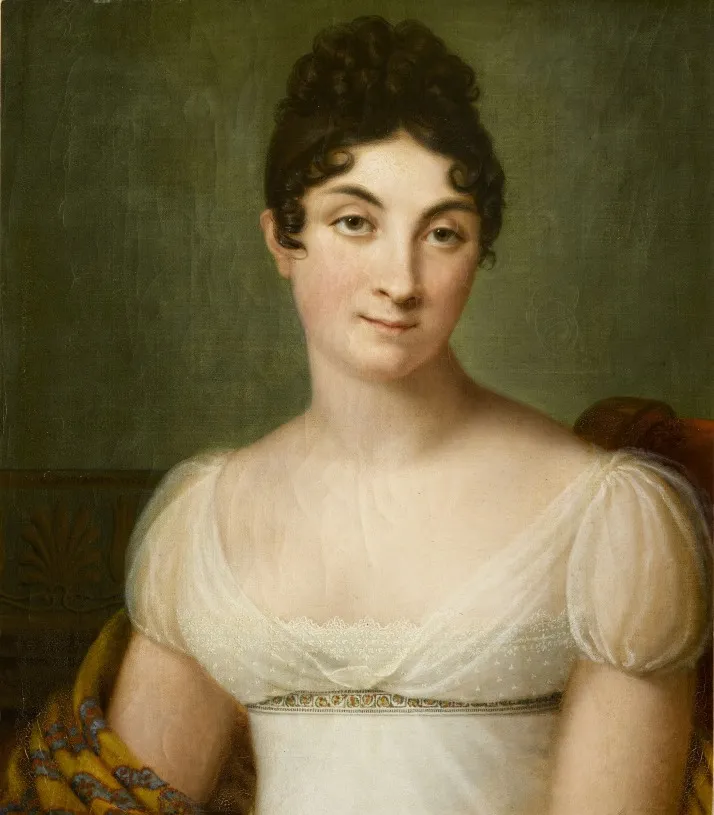
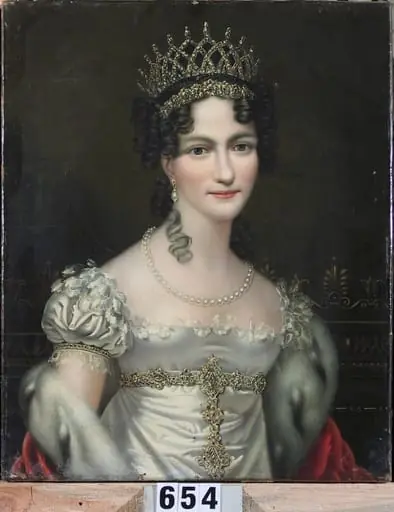
Portrait de Claire Élisabeth de Vergennes, Comtesse de Rémusat is an oil painting by Guillaume Descamps. It dates from 1813 and is held in the collection of the Château de Malmaison. Painted in 1813 by Guillaume-Désiré-Joseph Descamps, this oil portrait captures Claire Élisabeth de Vergennes, Comtesse de Rémusat.
About this work
Overview
Descamps, trained in Paris and awarded the Prix de Rome, was active across France and Italy, later serving as court painter to Joachim Murat.
Painted in 1813 by Guillaume-Désiré-Joseph Descamps, this oil portrait captures Claire Élisabeth de Vergennes, Comtesse de Rémusat. Descamps, trained in Paris and awarded the Prix de Rome, was active across France and Italy, later serving as court painter to Joachim Murat. The work resides in the collection of the Château de Malmaison, reflecting its connection to Napoleonic-era elite circles and the cultural patronage of the time.
Subject & Meaning
The sitter, Comtesse de Rémusat, was a prominent figure in French aristocratic society and a close confidante of Empress Joséphine. Her direct gaze and composed posture convey dignity and quiet authority. The portrait does not emphasize opulence but instead focuses on personal presence, aligning with the restrained aesthetic favored in post-Revolutionary France. Her attire and bearing suggest refinement without overt display of status.
Technique & Style
Descamps rendered the portrait with careful attention to textile detail, particularly the lace trim and waistband of the white gown. The muted green background and subtle brown motif provide a quiet contrast, directing focus to the figure. Brushwork is precise yet unobtrusive, avoiding dramatic lighting or theatricality. The composition is frontal and balanced, reflecting classical training and an emphasis on clarity over emotional intensity.
History & Provenance
The painting entered the collection of the Château de Malmaison, the former residence of Empress Joséphine, likely through the sitter’s close association with the imperial court. Descamps’s ties to Murat’s court in Naples and his French academic background position him as a bridge between revolutionary and imperial artistic traditions. Its preservation at Malmaison underscores its significance as a document of elite female identity during the Consulate and Empire periods.
Context
Created during the height of the Napoleonic Empire, the portrait reflects a cultural shift toward intimate, dignified portraiture among the aristocracy. While earlier styles favored grandeur, this work embraces restraint, mirroring the era’s evolving ideals of feminine virtue and private virtue. The sitter’s position within Joséphine’s circle highlights the role of women in shaping cultural and social networks despite limited public power.
Legacy
Descamps’s portrait of the Comtesse de Rémusat remains a quiet testament to the artistic and social currents of early 19th-century France. It survives not as a symbol of power, but as a record of personal presence within a shifting political landscape. Its continued presence in Malmaison ensures its role as a material link to the private lives of those who navigated the aftermath of revolution and the rise of empire.
Artist & collection
Artist
Guillaume-Désiré-Joseph Descamps (1779–1858), a French painter and engraver, was born at Lille.

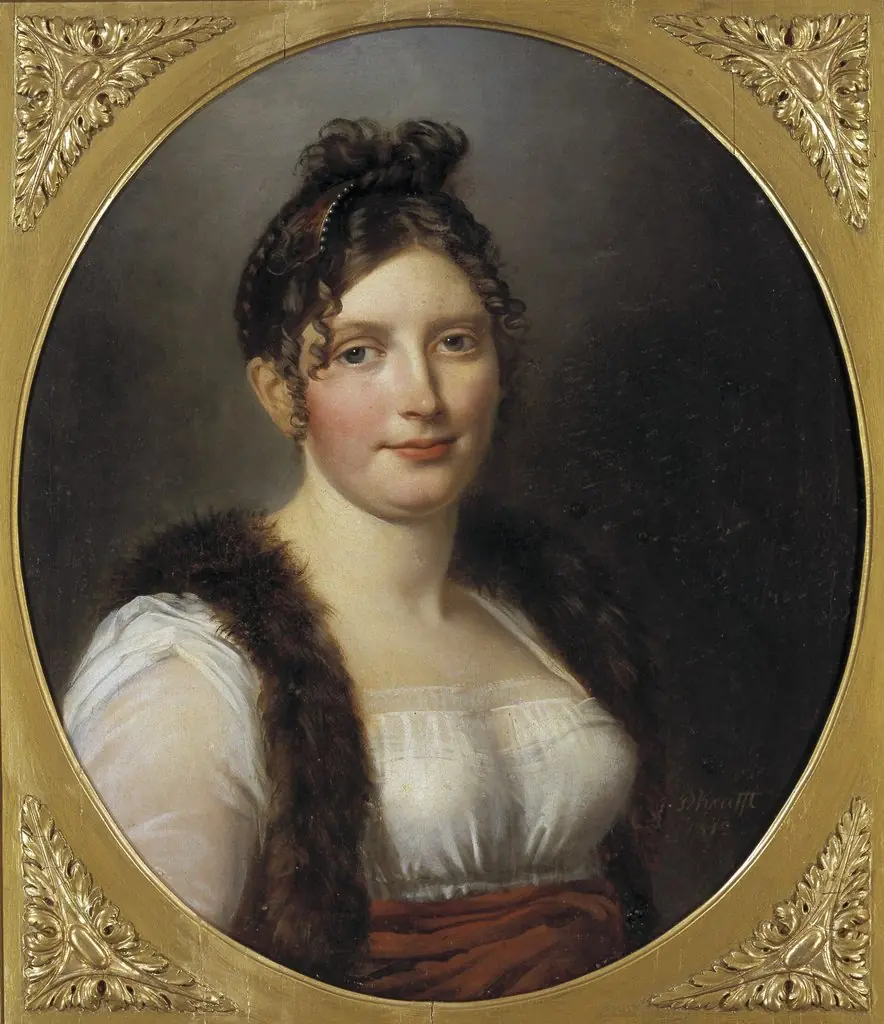 Catharina Charlotta Bågh (1777-1816), gift med friherre Pehr Erik Skjöldebrand
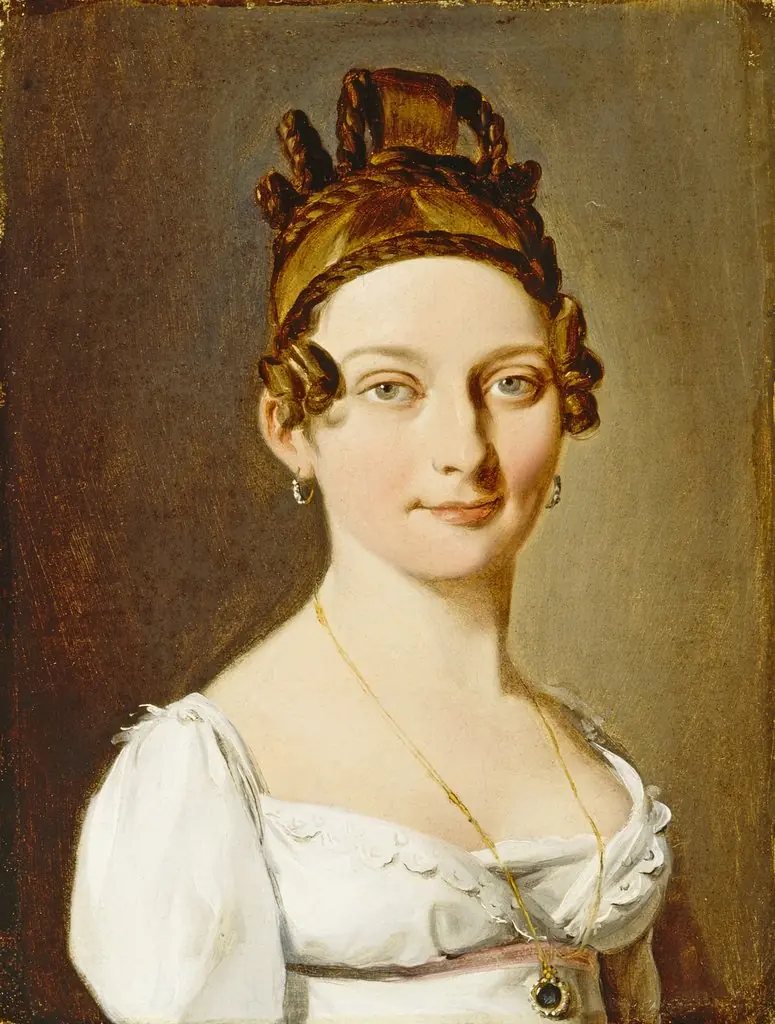 Portrait of a Lady
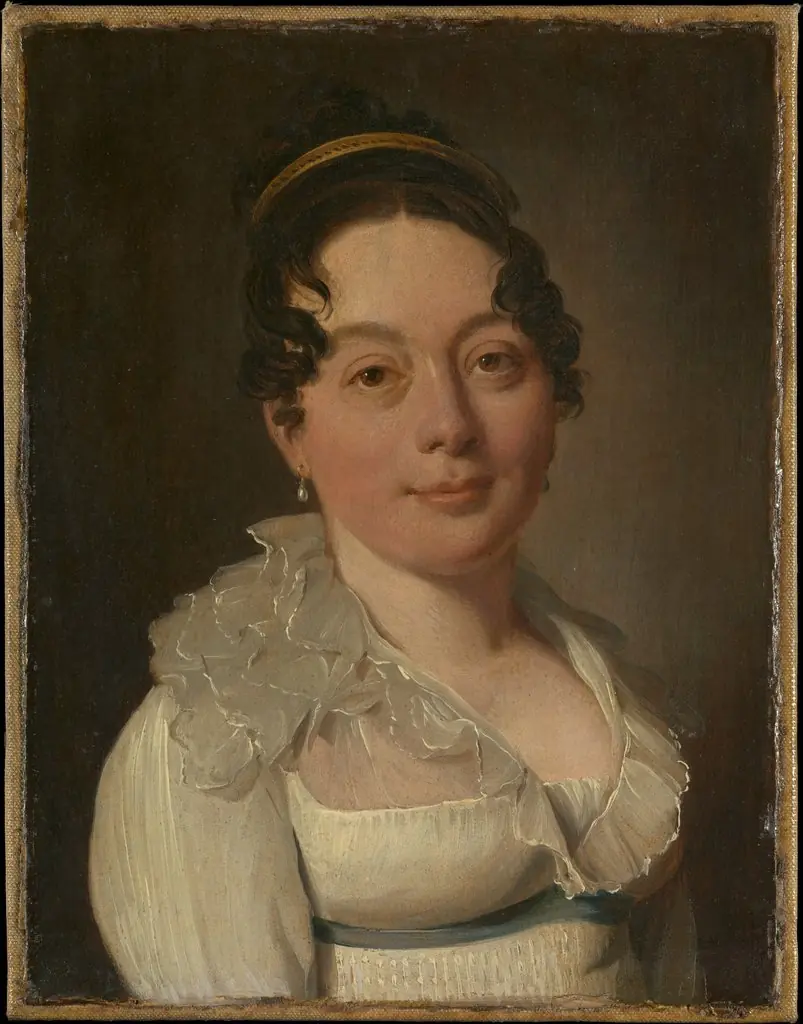 Portrait of a Woman
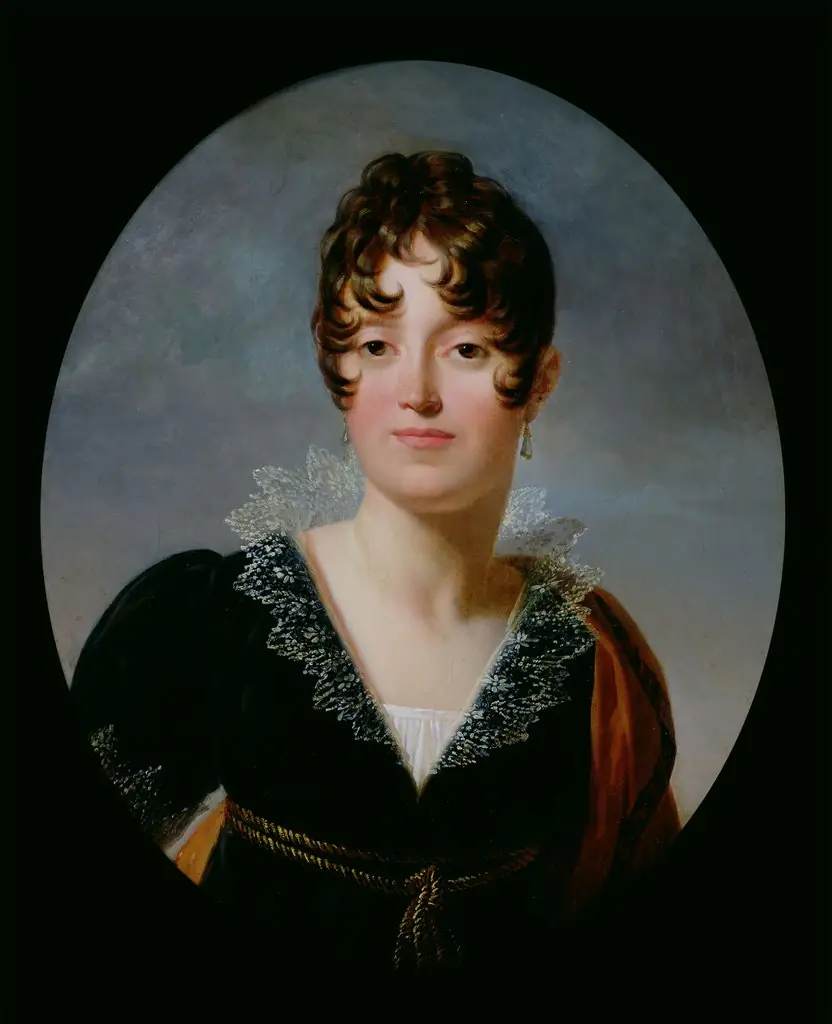 Désirée Clary
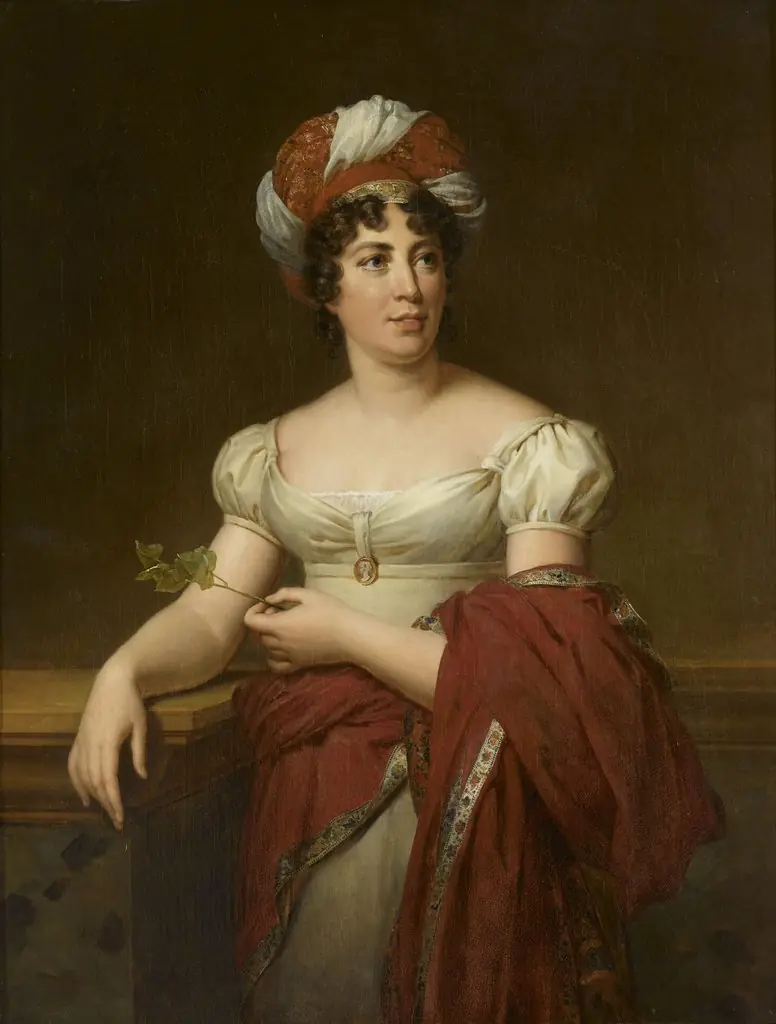 Portrait of Mme de Staël
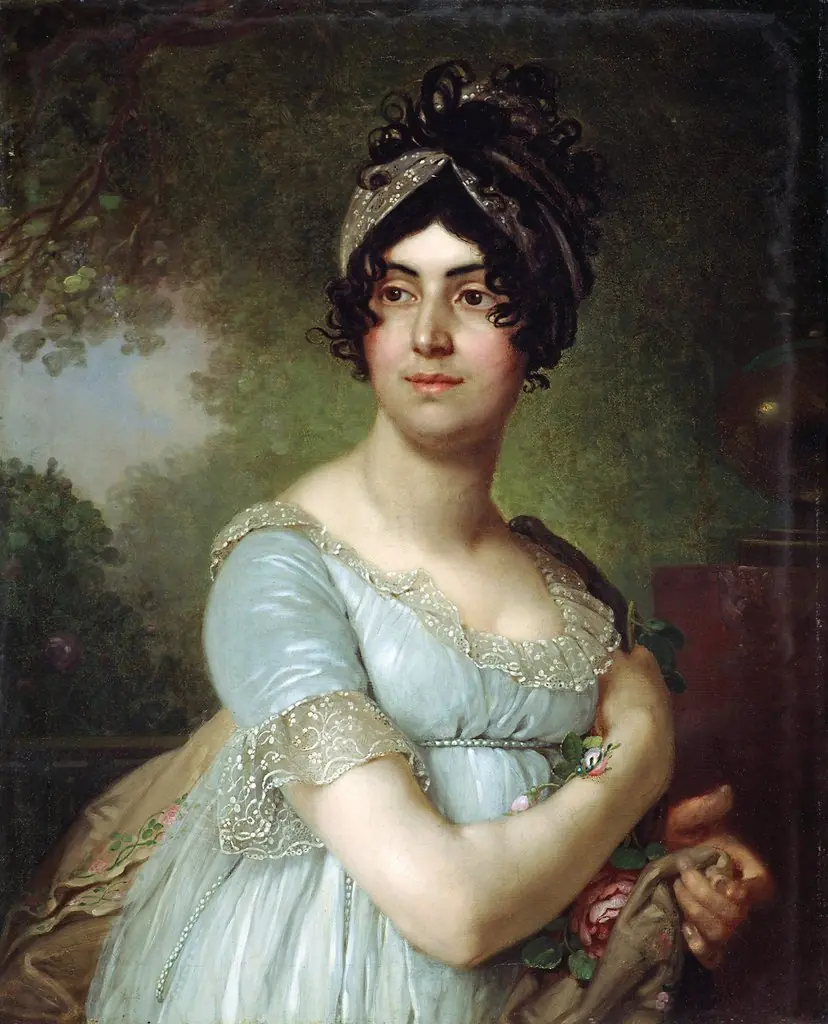 Портрет Д.С. Яковлевой
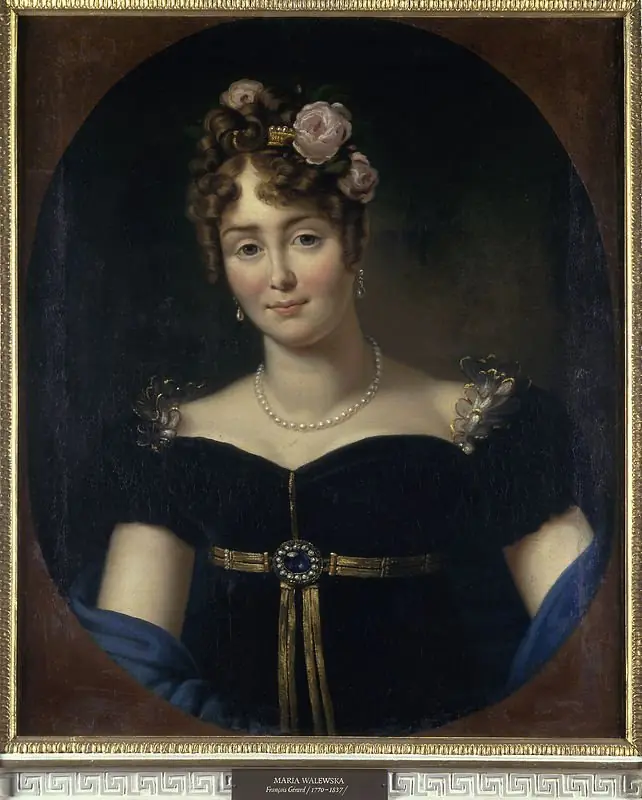 Portrait of Maria Walewska (1786–1817)
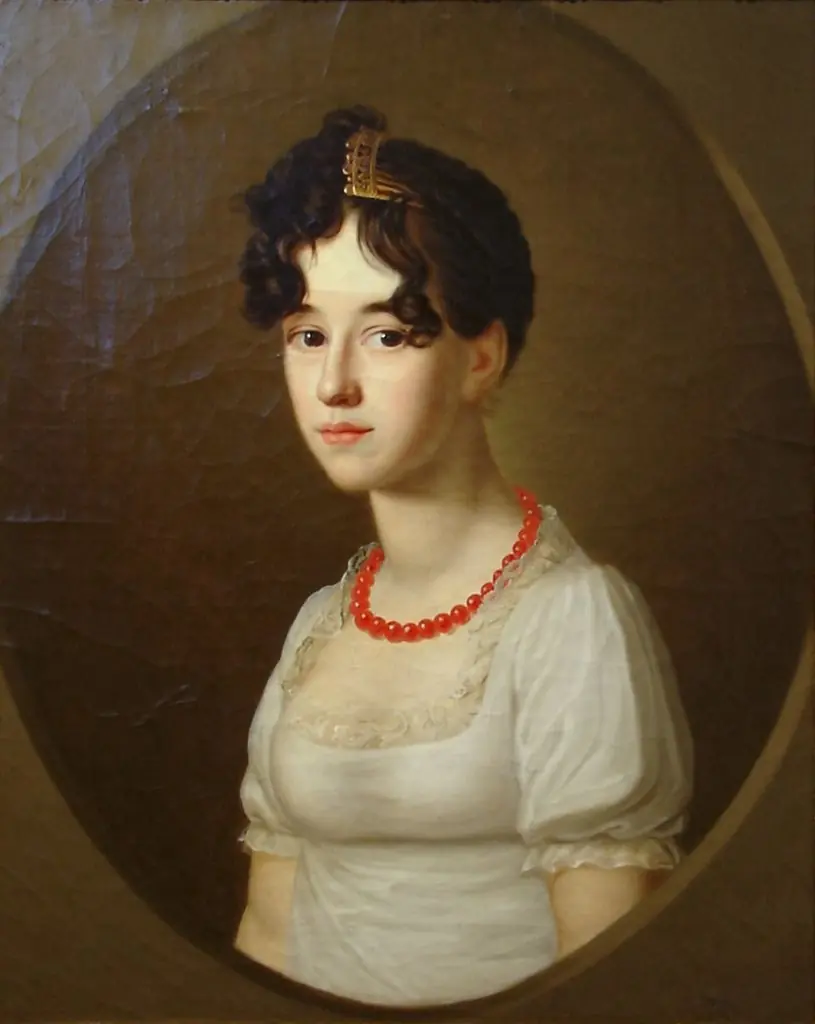 Portrait of Konstanzia Nákó
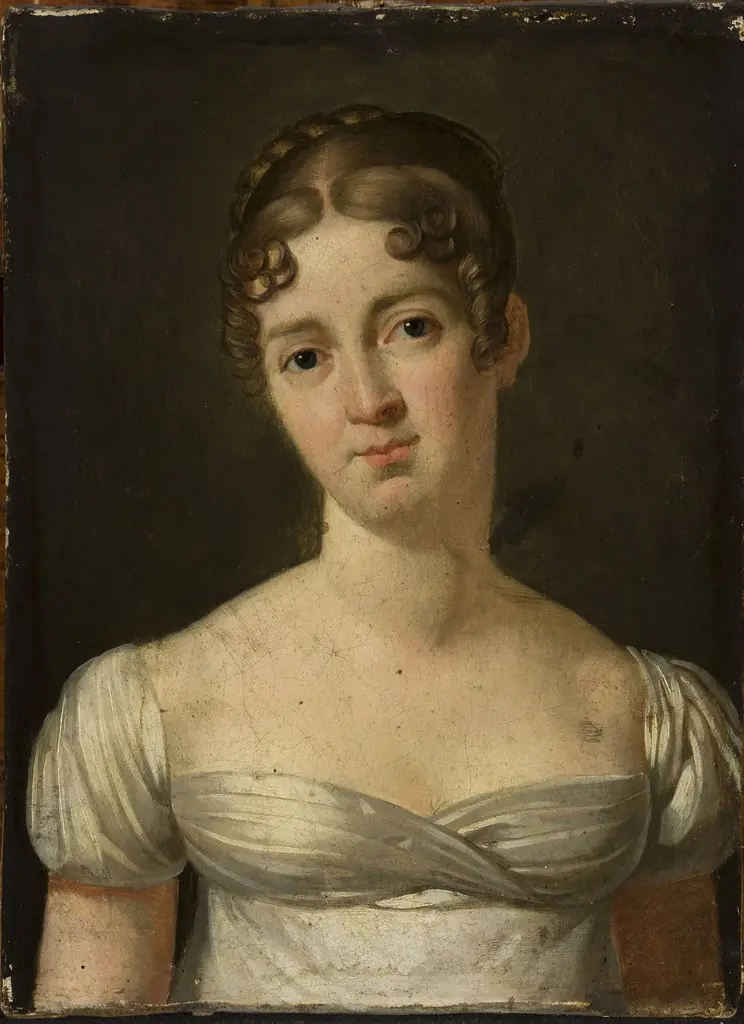 Portrait of a lady
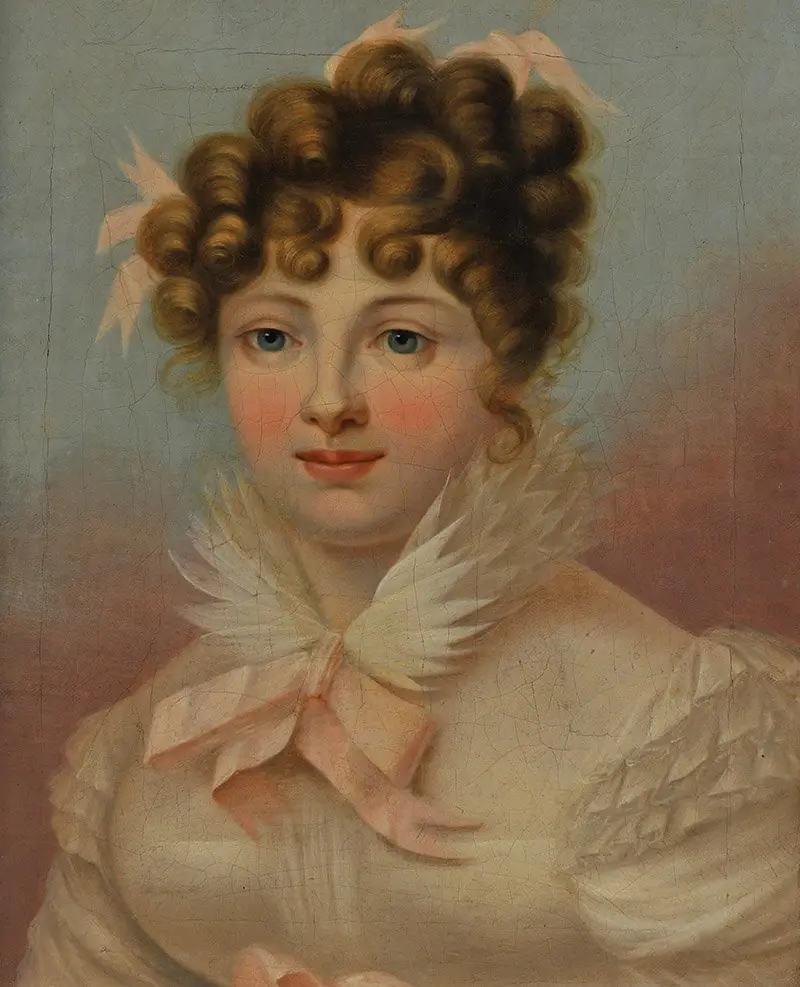 Portrait de Catherine Pavlovna Romanova
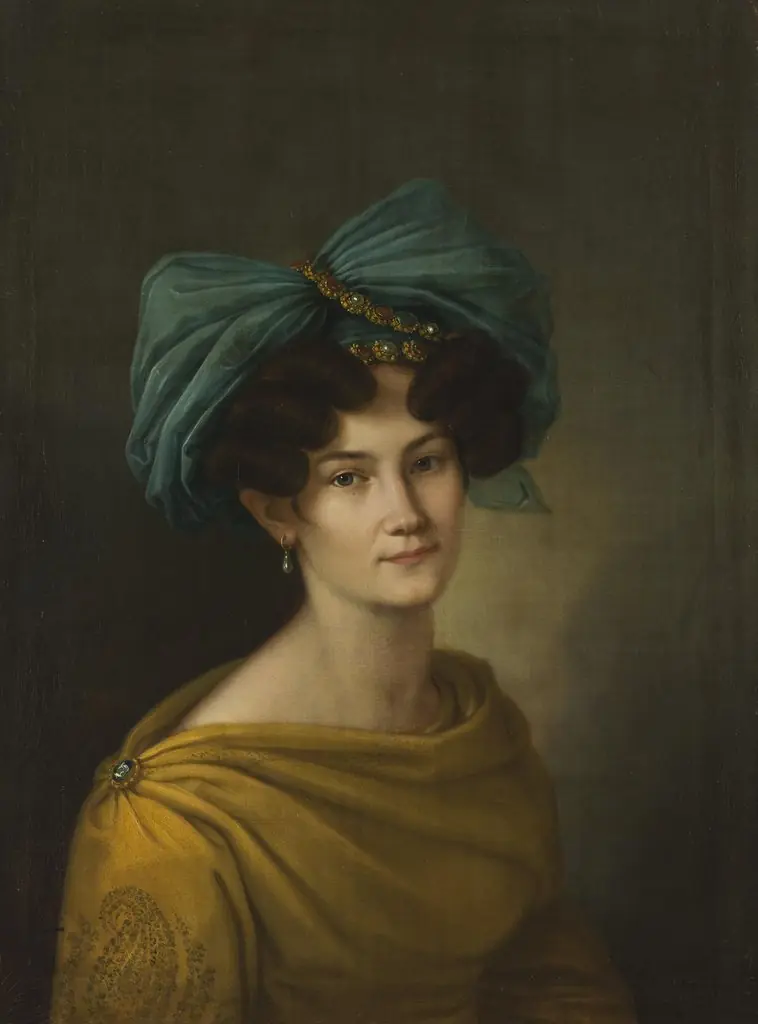 Portrait of Anastasia Vadkovskaya
 Carolina Augusta, soția împăratului austriac Franz I