Artwork
Love of Virtue
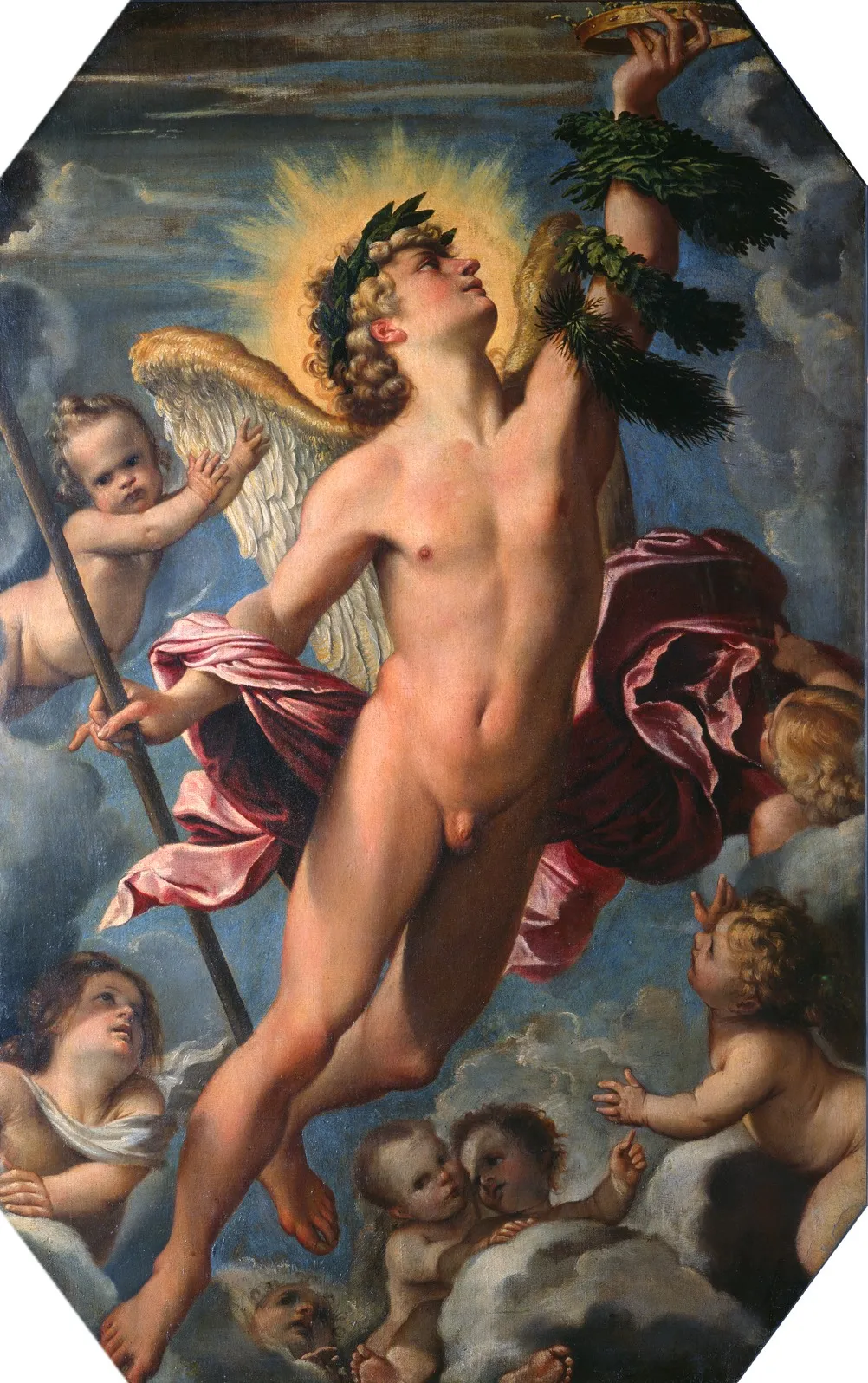
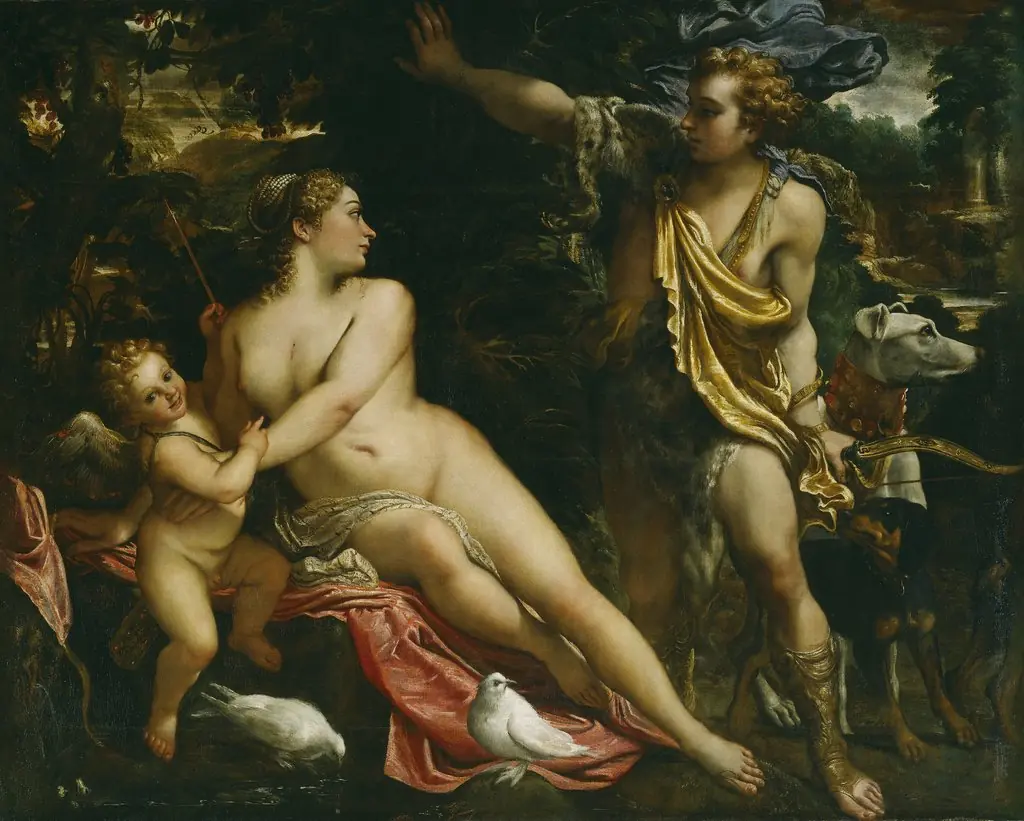
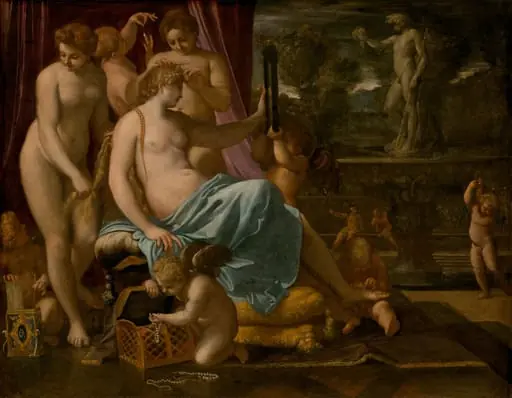
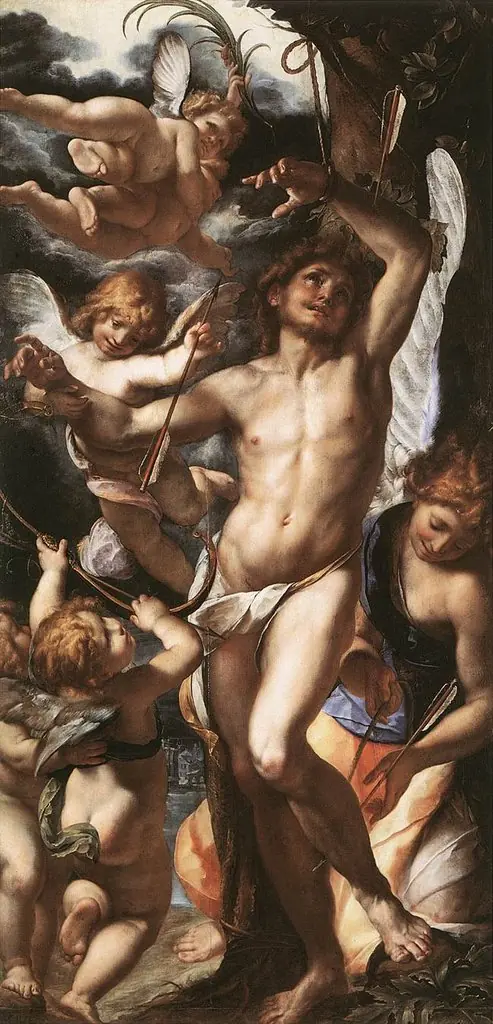
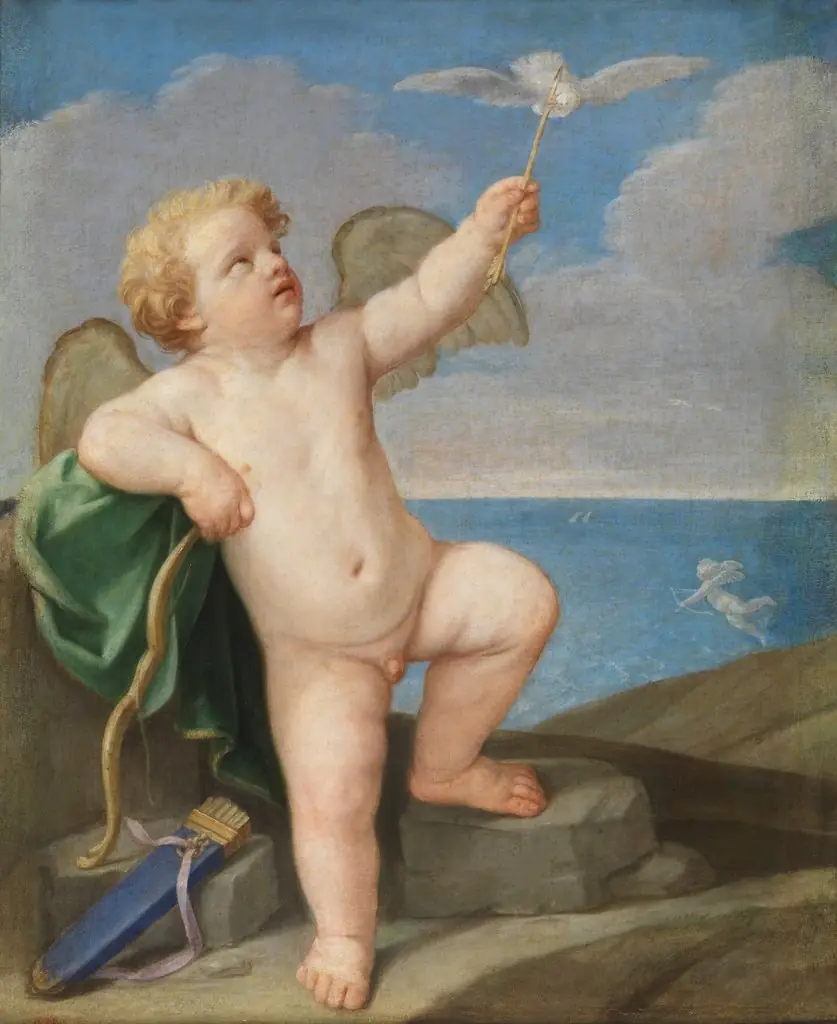
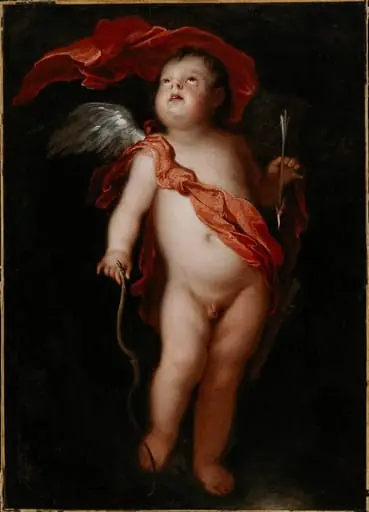
Love of Virtue is an oil painting by the Early Baroque Italian artist Annibale Carracci. It dates from 1550 and is held in the collection of the Gemäldegalerie Alte Meister.
About this work
Overview
Annibale Carracci's *Love of Virtue*, painted around 1590, is an oil-on-canvas work now held in the Gemäldegalerie Alte Meister.
Annibale Carracci's *Love of Virtue*, painted around 1590, is an oil-on-canvas work now held in the Gemäldegalerie Alte Meister. It exemplifies his role in bridging Mannerist conventions and the emerging Baroque idiom. Rather than adhering strictly to classical restraint, Carracci infused his figures with naturalistic movement and emotional warmth, reflecting his broader mission to renew Italian painting through direct observation and classical reference.
Subject & Meaning
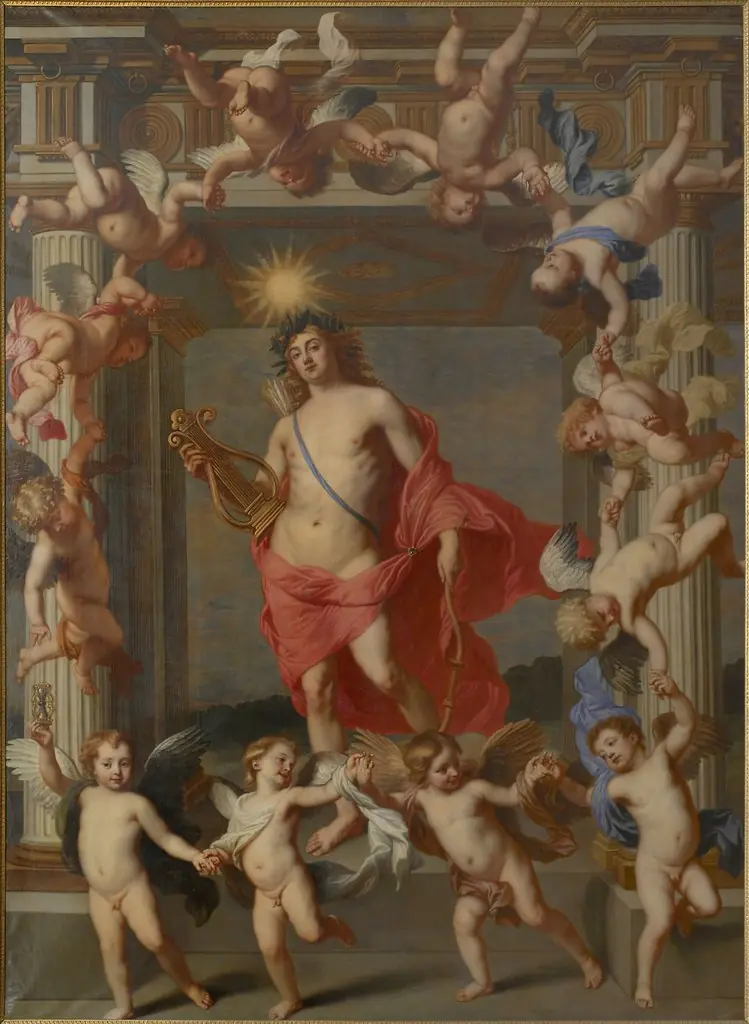
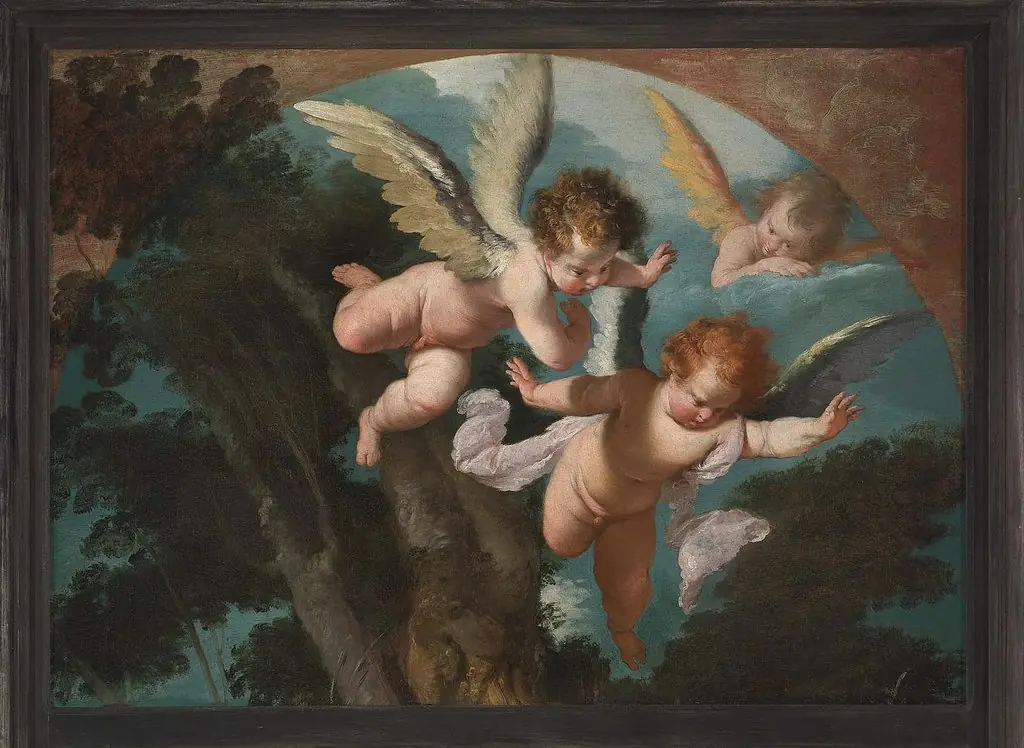
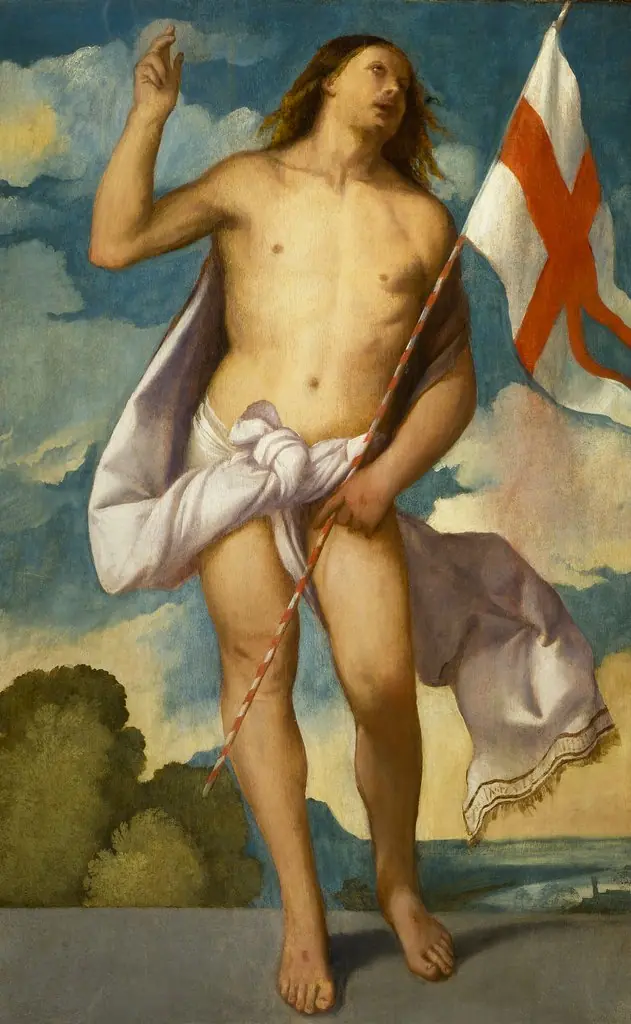
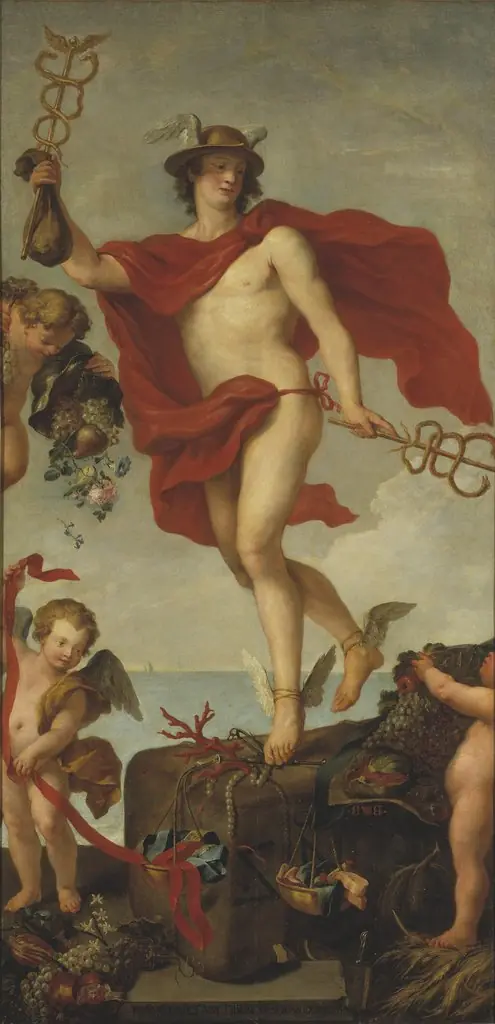
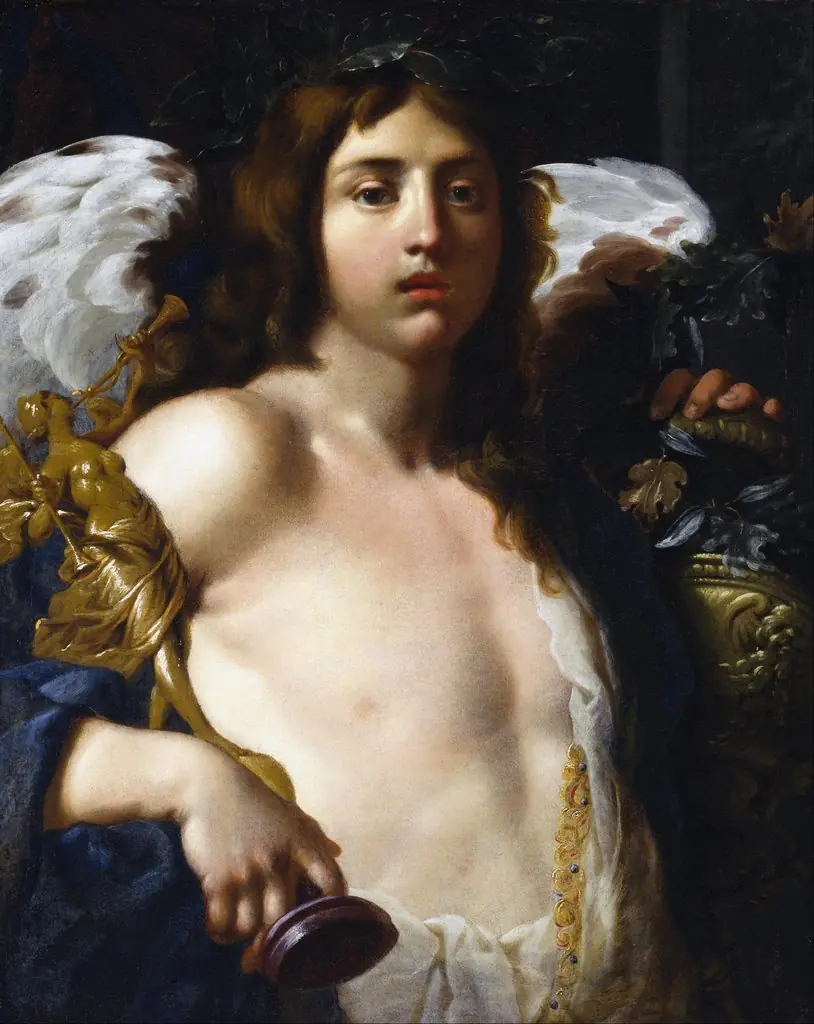
The central figure, a nude youth crowned with laurel and holding a palm branch, symbolizes moral triumph and civic virtue. Surrounding cherubs, one bearing a staff and another reaching for the branch, suggest the active pursuit and recognition of virtue. The scene is not mythological but allegorical, drawing on humanist ideals to portray virtue as a living, celebrated force—elevated by divine and earthly attendants without overt religious iconography.
Technique & Style
Carracci employed soft modeling and luminous color to render the figure’s anatomy with lifelike grace, avoiding the exaggerated poses of Mannerism. The drapery flows naturally, and the cherubs are rendered with playful realism rather than idealized form. The sky, rendered in pale blues and wispy clouds, provides a serene backdrop that enhances the figure’s prominence. His brushwork balances precision with a sense of spontaneity, characteristic of his synthetic approach to classical and naturalistic traditions.
History & Provenance
Created during Carracci’s early Roman period, the painting likely originated as part of a decorative cycle for a private patron. It entered the collection of the Dresden Gemäldegalerie in the 18th century, where it remains today. Its survival in relatively intact condition reflects its early recognition as a significant work of the Carracci school, though it was never as widely reproduced as his later mythological frescoes.
Context
In late 16th-century Italy, artists sought to revive the harmony of Renaissance ideals while responding to Counter-Reformation demands for clarity and emotional resonance. Carracci, alongside his family, rejected Mannerist artifice in favor of accessible, morally grounded imagery. *Love of Virtue* aligns with this reformist agenda, offering a secular yet elevated vision of human excellence rooted in classical and contemporary humanist thought.
Legacy
Though less famous than Carracci’s frescoes in the Farnese Palace, *Love of Virtue* illustrates his enduring influence on Baroque allegorical painting. Its blend of naturalism and symbolic clarity became a model for later artists seeking to convey moral themes with emotional immediacy. The work stands as an early example of how classical forms could be adapted to express contemporary ethical ideals without overt religious narrative.
Artist & collection
Artist
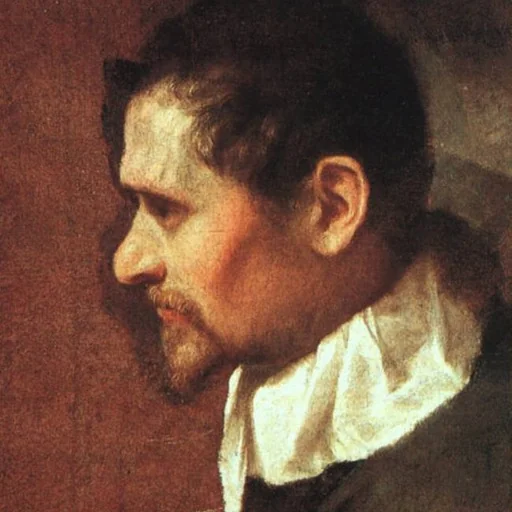
Annibale Carracci ( kə-RAH-chee, UK also kə-RATCH-ee, Italian: ; November 3, 1560 – July 15, 1609) was an Italian painter and instructor, active in Bologna and later in Rome.