Artwork
Junger Bacchant
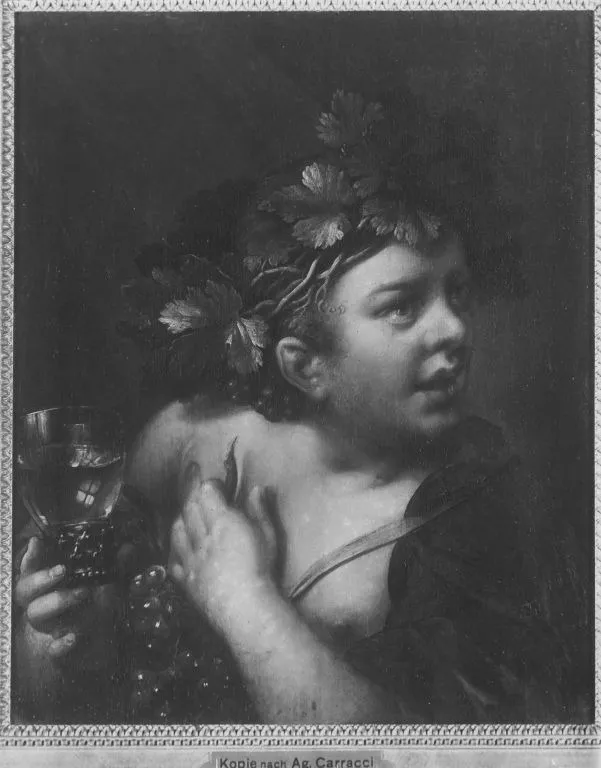
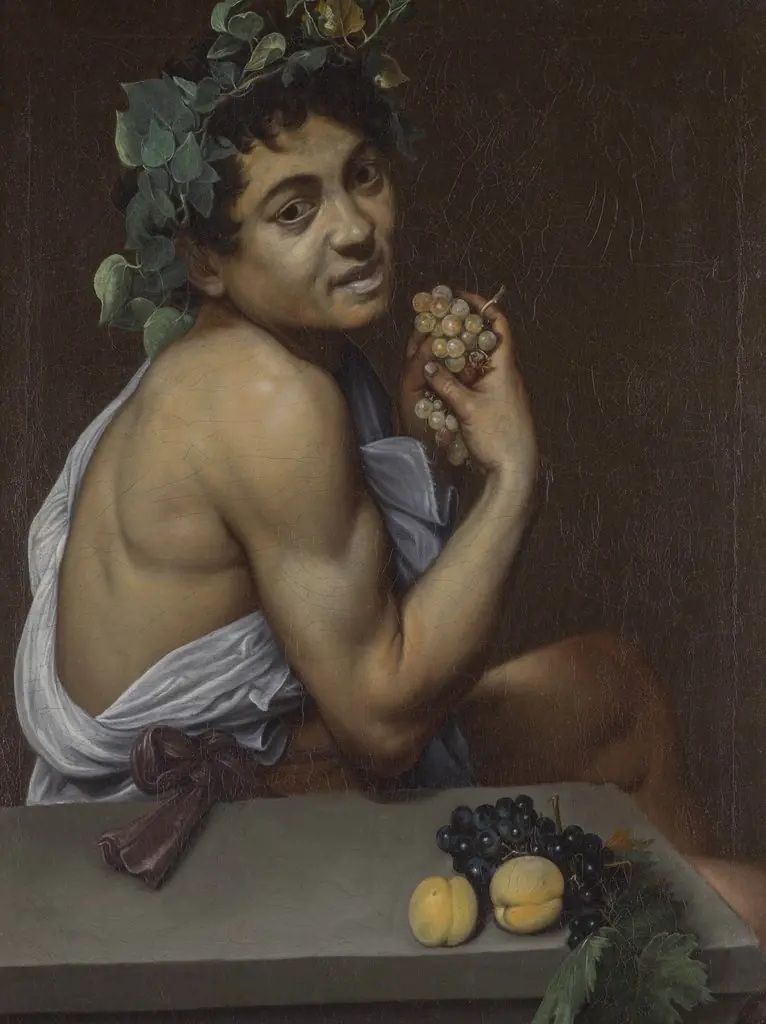
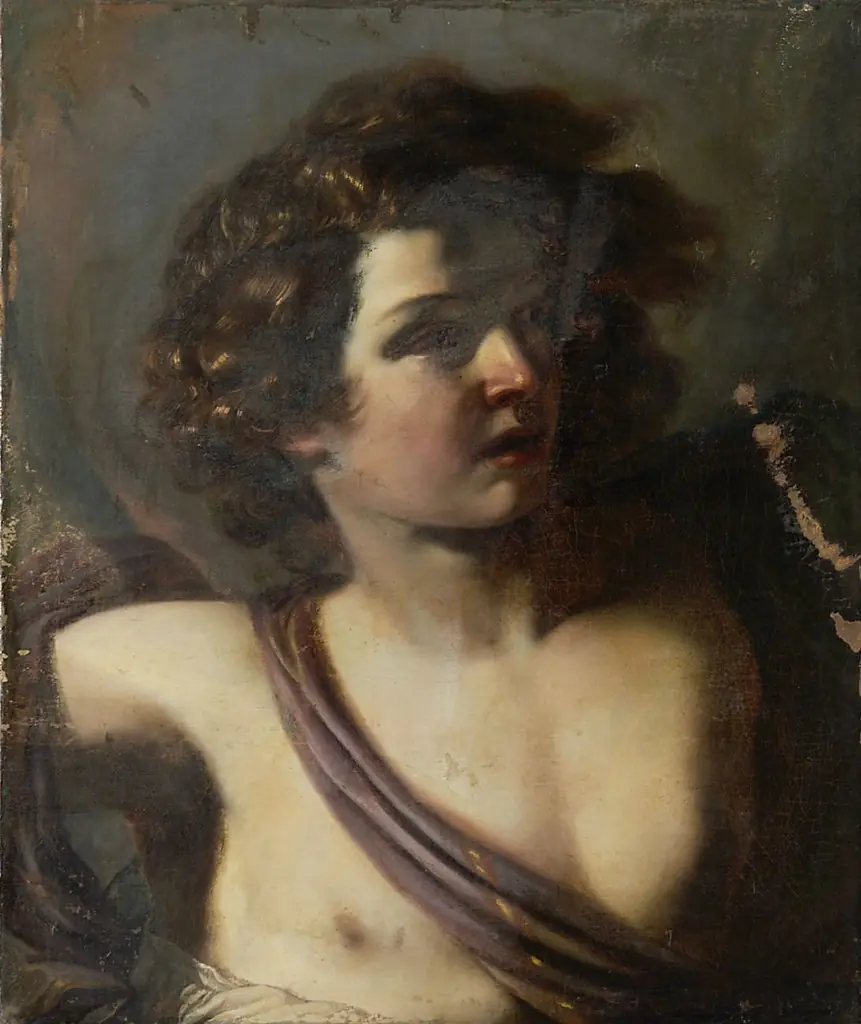
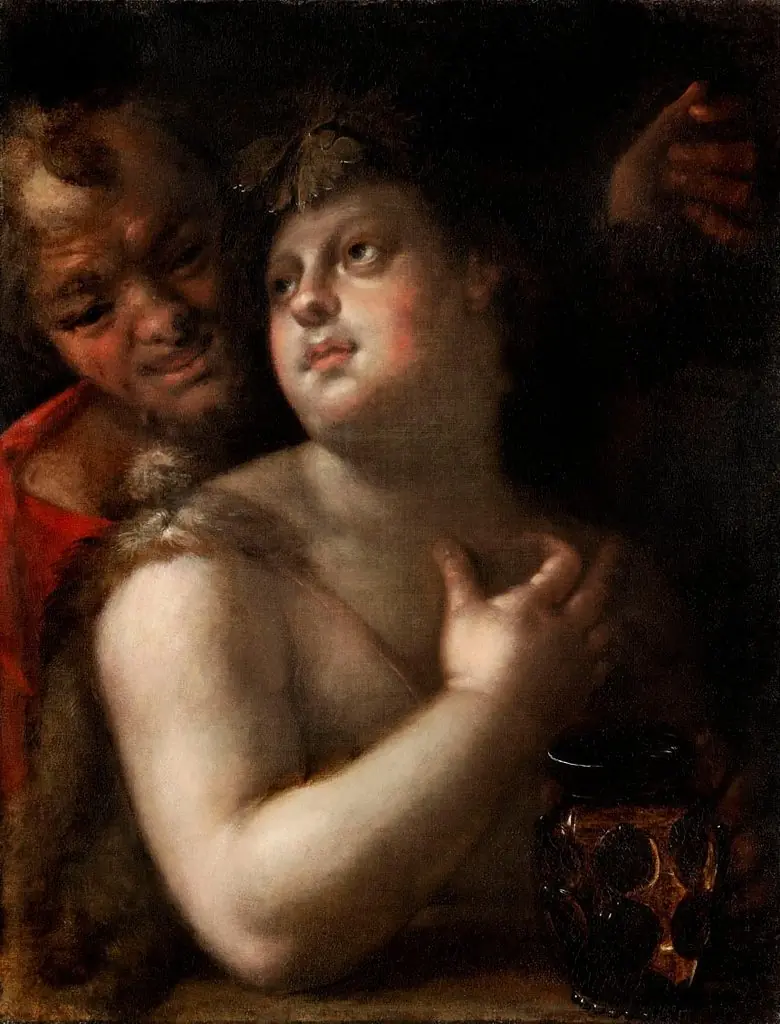
Junger Bacchant is an unspecified painting by Annibale Carracci. It dates from 1592 and is held in the collection of the Bavarian State Painting Collections.
About this work
Overview
Painted in 1592 by Annibale Carracci, *Junger Bacchant* is a small-scale mythological study that reflects the artist’s early engagement with classical themes.
Painted in 1592 by Annibale Carracci, *Junger Bacchant* is a small-scale mythological study that reflects the artist’s early engagement with classical themes. As a foundational figure in the transition from Mannerism to the Baroque, Carracci sought to reconcile idealized form with observed reality. This work exemplifies his commitment to naturalism, avoiding theatrical excess while preserving a sense of dignified presence.
Subject & Meaning
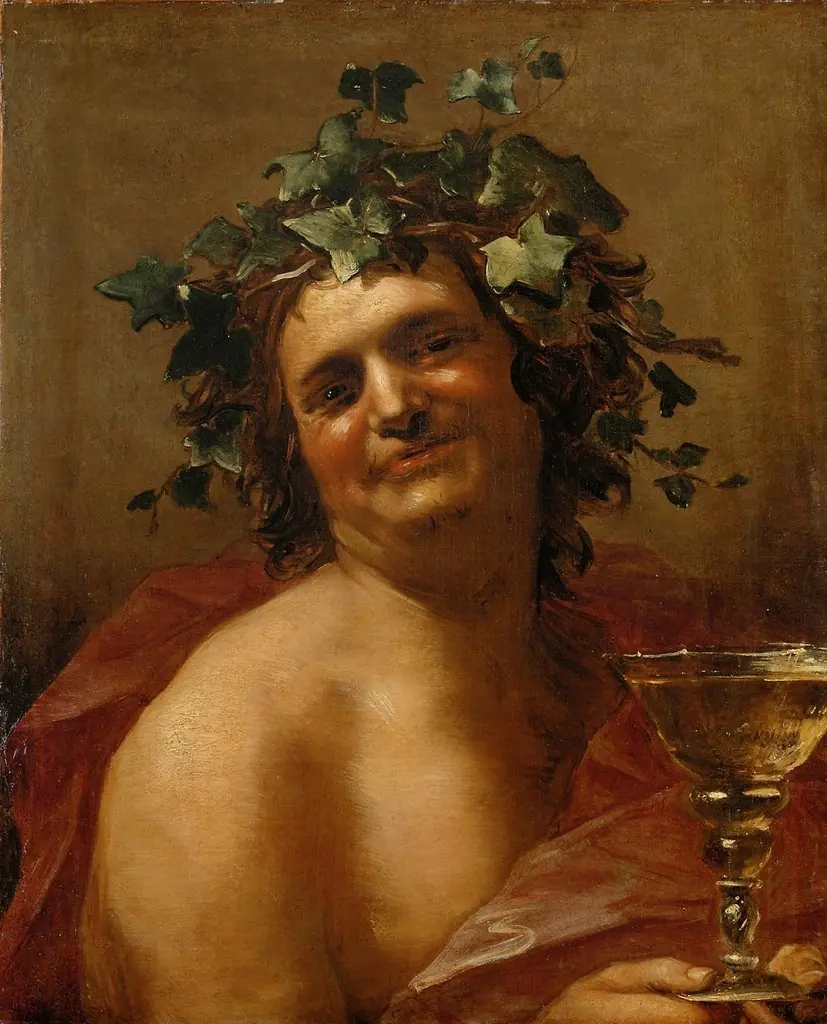
The figure represents a youthful follower of Bacchus, identified by the vine wreath encircling his head and the goblet he holds. Unlike violent or ecstatic depictions of bacchantes, this boy is rendered with quiet composure, his gaze distant and introspective. The calm demeanor suggests a contemplative moment within ritual, emphasizing spiritual stillness over revelry, aligning with Carracci’s interest in restrained mythological expression.
Technique & Style
Carracci employs chiaroscuro to model the boy’s form with subtle gradations of light and shadow, enhancing volume without dramatic contrast. The dark, undefined background isolates the figure, focusing attention on his face and the goblet. The robe’s folds are rendered with soft precision, and the vine is delicately integrated, neither ornamental nor overwhelming. The palette is muted, dominated by earth tones that reinforce the figure’s grounded, human presence.
History & Provenance
The painting entered the Alte Pinakothek collection in Munich in the early 19th century, likely acquired during the expansion of the Bavarian royal holdings. Its attribution to Carracci has remained consistent since its inclusion in museum records. While not among his largest works, it has been consistently cited in scholarly studies of his early development and his role in reforming Italian painting.
Context
Created during Carracci’s formative years in Bologna, this work emerged alongside his collaborative efforts with his brother and cousin to establish a new artistic academy. Rejecting Mannerist artificiality, they turned to nature and classical antiquity as guides. *Junger Bacchant* reflects this ethos: a mythological subject treated with psychological nuance and physical authenticity, anticipating the more monumental mythologies he would later paint in Rome.
Legacy
Though modest in scale, the painting exemplifies Carracci’s enduring influence on Baroque naturalism. His ability to infuse myth with quiet humanity became a model for later artists, including Guido Reni and even Caravaggio. The work’s restrained emotion and careful lighting contributed to a broader shift in how classical subjects were visualized—no longer as spectacle, but as intimate, believable moments in a shared world.
Artist & collection
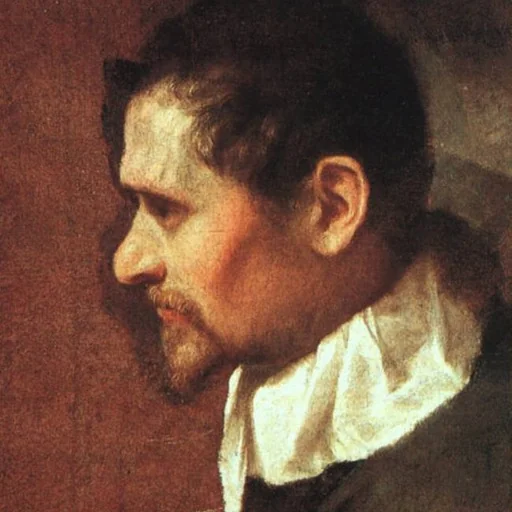
Artist
Annibale Carracci ( kə-RAH-chee, UK also kə-RATCH-ee, Italian: ; November 3, 1560 – July 15, 1609) was an Italian painter and instructor, active in Bologna and later in Rome.