Artwork
St Roch and the Angel
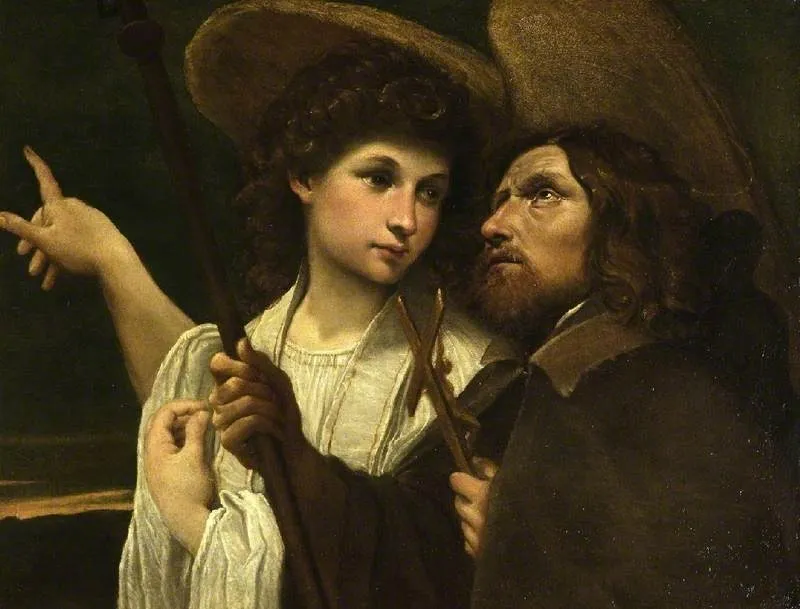
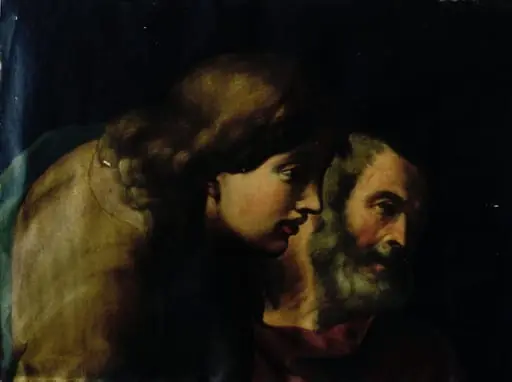
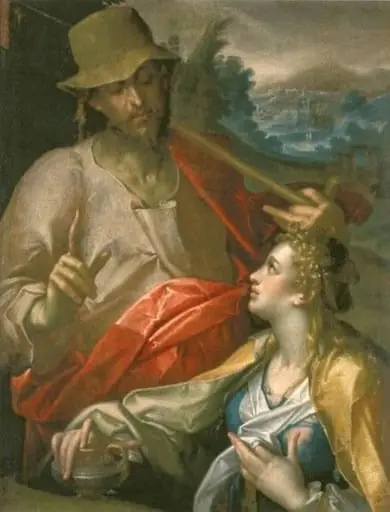
St Roch and the Angel is an oil painting by Annibale Carracci. It dates from 1550 and is held in the collection of the Fitzwilliam Museum.
About this work
Overview
Executed with careful attention to light and form, it reflects the artist’s early engagement with naturalism and emotional restraint.
This oil painting, attributed to Annibale Carracci and dated circa 1550, portrays Saint Roch in the company of an angel. Executed with careful attention to light and form, it reflects the artist’s early engagement with naturalism and emotional restraint. The work is part of the Fitzwilliam Museum’s collection, where it remains a quiet example of late Renaissance religious imagery before the full emergence of Baroque dynamism.
Subject & Meaning
Saint Roch, a 14th-century pilgrim venerated for his care of plague victims, is shown here in quiet communion with a celestial figure. The angel, identified by her halo and gesture, offers divine reassurance rather than dramatic intervention. The scene emphasizes spiritual solace amid suffering, aligning with devotional practices of the time that sought comfort through personal connection with sacred beings during epidemics.
Technique & Style
Carracci employs chiaroscuro to model the figures with subtle gradations of light, enhancing their three-dimensionality against a dark, undefined background. The lighting originates from the left, casting soft shadows that define the contours of clothing and faces. Brushwork is controlled and precise, avoiding theatricality; the composition favors stillness and psychological presence over movement or spectacle.
History & Provenance
The painting entered the Fitzwilliam Museum’s collection in the 19th century, though its earlier ownership remains undocumented. While traditionally dated to around 1550, recent scholarship suggests a slightly later execution, possibly in the 1580s, during Carracci’s formative years in Bologna. Its attribution has been consistently upheld, reflecting its alignment with his early stylistic development before his Roman period.
Context
Created during a period of recurring plague outbreaks in Italy, images of Saint Roch served as both devotional aids and public symbols of hope. Carracci’s treatment avoids overt suffering, instead focusing on quiet divine presence—a reflection of Counter-Reformation ideals that favored modest piety and emotional sincerity over sensationalism in religious art.
Legacy
Though less celebrated than Carracci’s later works, this painting illustrates his foundational approach to integrating classical poise with emotional clarity. It anticipates the naturalism that would define his influence on Baroque painting, particularly in the way figures are grounded in physical reality while retaining spiritual gravity. Its restrained power continues to inform scholarly understanding of his artistic evolution.
Artist & collection
Artist
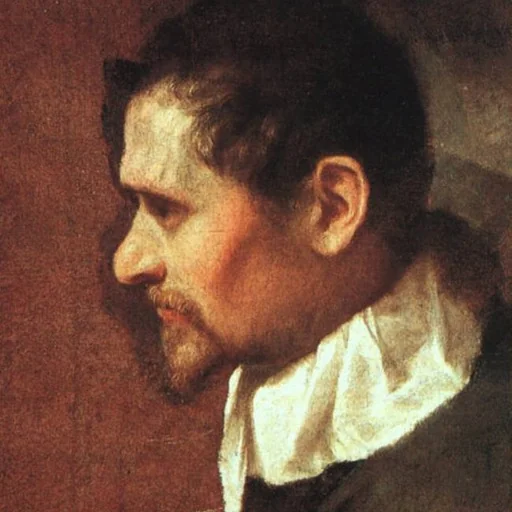
Annibale Carracci ( kə-RAH-chee, UK also kə-RATCH-ee, Italian: ; November 3, 1560 – July 15, 1609) was an Italian painter and instructor, active in Bologna and later in Rome.