Artwork
Portret de aristocrată
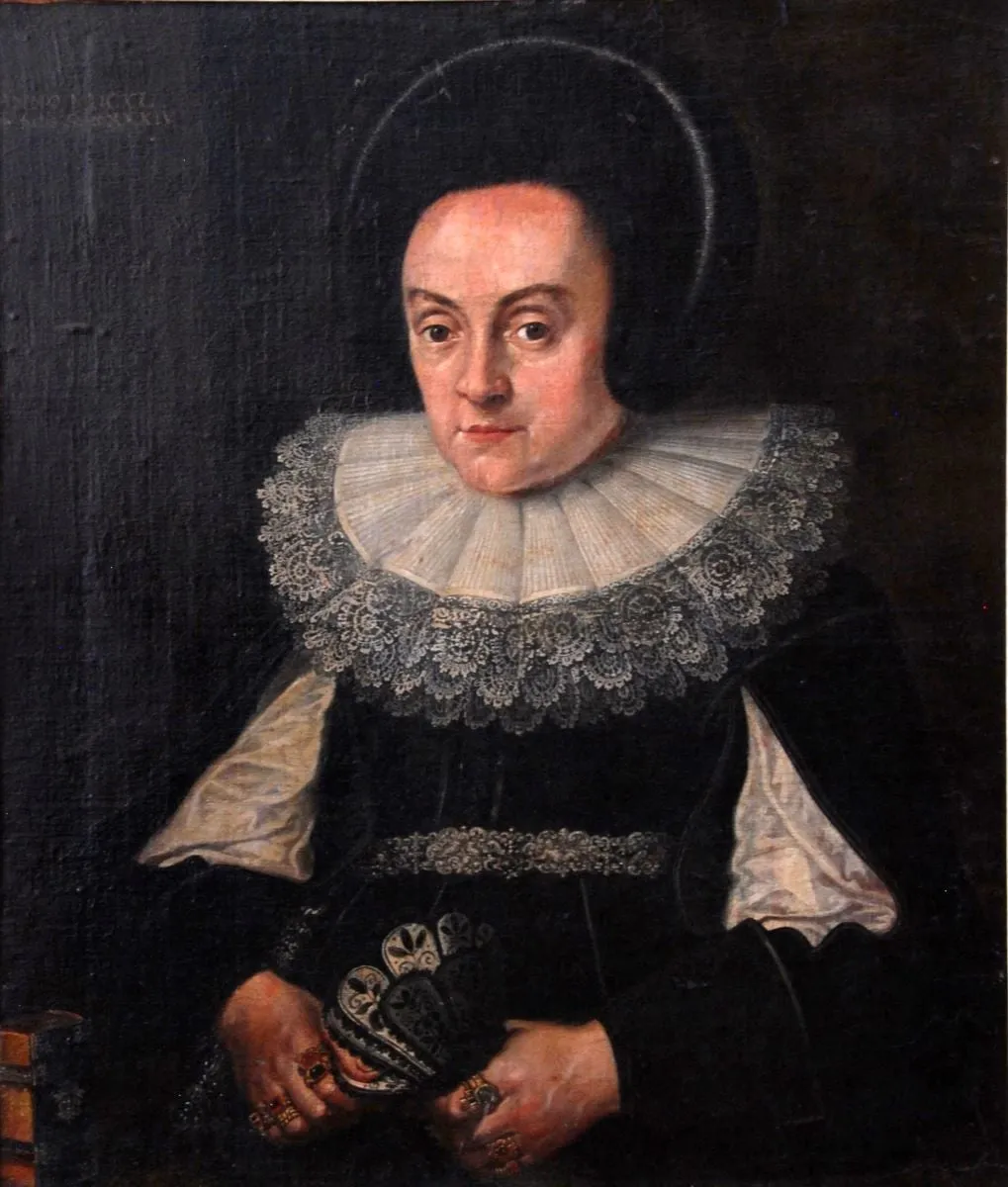
Portret de aristocrată is a print by the Baroque artist anonim flamand. It dates from 1640 and is held in the collection of the Țării Crișurilor Museum. This portrait, attributed to an anonymous Flemish artist and dated to around 1640, depicts a noblewoman in formal attire.
About this work
Overview
This portrait, attributed to an anonymous Flemish artist and dated to around 1640, depicts a noblewoman in formal attire. Executed in oil on panel, it is part of the collection at the Museum of Ethnography. The composition focuses tightly on the sitter, set against a deep, unmodulated background that isolates her figure and enhances the visual weight of her garments and accessories.
Subject & Meaning
The woman is portrayed with quiet dignity, her black clothing and somber head covering signaling mourning or high social formality.
The woman is portrayed with quiet dignity, her black clothing and somber head covering signaling mourning or high social formality. The presence of multiple rings suggests wealth and status, while the dark object she holds—possibly a prayer book or fan—hints at personal ritual or refined etiquette. Her expression is reserved, reflecting the restrained emotional tone common in portraits of aristocratic women of the period.
Technique & Style
The artist employs fine brushwork to render the intricate lace of the collar and the reflective surfaces of the rings with precision. The contrast between the dark background and the sharply lit fabric creates a sense of volume and texture characteristic of Baroque portraiture. Lighting is directional but not theatrical, emphasizing material richness over dramatic narrative.
History & Provenance
The painting’s early history is undocumented, and its attribution remains anonymous. It entered the Museum of Ethnography’s collection in the 20th century, likely through acquisition or donation. Its presence in an ethnographic institution, rather than a fine arts museum, suggests it was valued for its cultural and material significance rather than its artistic pedigree.
Context
Created during the height of the Baroque era in the Southern Netherlands, the portrait aligns with regional conventions of aristocratic representation, where clothing and adornment served as markers of identity and social rank. While religious and mythological themes dominated public art, private portraiture retained a focus on quiet authority and material display among the elite.
Legacy
Though unsigned and unrecorded in major artist catalogs, the portrait endures as a tangible example of 17th-century Flemish domestic portraiture. Its preservation in an ethnographic context underscores its value as a cultural artifact, offering insight into the material culture and social codes of aristocratic women during the Baroque period.
Artist & collection
Artist
This artist painted still lifes and portraits in the 1600s Flemish tradition, a time when artists showed off fine details and rich textures.

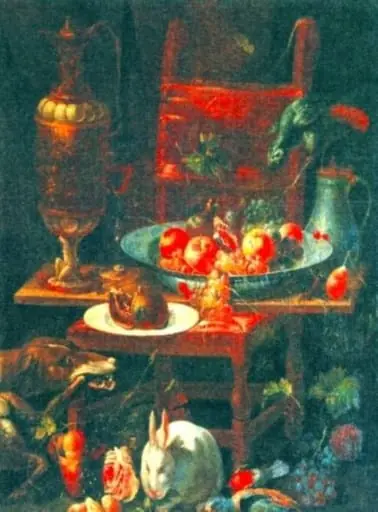
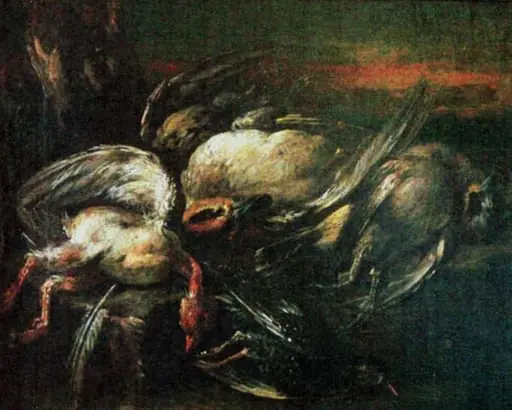
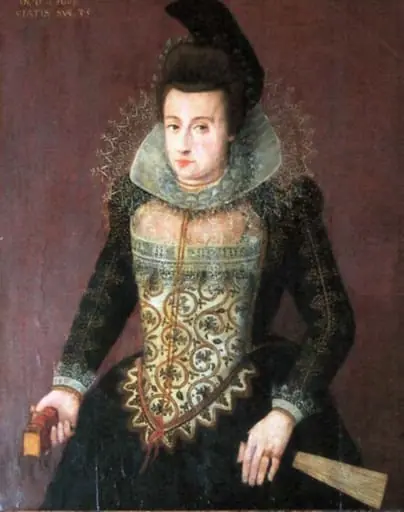
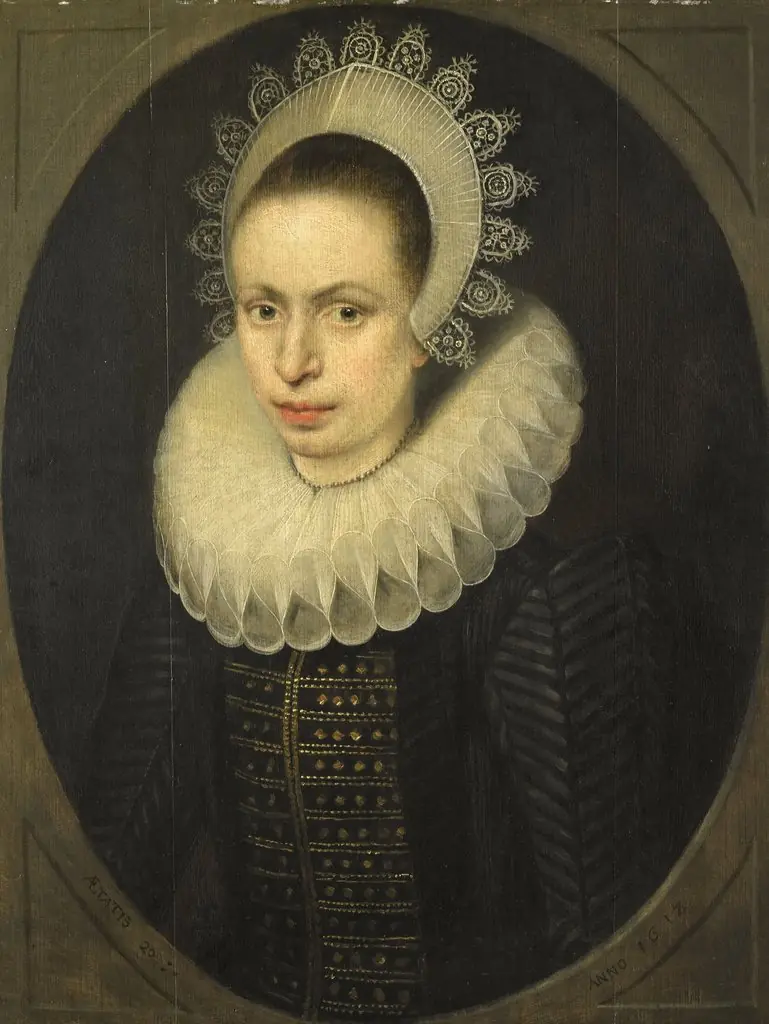 Portrait of Antoinette Walleran (1598-?)
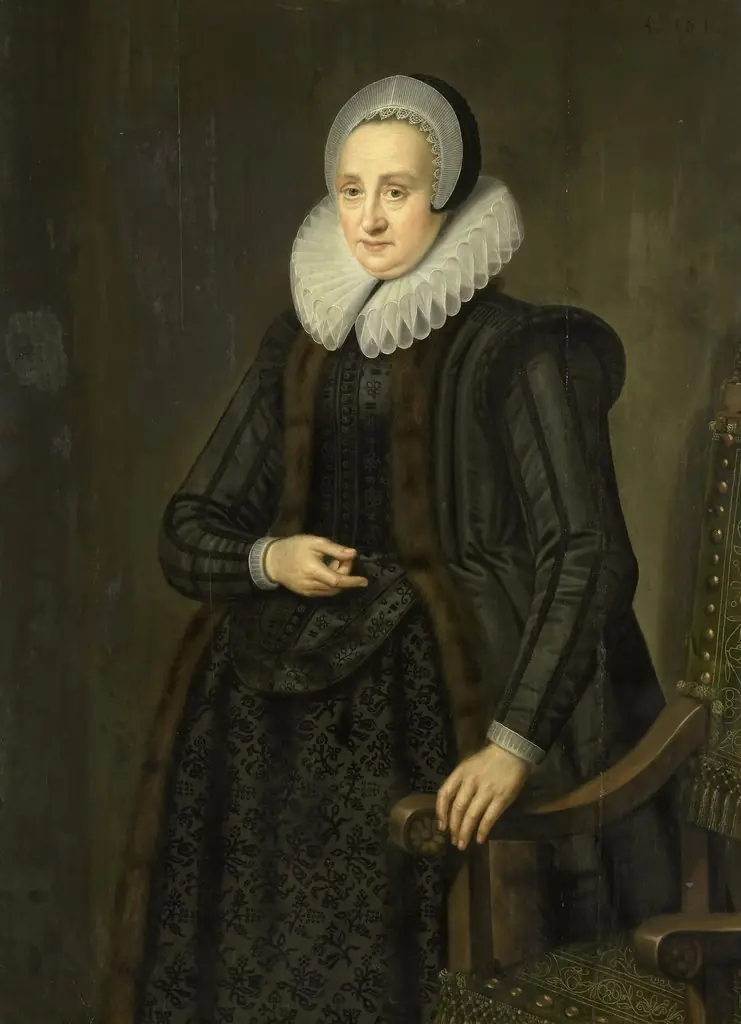 Portrait of Margarita Cassier
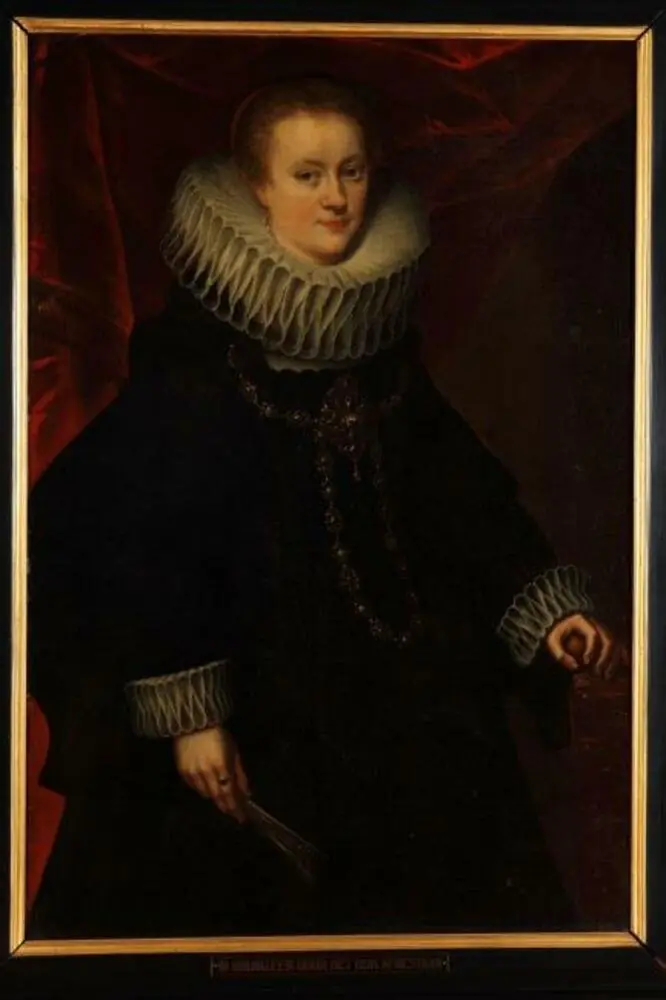 Portrait of a woman
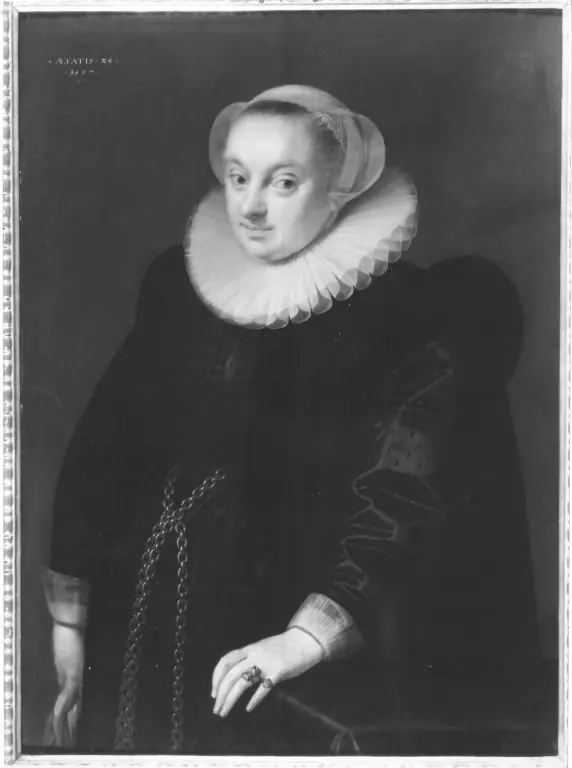 Portrait of a woman
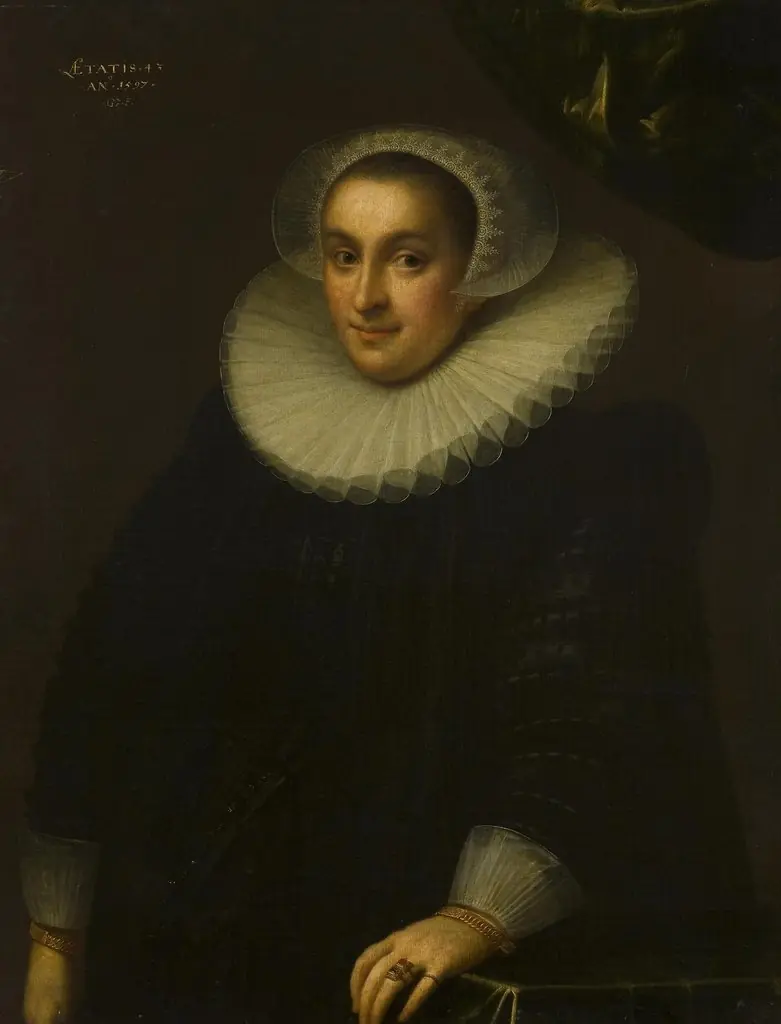 Portrait of Cornelia Bot, wife of Gottfried Houtappel
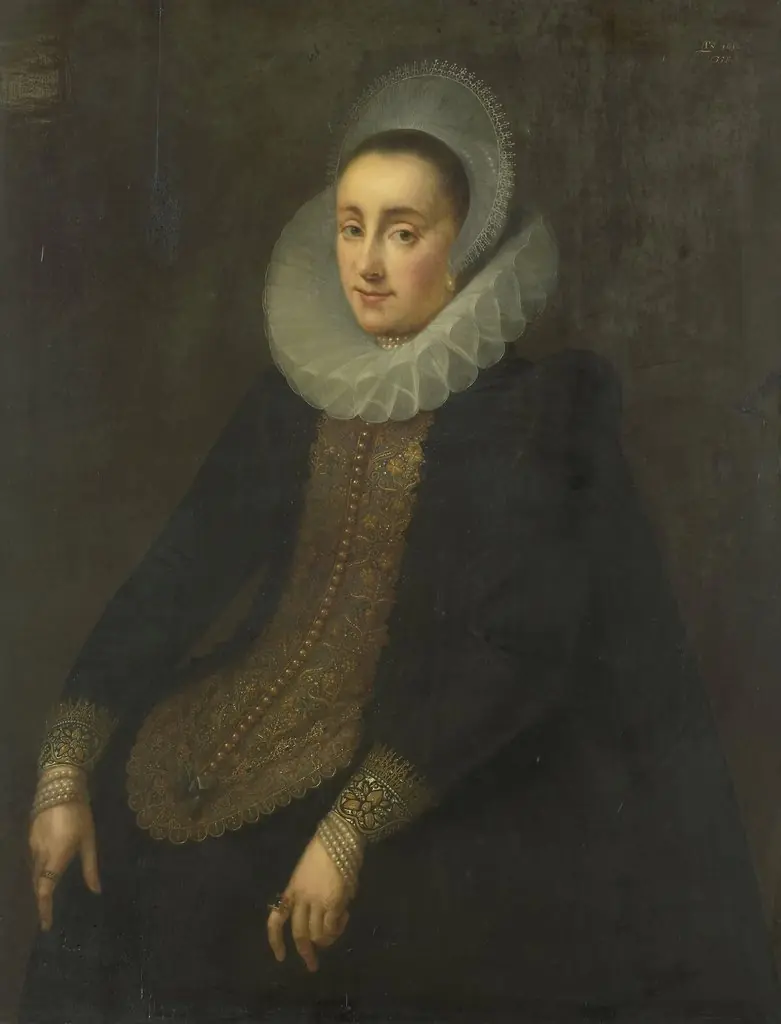 Portrait of Lucretia del Prado, Wife of Jeremias Boudinois
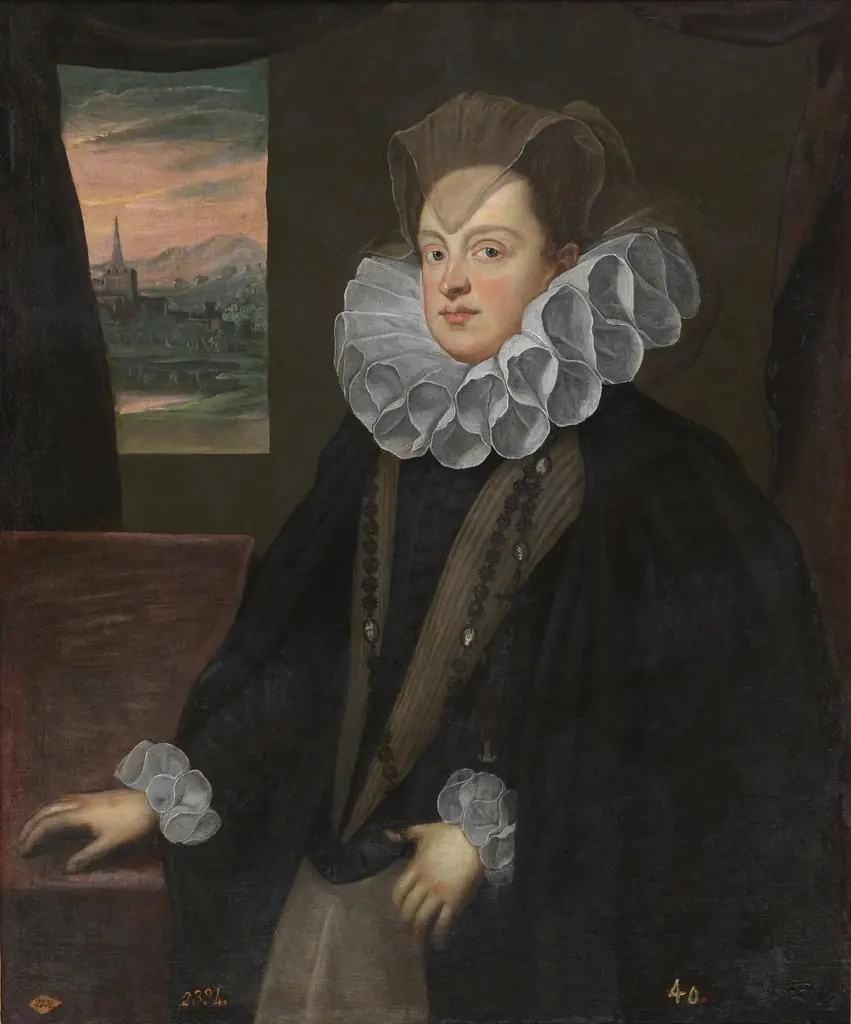 Eleanor de' Medici, Duchess of Mantua
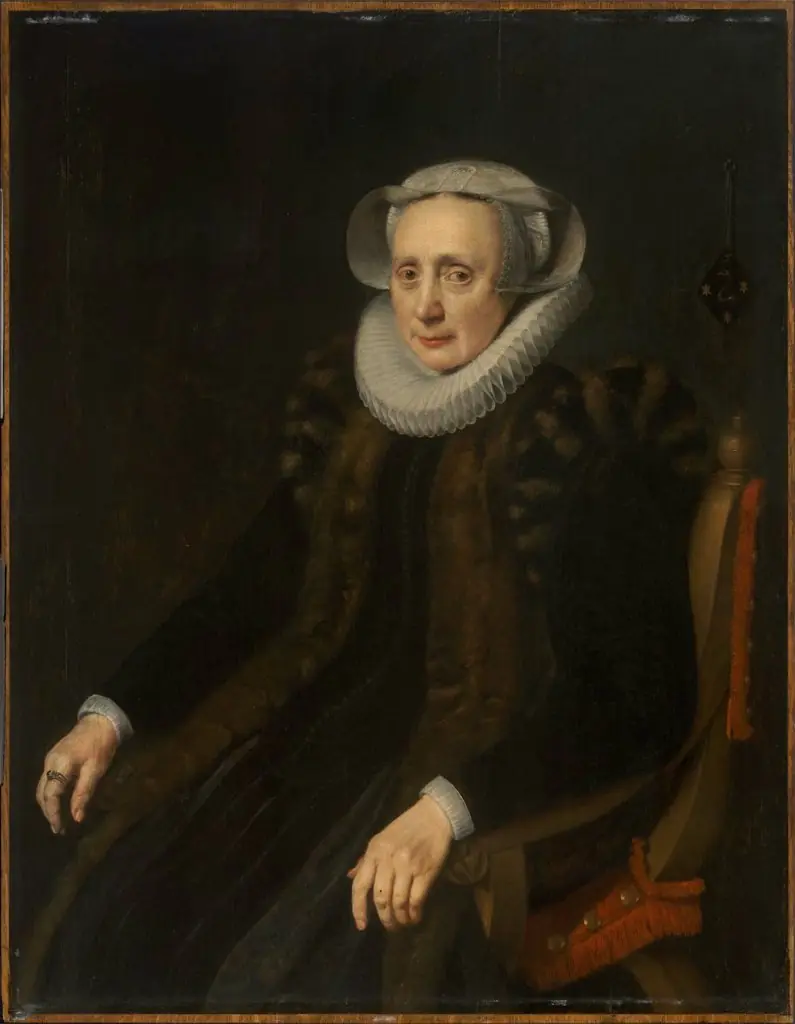 Adriana van Ijlen
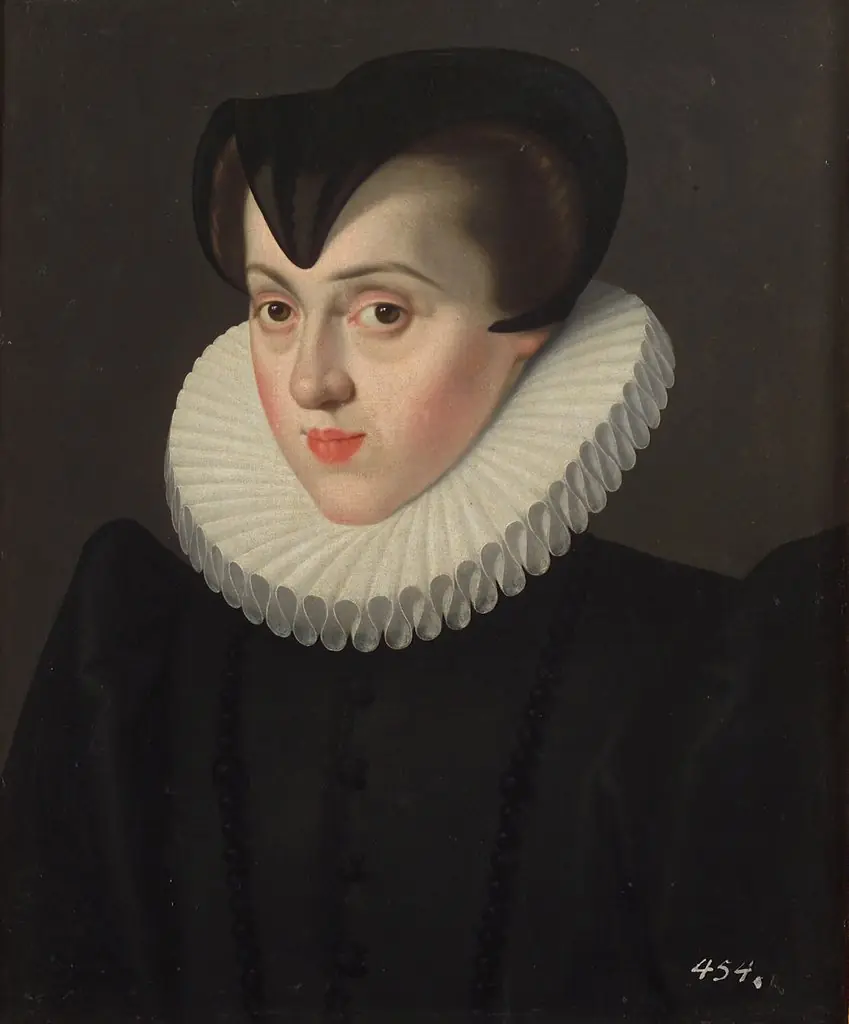 Erzherzogin Elisabeth (1554-1592), Königin von Frankreich, in Witwentracht, Brustbild
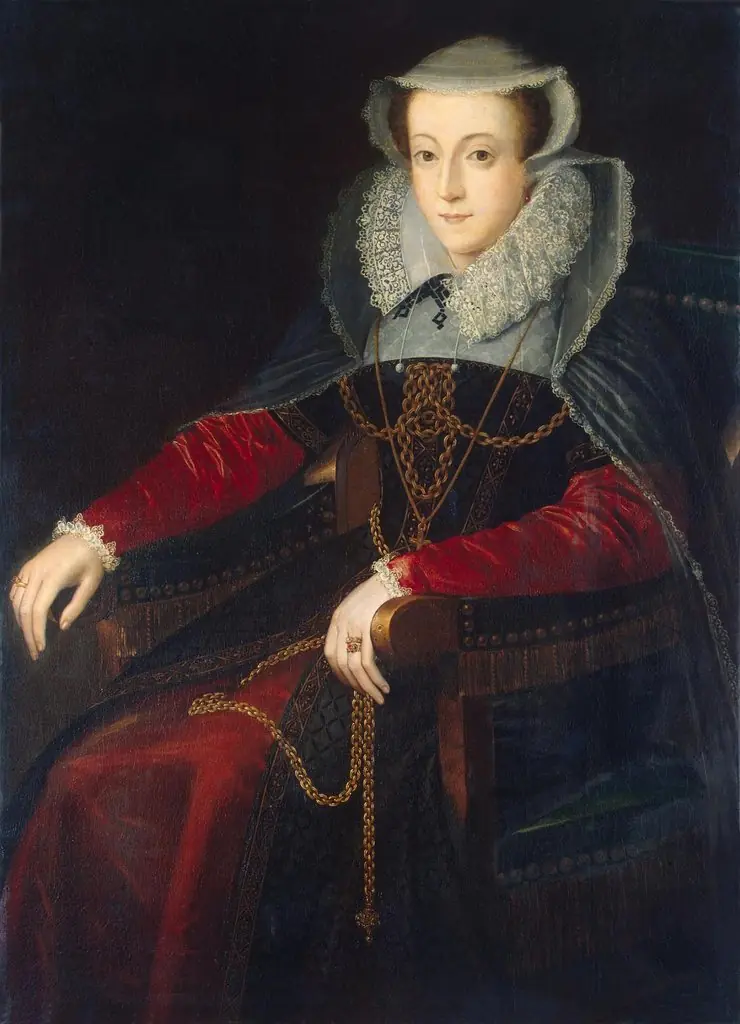 Portrait of Mary Stuart, Queen of Scots
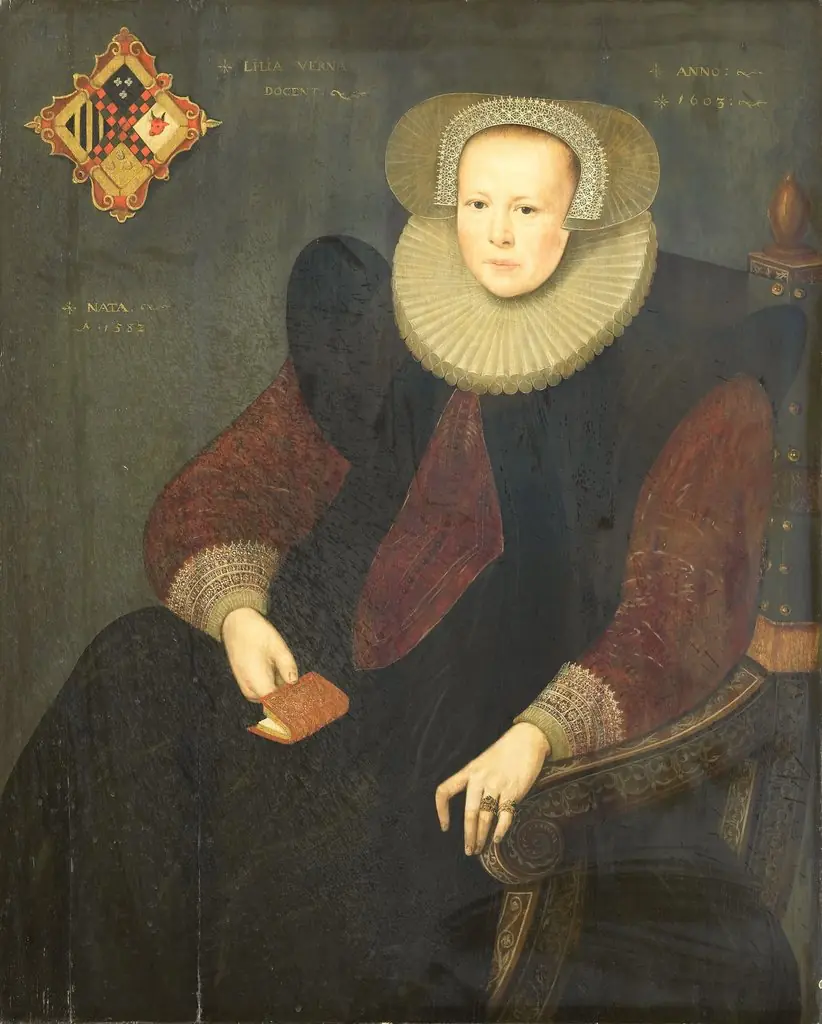 Portrait of a woman, pendant to portrait of a botanist