Artwork
Head of a Woman
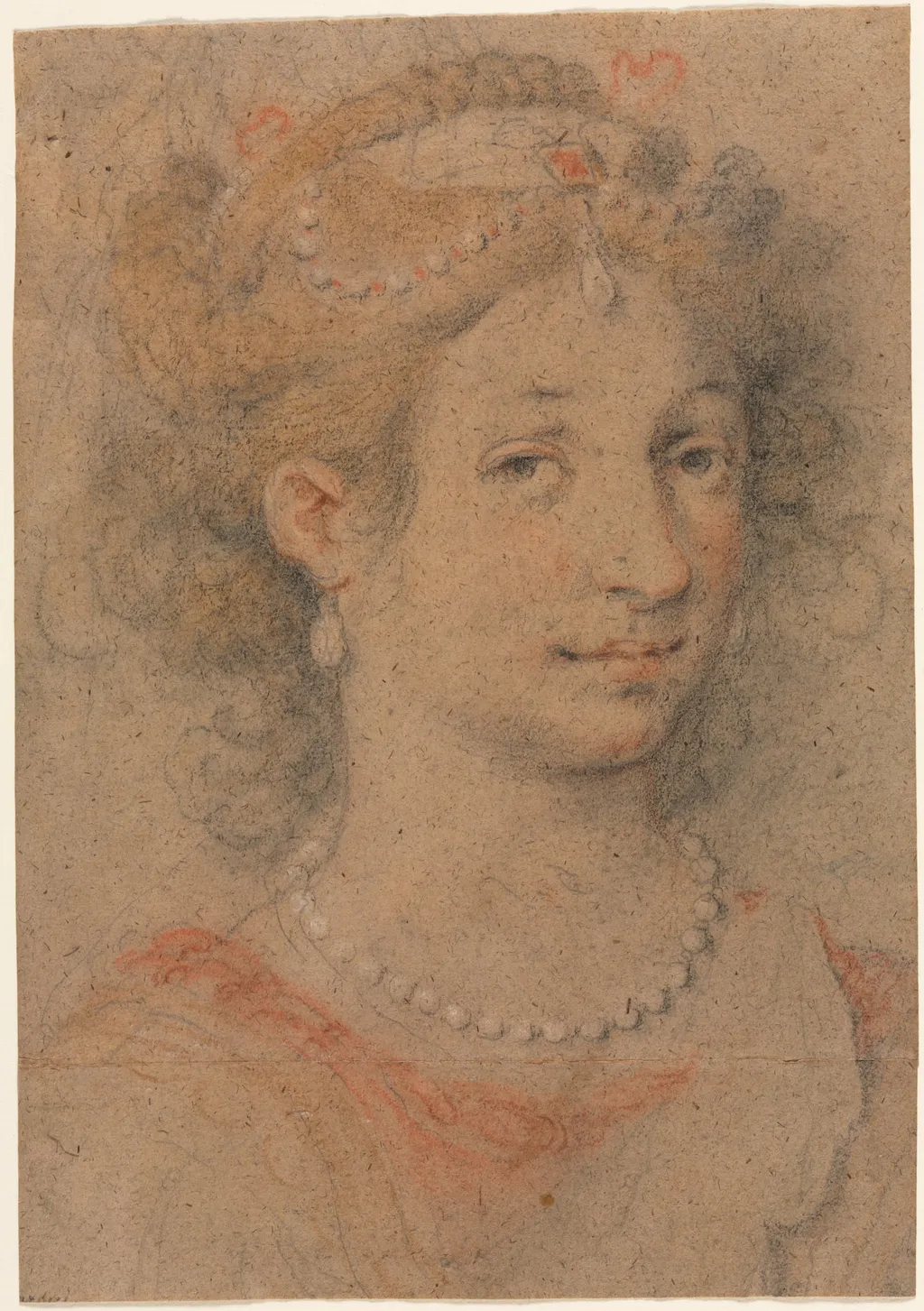
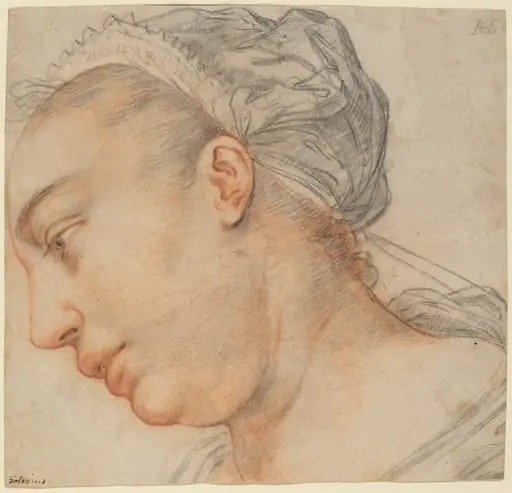
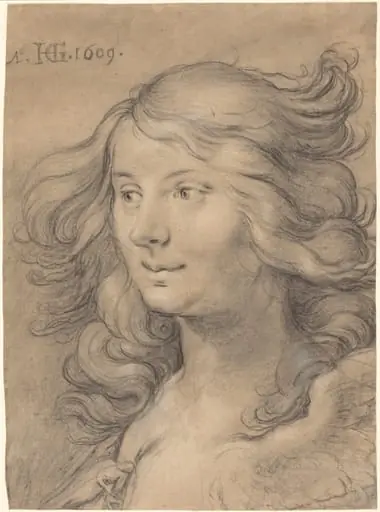
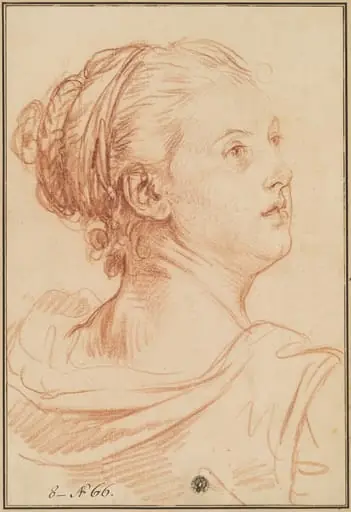
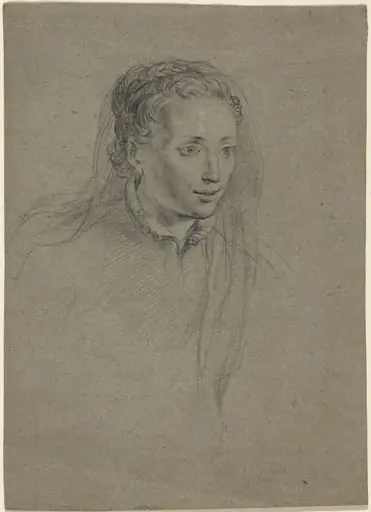
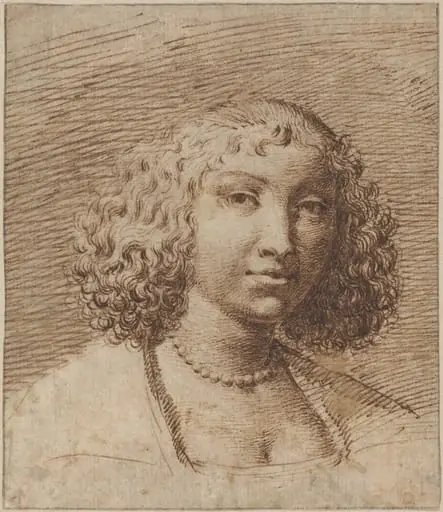
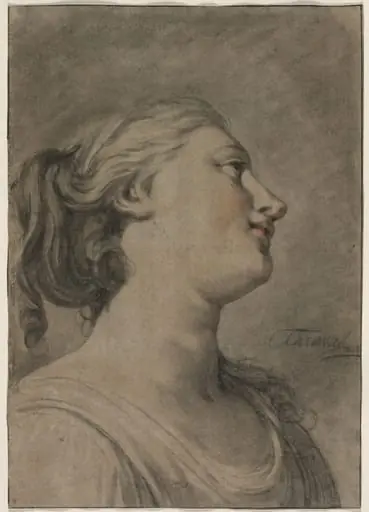
Head of a Woman is a drawing by the Baroque artist Unknown. It dates from 1604 and is held in the collection of the Cleveland Museum of Art. This drawing portrays a woman’s head in profile, turned slightly to the right.
About this work
Overview
The work aligns with the visual language of Baroque portraiture, emphasizing detail and quiet dignity.
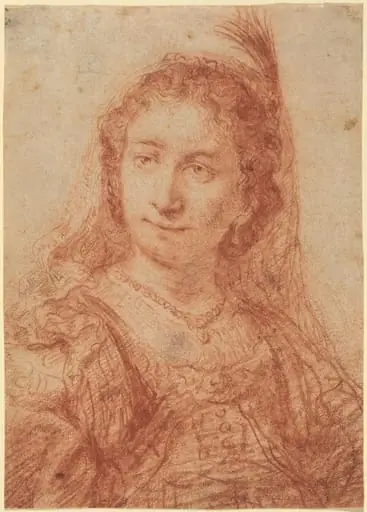
This drawing portrays a woman’s head in profile, turned slightly to the right. Her attire includes pearl jewelry and an ornate headpiece, suggesting status and refinement. The background is indistinct, focusing attention on her features and adornments. Her expression is calm, eyes averted, contributing to a composed, introspective presence. The work aligns with the visual language of Baroque portraiture, emphasizing detail and quiet dignity.
Subject & Meaning
The subject is likely a woman of elevated social standing, indicated by her pearl-adorned hair and jewelry. The absence of overt emotion or narrative context shifts focus to her poise and material culture. The pearls, recurring in both necklace and headdress, may symbolize purity or wealth, though the intent remains understated. Her averted gaze invites contemplation rather than engagement, reinforcing a sense of reserved elegance.
Technique & Style
The drawing employs fine, controlled lines to define facial contours and the texture of pearls and fabric. Shading is subtle, suggesting volume without heavy contrast. The lack of a defined background concentrates the viewer’s attention on the head and its ornaments. The precision and restraint reflect Baroque conventions of portraiture, prioritizing clarity and refined detail over dramatic flourish.
History & Provenance
The work’s origin and early ownership are undocumented. No record links it to a known artist or collection prior to its current attribution. Its survival as a standalone drawing suggests it may have been a preparatory study or private commission. The absence of signatures or inscriptions limits definitive identification, though stylistic traits point to early modern European practice.
Context
Created during a period when portraiture emphasized social identity through dress and adornment, this drawing reflects broader trends in European elite representation. Pearls were markers of affluence and taste, frequently depicted in works by artists such as Rubens or Van Dyck. The subdued expression and frontal profile align with conventions of dignified female portraiture in the 17th century, avoiding theatricality in favor of quiet presence.
Legacy
Though not widely exhibited or reproduced, the drawing contributes to the understanding of informal portraiture in the Baroque era. It illustrates how personal identity was conveyed through subtle visual cues rather than grand narrative. Its preservation as a drawing, rather than a finished painting, offers insight into the preparatory practices of artists working within elite visual traditions.
Artist & collection

 Domestic Scene
 Giacomo and Cardinal Marco, investing Andrea, Abbot of San Zeno, with his Benefice
 The Nymph of Fontainebleau
 Portrait of a Woman
 Madonna and Child with Saints in the Enclosed Garden
 Venus and Minerva
 Family Group of Four on Sofa
 Wall painting from Room H of the Villa of P. Fannius Synistor at Boscoreale