Artwork
Young Woman with Braided Hair and a Veil
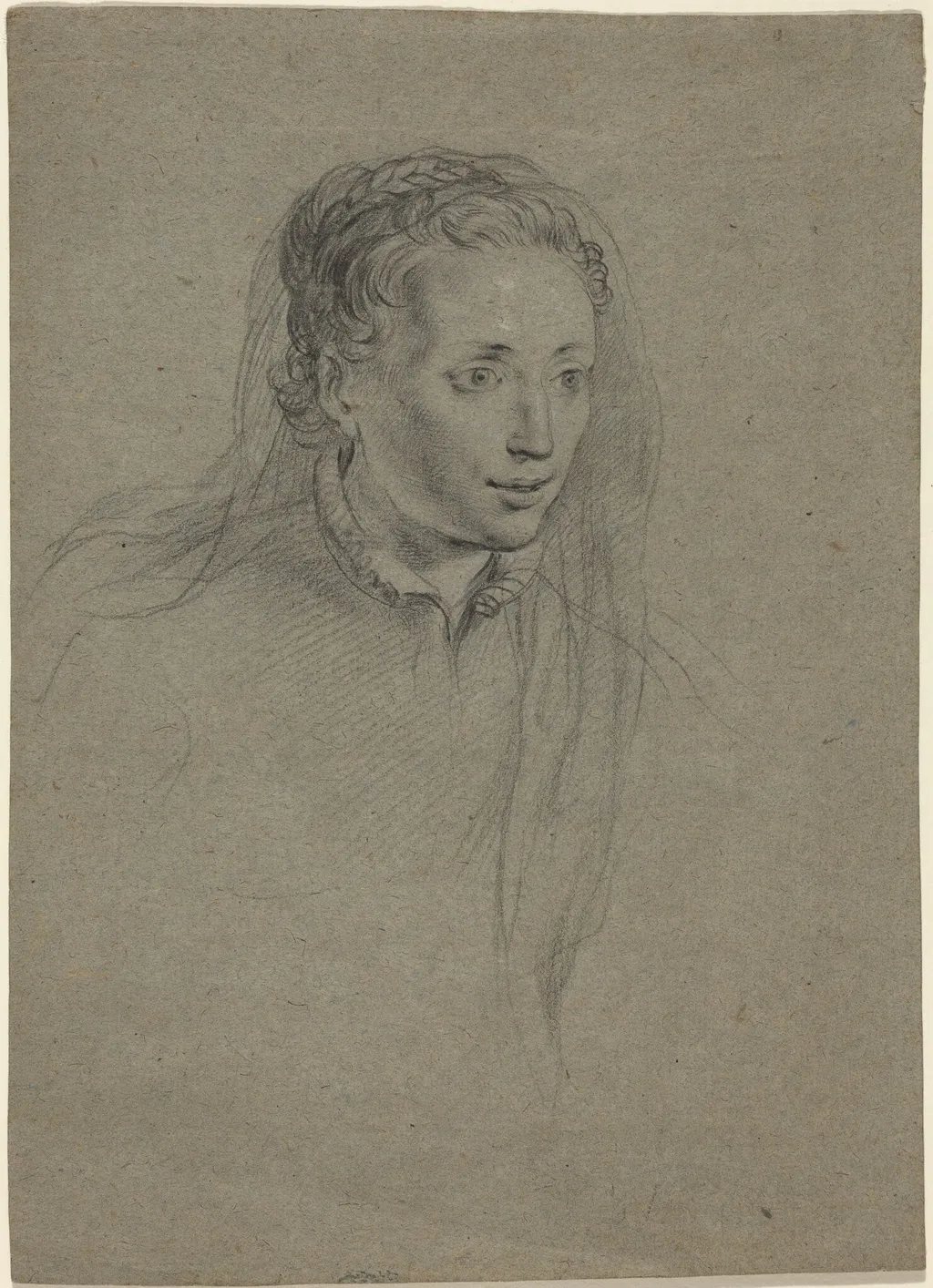
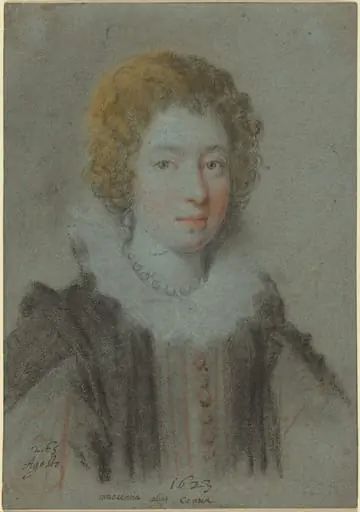
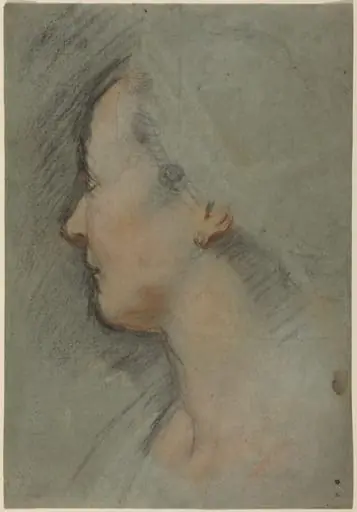
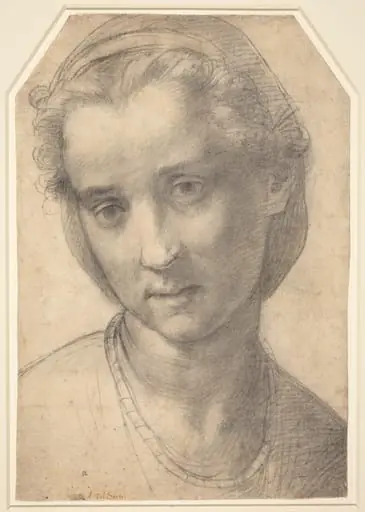
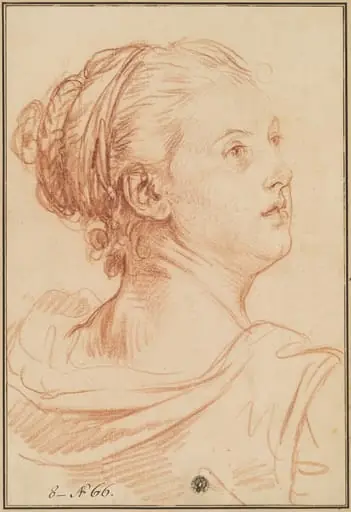
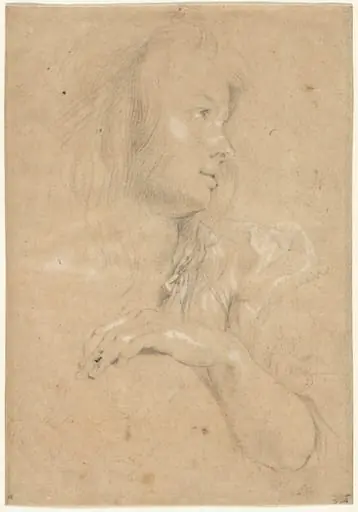
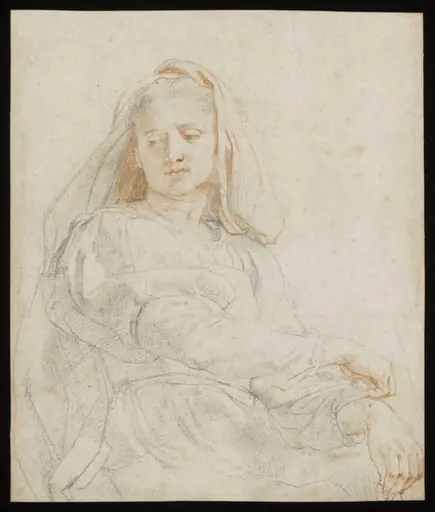
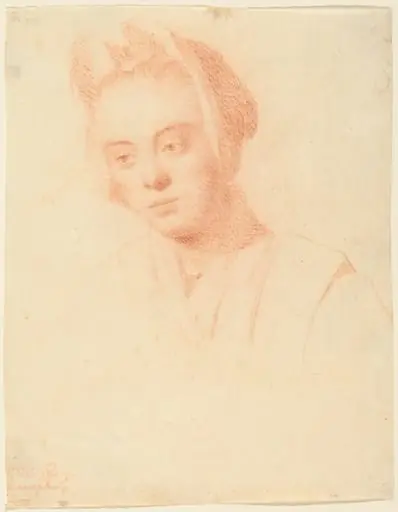
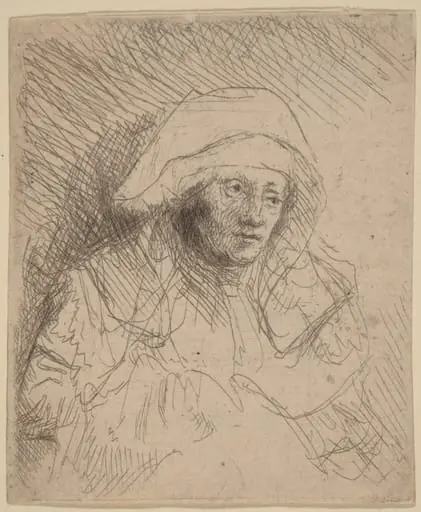
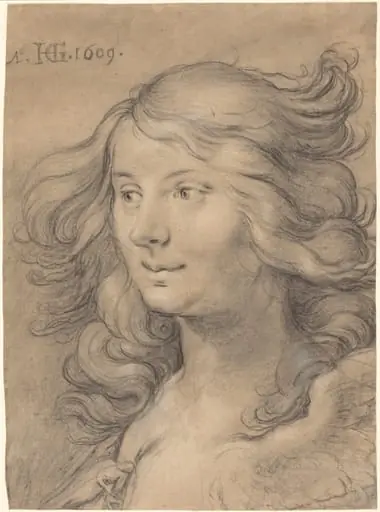
Young Woman with Braided Hair and a Veil is a chalk drawing by the Baroque artist Ottavio Leoni. It dates from 1610 and is held in the collection of the National Gallery of Art.
About this work
The painting is called Young Woman with Braided Hair and a Veil.
It was made by Ottavio Leoni around 1610.
The artist used black chalk and white on blue paper, which is an interesting choice for a portrait, and this technique was often used during the Baroque period to create detailed and expressive drawings.
To learn more about this style, look up the movement: Baroque.
Overview
Created circa 1610, *Young Woman with Braided Hair and a Veil* is a drawing by the Roman artist Ottavio Leoni. Executed in black chalk with white highlights on a blue paper support, the work exemplifies the early‑Baroque interest in refined portraiture. The composition presents a single female sitter, her hair arranged in braids and partially concealed by a delicate veil.
Subject & Meaning
The drawing captures a youthful woman whose serene expression and modest attire suggest a private, perhaps domestic, setting. The braid and veil function as visual markers of modesty and femininity, while the intimate scale of the work invites close observation of the sitter’s features and the subtle play of light across her face.
Technique & Style
Leoni employed a monochrome palette of black chalk, enriching the image with white chalk to accentuate highlights and suggest the translucency of the veil. The choice of blue paper provides a cool undertone that enhances the contrast, a practice common among Baroque draftsmen seeking depth and atmospheric effect without color pigments.
History & Provenance
The drawing originates from Leoni’s early career in Rome, a period when the city was a hub for artistic experimentation. While specific ownership records are scarce, the work has been documented in several 19th‑century collections of Italian drawings, confirming its attribution to Leoni and its circulation among connoisseurs of Baroque portraiture.
Context
Leoni’s practice reflects the broader Roman Baroque movement, which emphasized dramatic chiaroscuro and expressive line. Portrait drawings like this one served both as preparatory studies for painted commissions and as collectible objects in their own right, illustrating the period’s appreciation for the immediacy of drawing as a means of capturing character.
Artist & collection
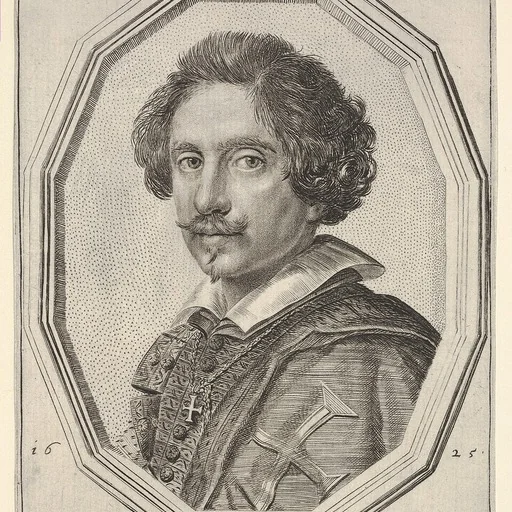
Artist
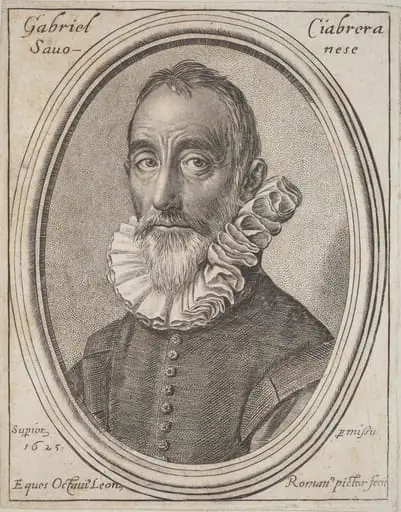
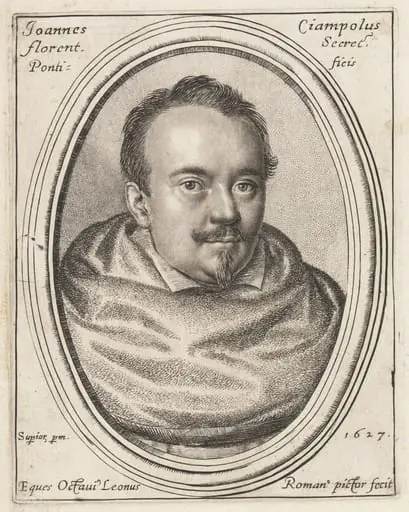
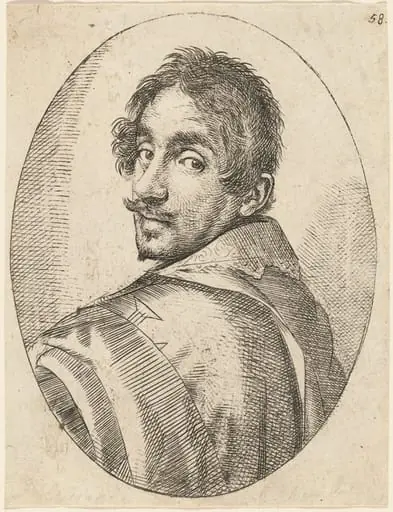
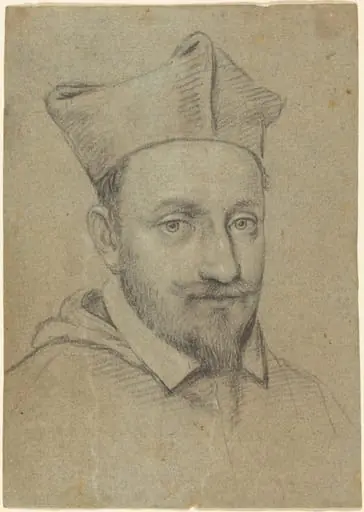
Ottavio Leoni (1578 – 4 September 1630) was an Italian painter and printmaker of the early-Baroque, active mainly in Rome.