Artwork
Julia Hulbert Hubbard
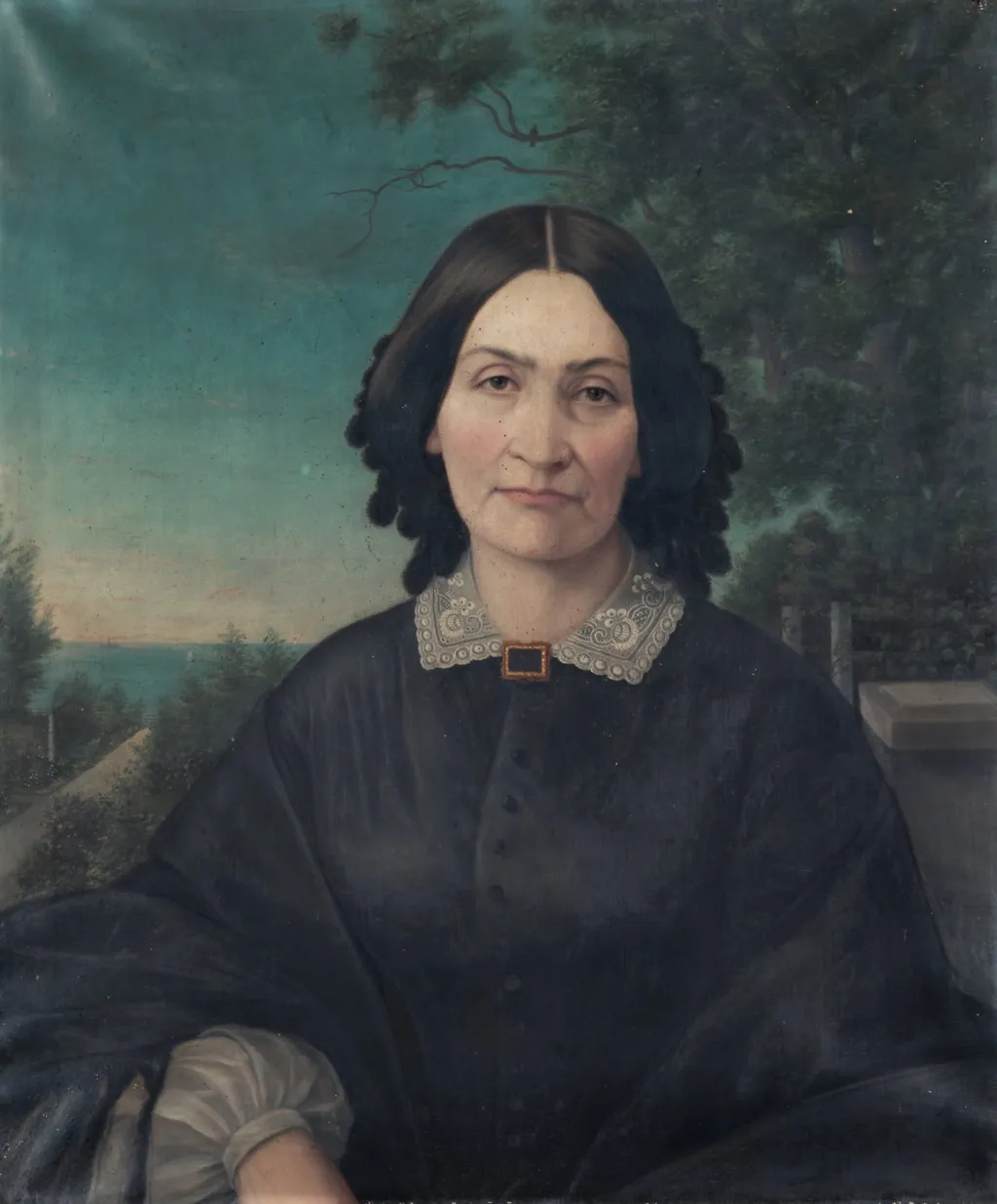
Julia Hulbert Hubbard is an unspecified painting by the Realist artist Unknown. It dates from 1804 and is held in the collection of the Cleveland Museum of Art.
About this work
Overview
The artist’s attention to subtle facial tones and restrained color palette conveys a sense of personal dignity without theatricality.
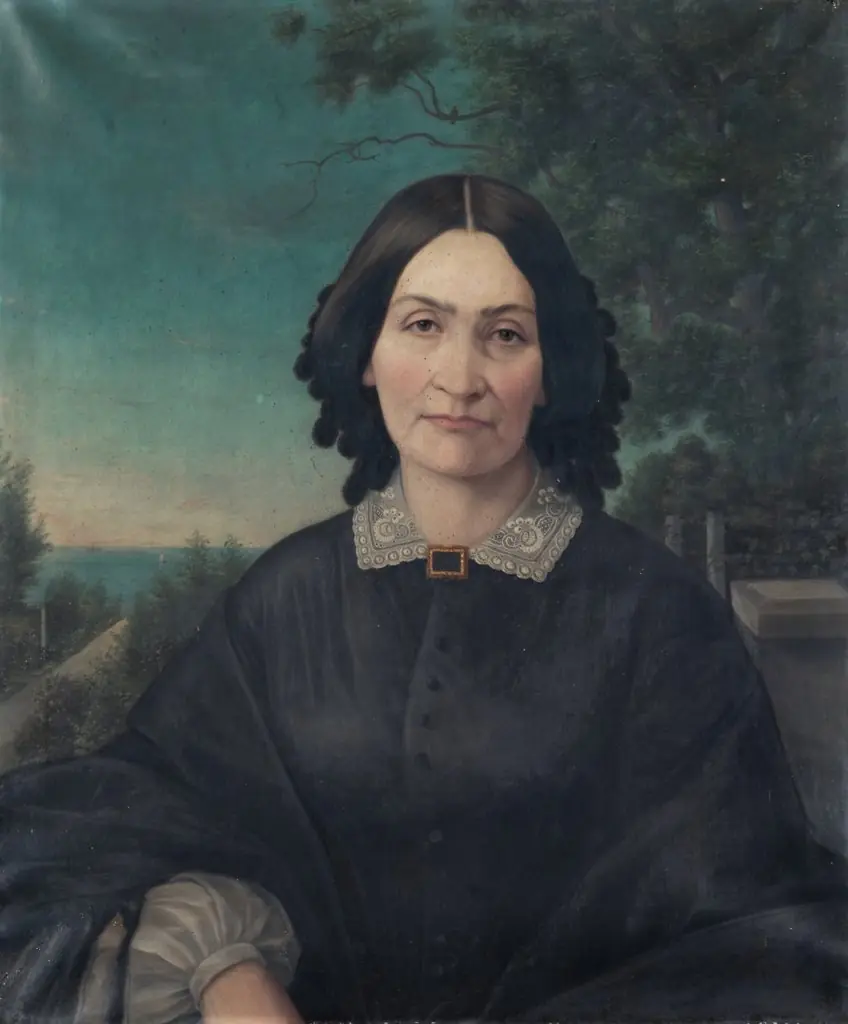
This portrait depicts Julia Hulbert Hubbard, rendered in oil on canvas with quiet realism. The subject faces slightly to the side, her gaze calm and direct. The composition centers her figure against a muted natural backdrop, emphasizing stillness and introspection. The artist’s attention to subtle facial tones and restrained color palette conveys a sense of personal dignity without theatricality.
Subject & Meaning
Julia Hulbert Hubbard is portrayed with modesty and composure, her attire—dark dress with delicate lace trim and a simple brooch—suggests middle- or upper-class status in the 19th century. The absence of ornate jewelry or symbolic objects shifts focus to her presence rather than social display. Her expression, softly lit, invites quiet contemplation, possibly reflecting personal character over public identity.
Technique & Style
The artist employs gentle chiaroscuro to model the face, using diffused light to define contours without harsh contrasts. Brushwork is smooth and controlled, particularly in the rendering of lace and skin tones. The background is loosely painted, with blended greens and soft edges that recede into the distance, creating spatial depth without competing with the figure’s presence.
History & Provenance
The painting was likely commissioned by the subject’s family, common for portraiture in the mid-1800s. It remained within private hands until its acquisition by a regional museum in the early 20th century. Documentation is limited, but stylistic analysis aligns it with American regional painters active between 1840 and 1870, though the artist’s identity remains unconfirmed.
Context
In the decades before photography became widespread, painted portraits served as primary records of personal identity. This work reflects a trend toward intimate, domestic portraiture among the American middle class, favoring natural settings over formal studio backdrops. The inclusion of a quiet landscape signals a cultural preference for harmony between person and environment.
Legacy
Though not widely exhibited or studied, the painting contributes to a broader understanding of 19th-century American portraiture beyond elite subjects. Its restrained aesthetic and focus on individual presence offer insight into how non-public figures were visually represented. It remains a quiet example of how personal dignity was conveyed through understated artistic choices.
Artist & collection

 Domestic Scene
 Giacomo and Cardinal Marco, investing Andrea, Abbot of San Zeno, with his Benefice
 The Nymph of Fontainebleau
 Portrait of a Woman
 Madonna and Child with Saints in the Enclosed Garden
 Venus and Minerva
 Family Group of Four on Sofa
 Wall painting from Room H of the Villa of P. Fannius Synistor at Boscoreale
 Retrato de Señora
 Portret de bătrână
 Portrait of Florentine Volckhart née Schoppe
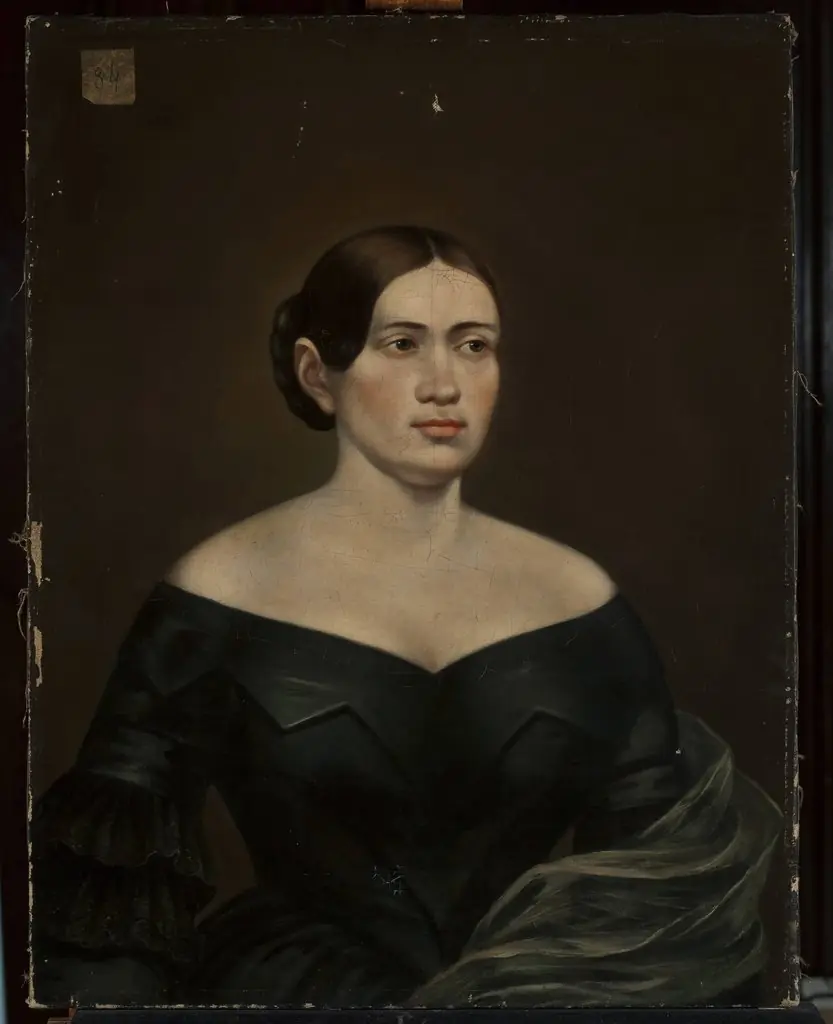 Portrait of Princess Tenisheva
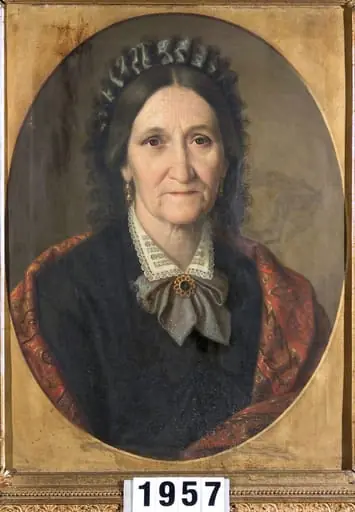 Anastasia Bozianu
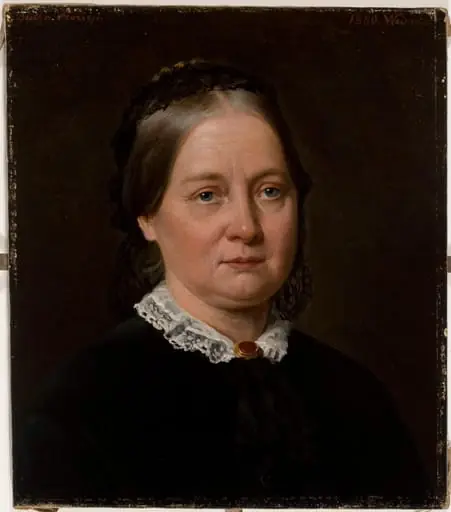 Victoria Åbergin muotokuva
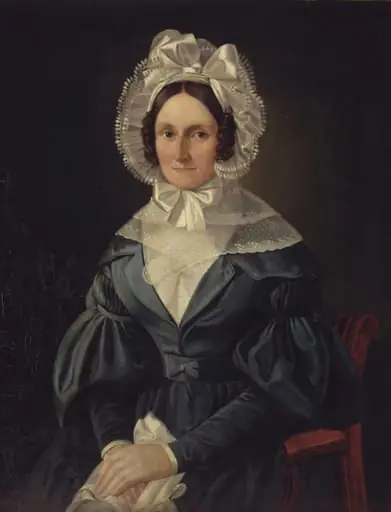 Anna Theodora Barbara Regenburg, f. Wetche
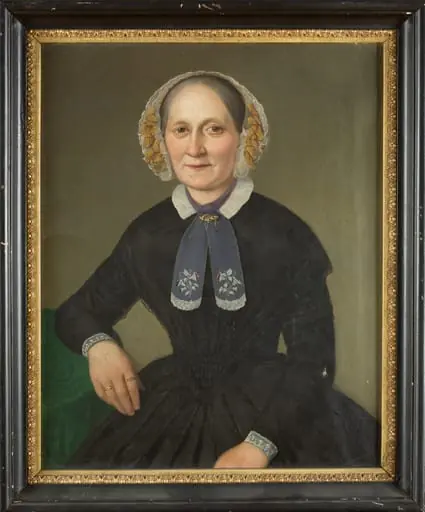 Frauenportrait
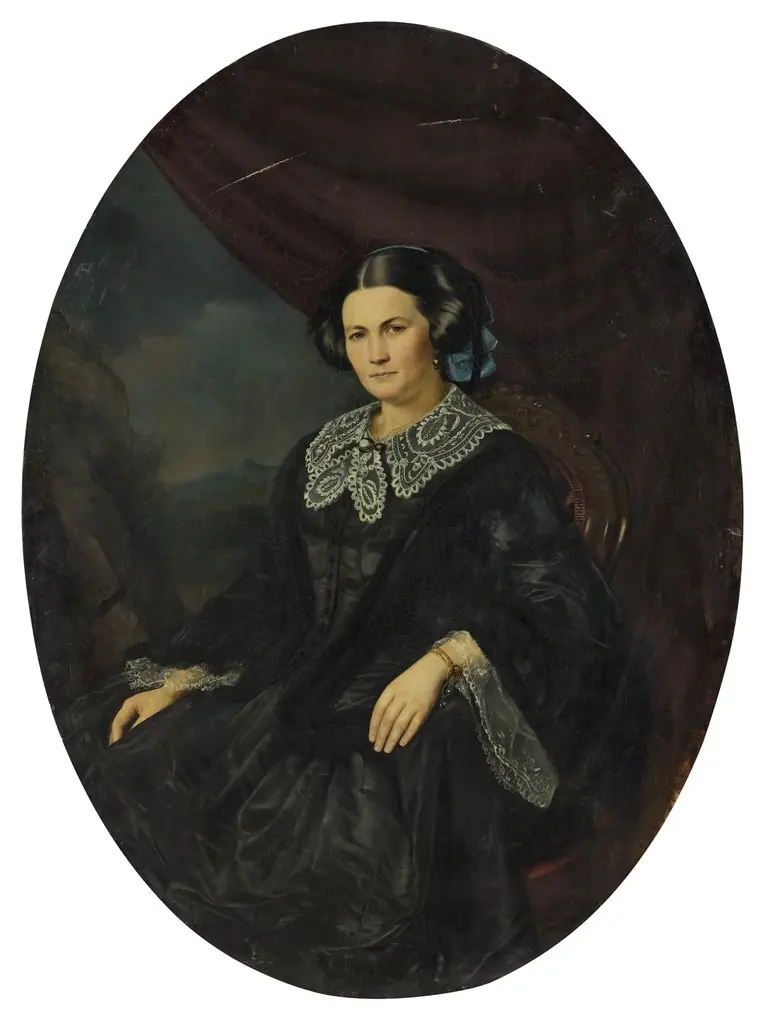 Portrait of E.K. Rukavishnikova
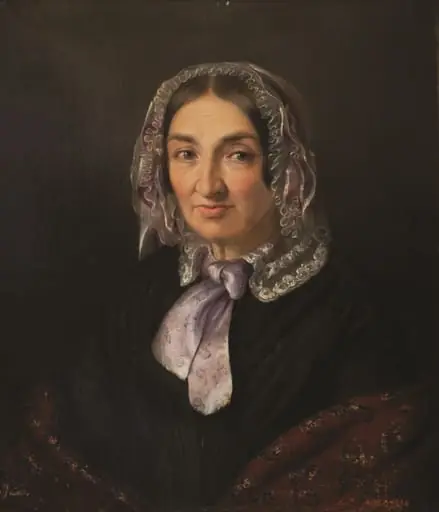 Portretul Elisabetei Steege
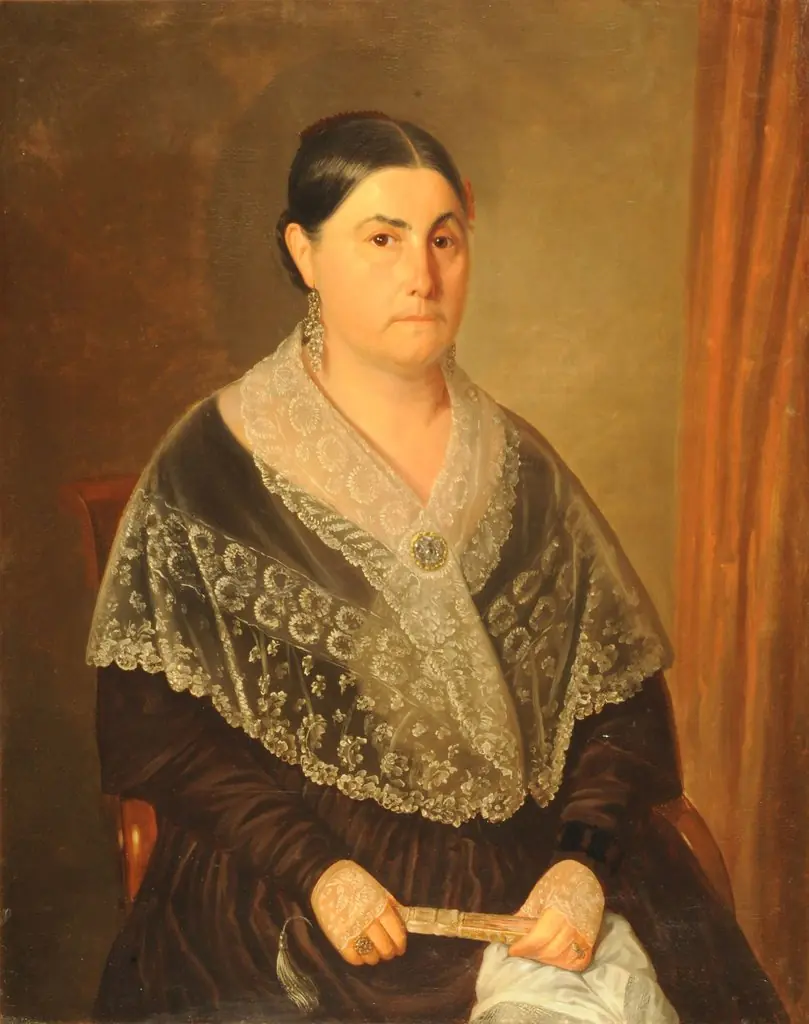 Retrato de señora
 Julia Hulbert Hubbard