Artwork
Retrato de señora
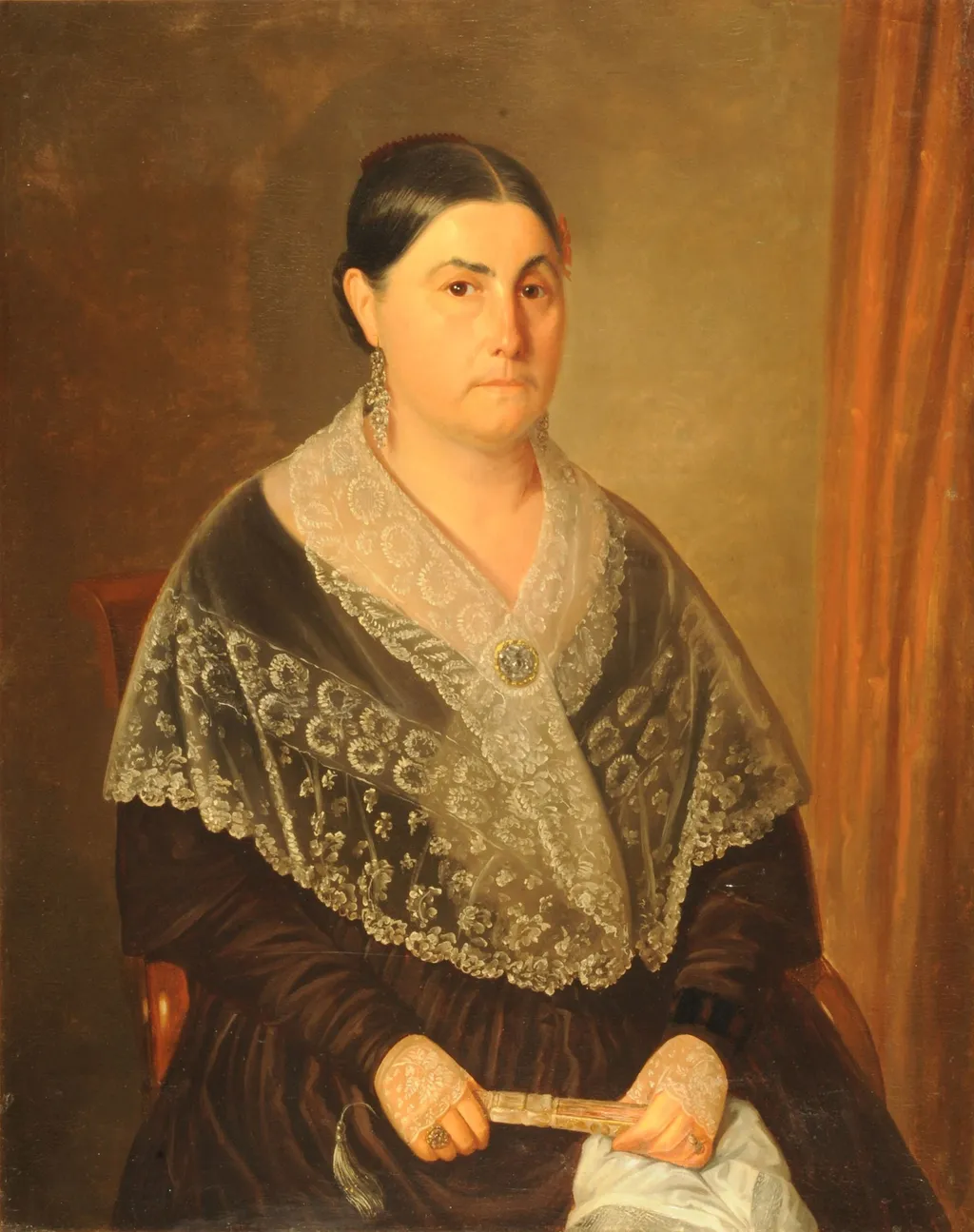
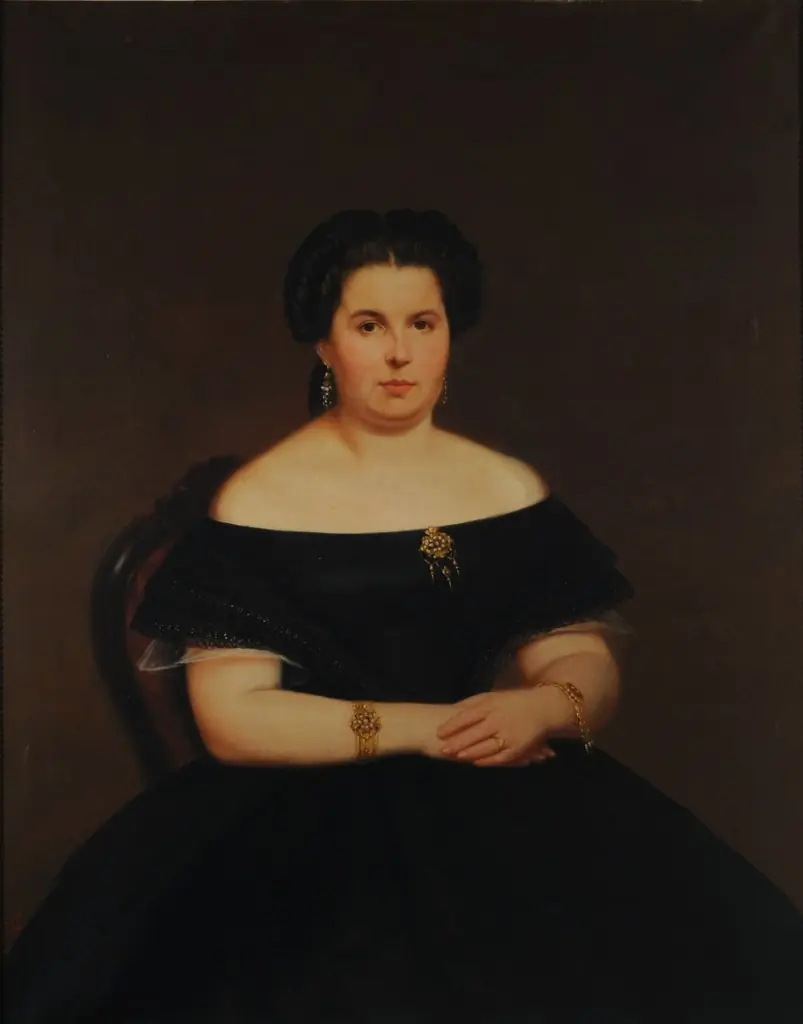
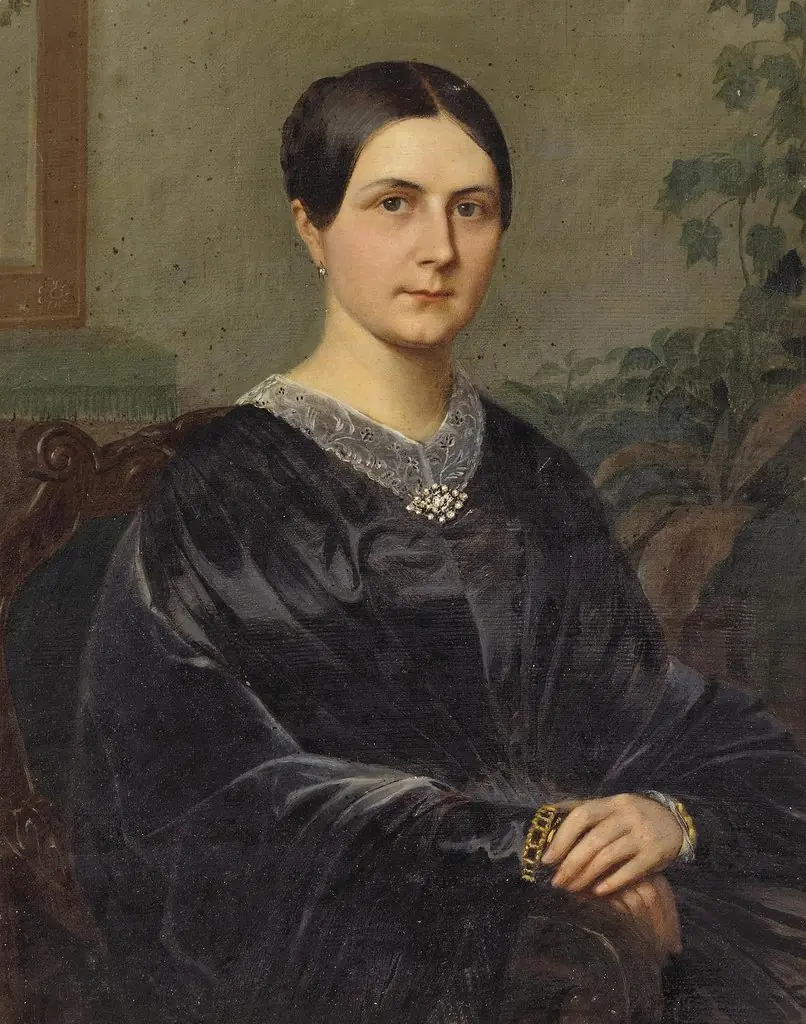
Retrato de señora is an oil painting by Fernando García del Molino. It dates from 1863 and is held in the collection of the National Museum of Fine Arts, Argentina.
About this work
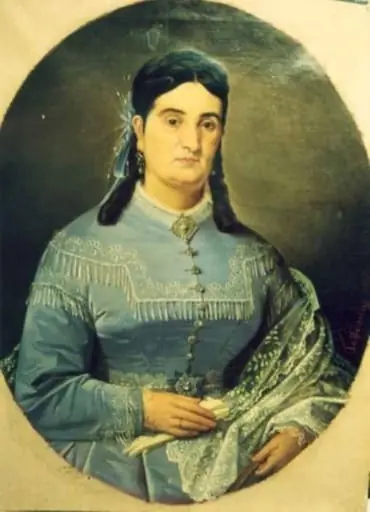
This painting features a woman sitting in a chair, wearing a dark dress with a lace shawl draped over her shoulders.
This painting features a woman sitting in a chair, wearing a dark dress with a lace shawl draped over her shoulders. She holds a fan in her hands and has a brooch on her chest. The background is a warm, brown color.
The woman's attire and accessories suggest a formal setting, possibly from the 19th century. The artist's use of oil paint creates a rich, textured look.
To learn more about the artist's techniques, explore the glazing method.
Overview
Created around 1863, *Retrato de señora* is an oil-on-canvas portrait by Fernando García del Molino, an artist born in Chile who became a naturalized Argentine. The work is part of the National Museum of Fine Arts in Buenos Aires’ permanent collection. García del Molino was known for his precision in portraiture, often translating photographic references into painted form, which lent his subjects a quiet, observed realism uncommon in mid-century Latin American painting.
Subject & Meaning
The portrait depicts a woman seated in a formal pose, dressed in a dark gown with a lace shawl and adorned with a brooch. She holds a fan, a common accessory signaling social refinement. Her expression is composed, her gaze direct but reserved, suggesting a deliberate presentation of dignity and propriety. The setting is minimal, focusing attention on her attire and demeanor, reflecting 19th-century ideals of feminine decorum and class identity.
Technique & Style
García del Molino employed oil paint with careful layering, likely using glazing techniques to achieve subtle tonal transitions and a luminous surface. The texture of the lace shawl and the sheen of the brooch are rendered with precision, indicating close observation. The warm brown background isolates the figure without distraction, enhancing the portrait’s intimate, almost photographic clarity—a hallmark of his method when working from daguerreotypes.
History & Provenance
The painting has remained in Argentina since its creation, entering the collection of the National Museum of Fine Arts in Buenos Aires. Its continuous presence in the museum’s holdings suggests early recognition of its artistic merit. García del Molino’s reputation as a portraitist, particularly among Buenos Aires’ elite, likely contributed to its preservation. No significant changes in ownership or restoration are documented in public records.
Context
In the 1860s, Argentina was consolidating its national identity, and portraiture served as a tool for documenting social status. García del Molino, trained in both fine art and lithography, bridged European academic traditions with local tastes. His use of photographic references aligned with a broader trend in Latin America, where artists adapted new technologies to capture likeness with greater accuracy, moving beyond idealized conventions.
Legacy
García del Molino’s portraits, including this one, are valued for their role in documenting middle- and upper-class life in 19th-century Argentina. His integration of photographic realism into oil painting influenced later generations of local artists. While not widely celebrated internationally, his work remains a key reference in Argentine art history for its technical discipline and cultural specificity.
Own this work as a print
Artist & collection
Artist
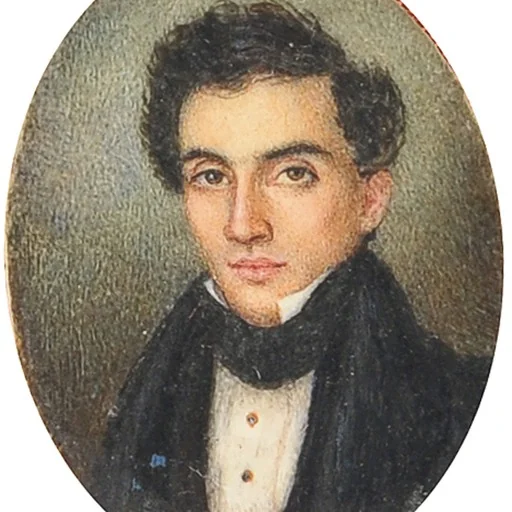
Fernando García del Molino (23 March 1813, Santiago — 1899, Buenos Aires) was a Kingdom of Chile-born (later naturalized Argentine) portrait painter, miniaturist and lithographer.

Museum
National Museum of Fine Arts, Argentina
Continue through works from the same source collection.