Artwork
Untitled
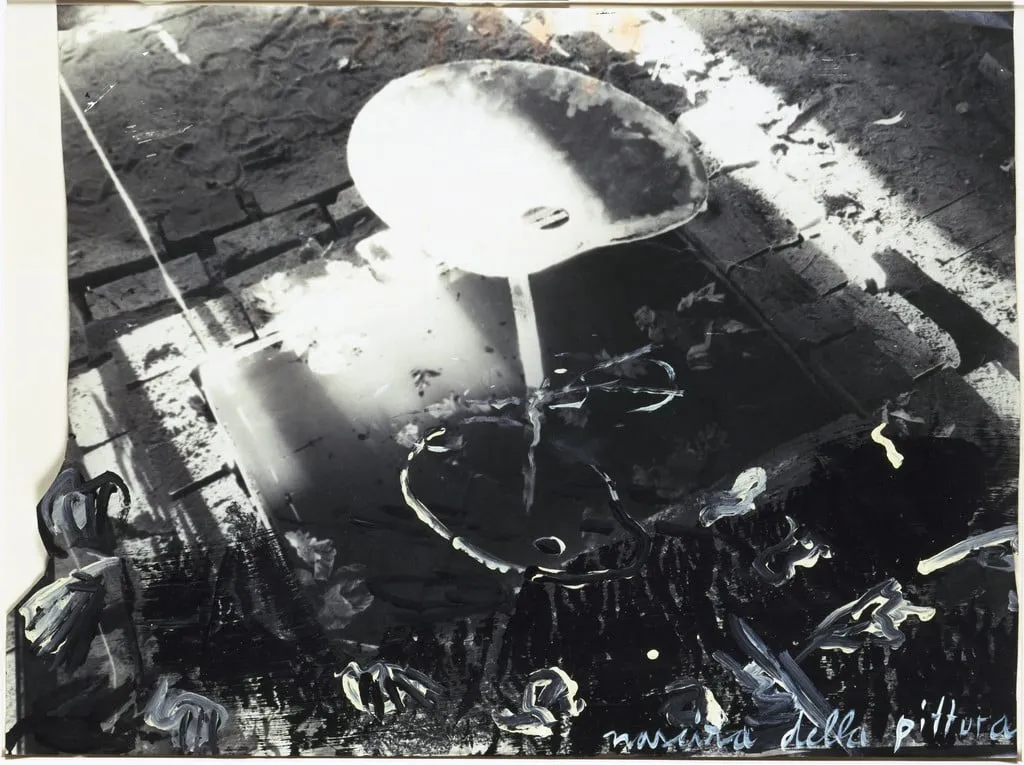
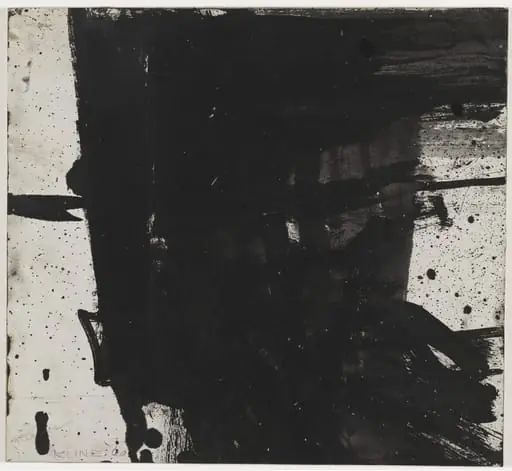
Untitled is an oil drawing by Anselm Kiefer. It dates from 1981 and is held in the collection of the Museum of Modern Art.
About this work
Overview
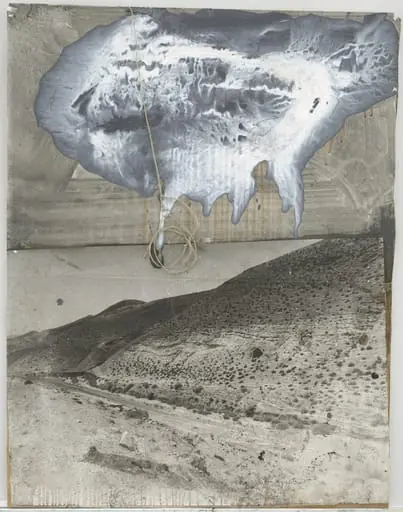
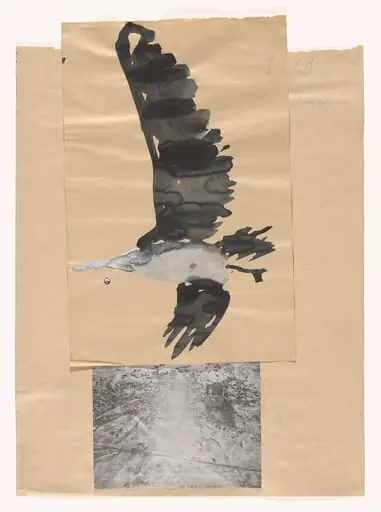
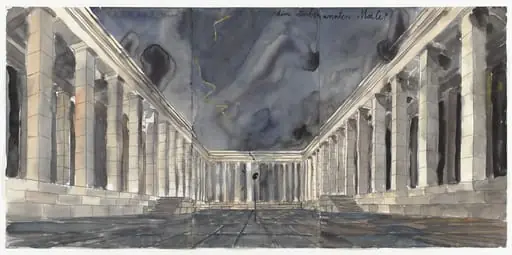
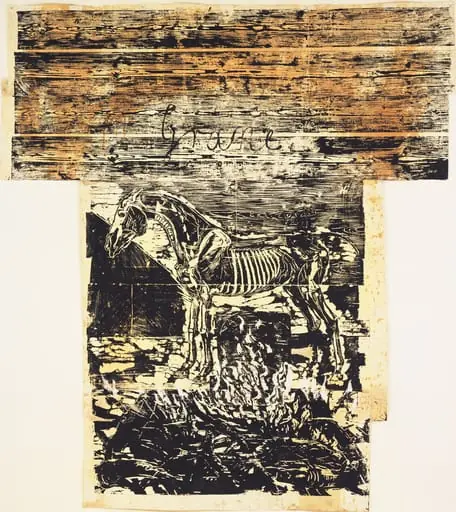
Created in 1981, this work by Anselm Kiefer combines synthetic polymer paint and oil applied to a gelatin silver photographic print.
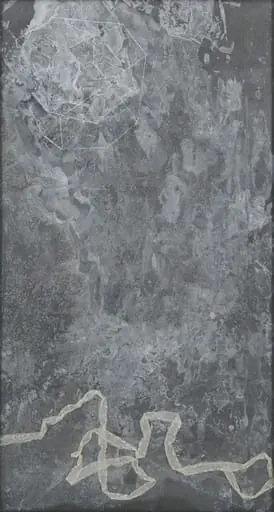
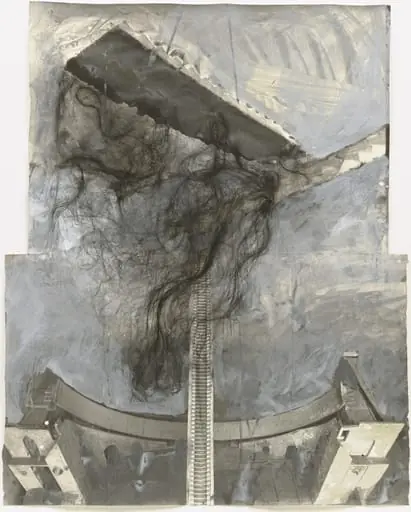
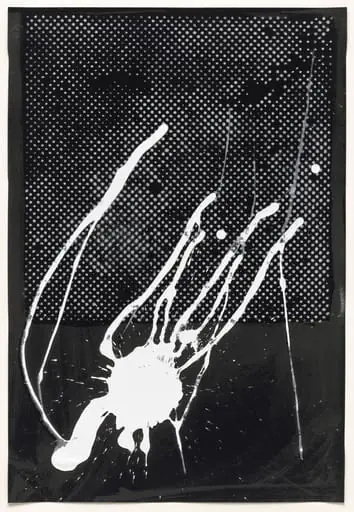
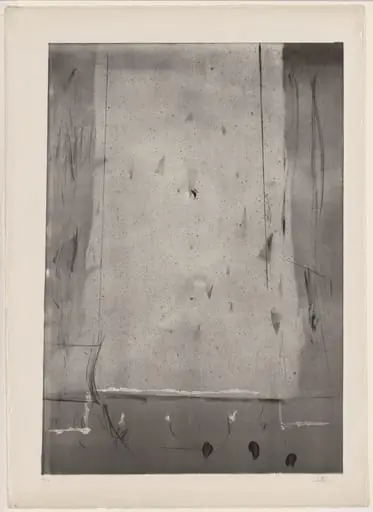
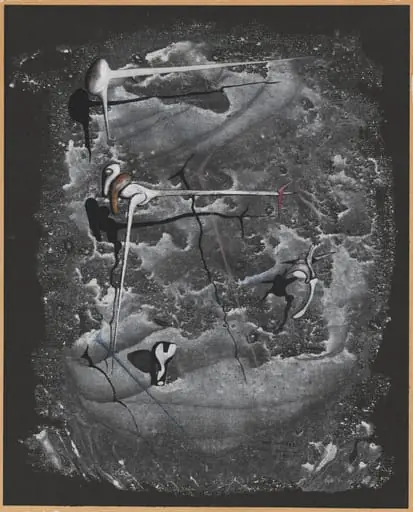
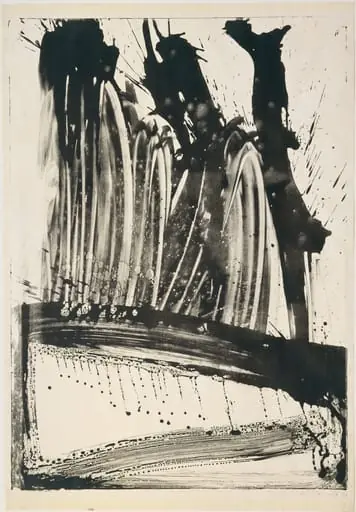
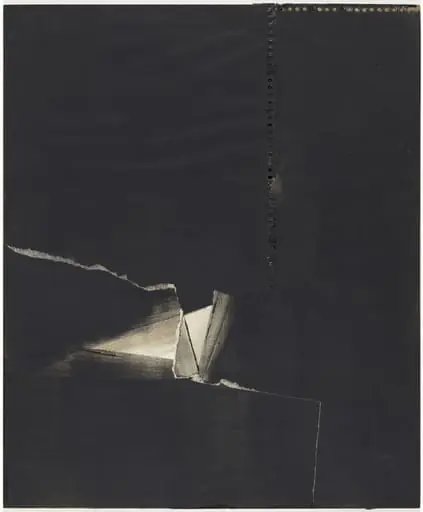
Created in 1981, this work by Anselm Kiefer combines synthetic polymer paint and oil applied to a gelatin silver photographic print. The surface is densely layered, with paint applied in thick, textured strokes that suggest physical erosion. The image presents a dark, fractured ground illuminated by a single vertical band of light, evoking a sense of ruin and quiet revelation without literal representation.
Subject & Meaning
The work suggests a desolate interior space, possibly a ruined architecture or scorched earth, rendered through abstraction. The stark contrast between the dark, cracked surface and the sharp beam of light implies a moment of revelation or memory emerging from destruction. Faint, illegible script in the corner hints at lost texts or erased histories, reinforcing themes of cultural memory and decay.
Technique & Style
Kiefer employed impasto techniques, building up paint in heavy, scraped layers that catch light and cast shadows. The oil and polymer paint interact with the photographic base, creating a hybrid surface that blurs the line between photography and painting. The monochromatic palette of black, white, and gray heightens the tactile quality of the texture, emphasizing materiality over color.
History & Provenance
The work entered the collection of The Museum of Modern Art in New York, where it remains part of its permanent holdings. It was produced during a period when Kiefer was deeply engaged with postwar German identity and the weight of historical memory, following his earlier series on myth, nationalism, and ruin. Its acquisition reflects institutional recognition of his critical engagement with history through material form.
Context
Made in the early 1980s, this piece emerged amid broader European artistic inquiries into trauma, memory, and national identity after World War II. Kiefer’s use of industrial materials and fragmented imagery responded to the physical and psychological ruins of Germany’s past. The work resists narrative clarity, instead inviting contemplation of absence and the persistence of history in material traces.
Legacy
This work exemplifies Kiefer’s enduring influence on contemporary art’s engagement with history through materiality. Its fusion of photography and paint expanded the possibilities of mixed-media practice, inspiring artists to treat surfaces as repositories of memory. The piece continues to be referenced in discussions about art’s role in confronting collective trauma and the aesthetics of decay.
Artist & collection

Artist
Anselm Kiefer is a German painter and sculptor. He studied with Peter Dreher and Horst Antes at the end of the 1960s. His works incorporate materials such as straw, ash, clay, lead, and shellac. The poems of Paul Celan…