Artwork
Portrait of a Man with a Cleft Lip
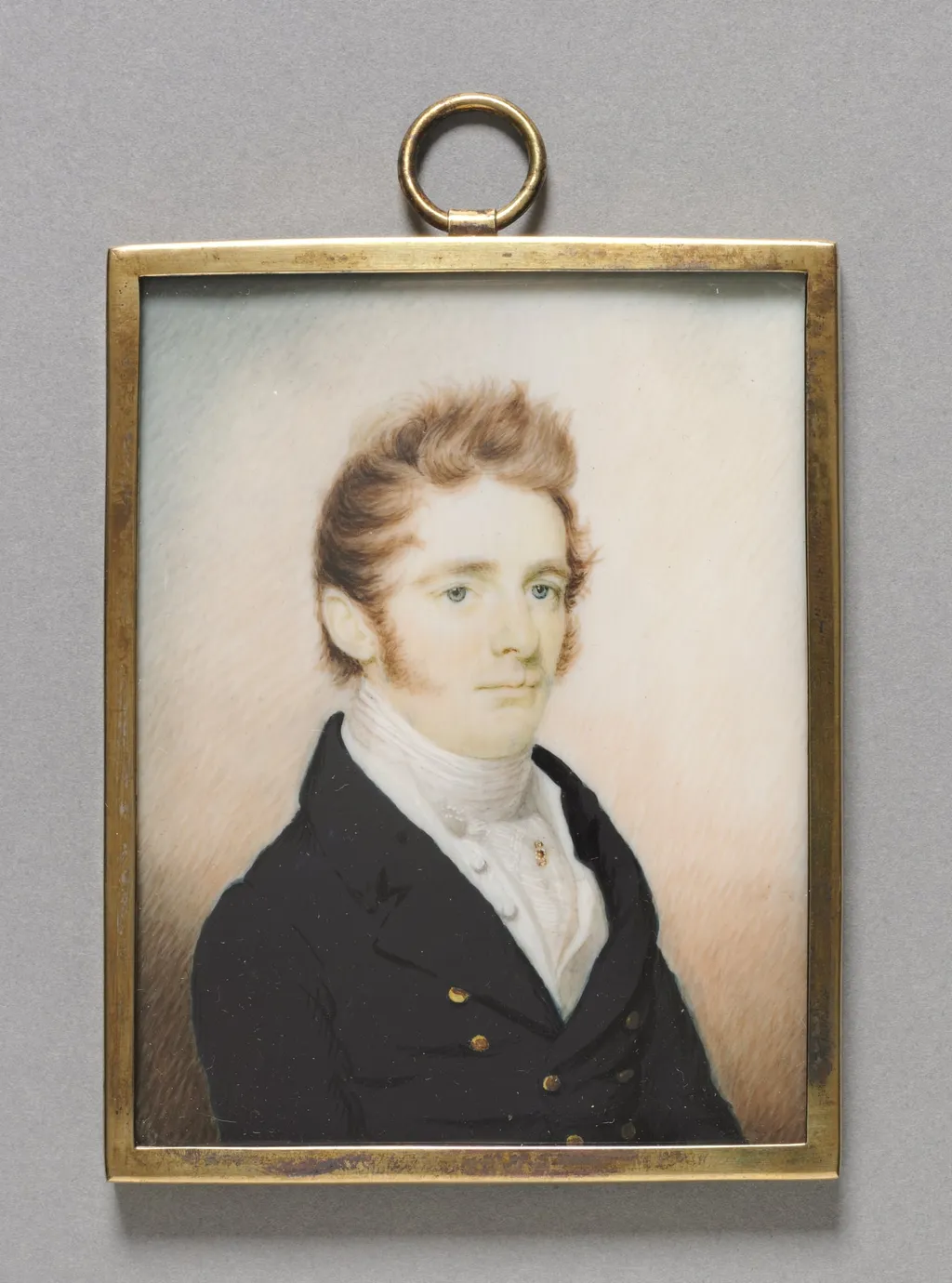
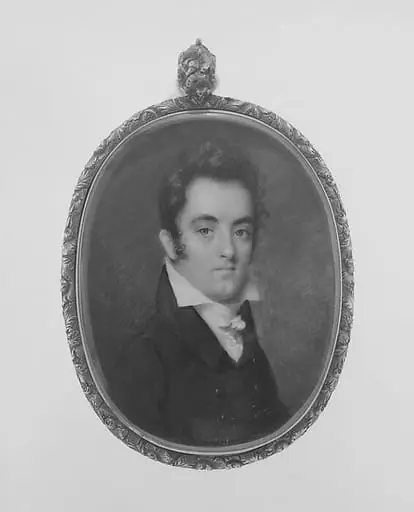
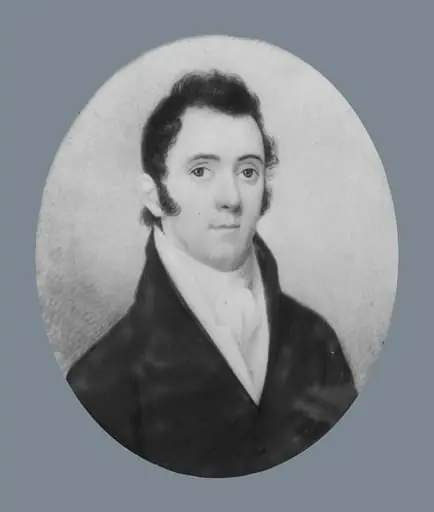
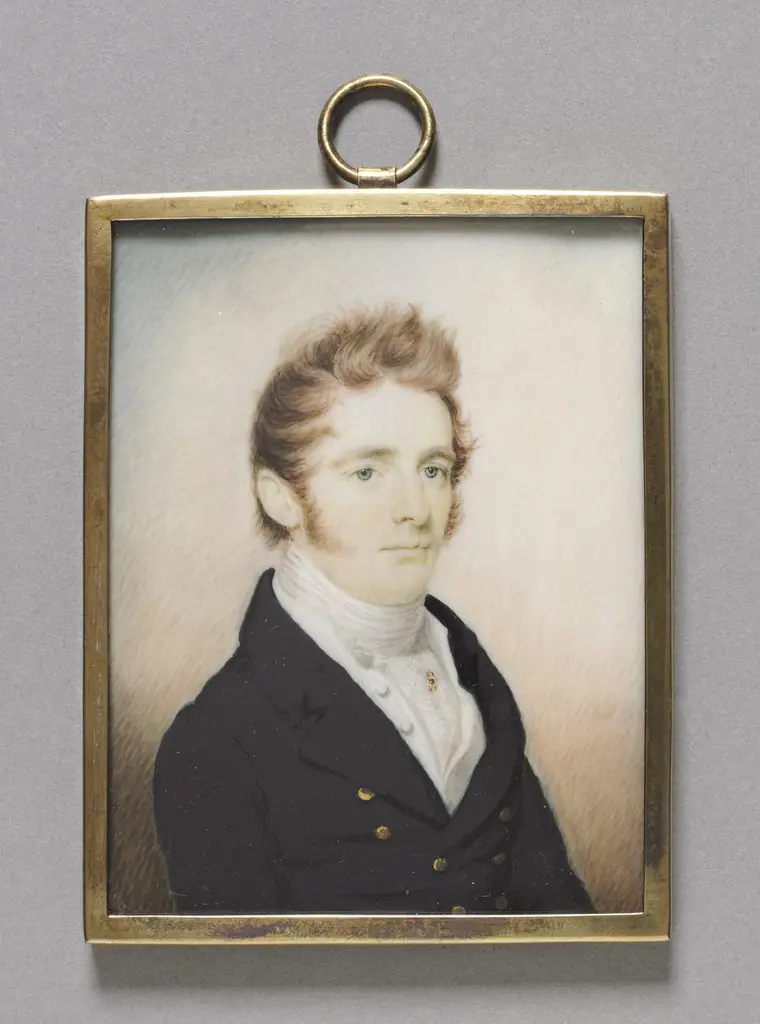
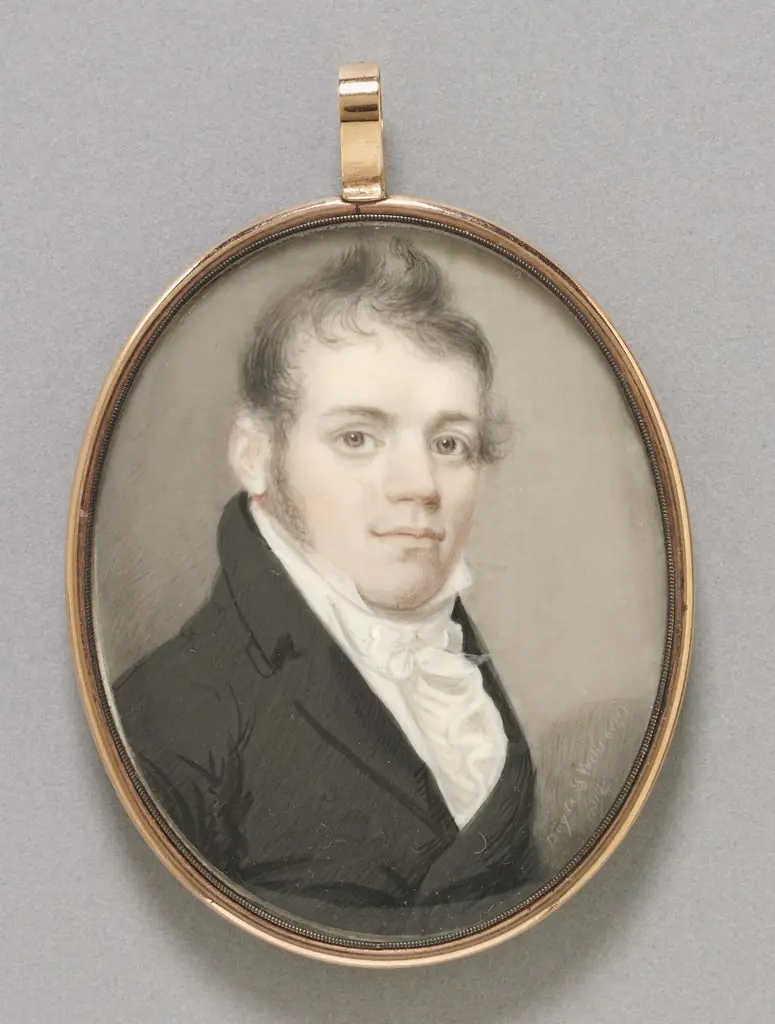
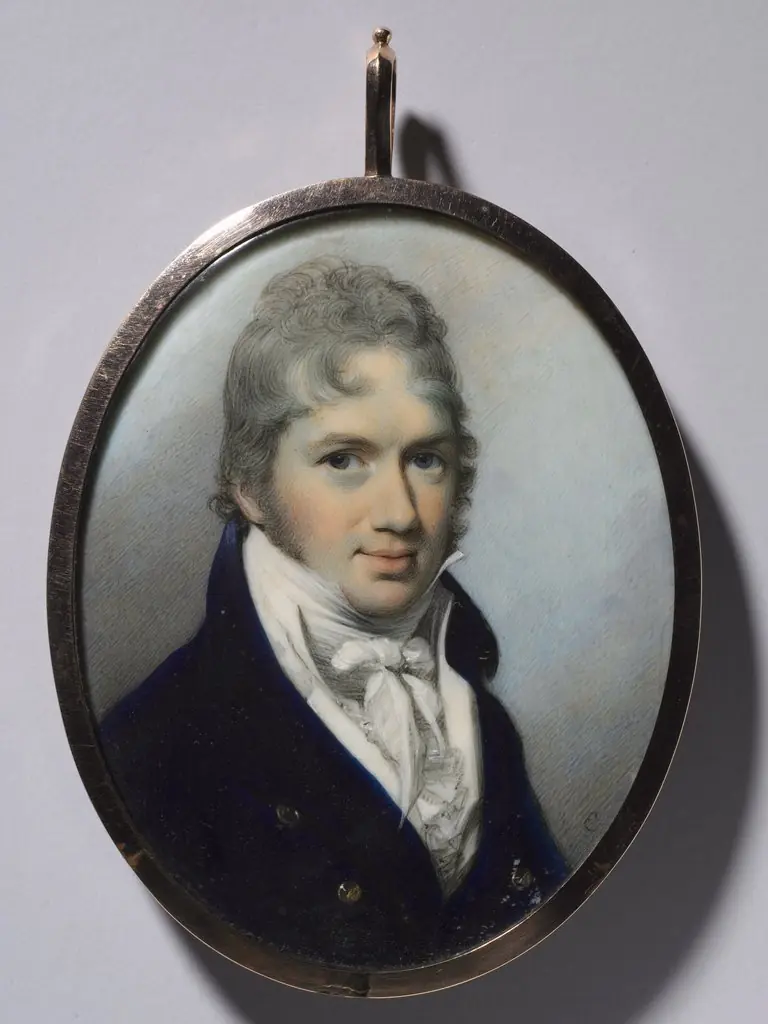
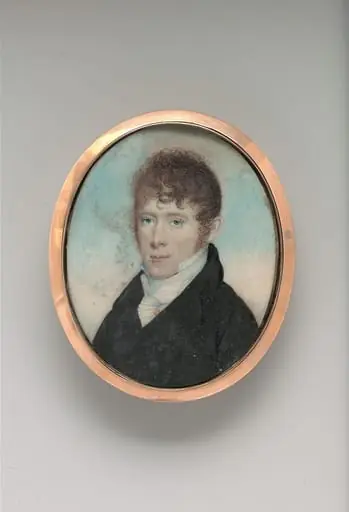
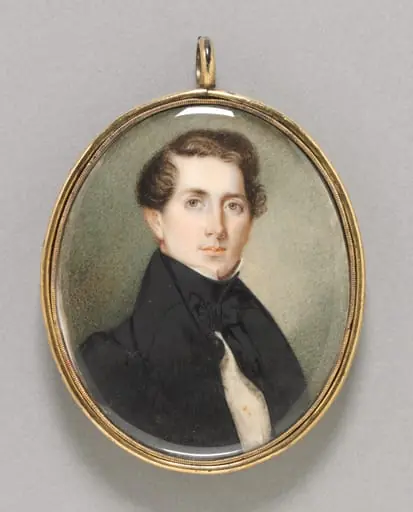
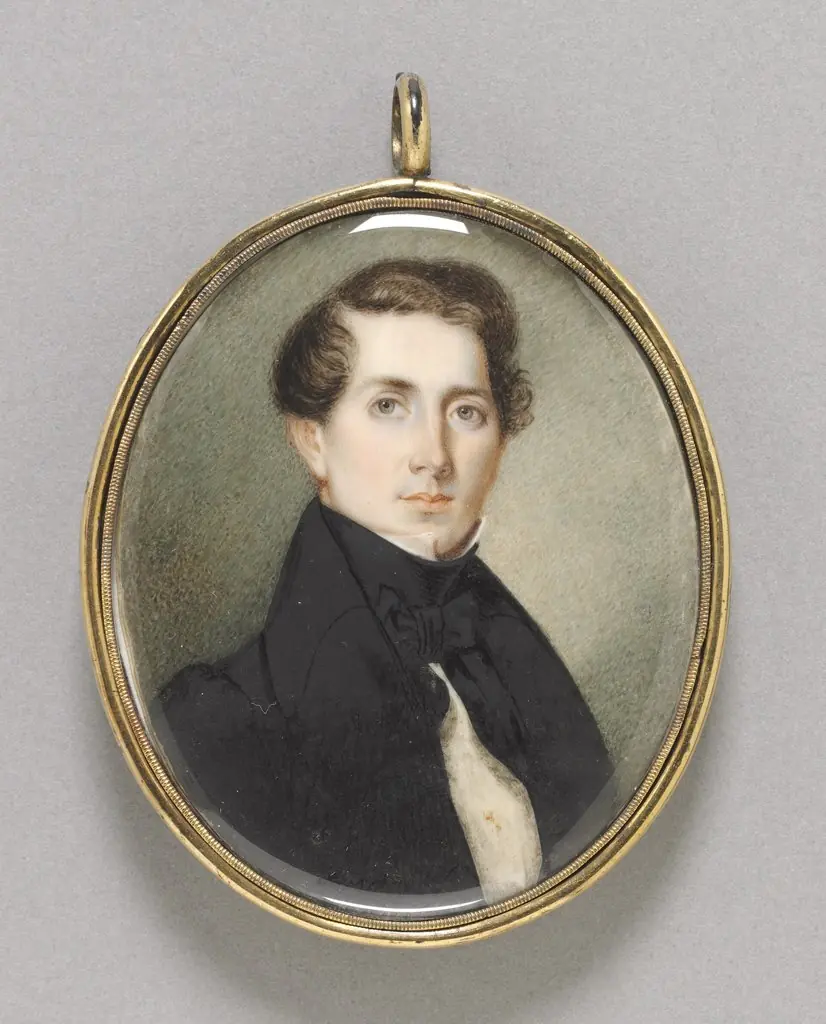
Portrait of a Man with a Cleft Lip is an unspecified portrait miniature by the American Folk Art artist Anson Dickinson. It dates from 1824 and is held in the collection of the Cleveland Museum of Art.
About this work
Overview
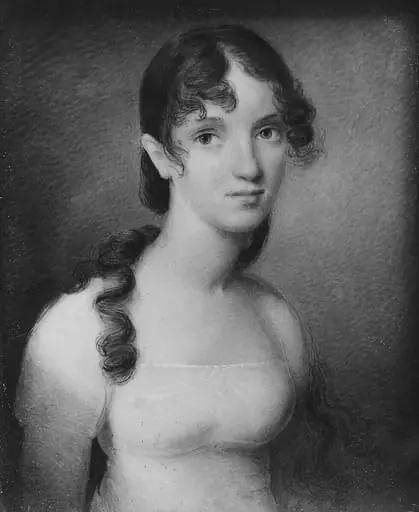
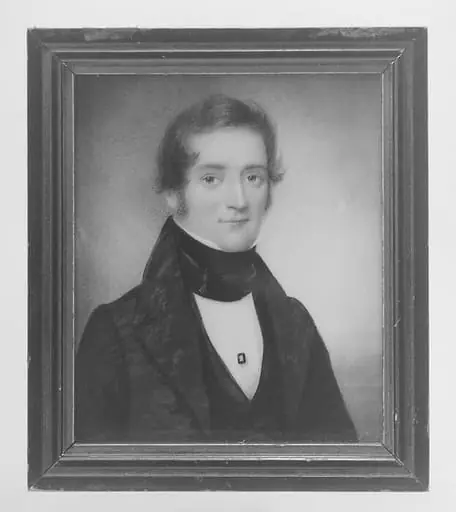
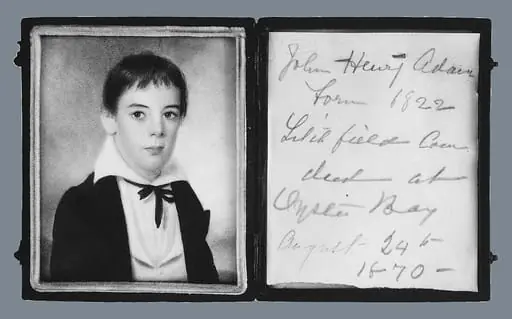
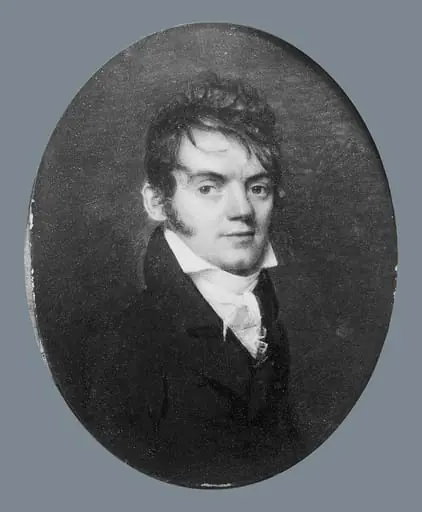
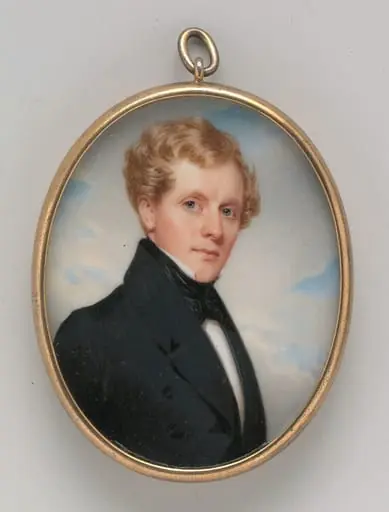
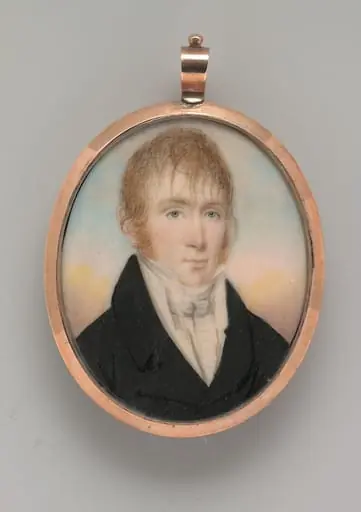
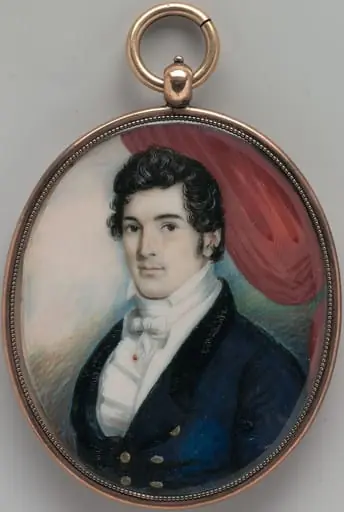
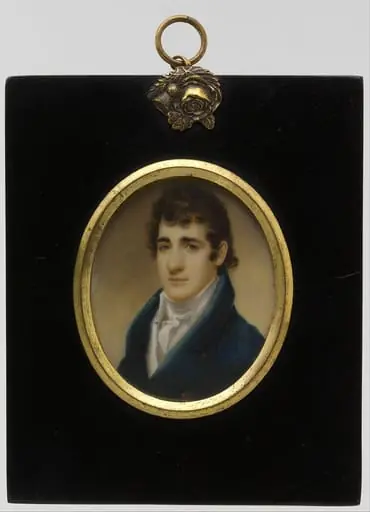
Painted around 1824 by American artist Anson Dickinson, this miniature portrait depicts a man with a cleft lip, rendered in watercolor on ivory.
Painted around 1824 by American artist Anson Dickinson, this miniature portrait depicts a man with a cleft lip, rendered in watercolor on ivory. Dickinson, active in the early 19th century, specialized in small-scale portraiture for middle-class patrons. The work is part of The Cleveland Museum of Art’s collection and exemplifies the quiet precision of American folk portraiture, where personal identity was captured with restrained elegance rather than grandeur.
Subject & Meaning
The sitter, a man with a visible facial difference, is portrayed with direct gaze and solemn demeanor, avoiding idealization. His attire—a dark coat, white collar, and small brooch—suggests modest respectability. The unembellished focus on his features, including the cleft lip, implies an intention to document rather than conceal, reflecting a shift toward honest representation in early American portraiture, where character was valued over social pretense.
Technique & Style
Executed in watercolor on ivory, the miniature employs fine, controlled brushwork to model the sitter’s face with subtle gradations of light. Dickinson rendered curls of hair and the texture of fabric with delicate precision, while the plain background isolates the figure, heightening psychological presence. Soft transitions between shadow and highlight lend volume without theatricality, characteristic of the American folk tradition’s emphasis on clarity and intimacy over ornament.
History & Provenance
Anson Dickinson produced hundreds of miniature portraits between the 1810s and 1840s, primarily for clients in New England and New York. This work entered The Cleveland Museum of Art’s collection through documented acquisition, though the original owner remains unidentified. Its survival reflects the durability of ivory supports and the enduring interest in vernacular portraiture, even as Dickinson’s name faded from mainstream art history after his death.
Context
In the 1820s, miniature portraiture was a practical medium for personal keepsakes, often exchanged among families or worn as jewelry. Unlike European academic traditions, American artists like Dickinson worked without institutional backing, relying on local patronage. This portrait’s unvarnished depiction of a physical difference aligns with a growing cultural openness to individuality, even as societal norms still favored conformity.
Legacy
Though Dickinson’s name is no longer widely recognized, his body of work offers insight into the visual culture of early America’s non-elite classes. This portrait stands as a quiet testament to the dignity afforded ordinary subjects in folk art, challenging assumptions about who was deemed worthy of representation. Its preservation underscores the value placed on personal memory over public fame in 19th-century American life.
Artist & collection

Artist
Anson Dickinson (19 April 1779 – 9 March 1852) was an American painter of miniature portraits who achieved fame during his lifetime, producing a very large number of works, but who is now largely forgotten.