Artwork
A Man Riding a Horse
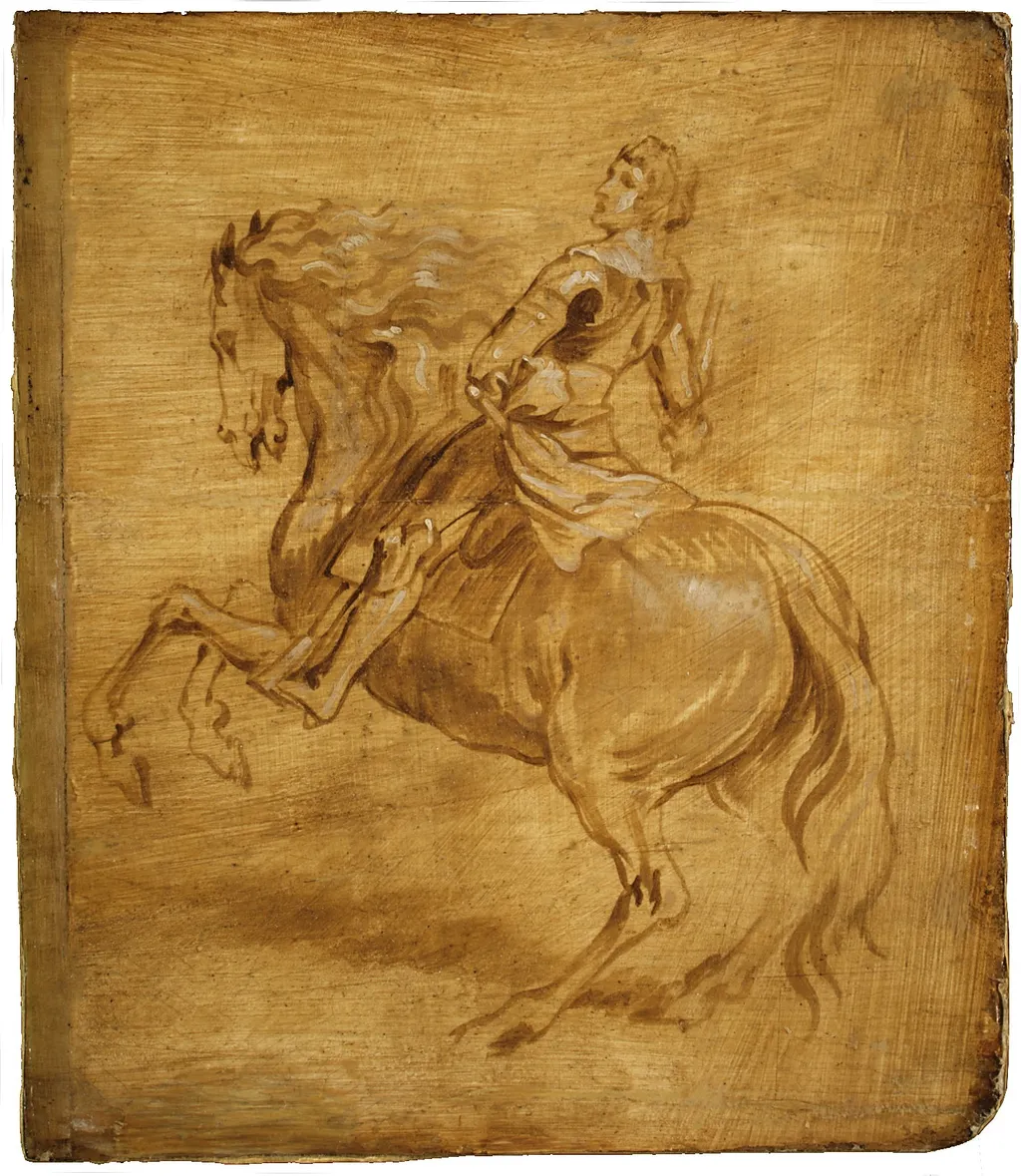
A Man Riding a Horse is an oil painting by the Flemish Baroque painting artist Anthony van Dyck. It dates from 1630 and is held in the collection of the Metropolitan Museum of Art.
About this work
Overview
Created in 1630 by the Flemish Baroque artist Anthony van Dyck, this oil painting depicts a solitary rider astride a horse captured in mid‑stride. The composition is concise, set against an unadorned background that isolates the figures and emphasizes their dynamic interaction. The work is part of the permanent collection of the Metropolitan Museum of Art in New York.
Subject & Meaning
The image presents a man seated upright on a horse whose front leg is raised, suggesting motion and control. The rider’s relaxed grip on the reins conveys a sense of confidence, while the horse’s muscular tension underscores the vitality of the scene. The straightforward subject reflects van Dyck’s interest in portraying aristocratic or equestrian themes with a focus on poise and presence.
Technique & Style
Van Dyck employs a Baroque sensibility, using chiaroscuro to model the figures and impart depth. Thick applications of paint—impasto—appear on the horse’s musculature and the rider’s garments, creating a tactile surface that catches light. The overall brushwork balances detailed rendering with fluid movement, characteristic of the period’s emphasis on realism and dramatic effect.
History & Provenance
After establishing his reputation in the Spanish Netherlands and Italy, van Dyck moved to England where he became the leading court painter. This early work, dated to 1630, predates his English period. It entered the Metropolitan Museum of Art’s collection through acquisition in the early twentieth century, where it remains on display.
Context
The painting belongs to a phase when van Dyck was refining his portraiture and equestrian subjects, drawing on influences from Rubens and Italian masters.
The painting belongs to a phase when van Dyck was refining his portraiture and equestrian subjects, drawing on influences from Rubens and Italian masters. Its focus on a single rider aligns with contemporary courtly imagery that celebrated horsemanship as a symbol of status and power. The work exemplifies the transition from the more elaborate compositions of early Baroque toward a cleaner, more intimate visual language.
Artist & collection
Artist
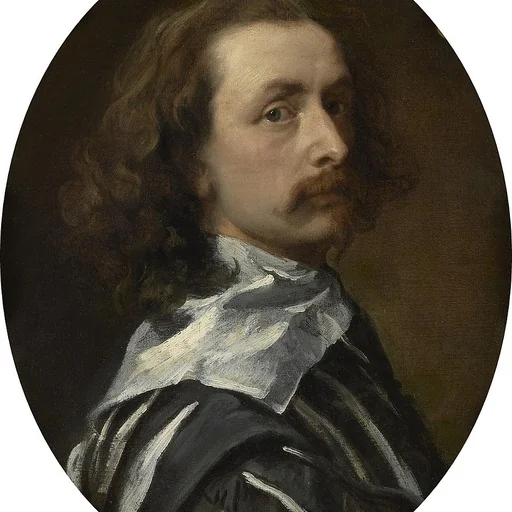
Sir Anthony van Dyck (; Dutch: Antoon van Dijck ; 22 March 1599 – 9 December 1641) was a Flemish Baroque artist, who became the leading court painter in England after success in the Spanish Netherlands and Italy.