Artwork
Deposition
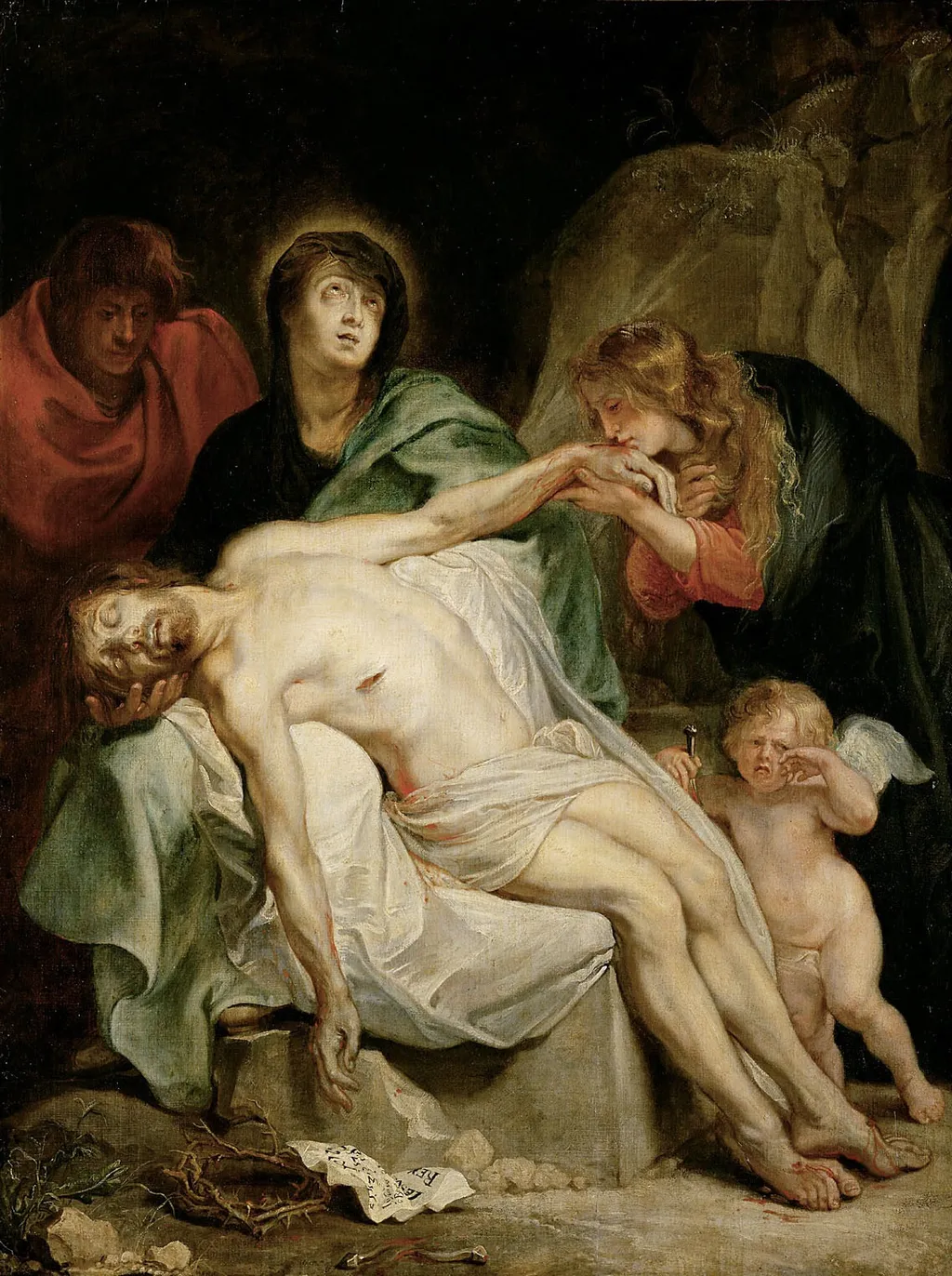
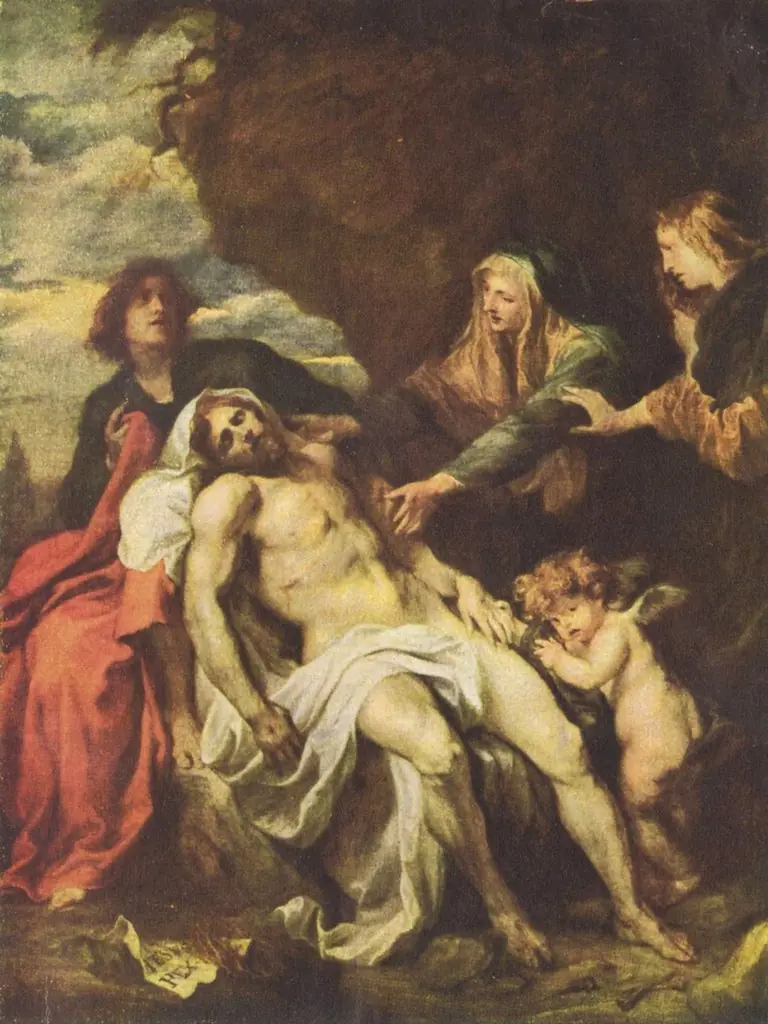
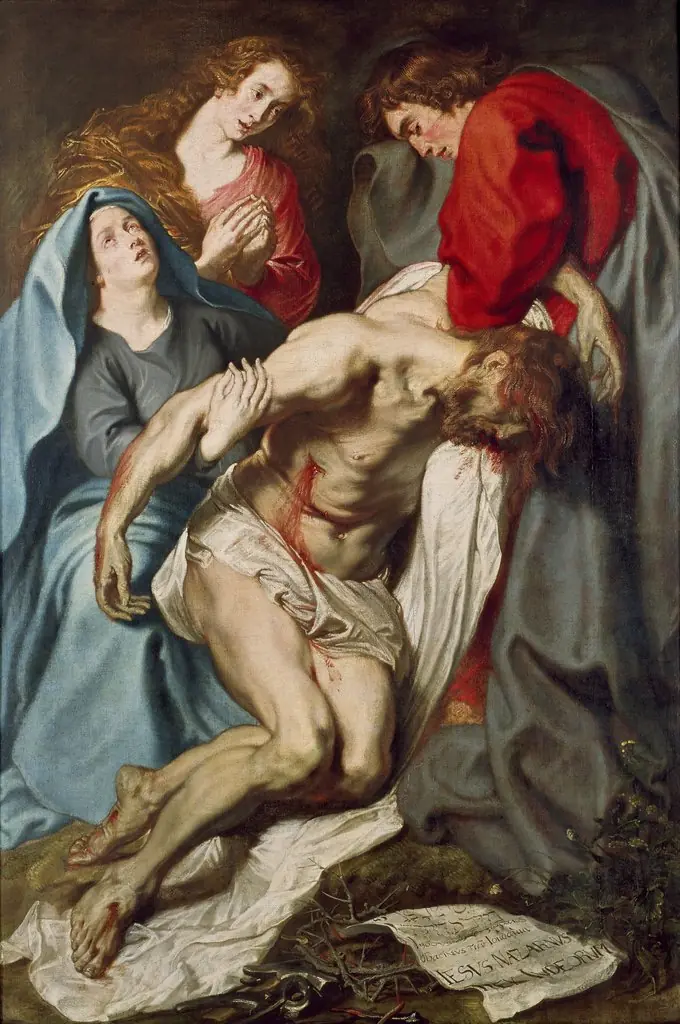
Deposition is an oil painting by the Flemish Baroque painting artist Anthony van Dyck. It dates from 1618 and is held in the collection of the Kunsthistorisches Museum.
About this work
It dates from about 1618‑20 and was acquired by the Kunsthistorisches Museum in 1720.
Deposition is a painting by Flemish artist Anthony van Dyck, created around 1618. It is done in oil paint.
The work is also known as Lamentation over the Dead Christ. It dates from about 1618‑20 and was acquired by the Kunsthistorisches Museum in 1720. The museum in Vienna now holds this early Van Dyck piece.
It shows Van Dyck's developing skill in handling figures and light. The painting reflects the religious themes common in his early career.
If you liked this, you might also explore the museum: Kunsthistorisches Museum.
Overview
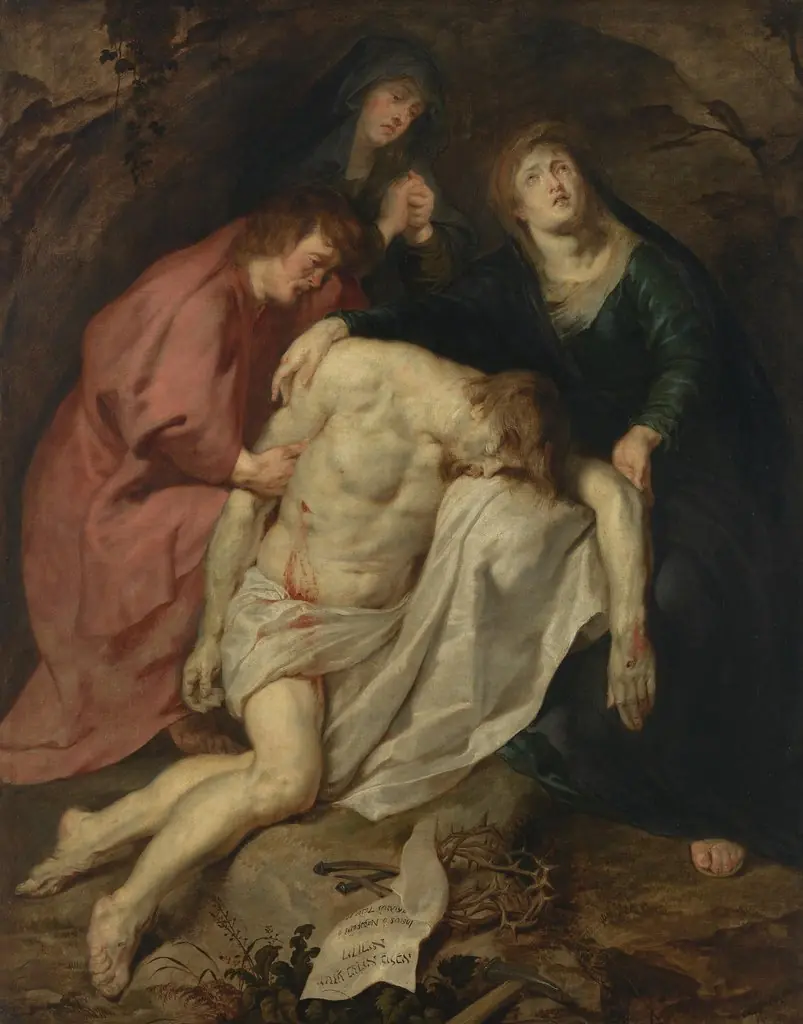
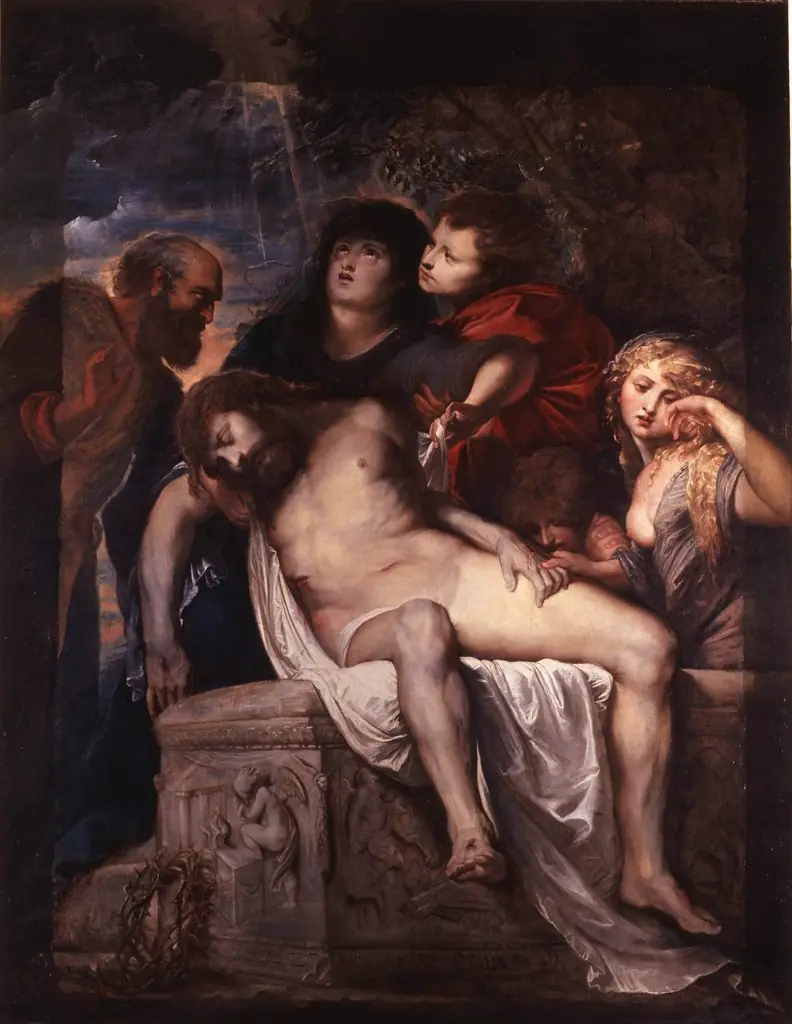
Anthony van Dyck’s early religious work, titled *Deposition* (also known as *Lamentation over the Dead Christ*), is an oil painting executed circa 1618–1620. The composition presents the moment after Christ’s crucifixion, focusing on the sorrowful gathering around his body. Today the canvas belongs to the Kunsthistorisches Museum in Vienna, where it has been displayed since its acquisition in the early eighteenth century.
Subject & Meaning
The scene depicts the biblical deposition of Christ from the cross, a theme frequently explored in Counter‑Reformation art to evoke contemplation of sacrifice and redemption. Van Dyck arranges the figures to emphasize collective grief, using gestures and expressions that convey both personal loss and theological significance, inviting viewers to reflect on the human dimension of the Passion.
Technique & Style
Rendered in oil on canvas, the work showcases van Dyck’s nascent mastery of chiaroscuro, with a restrained palette that highlights the pallor of Christ against a darkened background. The handling of drapery and flesh demonstrates a careful study of anatomy, while the subtle modulation of light creates a sense of intimacy and three‑dimensionality characteristic of early Baroque painting.
History & Provenance
Created during van Dyck’s formative years in Flanders, the painting entered the imperial collection of the Habsburgs in 1720, becoming part of the Kunsthistorisches Museum’s holdings in Vienna. Its presence in the museum reflects the early eighteenth‑century interest of Austrian patrons in acquiring works by prominent Southern Netherlandish artists.
Artist & collection
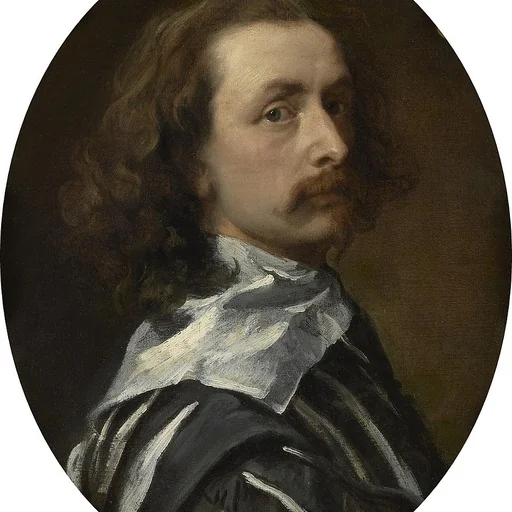
Artist
Sir Anthony van Dyck (; Dutch: Antoon van Dijck ; 22 March 1599 – 9 December 1641) was a Flemish Baroque artist, who became the leading court painter in England after success in the Spanish Netherlands and Italy.