Artwork
Frans Snyders
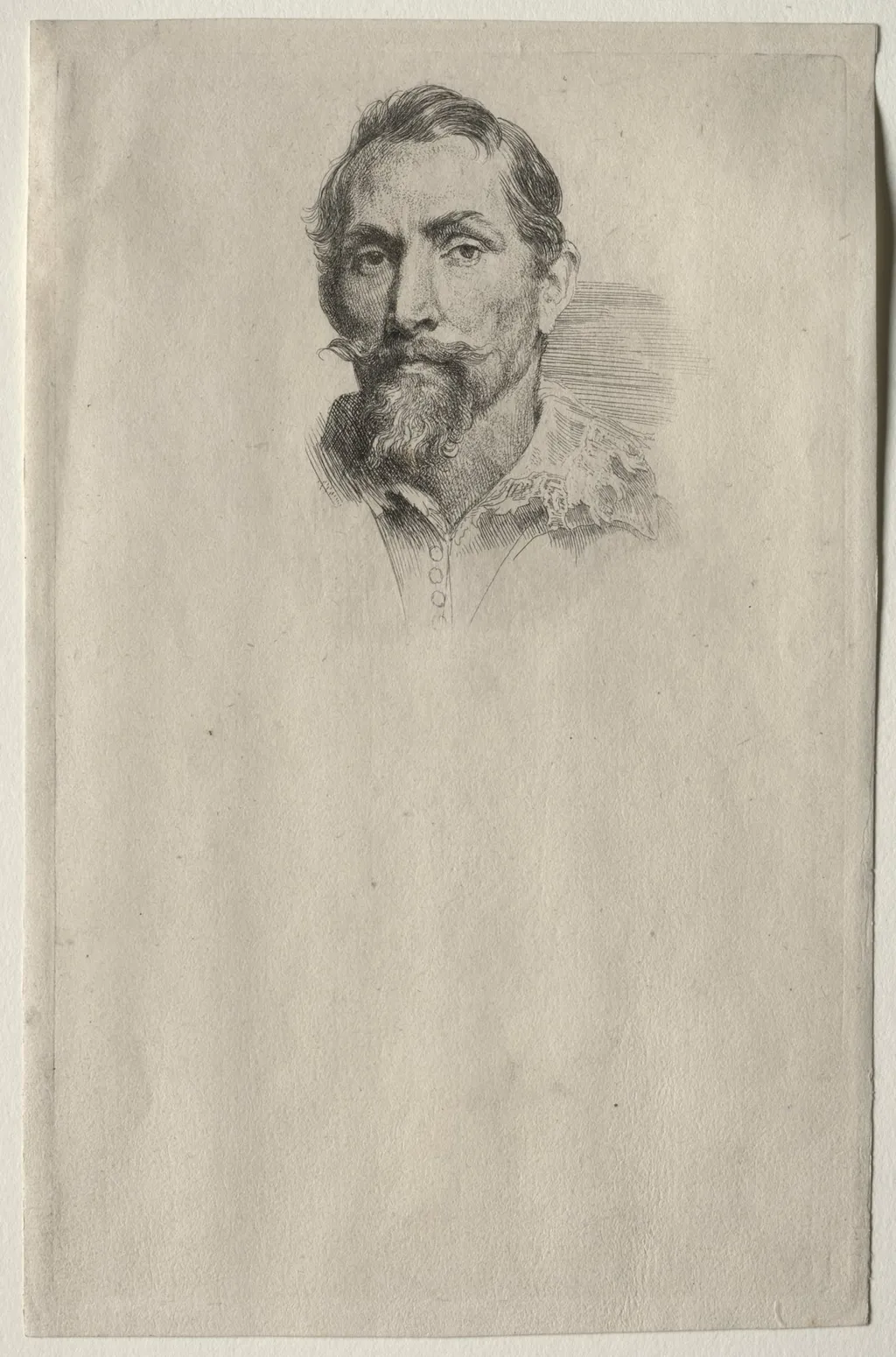
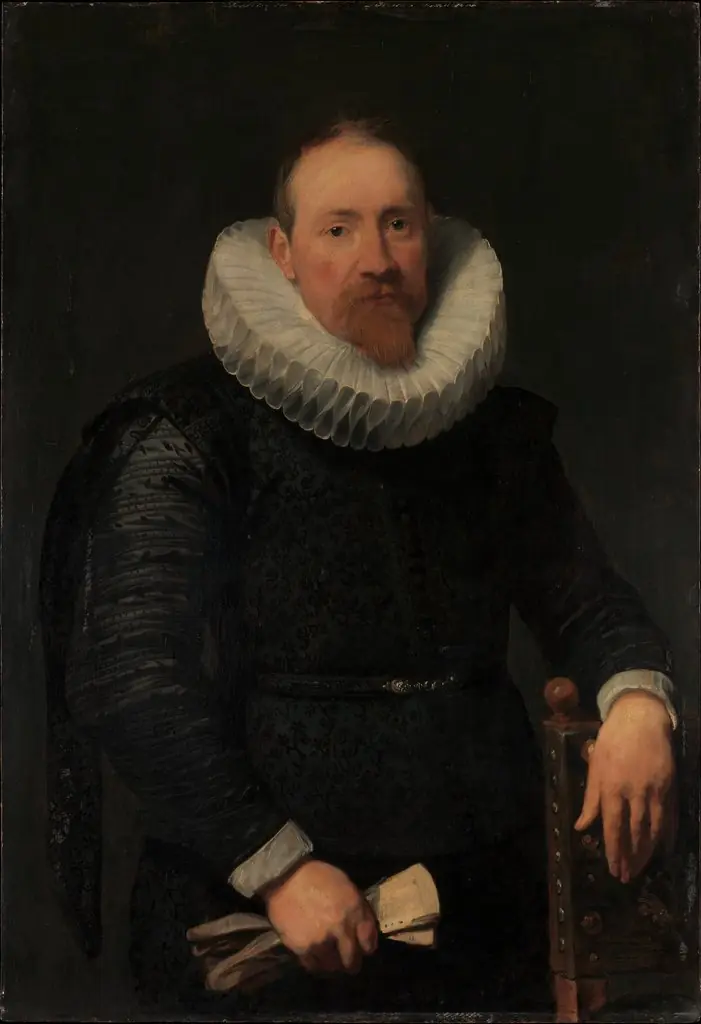
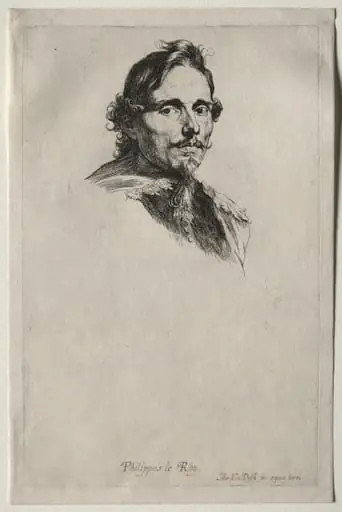
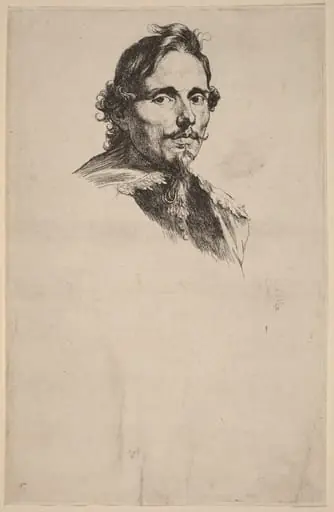
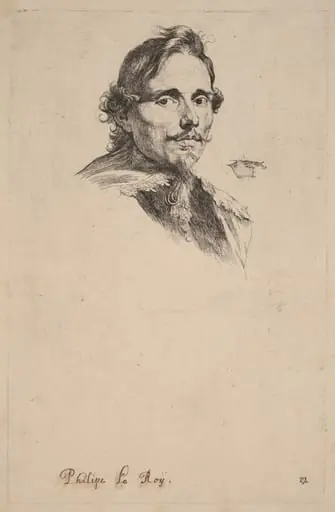
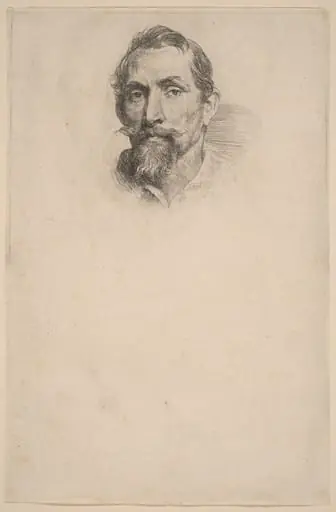
Frans Snyders is a print by the Baroque artist Anthony van Dyck. It dates from 1632 and is held in the collection of the Cleveland Museum of Art.
About this work
Overview
Painted in 1632 by Anthony van Dyck, this portrait captures the Flemish artist Frans Snyders, a noted specialist in still-life and animal subjects.
Painted in 1632 by Anthony van Dyck, this portrait captures the Flemish artist Frans Snyders, a noted specialist in still-life and animal subjects. Van Dyck, already established as a leading portraitist, rendered Snyders with restrained elegance, emphasizing presence over ornament. The work resides in The Cleveland Museum of Art’s collection, reflecting the artist’s role in documenting his peers during the height of Flemish Baroque culture.
Subject & Meaning
Frans Snyders, depicted with a full beard and mustache, gazes directly at the viewer with a composed, unsmiling expression. His attire—elaborate lace collar and dark garments—signals status without ostentation. The portrait affirms his identity as a respected peer within Antwerp’s artistic community, not as a noble patron but as a master craftsman whose reputation warranted formal recognition by a fellow artist of high standing.
Technique & Style
Van Dyck employs fluid brushwork to render texture in Snyders’ collar and hair, contrasting with the flat, neutral background that isolates the figure. The lighting is soft yet directional, modeling the face with subtle gradations. This restrained composition, devoid of props or narrative, reflects van Dyck’s mature style: psychological depth achieved through posture, gaze, and minimal detail, characteristic of his portraiture after leaving Rubens’s studio.
History & Provenance
Created during van Dyck’s return to Antwerp after early success in Italy and England, the portrait was likely made as a personal or professional tribute. It remained in private collections until entering The Cleveland Museum of Art’s holdings in the 20th century. Its preservation offers rare insight into the network of Flemish artists who shaped the region’s visual culture in the early 17th century.
Context
In 1630s Antwerp, artists like Snyders and van Dyck operated within a thriving market for art that valued technical skill and social recognition. Snyders was celebrated for his dynamic animal scenes, while van Dyck, though more known for portraiture, maintained close ties with fellow painters. This portrait situates Snyders within a circle of peers who elevated Flemish art beyond religious and mythological themes into the realm of individualized representation.
Legacy
The portrait endures as a quiet testament to artistic camaraderie in the Baroque era. Unlike grand royal commissions, it captures an artist among artists—unadorned, authoritative, and self-possessed. It contributes to the historical record of how painters viewed one another, preserving not just likeness but mutual respect within a competitive, collaborative milieu.
Artist & collection
Artist
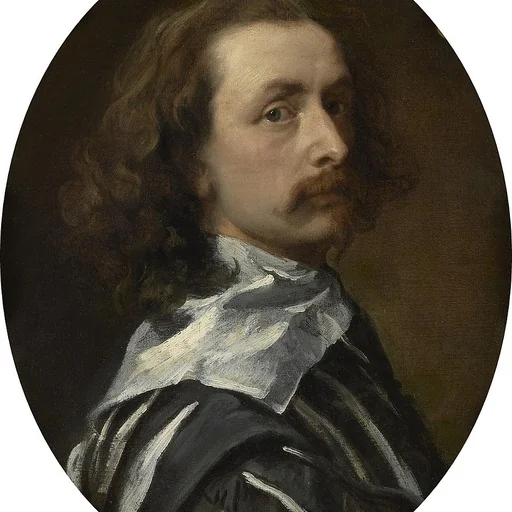
Sir Anthony van Dyck (; Dutch: Antoon van Dijck ; 22 March 1599 – 9 December 1641) was a Flemish Baroque artist, who became the leading court painter in England after success in the Spanish Netherlands and Italy.