Artwork
Four Studies of a Head of a Moor
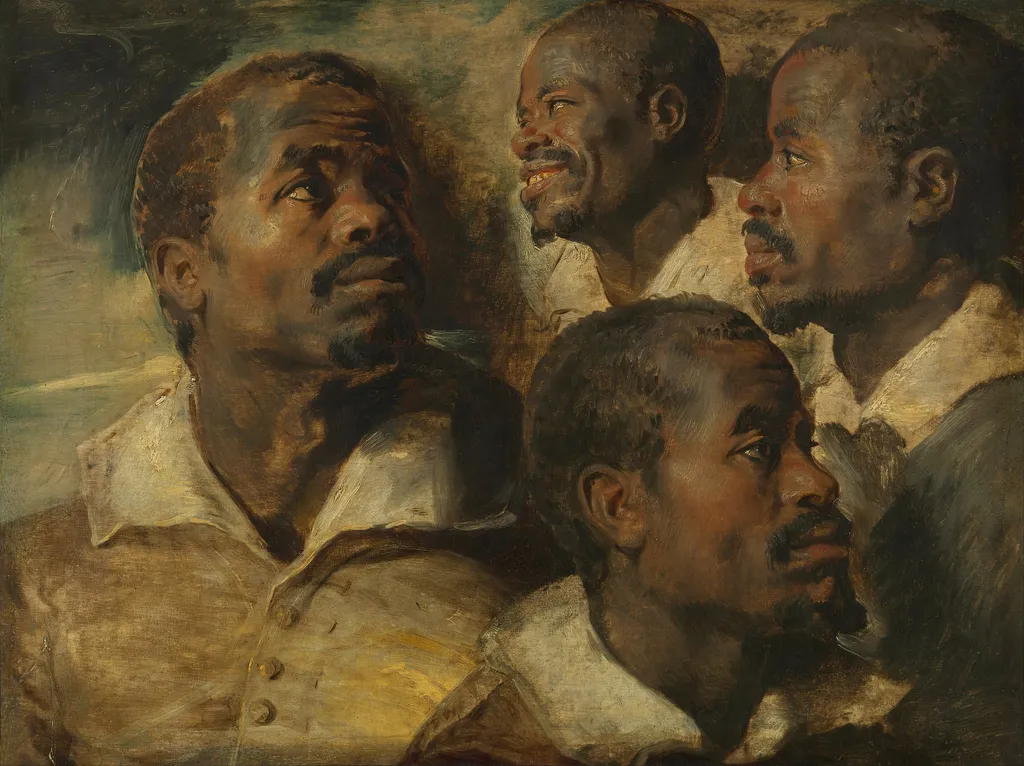
Four Studies of a Head of a Moor is an oil painting by the Flemish Baroque painting artist Anthony van Dyck. It dates from 1640 and is held in the collection of the Royal Museums of Fine Arts of Belgium.
About this work
Overview
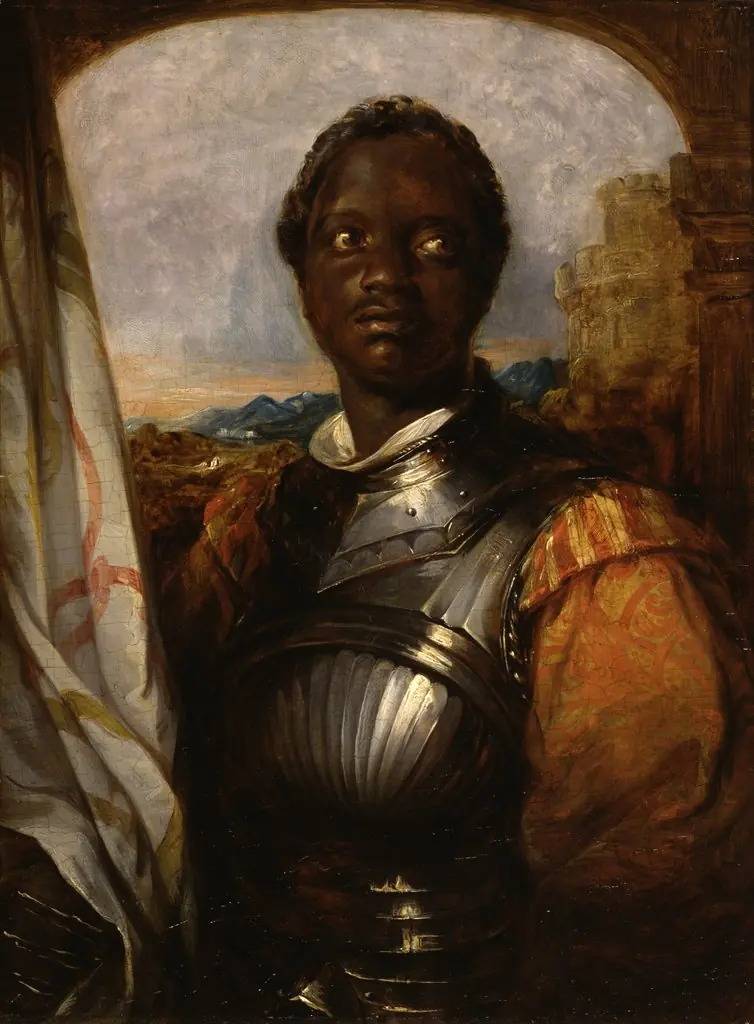
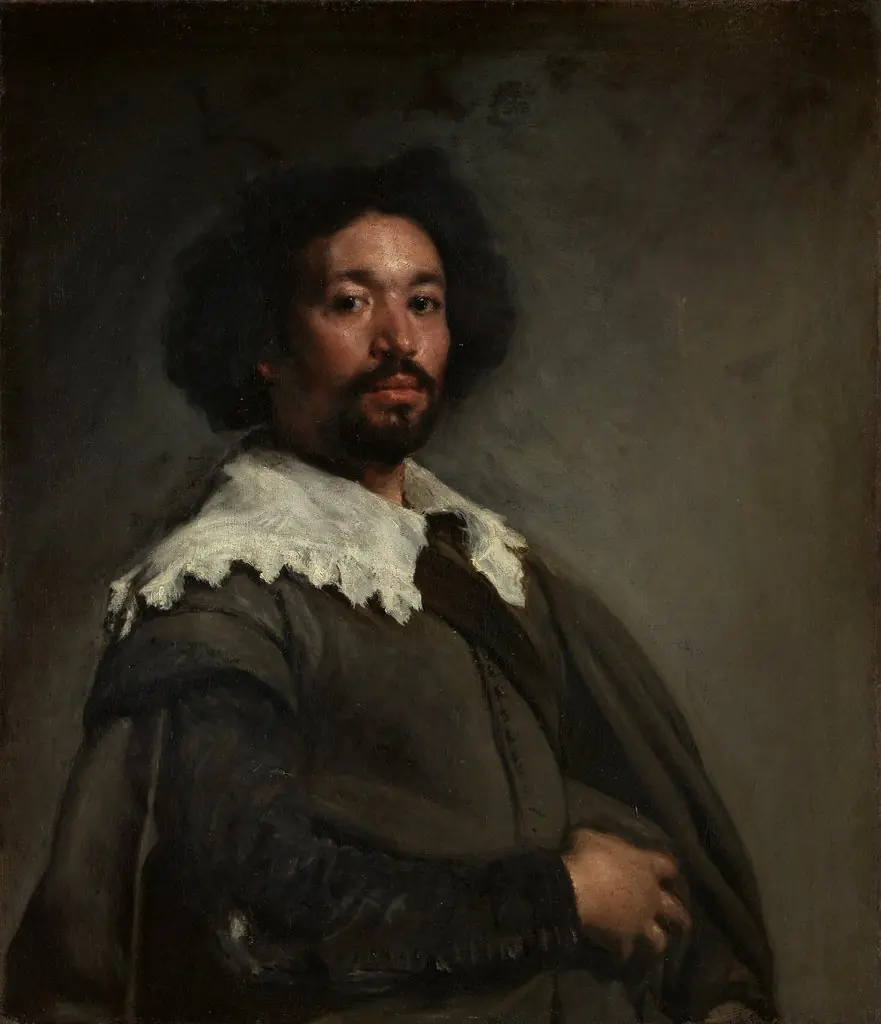
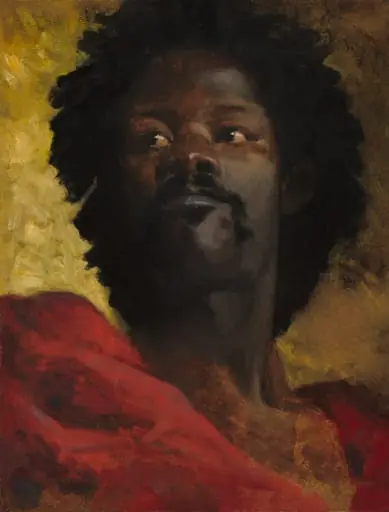
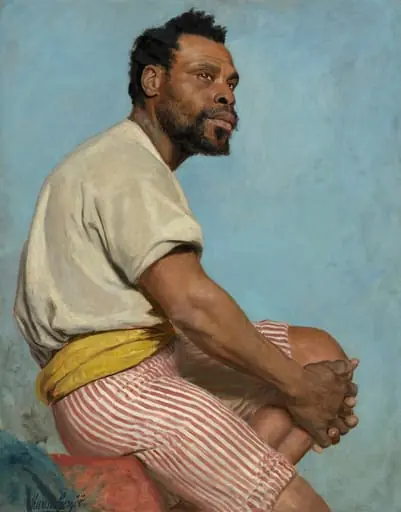
Painted in 1640 by Anthony van Dyck, this work consists of four oil-on-panel studies of a single male figure with dark skin and tightly curled hair.
Painted in 1640 by Anthony van Dyck, this work consists of four oil-on-panel studies of a single male figure with dark skin and tightly curled hair. Each panel presents a distinct view—profile, three-quarter, and upward gaze—offering a systematic exploration of form and expression. The muted, neutral backgrounds isolate the subject, focusing attention on subtle shifts in posture and lighting. Van Dyck, then established in England, applied his mastery of oil technique to capture nuanced facial anatomy.
Subject & Meaning
The figure, identified in historical context as a Moor, is rendered without overt narrative or symbolic attribution. Rather than idealizing or exoticizing, van Dyck treats the subject with observational rigor, emphasizing individuality over stereotype. The studies suggest an artist’s engagement with physiognomy and human diversity, reflecting the cosmopolitan environments of early modern Europe where people of African descent lived and worked, often in service to noble households.
Technique & Style
Van Dyck employed thin, layered oil glazes to achieve subtle transitions in skin tone and texture. Light falls diagonally across each study, modeling the contours of the face with soft shadows that enhance volume without harsh contrast. The brushwork varies—delicate in the cheeks, more assertive in the hair—demonstrating his command of tactile realism. The small scale and intimate format align with preparatory studies, yet the finish suggests a deliberate artistic inquiry rather than mere sketching.
History & Provenance
The four panels entered the collection of the Royal Museums of Fine Arts of Belgium in the 19th century, likely through the acquisition of a private Flemish or Dutch collection. Their survival as a unified group is uncommon, as such studies were often dispersed or lost. Their attribution to van Dyck is supported by stylistic parallels in his known portraits and documentary evidence of his practice in the 1630s–40s, when he frequently made observational studies of diverse individuals.
Context
In early 17th-century Europe, depictions of people of African descent were increasingly present in courtly and urban settings, particularly in port cities like Antwerp and London. Van Dyck’s studies reflect this demographic reality, aligning with broader artistic trends that valued direct observation over conventional types. Unlike allegorical representations, these works prioritize physical presence, suggesting a shift toward more personal, less stereotypical portraiture.
Legacy
These studies exemplify van Dyck’s commitment to empirical observation, influencing later portraitists who valued anatomical accuracy over formal convention. Their preservation as a group offers rare insight into his working methods, revealing how he refined compositions through multiple viewpoints. While not widely exhibited, they remain significant for their quiet dignity and technical precision, contributing to scholarly understanding of diversity in Baroque portraiture.
Own this work as a print
Artist & collection
Artist
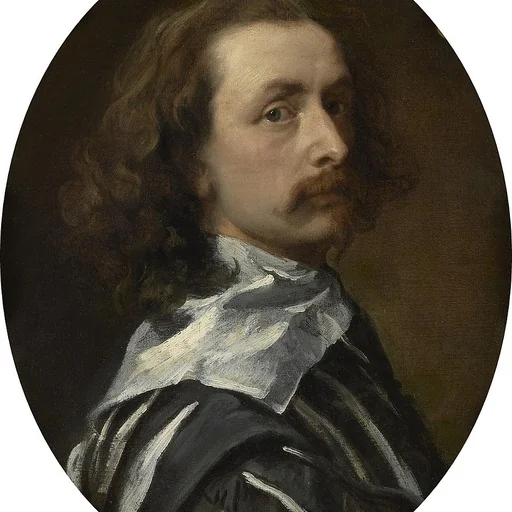
Sir Anthony van Dyck (; Dutch: Antoon van Dijck ; 22 March 1599 – 9 December 1641) was a Flemish Baroque artist, who became the leading court painter in England after success in the Spanish Netherlands and Italy.

Museum
Royal Museums of Fine Arts of Belgium
Continue through works from the same source collection.
![Head of a Man [recto], by Théodore Géricault](https://artifactworldgallery.com/img/theodore-gericault--head-of-a-man-recto--d6e68ba78da40efa-w320.webp)