Artwork
Two African men
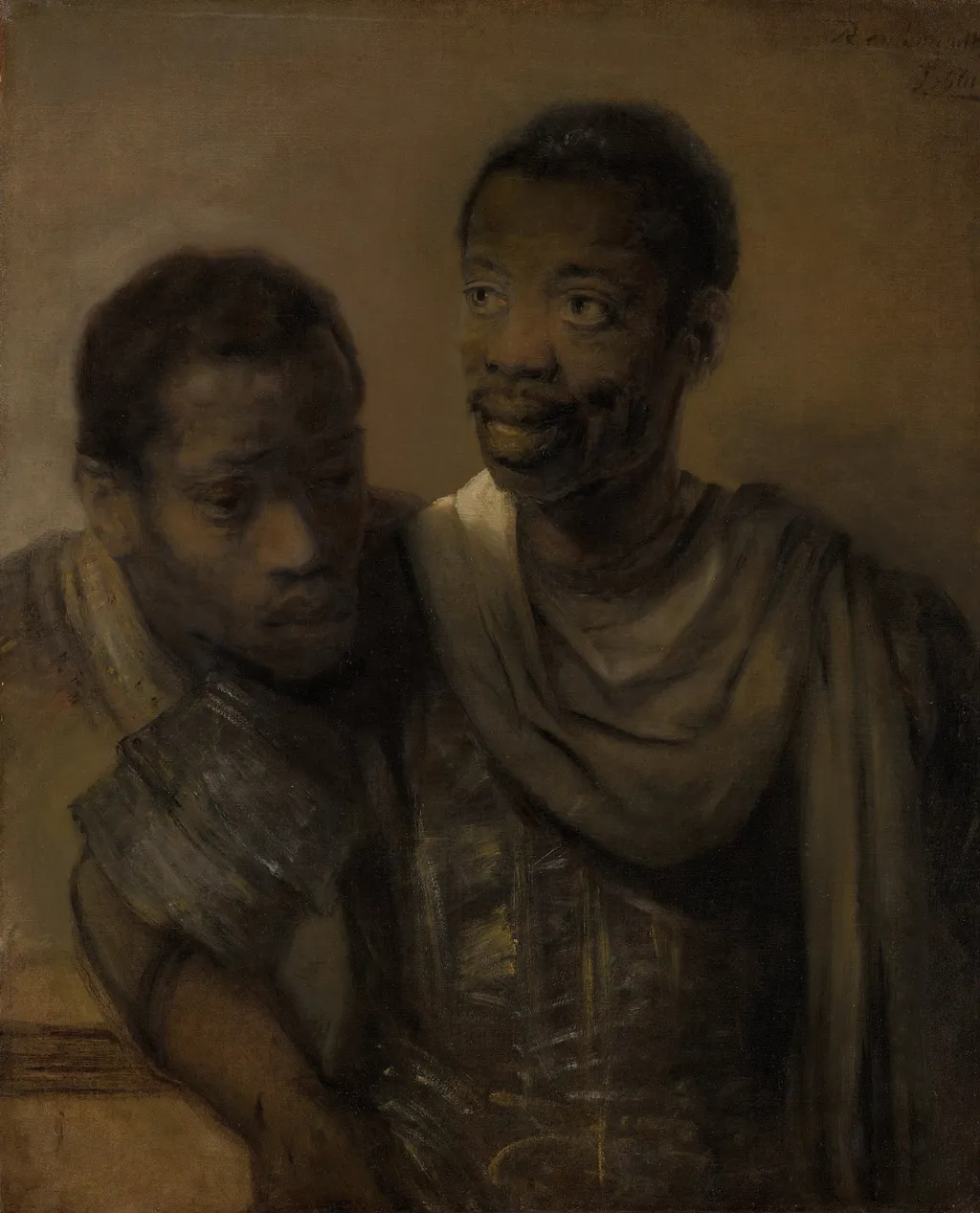
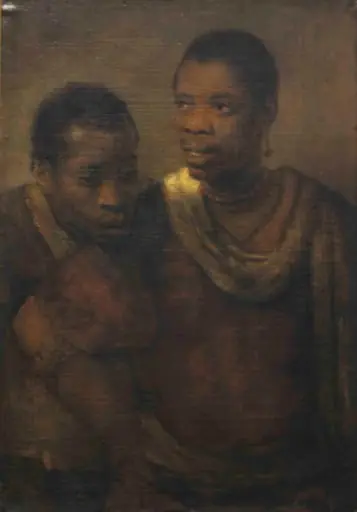
Two African men is an oil painting by the Dutch Golden Age artist Rembrandt. It dates from 1661 and is held in the collection of the Mauritshuis.
About this work
Overview
The painting’s subdued palette and direct gaze convey a sense of dignity, distinguishing it from stereotypical representations of the time.
Painted in 1661, this oil-on-canvas work by Rembrandt van Rijn depicts two African men in a quiet, intimate composition. Unlike many portraits of the period, it focuses on individuals whose presence in European art was uncommon. The painting’s subdued palette and direct gaze convey a sense of dignity, distinguishing it from stereotypical representations of the time. It resides today in the Mauritshuis in The Hague.
Subject & Meaning
The two men, dressed in loosely draped garments, are portrayed with psychological depth and mutual connection—one arm resting gently on the other’s shoulder. Their expressions are contemplative, eyes directed beyond the frame, suggesting an inner life unmediated by narrative or symbolism. The absence of identifiers or contextual clues invites viewers to engage with them as individuals rather than types, challenging prevailing conventions of representation.
Technique & Style
Rembrandt employs chiaroscuro to model the figures with subtle gradations of light and shadow, emphasizing volume without overt drama. The dark background isolates the subjects, focusing attention on their faces and textures of fabric. Brushwork varies from smooth transitions on skin to thicker, more tactile strokes on clothing, revealing his mastery of materiality. The restrained color scheme enhances the solemnity of the scene.
History & Provenance
The painting entered the Mauritshuis collection in the 19th century, though its earlier ownership remains unclear. It was likely created during Rembrandt’s later years, when he increasingly turned to intimate, psychologically resonant subjects. Its survival in good condition and consistent attribution reflect its enduring recognition within the artist’s oeuvre, even if it was not widely exhibited in its early history.
Context
In 17th-century Amsterdam, African individuals lived and worked as free citizens, servants, or traders, their presence documented in civic records. While European art often depicted them as exotic or subordinate, Rembrandt’s portrayal avoids such tropes. This work aligns with his broader interest in human diversity and individual character, reflecting the cosmopolitan reality of Dutch urban life.
Legacy
The painting stands as a quiet but significant example of early modern portraiture that resists marginalization. It has influenced later discussions on representation in Western art, prompting renewed scholarly attention to the roles and identities of people of African descent in early modern Europe. Its enduring presence in a major museum underscores its value as a historical document and artistic achievement.
Own this work as a print
Artist & collection
Artist
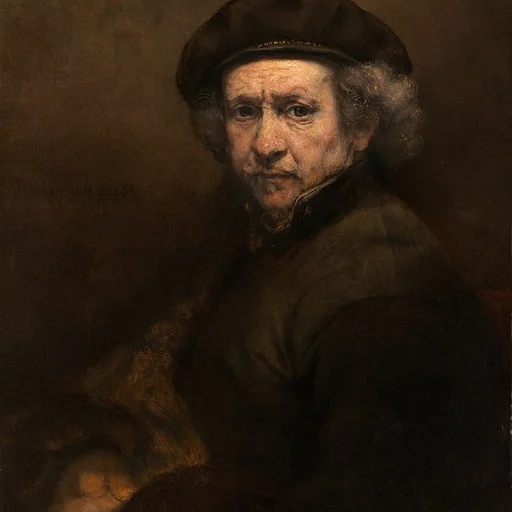
Rembrandt Harmenszoon van Rijn (15 July 1606 – 4 October 1669), known mononymously as Rembrandt, was a Dutch Golden Age painter, printmaker, and draughtsman.

 Doi africani (doi mauri)
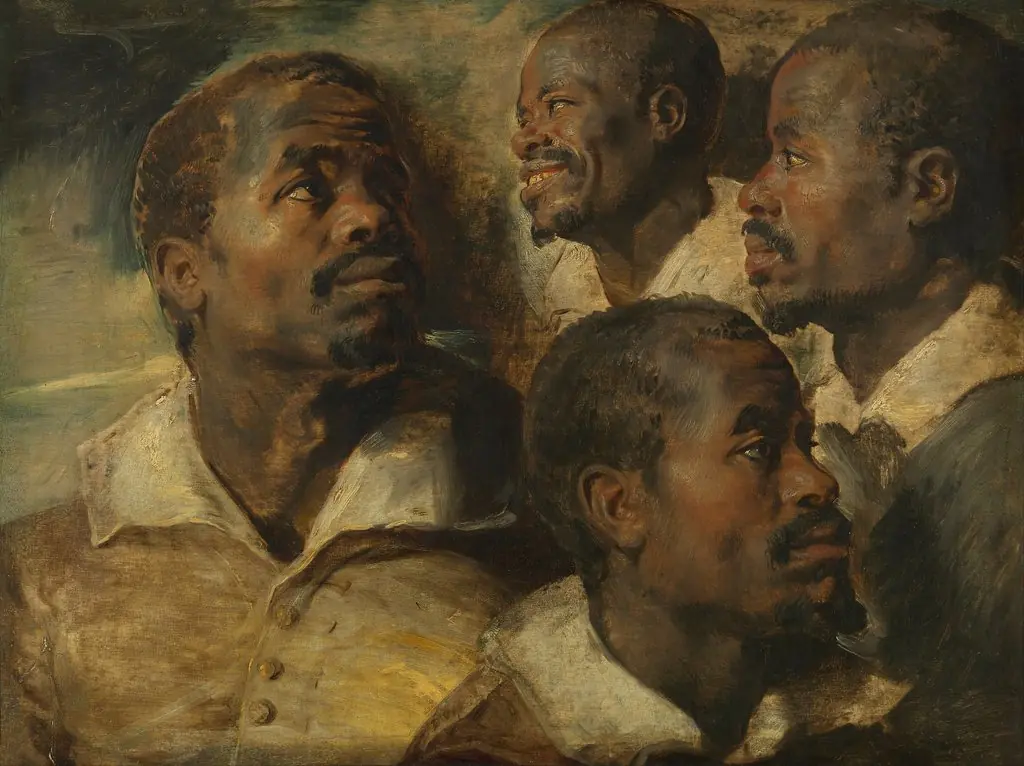 Four Studies of a Head of a Moor
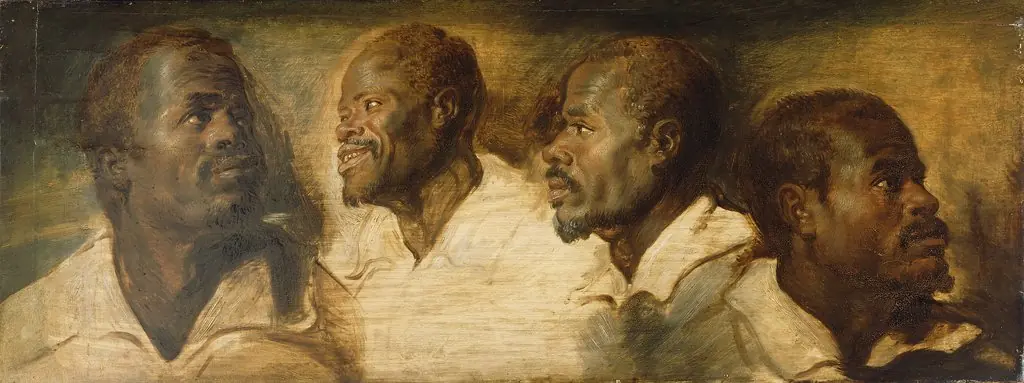 Four Studies of a Male Head
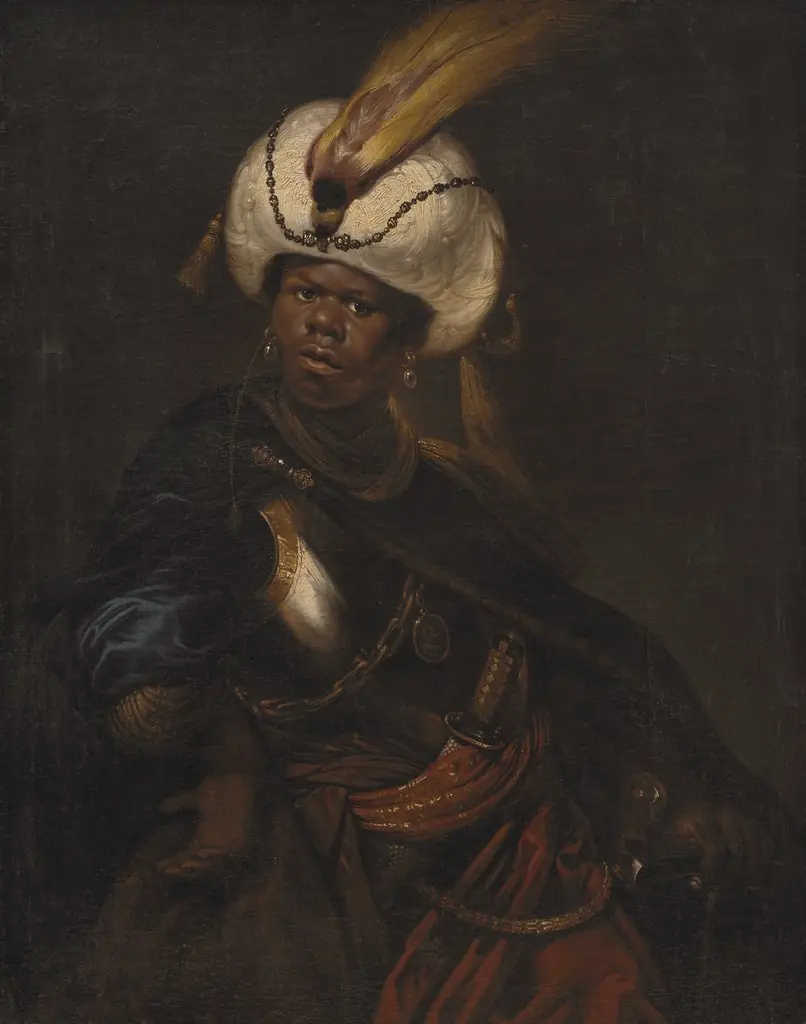 A Man Wearing a Turban and Armour
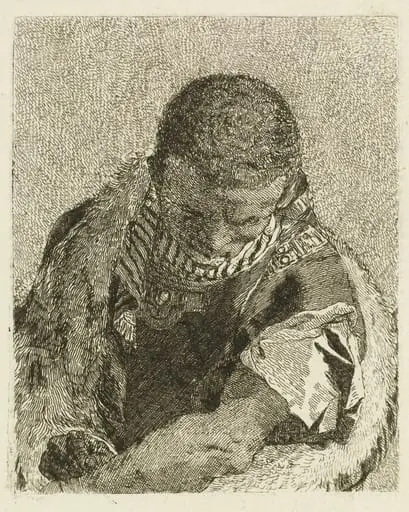 Head of a Moor Bending Forward
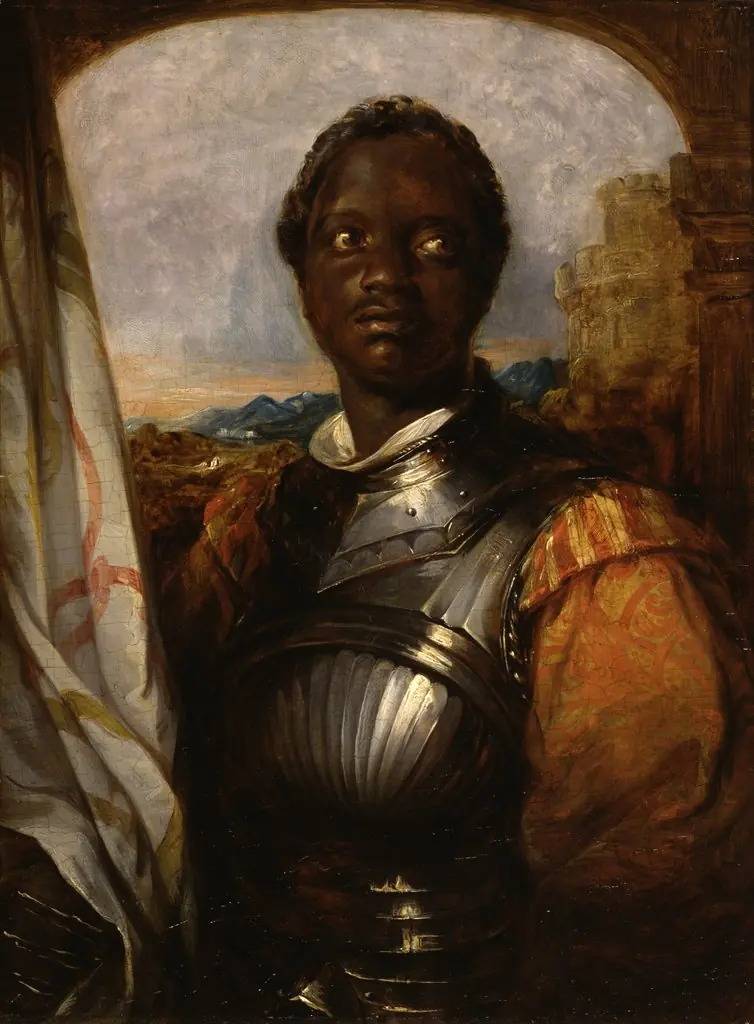 Ira Aldridge, Possibly in the Role of Othello
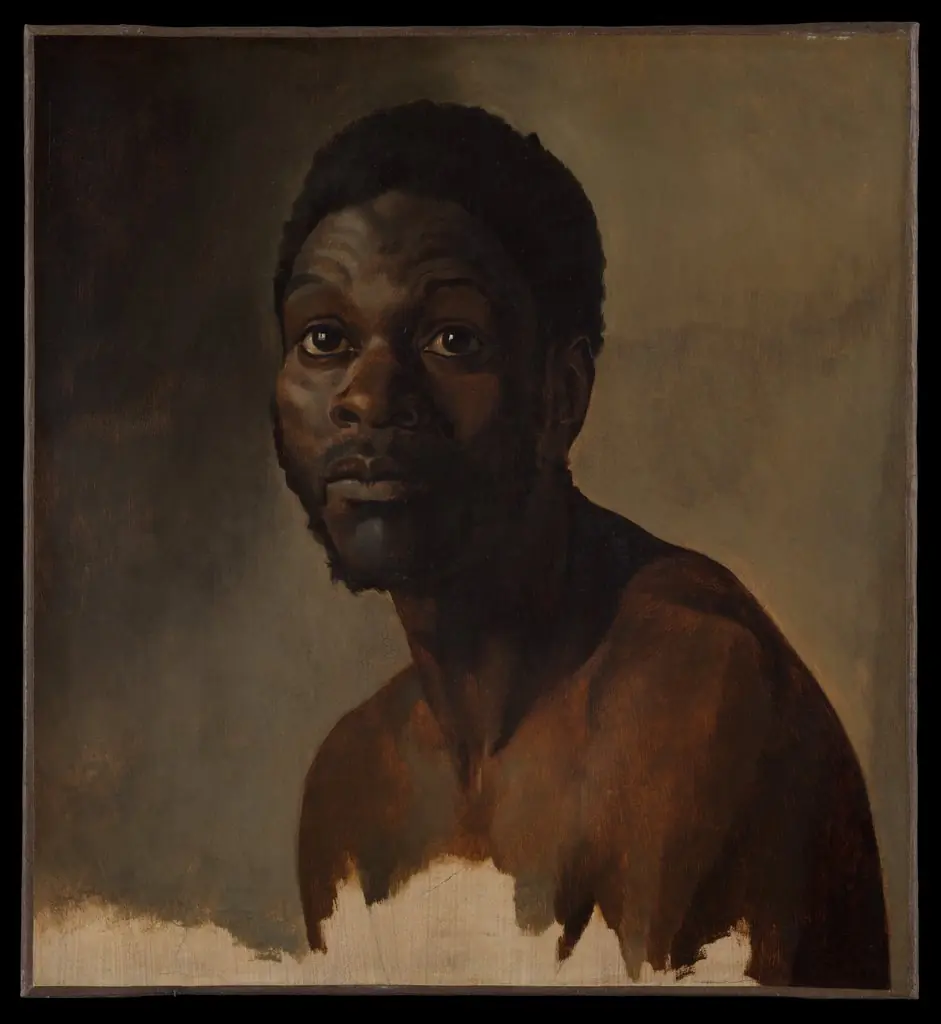 Bust-Length Study of a Man
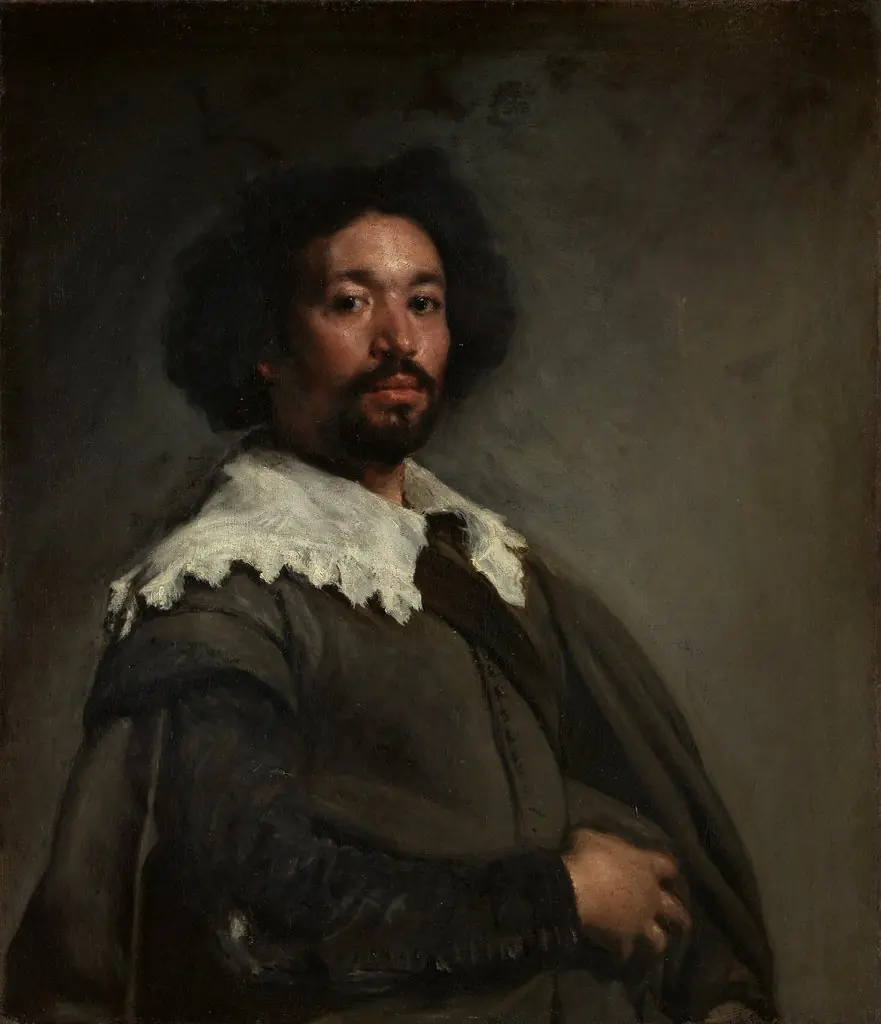 Portrait of Juan de Pareja
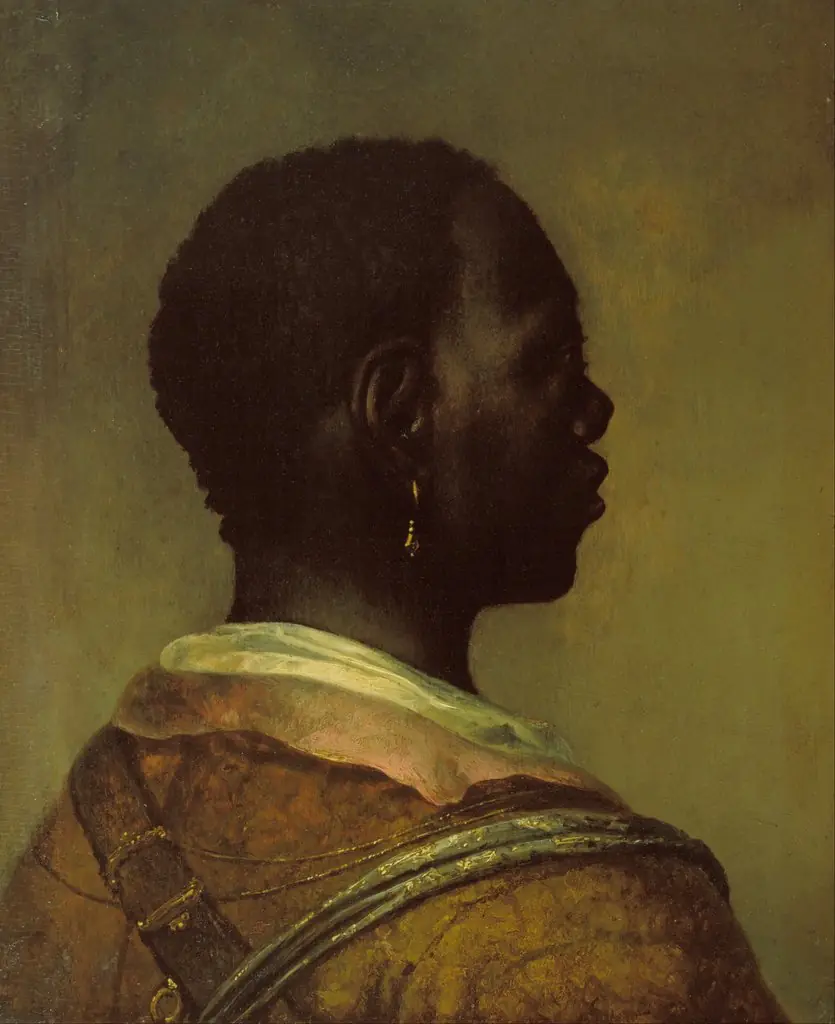 Head of a Black Man
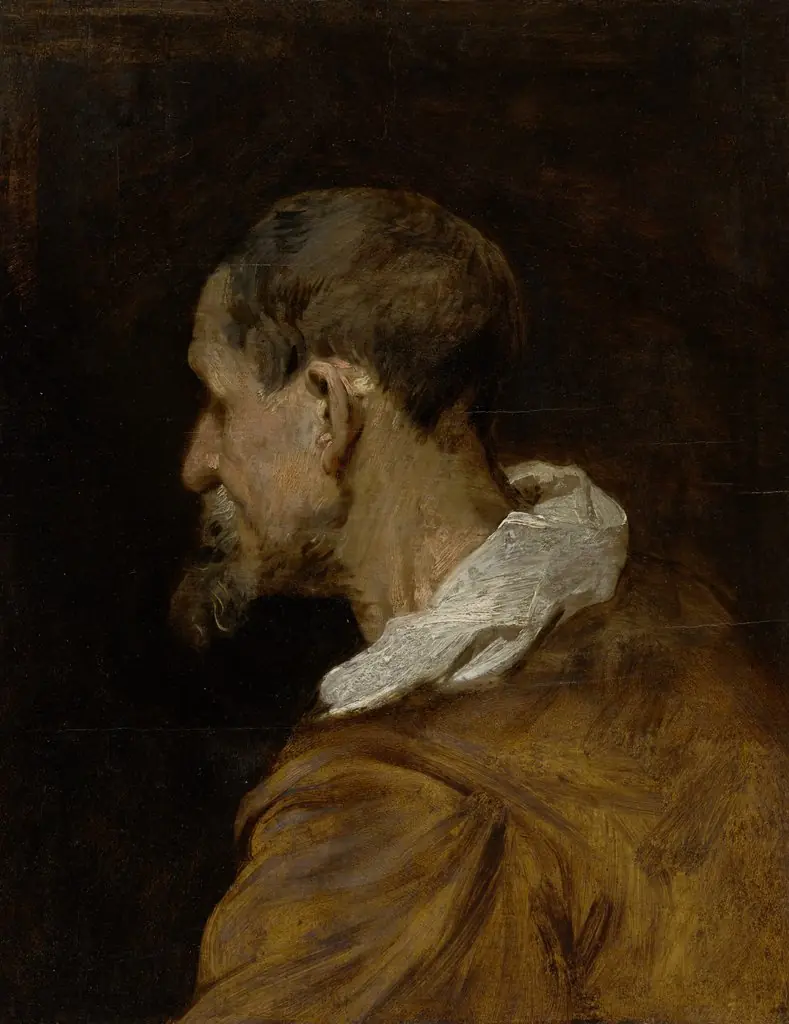 Study Head
 Piast Being Elected as the King
 A Chief of Abyssinia