Artwork
George Villiers (1628–1687), 2nd Duke of Buckingham
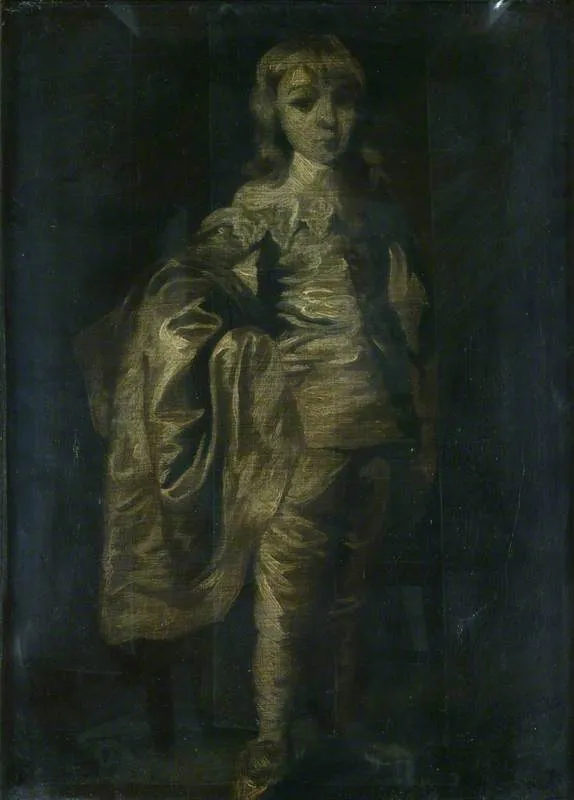
George Villiers (1628–1687), 2nd Duke of Buckingham is an oil painting by the Flemish Baroque painting artist Anthony van Dyck. It dates from 1630 and is held in the collection of the Victoria and Albert Museum.
About this work
Overview
Around 1630 Anthony van Dyck executed this oil portrait of George Villiers, the second Duke of Buckingham. The work exemplifies the Flemish Baroque style that van Dyck brought to England during his years as the court’s chief portraitist. It now forms part of the Victoria and Albert Museum’s collection.
Subject & Meaning
The sitter is a youthful aristocrat, shown with flowing curls and dressed in sumptuous attire that signals his high rank. His pose—right hand on hip, left arm resting on a chair’s back—conveys confidence and poise, typical of the self‑presentation expected of a leading nobleman in early‑17th‑century England.
Technique & Style
Van Dyck employs a dramatic chiaroscuro, setting the figure against a deep, dark background that intensifies the contrast between light on the clothing and shadow on the surroundings. The rendering of the luxurious fabrics, especially the high‑collared coat and ruffled shirt, demonstrates the painter’s skill in depicting texture and surface.
History & Provenance
Created during van Dyck’s tenure as principal portraitist to Charles I, the painting remained in private hands before entering the Victoria and Albert Museum. Its provenance traces the typical movement of court portraits from aristocratic collections to public institutions in the 19th and 20th centuries.
Context
The portrait reflects the broader cultural exchange between the Flemish artistic tradition and the English court. Van Dyck’s arrival in England introduced a refined, courtly aesthetic that influenced English portraiture for generations, and this work illustrates his role in that transformation.
Legacy
As a representative example of van Dyck’s early English output, the portrait contributes to understanding the visual language of power and elegance in the Stuart period. Its preservation in a major museum allows scholars to study the interplay of fashion, status, and artistic technique in Baroque portraiture.
Artist & collection
Artist
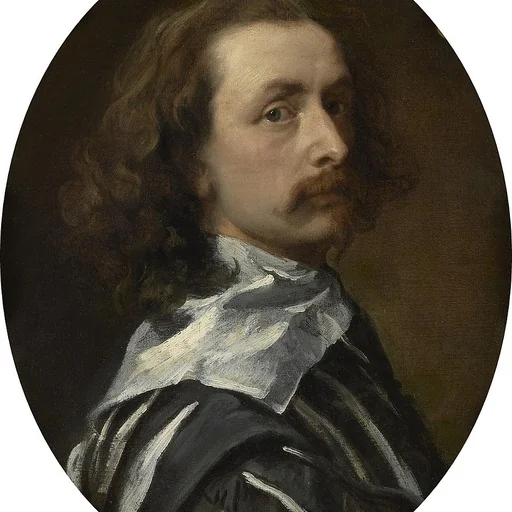
Sir Anthony van Dyck (; Dutch: Antoon van Dijck ; 22 March 1599 – 9 December 1641) was a Flemish Baroque artist, who became the leading court painter in England after success in the Spanish Netherlands and Italy.

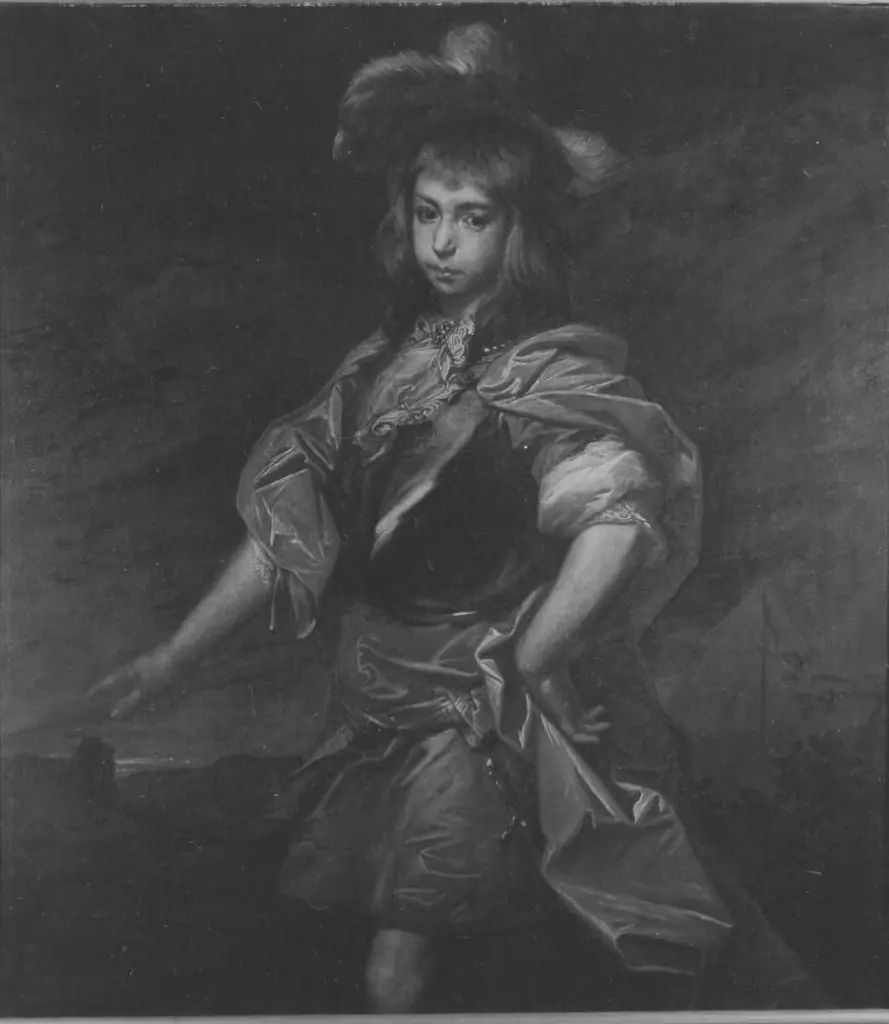 BIldnis eines jungen kurpfälzischen Prinzen (?) (?)
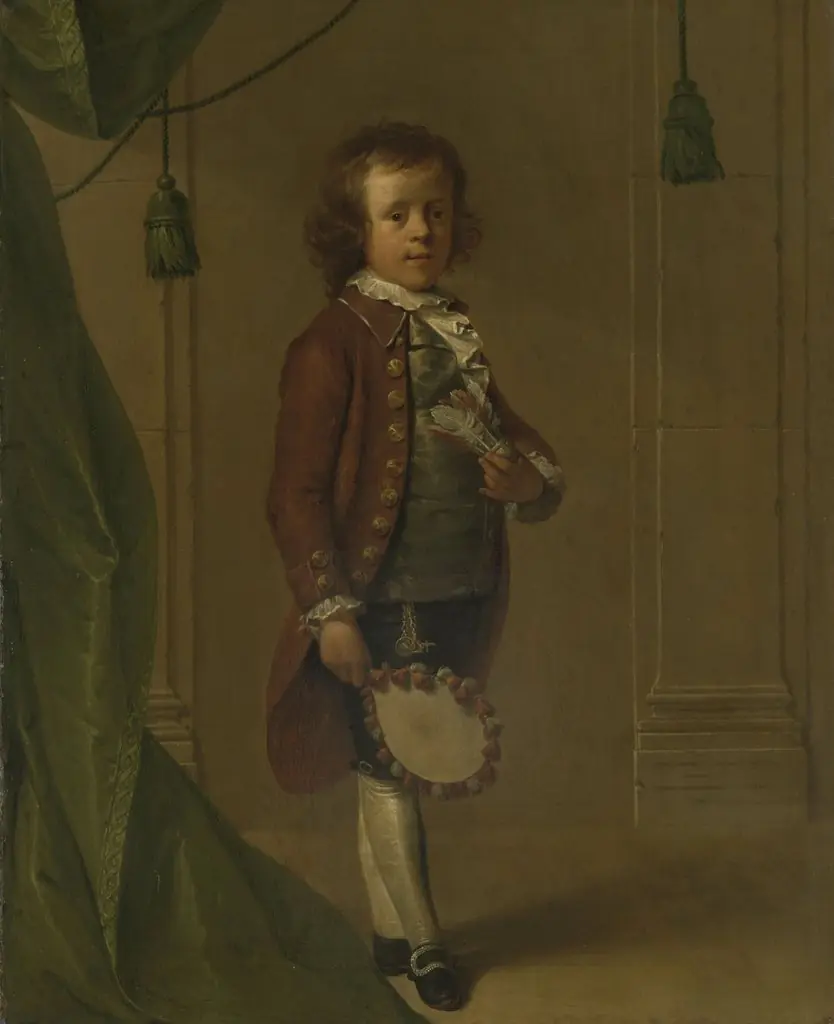 Portrait of Dionys Eliasz van Nijmegen
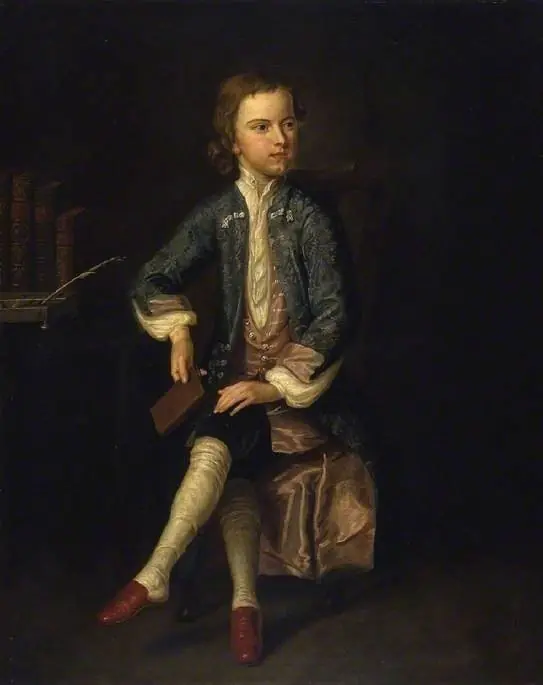 Thomas Gray
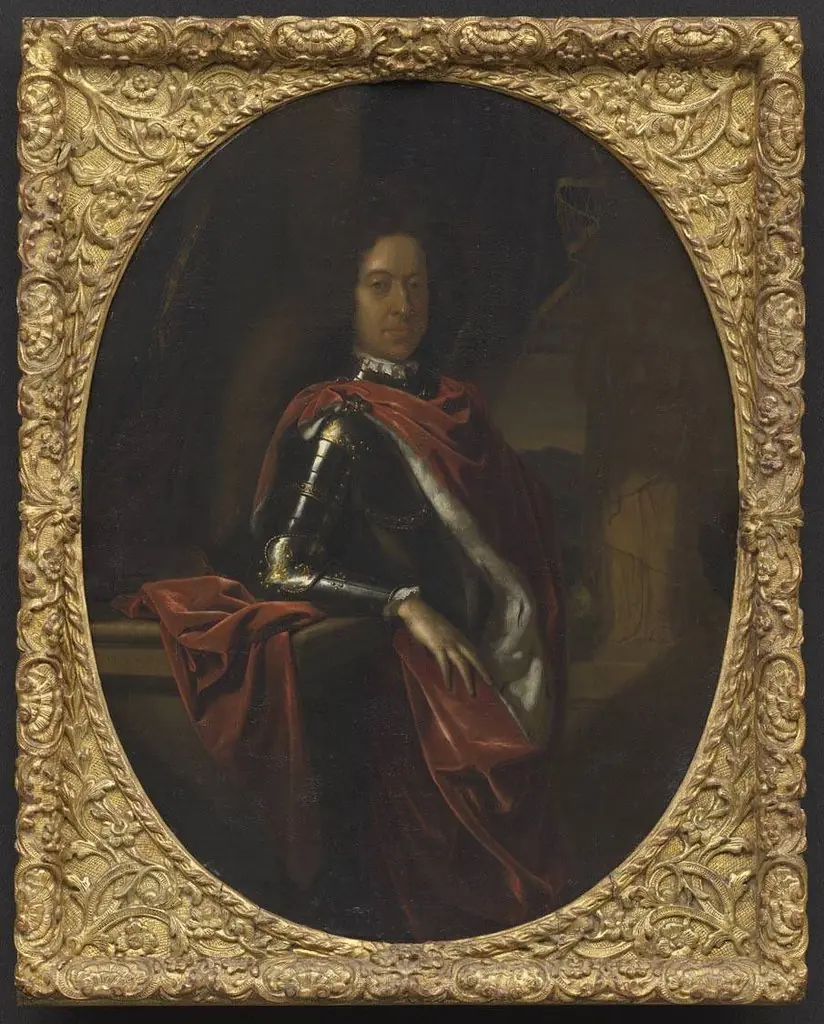 Portrait of Duke Giovanni Gastone de' Medici (1671-1737)
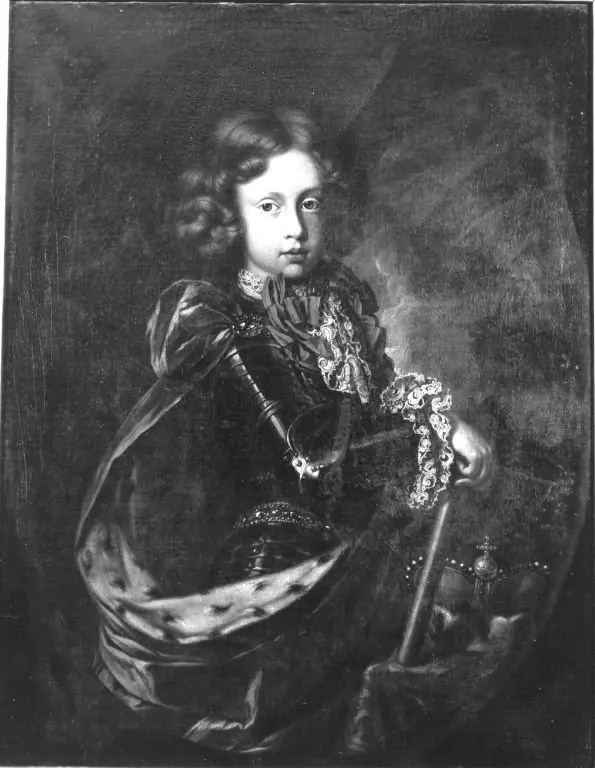 Bildnis eines kleinen Prinzen
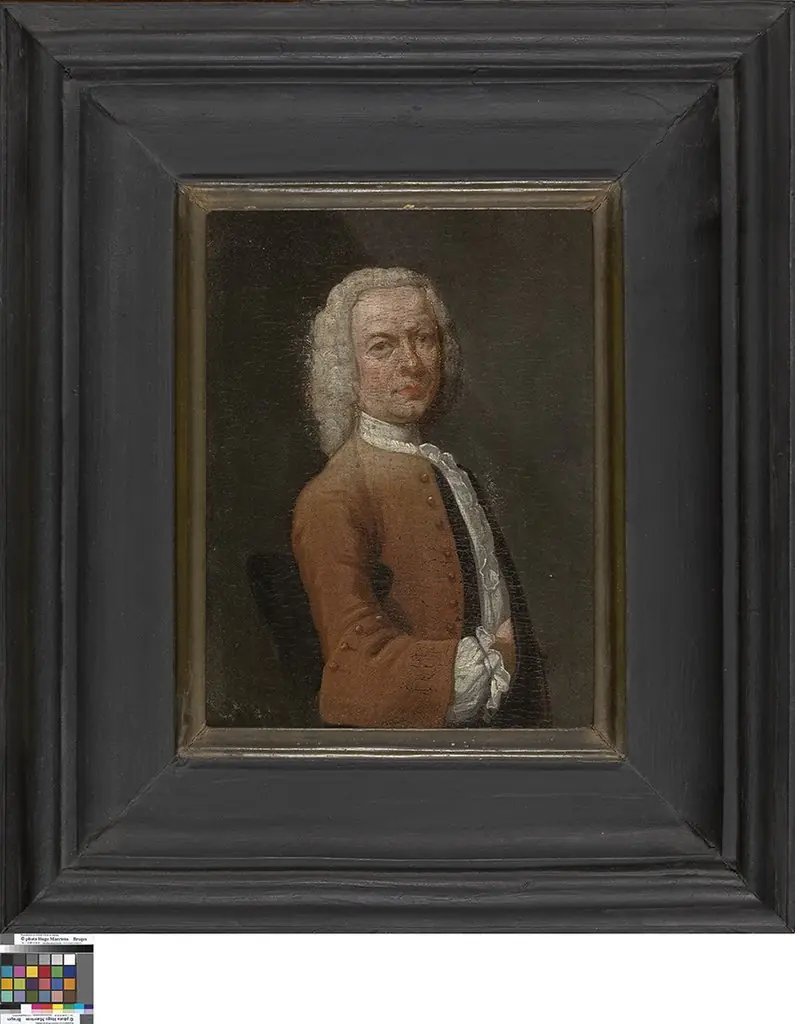 Portret van Guillielmus Suweyns
 Sketch for a Portrait of Captain Philemon Pownall, RN
 Study for the Painting of Frederick Augustus, Duke of York and Albany, as a Child
 Portrait of Gustavus Hamilton, 2nd Viscount Boyne
 Portrait of Prince Rupert
 Portret van een dichter
 Barbara Villiers (1640–1709), Duchess of Cleveland