Artwork
BIldnis eines jungen kurpfälzischen Prinzen (?) (?)
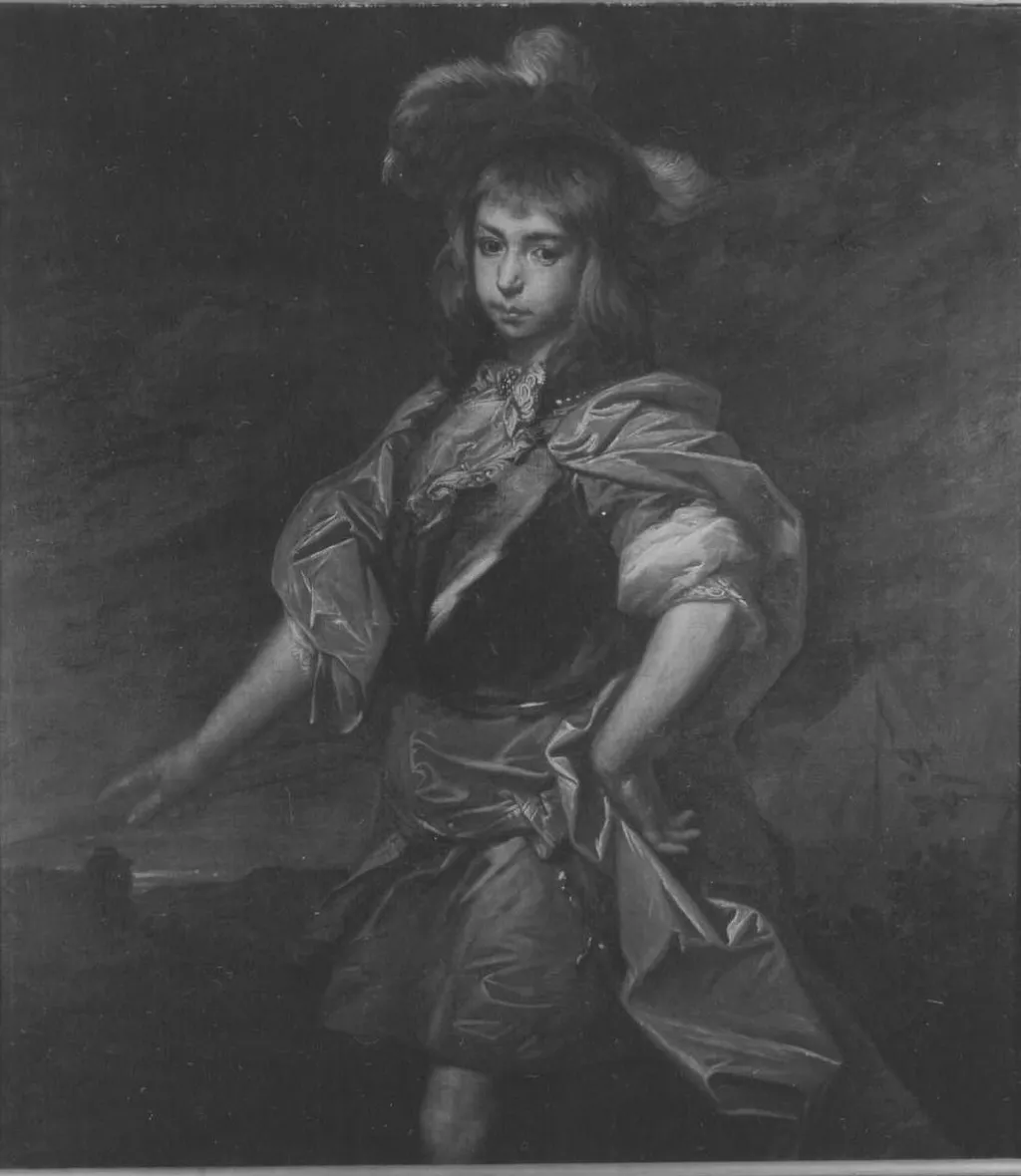
BIldnis eines jungen kurpfälzischen Prinzen (?) (?) is an unspecified painting by the Rococo painting artist Jan Frans van Douven. It dates from 1696 and is held in the collection of the Bavarian State Painting Collections.
About this work
Overview
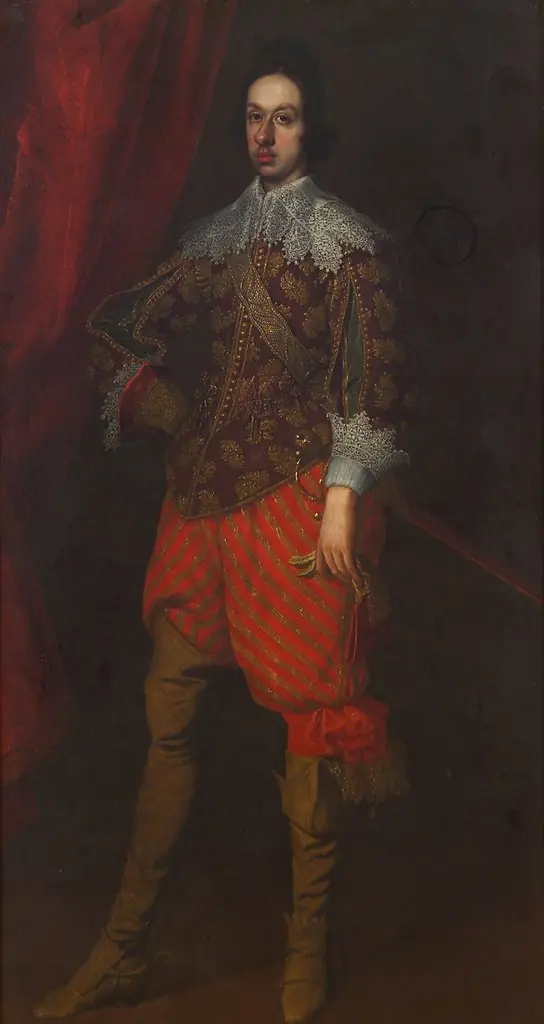
Jan Frans van Douven’s portrait of a youthful Elector Palatine prince was executed in 1696. The oil work measures a modest size and is now part of the Alte Pinakothek’s holdings. It presents the sitter in the elegant attire of his rank, offering a clear example of late‑17th‑century court portraiture.
Subject & Meaning
The canvas captures a young member of the Electoral Palatinate’s ruling family, likely intended to affirm his dynastic status and future authority. By emphasizing refined clothing and a composed demeanor, the portrait communicates both the prince’s noble lineage and the expectations of his forthcoming public role.
Technique & Style
Van Douven, trained within the Dutch Leyden tradition, employs a smooth, luminous palette characteristic of the Rococo’s early phase. Fine brushwork renders delicate fabrics and subtle facial modeling, while a restrained background focuses attention on the sitter’s features and regalia.
History & Provenance
Born in Roermond in 1656, van Douven spent most of his career as a court painter in Düsseldorf, where he produced the majority of his oeuvre. The portrait entered the Alte Pinakothek collection during the museum’s 19th‑century acquisitions of German court art, where it remains on display.
Context
The work reflects the political landscape of the Holy Roman Empire’s western territories at the turn of the century, when the Electoral Palatinate sought to reinforce its prestige through visual representation. Van Douven’s position at the Düsseldorf court facilitated such commissions, linking artistic practice with dynastic propaganda.
Artist & collection
Artist
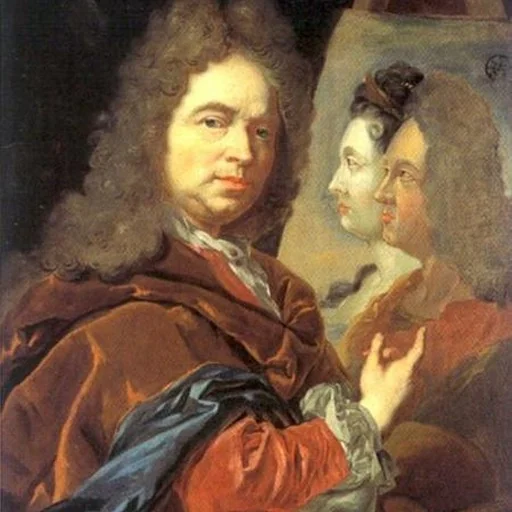
Jan Frans van Douven, or Johan Francois Douven (2 March 1656 – 1727) was a Southern Netherlandish portrait painter belonging to the Dutch Leyden School.

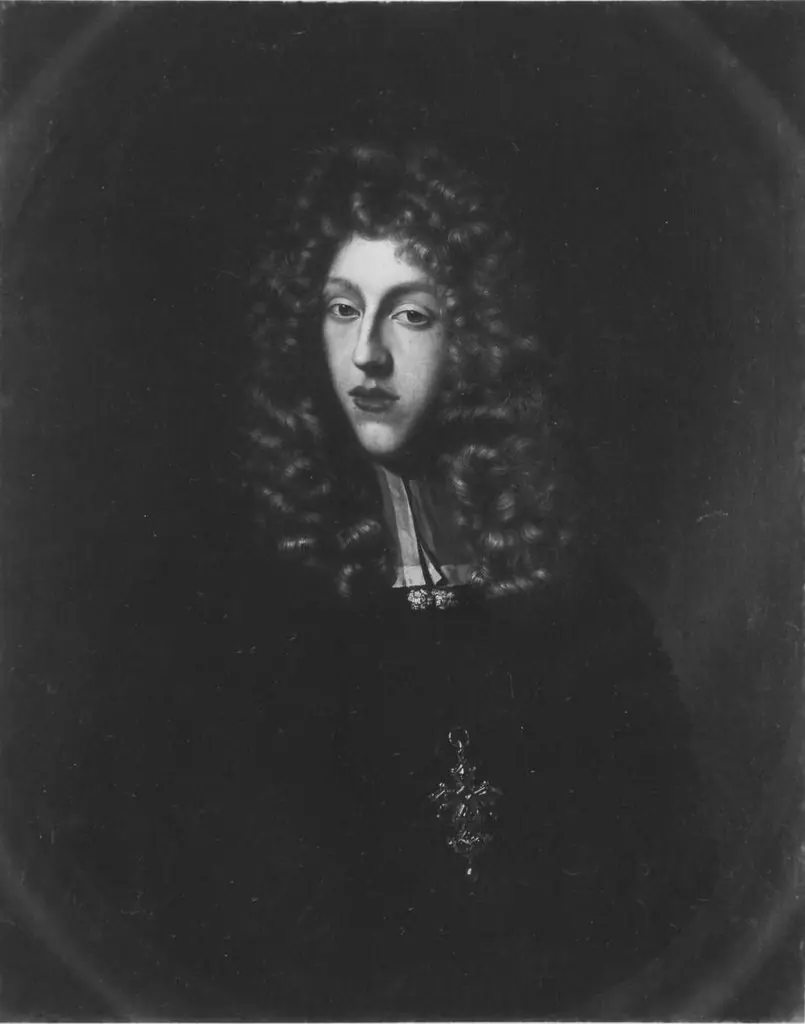 Bildnis eines jungen geistlichen Fürsten
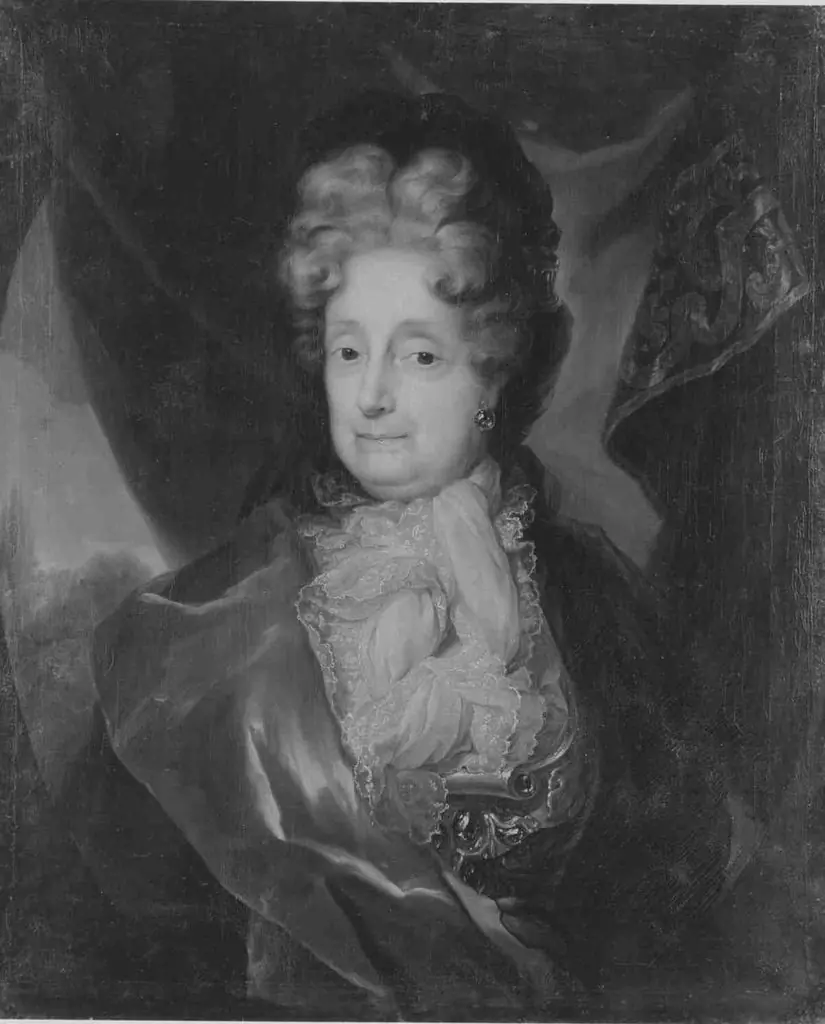 Portrait of Sophia of the Palatinate, dowager electress of Hanover
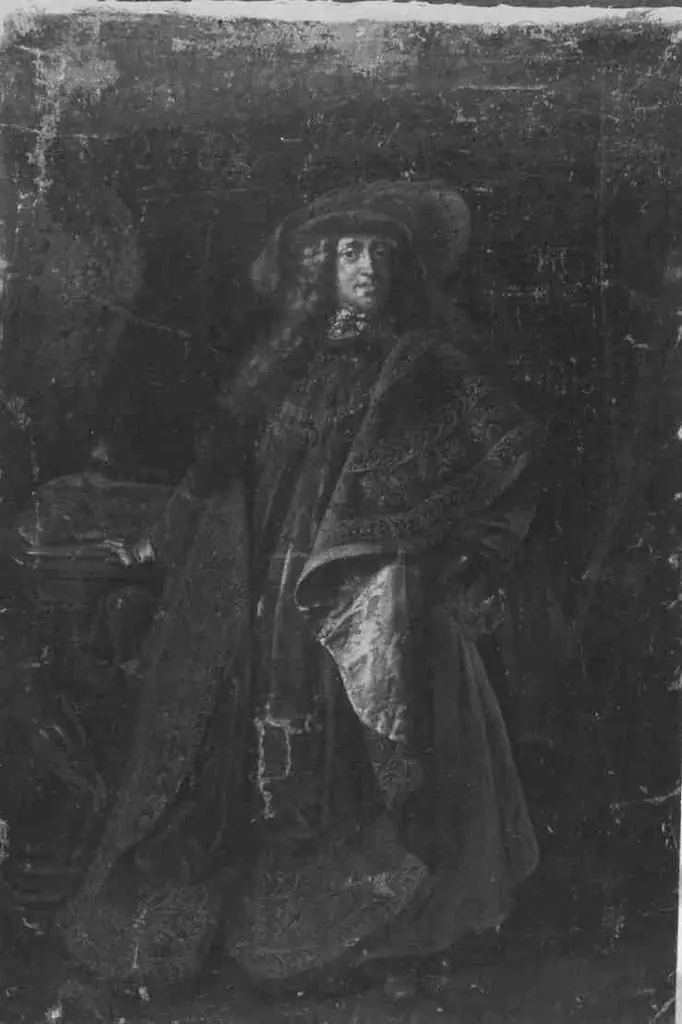 Portrait of Johann Wilhelm, elector of the Palatine
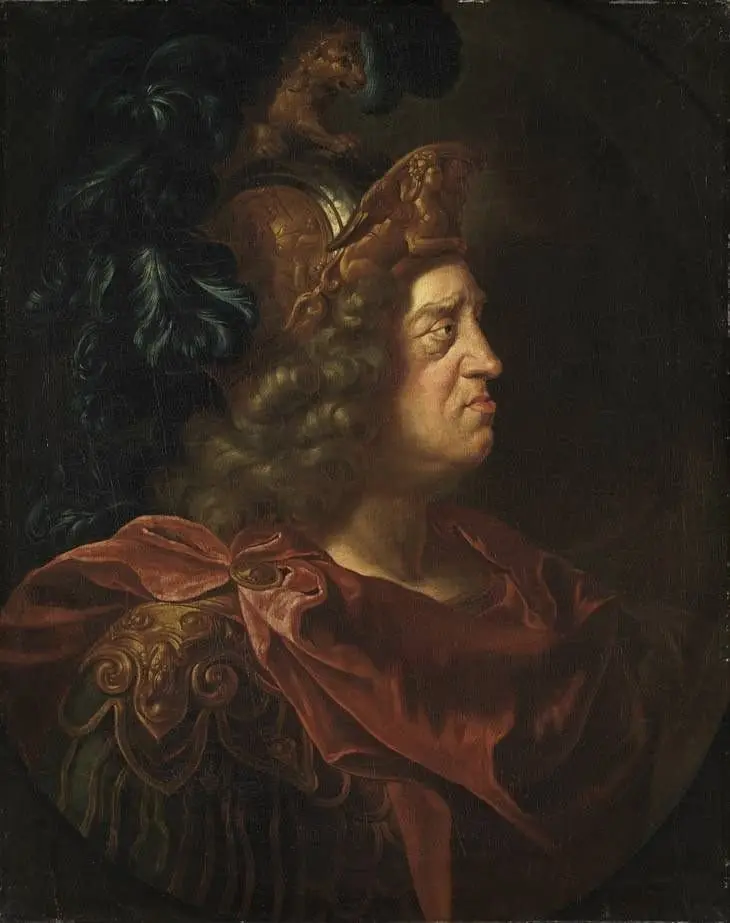 Kurfürst Johann Wilhelm von der Pfalz
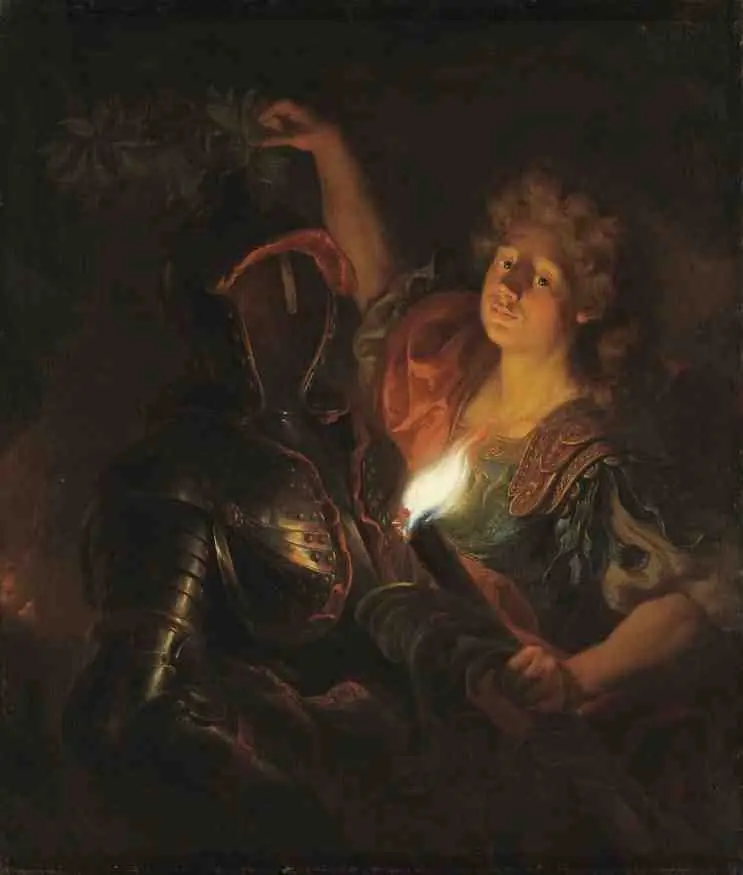 Warrior with torch and wreath
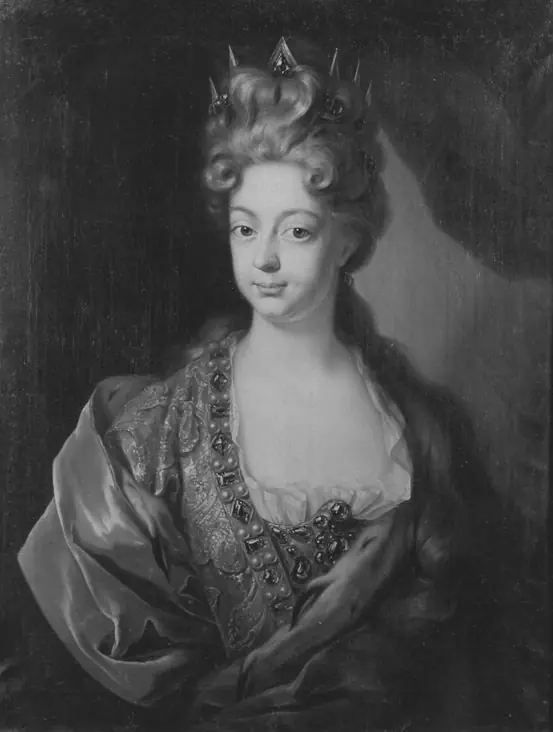 Portrait of Wilhelmine Amalie of Braunschweig-Lüneburg
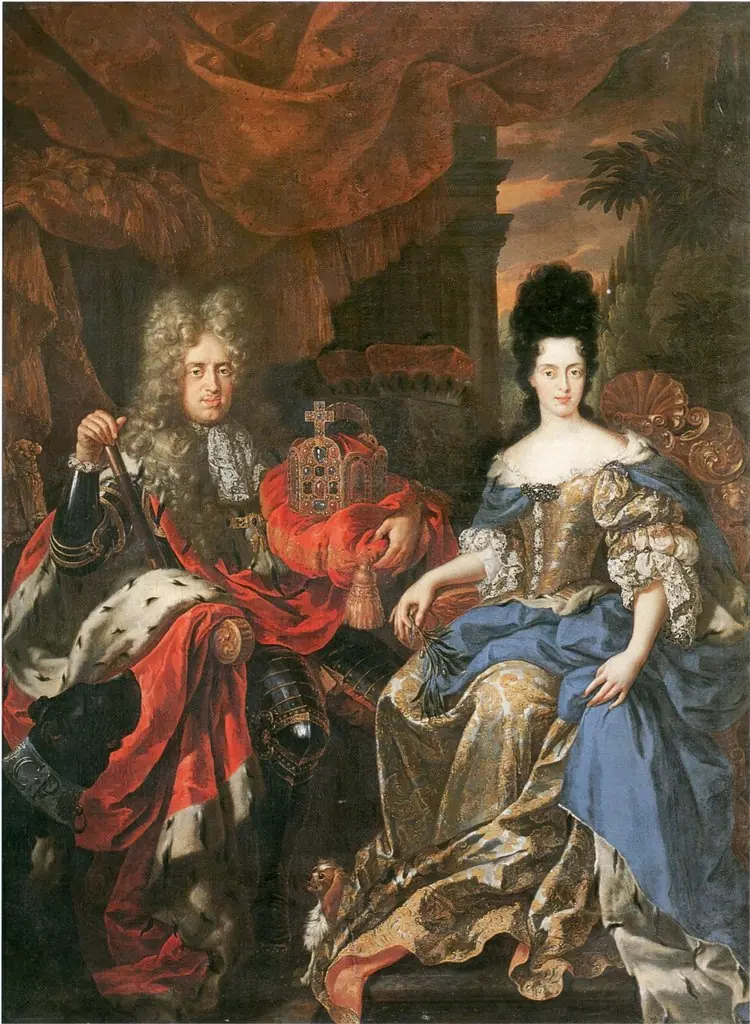 Double portrait of Johann Wilhelm von der Pfalz and Anna Maria Luisa de' Medici
 Donor portrait
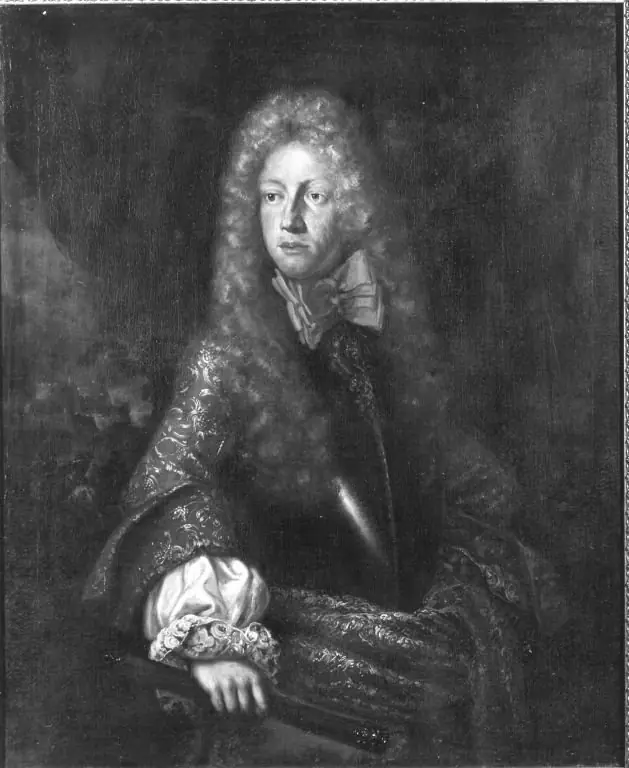 Carl III. Philipp Pfalzgraf von Neuburg
 Portrait of Prince Rupert
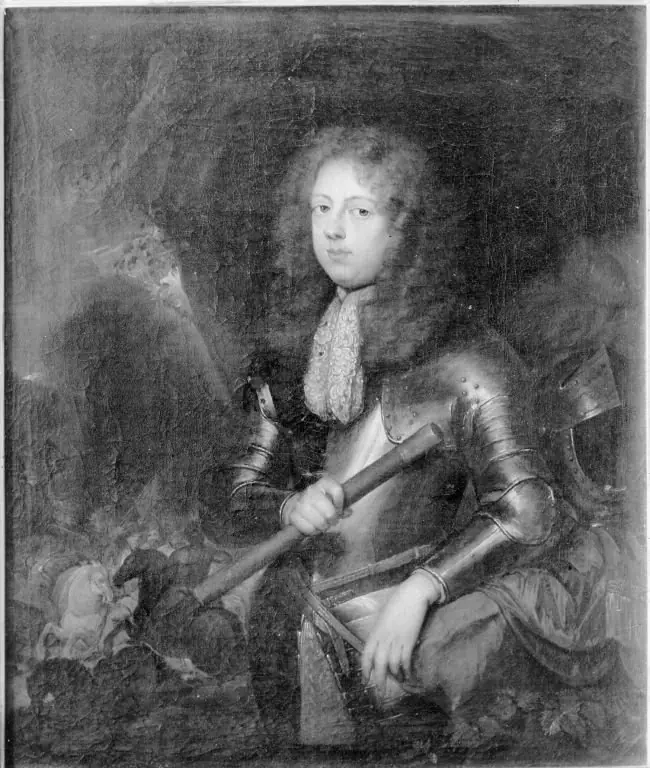 Bildnis eines Prinzen
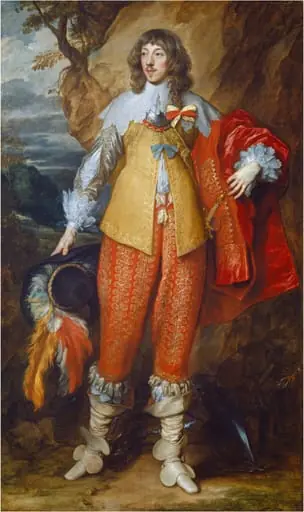 Henri II de Lorraine
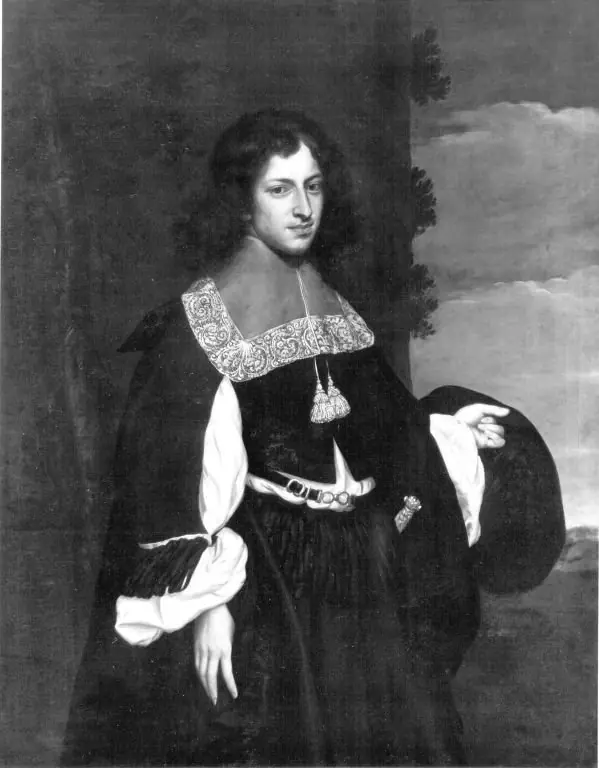 Portrait of a 20 year-old man
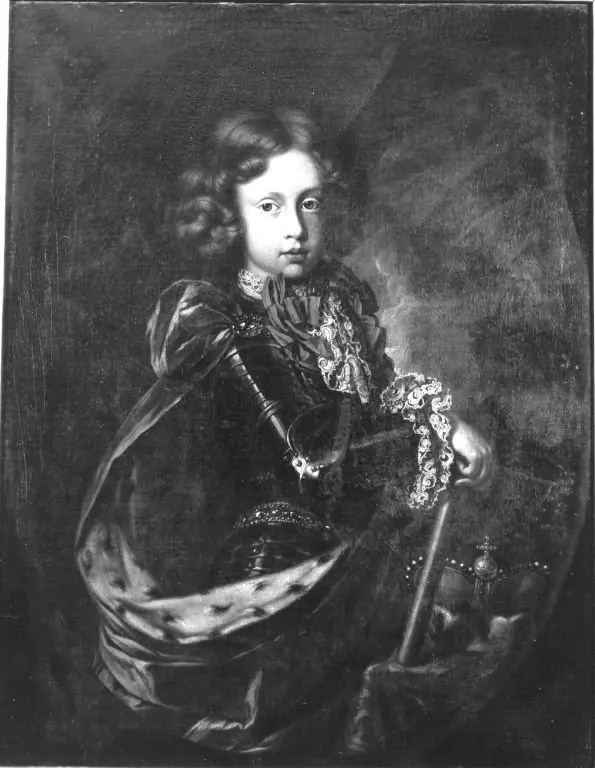 Bildnis eines kleinen Prinzen
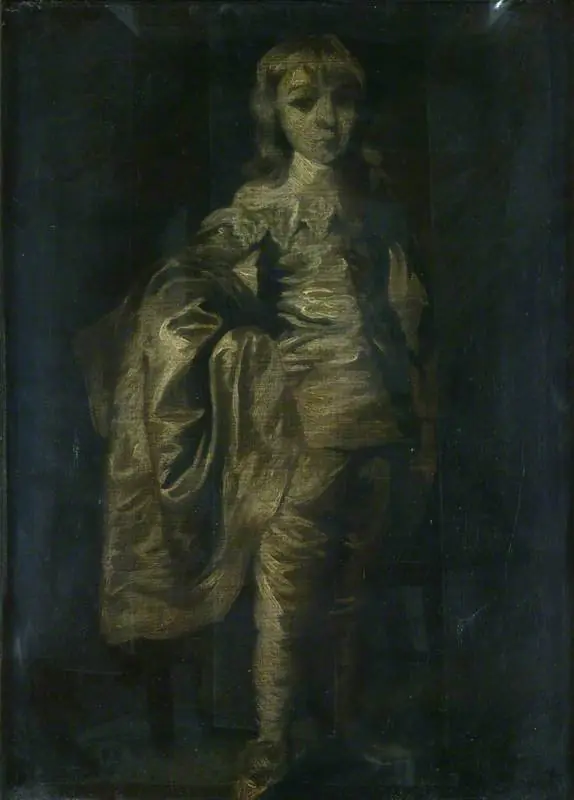 George Villiers (1628–1687), 2nd Duke of Buckingham
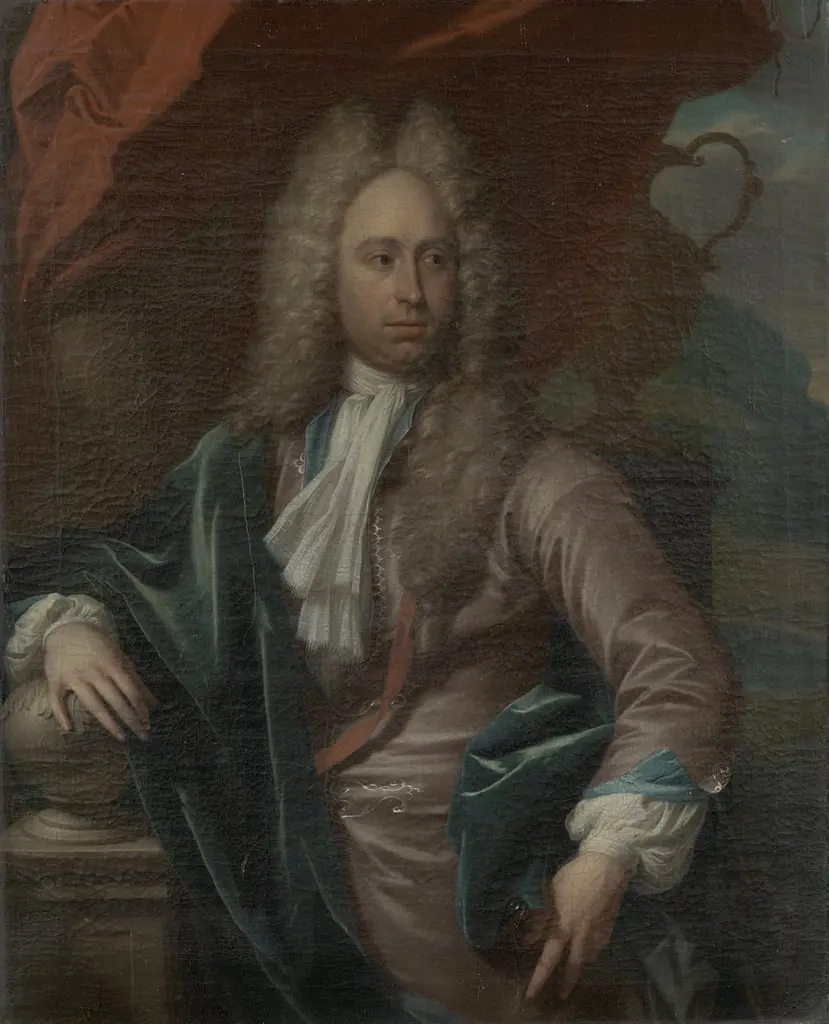 Portrait of Caspar Adriaen Parduyn, Bailiff of Middelburg
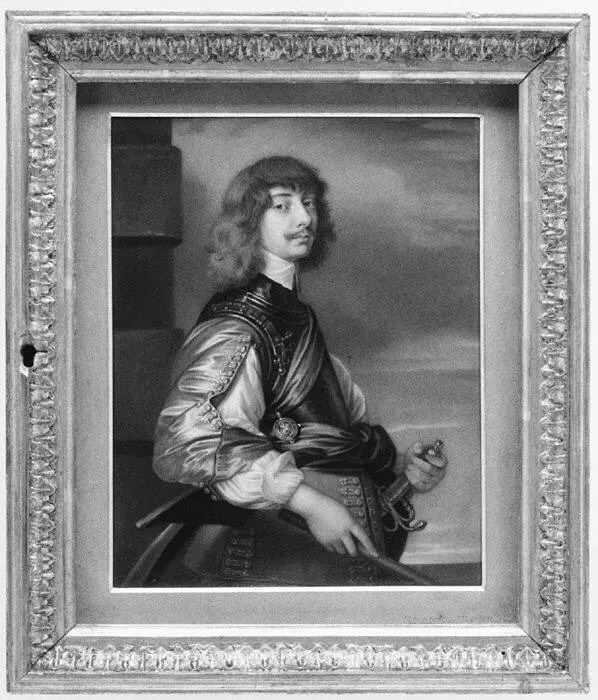 Algernon Percy (1602–1668), Tenth Earl of Northumberland, after Van Dyck
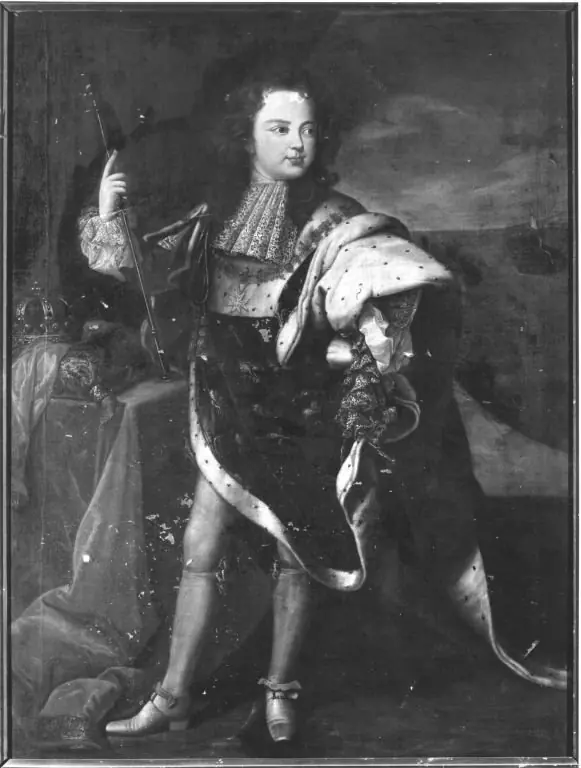 Knabenbildnis des Ludwig XV. als Dauphin
 Grand Duke Ferdinando II. (1610-1670) of Tuscany
 Bildnis eines alten Mannes (Kopie nach)