Artwork
Johannes Baptista Franck (ca. 1599-1663)
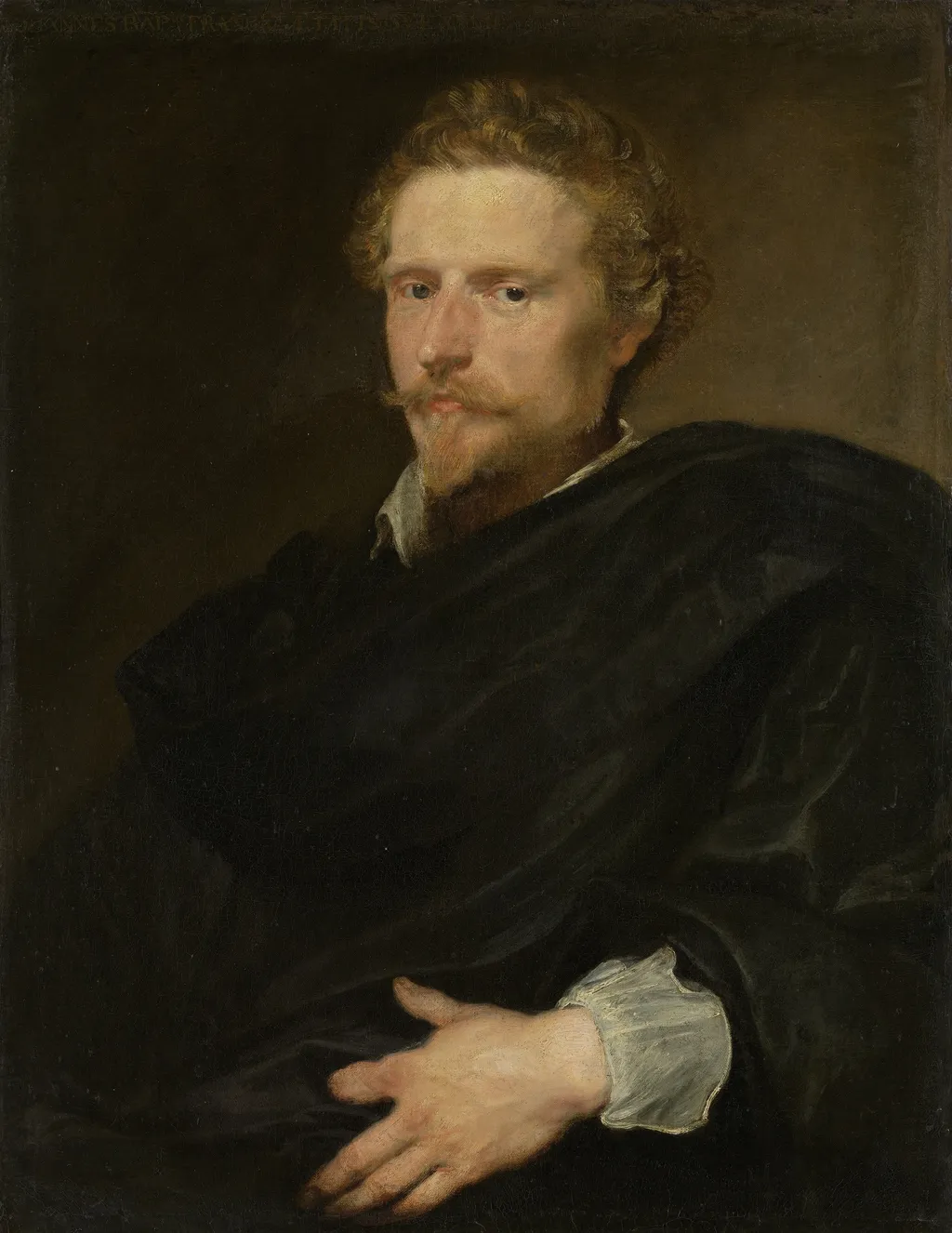
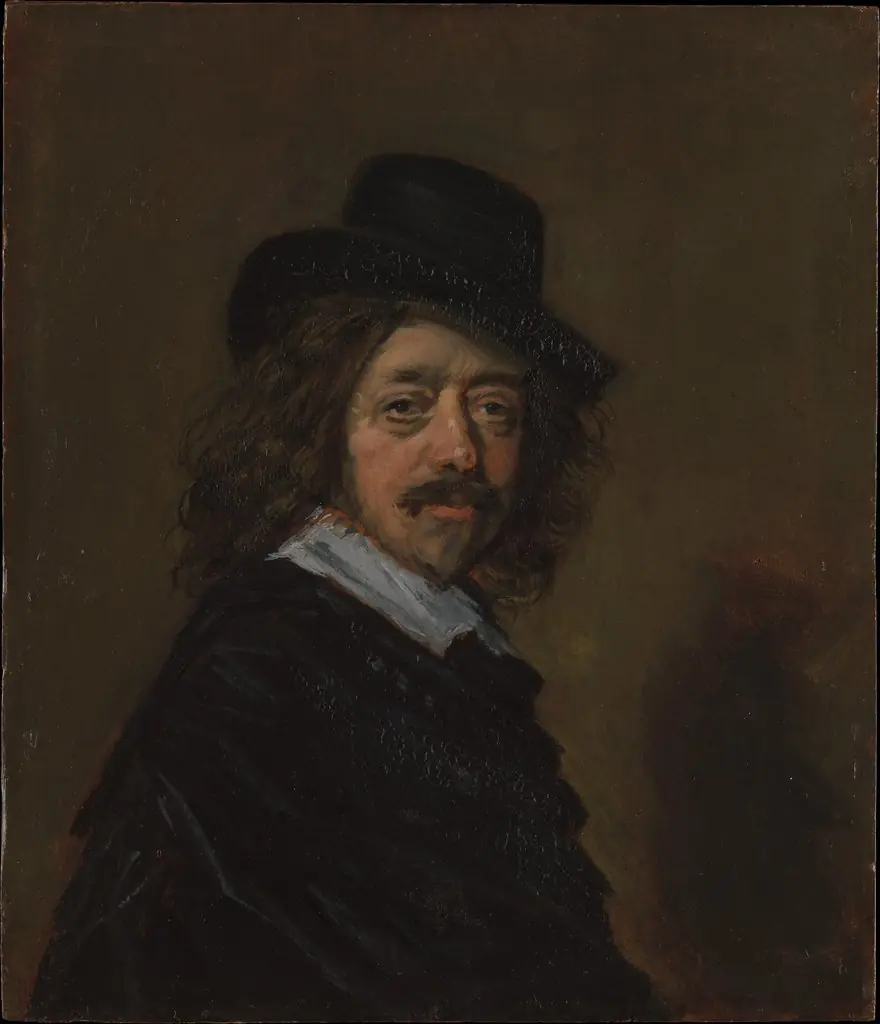
Johannes Baptista Franck (ca. 1599-1663) is an oil painting by the Flemish Baroque painting artist Anthony van Dyck. It dates from 1621 and is held in the collection of the Rijksmuseum.
About this work
Overview
Painted in 1621 by Anthony van Dyck, this oil portrait depicts Johannes Baptista Franck, a figure likely connected to the intellectual or ecclesiastical circles of Antwerp. Executed during van Dyck’s formative years under Rubens’s influence, the work exemplifies his emerging mastery in capturing quiet dignity through restrained composition and subtle lighting. The painting resides today in the Rijksmuseum’s collection.
Subject & Meaning
His neutral expression and direct yet unassuming gaze convey introspection.
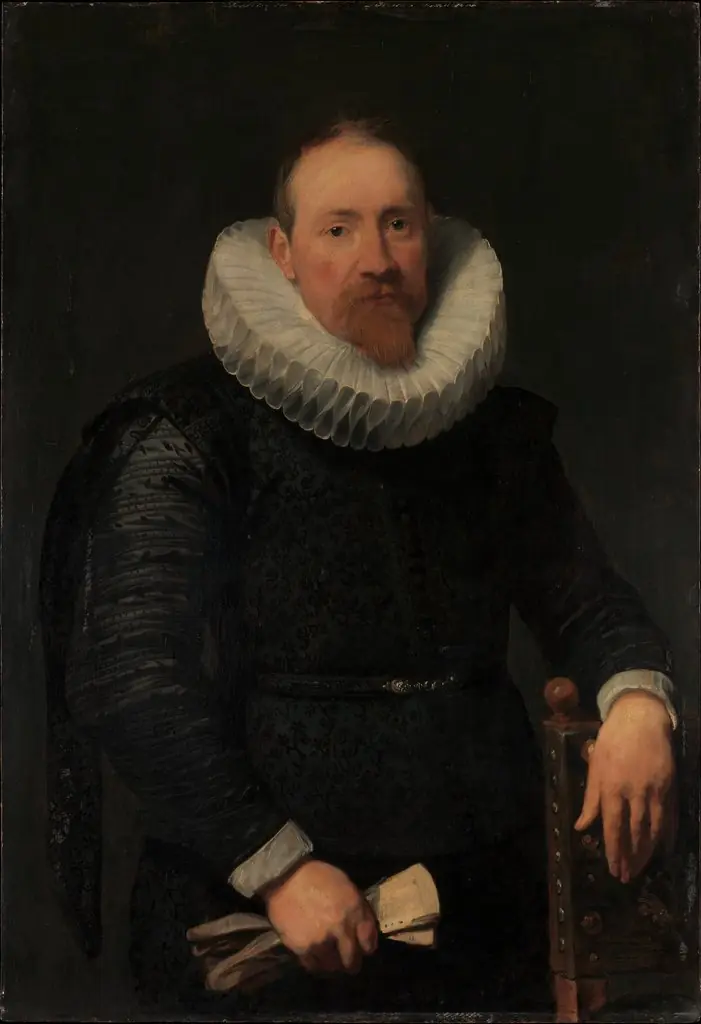
The sitter, Johannes Baptista Franck, is portrayed without overt symbols of status or profession, suggesting a focus on personal presence rather than social identity. His neutral expression and direct yet unassuming gaze convey introspection. The absence of elaborate accessories or background elements emphasizes the individual’s character, aligning with early 17th-century portraiture’s shift toward psychological depth.
Technique & Style
Van Dyck employs chiaroscuro to model the face and hands with soft gradations of light, enhancing three-dimensionality against a dark, neutral backdrop. The texture of the ruffled collar and the loose fabric of the robe are rendered with delicate brushwork, while the hair and mustache are suggested with loose, fluid strokes. The palette is muted, dominated by browns and blacks, reinforcing the portrait’s solemn tone.
History & Provenance
Created during van Dyck’s Antwerp period, shortly before his departure for England, the portrait reflects his early development as a portraitist. It entered the Rijksmuseum’s collection through documented acquisitions in the 19th century, though earlier ownership records remain incomplete. Its preservation has allowed continued study of van Dyck’s evolving approach to likeness and presence.
Context
In early 17th-century Antwerp, portraiture served both personal and social functions, often commissioned by clergy, scholars, or merchants. Van Dyck, trained under Rubens, adapted the grandeur of Flemish painting into more intimate, psychologically nuanced depictions. This work aligns with a broader trend toward understated elegance, distinguishing his style from the more ornate traditions of his contemporaries.
Legacy
Though not among van Dyck’s most famous portraits, this work illustrates his early command of subtlety and restraint. It contributes to understanding his transition from Rubensian influence toward the refined, aristocratic portraiture he later perfected in England. The painting remains a quiet example of how individual presence could be conveyed without spectacle.
Own this work as a print
Artist & collection
Artist
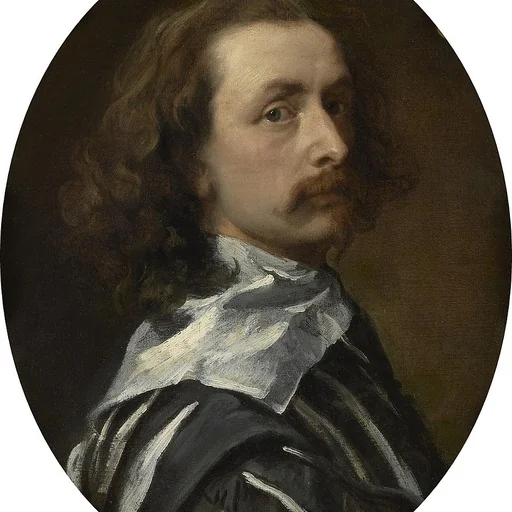
Sir Anthony van Dyck (; Dutch: Antoon van Dijck ; 22 March 1599 – 9 December 1641) was a Flemish Baroque artist, who became the leading court painter in England after success in the Spanish Netherlands and Italy.

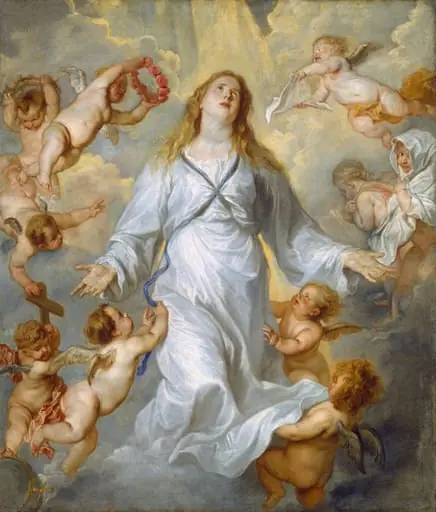
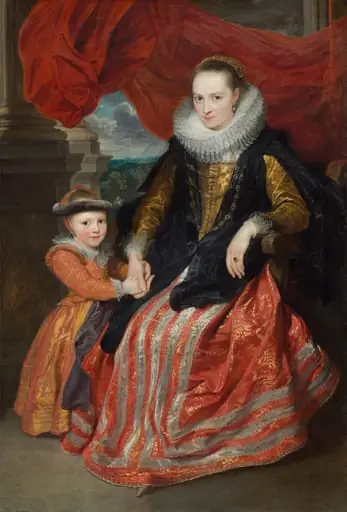
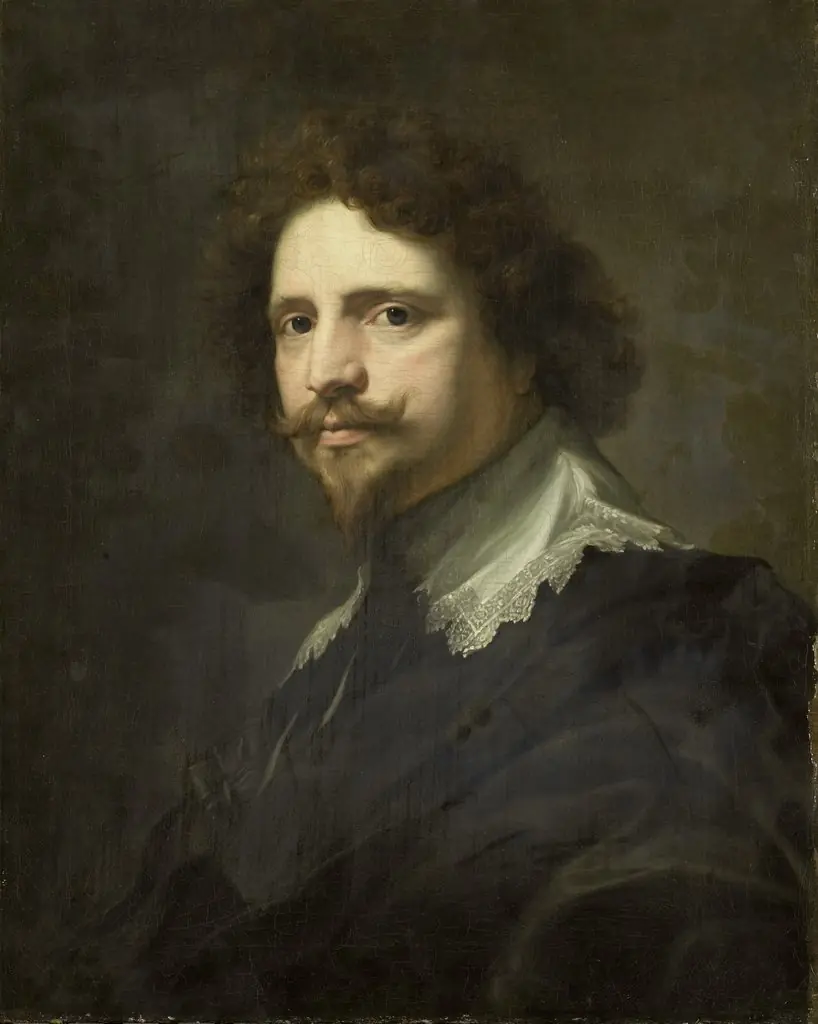 Portrait of Michel le Blon (1587-1657). Agent of Queen Christina of Sweden, goldsmith and engraver
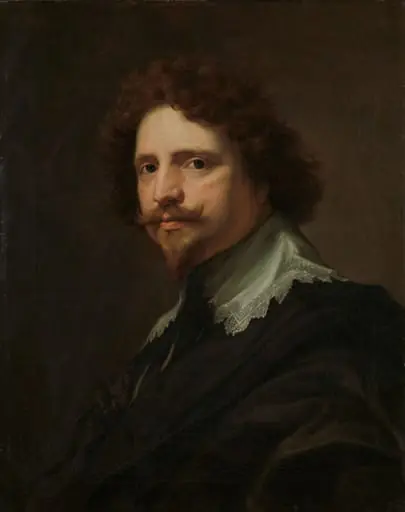 Portrait of Michel Le Blon (1587-1656)
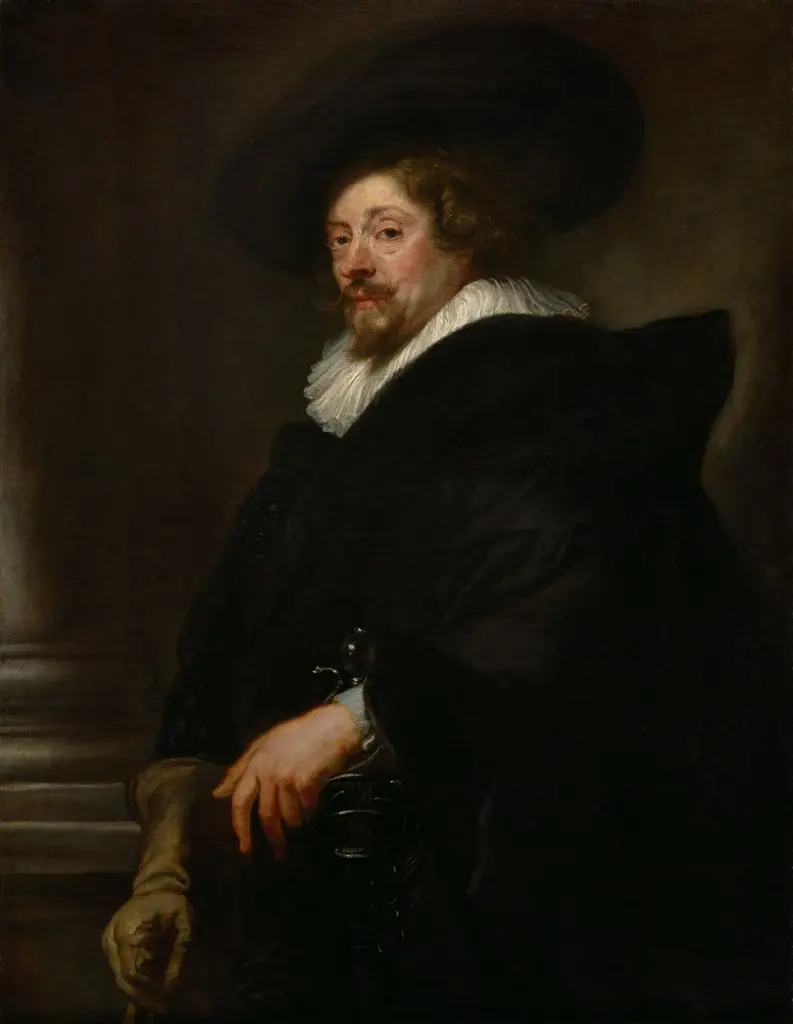 Self-portrait
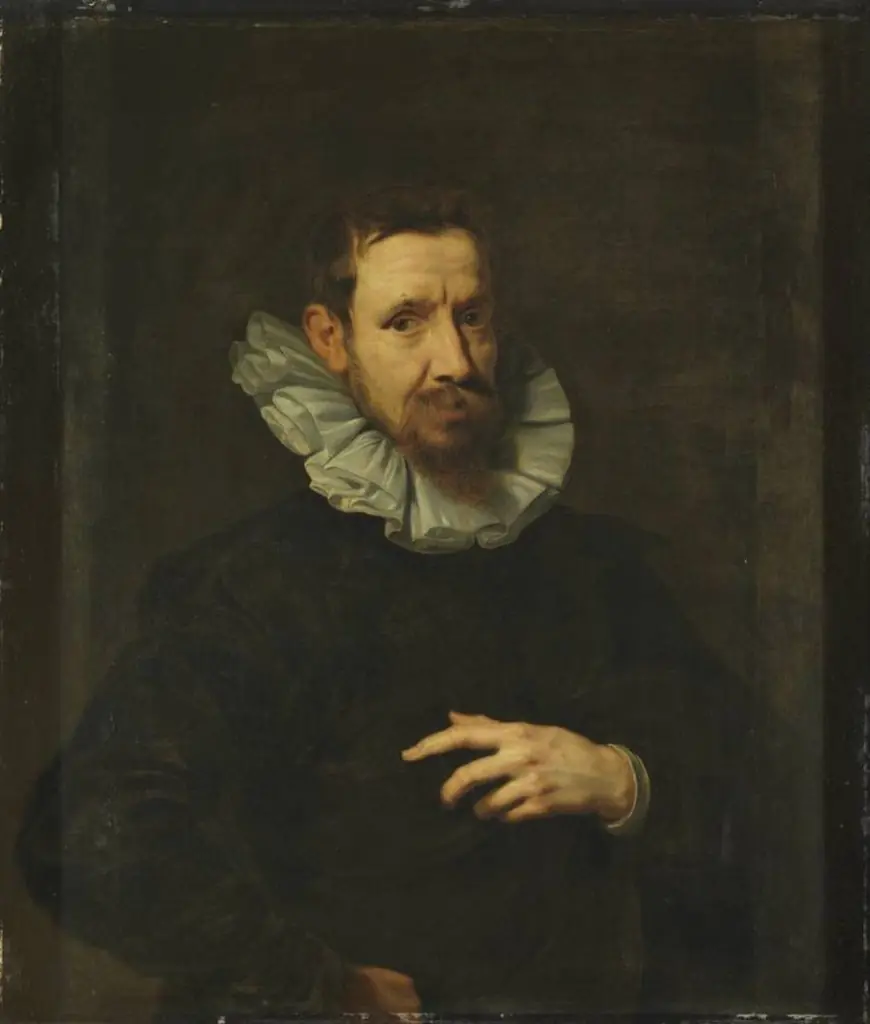 Portrait of the painter Jan Brueghel
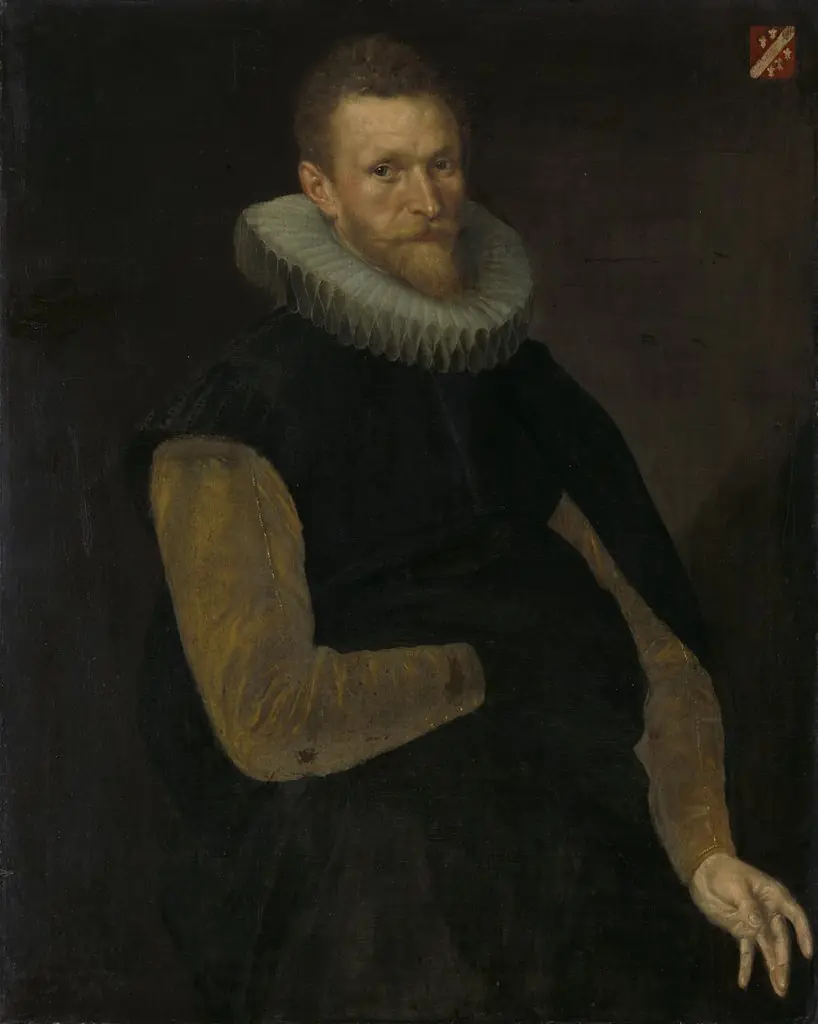 Portrait of Jacob Cornelisz Banjaert, called van Neck (1564-1638). Admiral & mayor of Amsterdam
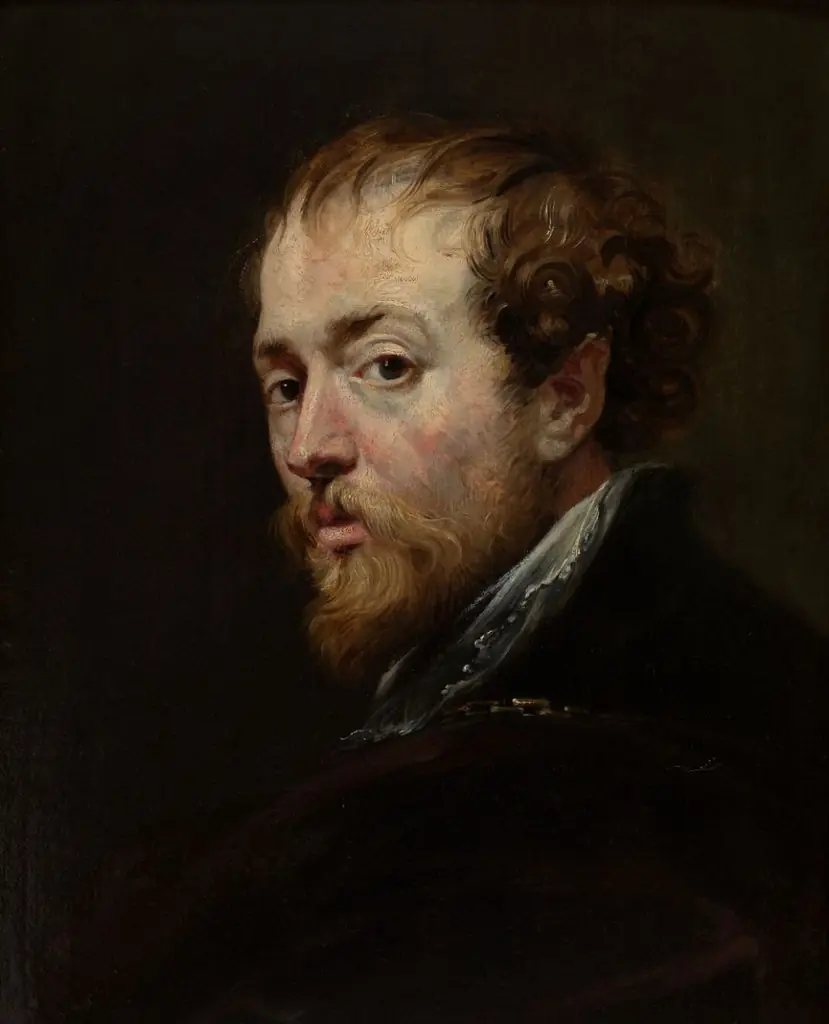 Portrait of Peter Paul Rubens
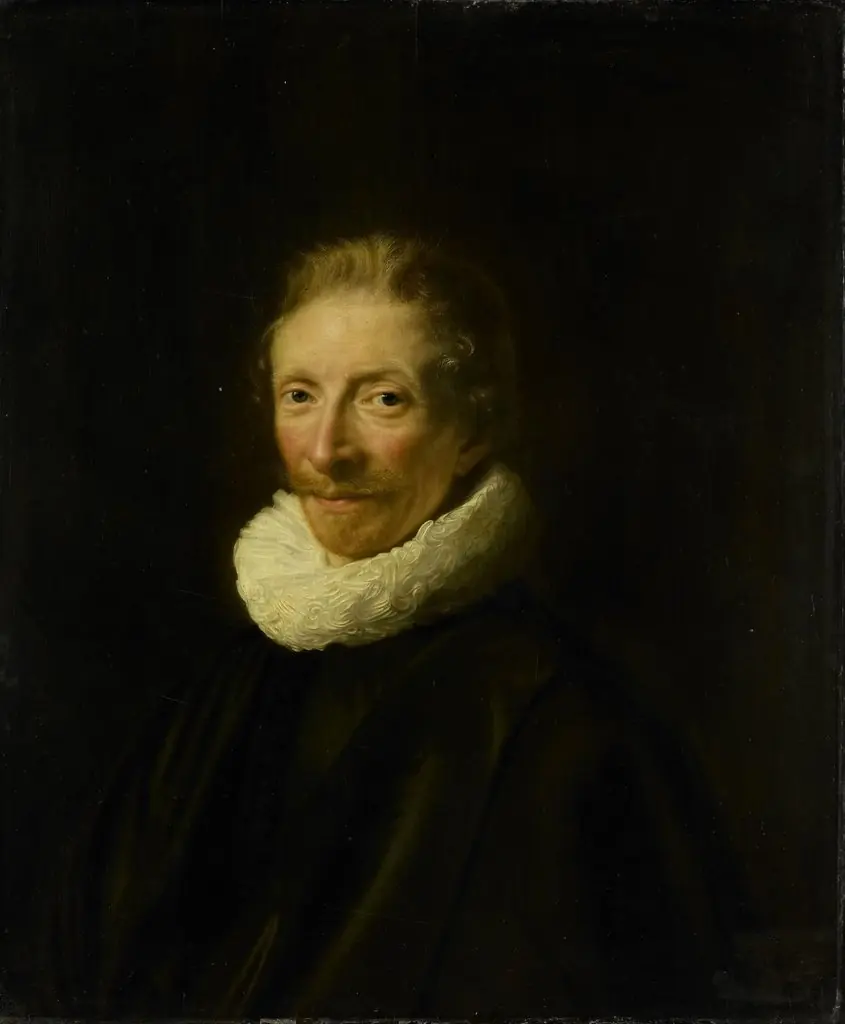 Portrait of David de Moor (1598-1643)
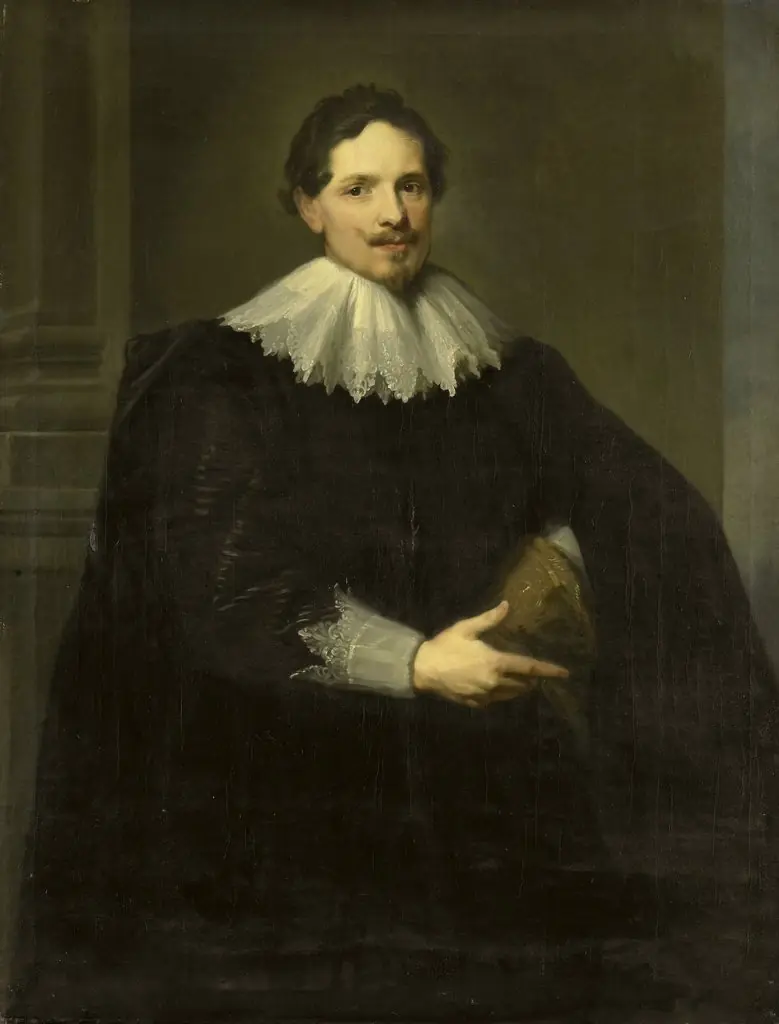 Sebastiaan Leerse, Antwerp Merchant
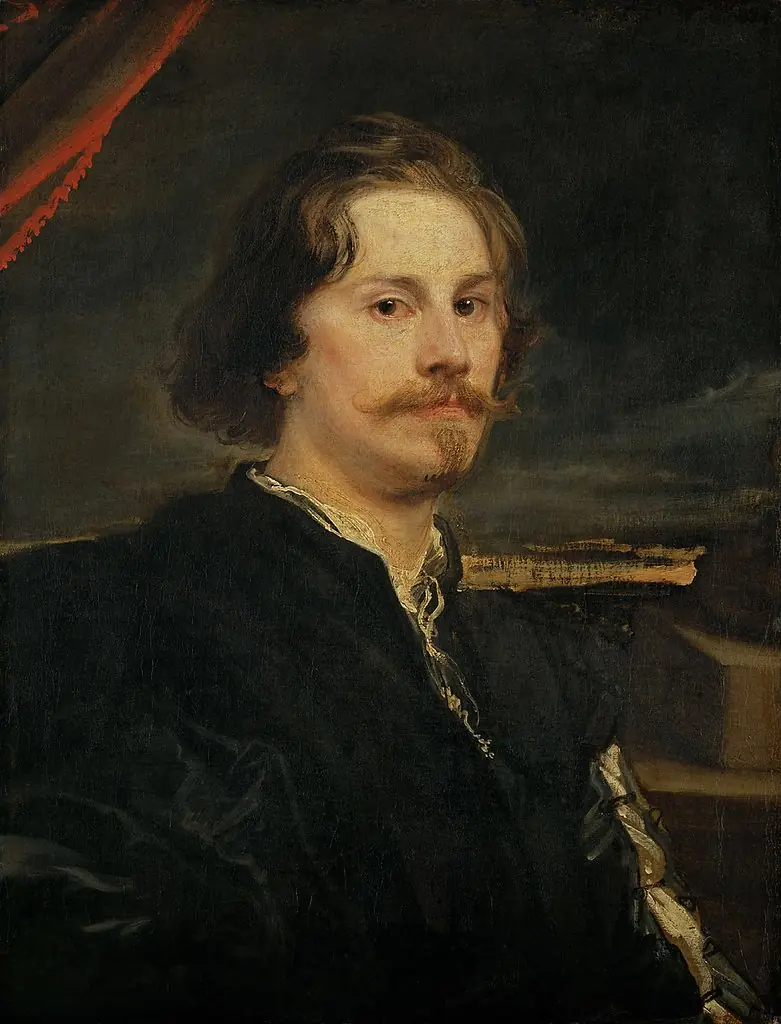 Portrait of Pieter Soutman
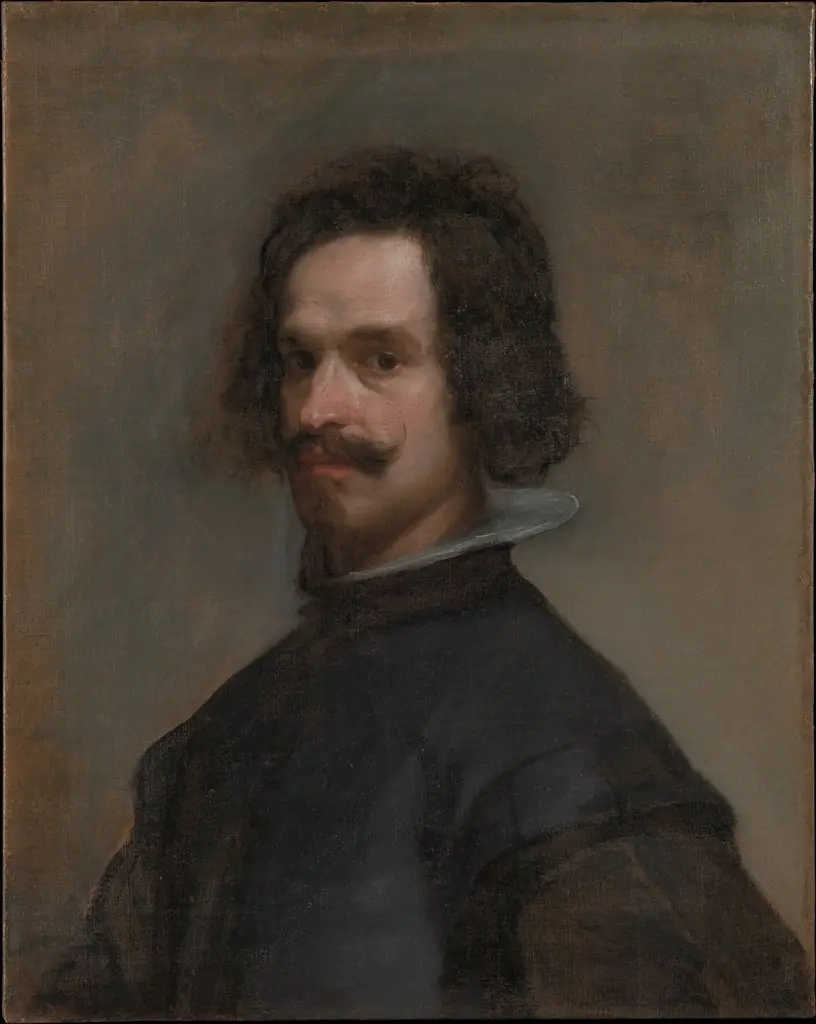 Portrait of a Man
 Frans Hals (1582/83–1666)