Artwork
Portrait of Michel Le Blon (1587-1656)
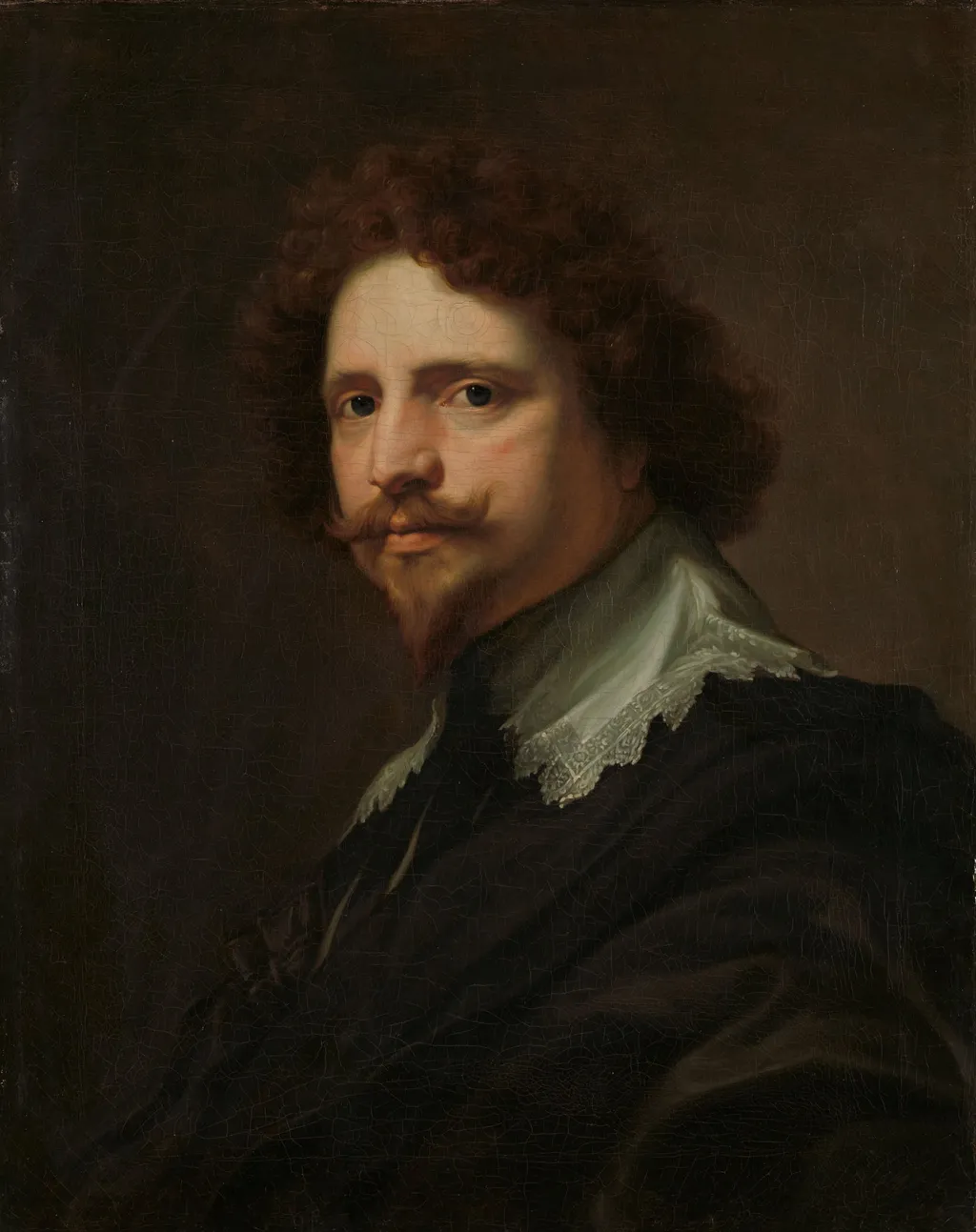
Portrait of Michel Le Blon (1587-1656) is an unspecified painting by Unknown. It dates from 1700 and is held in the collection of the Rijksmuseum. The work is a portrait of Michel Le Blon, a goldsmith and engraver who served Queen Christina of Sweden.
About this work
The original showed Michel Le Blon, a goldsmith and engraver who worked for Queen Christina of Sweden.
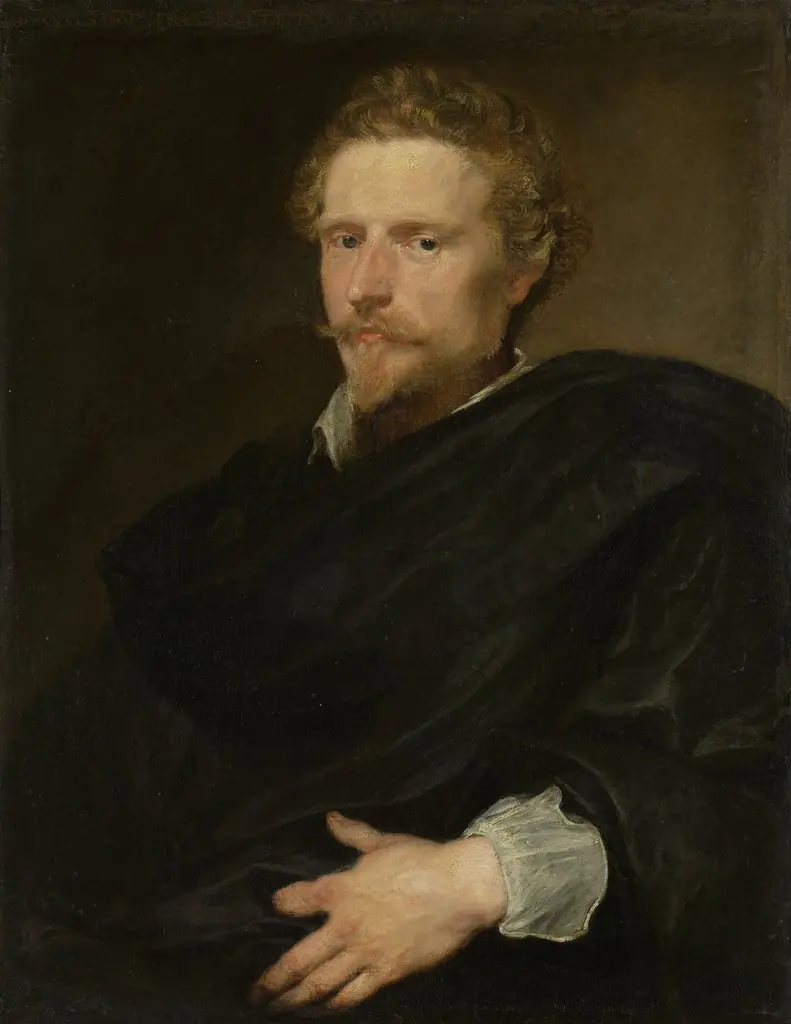
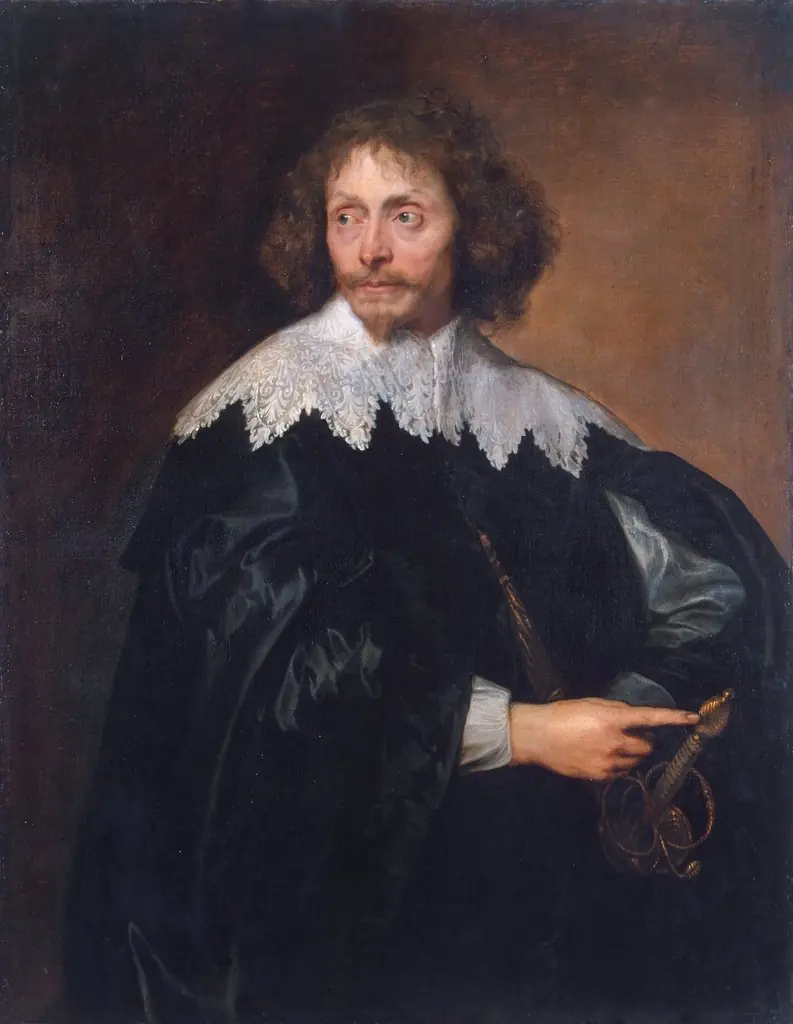
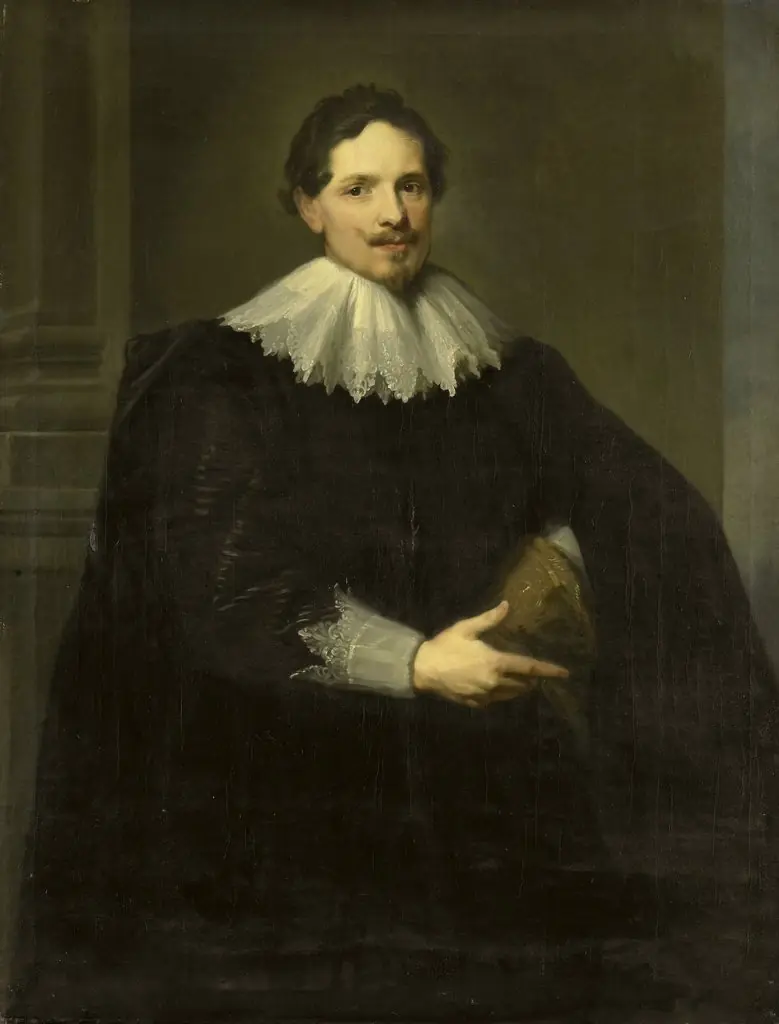
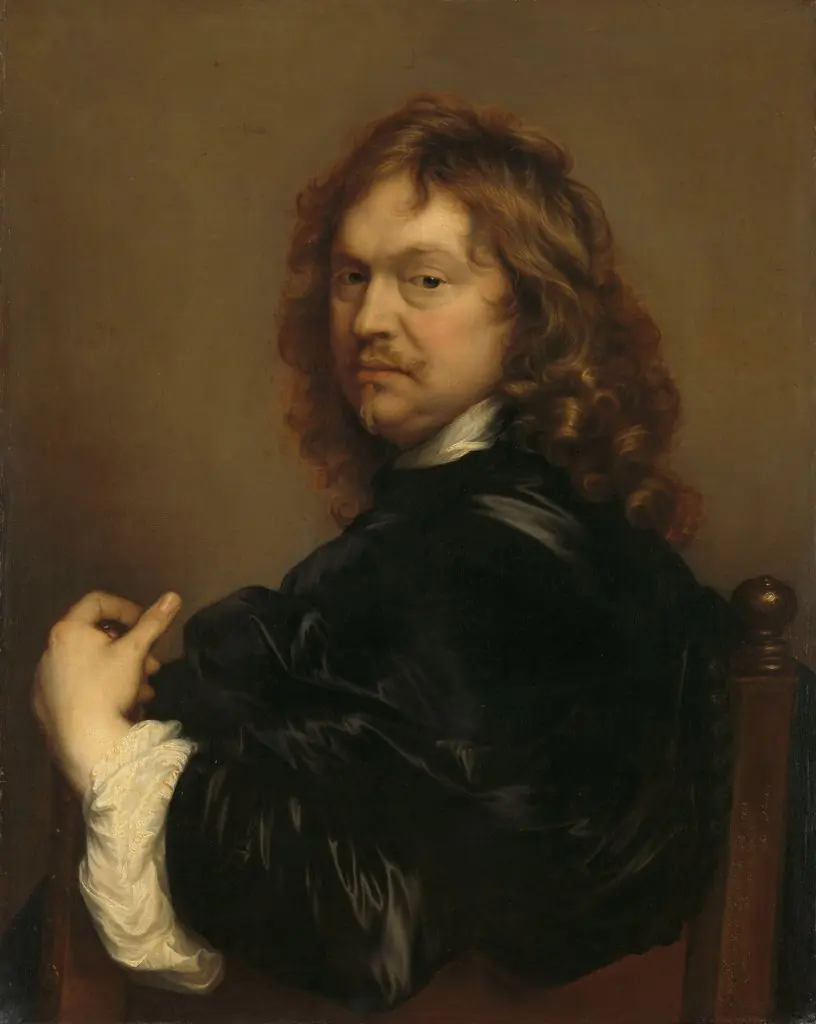
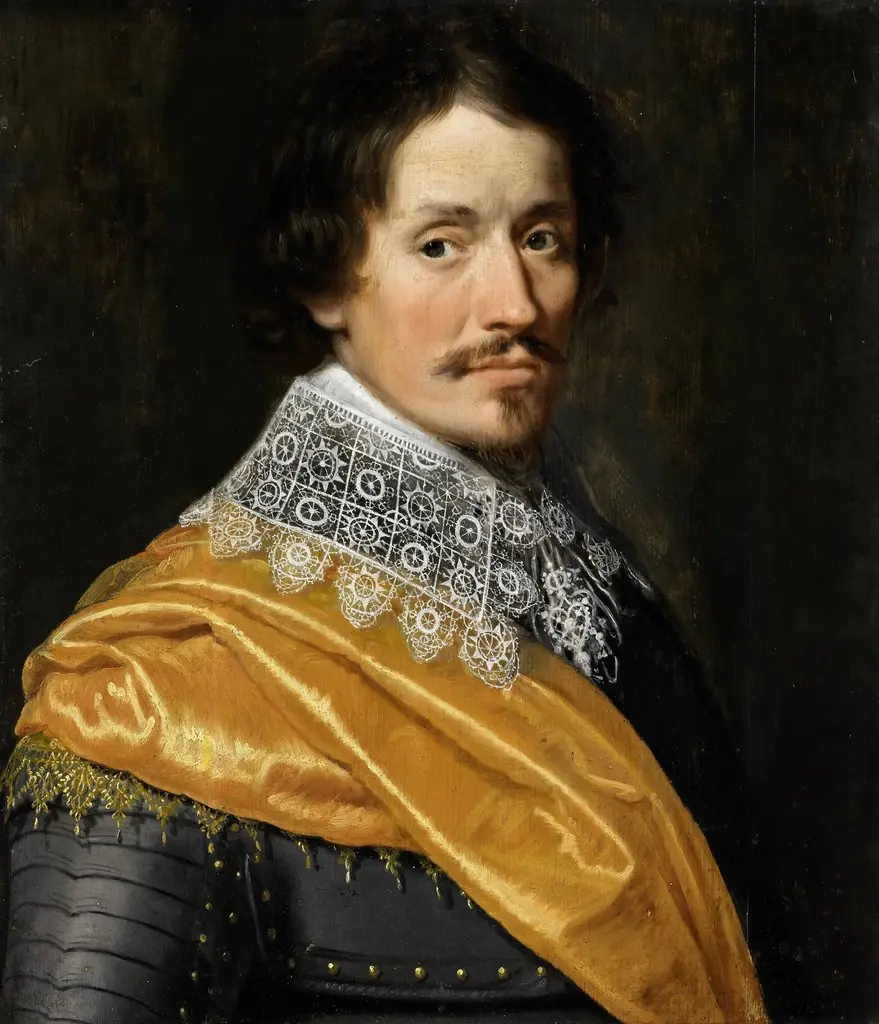
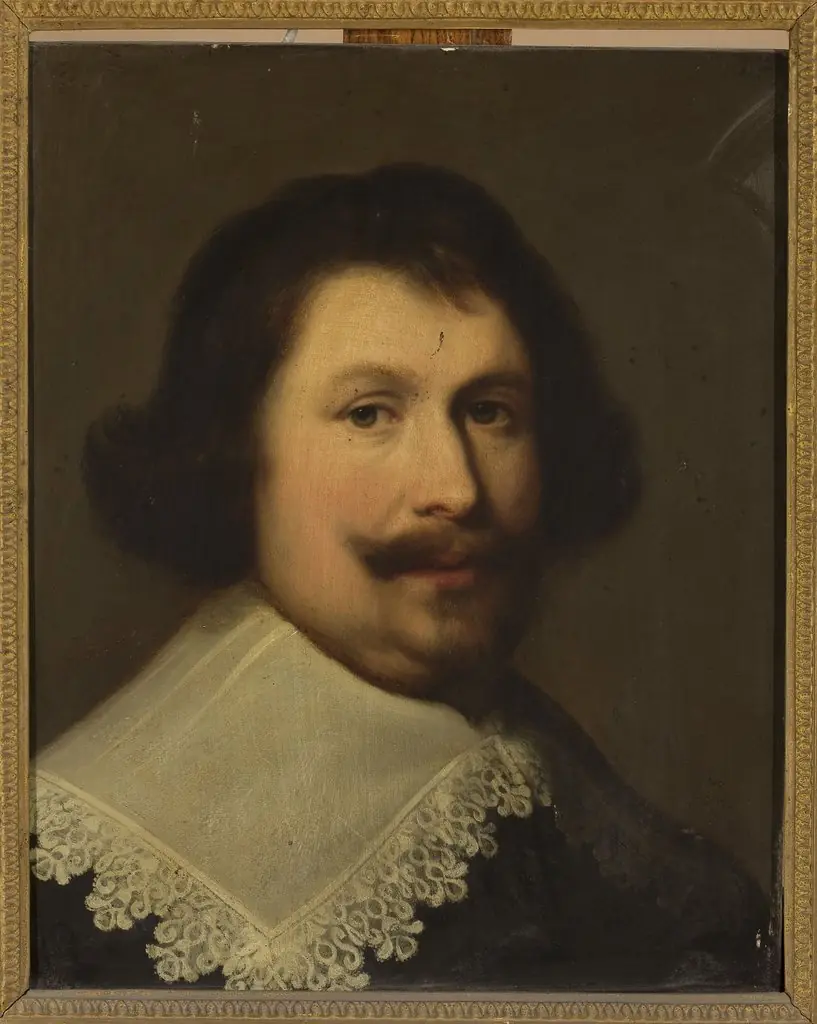
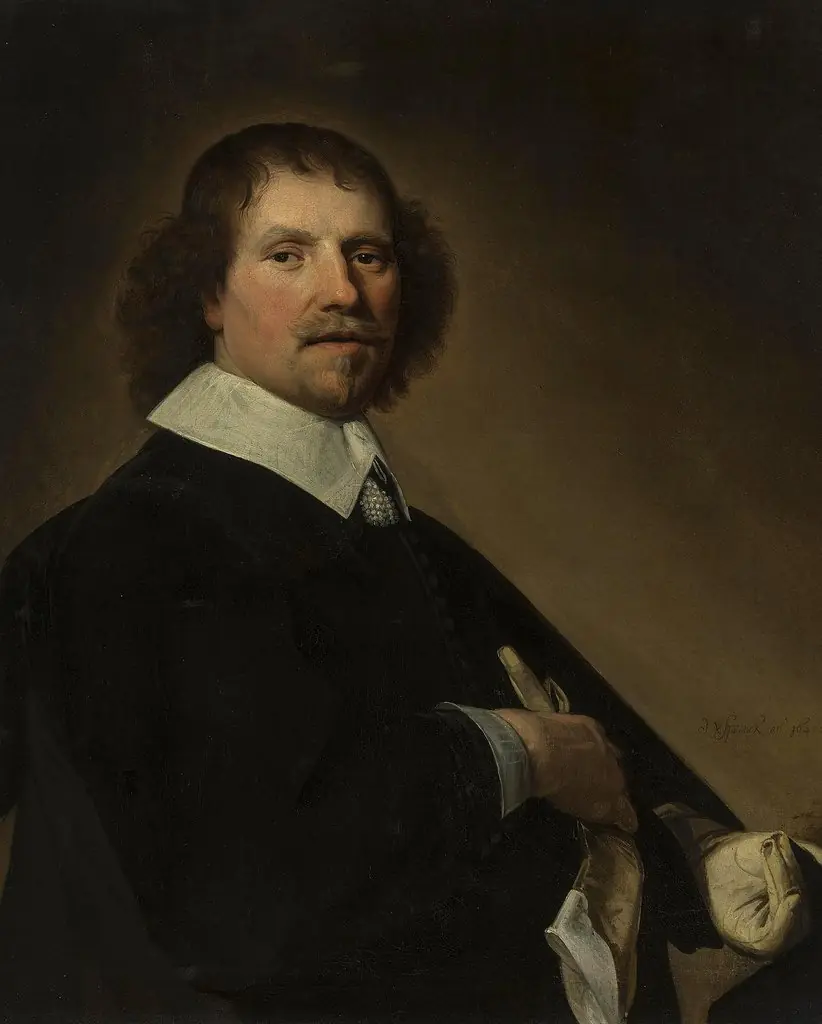
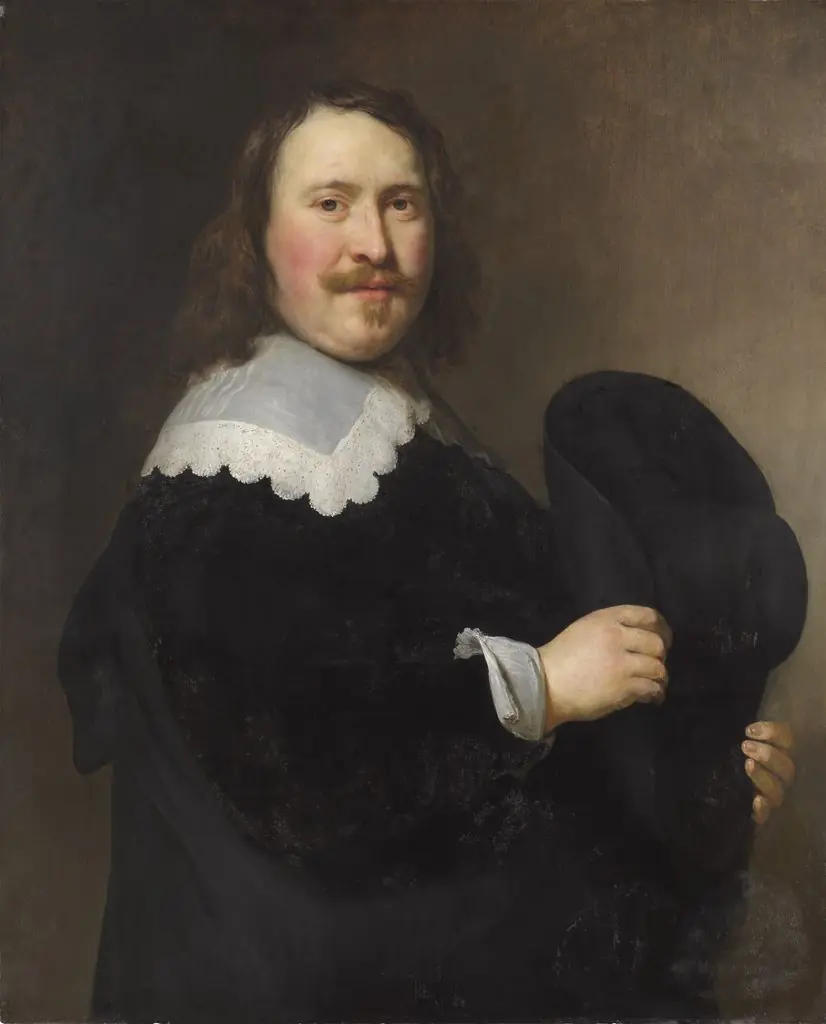
You see a man in a dark coat, his face turned slightly to the side. He has a short beard and a serious look. The background is plain, almost black.
This is a copy of an earlier painting. The original showed Michel Le Blon, a goldsmith and engraver who worked for Queen Christina of Sweden. We don’t know who made this version or when, but it was done after 1700.
To see more works like this, visit the Rijksmuseum.
Overview
The work is a portrait of Michel Le Blon, a goldsmith and engraver who served Queen Christina of Sweden. It presents a bust‑length view of the sitter turned slightly to the left, set against a dark, nearly black background. The painting is a later copy of an earlier original, the latter of which is now held in Toronto.
Subject & Meaning
Michel Le Blon (1587‑1656) is depicted in a sober, formal pose, his short beard and serious expression reflecting the professional dignity of a court artisan. The plain background focuses attention on his visage, underscoring his role as a trusted agent of the Swedish queen rather than any narrative scene.
Technique & Style
Executed after 1700, the copy reproduces the original’s restrained palette and chiaroscuro modeling. The figure is rendered in a dark coat, with careful attention to the texture of fabric and the subtle gradations of light on the face, typical of portraiture that emphasizes realism over decorative detail.
History & Provenance
The original portrait, now located in Toronto, dates from the mid‑17th century. This version’s creator remains unidentified, but it was produced sometime after 1700, likely as a reproduction for collectors or institutions. Its presence in the Rijksmuseum collection reflects the museum’s interest in documenting the visual culture surrounding Queen Christina’s court.
Context
Le Blon’s career spanned the early modern period, during which goldsmiths and engravers often held significant status at royal courts. His association with Queen Christina places him within a network of artists and craftsmen who contributed to the cultural prestige of Sweden’s monarchy in the mid‑17th century.
Artist & collection

 Domestic Scene
 Giacomo and Cardinal Marco, investing Andrea, Abbot of San Zeno, with his Benefice
 The Nymph of Fontainebleau
 Portrait of a Woman
 Madonna and Child with Saints in the Enclosed Garden
 Venus and Minerva
 Family Group of Four on Sofa
 Wall painting from Room H of the Villa of P. Fannius Synistor at Boscoreale