Artwork
Maria Stuart en Willem II
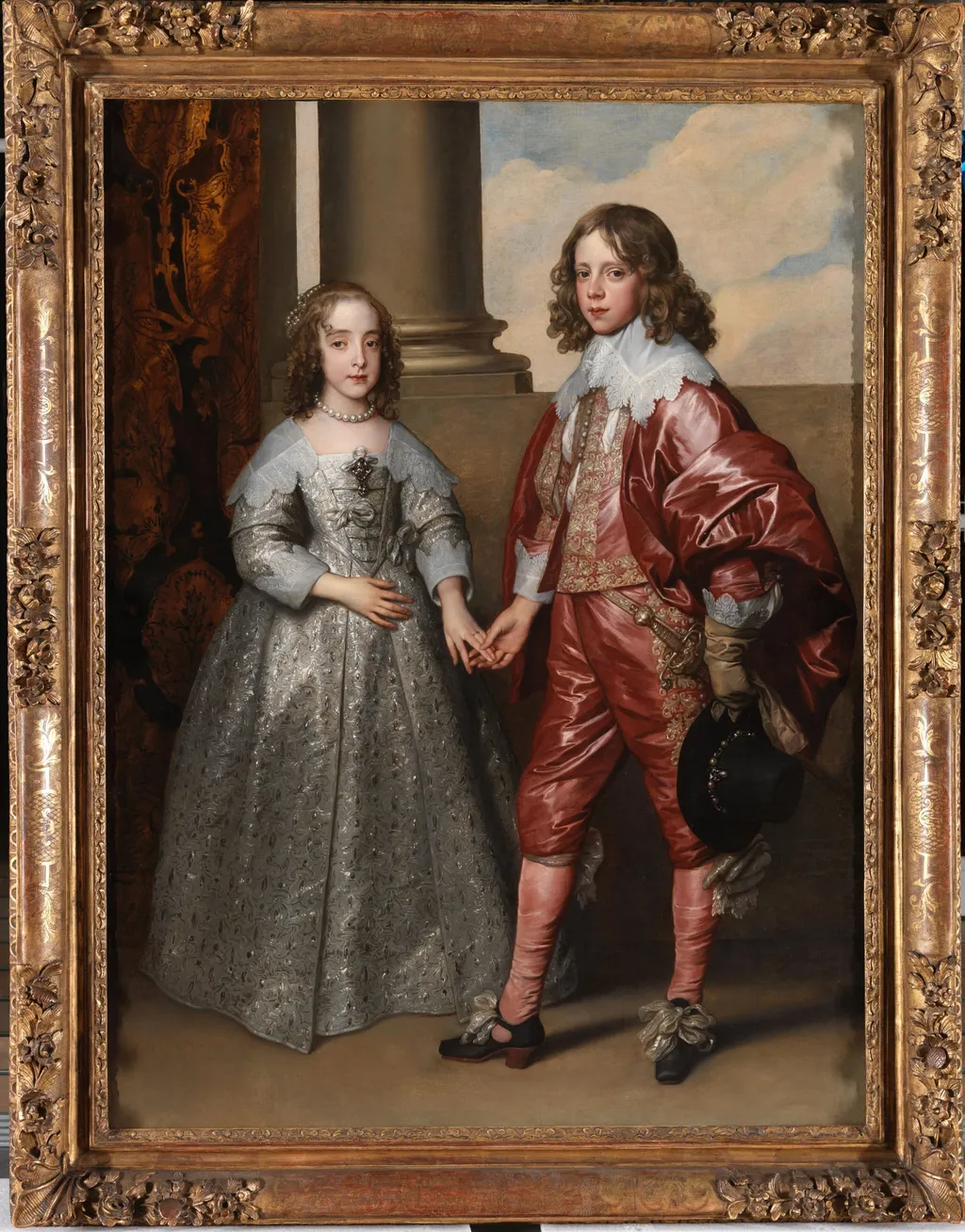
Maria Stuart en Willem II is an unspecified painting by the Flemish Baroque painting artist Anthony van Dyck. It dates from 1641 and is held in the collection of the Rijksmuseum. This portrait depicts Mary Stuart and William II of Orange at the time of their marriage, both still children.
About this work
Overview
This portrait depicts Mary Stuart and William II of Orange at the time of their marriage, both still children. Painted in the mid-17th century, it captures a political union between the English and Dutch ruling houses. The composition deliberately positions Mary on the left, a rare convention signaling her superior royal lineage as the daughter of King Charles I of England.
Subject & Meaning
The painting serves as a dynastic statement rather than a personal portrait. Mary’s elevated position on the left underscores her status as a princess of England, outranking William, who was the son of a stadholder. The exchange of jewelry—her wedding ring and the diamond brooch—symbolizes the alliance between the two nations, transforming personal adornment into a public covenant.
Technique & Style
Rendered in the Flemish-influenced Dutch Baroque style, the figures are rendered with precise detail, particularly in the textures of lace, silk, and metalwork.
Rendered in the Flemish-influenced Dutch Baroque style, the figures are rendered with precise detail, particularly in the textures of lace, silk, and metalwork. The background remains muted, focusing attention on the children’s elaborate attire and the symbolic objects they hold. The rigid posture and formal arrangement reflect courtly conventions of the time, emphasizing status over individuality.
History & Provenance
Commissioned shortly after the 1641 marriage, the painting was likely intended for display in the Dutch court or as a diplomatic gift. It remained in the House of Orange’s collection before entering the Rijksmuseum’s holdings, where it continues to serve as a visual record of early modern dynastic politics and the intersection of childhood with statecraft.
Context
Marriages between royal families in this era were strategic, often arranged before puberty to secure alliances. Mary’s marriage to William was part of broader efforts to strengthen Protestant ties between England and the Dutch Republic amid religious and political upheaval. Portraits like this functioned as propaganda, visually affirming legitimacy and unity.
Legacy
The painting remains a key example of how childhood was represented in political portraiture during the 17th century. Its unusual composition challenges norms of gender and hierarchy in dynastic imagery, offering insight into how status could override convention. It continues to inform scholarly understanding of early modern European court culture and the symbolism of dress and gesture.
Artist & collection
Artist
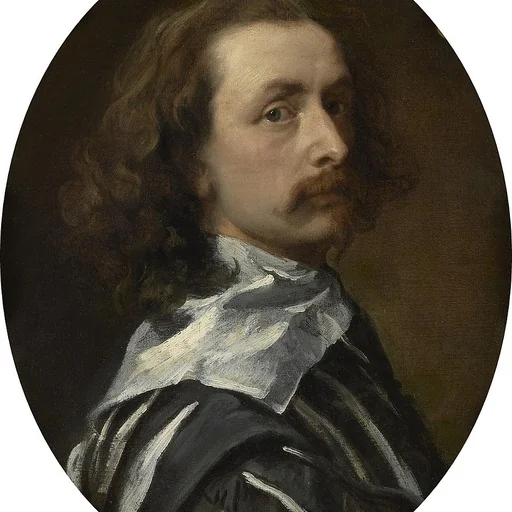
Sir Anthony van Dyck (; Dutch: Antoon van Dijck ; 22 March 1599 – 9 December 1641) was a Flemish Baroque artist, who became the leading court painter in England after success in the Spanish Netherlands and Italy.

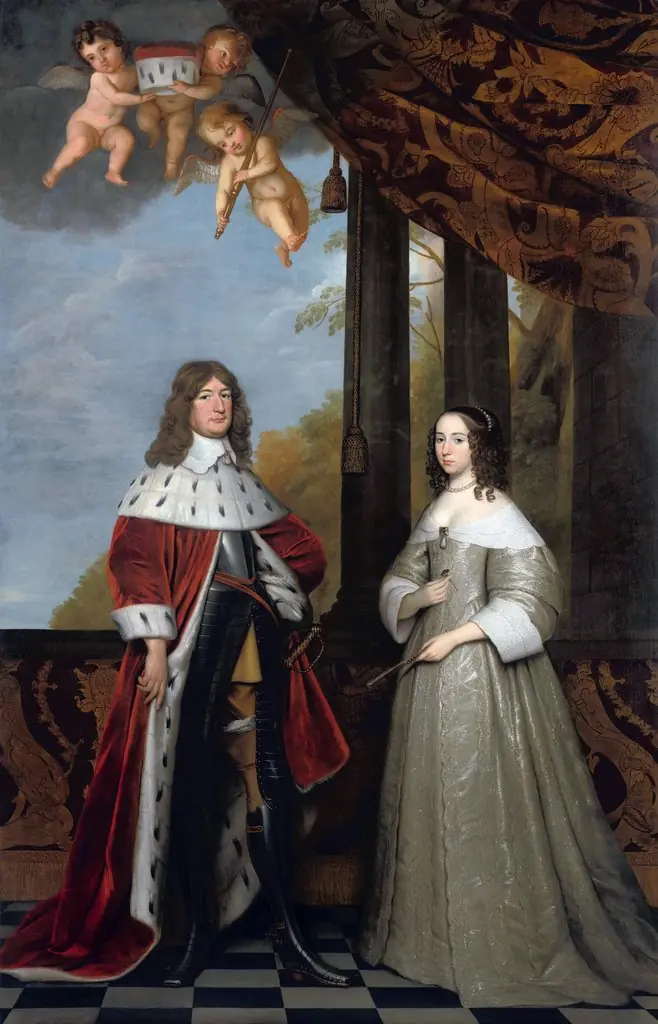 Friedrich Wilhelm (1620-88), Elector of Brandenburg, and his wife Louise Henriette (1627-67), Countess of Orange-Nassau
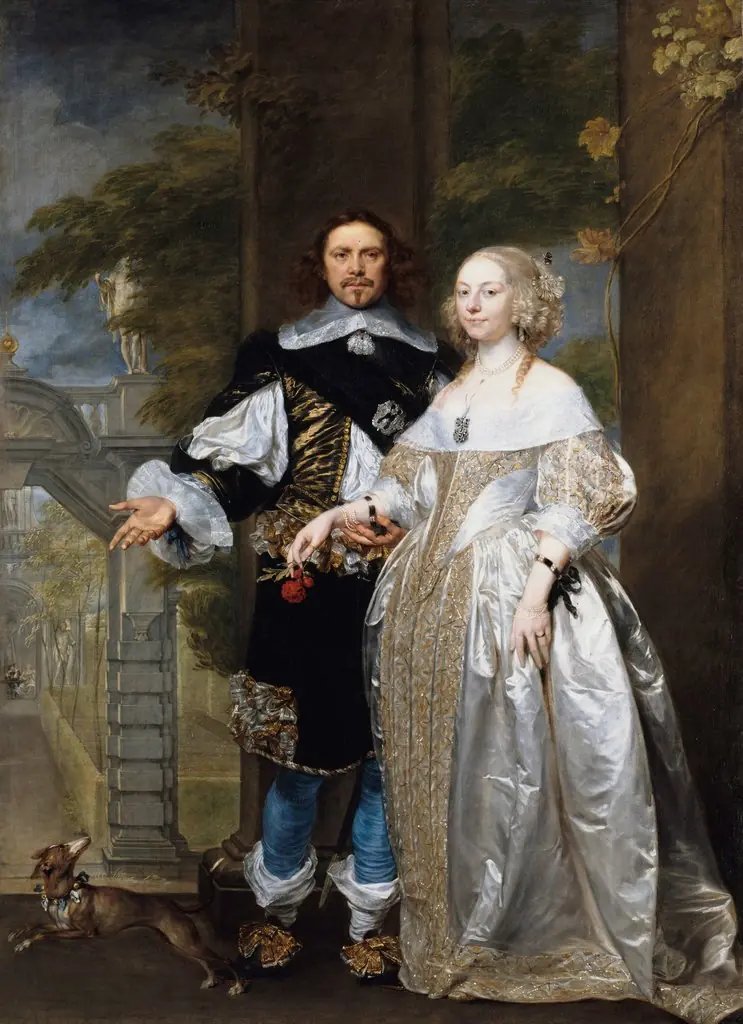 Married Couple in the Park
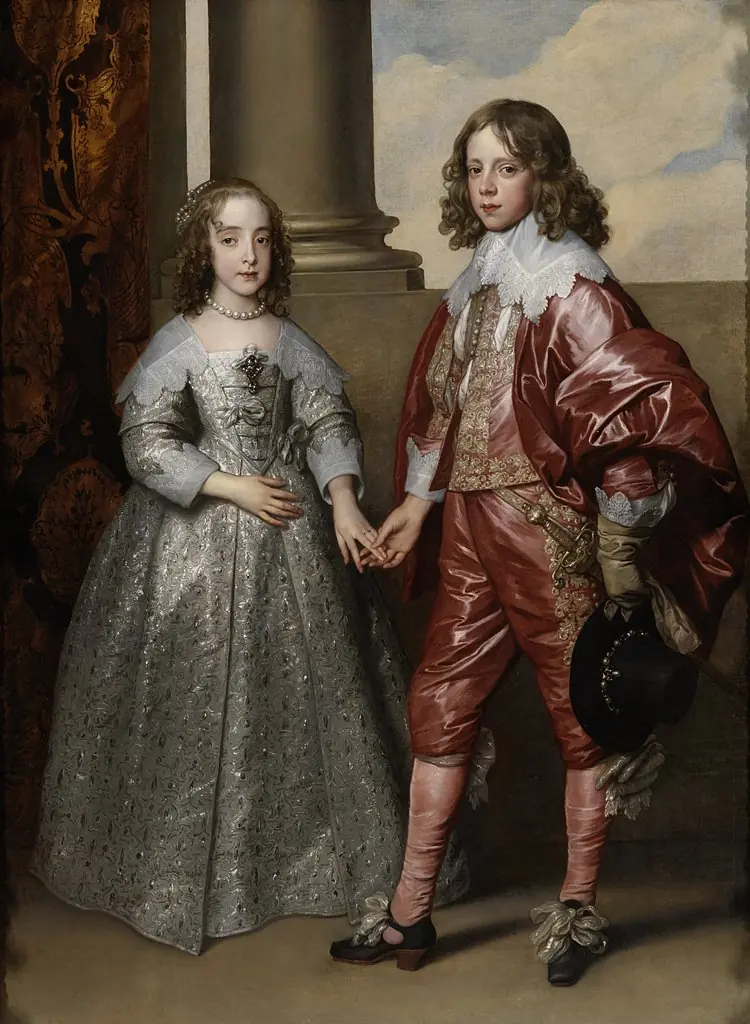
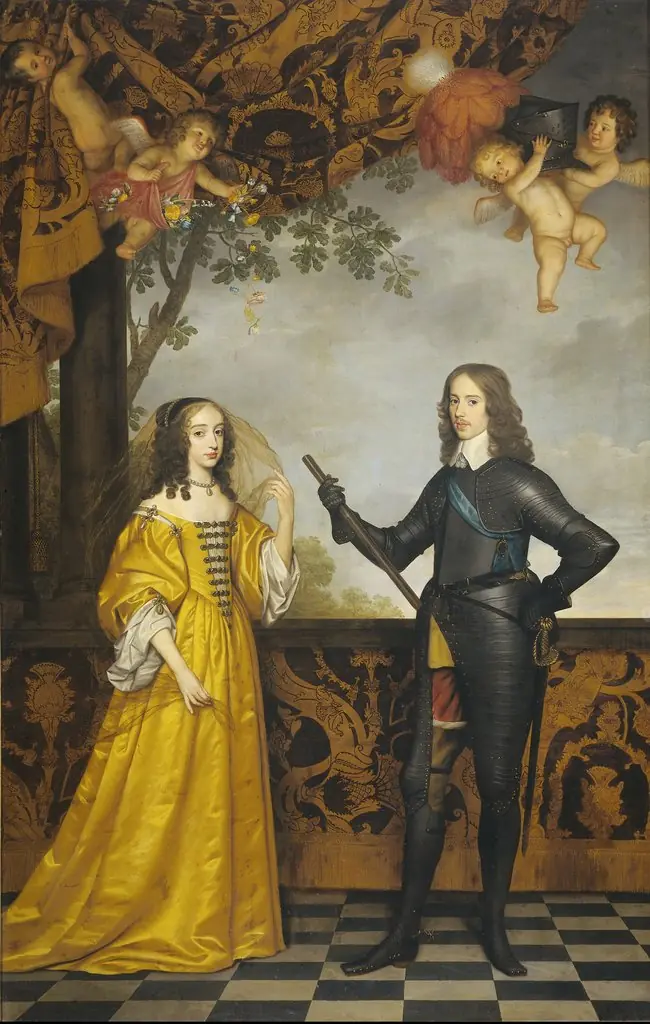 Willem II (1626-50), Prince of Orange, and his wife Maria Stuart (1631-60)
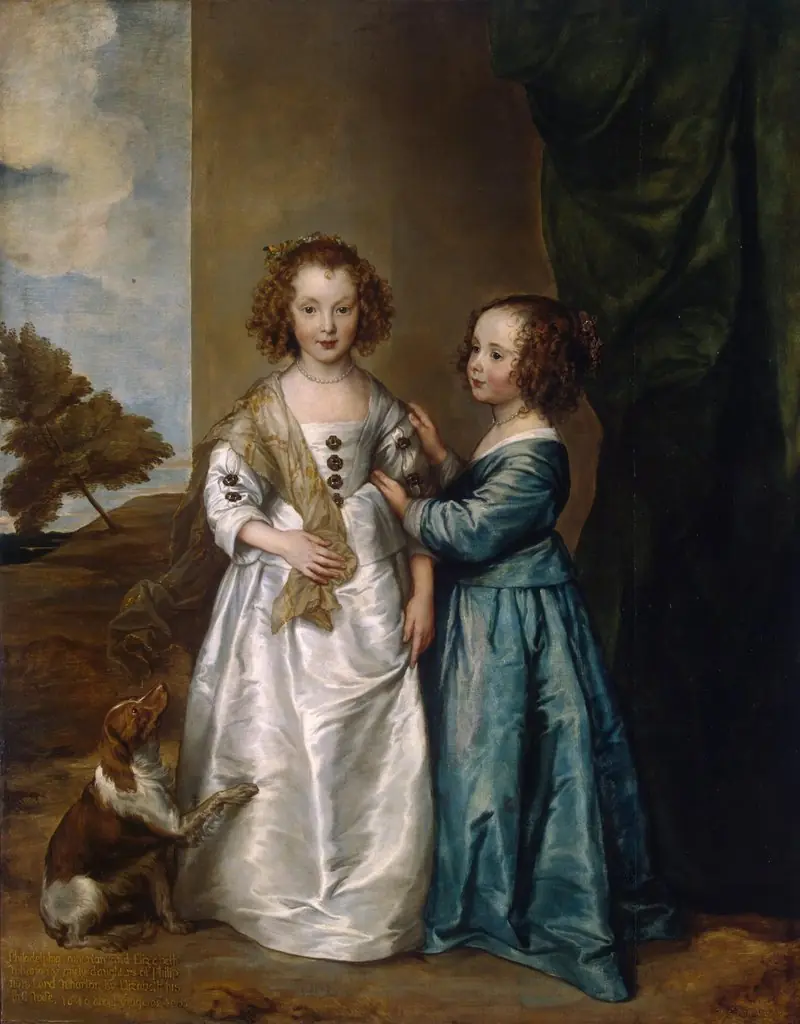 Portrait of Elizabeth and Philadelphia Wharton
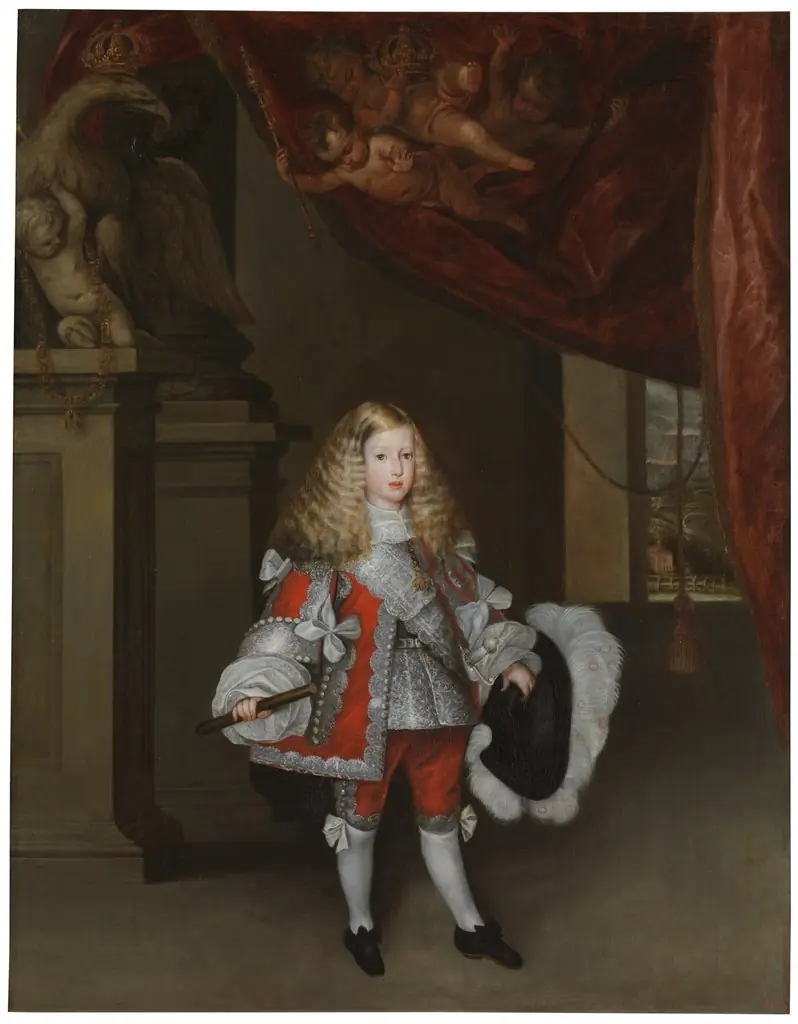 Charles II as a Child
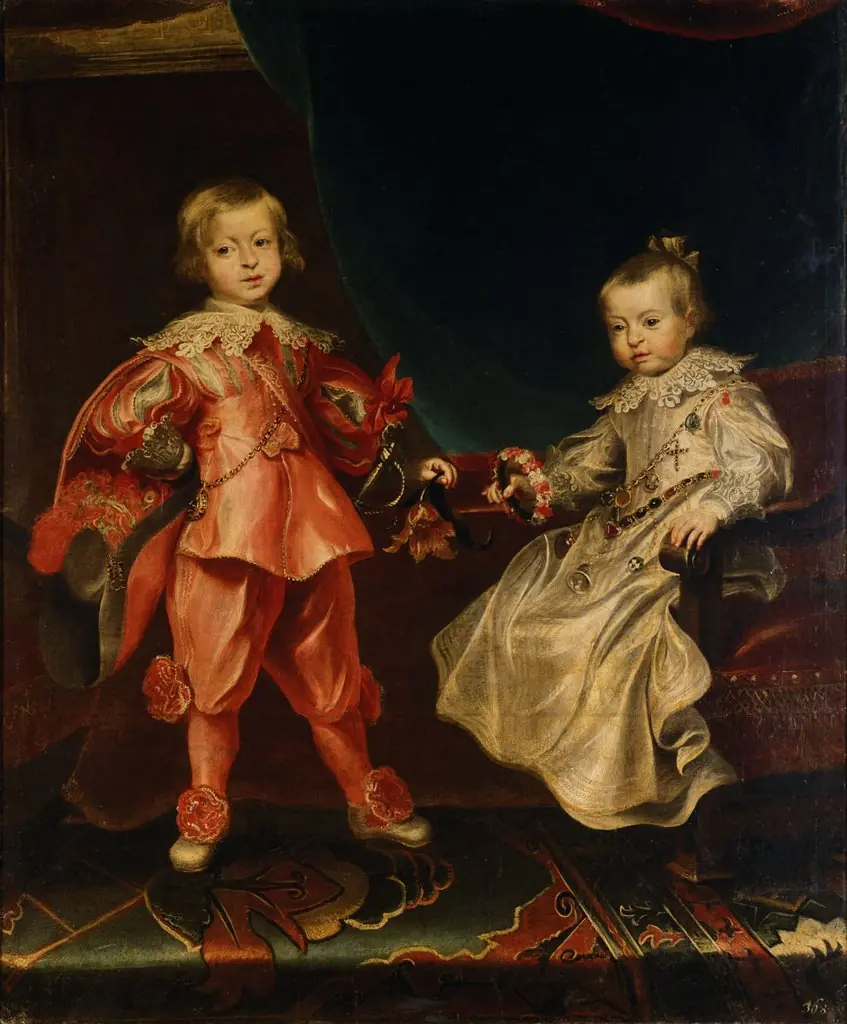 Portrait of Ferdinand IV with his sister Maria Anna
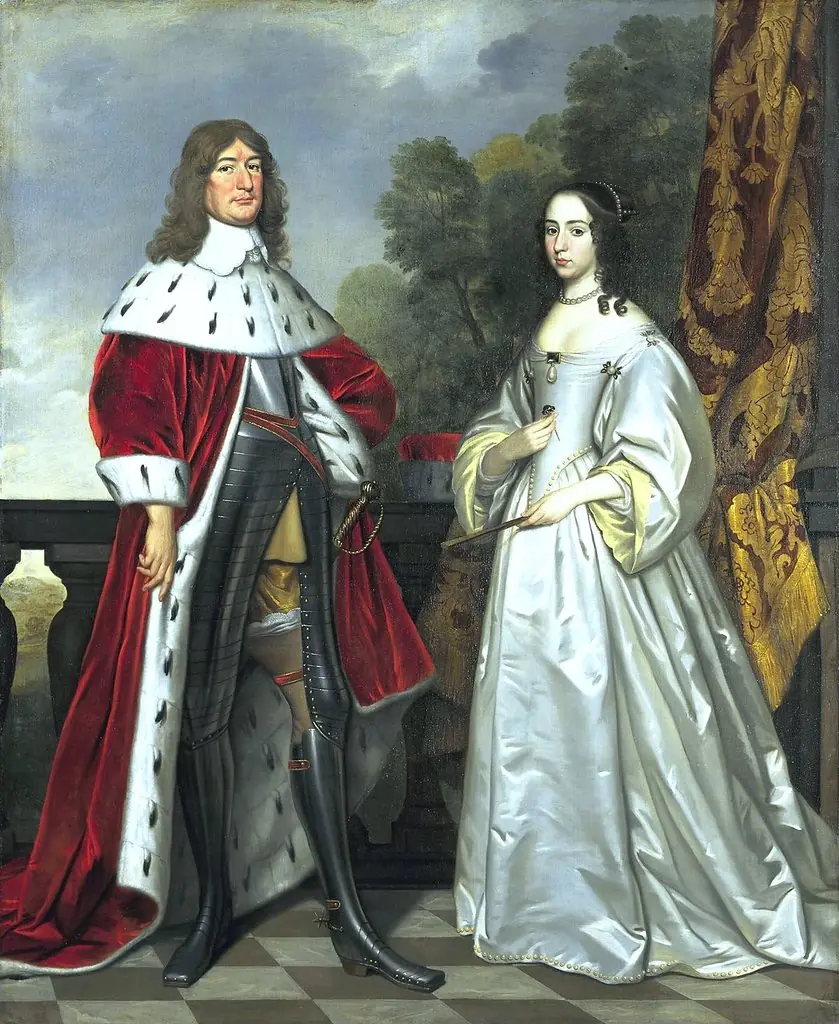 Portrait of Frederick William, Elector of Brandenburg and Luise Henriette of Nassau
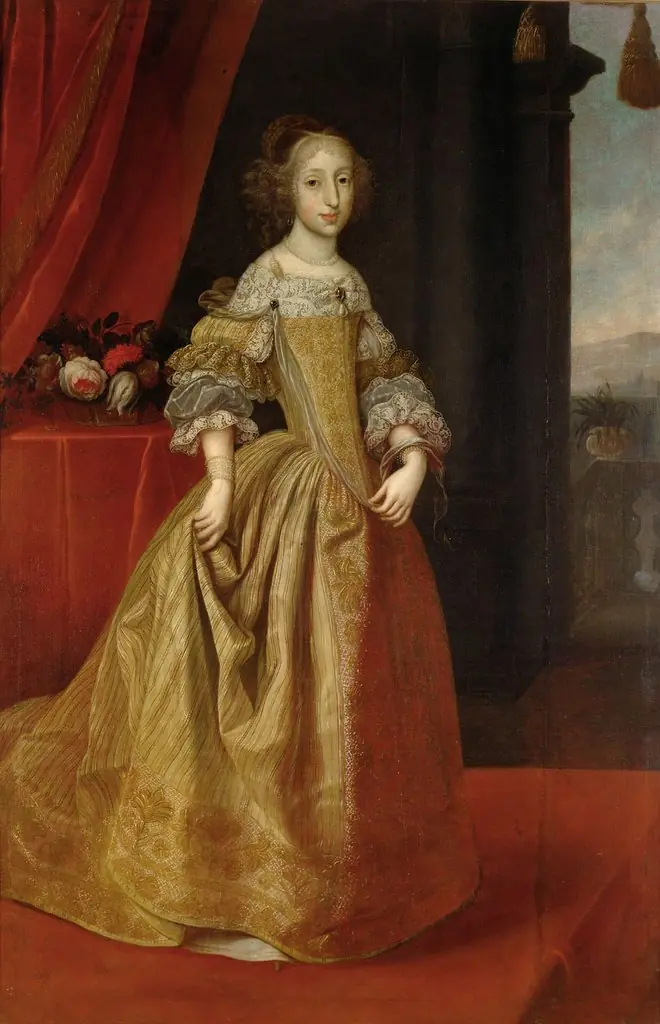 Portrait of Eleanor Maria Josepha of Austria.
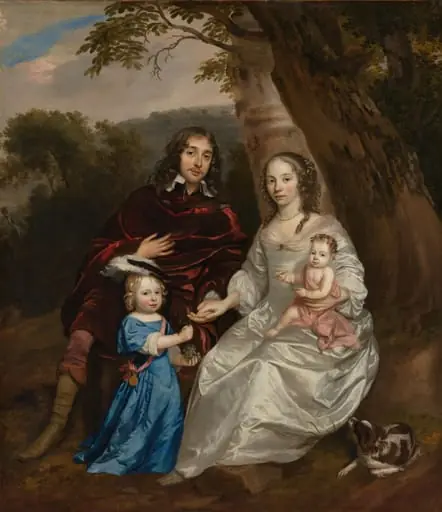 Portrait of Govert van Slingelandt (1623-1690), with his First Wife Christina van Beveren (1632-1656) and their Two Children