Artwork
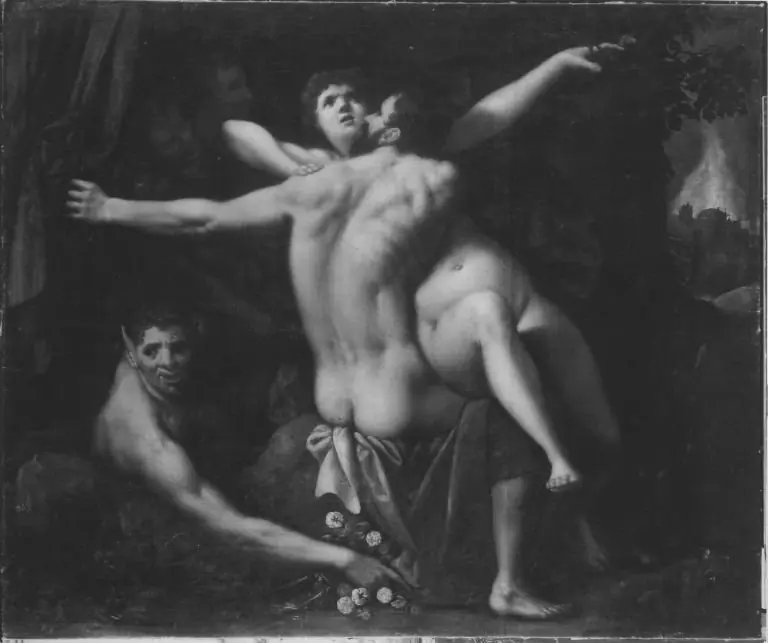
Nymphs surprised by Satyrs
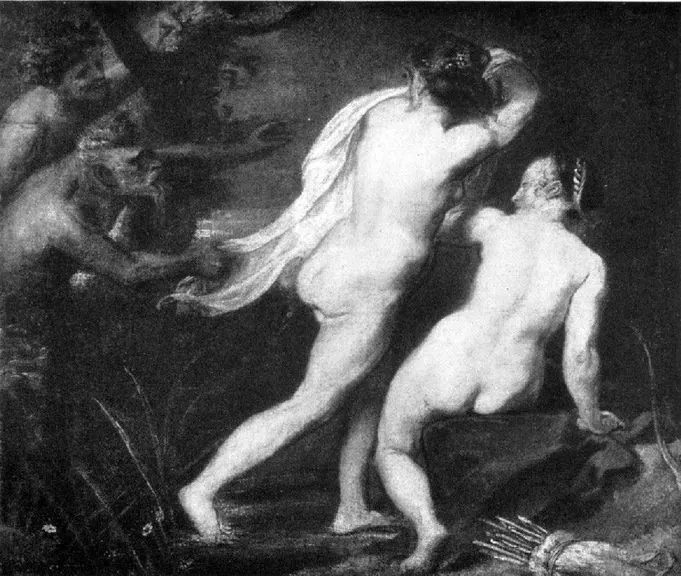
Nymphs surprised by Satyrs is an oil painting by the Flemish Baroque painting artist Anthony van Dyck. It dates from 1619 and is held in the collection of the Bode Museum.
About this work
Overview
Anthony van Dyck’s 1619 oil painting *Nymphs surprised by Satyrs* presents a woodland scene in which several nude figures are caught in a moment of sudden disturbance. A satyr seizes one of the women, pulling her away, while another attempts to intervene. The composition captures the tension between the mythological beings, set against a forest backdrop rendered with dramatic light and shadow.
Subject & Meaning
The work draws on classical mythology, portraying nymphs—female nature spirits—encountering mischievous satyrs. The narrative suggests themes of intrusion and resistance, as the nymphs react to the satyr’s forceful advance. By emphasizing the startled expressions and varied gestures, the painting explores the interplay of vulnerability and agency within a pastoral, mythic context.
Technique & Style
Executed in oil on canvas, the painting employs a naturalistic approach characteristic of the Flemish Baroque. Van Dyck uses chiaroscuro to model the bodies, creating a sense of three‑dimensionality and depth within the forest setting. The figures are rendered with fluid poses and careful attention to anatomy, while the contrast of light and dark enhances the drama of the scene.
History & Provenance
Created early in van Dyck’s career, the piece reflects his apprenticeship with Peter Paul Rubens and his admission to the Antwerp Guild of Saint Luke in 1617. Born the seventh child of a prosperous silk merchant, van Dyck was already establishing his reputation when he painted this work. Today the painting is part of the collection of the Gemäldegalerie in Berlin.
Artist & collection
Artist
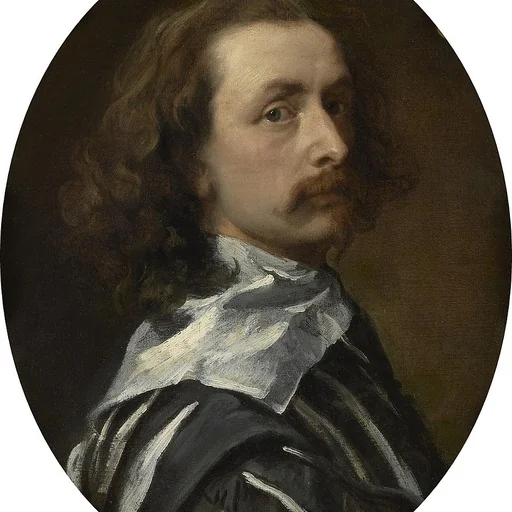
Sir Anthony van Dyck (; Dutch: Antoon van Dijck ; 22 March 1599 – 9 December 1641) was a Flemish Baroque artist, who became the leading court painter in England after success in the Spanish Netherlands and Italy.

 Raub der Proserpina
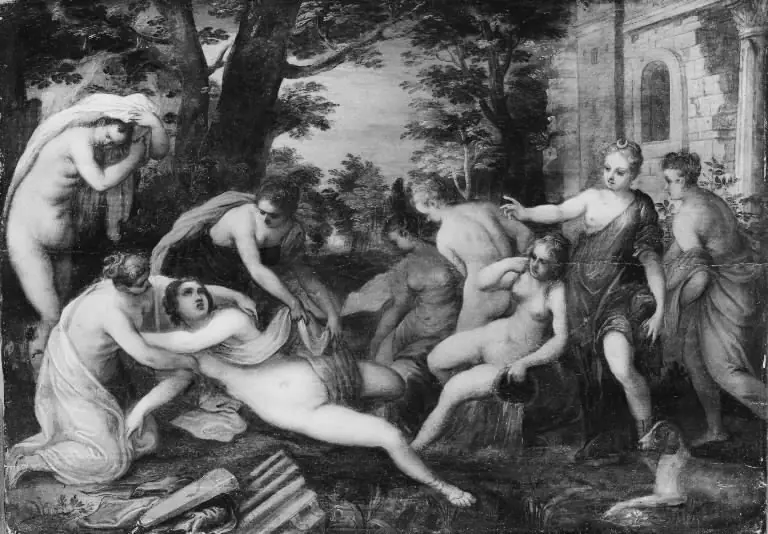 Callisto in Diana's Bath
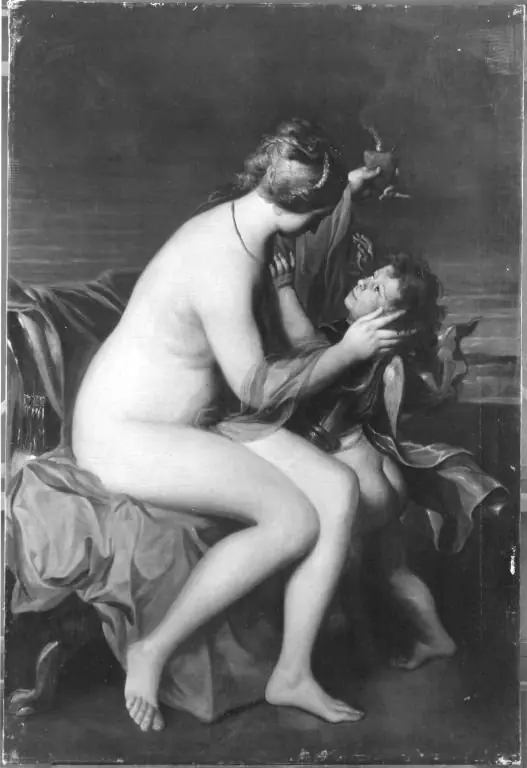 Venus und Amor (Allegorie der Liebe)
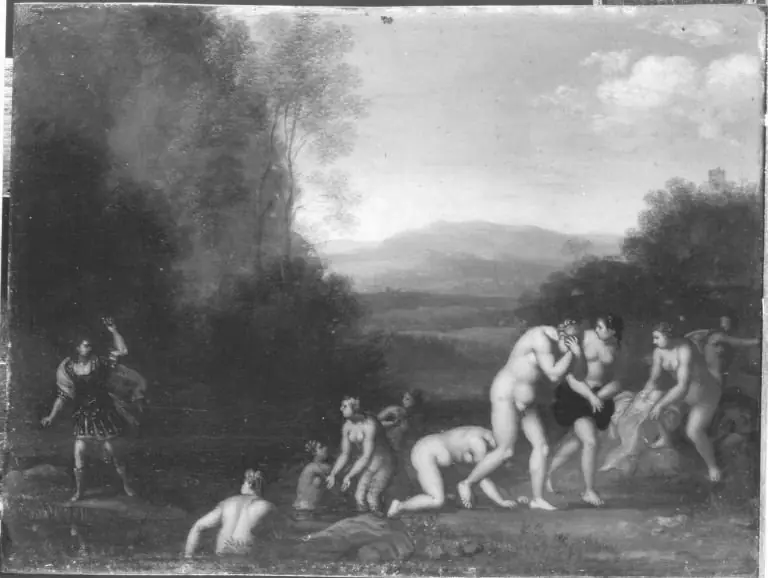 Diana im Bade und Aktäon (Schule)
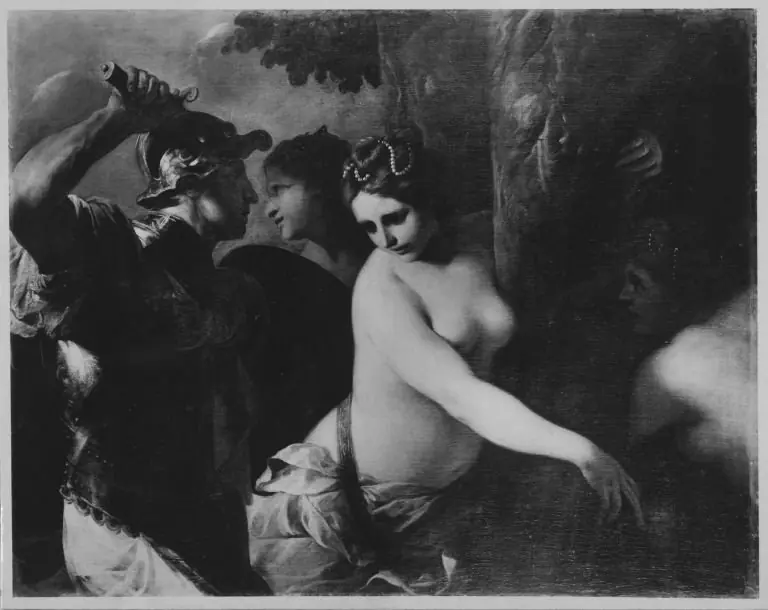 Rinaldo und Armida
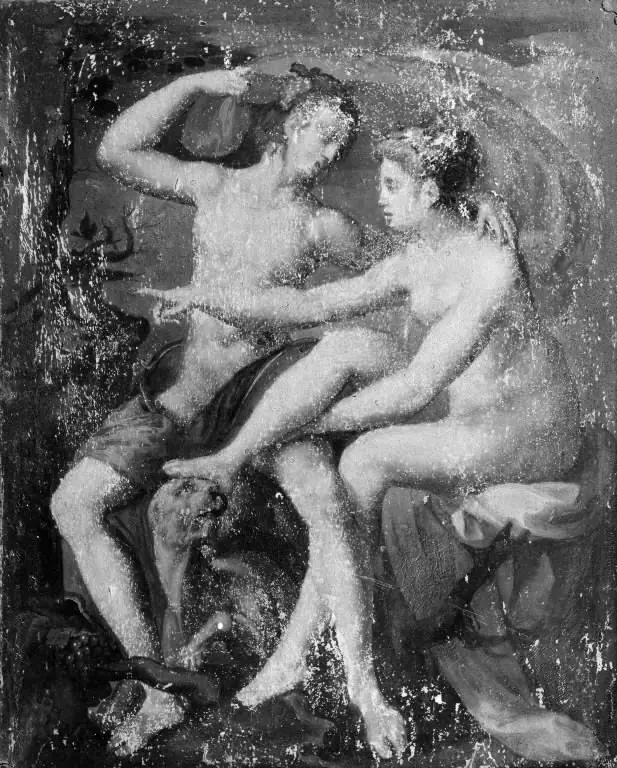 Bacchus and Ariadne
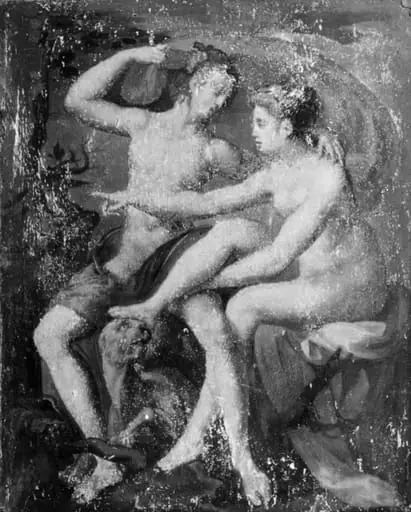 Bacchus and Ariadne
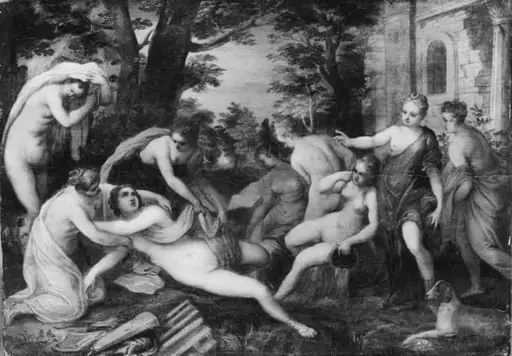 Callisto in Diana's Bath
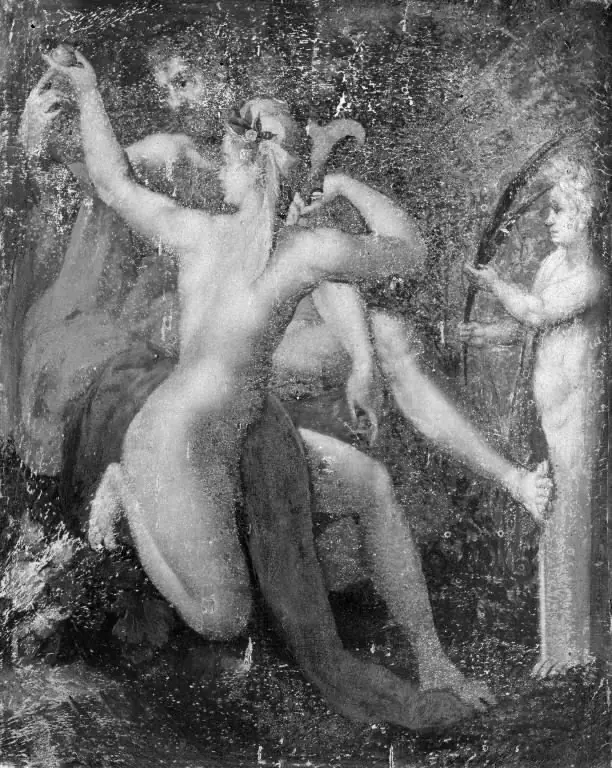 Vertumnus and Pomona
 Vertumnus and Pomona
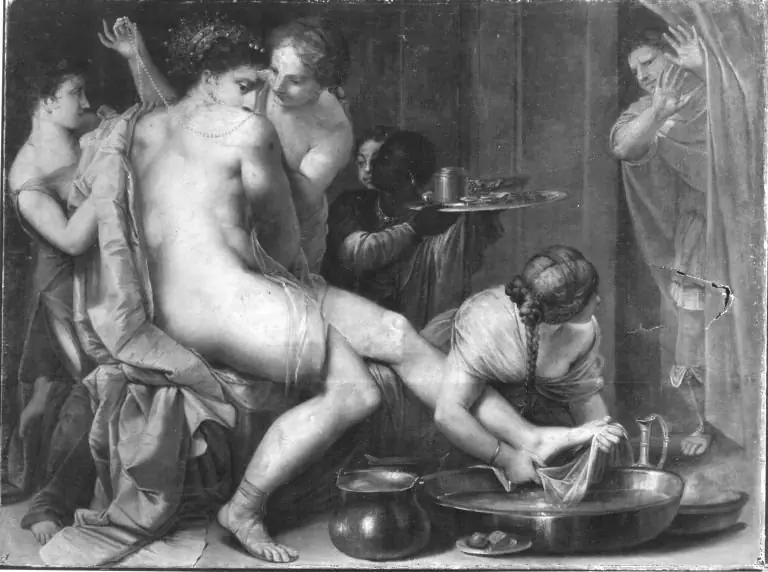 Bathseba im Bade (?) beziehungsweise: Gyges erblickt die Frau des Kandaulus
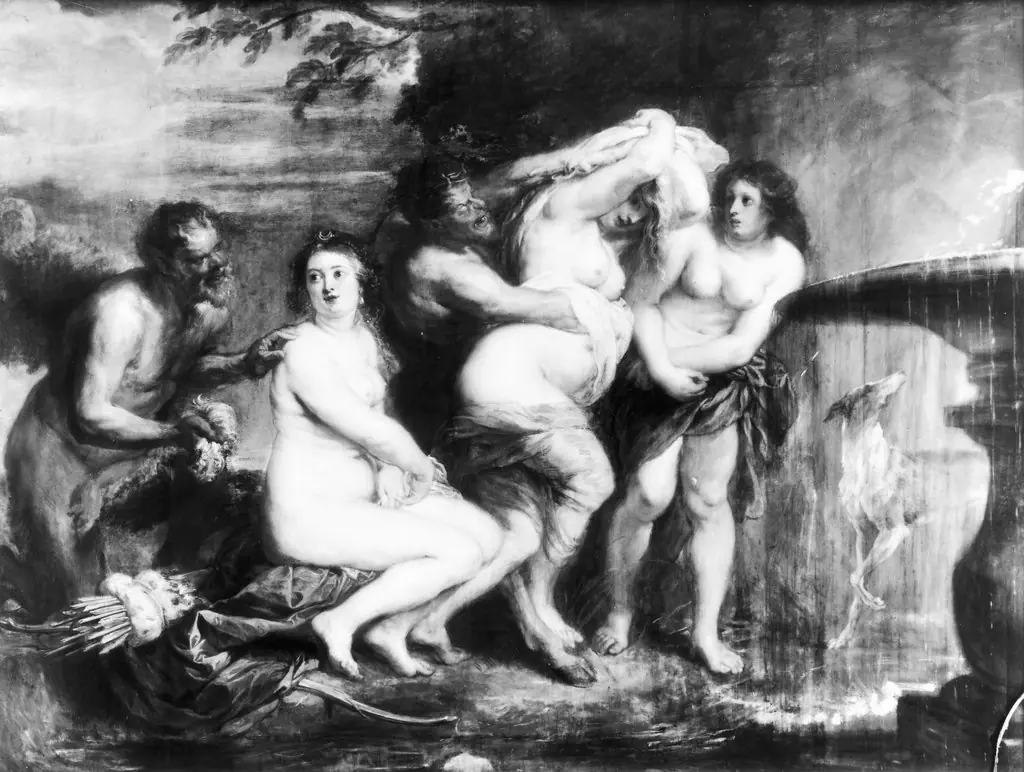 Diana and two nymphs surprised by satyrs while bathing