Artwork
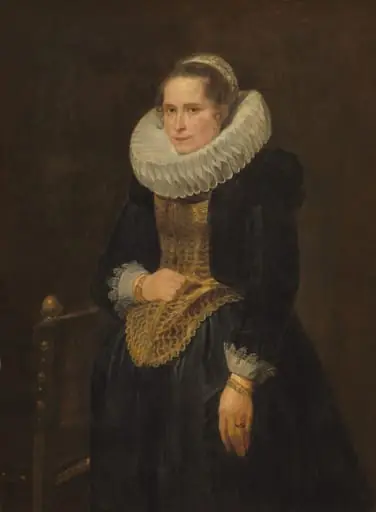
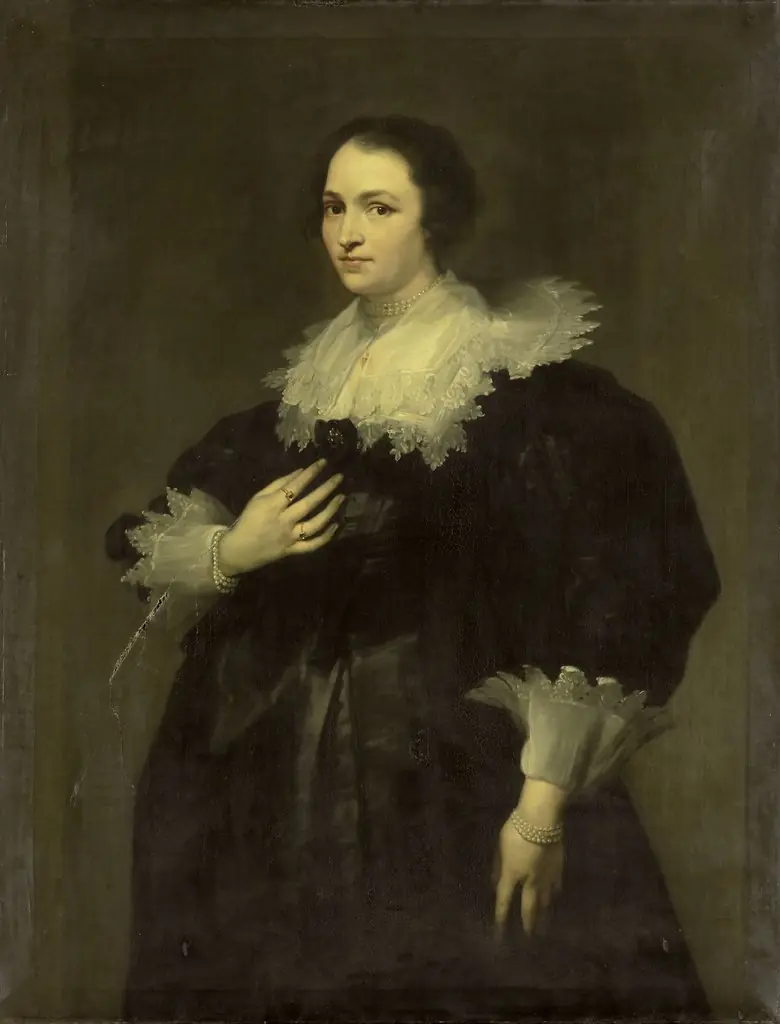
Portrait of a Lady (second wife of Sebastiaen van Leerse)
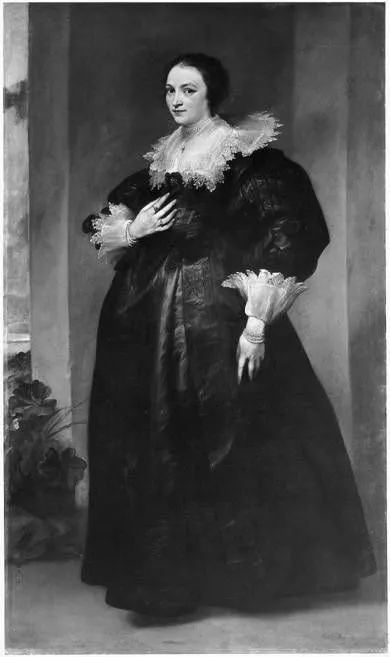
Portrait of a Lady (second wife of Sebastiaen van Leerse) is an oil painting by the Flemish Baroque painting artist Anthony van Dyck. It dates from 1630 and is held in the collection of the Bavarian State Painting Collections.
About this work
Overview
Anthony van Dyck painted this portrait in 1630, employing oil on canvas to render a seated woman in a dark, elaborately detailed gown. The sitter, identified as Barbara van den Bogaerde, is shown against a muted wall with a modest plant motif, her right hand placed over her chest, conveying a composed presence.
Subject & Meaning
The work presents Barbara van den Bogaerde, the second wife of Sebastiaen van Leerse, in attire that signals her social standing. The restrained expression and the gesture of hand upon chest suggest modesty and personal virtue, aligning with contemporary conventions for depicting married women of the Flemish elite.
Technique & Style
Van Dyck’s handling of oil demonstrates his mastery of chiaroscuro, using deep shadows to model the figure while allowing the lace collar and cuffs to catch subtle light. The brushwork combines smooth flesh tones with more textured treatment of fabric, reflecting the influence of his earlier apprenticeship with Peter Paul Rubens.
History & Provenance
After its completion, the portrait entered the collection of the Alte Pinakothek in Munich, where it remains on display. The painting’s provenance traces back to the van Leerse family, and its presence in a major German museum underscores the artist’s lasting appeal across European collections.
Context
Created during van Dyck’s early period in Antwerp, the portrait predates his appointment as court painter in England. It exemplifies the Flemish Baroque emphasis on dignified portraiture, balancing realistic detail with a sense of aristocratic poise that would later characterize his English court commissions.
Artist & collection
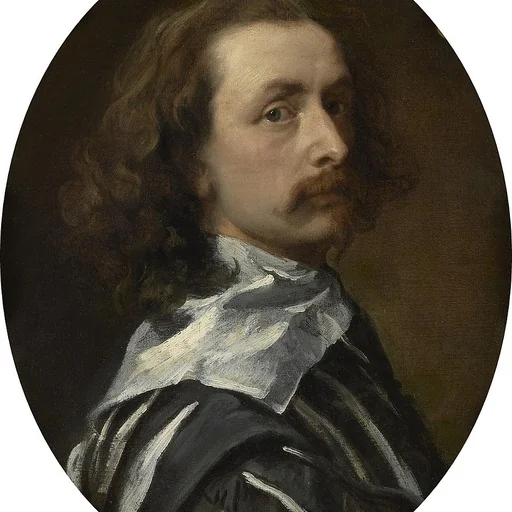
Artist
Sir Anthony van Dyck (; Dutch: Antoon van Dijck ; 22 March 1599 – 9 December 1641) was a Flemish Baroque artist, who became the leading court painter in England after success in the Spanish Netherlands and Italy.

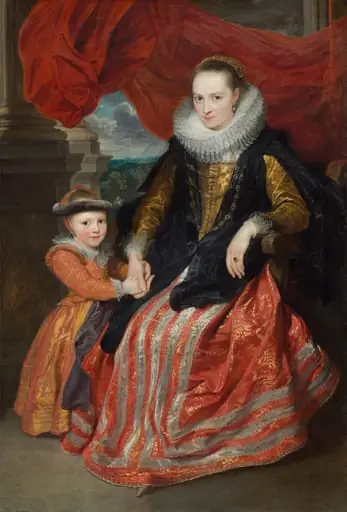
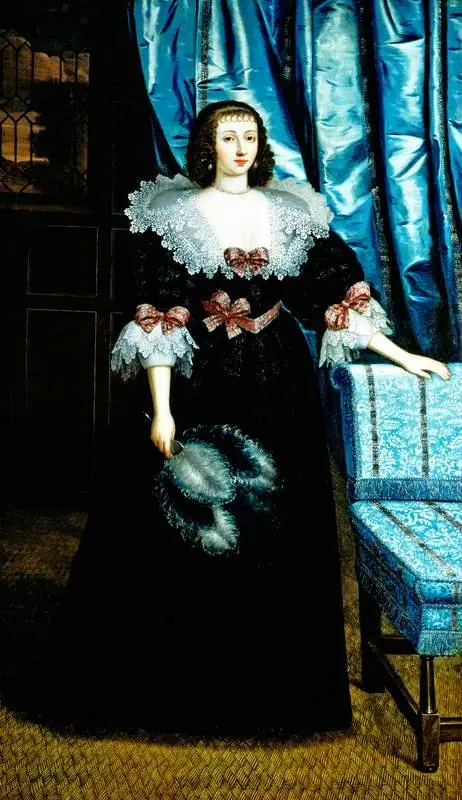 Portrait of a Lady
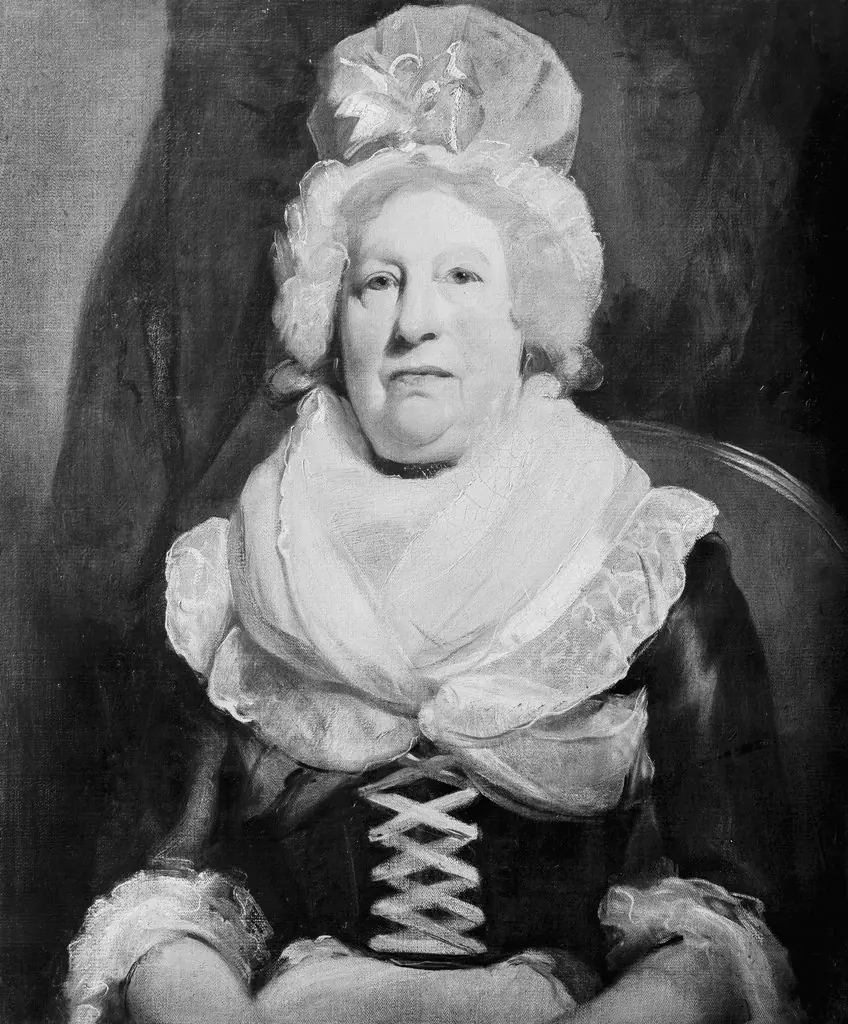 Portrait of a Lady
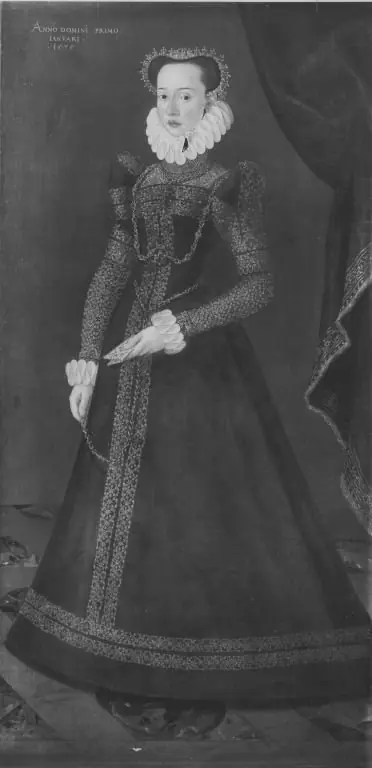 Anna, Elisabeth oder Barbara, Tochter des Pfalzgrafen Wolfgang von Zweibrücken-Veldenz
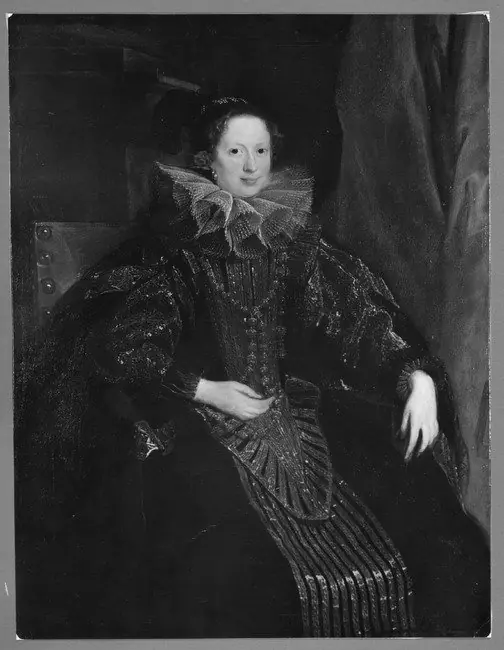 Portrait of an unknown Genoese woman, 1622-1623
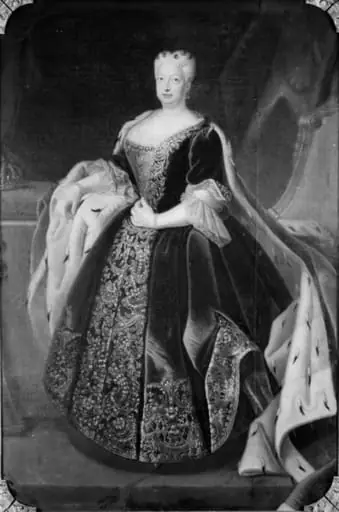 Portrait of Sophie Dorothea of Prussia
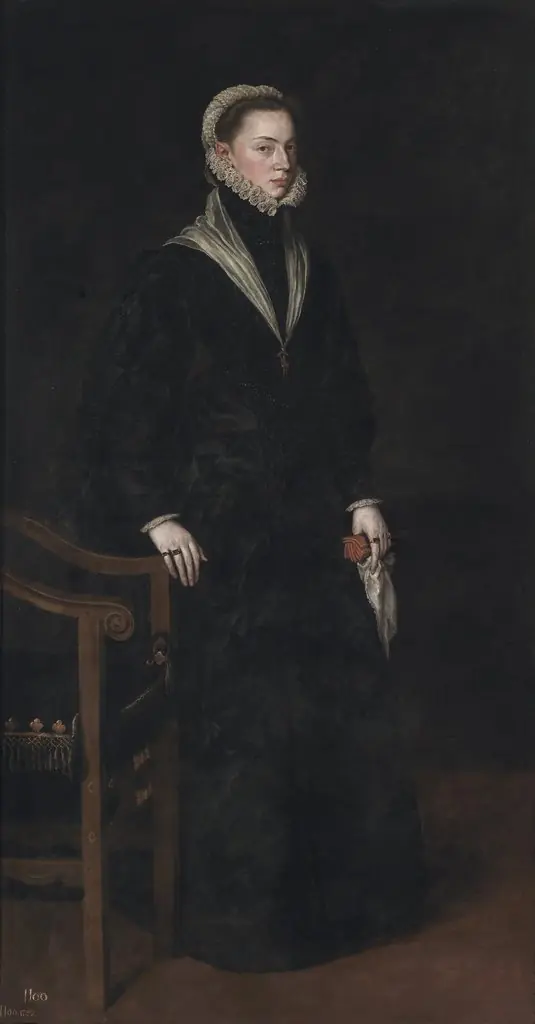 Joanna of Austria
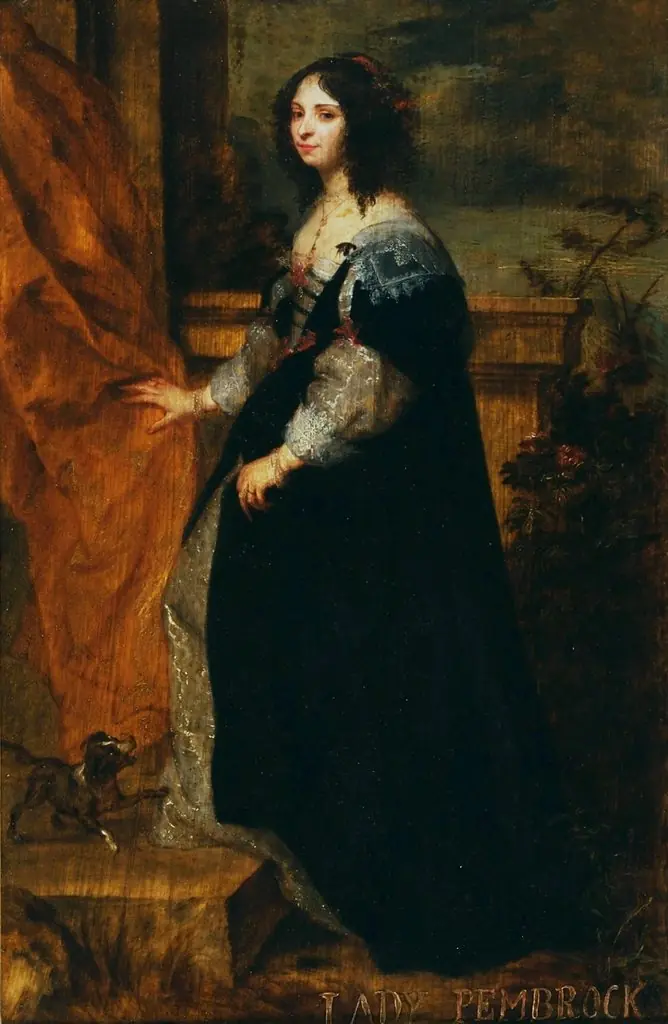 Portrait of Lady Pembrock
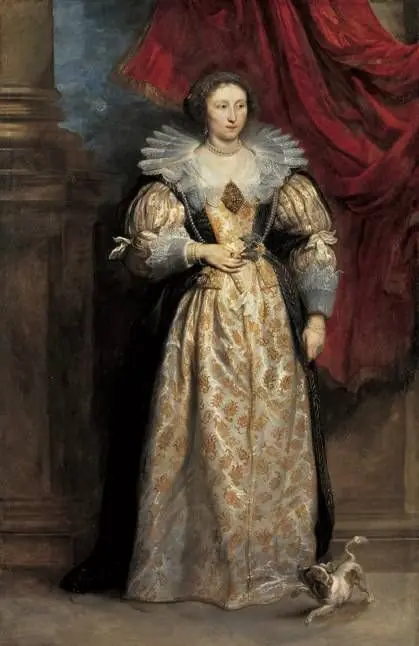 Portrait of Sebilla van den Berghe
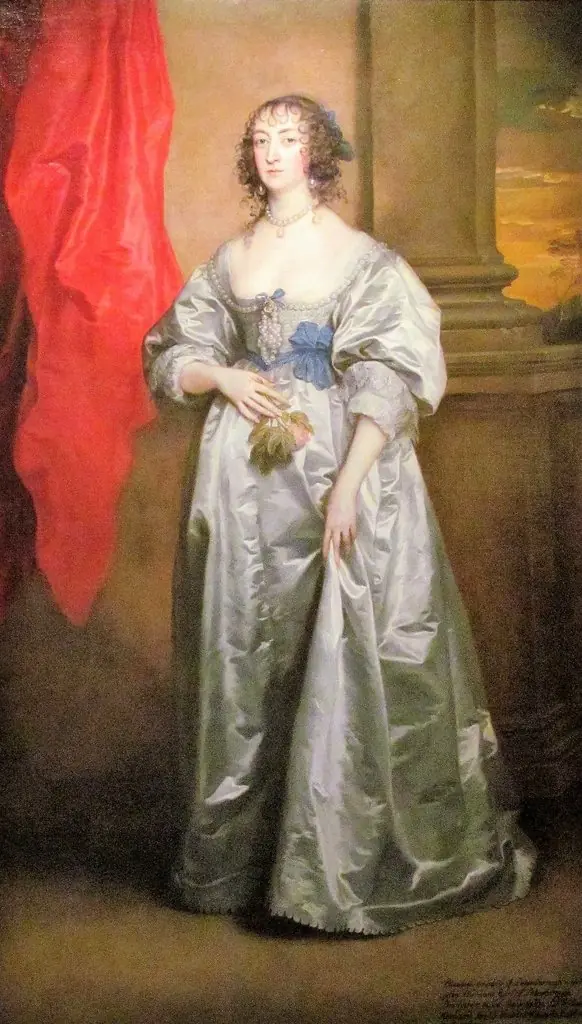 Portrait of Elizabeth Howard, 1st Countess of Peterborough
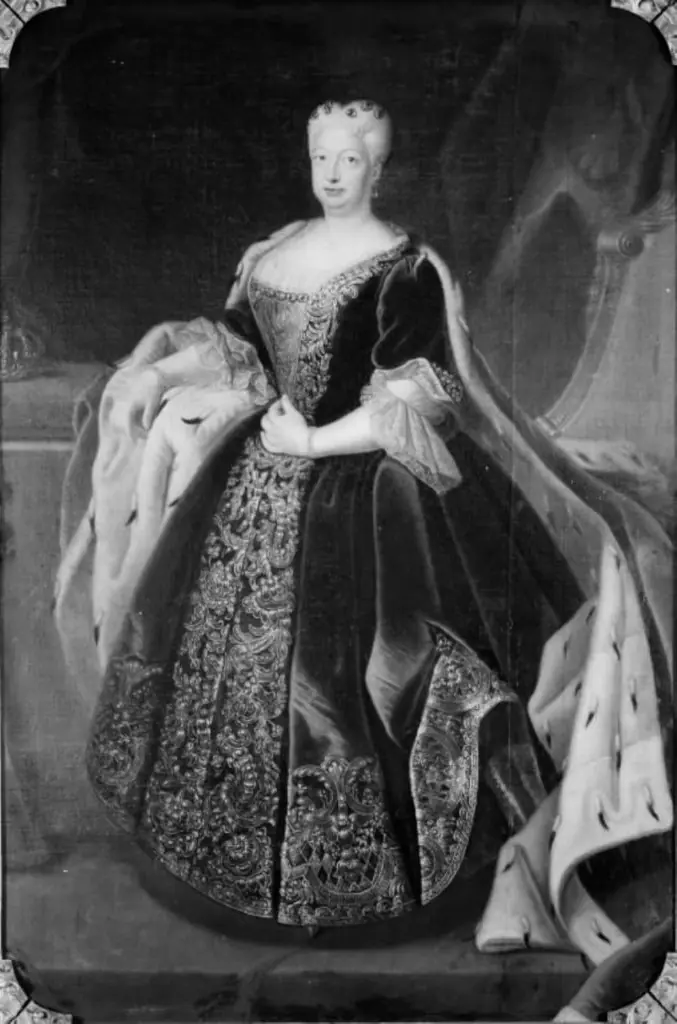 Portrait of Sophie Dorothea of Prussia
 Wife of Sebastiaan Leerse
 Portrait of Helena Fourment