Artwork
Portrait of Elizabeth Howard, 1st Countess of Peterborough
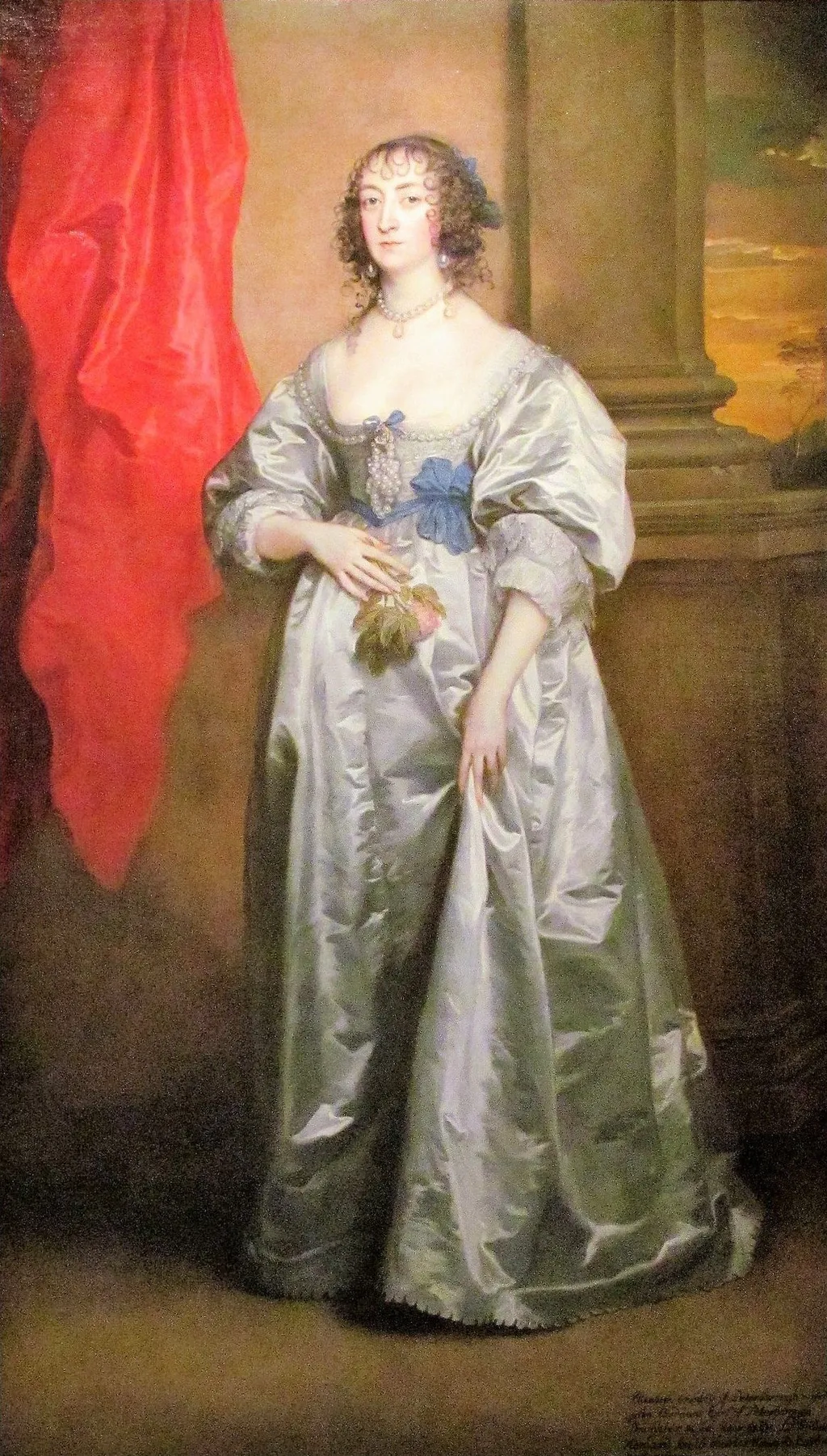
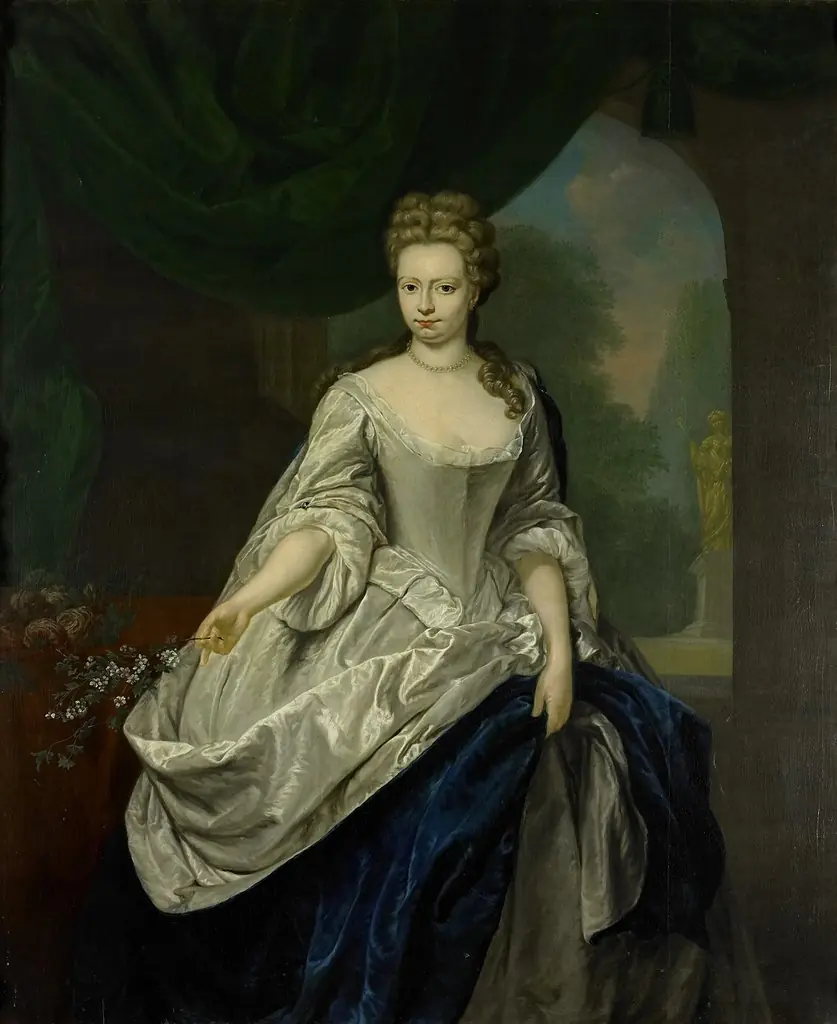
Portrait of Elizabeth Howard, 1st Countess of Peterborough is an oil painting by the Flemish Baroque painting artist Anthony van Dyck. It dates from 1639 and is held in the collection of the Ashmolean Museum.
About this work
Overview
The work reflects his mature style, blending aristocratic grace with subtle psychological presence, and remains a key example of his English-period output.
Painted in 1639, this oil portrait captures Elizabeth Howard, 1st Countess of Peterborough, by the Flemish artist Anthony van Dyck. Van Dyck, trained in Antwerp under Peter Paul Rubens, had become the principal portraitist to the English court by this time. The work reflects his mature style, blending aristocratic grace with subtle psychological presence, and remains a key example of his English-period output.
Subject & Meaning
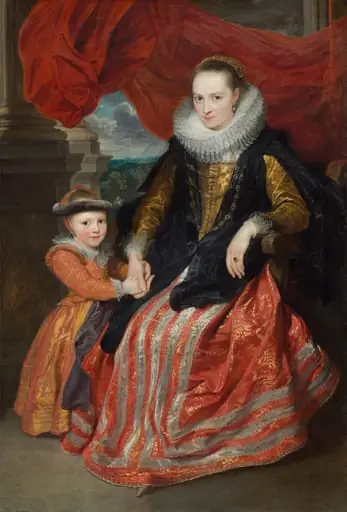
Elizabeth Howard, a noblewoman of the early Stuart court, is portrayed with quiet dignity. Her pose—hand resting gently on the abdomen, holding a sprig of foliage—suggests themes of fertility and natural harmony, common in aristocratic portraiture. The pearls and blue ribbon signify wealth and status, while the floral detail may allude to virtue or seasonal renewal, reinforcing her role as a noble matriarch.
Technique & Style
Van Dyck employed fluid brushwork and a luminous palette to render the silver fabric of the gown, capturing its sheen through delicate highlights and soft transitions. The red curtain behind her adds depth and contrasts with the cool tones of her attire. His handling of texture—pearls, silk, and hair—is precise yet unobtrusive, emphasizing elegance over ornamentation, a hallmark of his courtly style.
History & Provenance
Commissioned during Van Dyck’s tenure as court painter to Charles I, the portrait was likely created for the Howard family’s private collection. It remained within aristocratic circles for centuries, documented in English estate inventories. Its survival through political upheavals, including the Civil War, underscores its value as both a personal and political artifact of the era.
Context
In the late 1630s, English nobility sought to align themselves with continental sophistication through portraiture. Van Dyck’s style, rooted in Flemish tradition but adapted to English tastes, offered a refined alternative to earlier, more rigid depictions. This portrait reflects the cultural aspirations of the Caroline court, where image and lineage were carefully curated to assert social authority.
Legacy
The portrait exemplifies Van Dyck’s lasting influence on British portraiture, setting a standard for aristocratic representation that endured into the 18th century. Its composition and tonal harmony became models for later painters. Though not widely exhibited, it remains a significant reference in studies of Stuart-era identity and the role of art in reinforcing social hierarchy.
Artist & collection
Artist
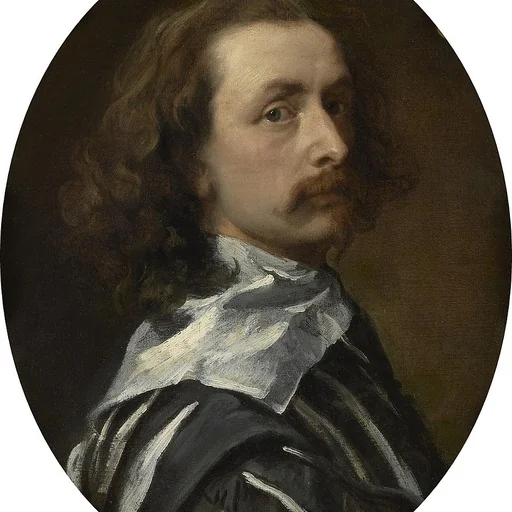
Sir Anthony van Dyck (; Dutch: Antoon van Dijck ; 22 March 1599 – 9 December 1641) was a Flemish Baroque artist, who became the leading court painter in England after success in the Spanish Netherlands and Italy.

 Portrait of Sophie Dorothea of Prussia
 Portrait of Sophie Dorothea of Prussia
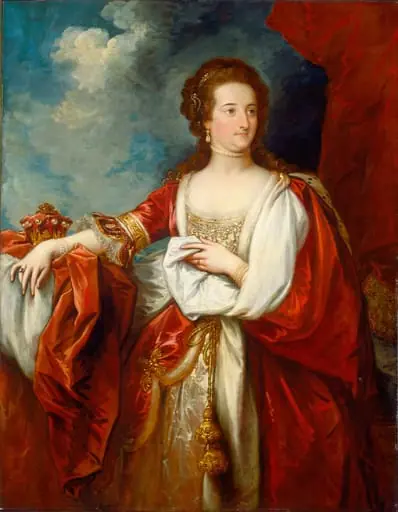 Elizabeth, Countess of Effingham
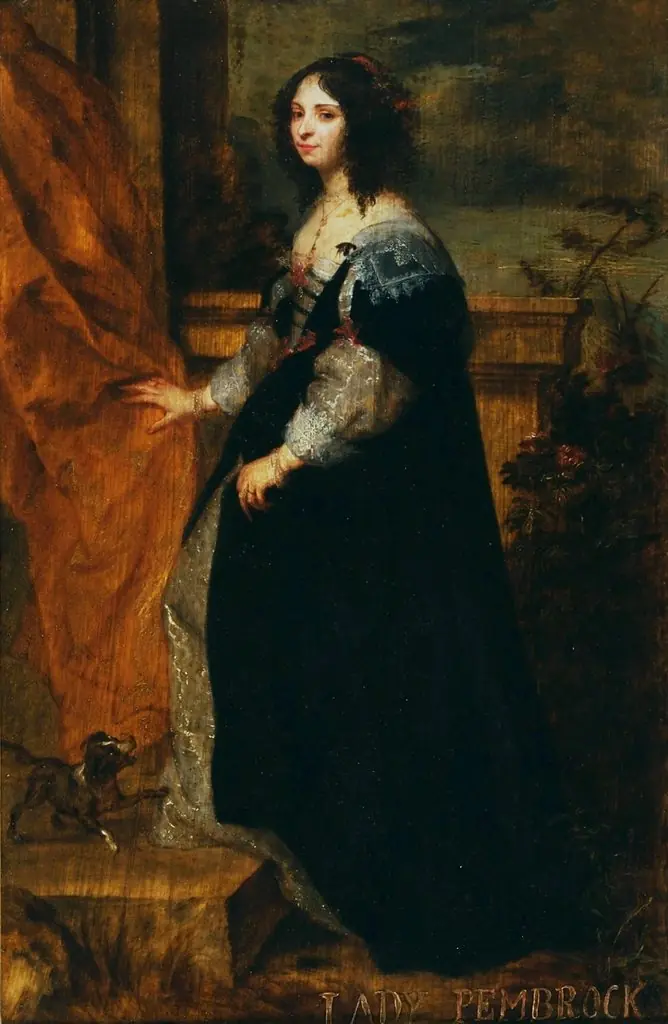 Portrait of Lady Pembrock
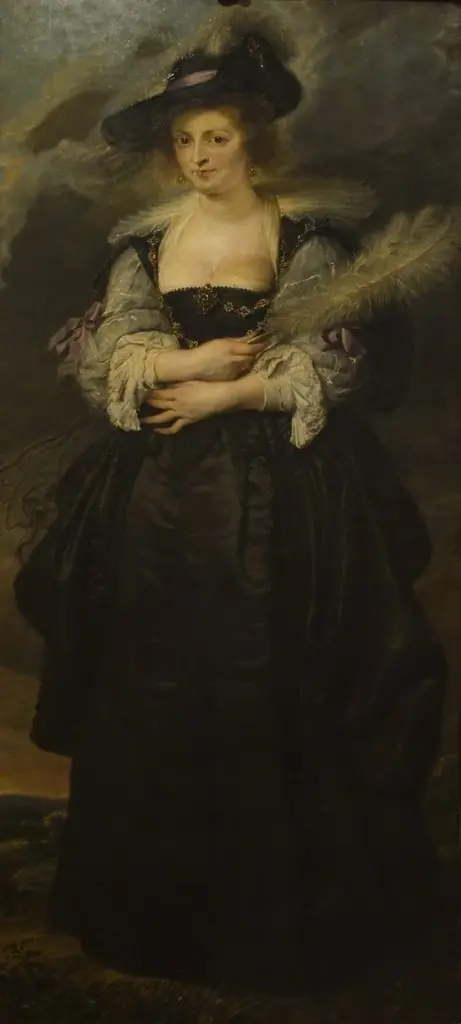 Portrait of Helena Fourment
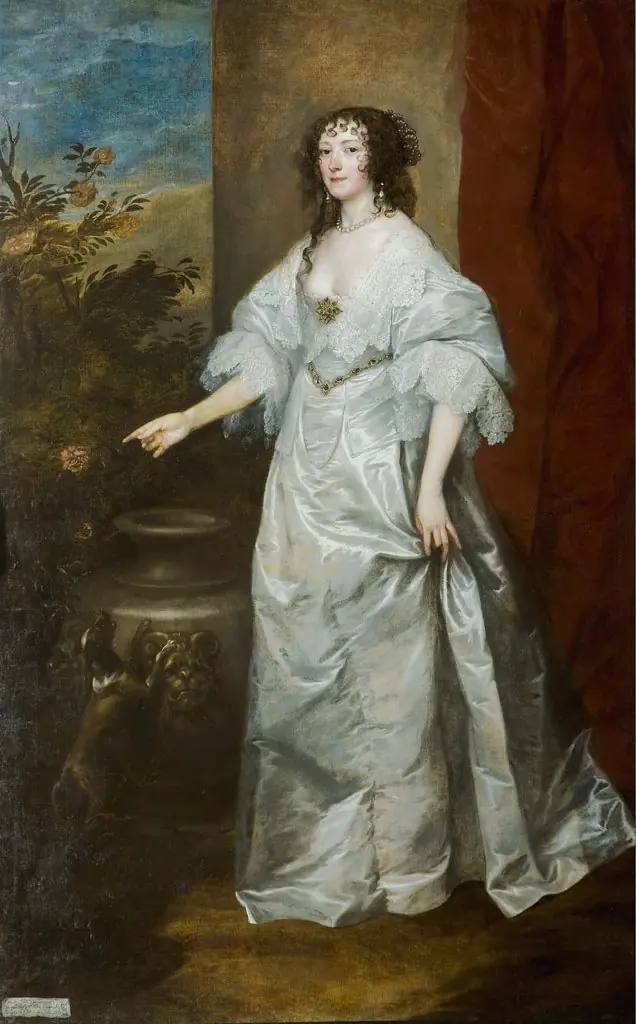 Portrait of Isabella, Lady de La Warr
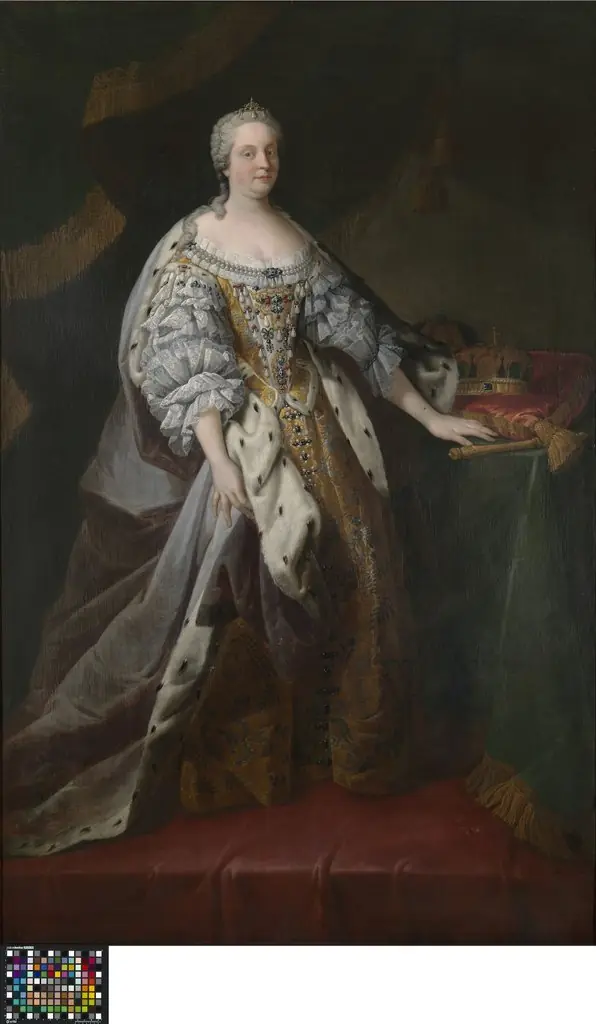 Portret van keizerin Maria Theresia
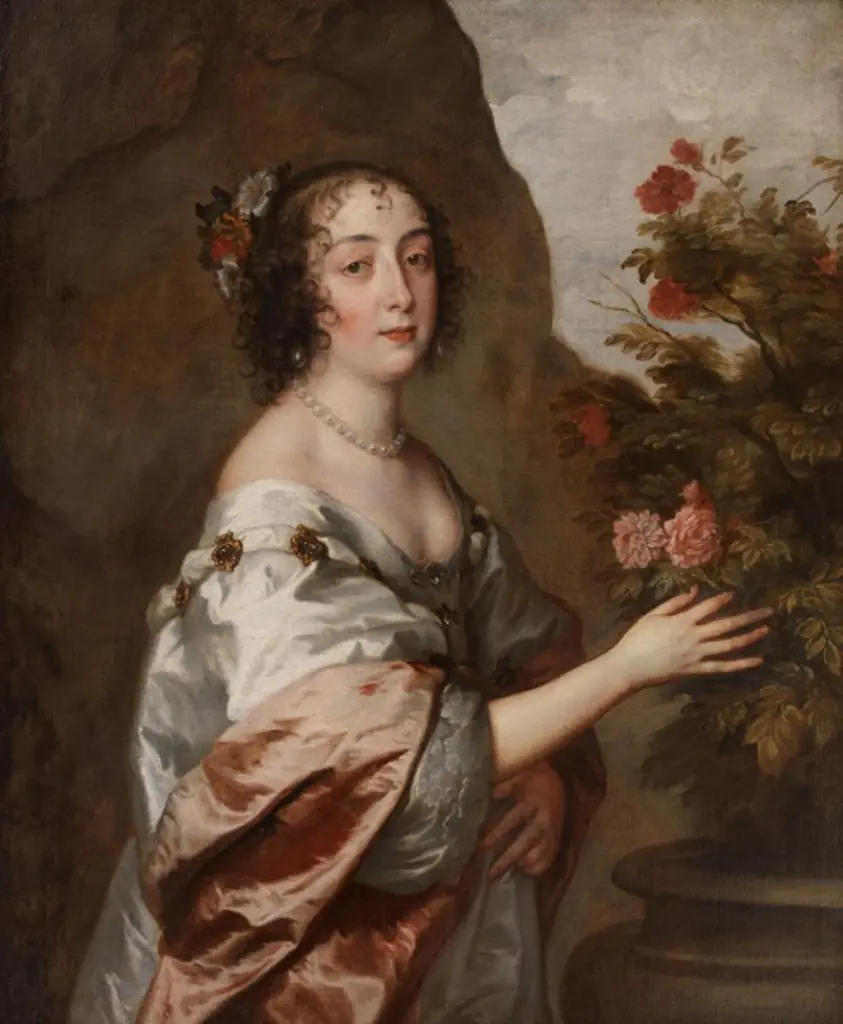 Portræt af en kvinde som Flora
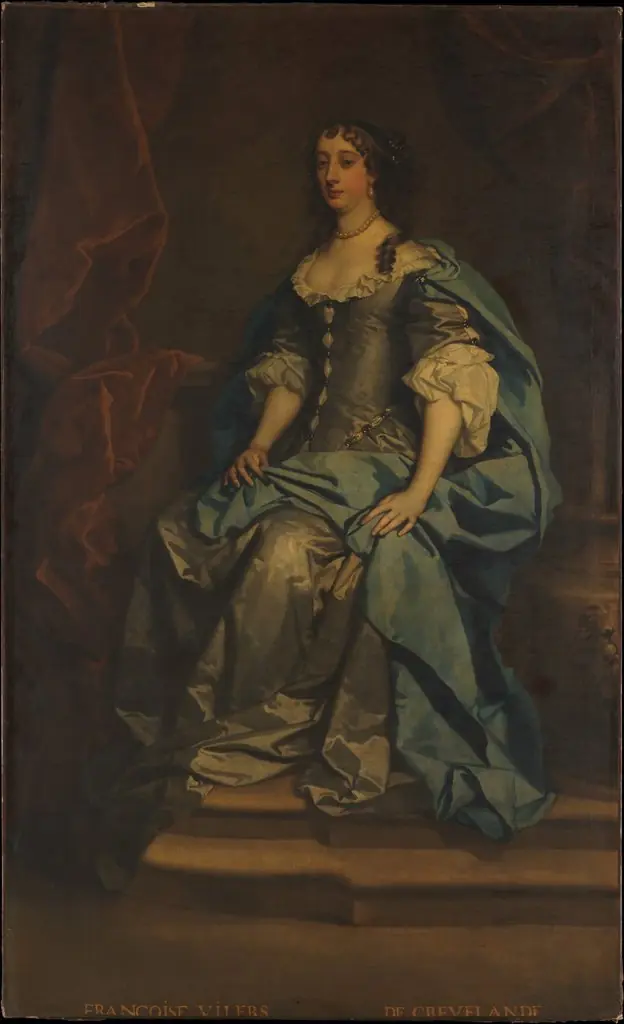 Barbara Villiers (1640–1709), Duchess of Cleveland
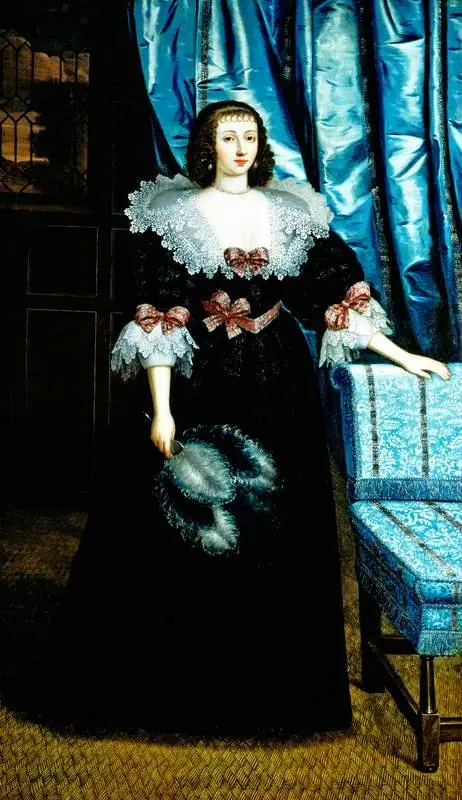 Portrait of a Lady
 Portrait of Louise Christina Trip (died 1733), Wife of Gerrit Sichterman