Artwork
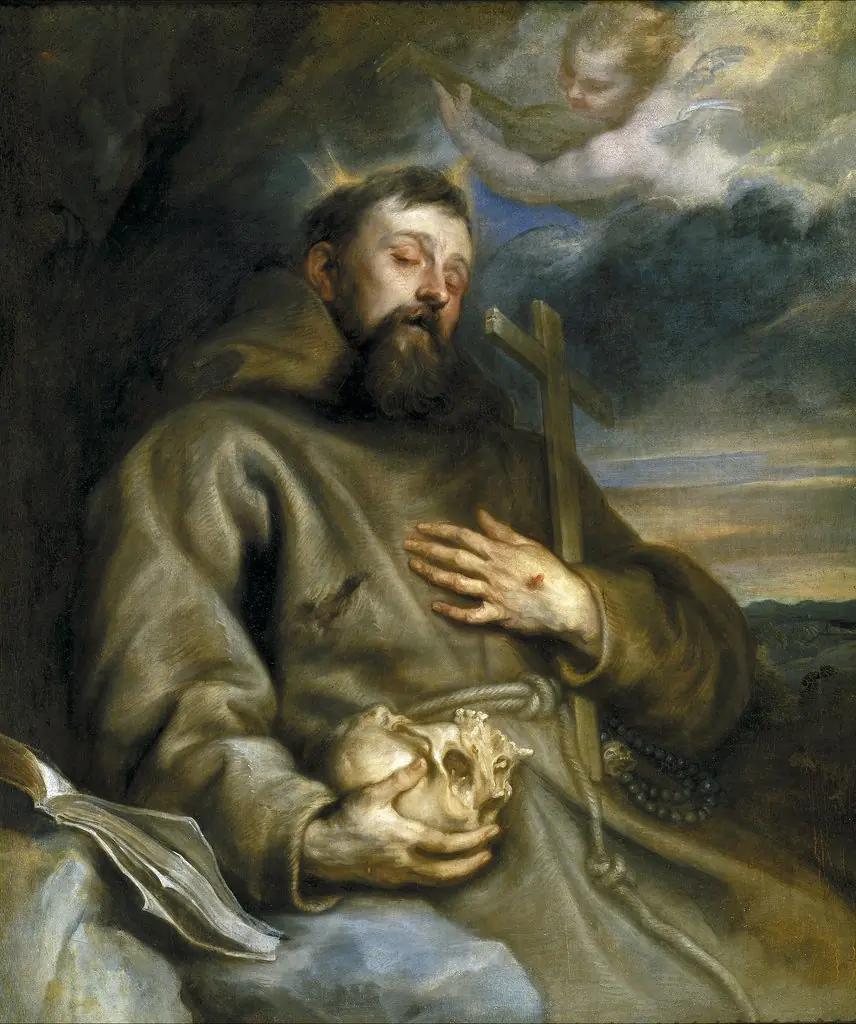
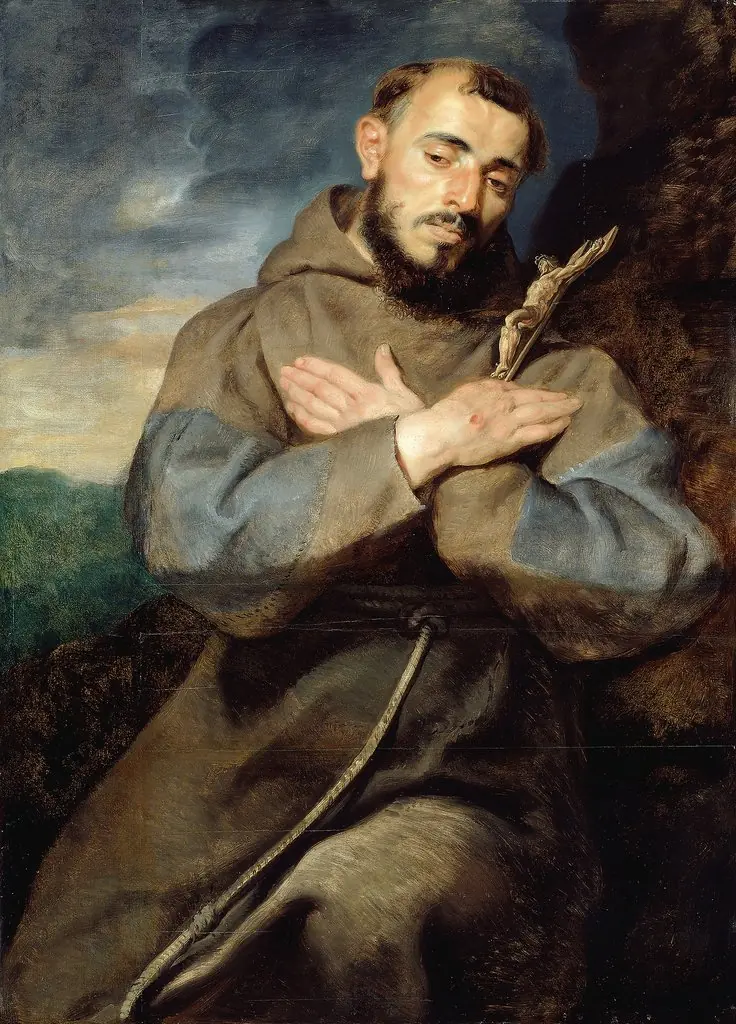
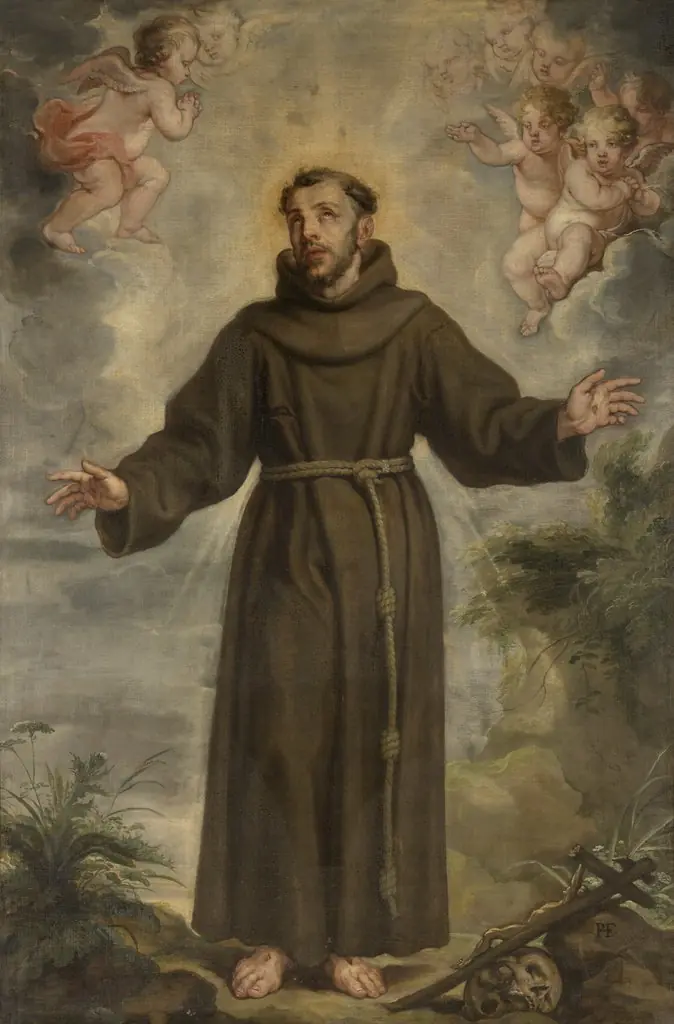
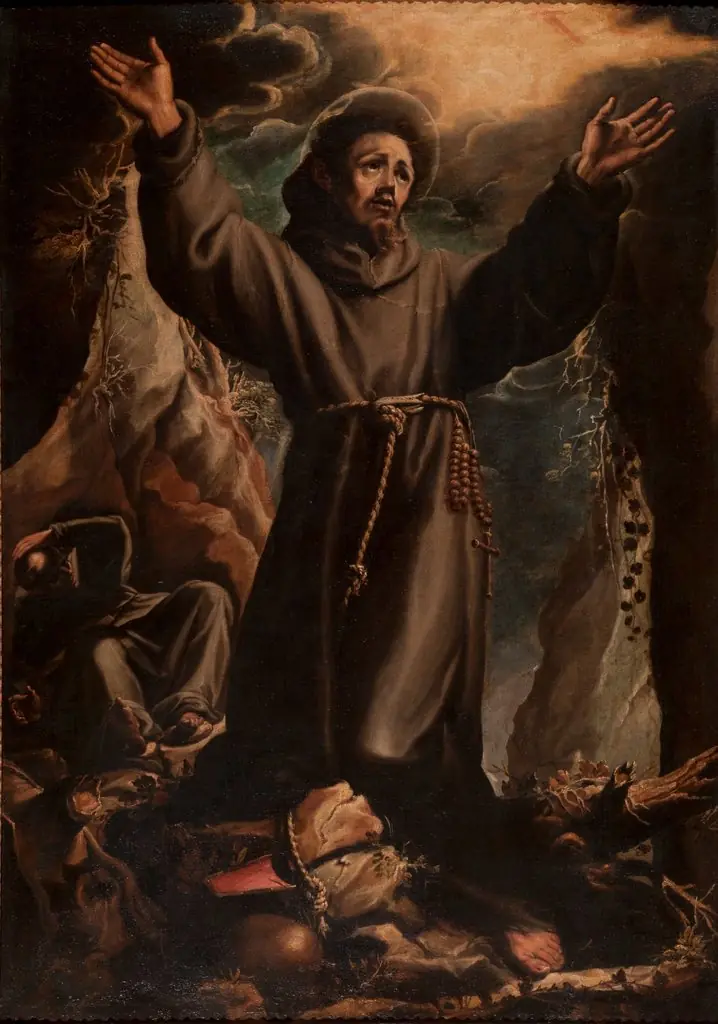
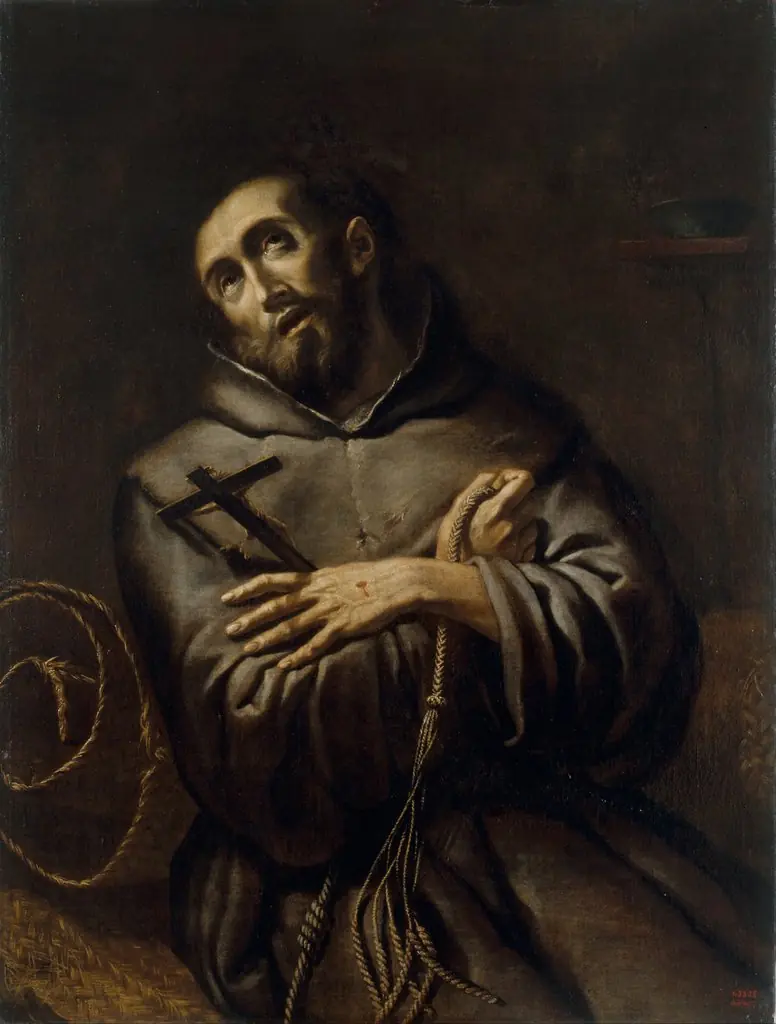
Hl. Franziskus in Ekstase
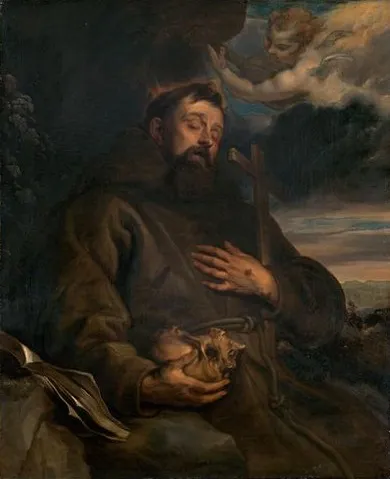
Hl. Franziskus in Ekstase is a color painting by the Flemish Baroque painting artist Anthony van Dyck. It dates from 1630 and is held in the collection of the Kunsthistorisches Museum.
About this work
Overview
Created in 1630 by the Flemish Baroque painter Anthony van Dyck, *Hl. Franziskus in Ekstase* is a color painting that belongs to the religious genre. The work is part of the permanent collection of the Kunsthistorisches Museum in Vienna and exemplifies van Dyck’s early mature period, shortly after his apprenticeship with Peter Paul Rubens.
Subject & Meaning
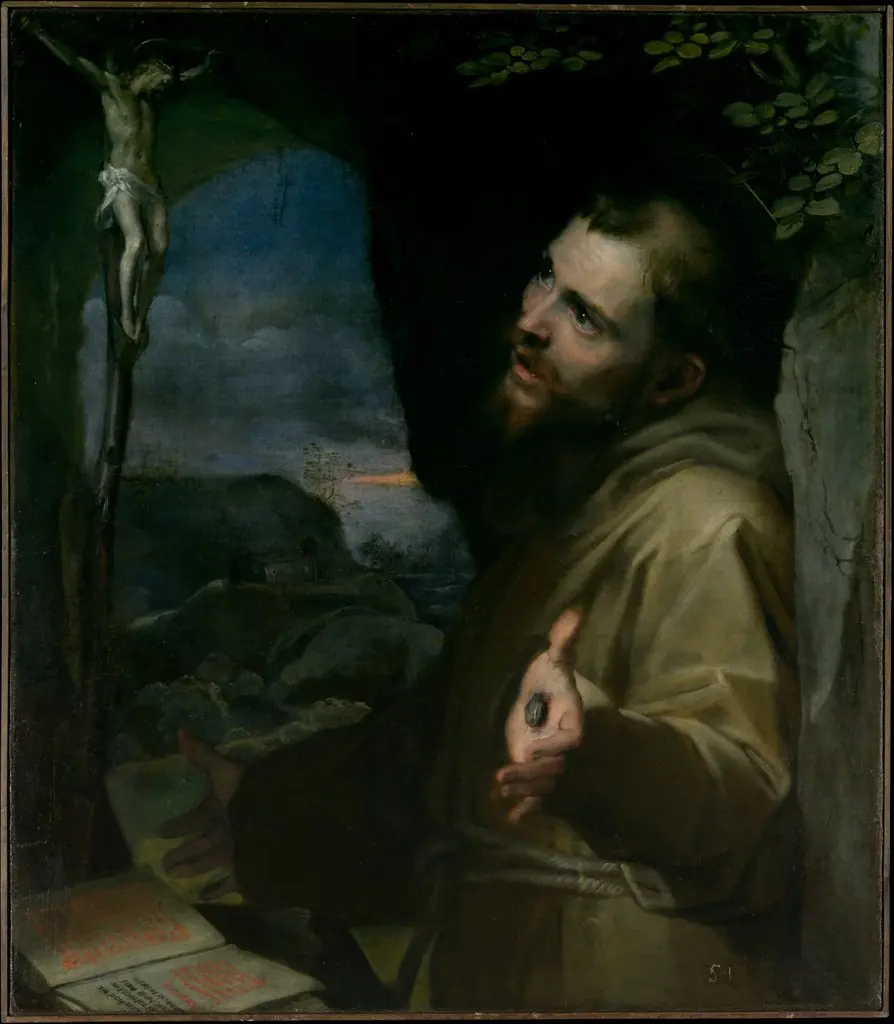
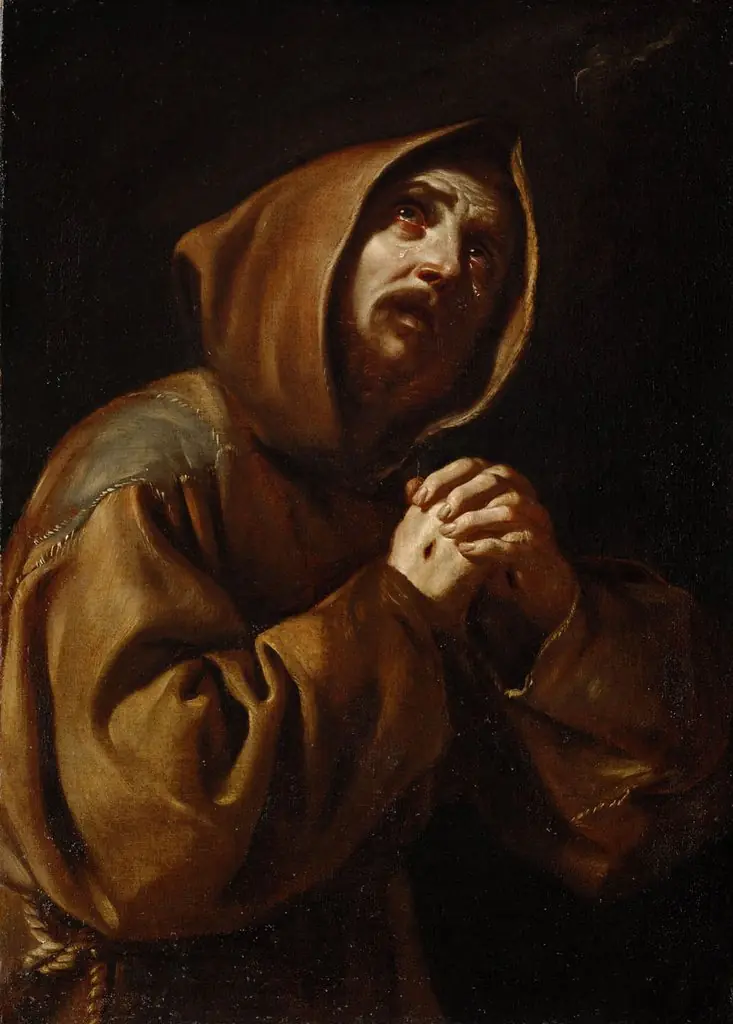
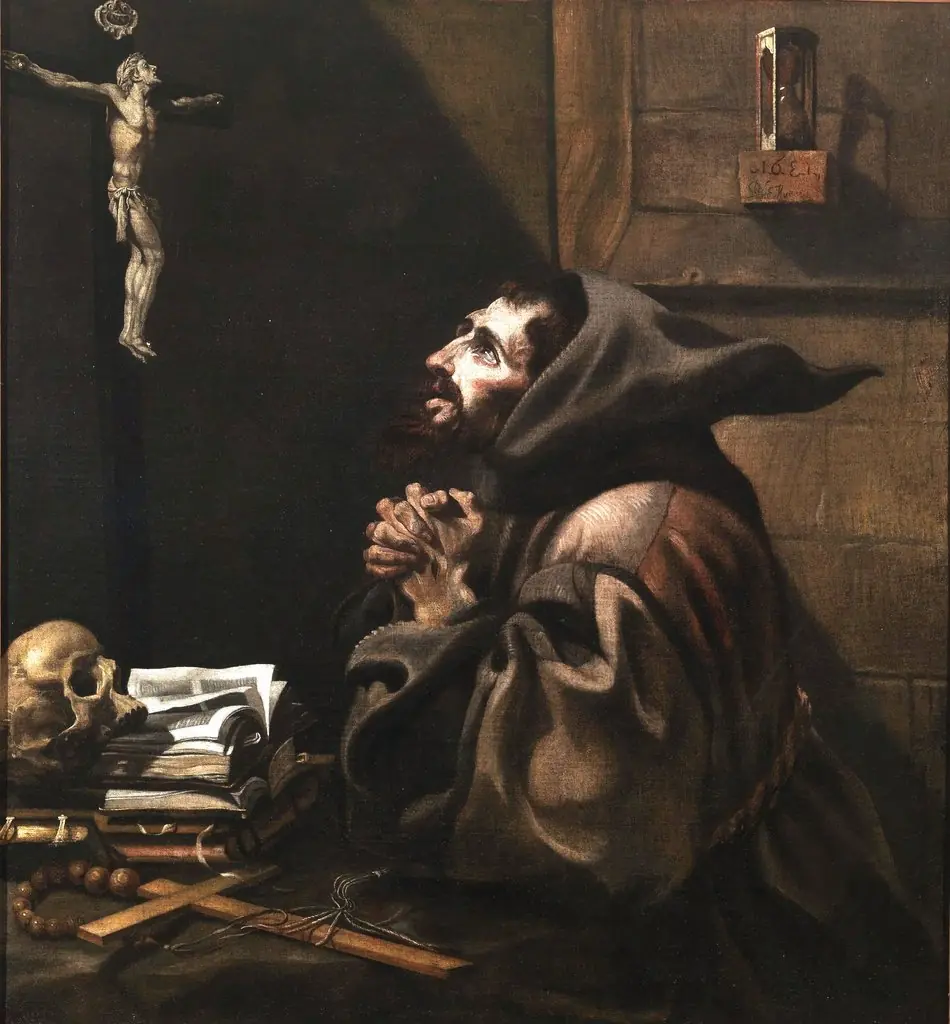
The composition centers on a bearded figure dressed in a dark robe, holding a skull and gazing at it with a contemplative expression. The skull functions as a memento mori, inviting reflection on mortality and spiritual transcendence, themes traditionally associated with Saint Francis in moments of ecstatic devotion.
Technique & Style
Van Dyck employs pronounced chiaroscuro, allowing the illuminated face and the skull to emerge from a deep, shadowed background. The limited palette of dark tones heightens the somber atmosphere, while a faint, indistinct landscape behind the figure provides a subtle spatial contrast, reinforcing the three‑dimensionality of the scene.
History & Provenance
After its completion, the painting entered the collection of the Habsburg imperial holdings and eventually was transferred to the Kunsthistorisches Museum, where it remains on display. Its documented ownership reflects the work’s status as a valued example of early 17th‑century Flemish religious art.
Artist & collection
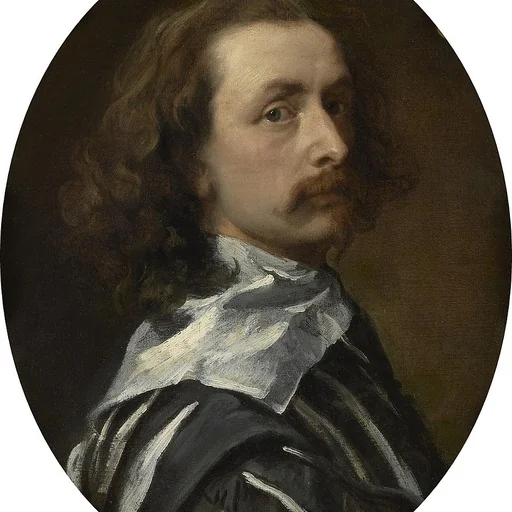
Artist
Sir Anthony van Dyck (; Dutch: Antoon van Dijck ; 22 March 1599 – 9 December 1641) was a Flemish Baroque artist, who became the leading court painter in England after success in the Spanish Netherlands and Italy.