Artwork
San Francisco recibiendo los estigmas
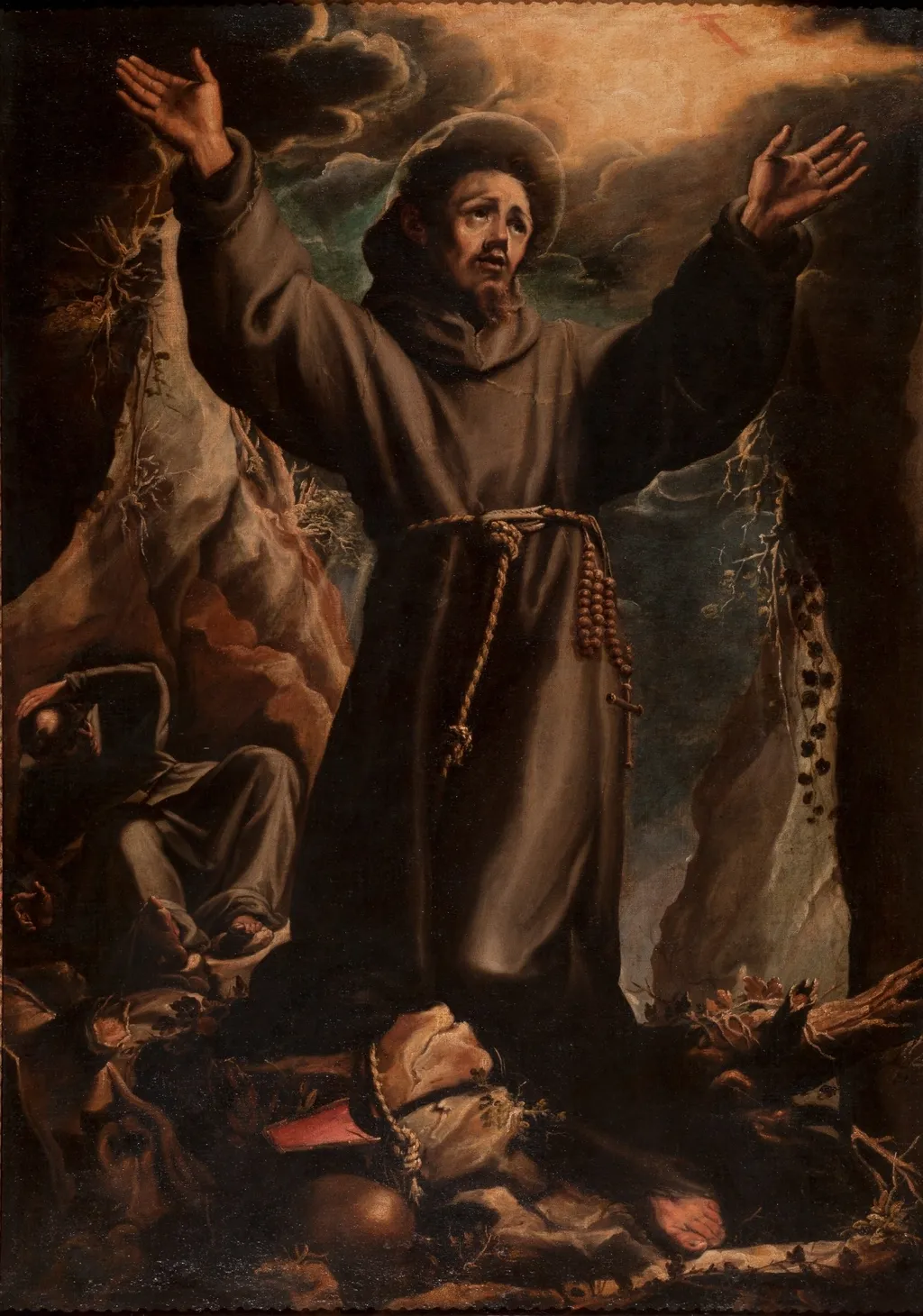
San Francisco recibiendo los estigmas is an oil painting by the Early Baroque Italian artist Orazio Borgianni. It dates from 1605 and is held in the collection of the Museo del Prado.
About this work
Overview
Created in 1605, this oil painting by Orazio Borgianni portrays a solitary figure in a brown robe, his arms uplifted and palms exposed, set against a cloudy sky. The composition captures a moment of intense spiritual fervor, with a secondary figure reclined in the background, contributing to the narrative of religious devotion.
Subject & Meaning
The central character, bearded and hat‑clad, appears caught in an ecstatic prayer, his raised hands suggesting reception of divine marks. The surrounding atmosphere, marked by dramatic clouds, reinforces the sense of a heavenly encounter, while the fallen figure may symbolize the contrast between earthly suffering and spiritual transcendence.
Technique & Style
Borgianni employs a strong chiaroscuro, using warm tonal contrasts to model the figure against the dim sky. The illumination falls sharply on the raised hands, heightening the emotional charge. His handling of oil paint reflects the transition from Mannerist elegance to early Baroque dynamism, emphasizing movement and intensity through light and shadow.
History & Provenance
An Italian artist trained in Rome, Borgianni worked for Philip II during a documented Spanish visit in 1605. The painting entered the collection of the Museo del Prado, where it remains part of the institution’s holdings of early Baroque religious works.
Own this work as a print
Artist & collection
Artist
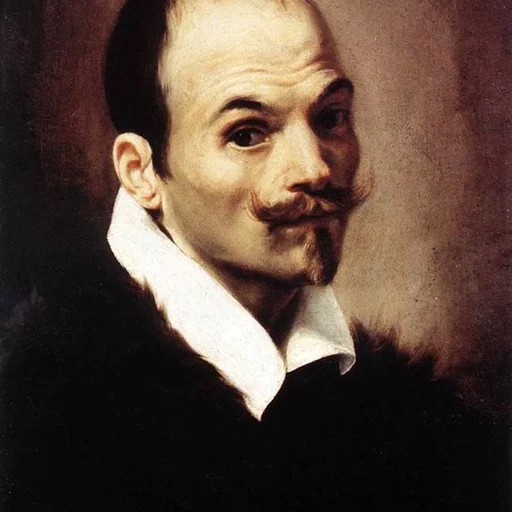
Orazio Borgianni (6 April 1574 – 14 January 1616) was an Italian painter and etcher of the Mannerist and early-Baroque periods.

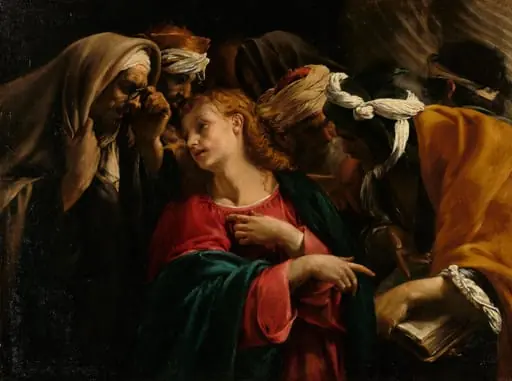
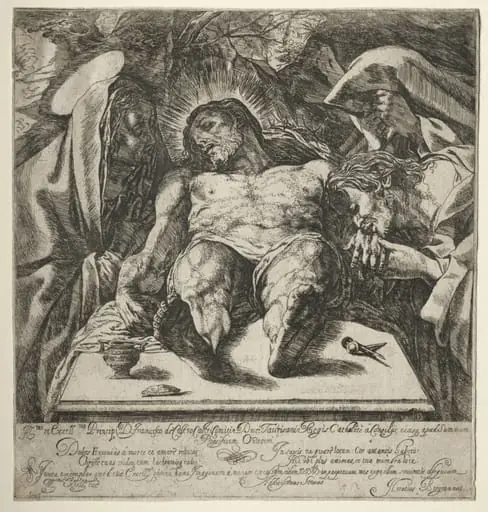
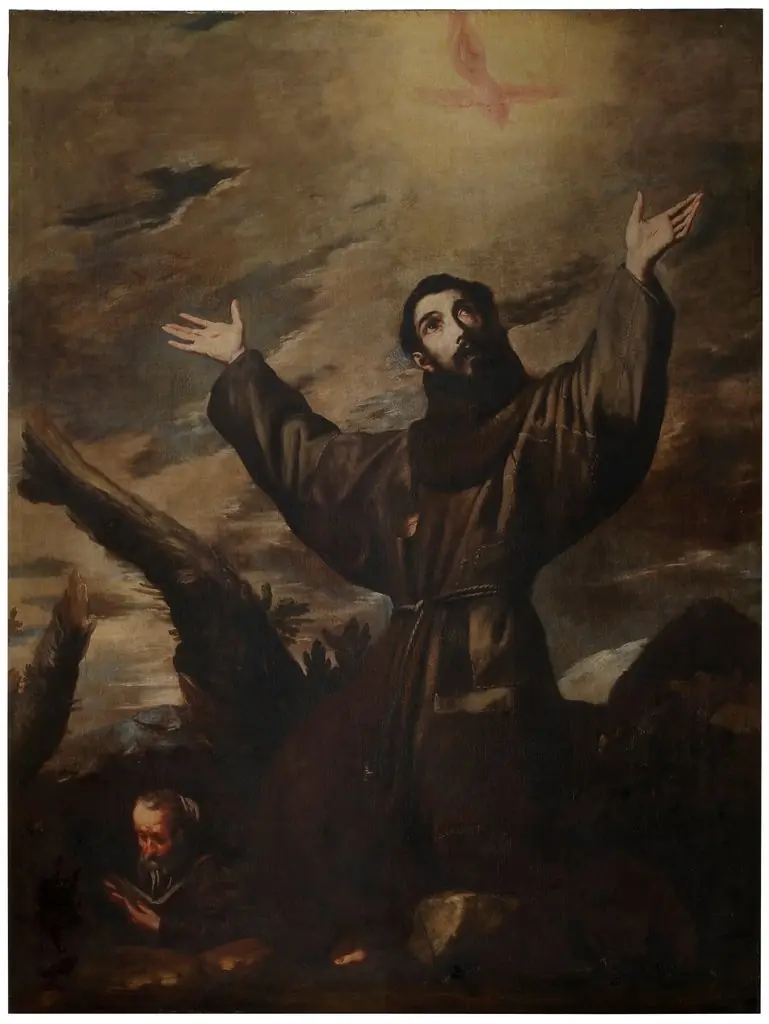 San Francisco recibe los estigmas
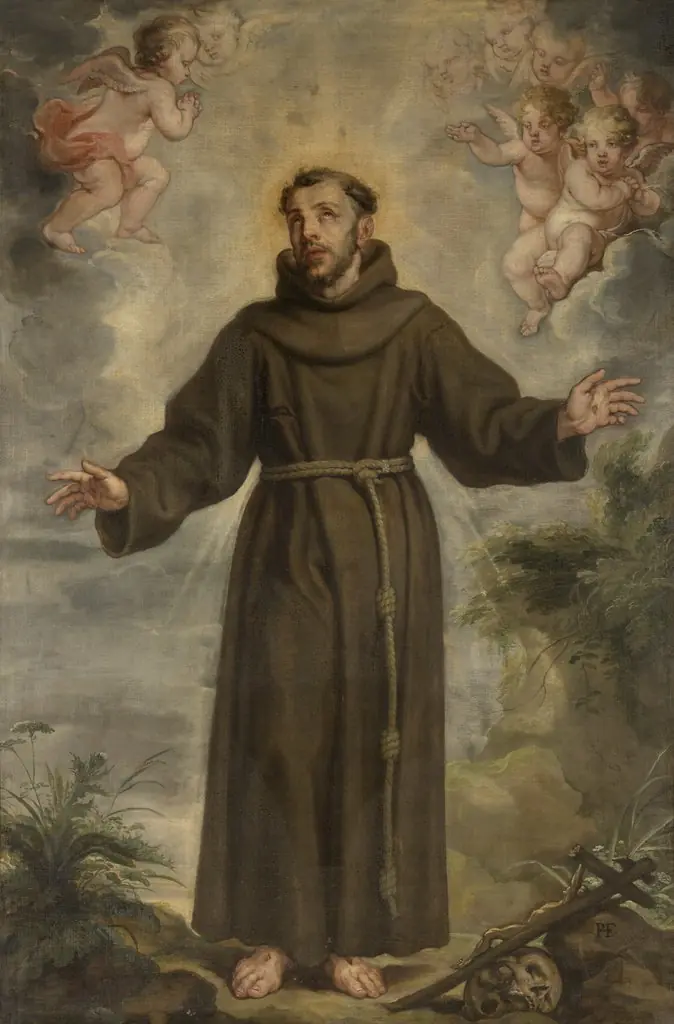 Saint Francis of Assisi
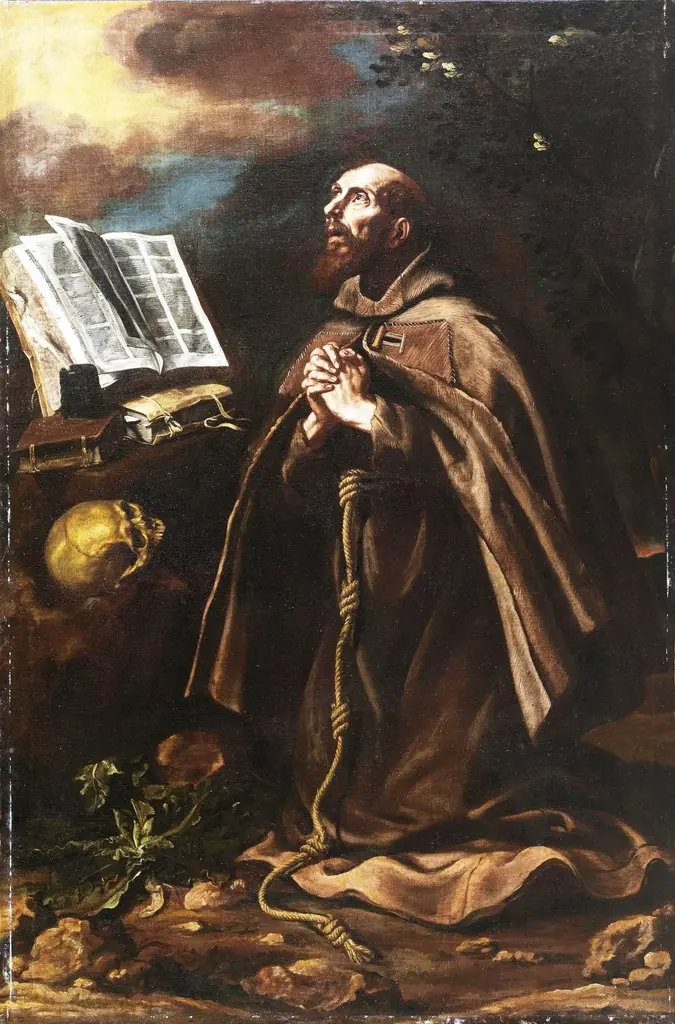 Saint Peter of Alcántara
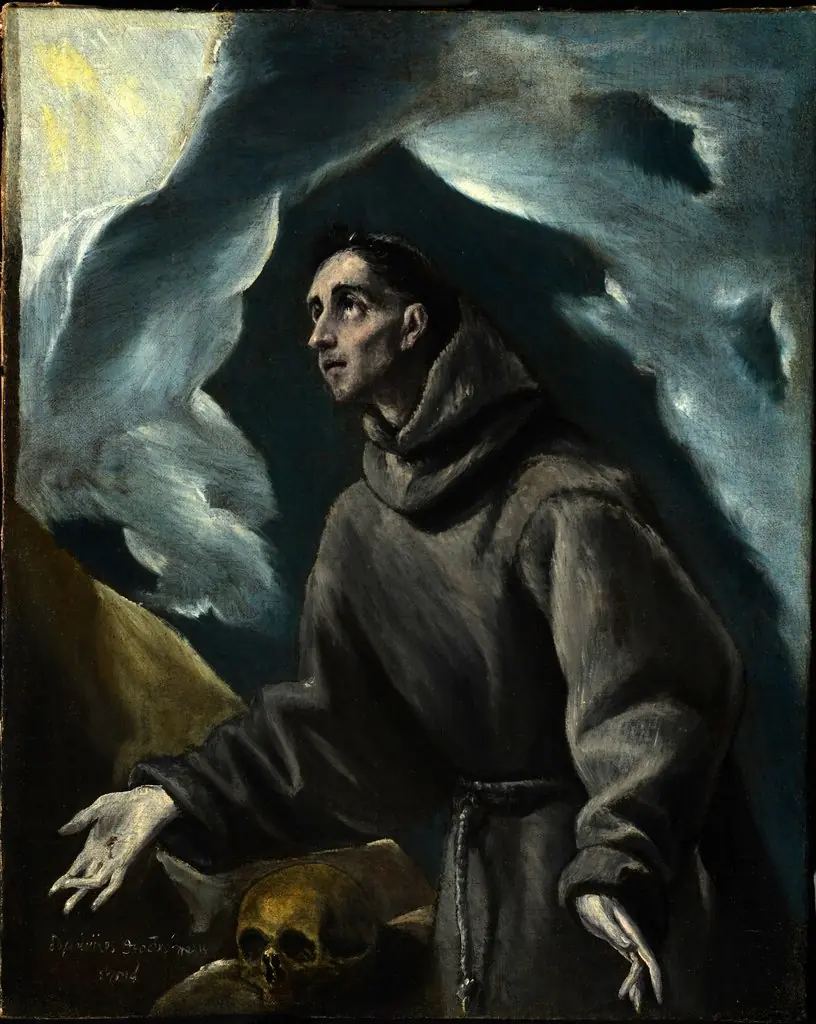 St. Francis receiving the Stigmata
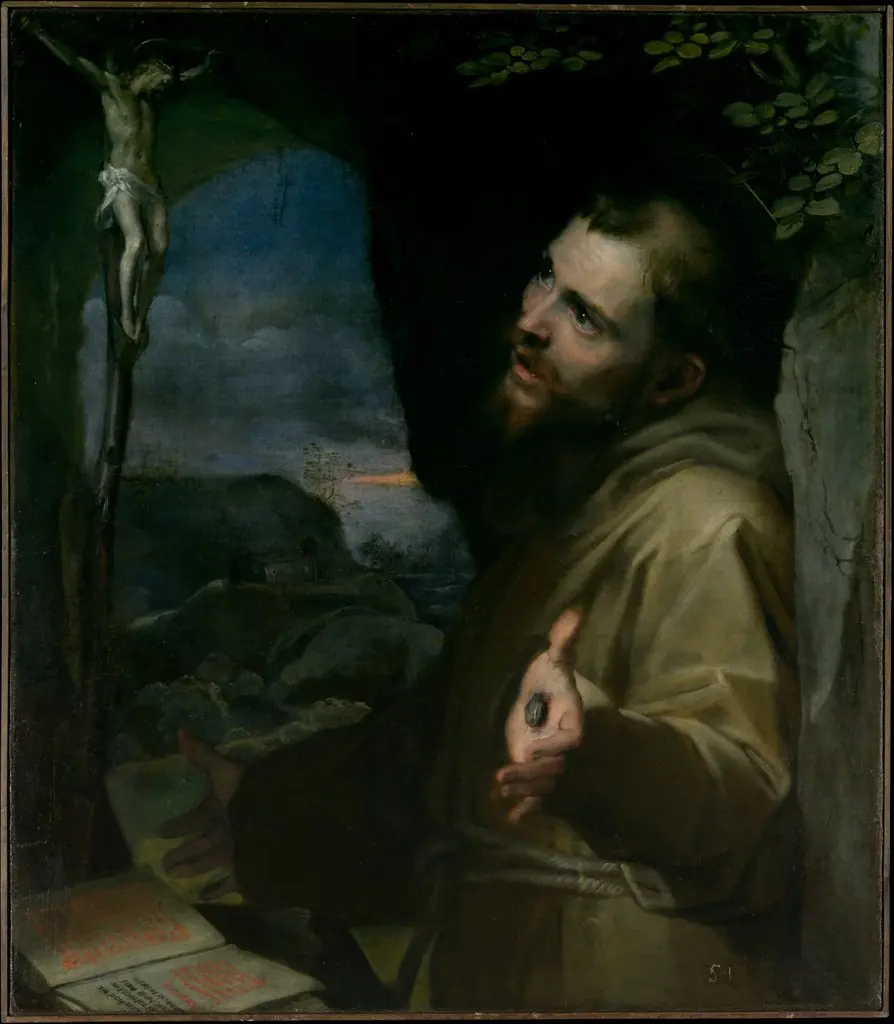 Saint Francis
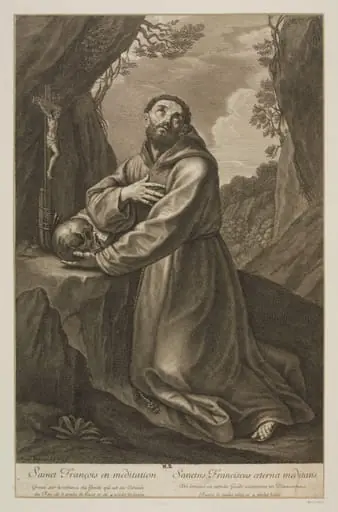 St. Francis in Ecstasy
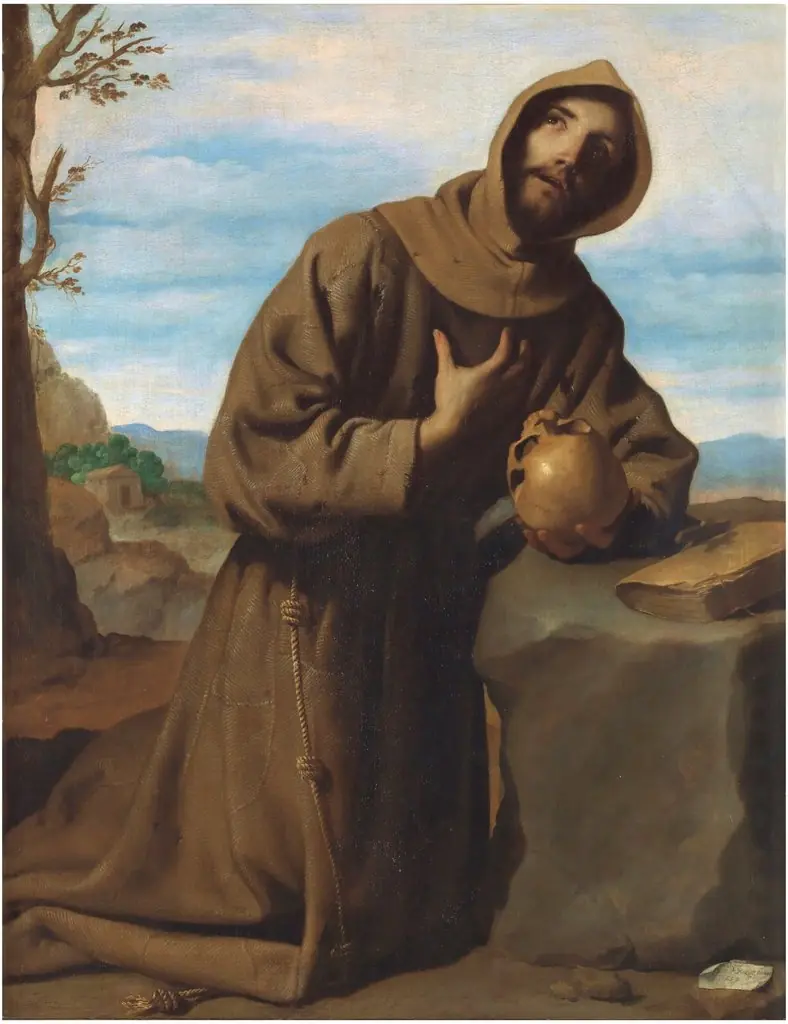 Saint Francis at Prayer
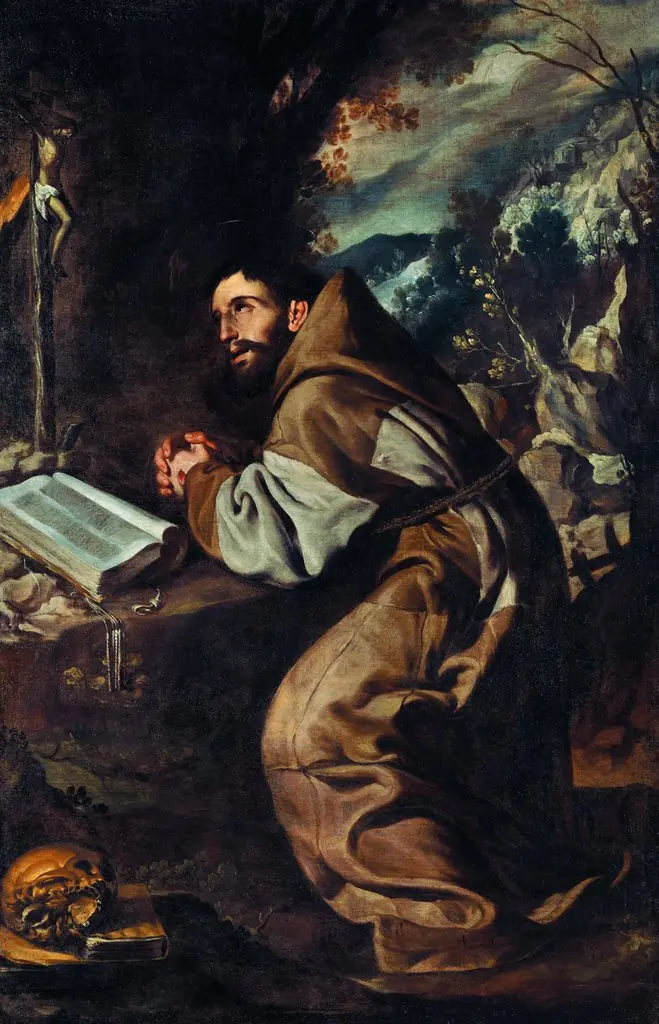 St. Francis Praying
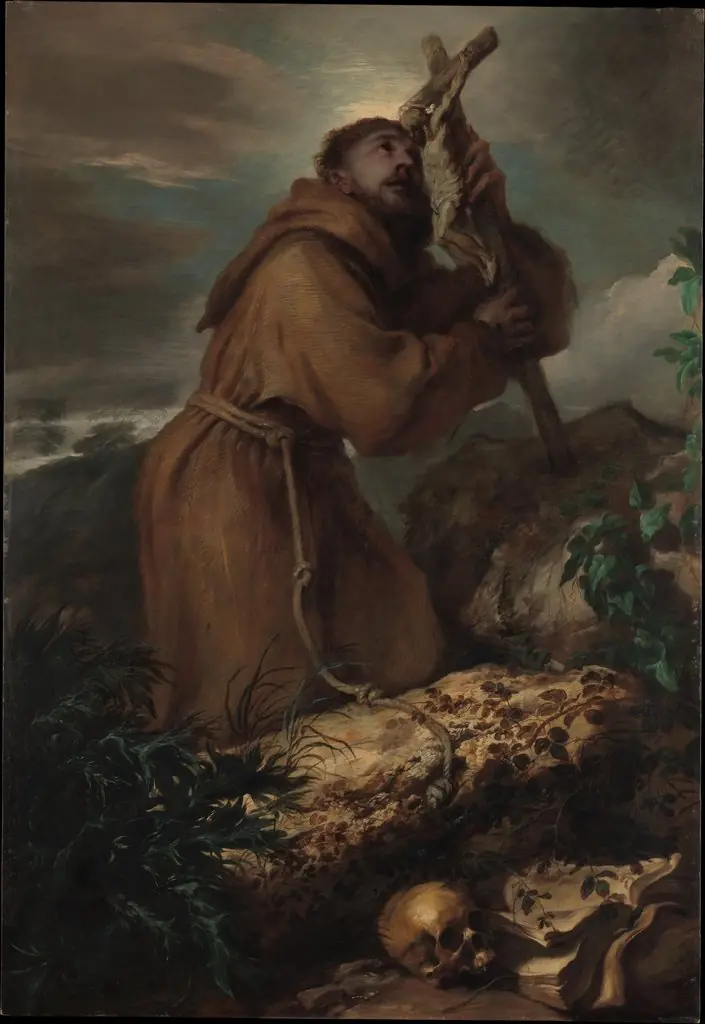 Saint Francis in Ecstasy
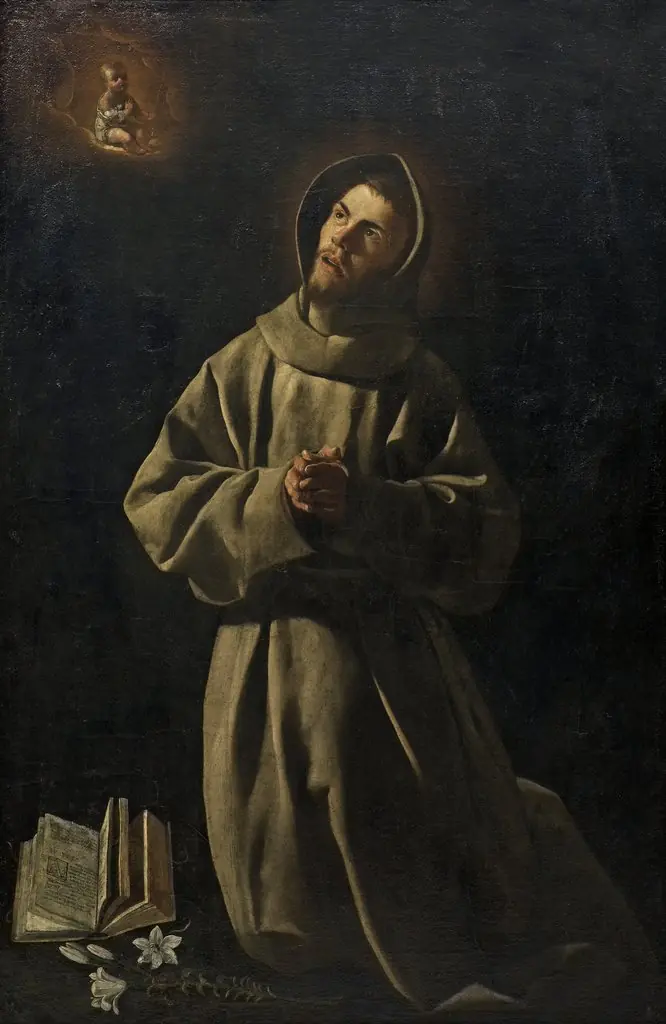 Apparition of the Child Jesus to Saint Anthony of Padua
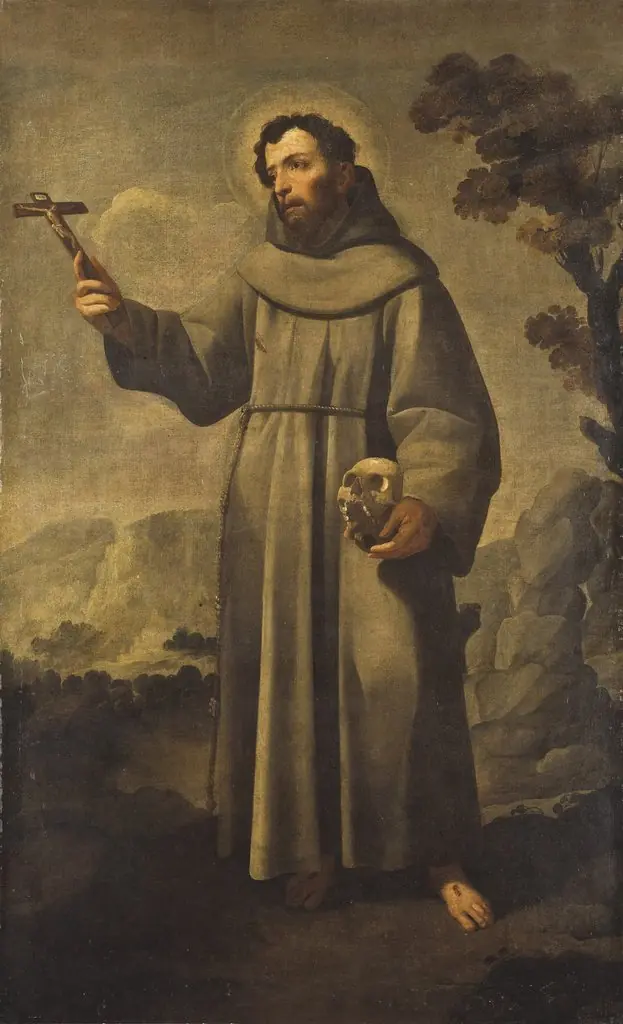 St Francis
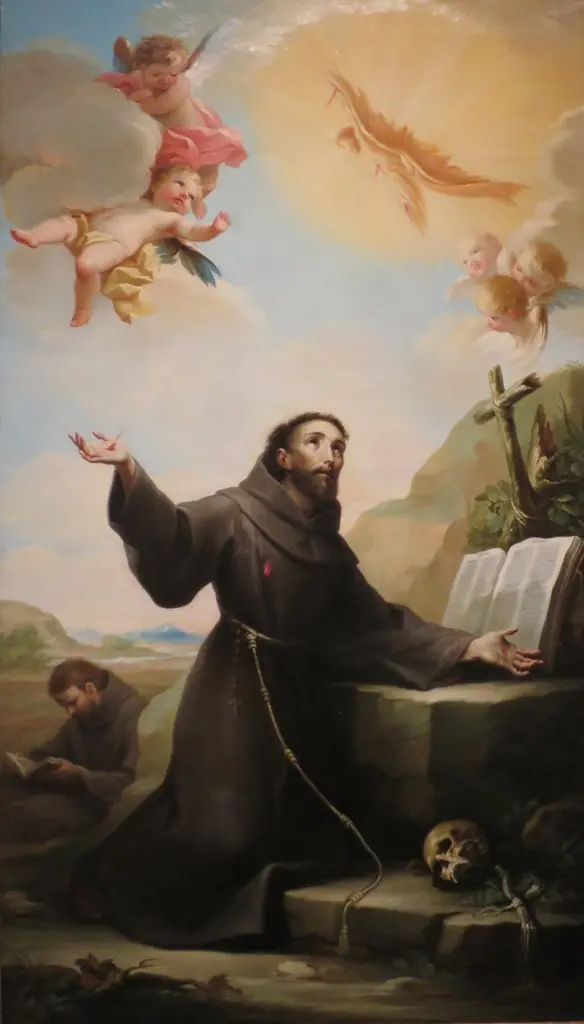 Saint Francis of Assisi Receiving the Stigmata