Artwork
Samson and Delilah
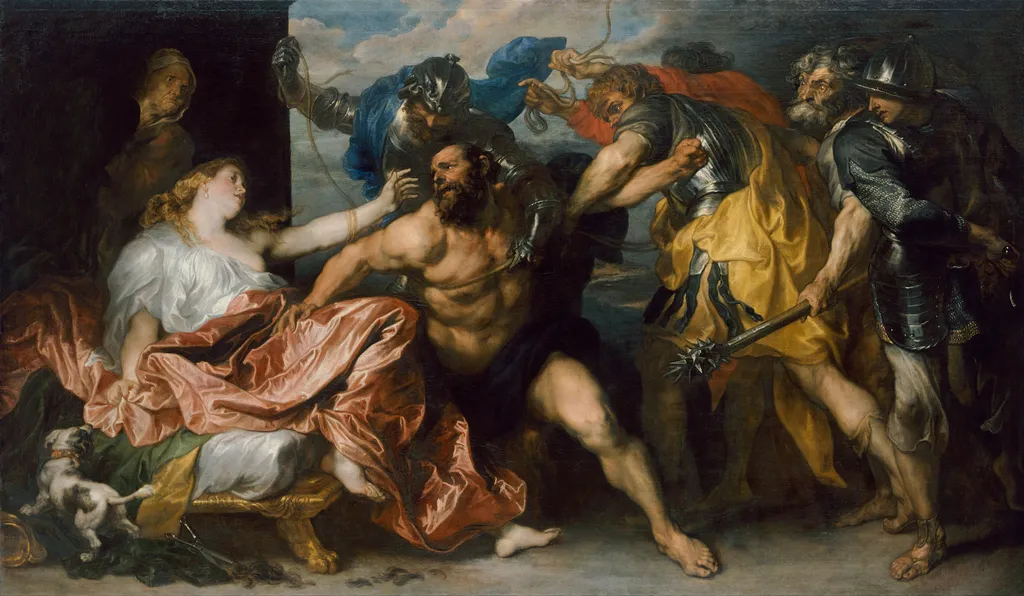
Samson and Delilah is an oil painting by the Baroque artist Anthony van Dyck. It dates from 1630 and is held in the collection of the Kunsthistorisches Museum.
About this work
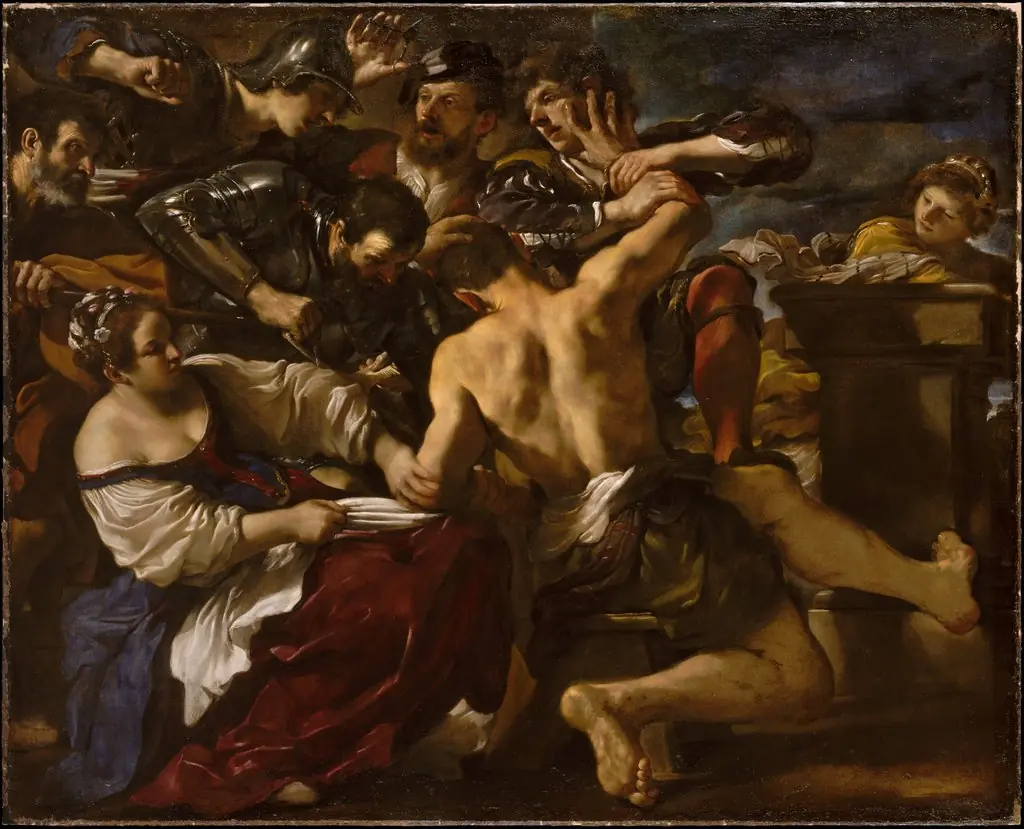
This shows Samson and Delilah by Anthony van Dyck. It’s an oil painting from around 1630. The scene is biblical but painted in a style close to Rubens, who did his own version earlier.
Here’s the twist: Delilah looks shocked at herself. She seems to regret what she’s done to Samson. Her face shows guilt, not just cunning. That’s different from how Rubens showed her.
Look up Anthony van Dyck next.
Overview
Anthony van Dyck’s oil painting titled Samson and Delilah dates to around 1630. Executed in the Baroque idiom, the work portrays the biblical episode in which Delilah cuts the hair of the Israelite hero, rendering him vulnerable. The canvas is part of the collection of the Kunsthistorisches Museum in Vienna.
Subject & Meaning
In van Dyck’s rendition, Delilah is depicted with a look of astonishment and remorse, suggesting an inner conflict over her betrayal of Samson. This emotional nuance contrasts with other contemporary treatments that present her solely as a scheming temptress, thereby adding a layer of psychological complexity to the narrative.
Technique & Style
The composition reflects the influence of van Dyck’s former master, Peter Paul Rubens, through its dynamic arrangement and robust figures. Yet the colour palette—rich, warm tones and subtle chiaroscuro—betrays the impact of Titian’s Venetian style, which van Dyck absorbed during his Italian sojourn.
History & Provenance
After its creation, the painting entered various private collections before being acquired by the Kunsthistorisches Museum, where it remains on display. Its provenance traces a typical 17th‑century trajectory from court patronage to institutional ownership.
Context
The work belongs to a period when van Dyck revisited biblical subjects, often reinterpreting themes previously tackled by Rubens. By revising the emotional tone of the Delilah figure, van Dyck engages with contemporary debates about virtue, betrayal, and the moral agency of women in biblical narratives.
Own this work as a print
Artist & collection
Artist
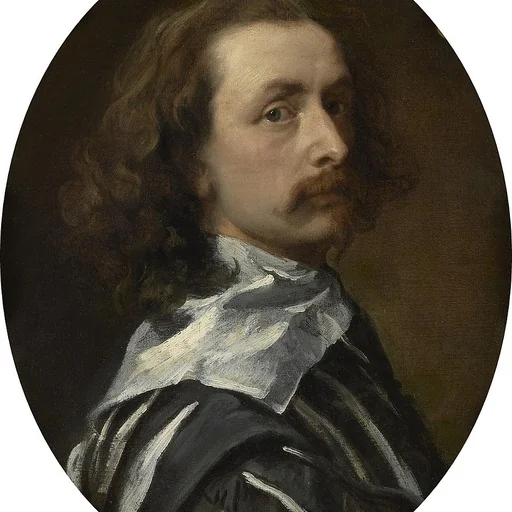
Sir Anthony van Dyck (; Dutch: Antoon van Dijck ; 22 March 1599 – 9 December 1641) was a Flemish Baroque artist, who became the leading court painter in England after success in the Spanish Netherlands and Italy.