Artwork
Rape of Hippodamia
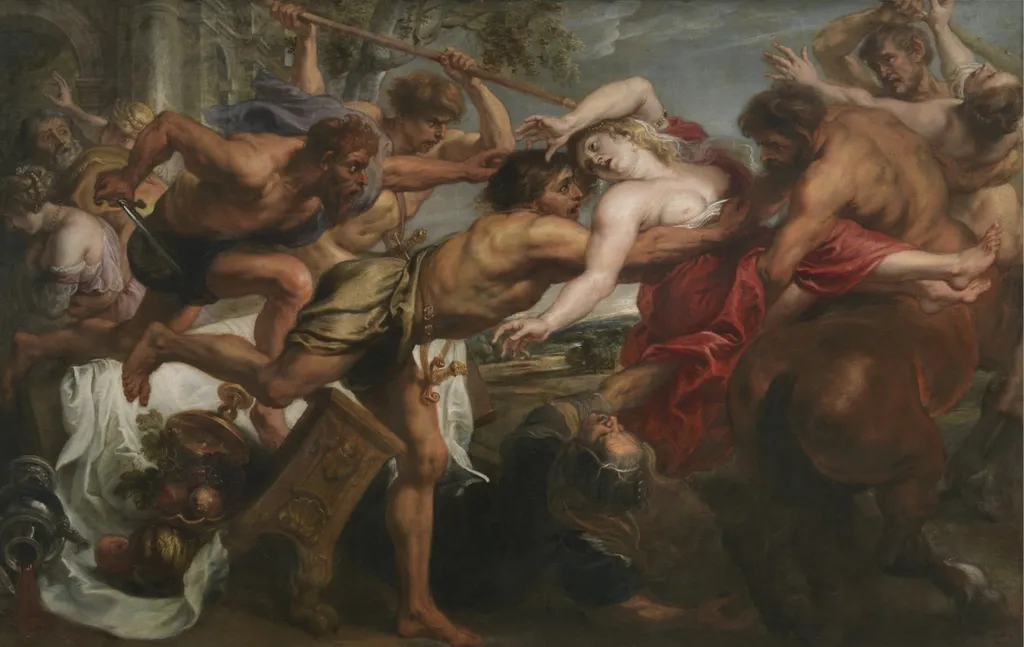
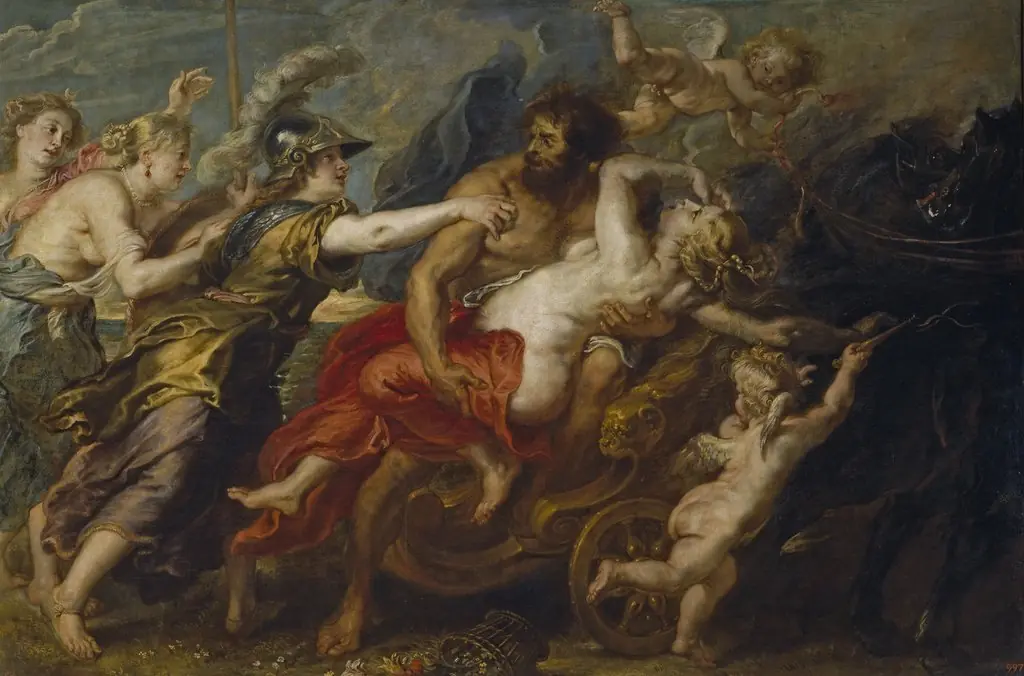
Rape of Hippodamia is an oil painting by the Flemish Baroque painting artist Peter Paul Rubens. It dates from 1636 and is held in the collection of the Museo del Prado.
About this work
Overview
Peter Paul Rubens painted *Rape of Hippodamia* in 1636, employing the dramatic vigor typical of Flemish Baroque. The canvas captures a tumultuous mythological episode, populated by a mass of intertwined figures rendered in earthy tones, punctuated by a vivid red cloak that draws the eye. The work now belongs to the Museo del Prado’s permanent collection.
Subject & Meaning
The composition illustrates the legendary abduction of Hippodamia, a narrative from classical mythology. Central to the scene is a muscular attacker seizing a woman draped in a red mantle, while surrounding combatants clash, some expressing rage, others fear. The chaotic arrangement underscores the violence and emotional intensity of the mythic encounter.
Technique & Style
Rubens applied thick, expressive brushwork to model flesh and convey kinetic energy, allowing muscles to appear sculpted and movement palpable. The painting employs chiaroscuro, with strong contrasts of light and shadow that heighten the drama and give depth to the figures against a dim, indistinct landscape of trees and clouded sky.
History & Provenance
Created during Rubens’s mature period, the canvas reflects his role as a diplomat-artist who frequently turned to heroic and mythic subjects. After remaining in private hands for several centuries, the painting entered the Museo del Prado, where it is displayed among other Baroque masterpieces.
Own this work as a print
Artist & collection
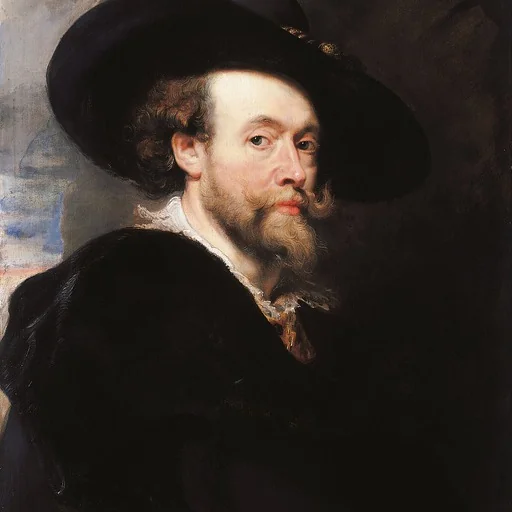
Artist
Sir Peter Paul Rubens ( ROO-bənz; Dutch: ; 28 June 1577 – 30 May 1640) was a Flemish artist and diplomat.