Artwork
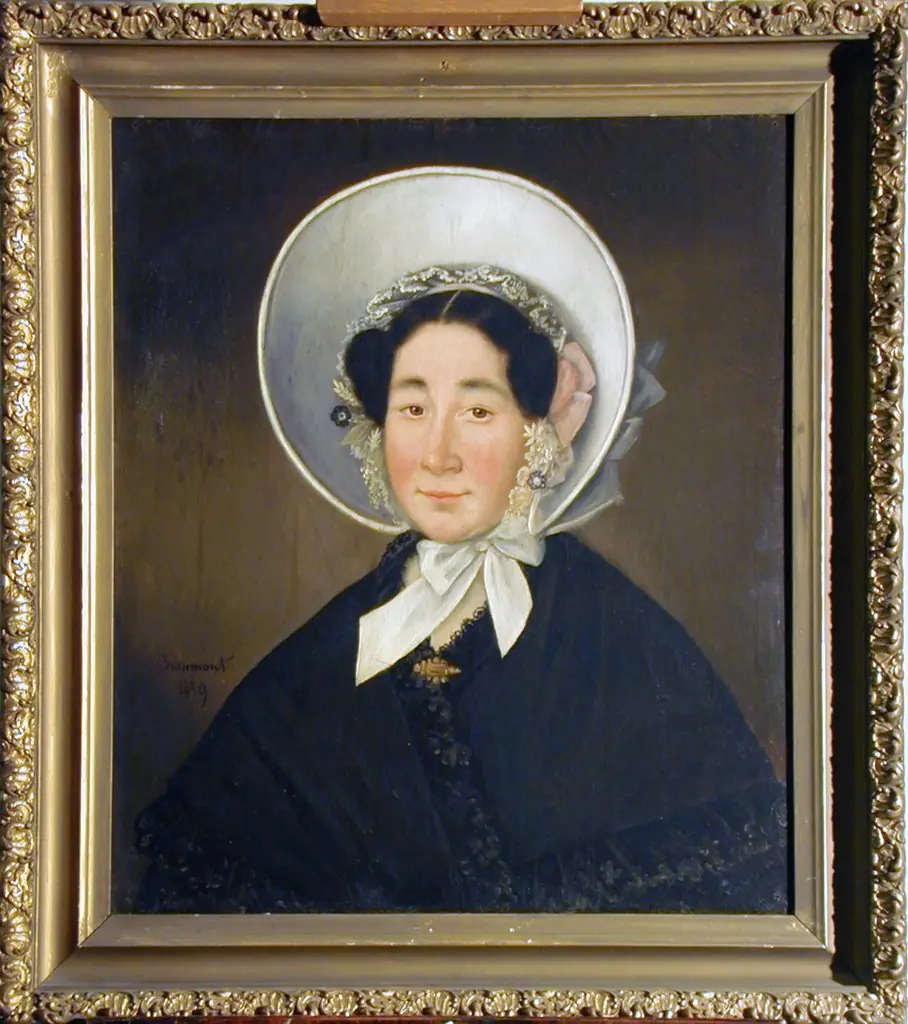
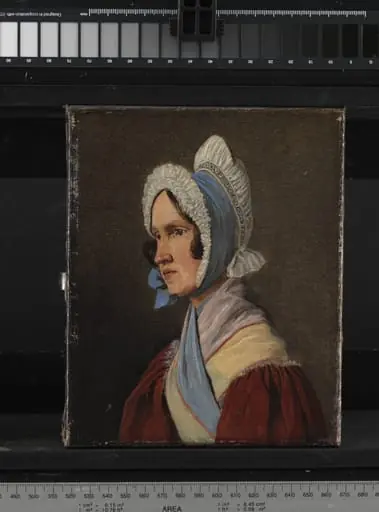
High-born lady in white bonnet
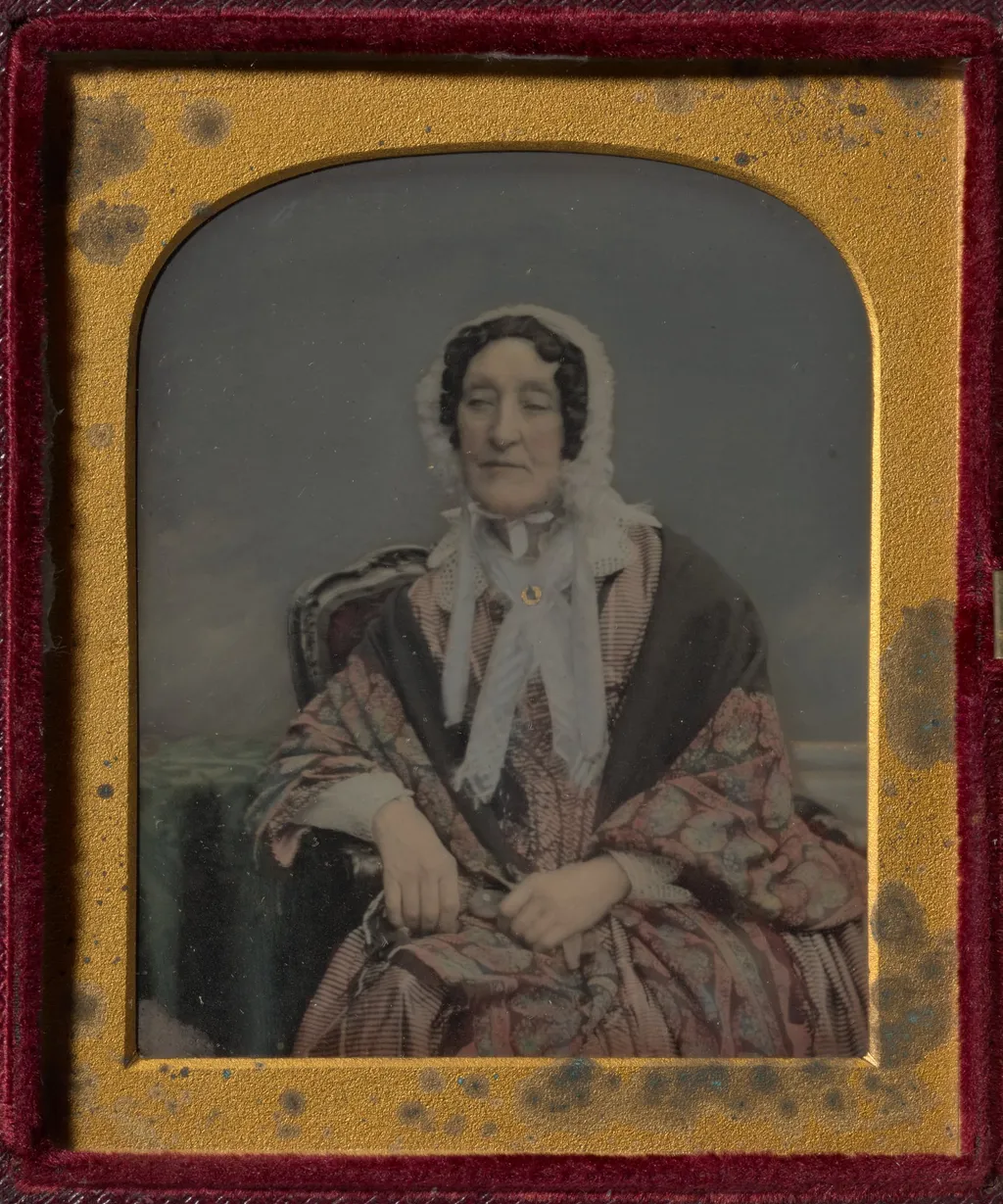
High-born lady in white bonnet is a photography by the Impressionist artist Antoine Claudet. It dates from 1856 and is held in the collection of the Cleveland Museum of Art.
About this work
The Cleveland Museum of Art is home to this portrait, which showcases the artist's skill in capturing the essence of his subjects.
This image presents a portrait of an elderly woman, seated and facing forward. She is attired in a dark dress with a floral pattern, complemented by a white bonnet that covers her head and neck. A white scarf is draped around her neck, and she wears a brooch on her chest. Her right arm rests on her lap, while her left arm is positioned on the back of the chair.
The woman's attire and the style of the portrait suggest that it was created in the mid-19th century. The artist's use of light and shadow adds depth to the image, drawing attention to the subject's face and hands.
The Cleveland Museum of Art is home to this portrait, which showcases the artist's skill in capturing the essence of his subjects.
Overview
This photographic portrait, dated around 1856, was made by Antoine Claudet, an early pioneer of daguerreotype and paper-based photography. It depicts an elderly woman in formal attire, captured with careful attention to detail and lighting. The work resides in The Cleveland Museum of Art, where it exemplifies the quiet dignity achievable in mid-century photographic portraiture.
Subject & Meaning
The subject is an older woman of apparent aristocratic standing, portrayed with stillness and composure. Her attire—dark floral dress, white bonnet, and draped scarf—signals modesty and social status. The composed posture and direct gaze suggest a deliberate assertion of presence, common in portraits meant to convey personal dignity rather than mere likeness.
Technique & Style
Claudet employed natural light to model the woman’s face and hands, creating subtle gradations of shadow that enhance volume without theatricality. The fine detail in fabric textures and the soft focus of the background reflect the technical limitations and aesthetic priorities of early photographic processes, favoring clarity of the subject over environmental context.
History & Provenance
The photograph entered The Cleveland Museum of Art’s collection as part of its broader acquisition of 19th-century photographic works. Its provenance prior to museum acquisition is not publicly documented, but its preservation suggests it was valued early as an example of Claudet’s refined portraiture, a hallmark of his studio practice in London and Paris.
Context
Created during the height of photographic portraiture’s popularity, this image reflects a cultural shift toward capturing private, individual identity through mechanical means. Claudet’s work stood apart for its sensitivity to expression and lighting, distinguishing it from the more rigid conventions of painted portraiture of the era.
Legacy
Though not widely exhibited, the photograph remains a quiet testament to Claudet’s contribution to early photographic art. It illustrates how technical constraints were transformed into expressive tools, influencing later photographers who sought authenticity over ornamentation in portraiture.
Artist & collection

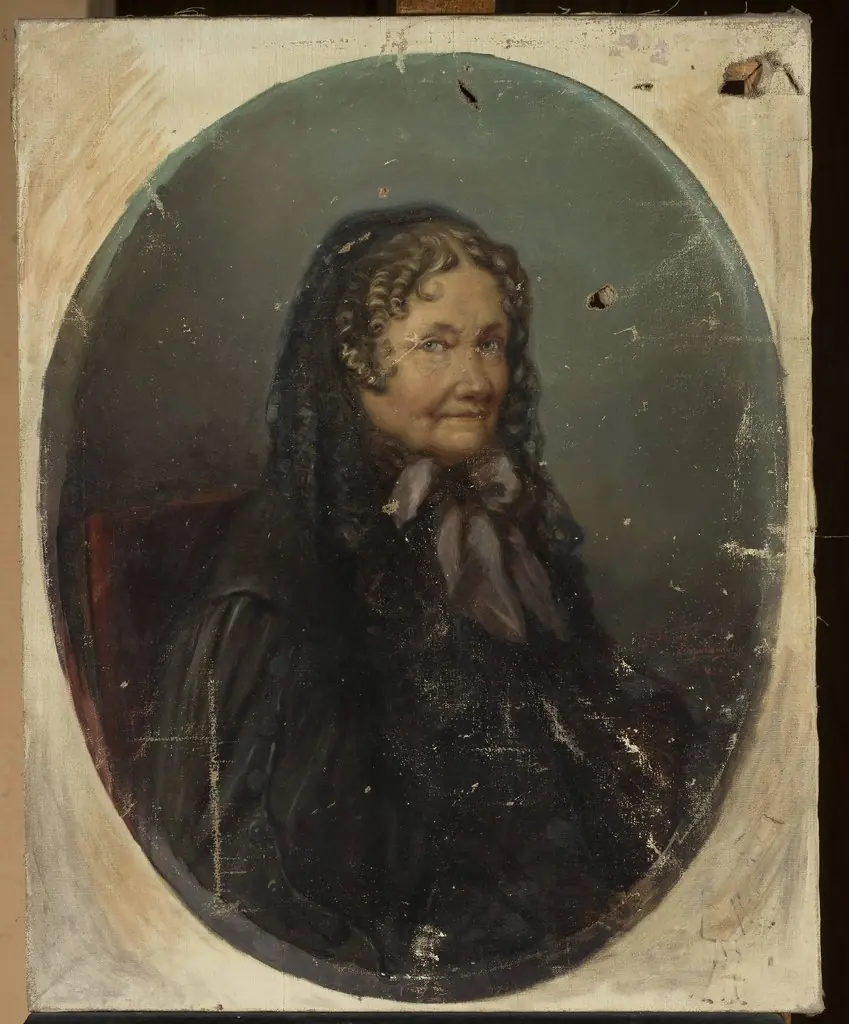 Portrait of Mrs. Sowińska, general's wife (1776–1860)
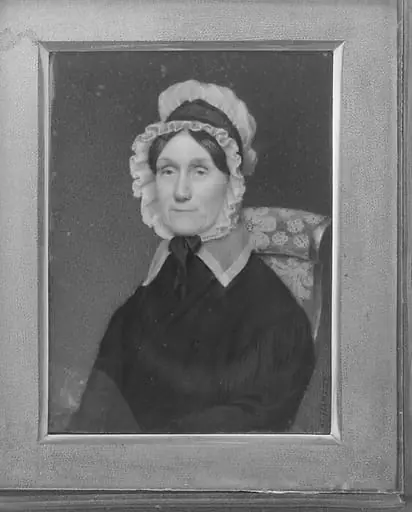 Sarah May Holland
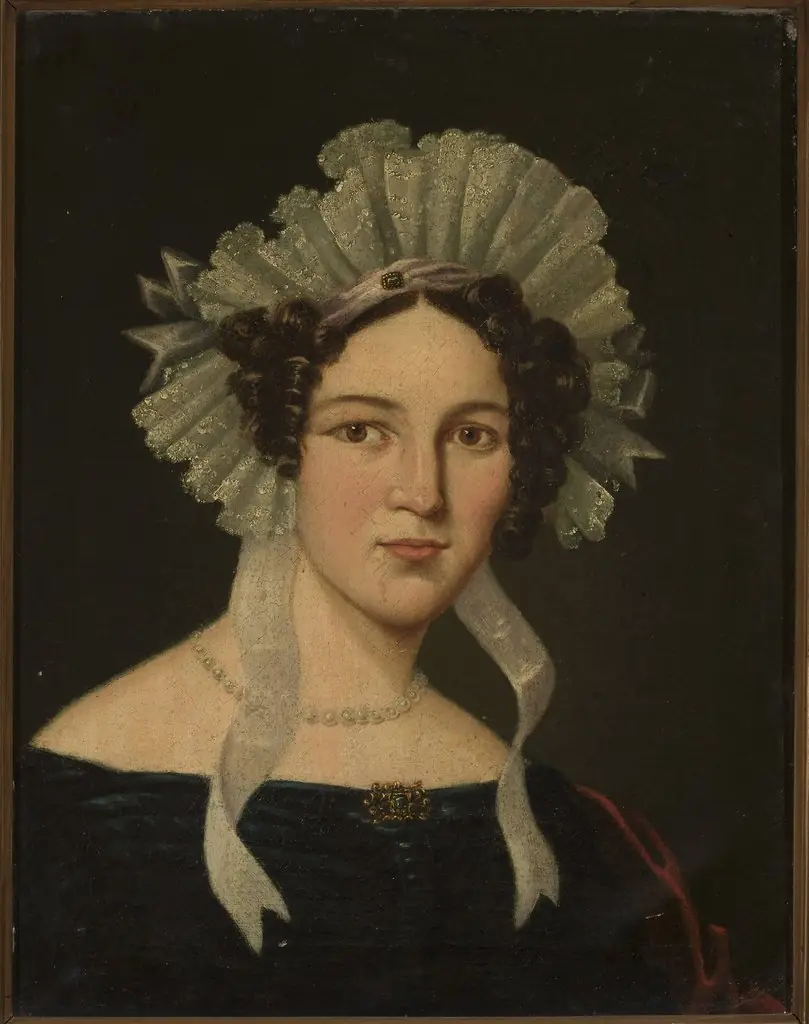 Portrait of a lady in a cap
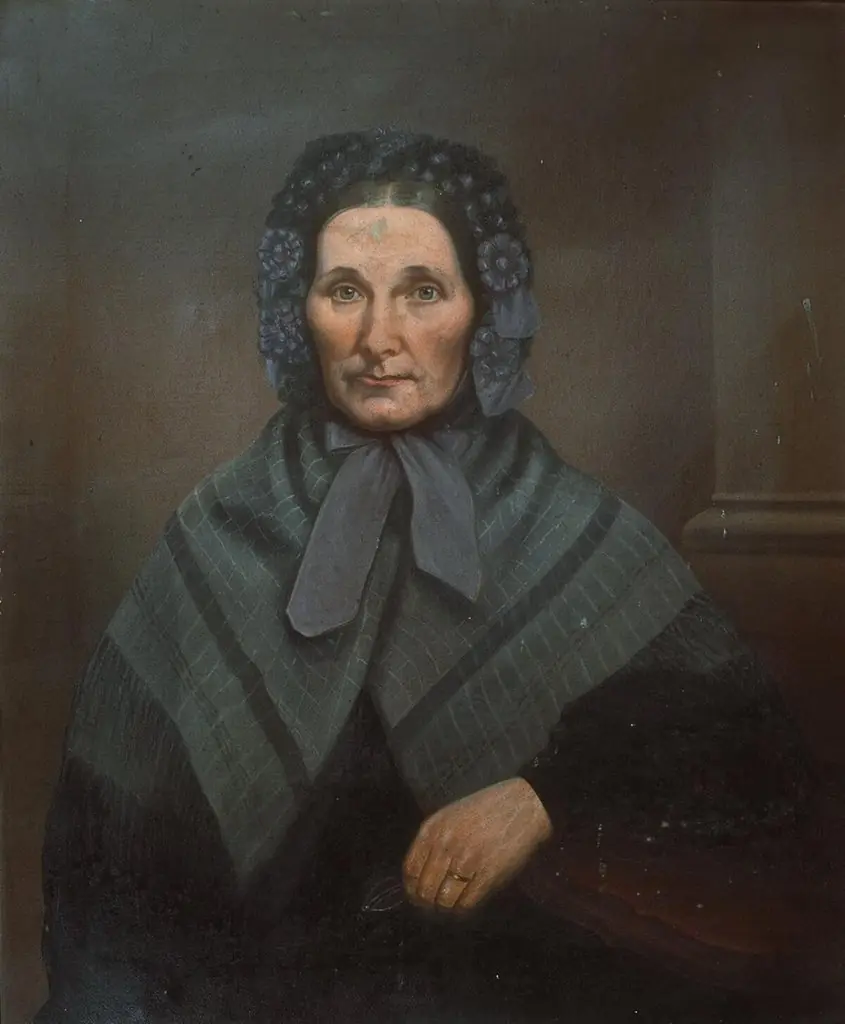 Mother of John Parry Jones
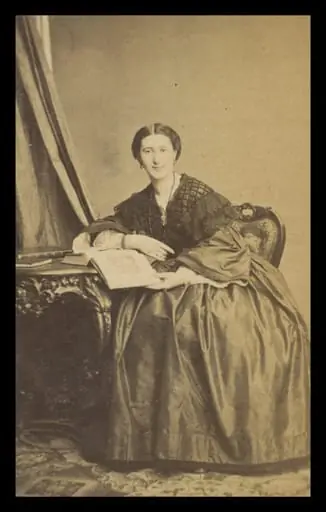 Guy Little Theatrical Photograph
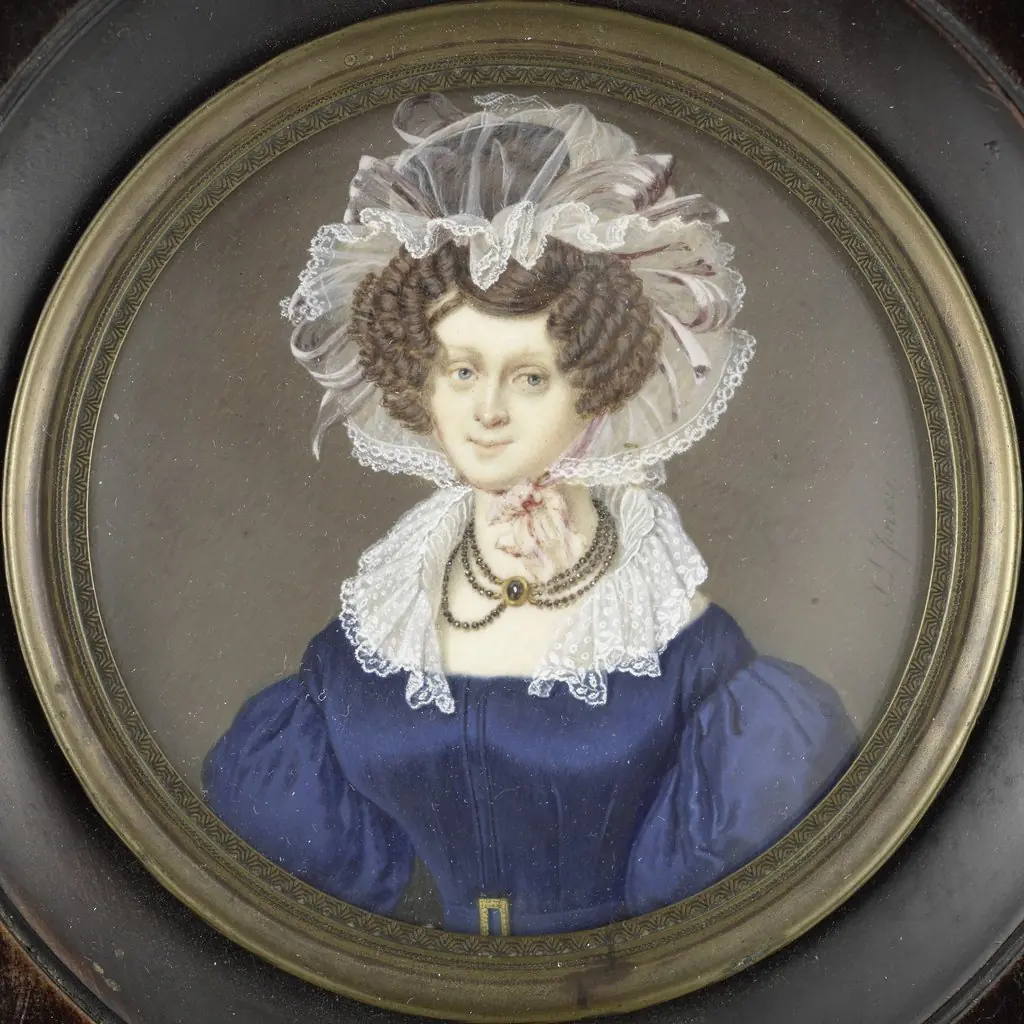 Portret van een vrouw
 Mrs. Samuel Russell (Frances Ann Osborne )
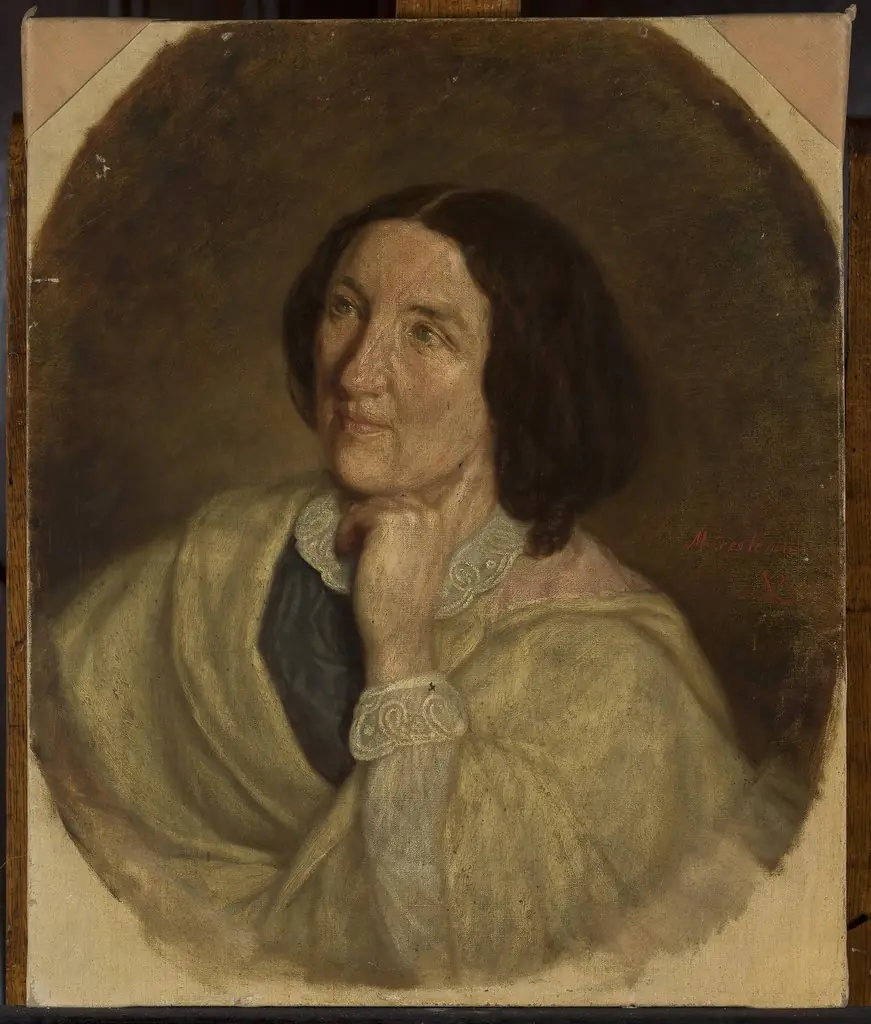 Portrait of Marcelina Czartoryska née Radziwiłł
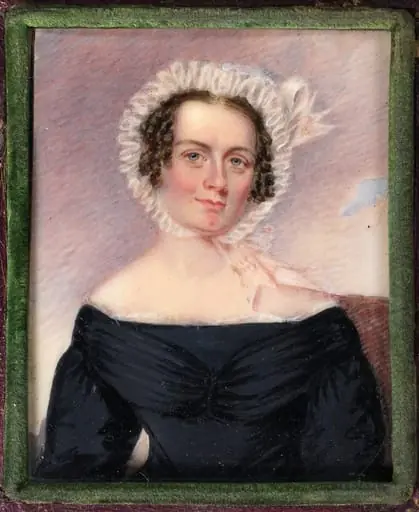 Portrait of a Lady
 A Woman
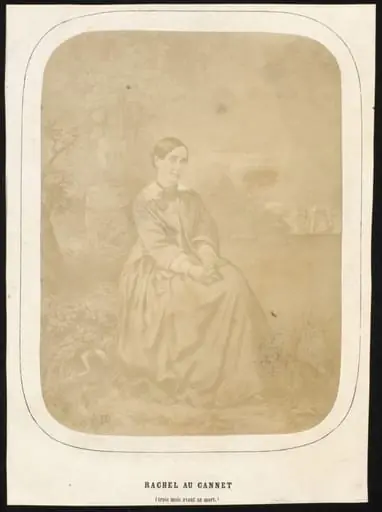 Guy Little Theatrical Photograph
 Oberstinde Cathrine Lundbye, f. Bonnevie, kunstnerens moder