Artwork
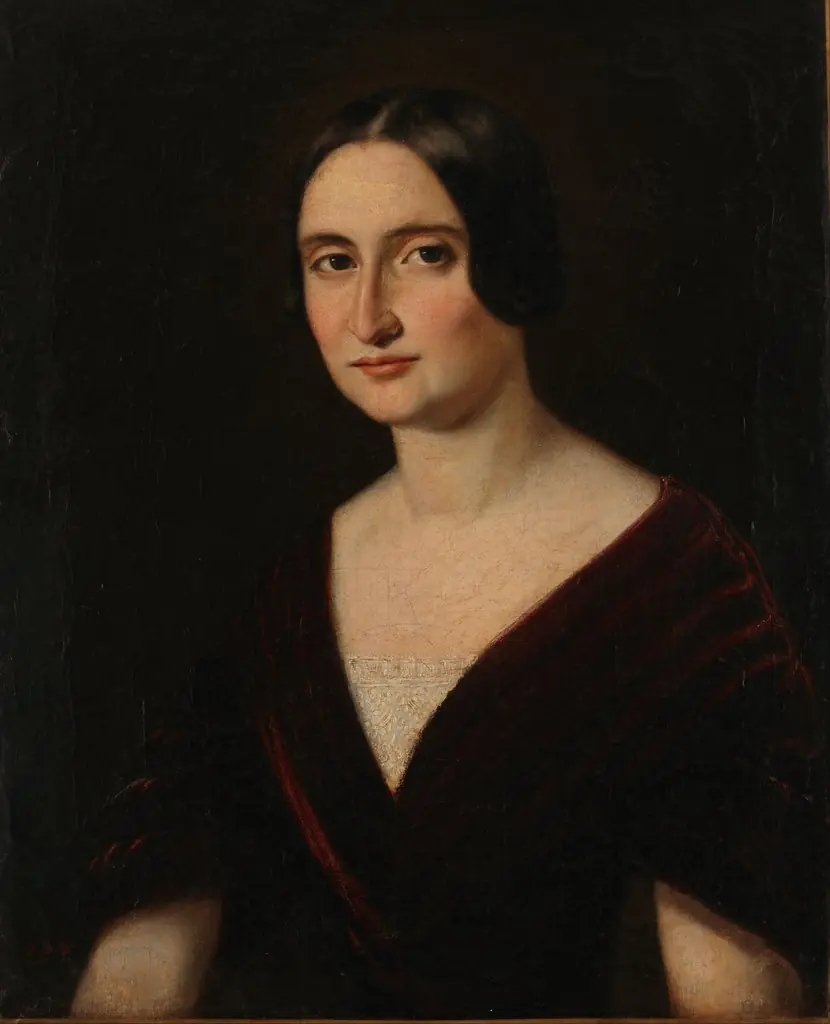
Portrait of Marcelina Czartoryska née Radziwiłł
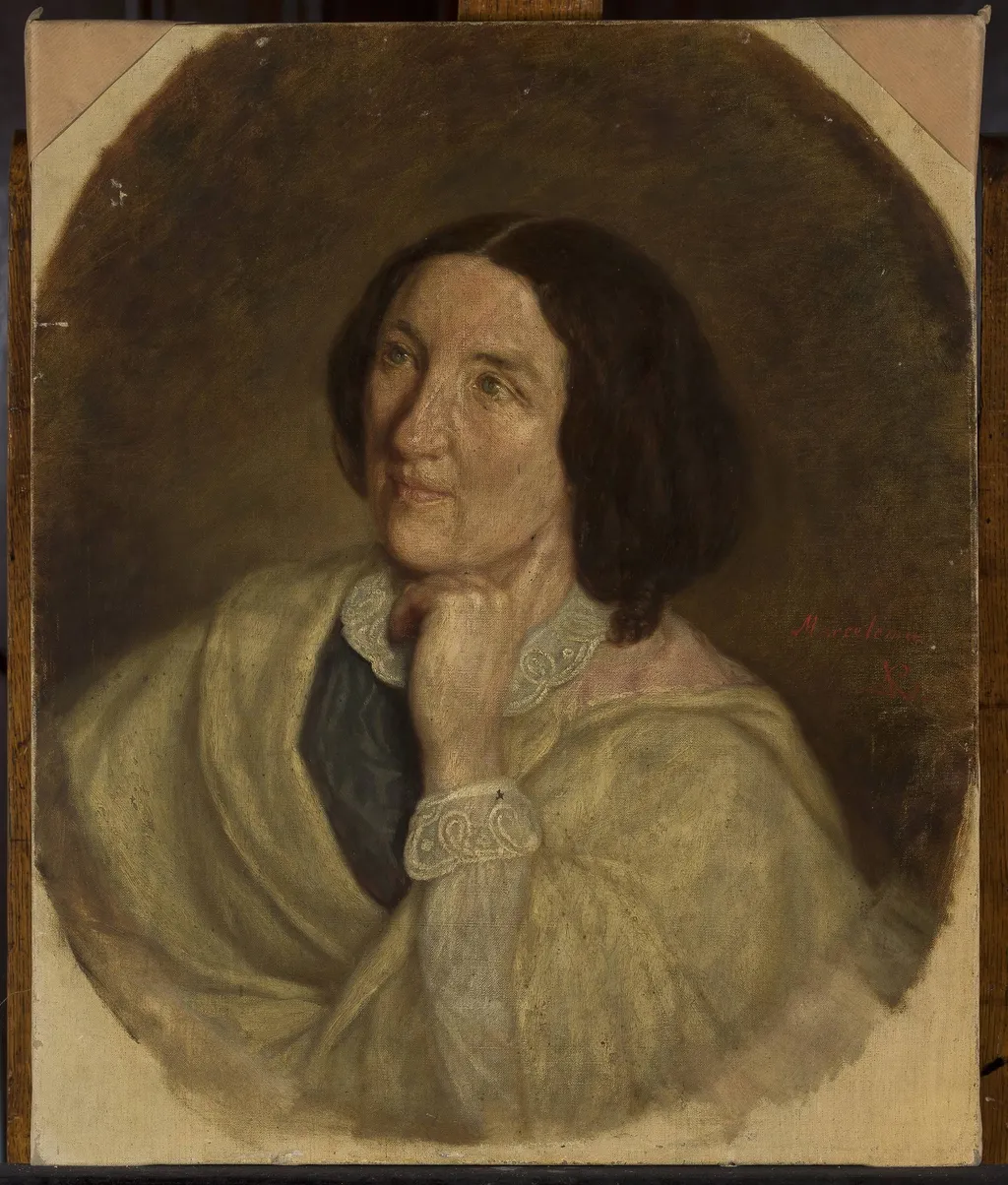
Portrait of Marcelina Czartoryska née Radziwiłł is an oil painting by Leon Kapliński. It dates from 1858 and is held in the collection of the National Museum in Warsaw.
About this work
Overview
The composition emphasizes the sitter’s presence through careful framing and subdued tonality, reflecting mid-19th-century Polish portraiture conventions.
Painted around 1858 by Leon Kapliński, this oil portrait captures Marcelina Czartoryska, born Radziwiłł, in a composed, half-length pose. The work resides in the National Museum in Warsaw, where it is valued for its restrained elegance and psychological nuance. The composition emphasizes the sitter’s presence through careful framing and subdued tonality, reflecting mid-19th-century Polish portraiture conventions.
Subject & Meaning
Marcelina Czartoryska, a member of two prominent Polish noble families, is portrayed with quiet dignity. Her gaze meets the viewer directly, suggesting introspection rather than performative poise. The raised hand near her chin implies contemplation, possibly signaling personal resolve or inner reflection. The portrait avoids overt symbolism, instead conveying character through subtle expression and posture.
Technique & Style
Kapliński employs soft brushwork to render textures of lace, silk, and wool, balancing detail with atmospheric restraint. The muted brown background isolates the figure, drawing focus to her white shawl and lace collar. Light falls gently across her face and hands, modeling form without dramatic contrast. The palette is restrained, favoring earth tones and pale highlights to enhance the portrait’s somber intimacy.
History & Provenance
The painting was completed in the late 1850s and entered the collection of the National Museum in Warsaw, where it has remained since. Its provenance traces directly to the Czartoryski family, who preserved it as part of their private holdings before its institutional acquisition. No significant alterations or reworkings are documented, preserving its original state.
Context
Created during a period of political fragmentation in Poland, the portrait reflects aristocratic resilience through private commemoration. Portraiture of noblewomen often served as cultural affirmation, asserting identity amid foreign domination. Kapliński’s approach aligns with broader European trends favoring psychological depth over grandeur, distinguishing it from more ceremonial royal portraits of the era.
Legacy
Though not widely exhibited outside Poland, the portrait remains a key example of Kapliński’s skill in capturing quiet individuality. It contributes to the understanding of Polish noble portraiture in the mid-19th century, illustrating how personal expression could be conveyed within formal constraints. The work continues to inform scholarly study of gender, class, and identity in Polish visual culture.
Artist & collection

 Portrait of a woman
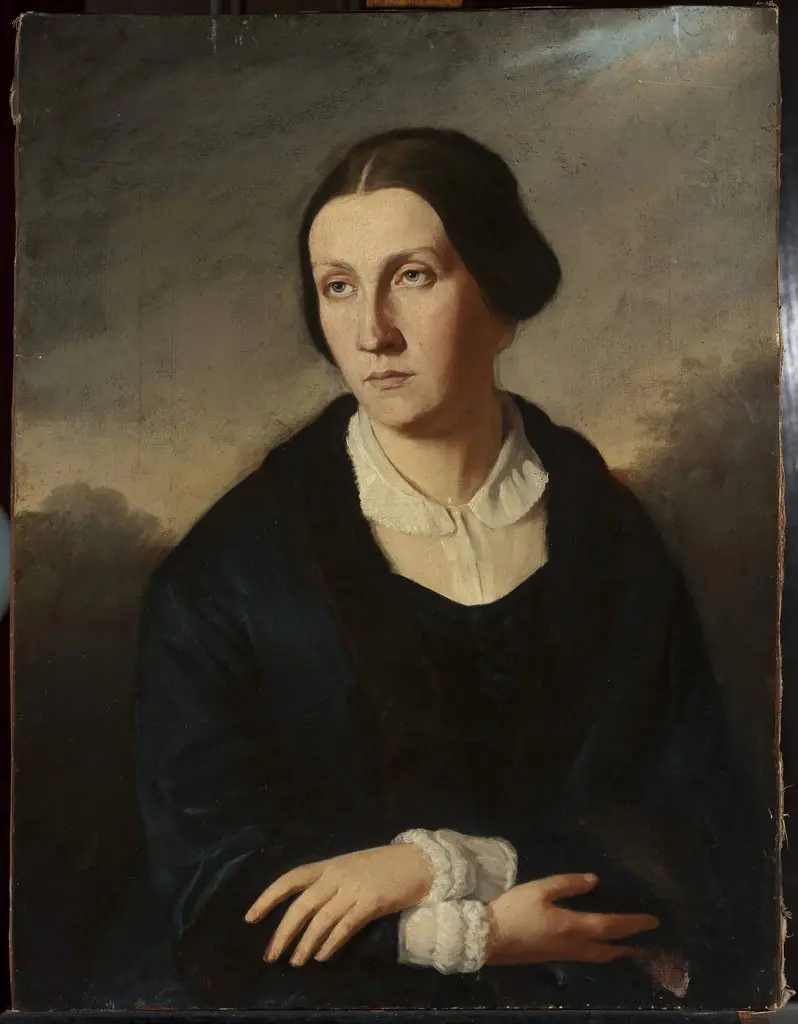 Portrait of Maria Januszkiewicz née Bułharyn (1824–1880)
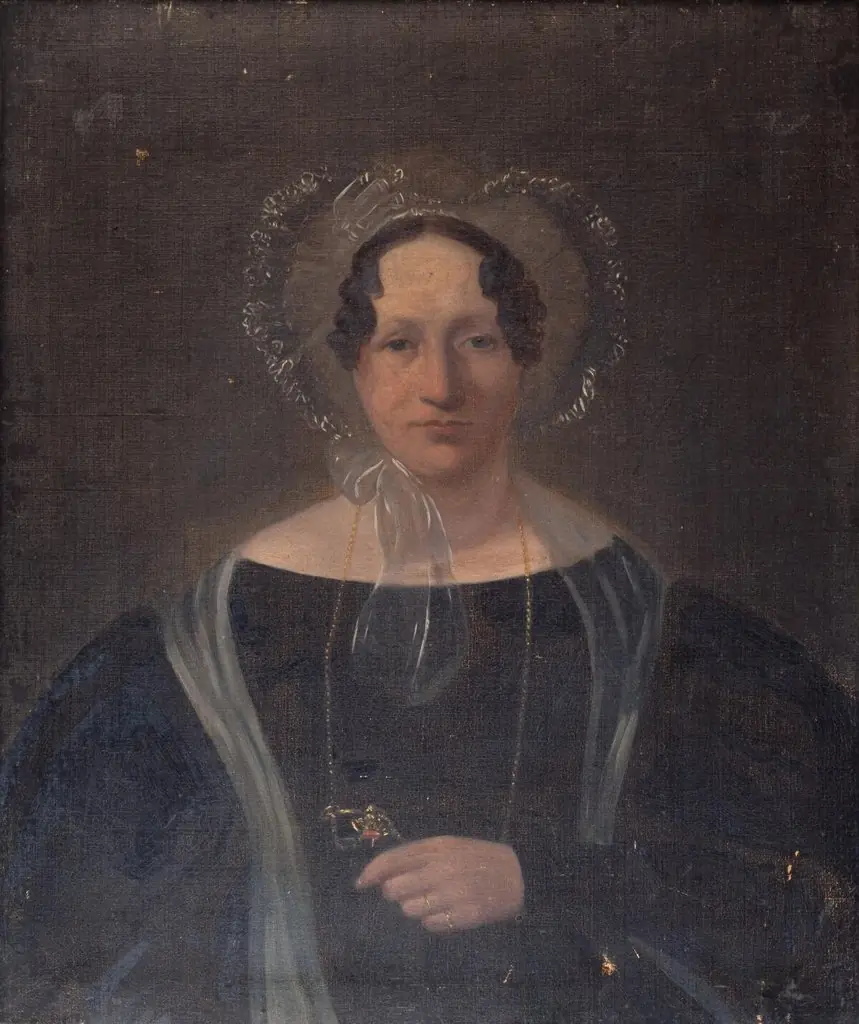 Sarah (Thomas), Mrs Bowen of Llwyngwair
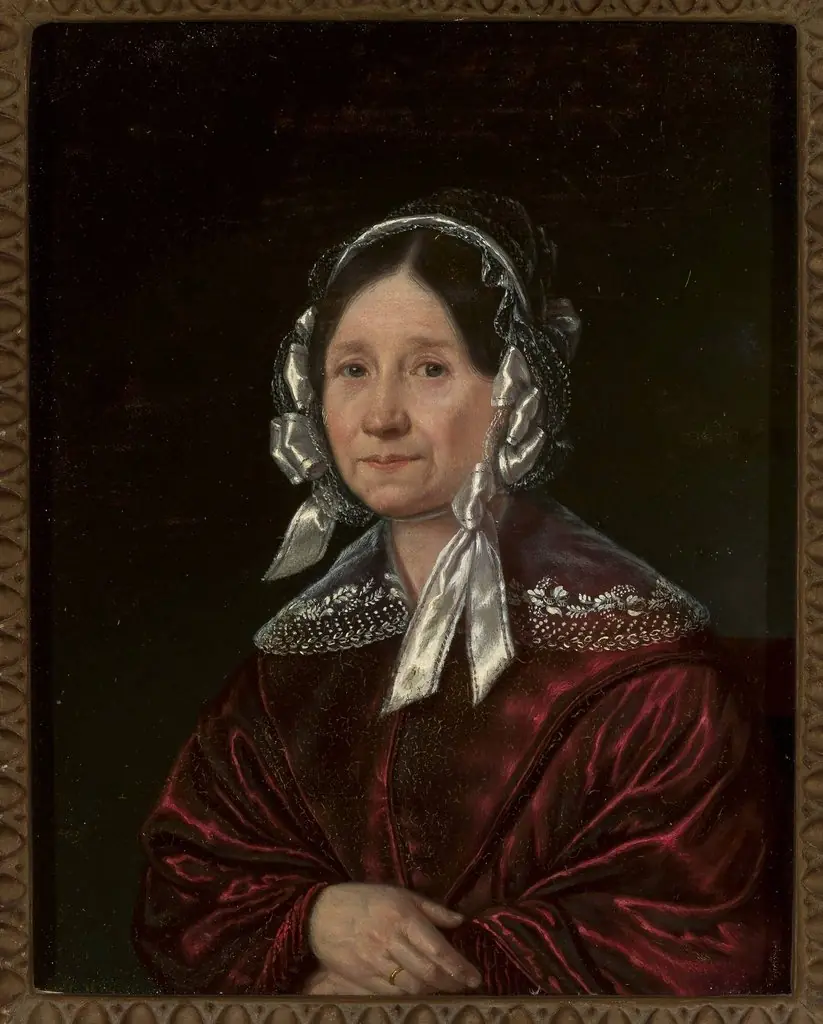 Portrait of Teresa Kicka
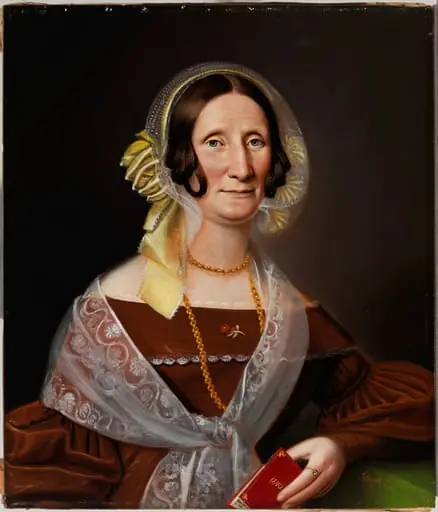 Kirjailija Sara Wacklinin muotokuva
 Julia Hulbert Hubbard
 Julia Hulbert Hubbard
 Portrait of Mrs. W.J.S. van Alphen, baroness of Reede van Oudtshoorn
 Anastasia Bozianu
 Retrato de Señora