Artwork
Portrait of the Maistre Sisters
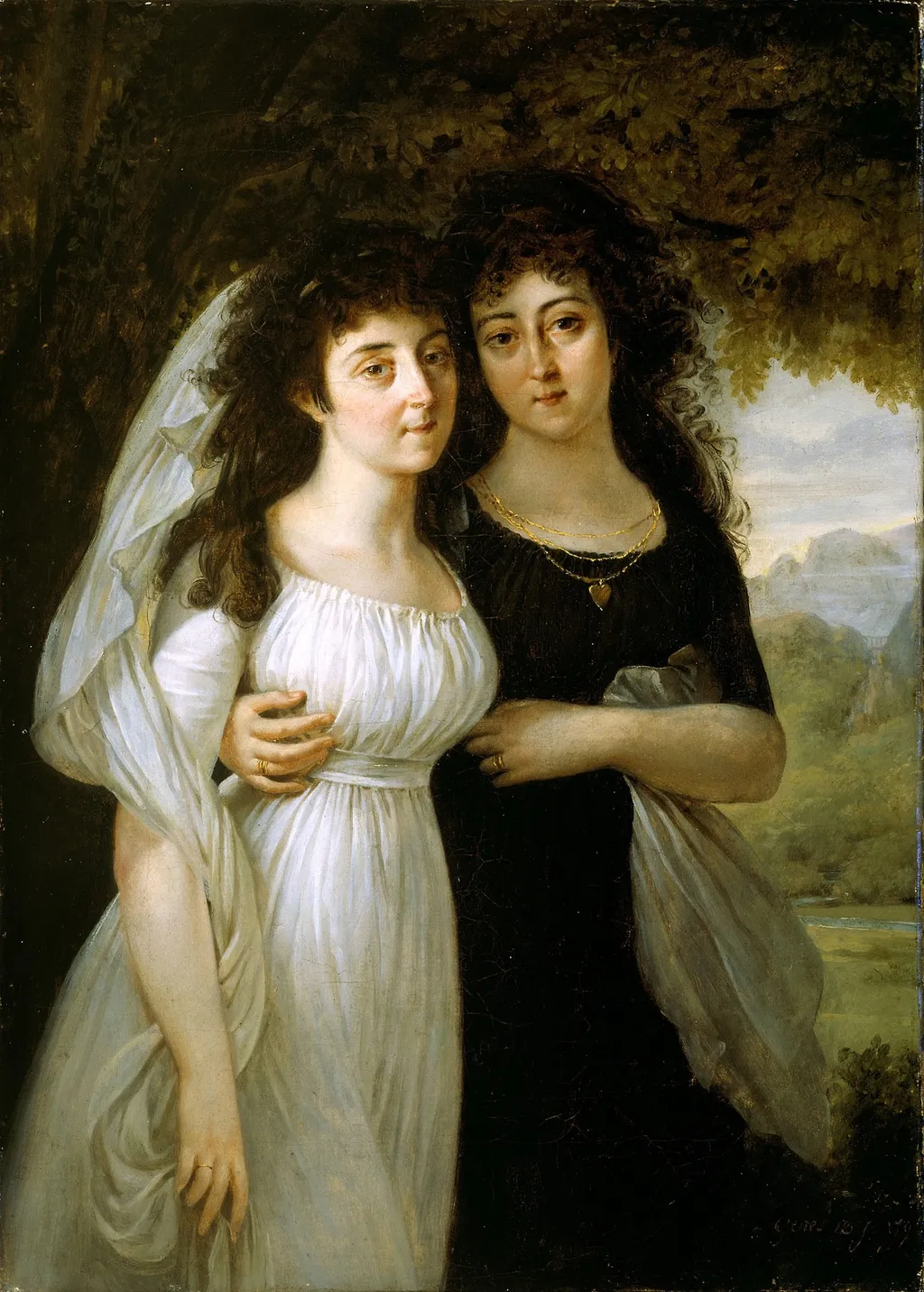
Portrait of the Maistre Sisters is an oil painting by the Neoclassicist artist Antoine-Jean Gros. It dates from 1798 and is held in the collection of the Art Institute of Chicago.
About this work
Overview
Painted in 1796 by Antoine-Jean Gros, this oil-on-canvas work captures two sisters of the Maistre family during the French Directory period.
Painted in 1796 by Antoine-Jean Gros, this oil-on-canvas work captures two sisters of the Maistre family during the French Directory period. Gros, trained under Jacques-Louis David, shifted from grand historical themes to intimate portraiture during this phase of his career. The painting reflects a quiet moment of domestic elegance, contrasting with the political turbulence of post-revolutionary France. It remains a key example of Gros’s ability to merge personal observation with refined composition.
Subject & Meaning
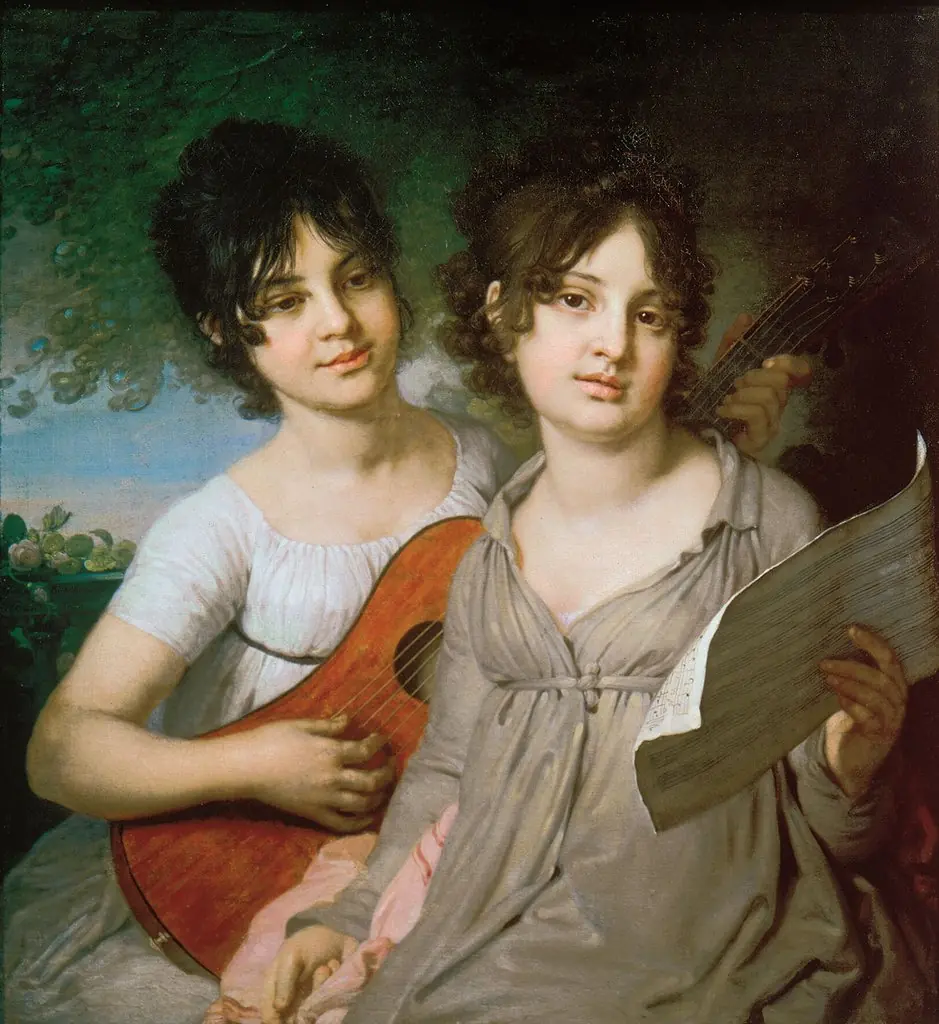
The two sisters are depicted with restrained poise, their expressions neutral and introspective. The elder, in white, appears ethereal with her veil and loose gown, while the younger, dressed in black and adorned with gold, exudes quiet authority. Their contrasting attire and posture suggest differing personalities or social roles, yet both are presented with dignity. The painting avoids theatricality, instead emphasizing familial bonds and the subtlety of individual character within elite French society.
Technique & Style
Gros employs soft chiaroscuro to model the sisters’ forms, with gentle light falling across their faces and hands, enhancing their three-dimensionality. The background is rendered in muted tones, allowing the figures to emerge without distraction. Brushwork is precise yet fluid, particularly in the rendering of fabric textures—sheer lace, smooth silk, and polished metal. The composition is balanced but not rigid, with the sisters’ positioning creating a quiet rhythm that guides the viewer’s gaze.
History & Provenance
Commissioned during the Directory, the portrait likely served as a private family record rather than a public statement. It remained in the Maistre family’s possession for over a century before entering a private collection in the 20th century. The Art Institute of Chicago acquired it in 1990, integrating it into its growing collection of late 18th-century French portraiture. Its provenance reflects the movement of elite artworks from private European households to public institutions in the modern era.
Context
Created during the French Directory (1795–1799), the painting reflects a cultural shift away from revolutionary fervor toward a renewed interest in private life and refined aesthetics. While Gros was known for dramatic battle scenes, this portrait reveals his adaptability to the tastes of a society seeking stability and elegance. The subdued setting and restrained emotion mirror broader societal desires to move beyond the trauma of the Terror, favoring quiet dignity over public spectacle.
Legacy
Though less celebrated than Gros’s military works, this portrait illustrates his nuanced command of psychological realism and atmospheric tone. It stands as a representative example of how neoclassical training was adapted to intimate subjects during a transitional era in French art. The painting continues to inform scholarly discussions on gender, class, and the evolution of portraiture in post-revolutionary France.
Own this work as a print
Artist & collection
Artist
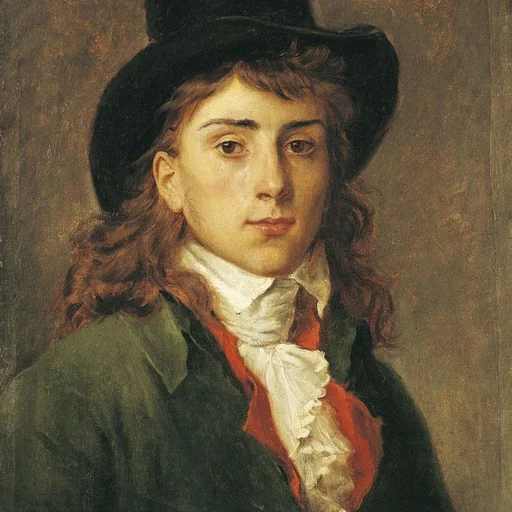
Antoine-Jean Gros (French pronunciation: ; 16 March 1771 – 25 June 1835) was a French painter of historical subjects.

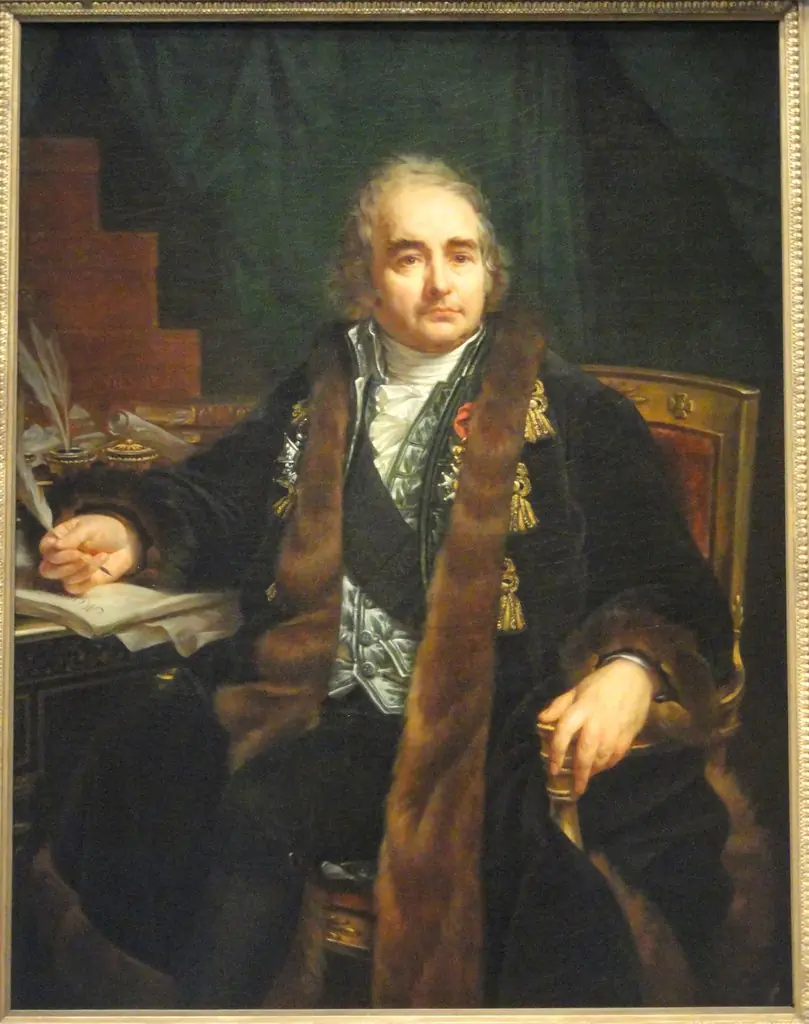 portrait of Jean-Antoine Chaptal
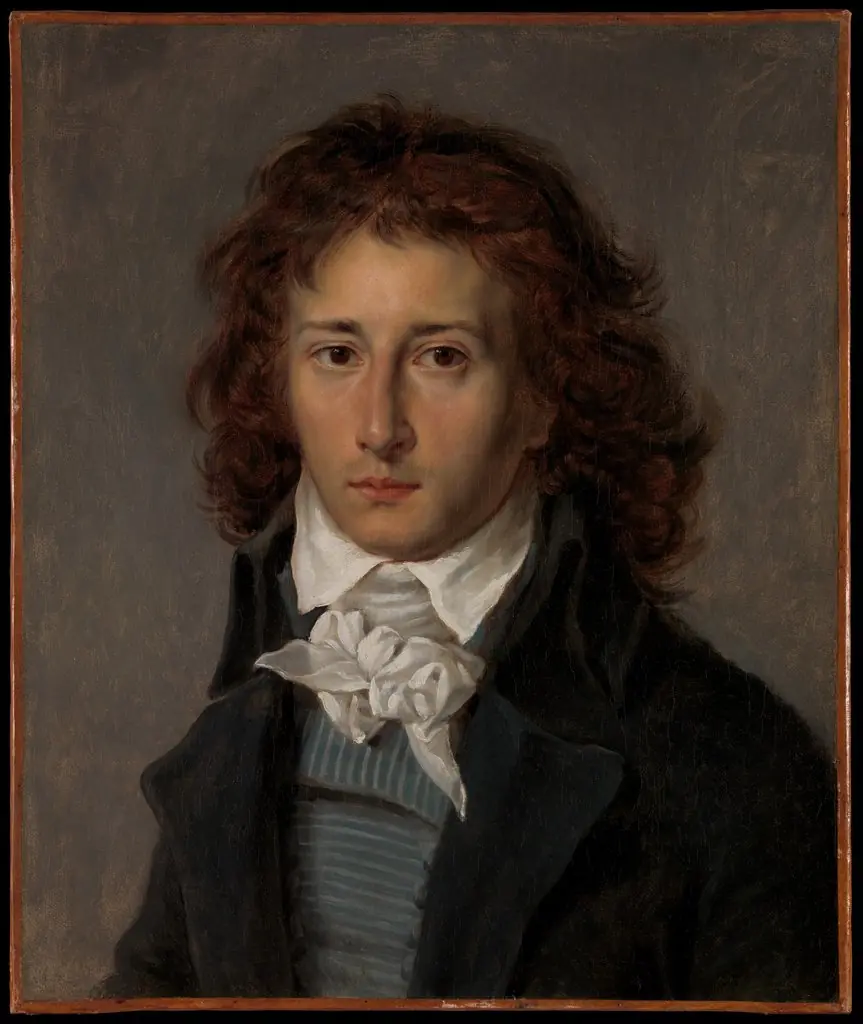 François Gérard (1770–1837), later Baron Gérard
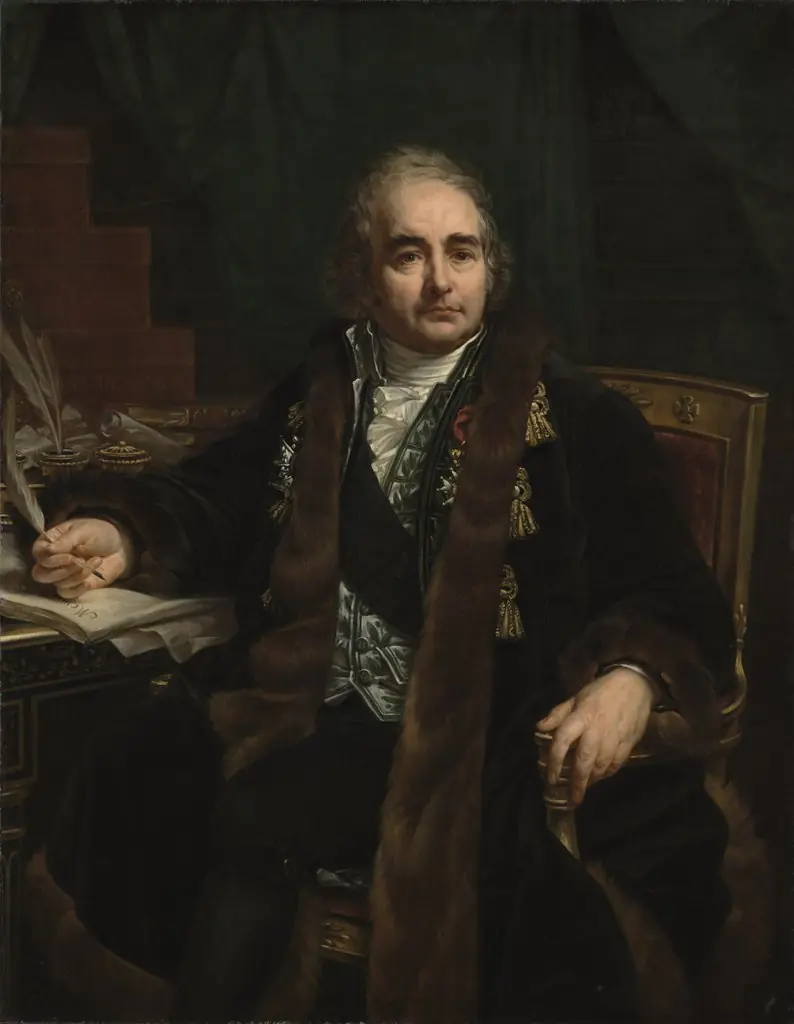 Portrait of Count Jean-Antoine Chaptal
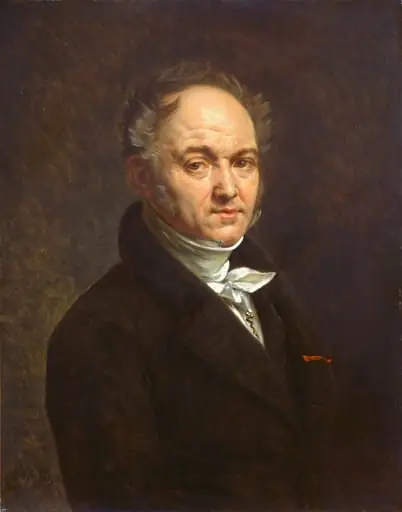 Dr. Vignardonne
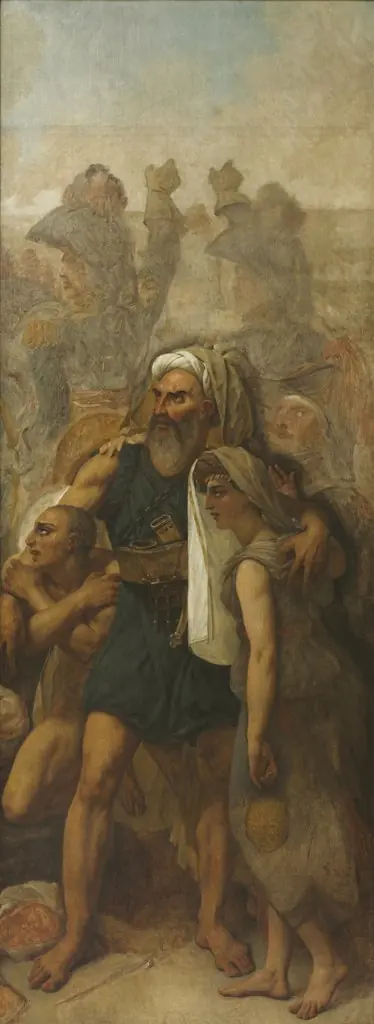 Egyptian Family (Sketch for "The Battle of the Pyramids")
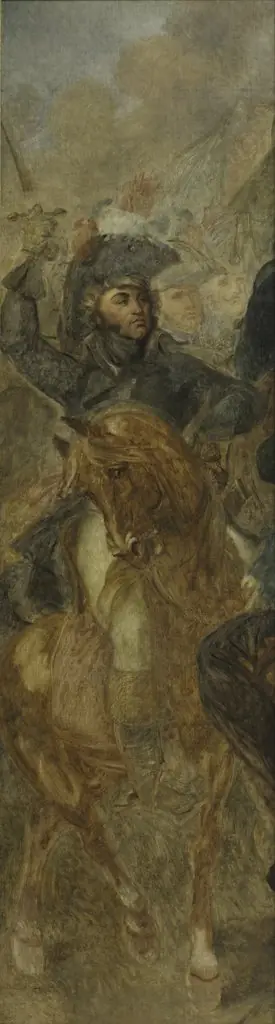 General Jean-Baptiste Kléber (Sketch for "The Battle of the Pyramids")
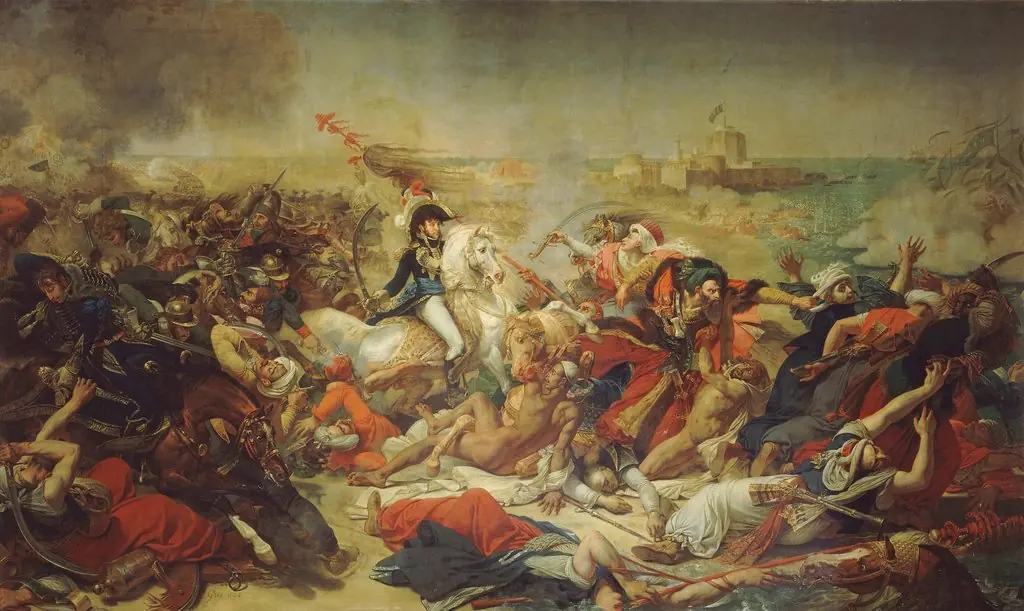 Bataille d'Aboukir, 25 Juillet 1799
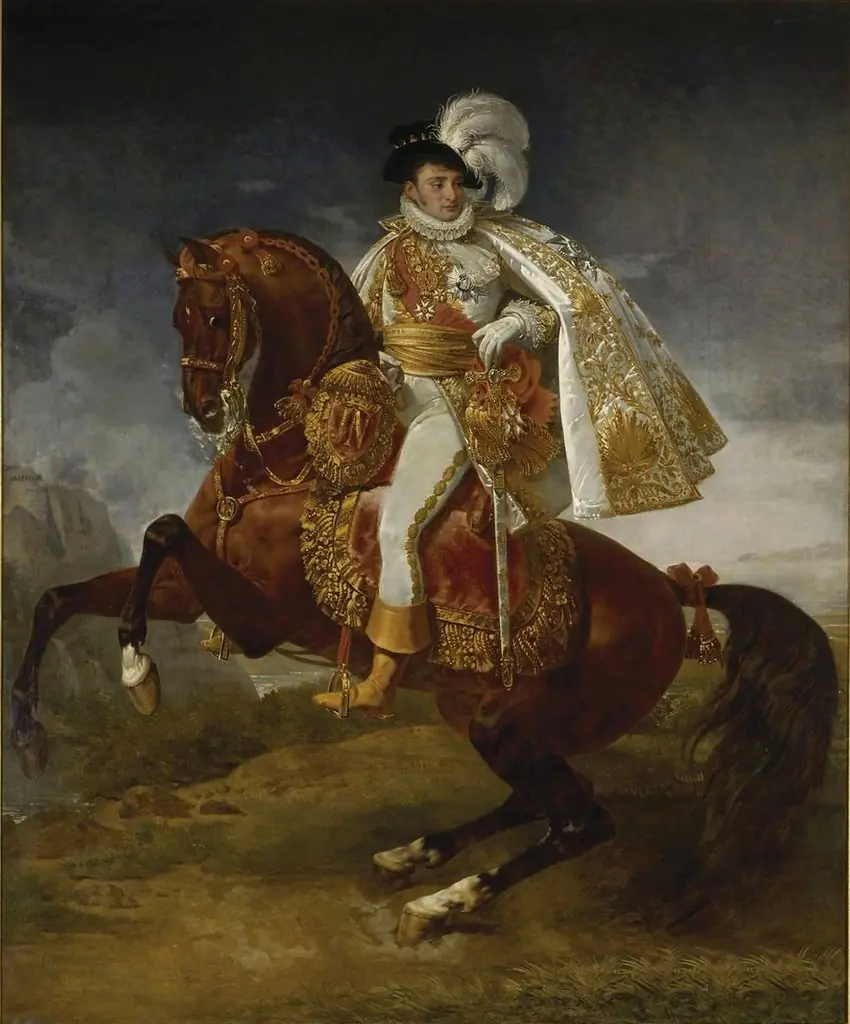 Jérôme Bonaparte, King of Westphalia
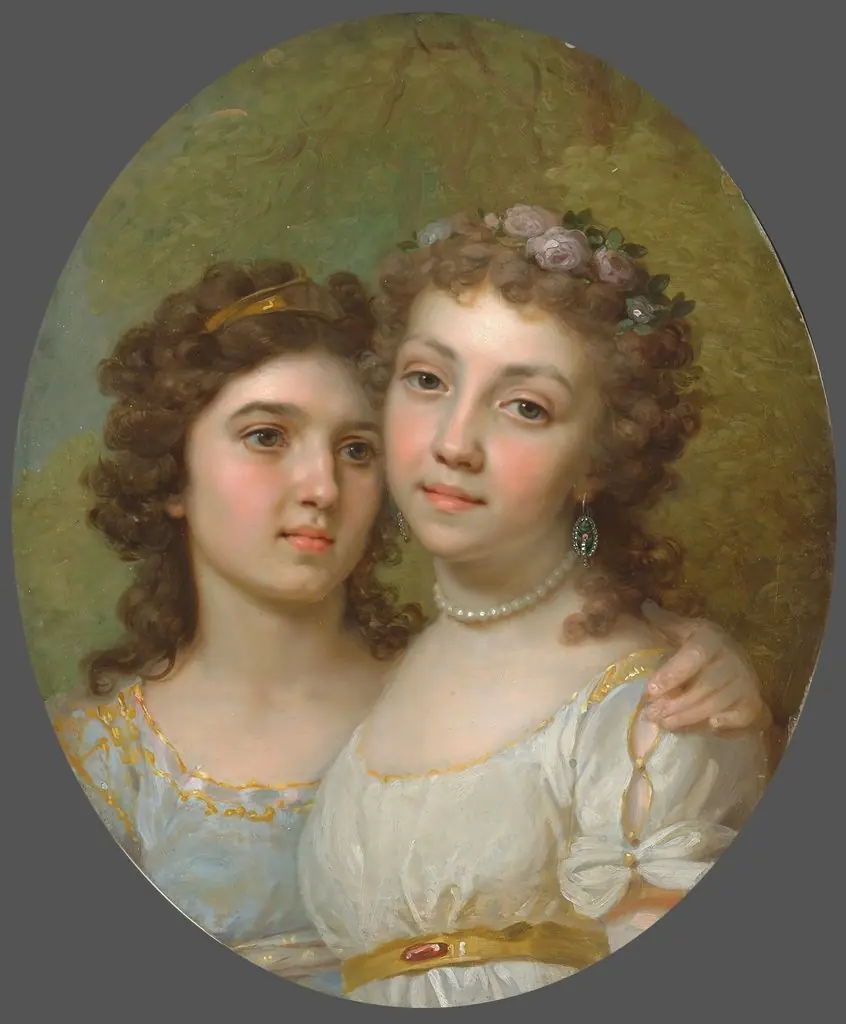 Дашенька та Лізонька
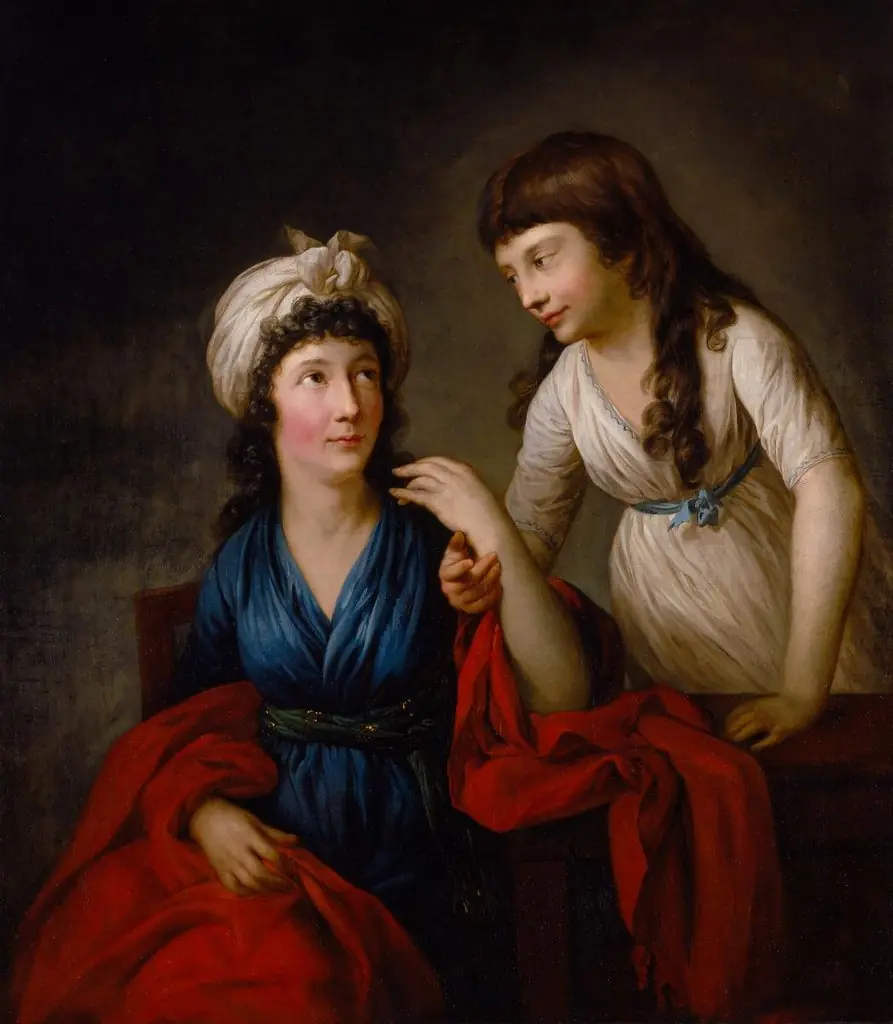 Bildnis der Gräfin Armfeld mit ihrer Tochter
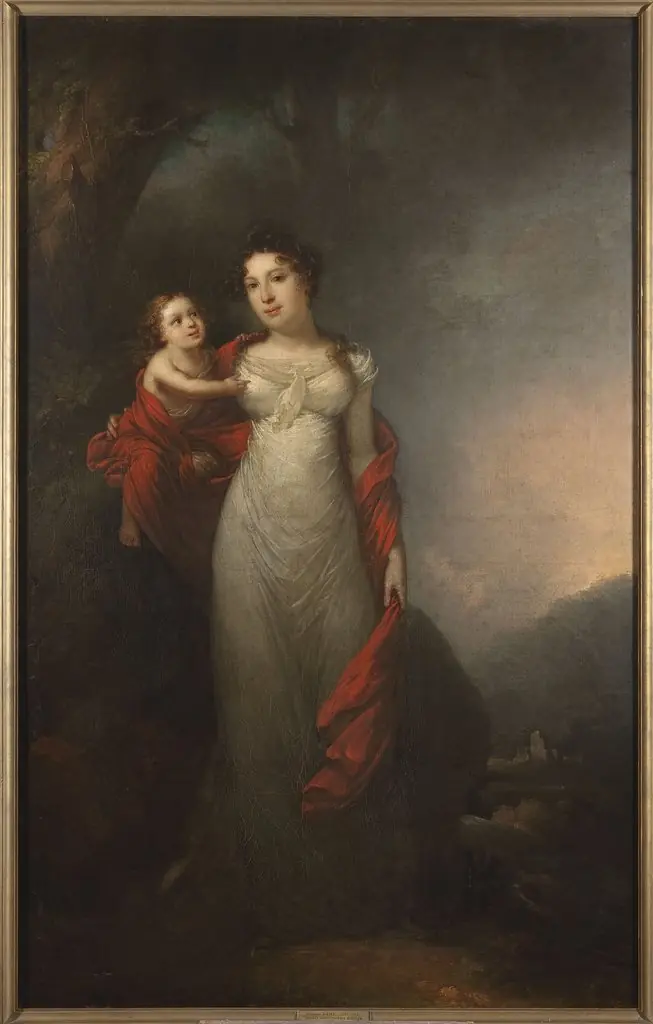 Portrait of Maria Morsztyn with her son
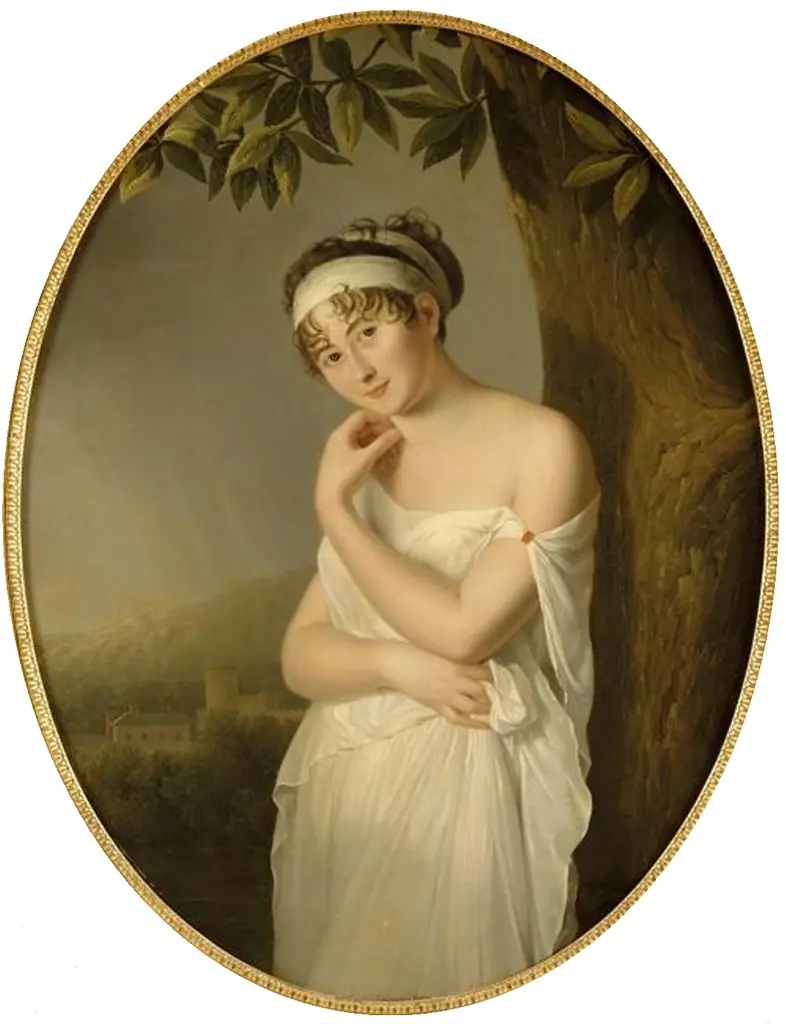 Juliette Récamier (1777-1849)
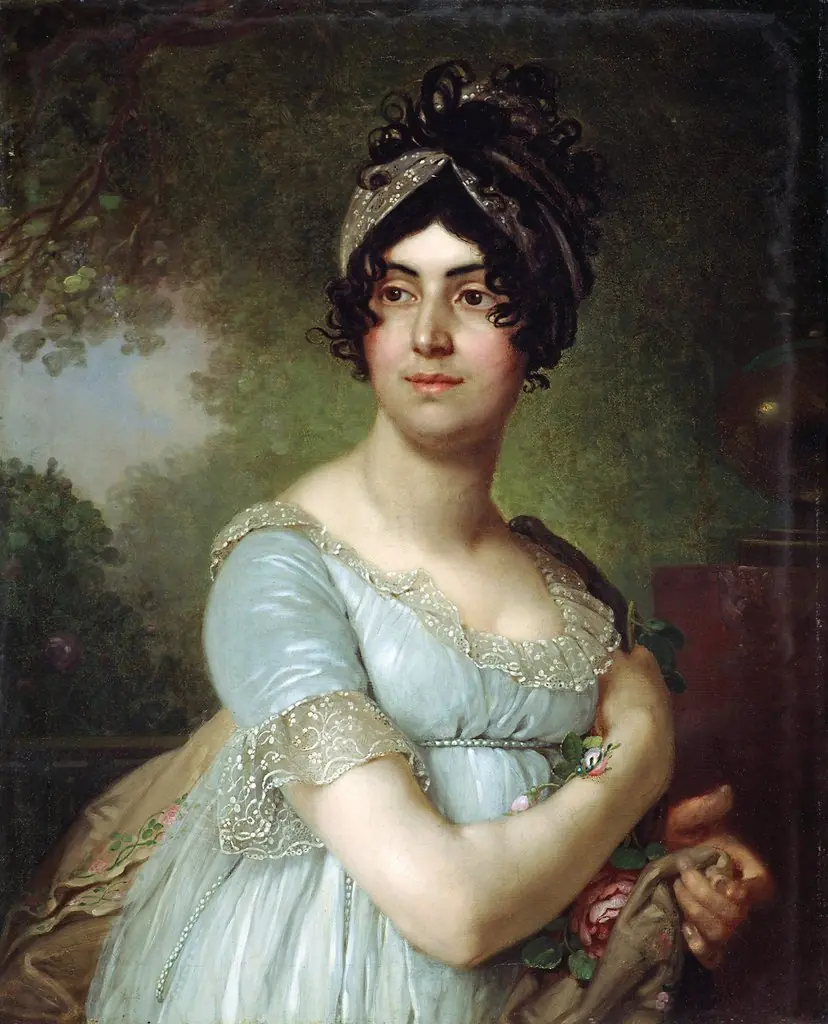 Портрет Д.С. Яковлевой
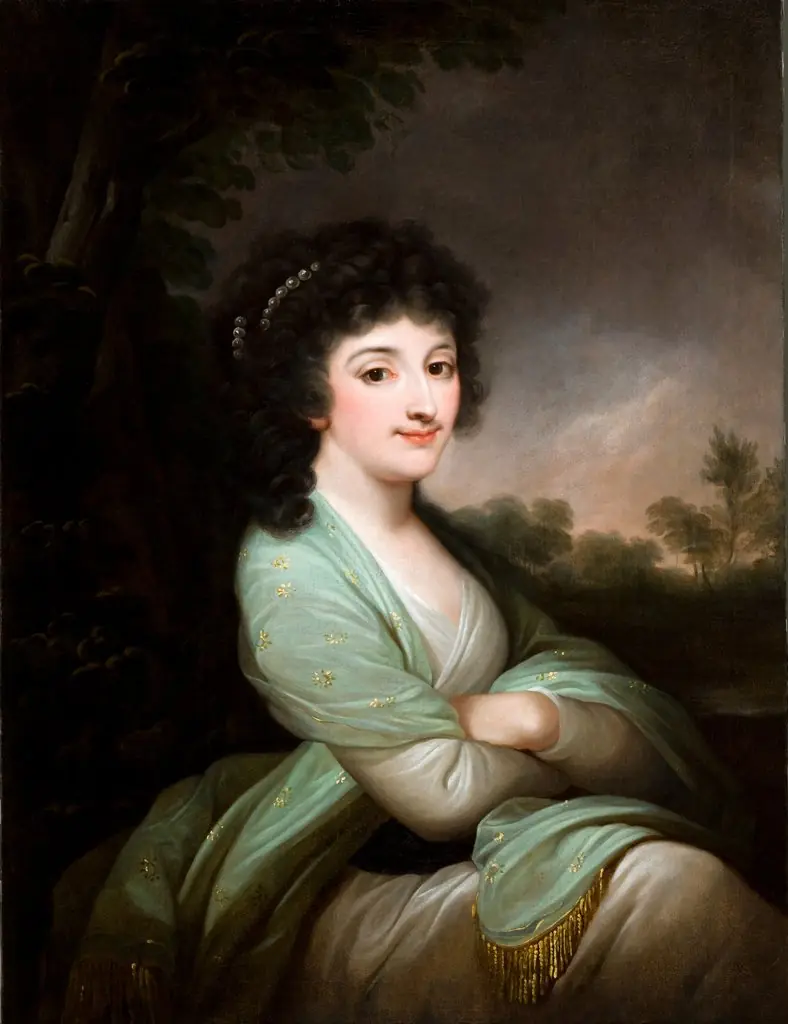 Portrait of Izabela Ogińska née Lasocka
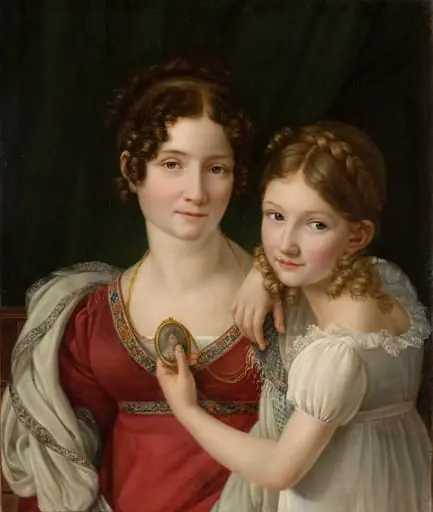 Muotokuva äidistä tyttärensä kanssa
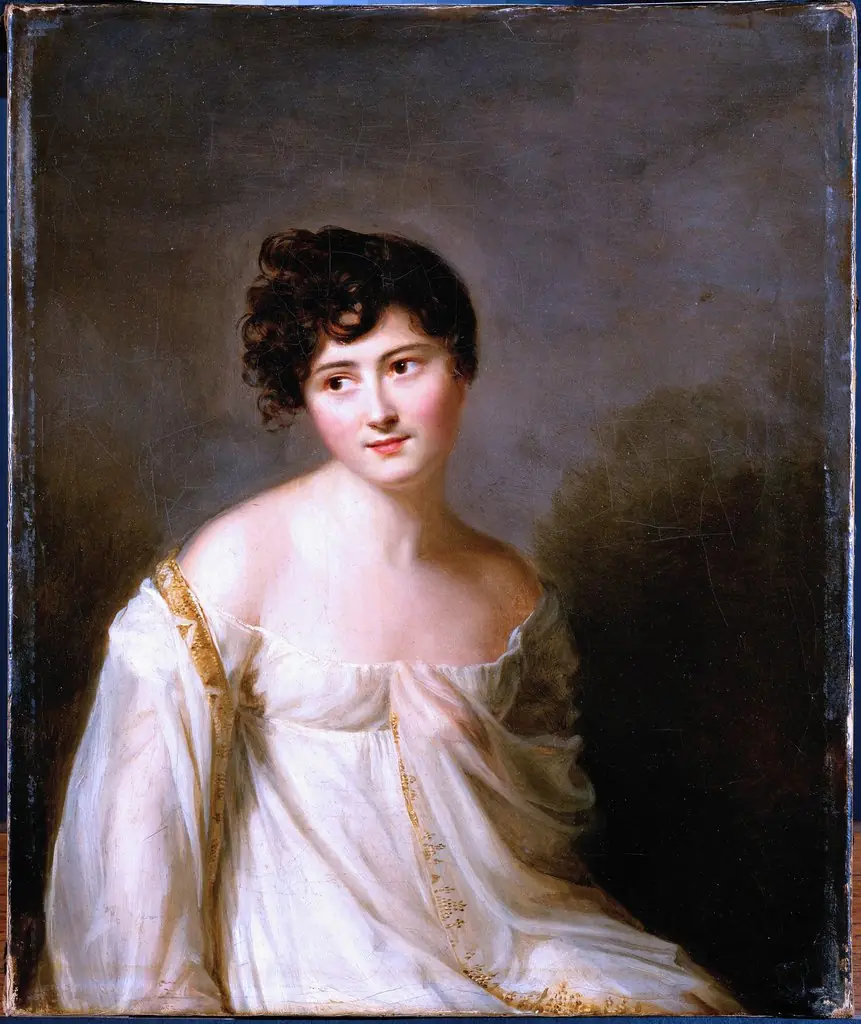 Juliette Récamier
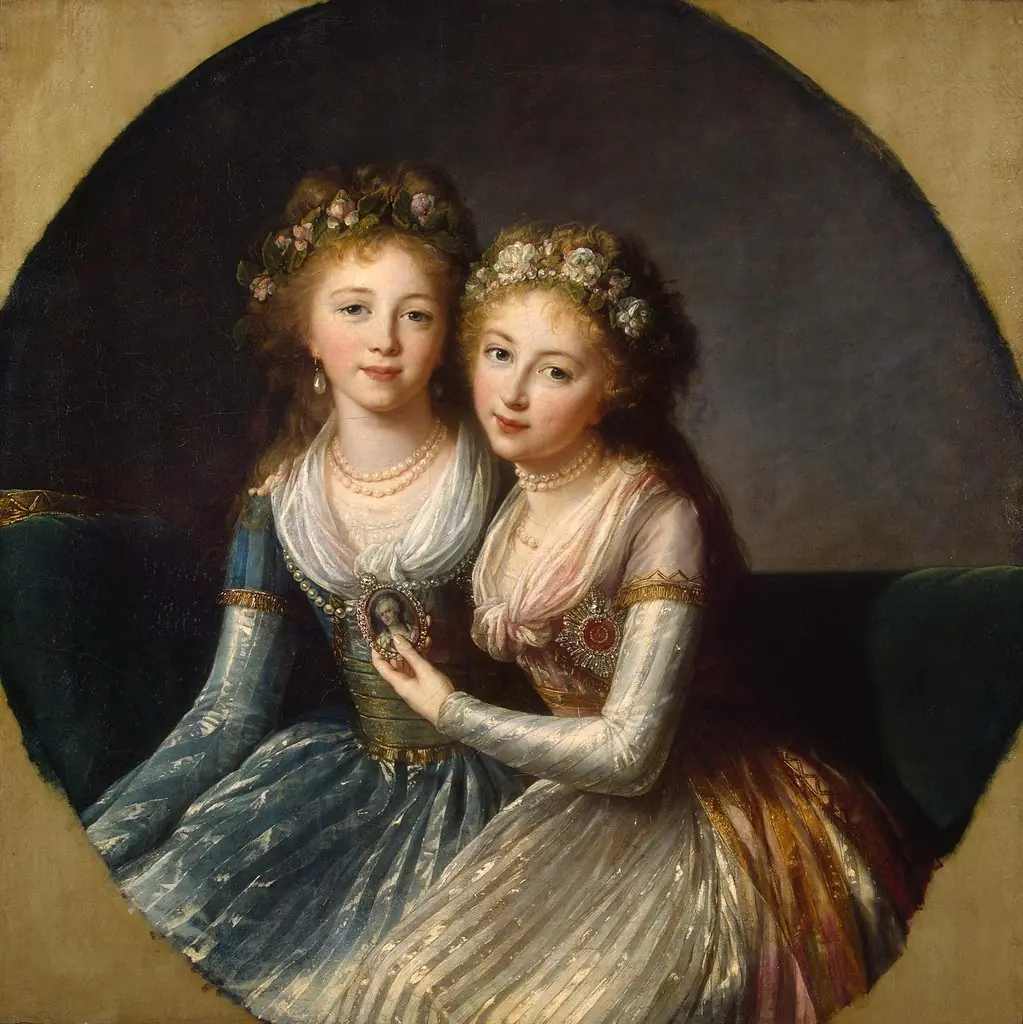 Portrait of Emperor Pavel I's Daughters
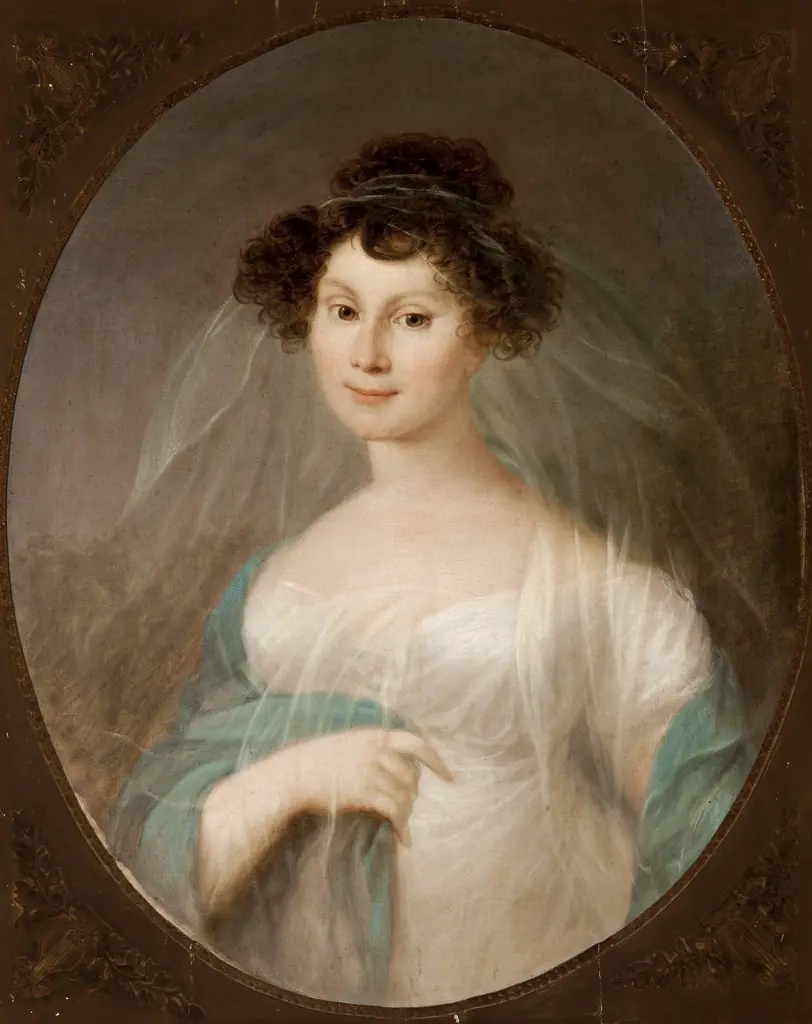 Portrait of Teresa Woydzina née Kuźnicz, Wife of the President of Warsaw
 Anna and Varvara Gagarin
 La Princesse Catherine Gavrilowna Gagarine