Artwork
Vase of Flowers
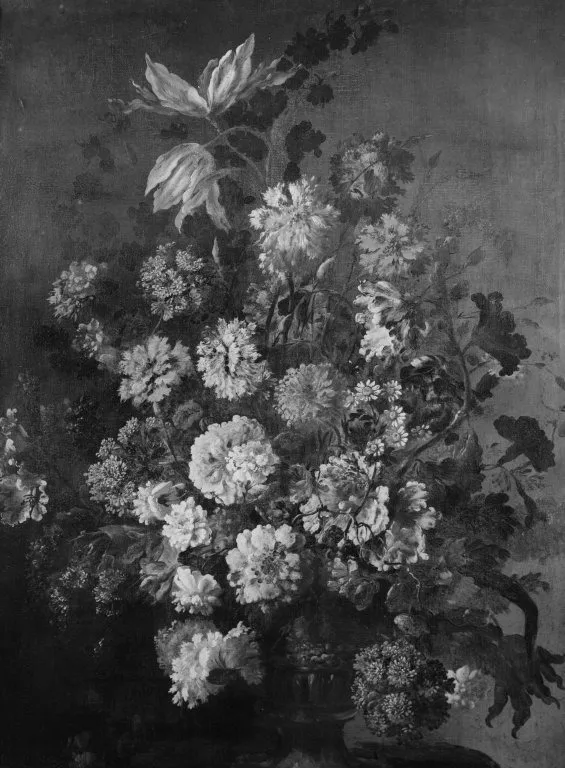
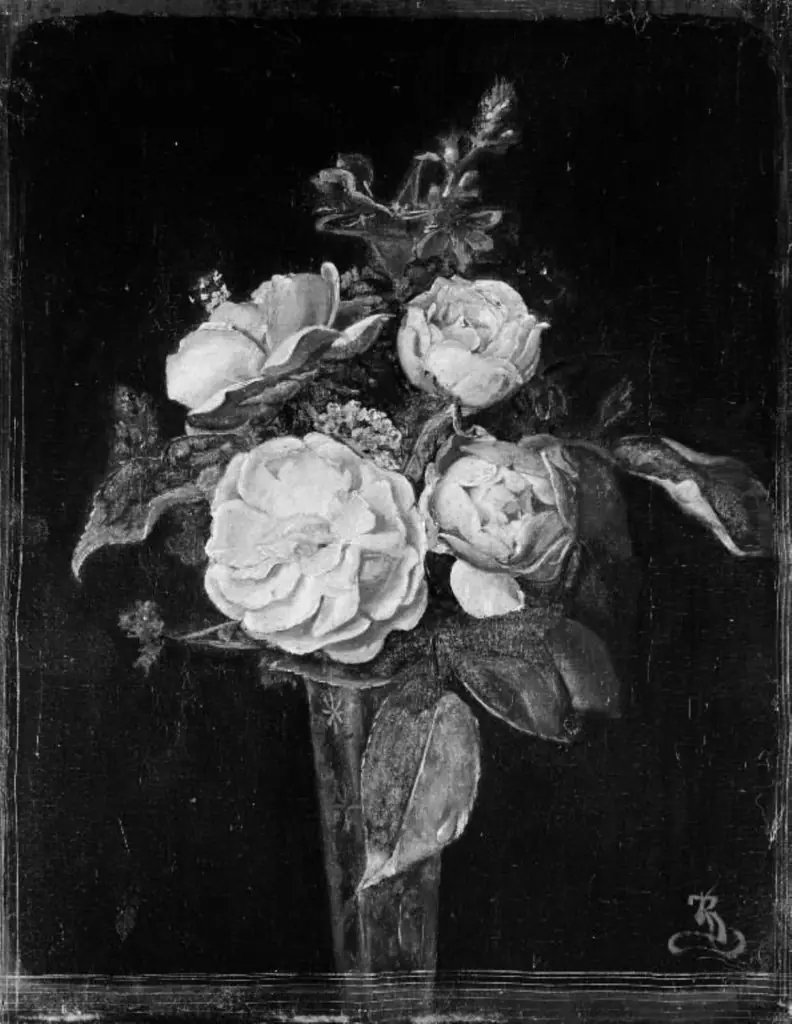
Vase of Flowers is an oil painting by the Rococo painting artist Antoine Monnoyer. It dates from 1715 and is held in the collection of the Brooklyn Museum.
About this work
Overview
Painted in 1715 by Antoine Monnoyer, this oil-on-canvas work depicts a bouquet of flowers in a simple arrangement. Though the vase is indistinct, the blooms appear to overflow naturally from its rim. Rendered in monochrome, the painting relies on tonal variation rather than color to convey form and texture, emphasizing quiet elegance over vibrancy.
Subject & Meaning
The composition centers on a loose, unstructured cluster of flowers, likely chosen for their transient beauty. Without overt symbolism or narrative, the piece reflects the 18th-century appreciation for natural forms in still life. The absence of color and the soft focus suggest contemplation of impermanence, aligning with broader themes of vanitas in European floral painting.
Technique & Style
Monnoyer employed glazing techniques to build subtle gradations of light and shadow, creating depth without bold contrasts. Thin layers of oil paint allow the underlying tones to influence the surface, producing a hazy, atmospheric effect. The brushwork is delicate, with soft edges that blur the boundaries between petals and background, enhancing the sense of fragility.
History & Provenance
The painting entered the Brooklyn Museum’s collection as part of a broader acquisition of European decorative arts and still lifes. Its provenance prior to the 20th century remains undocumented, though its style and date align with Monnoyer’s known output during his time in Paris. It has been consistently cataloged as a work of the early 1700s.
Context
Created during the height of French Rococo, this piece diverges from the era’s ornate tendencies by embracing restraint. While color-rich floral still lifes were common, Monnoyer’s monochrome approach recalls earlier Dutch traditions and the quiet introspection of academic studies. It reflects a niche interest in tonal harmony among artists exploring the limits of light and form.
Legacy
Though not widely exhibited, the painting is recognized in scholarly circles for its refined use of monochrome to evoke floral texture. It contributes to understanding how 18th-century artists experimented with tonal range as an alternative to color, influencing later studies in light and composition within still-life traditions.
Artist & collection

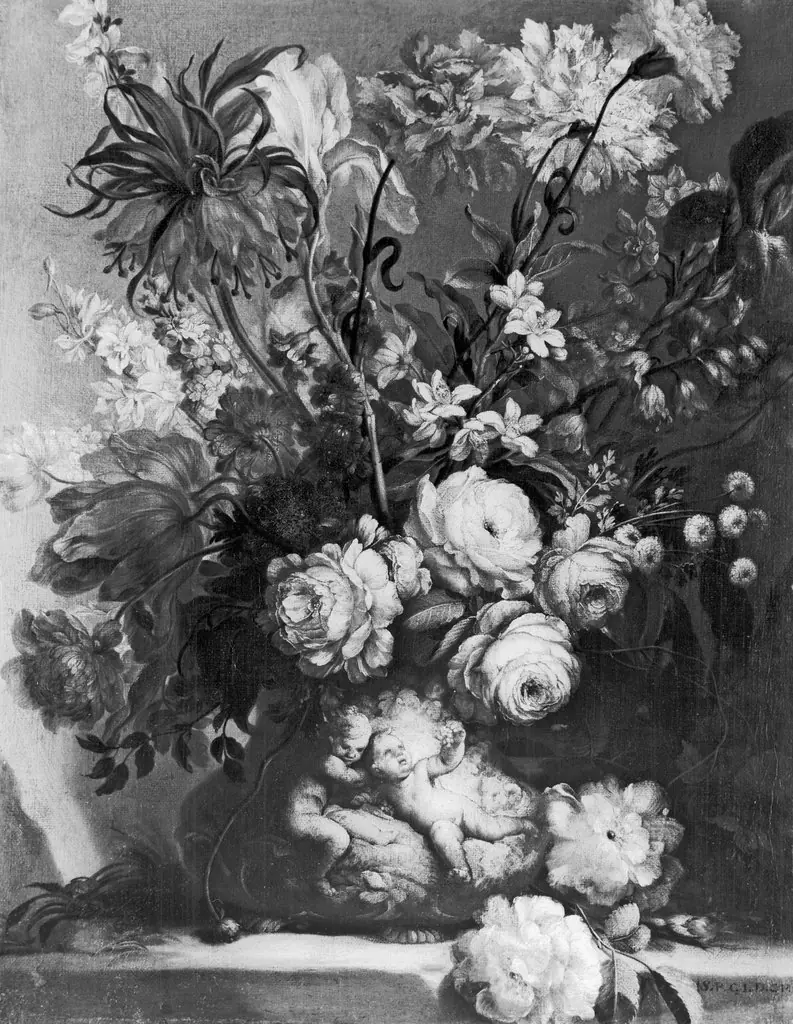 Vase of Flowers
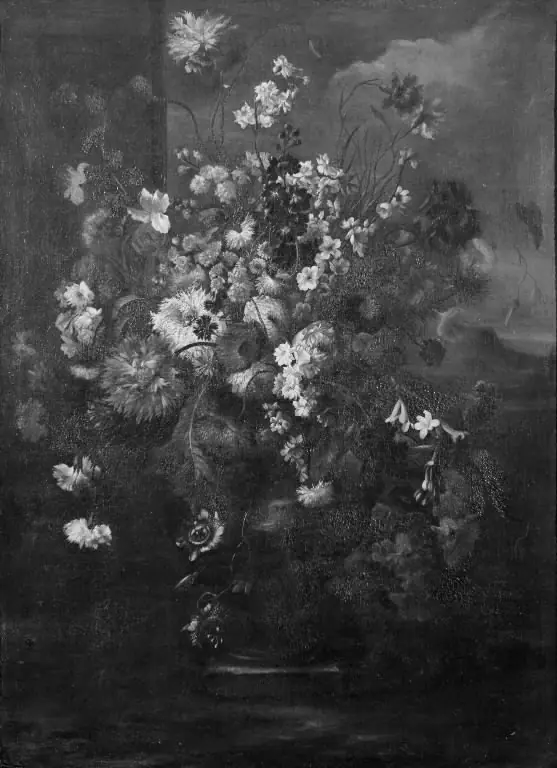 Flower Piece
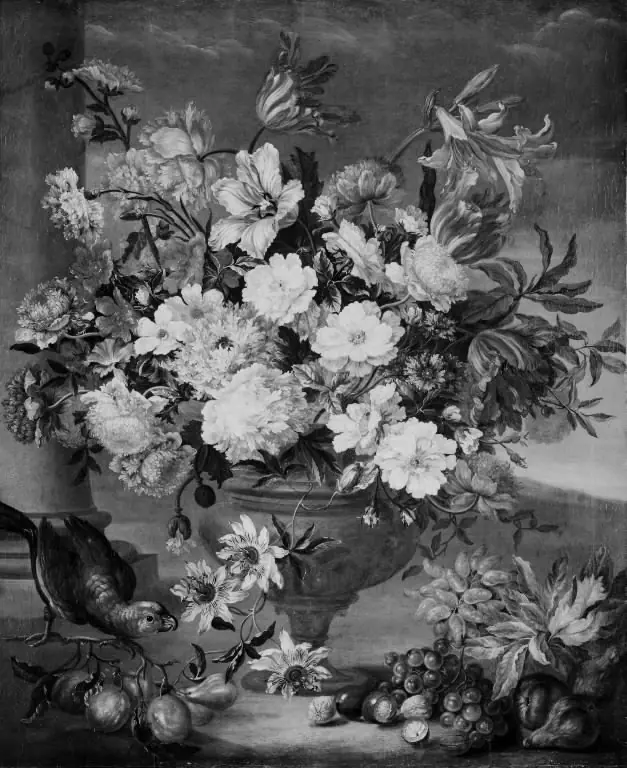 Stor blomsterbuket i en vase. I forgrunden frugter, til venstre en papegøje
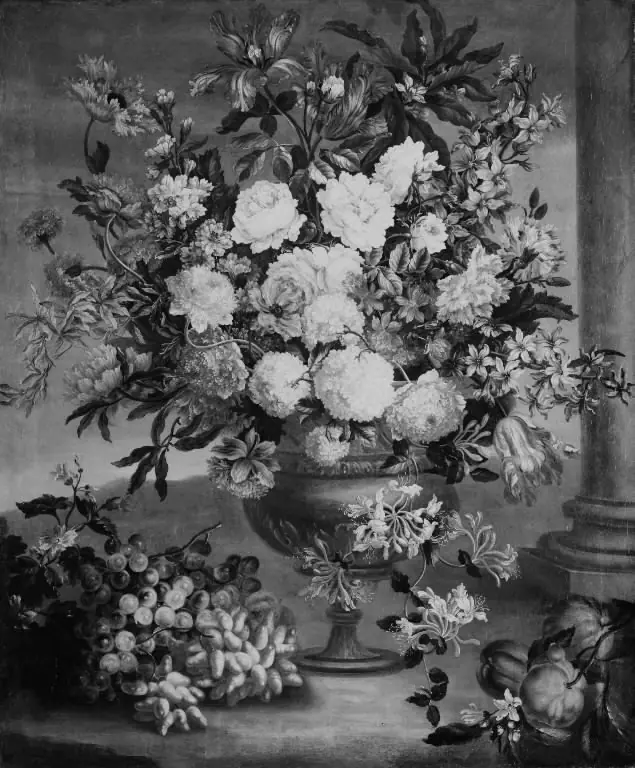 Stor blomsterbuket i en vase. I forgrunden frugter
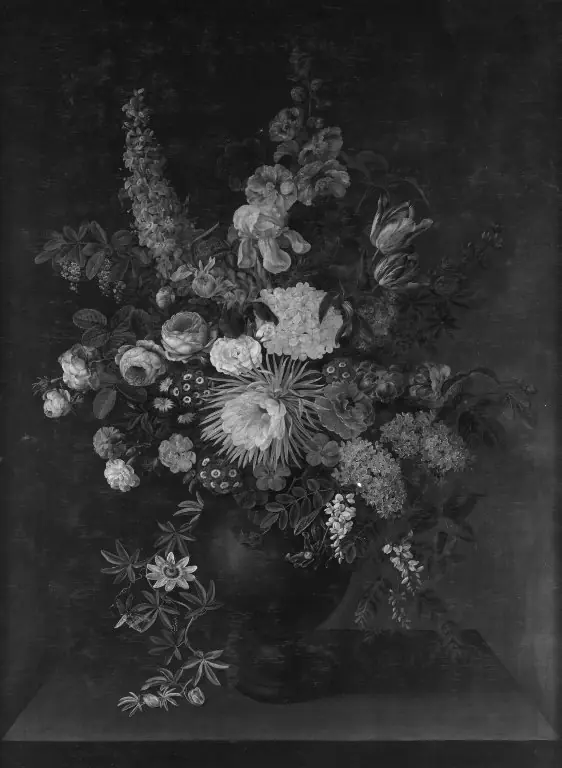 En vase med blomster
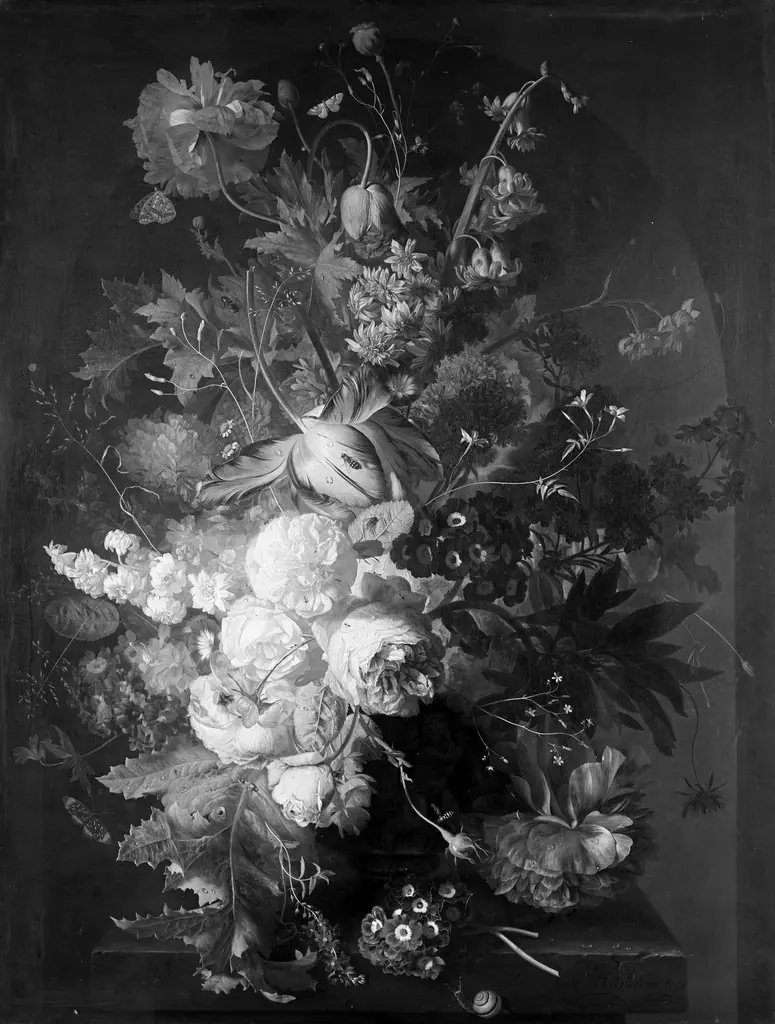 Blumenstrauß vor Nische
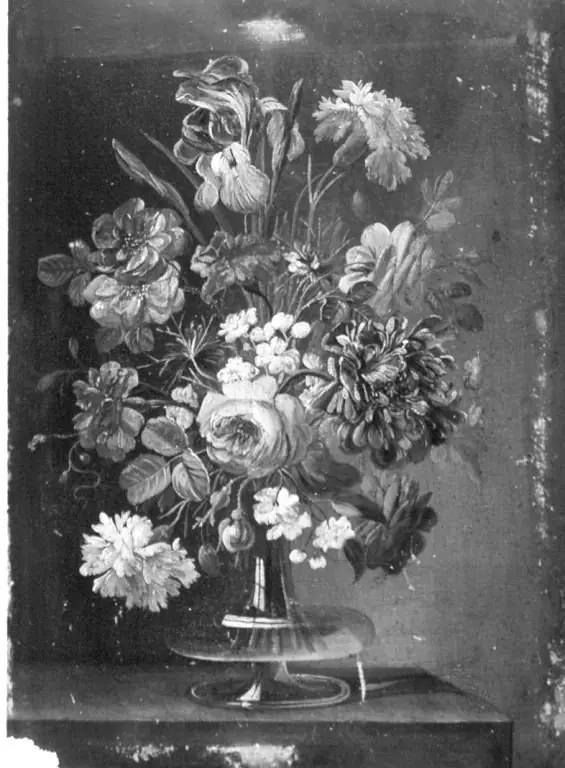 Blumenstück
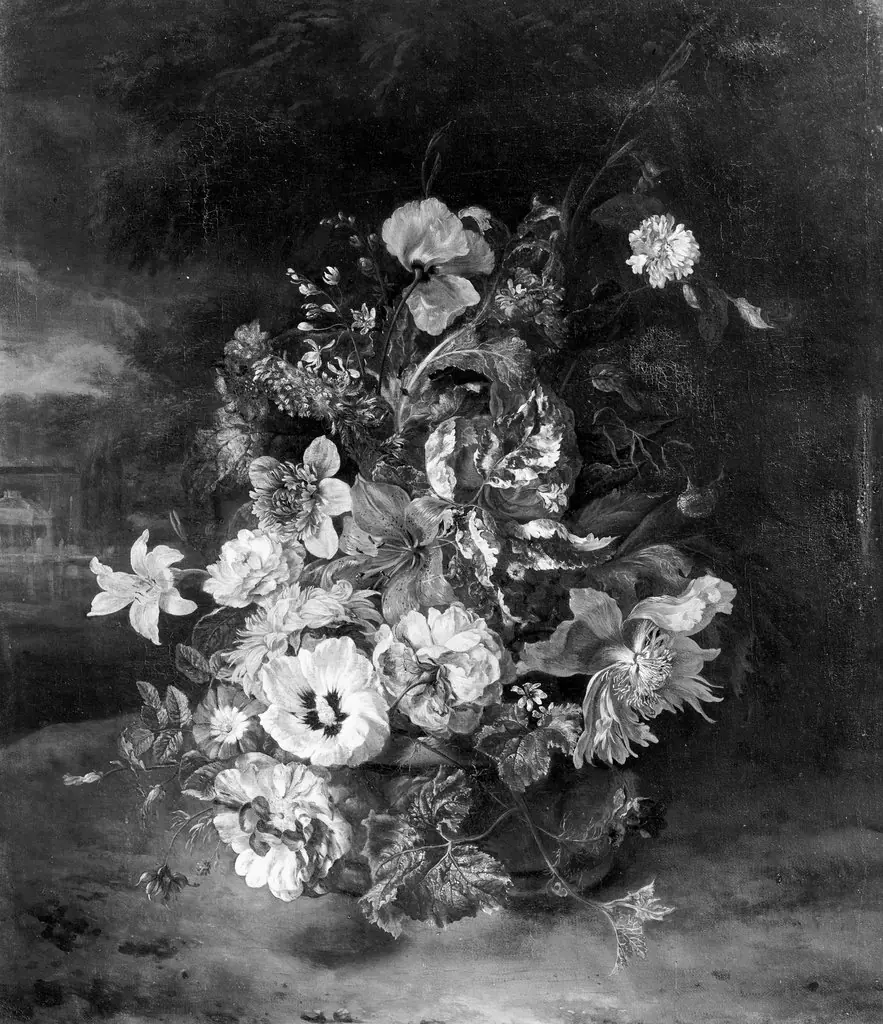 Bouquet of flowers
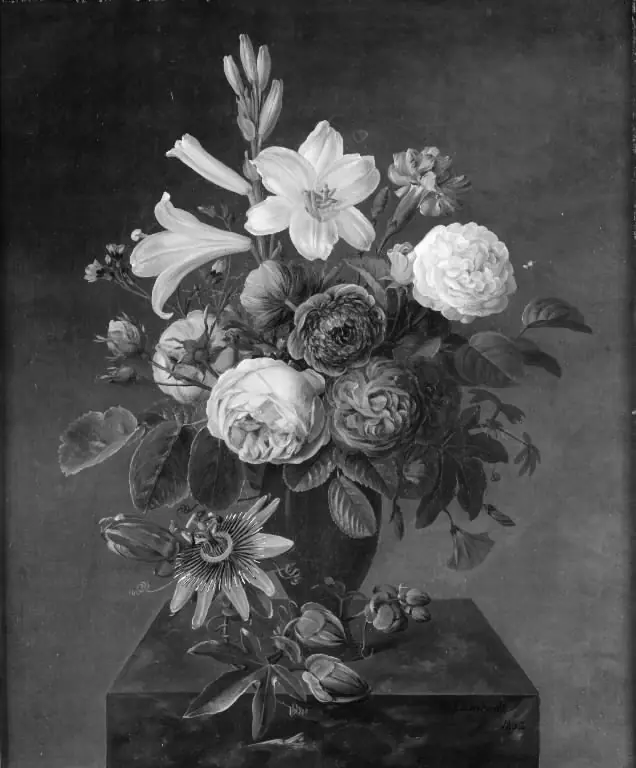 En vase med blomster
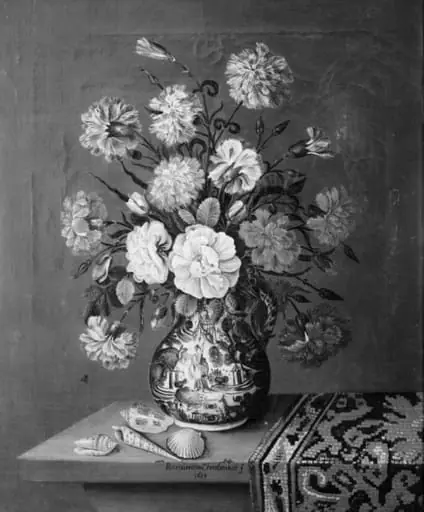 Blomsterbuket på et bord
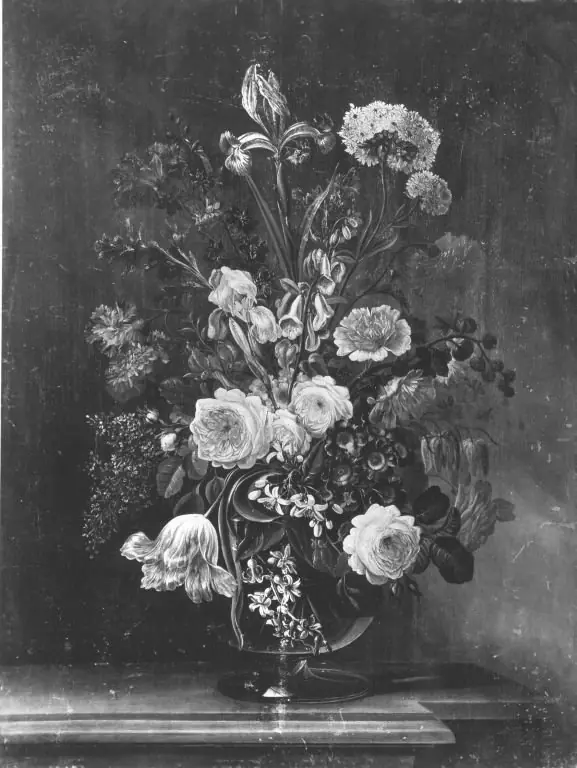 Blumenstück
 Roser og reseda i et blomsterglas