Artwork
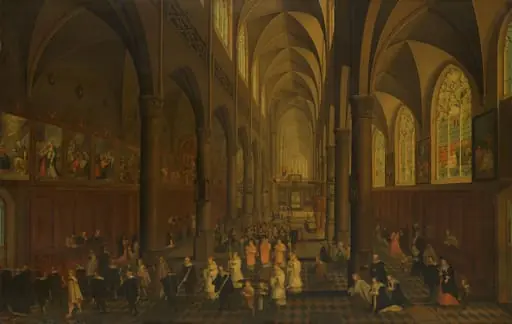
Interior of the Jesuit church in Antwerp
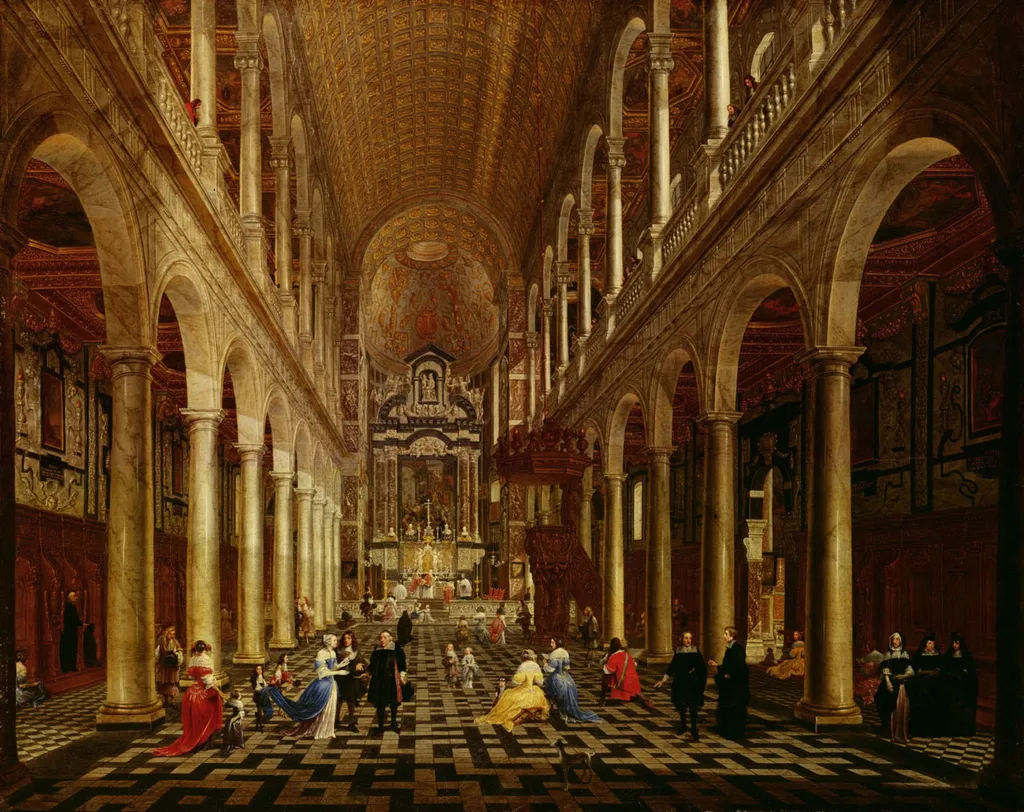
Interior of the Jesuit church in Antwerp is an oil painting by the Dutch Golden Age artist Anton Günther Gheringh. It dates from 1665 and is held in the collection of the Kunsthistorisches Museum.
About this work
Overview
The work exemplifies his focus on ecclesiastical architecture, capturing not just structure but the subtle presence of human activity within sacred space.
Painted in 1665 by Anton Günther Gheringh, this oil on canvas depicts the interior of the Jesuit church in Antwerp. Gheringh, a Flemish artist known for architectural interiors, rendered the space with precision and quiet atmosphere. The work exemplifies his focus on ecclesiastical architecture, capturing not just structure but the subtle presence of human activity within sacred space. It resides today in the Kunsthistorisches Museum in Vienna.
Subject & Meaning
The painting portrays a moment of stillness within a grand religious setting. Figures are scattered across the nave—some kneeling, others standing or seated—suggesting private devotion rather than formal ceremony. The absence of overt ritual emphasizes introspection. The church itself, with its monumental columns and dome, functions as both physical space and symbolic vessel, evoking order, permanence, and the quiet dignity of faith.
Technique & Style
Gheringh employed chiaroscuro to model the architecture and figures, using soft contrasts of light and shadow to suggest depth and volume. The checkerboard floor, rendered in precise perspective, anchors the composition. Light enters from the right, casting a warm, late-day glow that unifies the scene. Details like the texture of stone, fabric, and tile are rendered with restrained realism, avoiding theatricality in favor of atmospheric coherence.
History & Provenance
Created in 1665, the painting reflects the artistic climate of the Southern Netherlands during the later Baroque period. Gheringh’s focus on church interiors aligned with a regional interest in architectural representation. The work entered the Kunsthistorisches Museum’s collection in the 19th century, likely through imperial Austrian acquisitions of Flemish art. Its preservation reflects sustained institutional interest in Northern European religious painting.
Context
In mid-17th-century Antwerp, Jesuit churches were centers of Counter-Reformation influence, designed to inspire awe and devotion. Artists like Gheringh responded to this by documenting their interiors with documentary care. While Dutch painters often focused on domestic scenes, Flemish contemporaries like Gheringh turned their attention to sacred architecture, blending topographical accuracy with a meditative tone suited to the era’s spiritual climate.
Legacy
Gheringh’s work contributed to a niche tradition of architectural interiors in Flemish painting, influencing later artists who sought to capture sacred space with quiet realism. Though not widely known today, his paintings remain important for their precise rendering of Baroque ecclesiastical architecture and their understated depiction of religious life. The painting endures as a record of a specific place and time, valued for its observational integrity rather than dramatic flair.
Own this work as a print
Artist & collection
Artist
Anton Ghering (died 1668) was a Flemish Baroque painter who specialized in architectural church interiors.

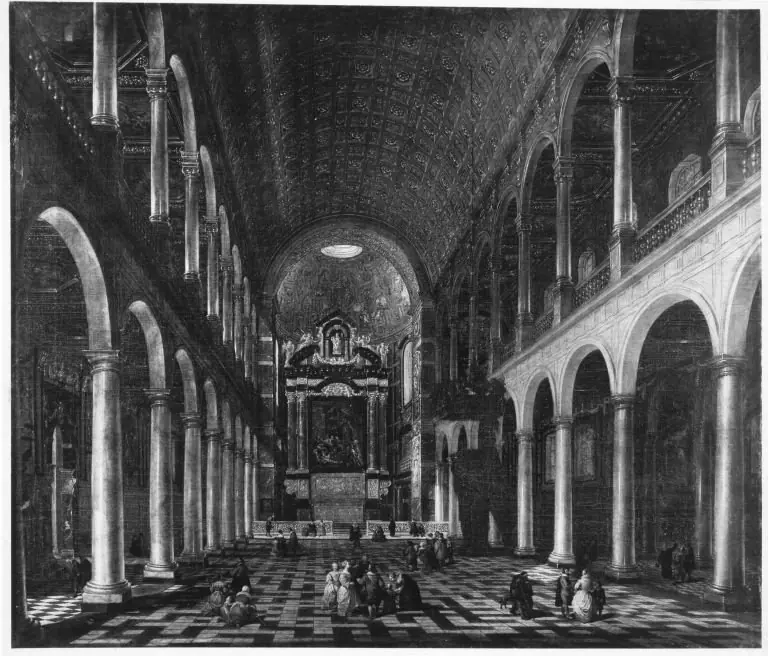
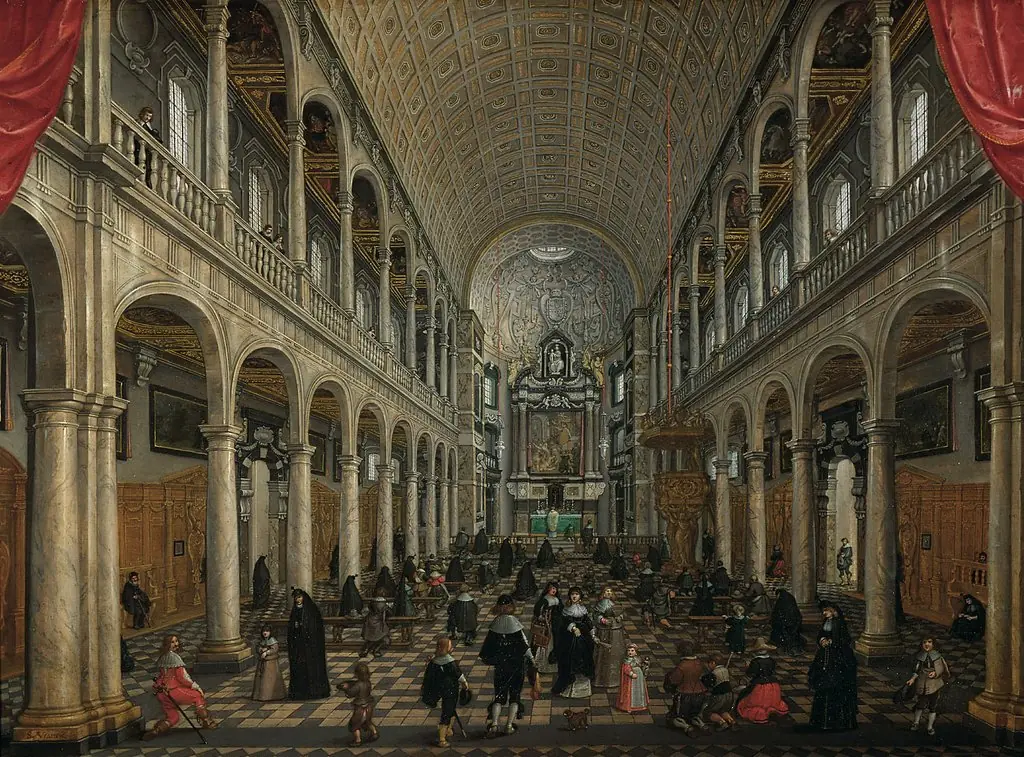 Inner view of the Jesuit church of Antwerp
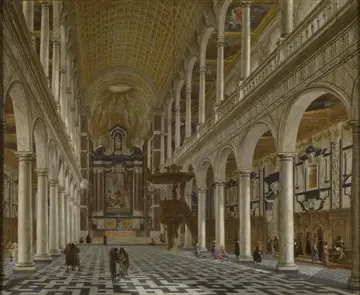 Interior of the Jesuit church (now St. Carolus Borromeus) in Antwerp
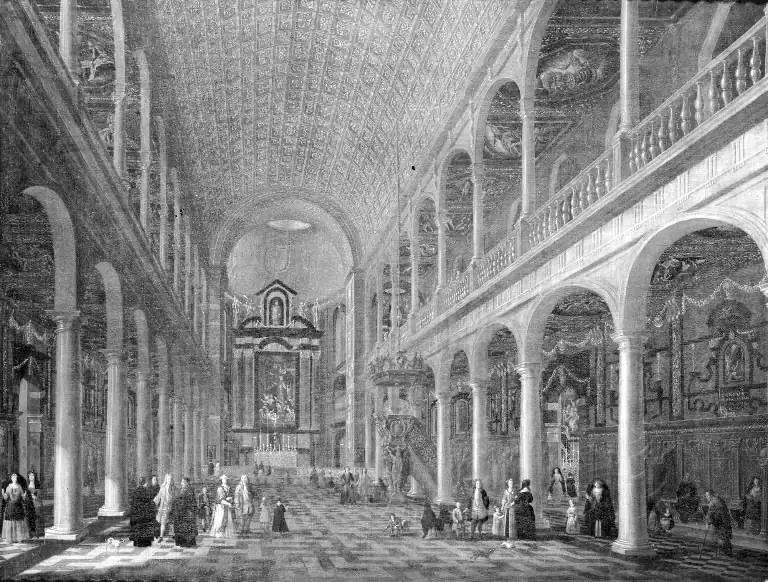 Interior of the Jesuit Church in Antwerp
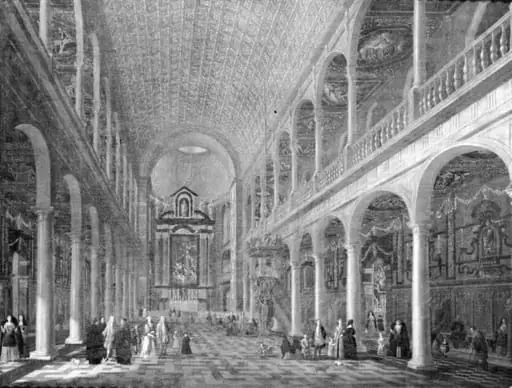 Interior of the Jesuit Church in Antwerp
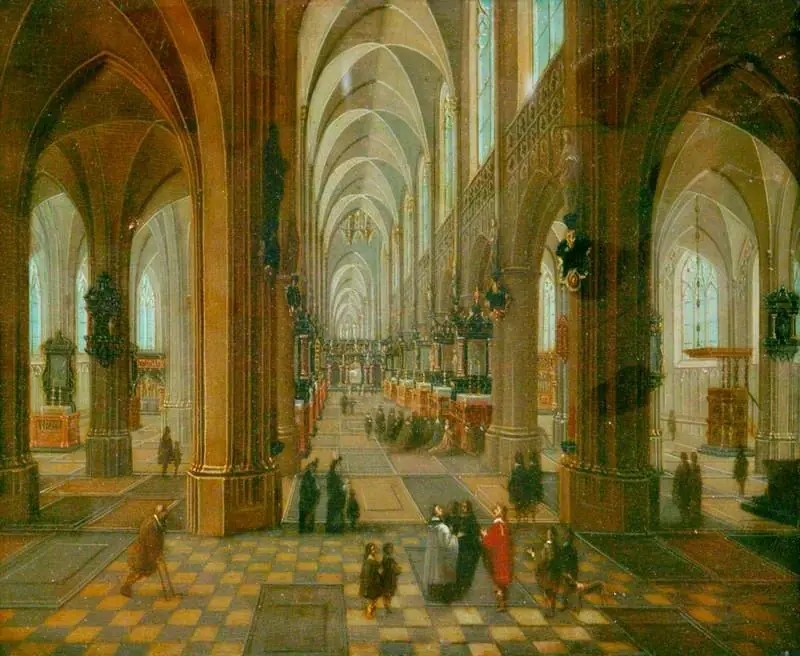 Interior of Antwerp Cathedral
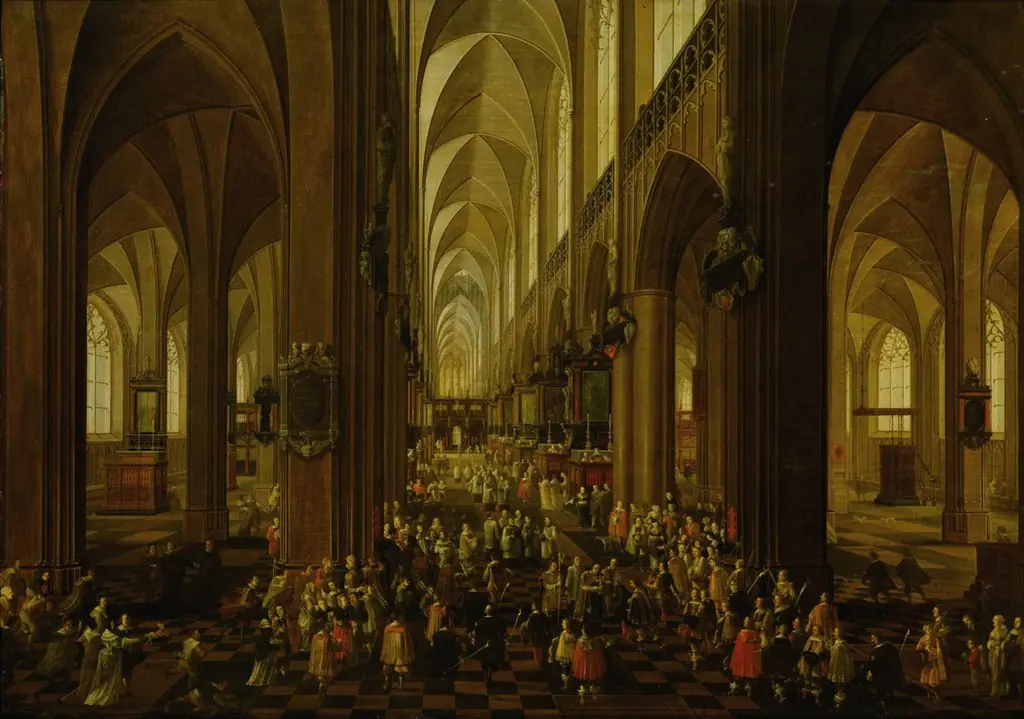 Interior of the Cathedral of Our Lady of Antwerp (Archduke Leopold Wilhelm received by the clergy)
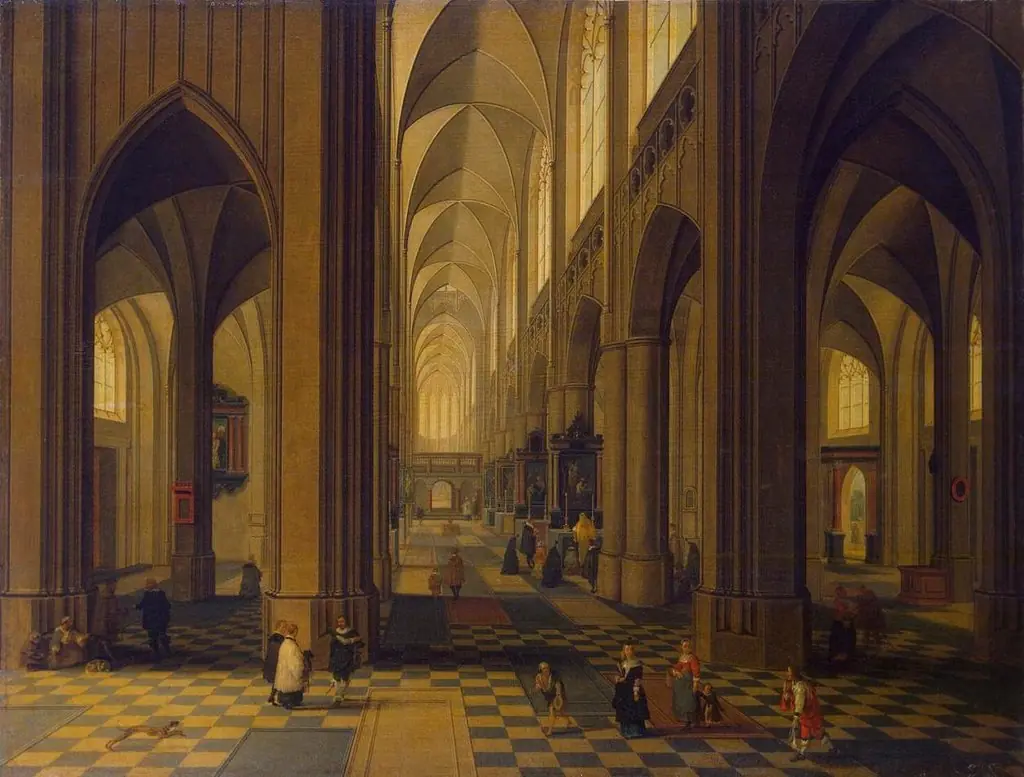 Interior of the Antwerp Cathedral
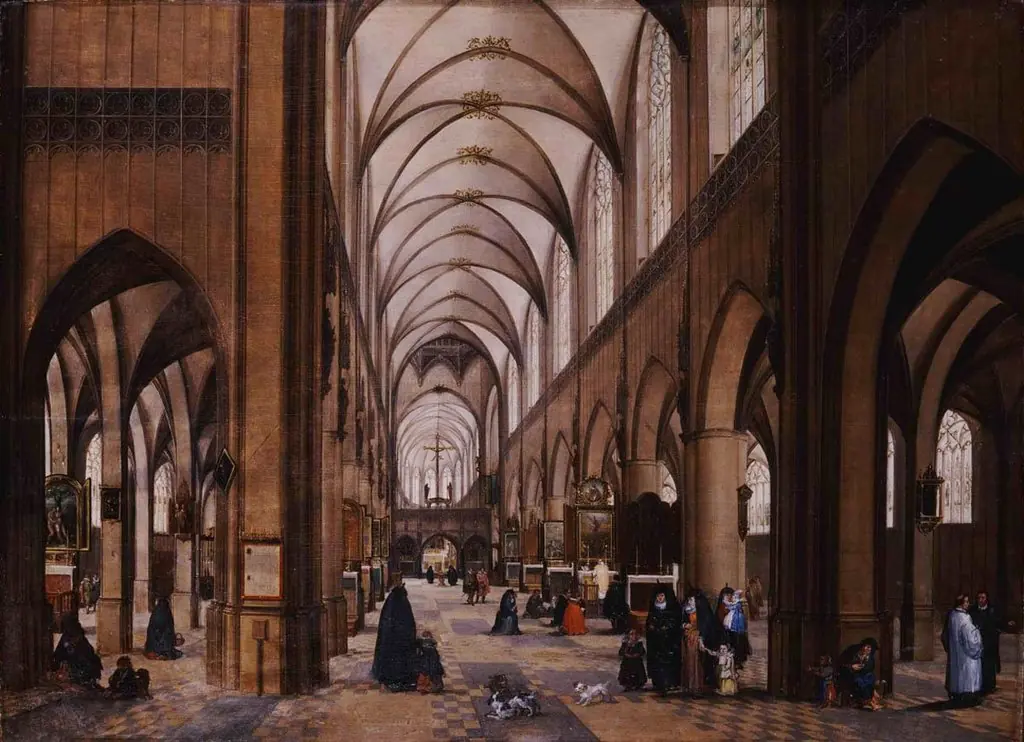 Interior of the Antwerp Cathedral
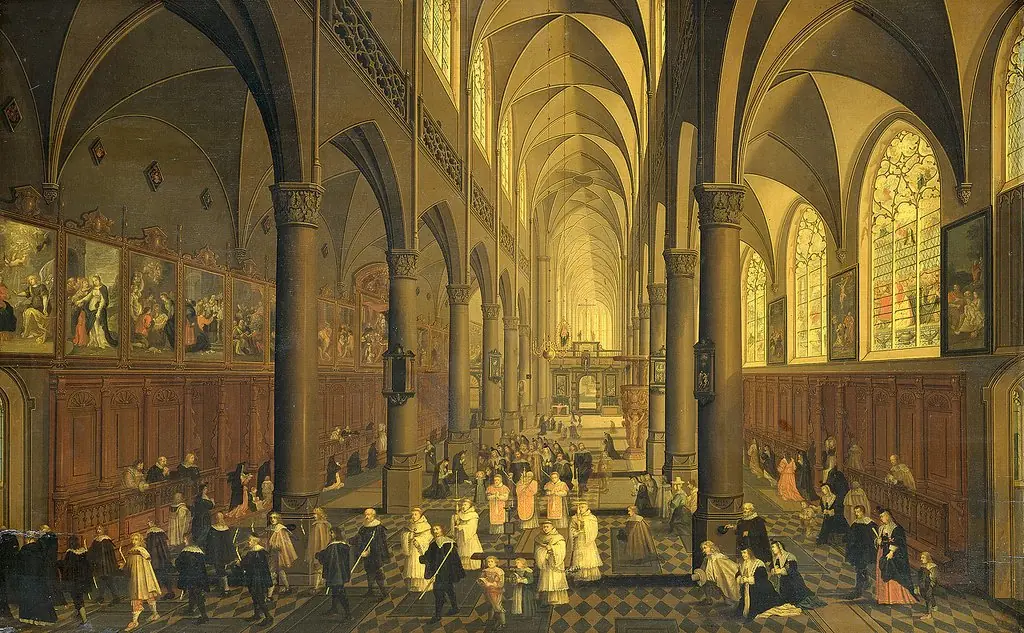 Interior of the Saint Paul's church of Antwerp
 The Interior of the Dominican Church, Antwerp, Looking East, with the Procession of the Holy Sacrament