Artwork
Going to Pasture
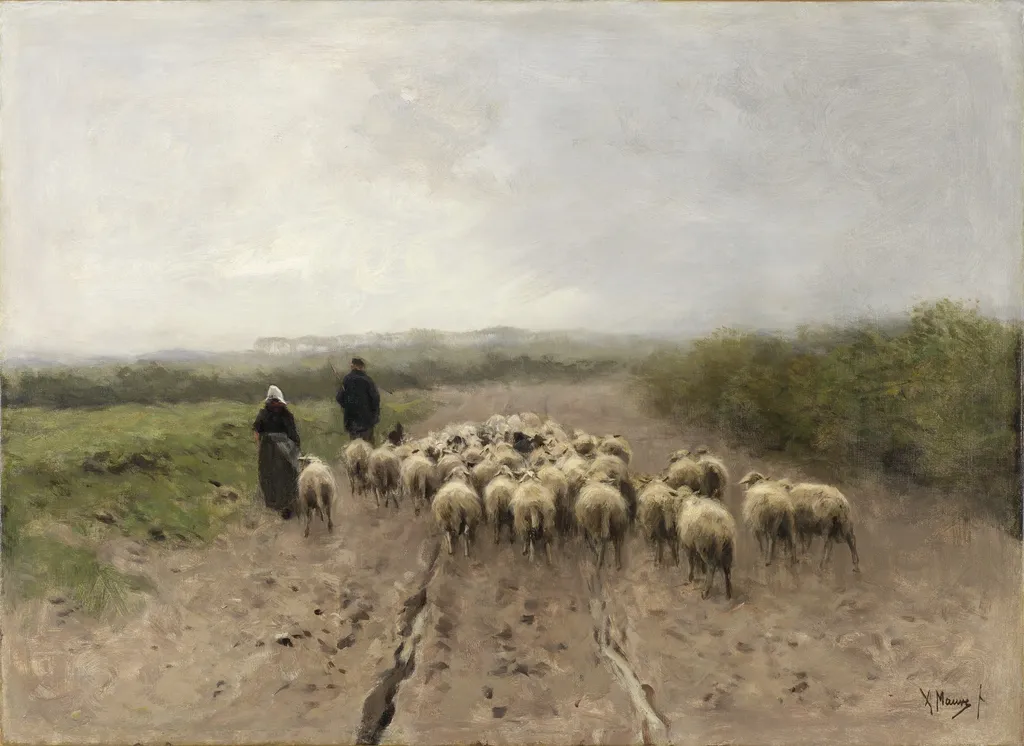
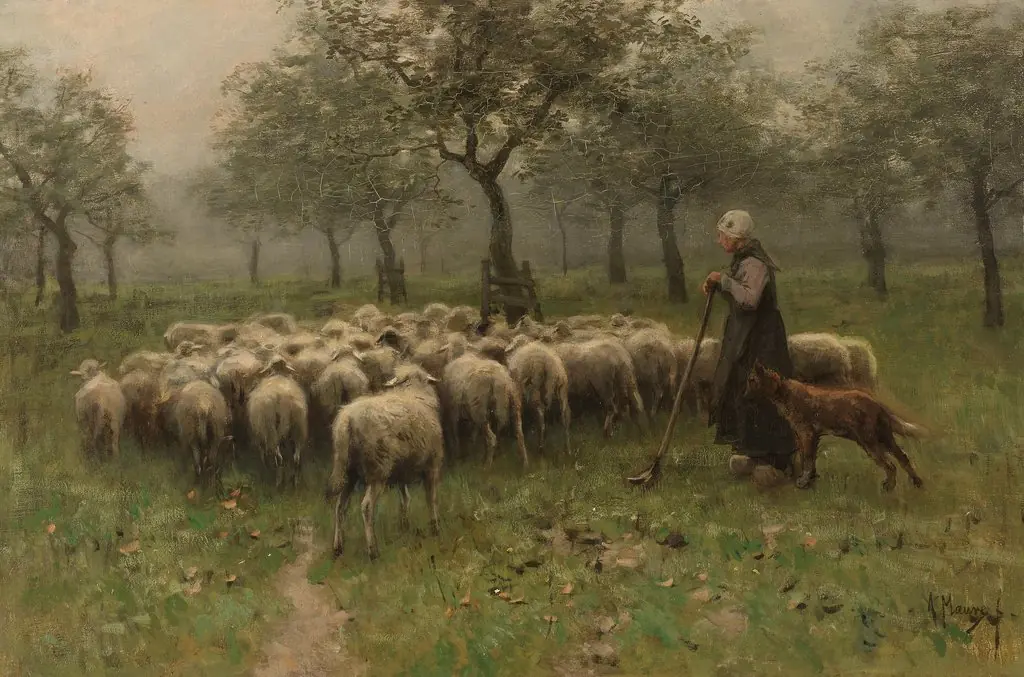
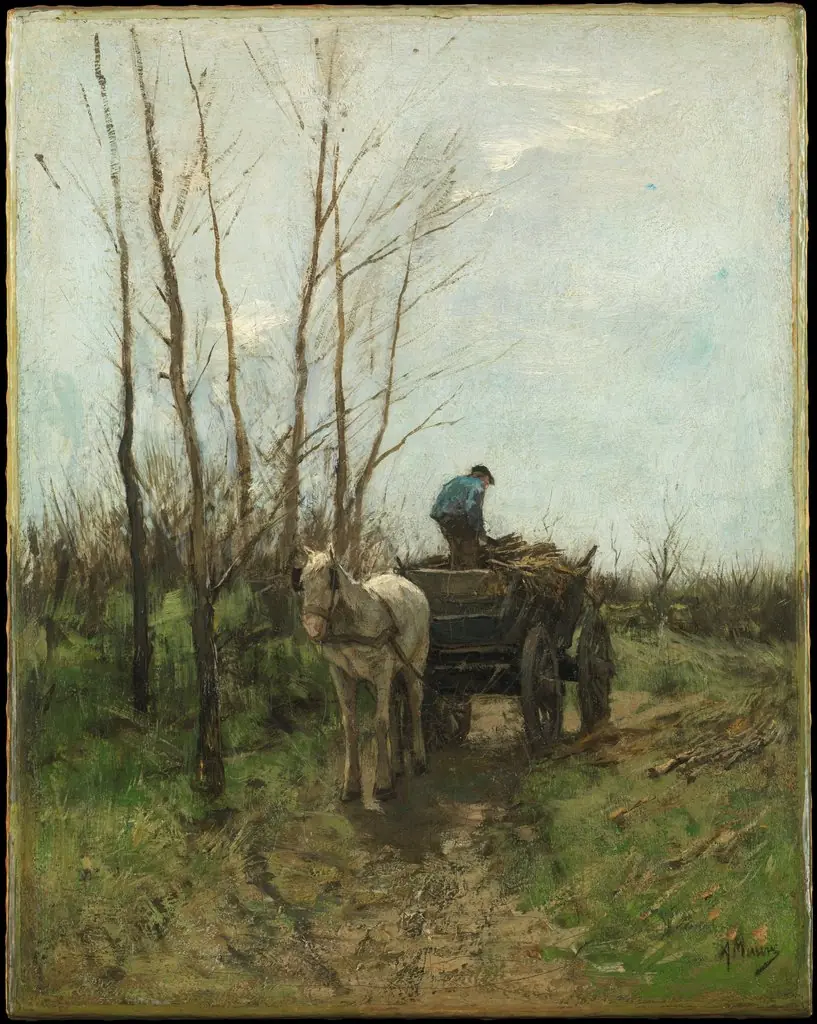
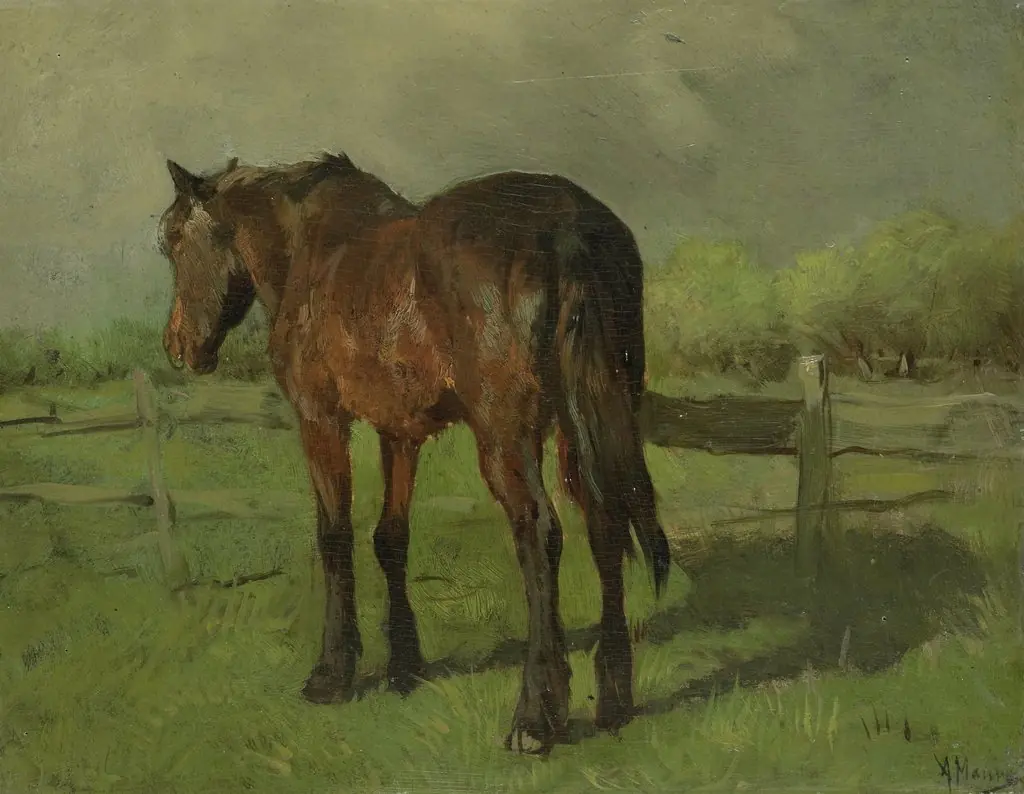
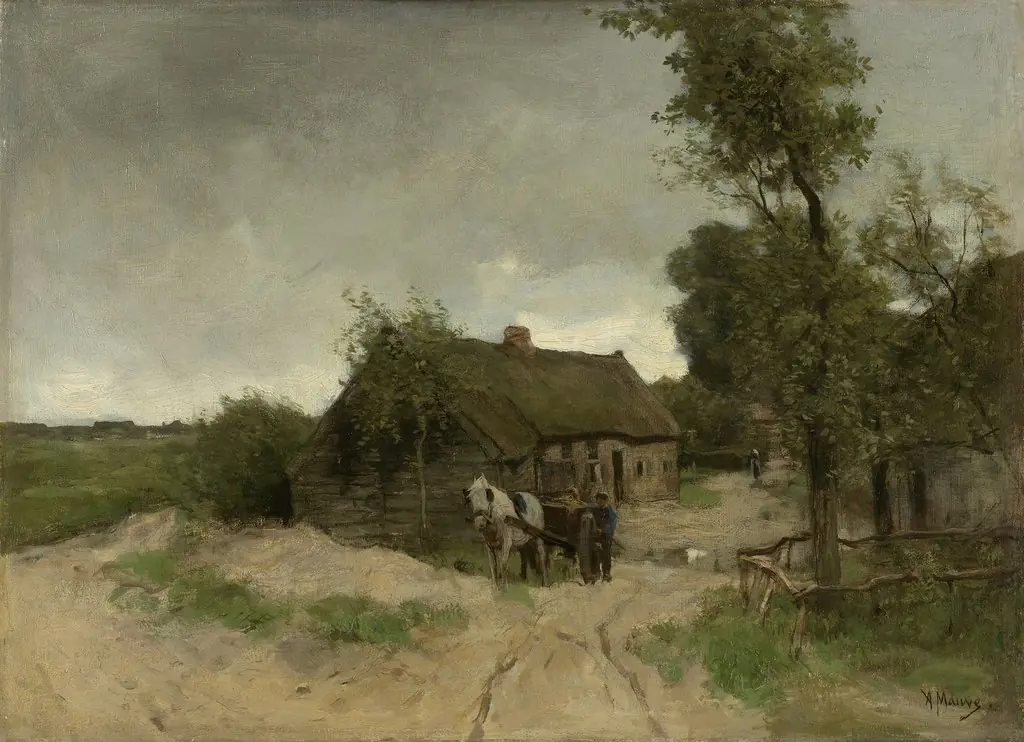
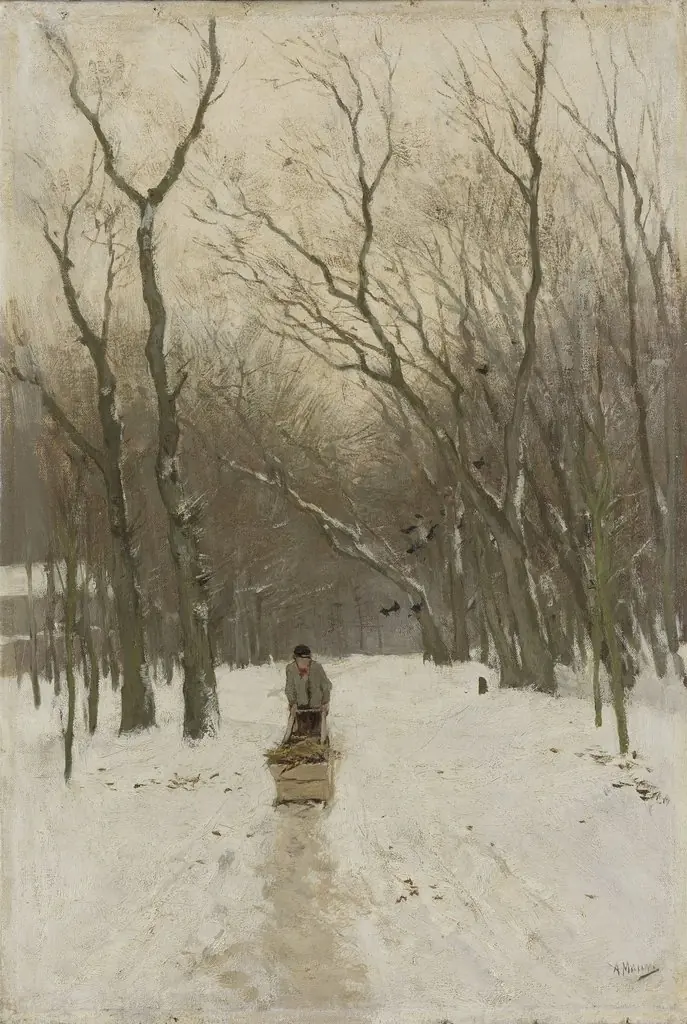
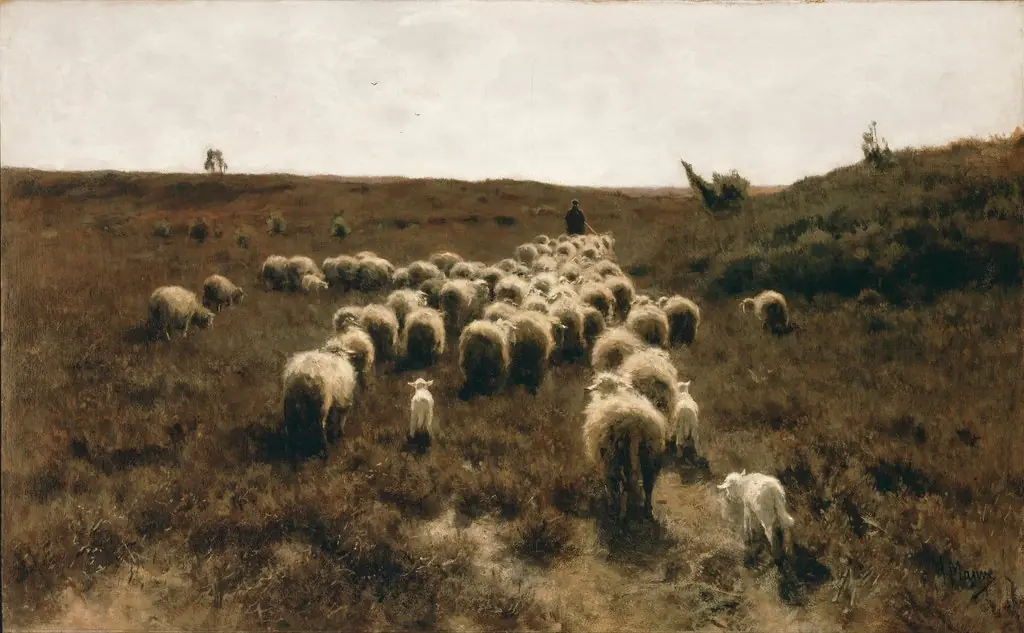
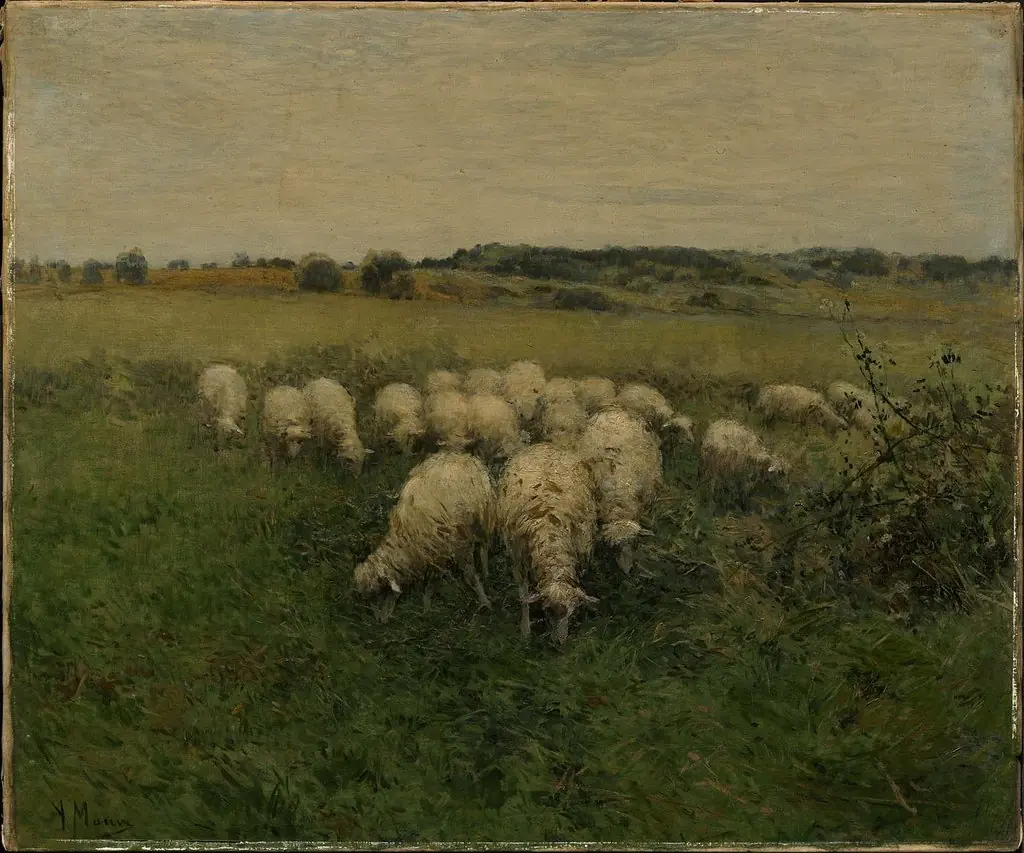
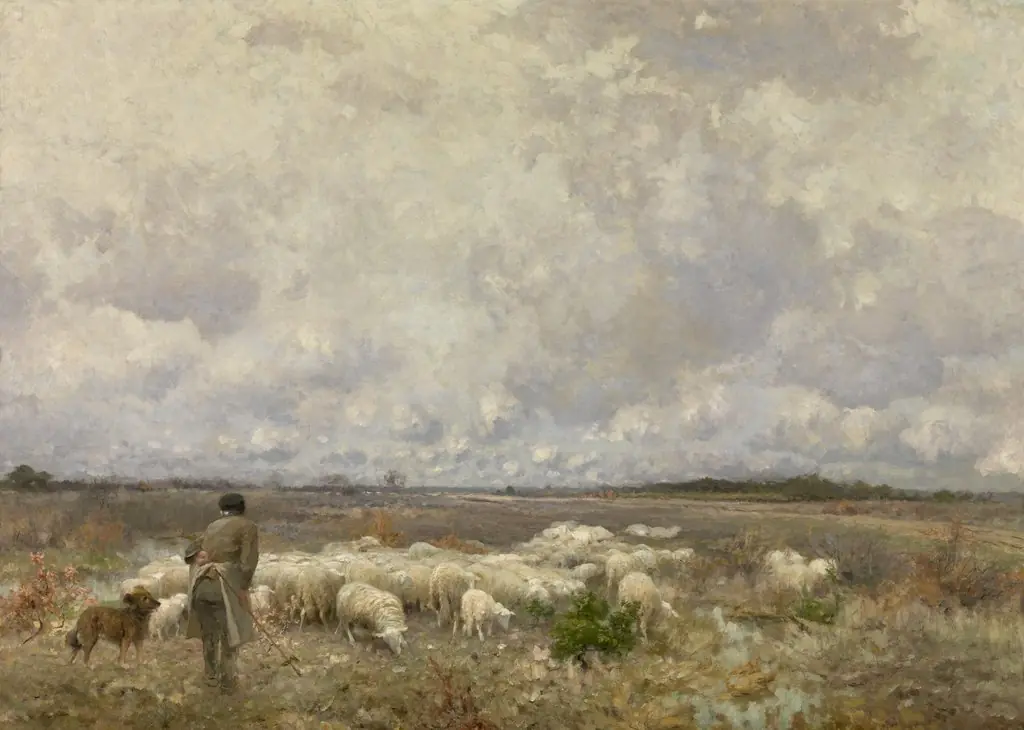
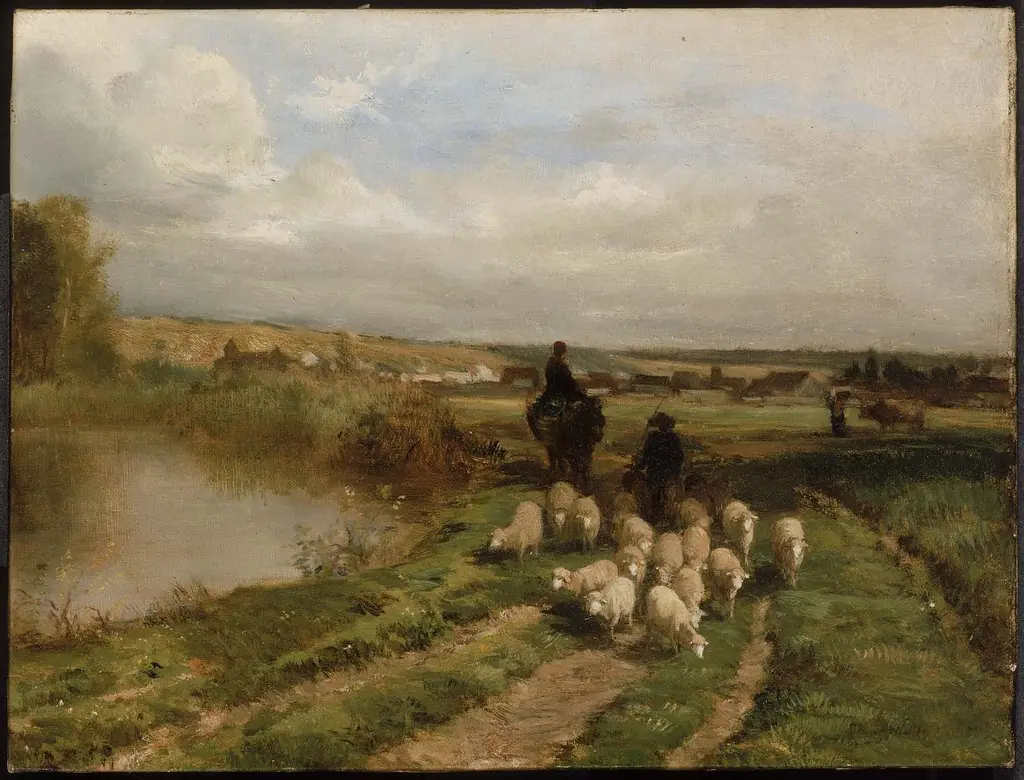
Going to Pasture is an oil painting by the Impressionist artist Anton Mauve. It is held in the collection of the Detroit Institute of Arts.
About this work
Overview
The work belongs to the Hague School tradition, emphasizing quiet rural life in the Netherlands.
Anton Mauve painted *Going to Pasture* in 1900 using oil on canvas, though he died in 1888, making the date likely a misattribution or posthumous cataloging error. The work belongs to the Hague School tradition, emphasizing quiet rural life in the Netherlands. Mauve’s focus on pastoral scenes and naturalistic rendering aligned with broader 19th-century realist tendencies in Dutch art, distinguishing his approach from urban or dramatic subjects favored elsewhere.
Subject & Meaning
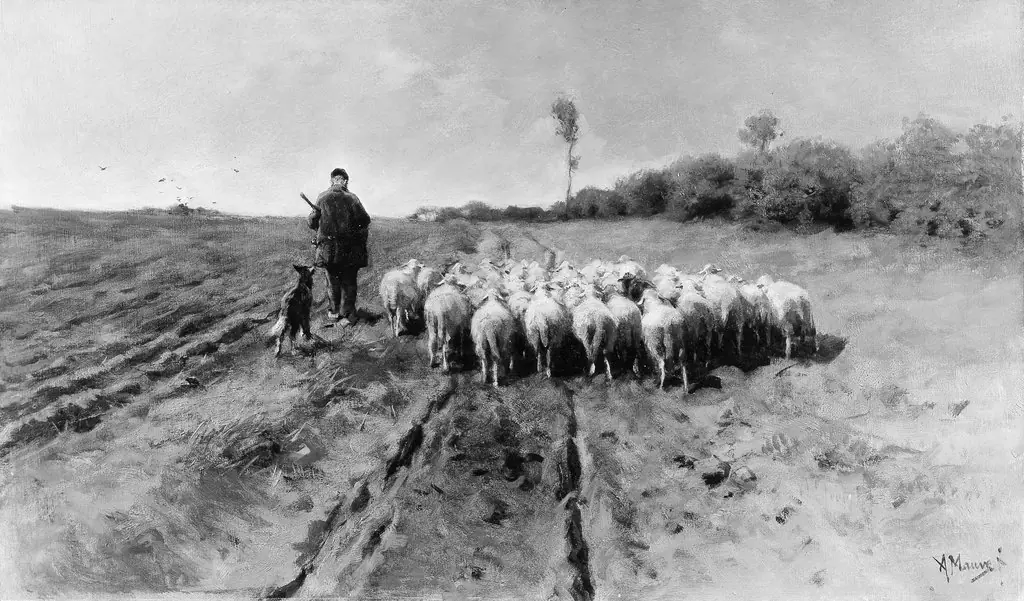
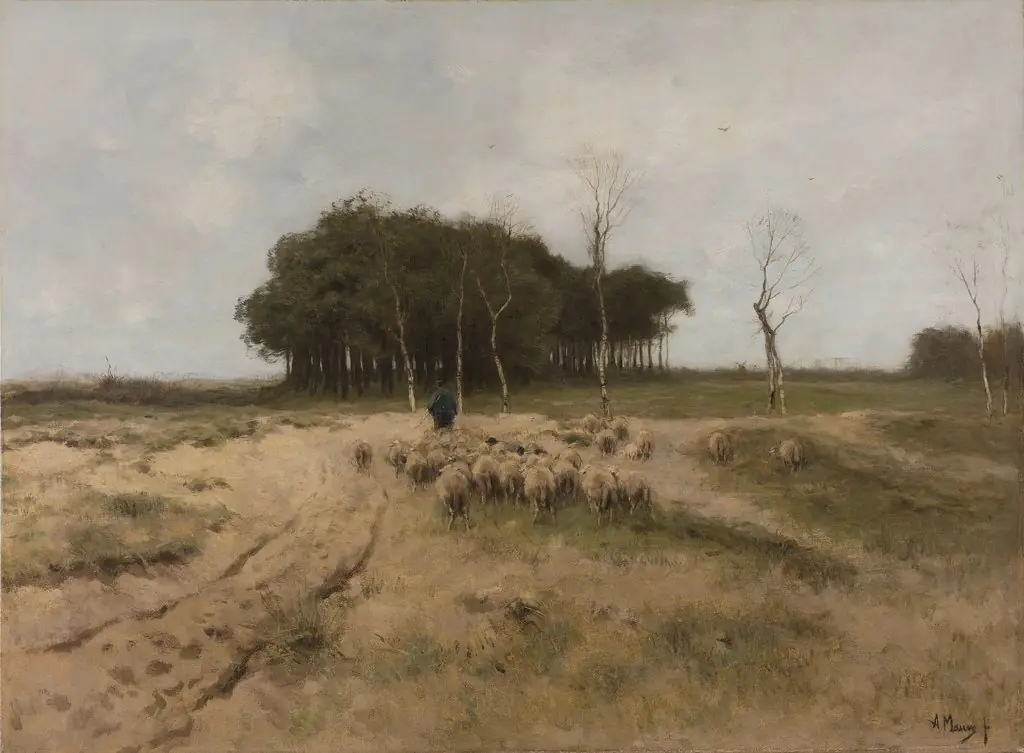
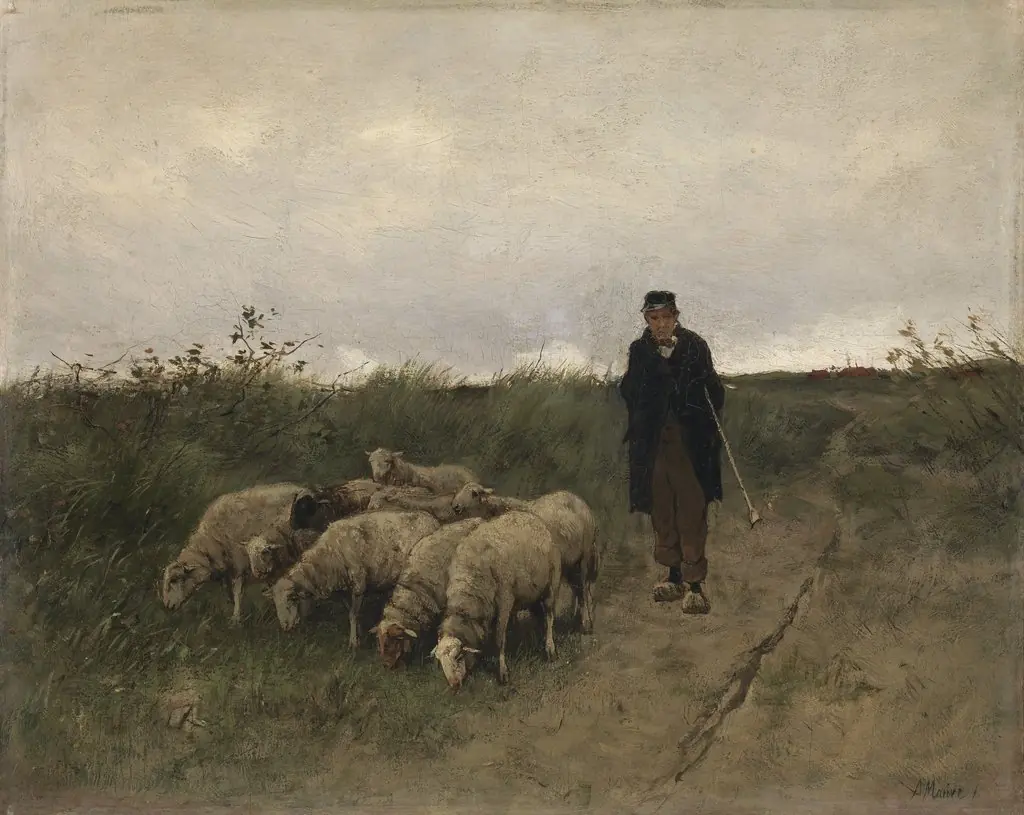
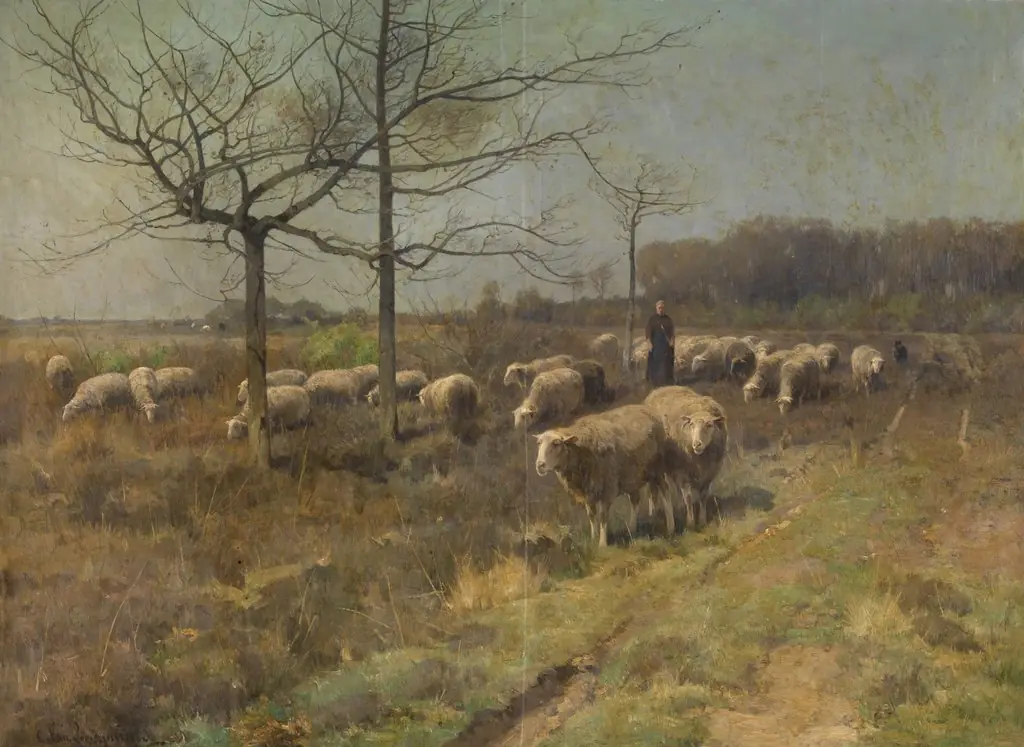
The painting portrays two figures guiding a flock of sheep across a grassy field under a soft, overcast sky. No narrative drama is present—only the routine movement of animals and herders through the landscape. This absence of spectacle reflects the Hague School’s interest in unembellished daily existence, valuing stillness and repetition as subjects worthy of artistic attention.
Technique & Style
Mauve employed oil paint to build subtle tonal gradations and textured surfaces, particularly in the depiction of wool, grass, and cloud cover. His brushwork is deliberate but unobtrusive, avoiding overt brushstrokes in favor of blended transitions. Light is diffused and even, enhancing the calm mood without dramatic contrasts, reinforcing the painting’s quiet realism and atmospheric cohesion.
History & Provenance
Though Mauve passed away in 1888, *Going to Pasture* is dated 1900, suggesting it may have been painted earlier and cataloged later, or possibly misattributed. The work entered circulation among American collectors who admired his depictions of sheep and rural labor. Its survival and recognition reflect the international appeal of Hague School imagery during the late 19th and early 20th centuries.
Context
Mauve operated within a network of Dutch artists committed to observing nature directly, often working en plein air. His scenes of shepherding and farm life contrasted with the romanticized countryside of earlier generations. The Hague School’s emphasis on local subject matter and muted palettes positioned Mauve as a bridge between traditional Dutch realism and emerging Impressionist sensibilities.
Legacy
Mauve’s influence extended beyond his lifetime, particularly through his mentorship of Vincent van Gogh and his role in shaping the aesthetic of Dutch realism. While not a radical innovator, his disciplined observation of light and rural routine contributed to a broader shift toward naturalism in European painting, quietly informing later generations of landscape artists.
Own this work as a print
Artist & collection
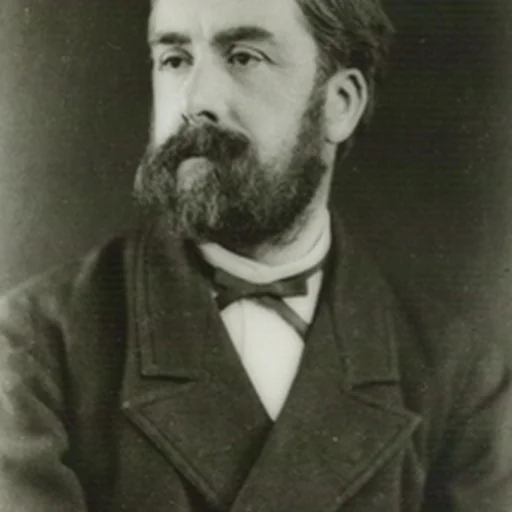
Artist
Anthonij "Anton" Rudolf Mauve (Dutch pronunciation: ; 18 September 1838 – 5 February 1888) was a Dutch realist painter who was a leading member of the Hague School.