Artwork
Sheep Grazing in an Open Field
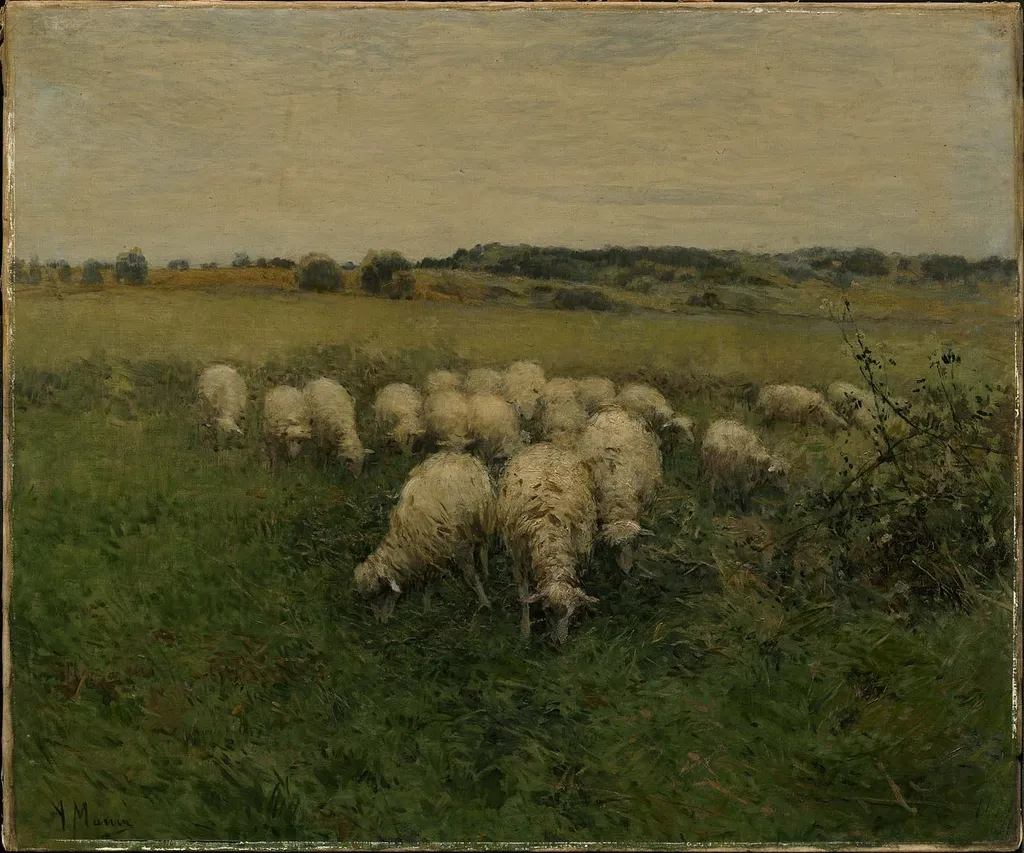
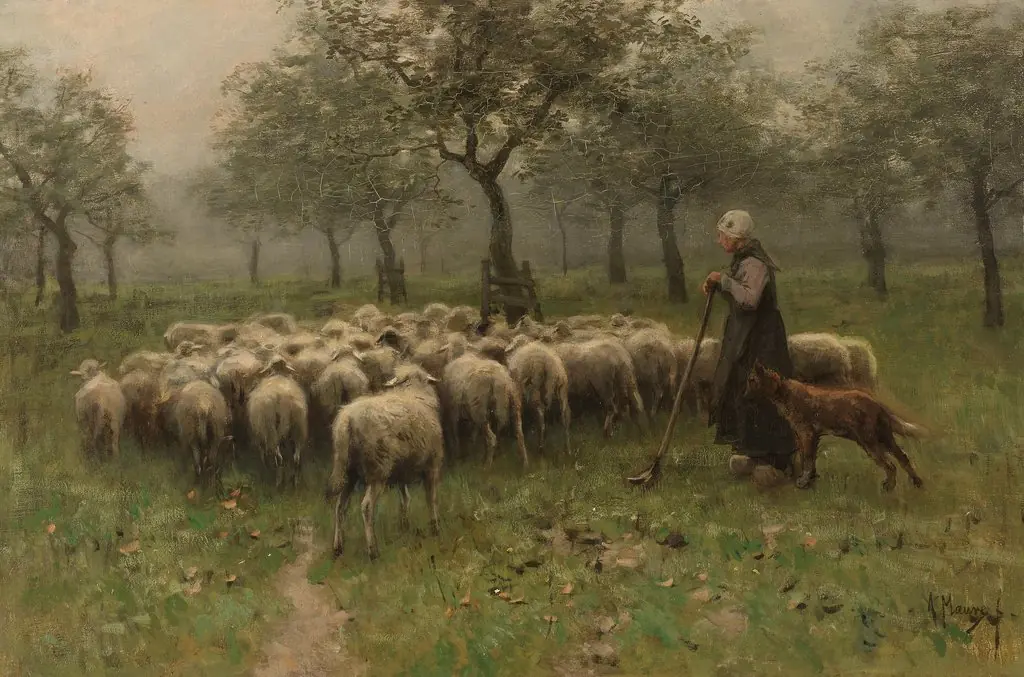
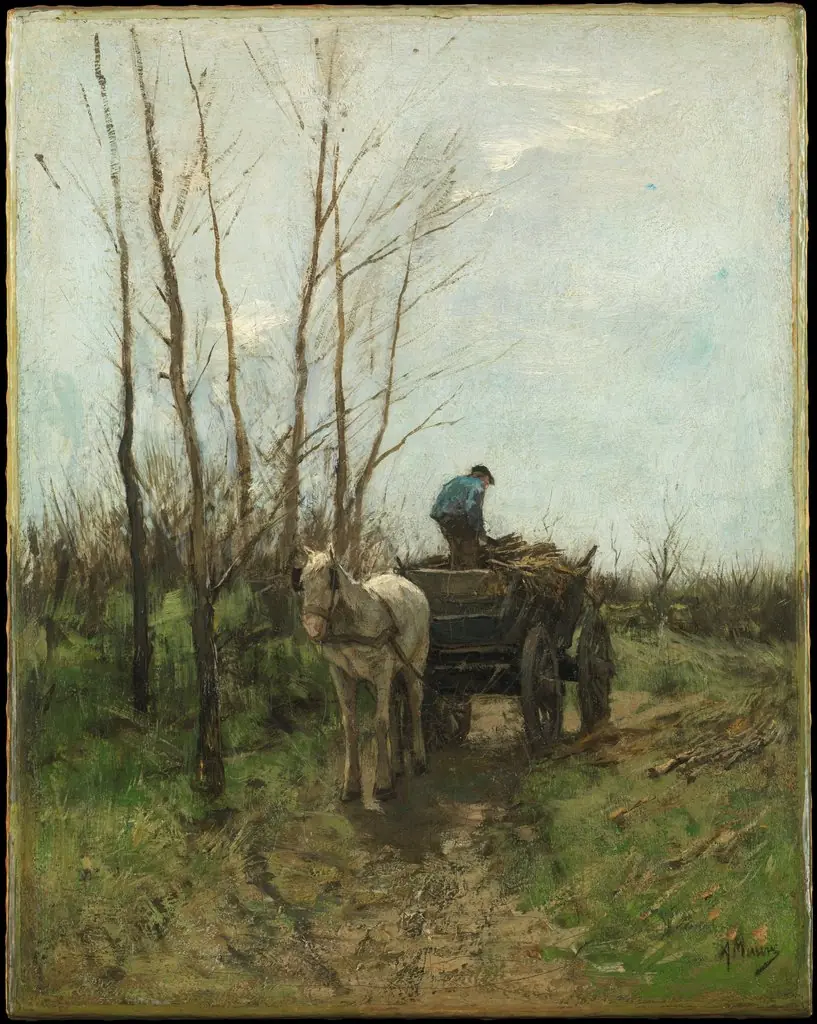
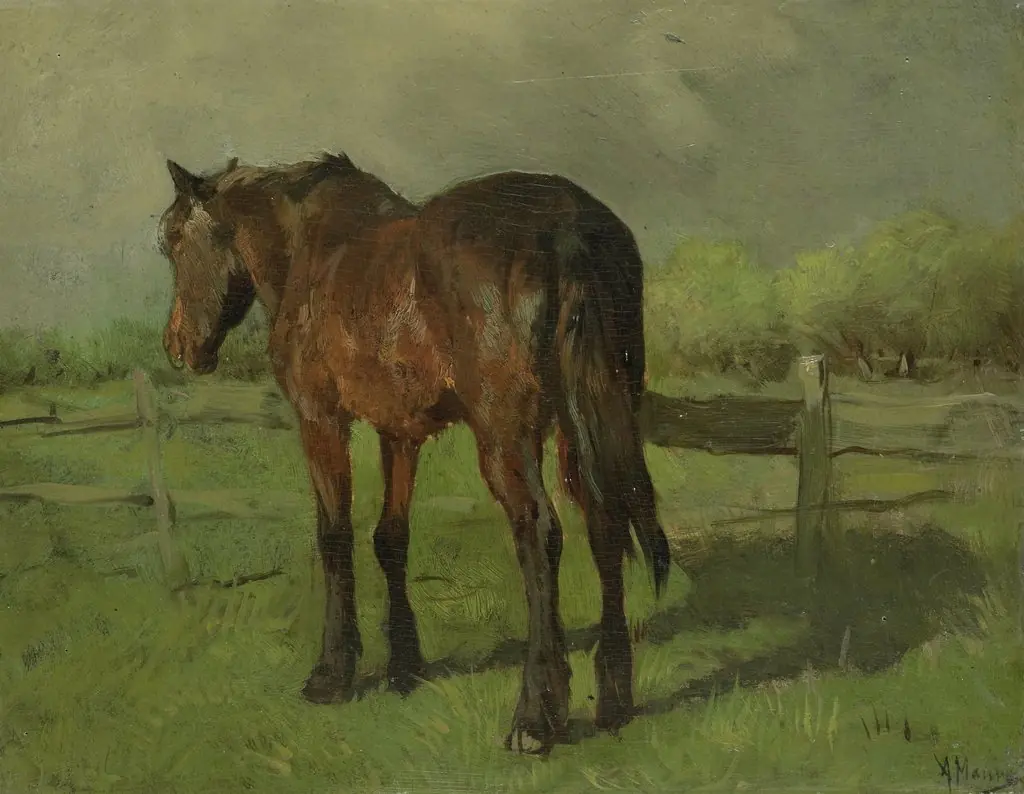
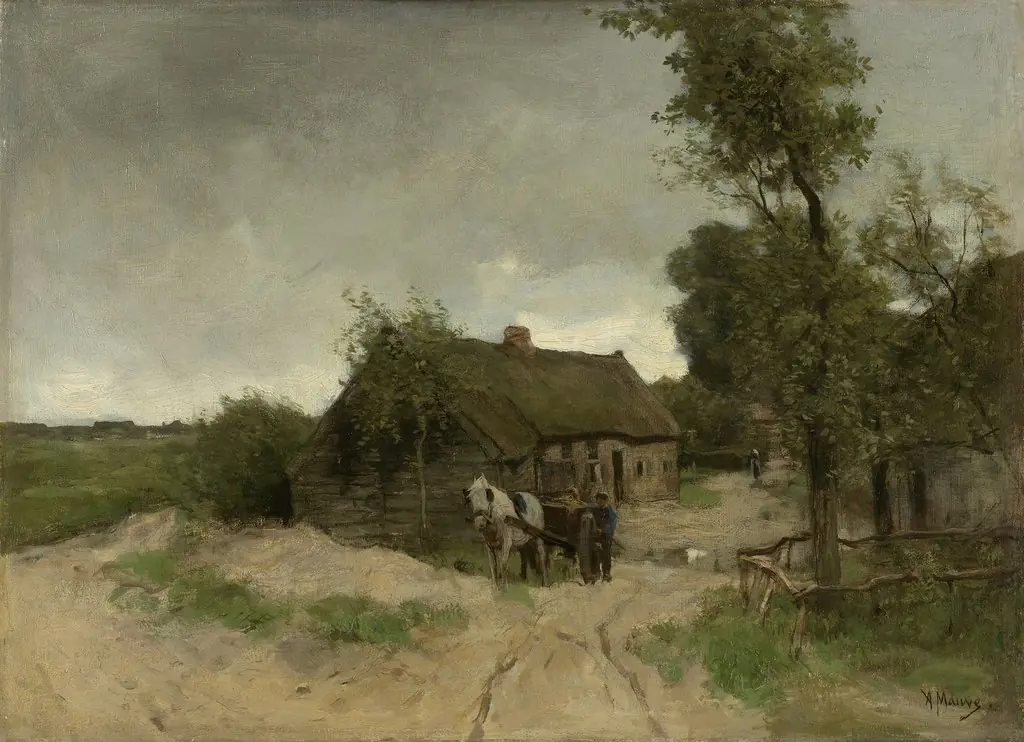
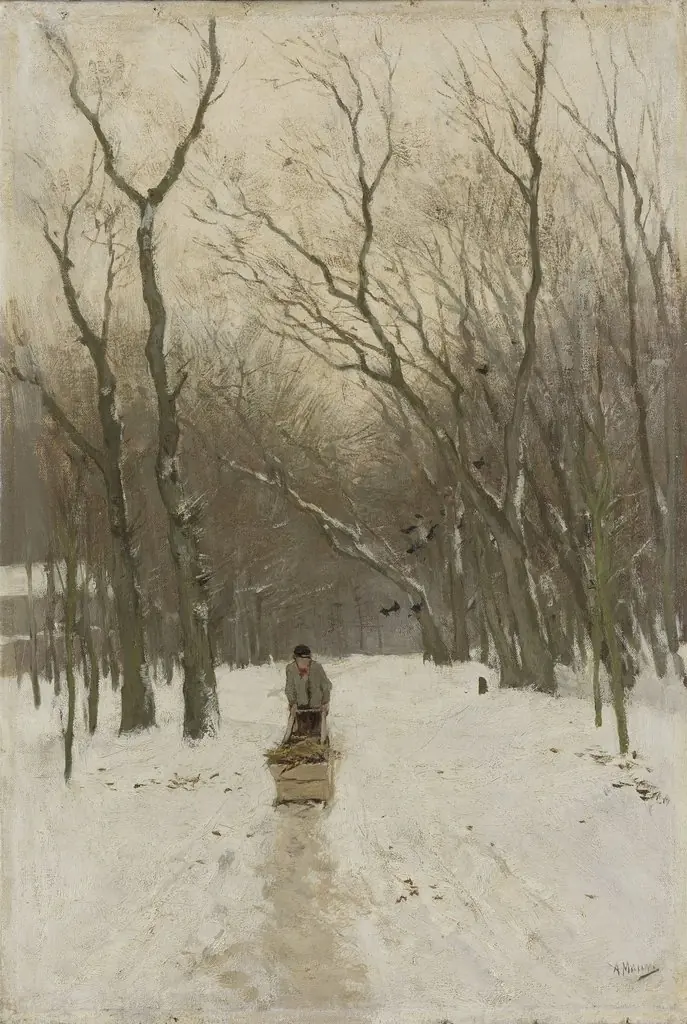
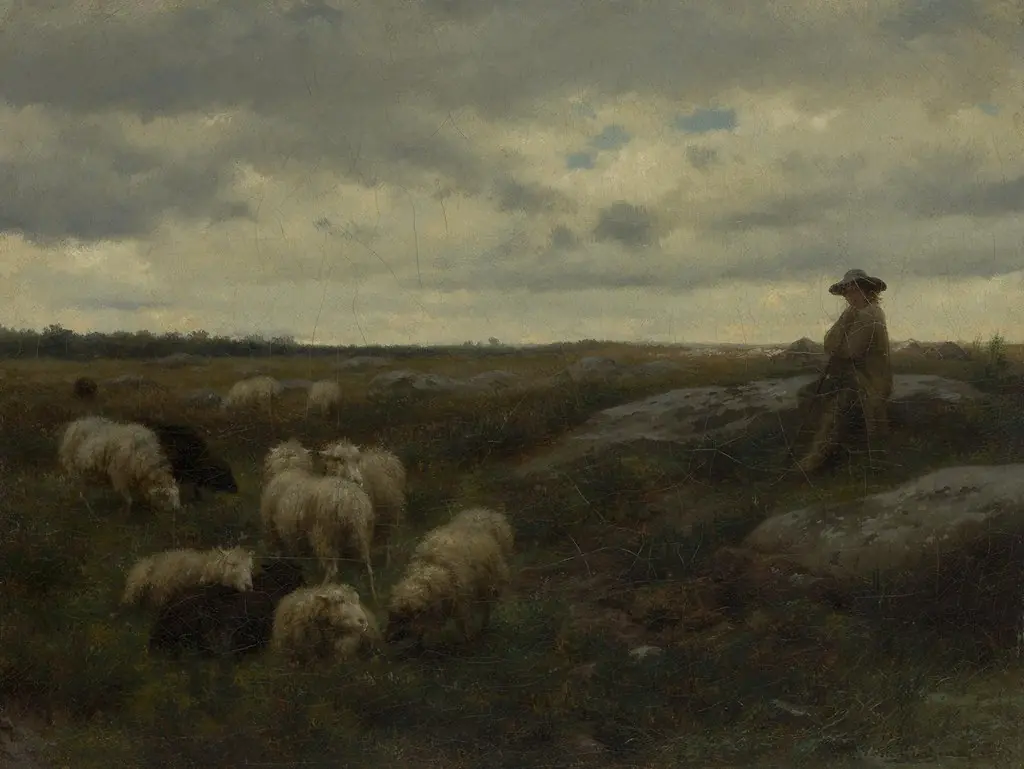
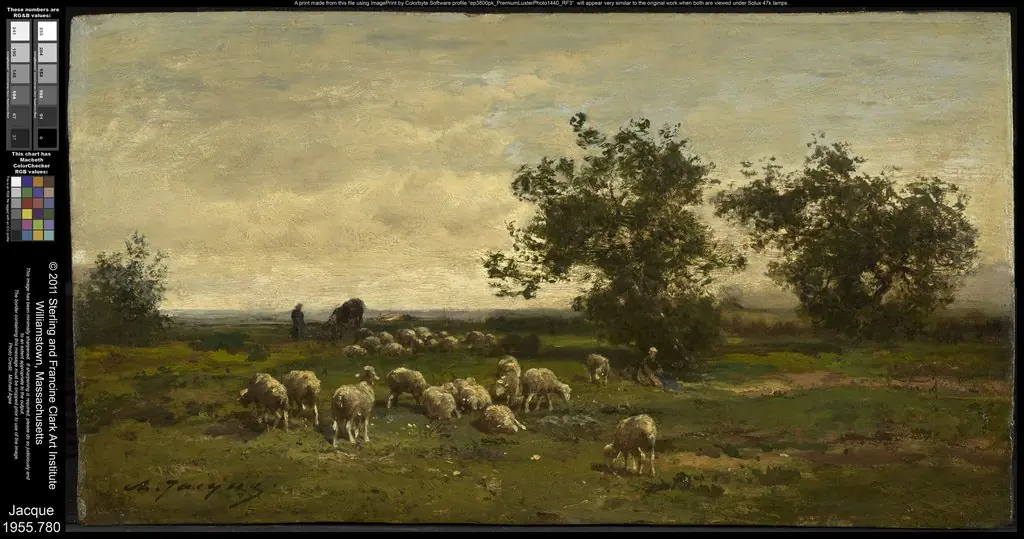
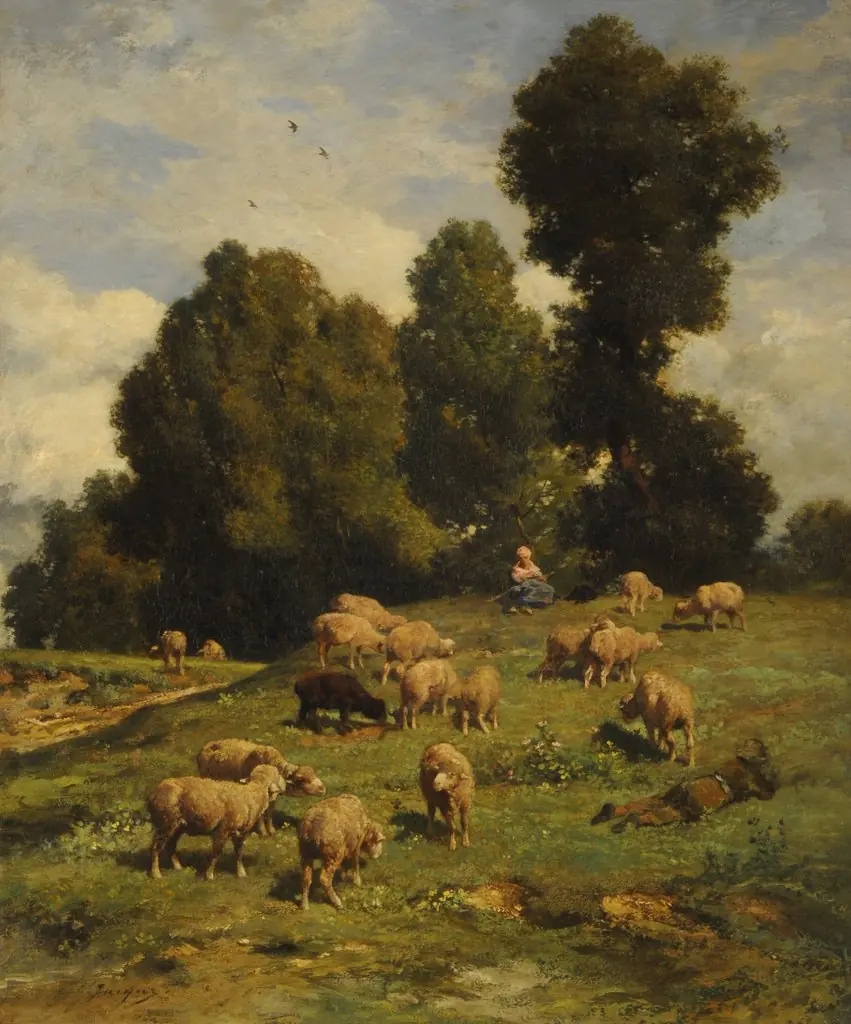
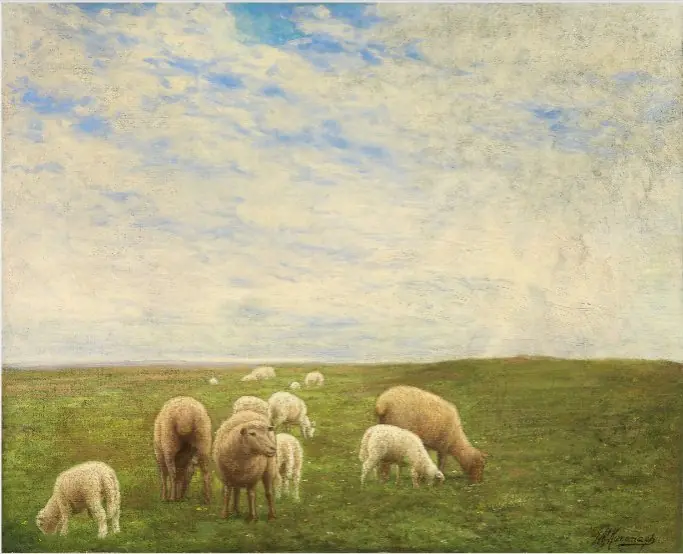
Sheep Grazing in an Open Field is an oil painting by the Hague School Movement artist Anton Mauve. It dates from 1873 and is held in the collection of the Museum of Fine Arts Boston.
About this work
Overview
Mauve, associated with the Hague School, focused on ordinary moments in the countryside, avoiding idealization in favor of observed reality.
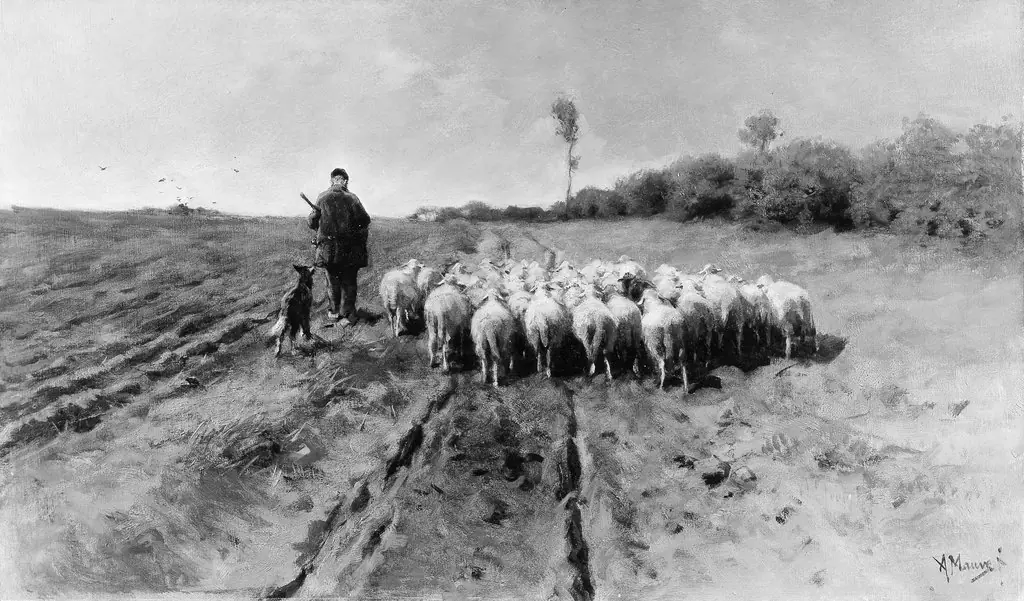
Painted around 1873 by Dutch artist Anton Mauve, this oil on canvas depicts a quiet rural landscape where sheep graze in an open field. Mauve, associated with the Hague School, focused on ordinary moments in the countryside, avoiding idealization in favor of observed reality. The composition centers on the animals, arranged naturally across the foreground, with the land receding gently toward a soft horizon.
Subject & Meaning
The painting presents sheep not as symbols of pastoral romance, but as living creatures engaged in routine behavior—resting, standing, turning. Their placement and varied postures suggest spontaneity rather than staged arrangement. The absence of human figures emphasizes the autonomy of the natural world, reinforcing Mauve’s interest in unembellished rural life and the quiet dignity of animal existence.
Technique & Style
Mauve applied oil paint with loose, textured brushwork that captures the woolly texture of the sheep and the subtle shifts in grass and earth. His palette favors muted greens, browns, and soft grays, harmonized by diffused daylight that bathes the scene in gentle warmth. The visible strokes and lack of polish create a tactile surface, enhancing the sense of immediacy and direct observation.
History & Provenance
Created during Mauve’s mature period, the painting aligns with his growing reputation for pastoral scenes, particularly among American collectors who valued his restrained realism. While specific ownership records from the 1870s are limited, the work’s survival and continued display reflect its enduring appeal within collections focused on 19th-century Dutch realism.
Context
In the 1870s, Dutch artists like Mauve turned away from academic grandeur toward scenes of everyday rural life, influenced by French Realism and the Barbizon School. The Hague School emphasized atmospheric effects and humble subjects, positioning Mauve as a bridge between traditional Dutch landscape traditions and modern observational painting.
Legacy
Mauve’s approach to rural subjects influenced younger artists, including Vincent van Gogh, who studied under him. While not widely exhibited today, this painting exemplifies a quiet strand of 19th-century European art that valued sincerity over spectacle. Its endurance lies in its unforced depiction of nature’s rhythms, offering a contemplative counterpoint to industrializing modernity.
Artist & collection
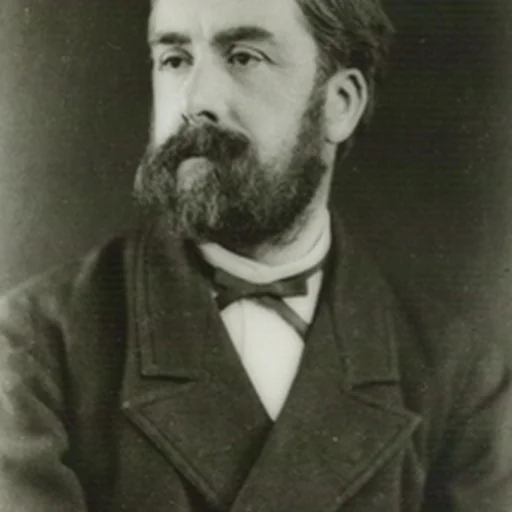
Artist
Anthonij "Anton" Rudolf Mauve (Dutch pronunciation: ; 18 September 1838 – 5 February 1888) was a Dutch realist painter who was a leading member of the Hague School.